
Bengal Natural History Museum
Museum near Darjeeling, West Bengal
2.3 km from Darjeeling
The nearest town, for stays, food and fuel.
The Bengal Natural History Museum in Darjeeling houses an extensive collection of preserved fauna from the Eastern Himalayas and West Bengal. Situated on the wooded slopes of Birch Hill, it offers travellers and nature enthusiasts a detailed look at the region's diverse bird, mammal, and insect species. Visitors come to explore its vintage taxidermy displays and gain an understanding of high-altitude Himalayan wildlife.
Getting there
By road
- From DarjeelingNearest town4 min · 2.6 km
Typical drive times without traffic. Stations and airports from OLA Maps; distances and typical drive times from OpenStreetMap (© OpenStreetMap contributors); notes from creators' Reels.
About Bengal Natural History Museum
Written with AI from map data and general knowledge. Check prices and timings locally before you go.
What to expect at Bengal Natural History Museum
The Bengal Natural History Museum offers an unusual, educational perspective on the wilderness of North Bengal and the surrounding Himalayan regions. Inside, visitors encounter two primary display floors packed with dioramas and glass showcases. The museum exhibits a vast array of taxidermy specimens, skeletal structures, and biological preparations representing mammals, birds, reptiles, fish, and insects that inhabit these mountain ecosystems.
Among the most prominent exhibits are specimens of elusive Himalayan wildlife, such as the snow leopard, clouded leopard, Tibetan lynx, and the red panda. The avian section is particularly noteworthy, holding hundreds of indigenous and migratory bird species, including high-altitude pheasants, raptors, and hornbills, carefully preserved in realistic poses. Downstairs and along the side galleries, comprehensive entomological cases display vibrant butterflies, moths, and beetles, giving visitors an intricate close-up view of creatures that are difficult to observe in their dense native forests.
History and significance of the museum
The origin of the Bengal Natural History Museum dates back to 1903, during the British colonial period, when a small museum was initiated within the grounds of the nearby botanical garden. As the collection of regional zoological specimens expanded rapidly under the guidance of early naturalists and the Bengal Natural History Society, the original premises proved insufficient.
In the early 1920s, the present museum building was constructed at Birch Hill to house this growing scientific archive. Over decades, naturalists and forest department officials contributed carefully documented specimens found across the Terai, Dooars, Sikkim, and the high ridges of Darjeeling. Today, the museum stands not only as an exhibition of natural life, but also as a window into early twentieth-century field taxonomy, curation methods, and the conservation history of the Eastern Himalayas.
Read more
Best time to visit Darjeeling
Because the museum is an indoor attraction, it can be visited comfortably throughout the year, but your overall travel experience depends on the broader Darjeeling climate. The spring months of March through May are among the most pleasant times to visit. During this period, the weather remains temperate, rhododendrons bloom across the nearby slopes, and mountain trails are generally dry and easy to walk.
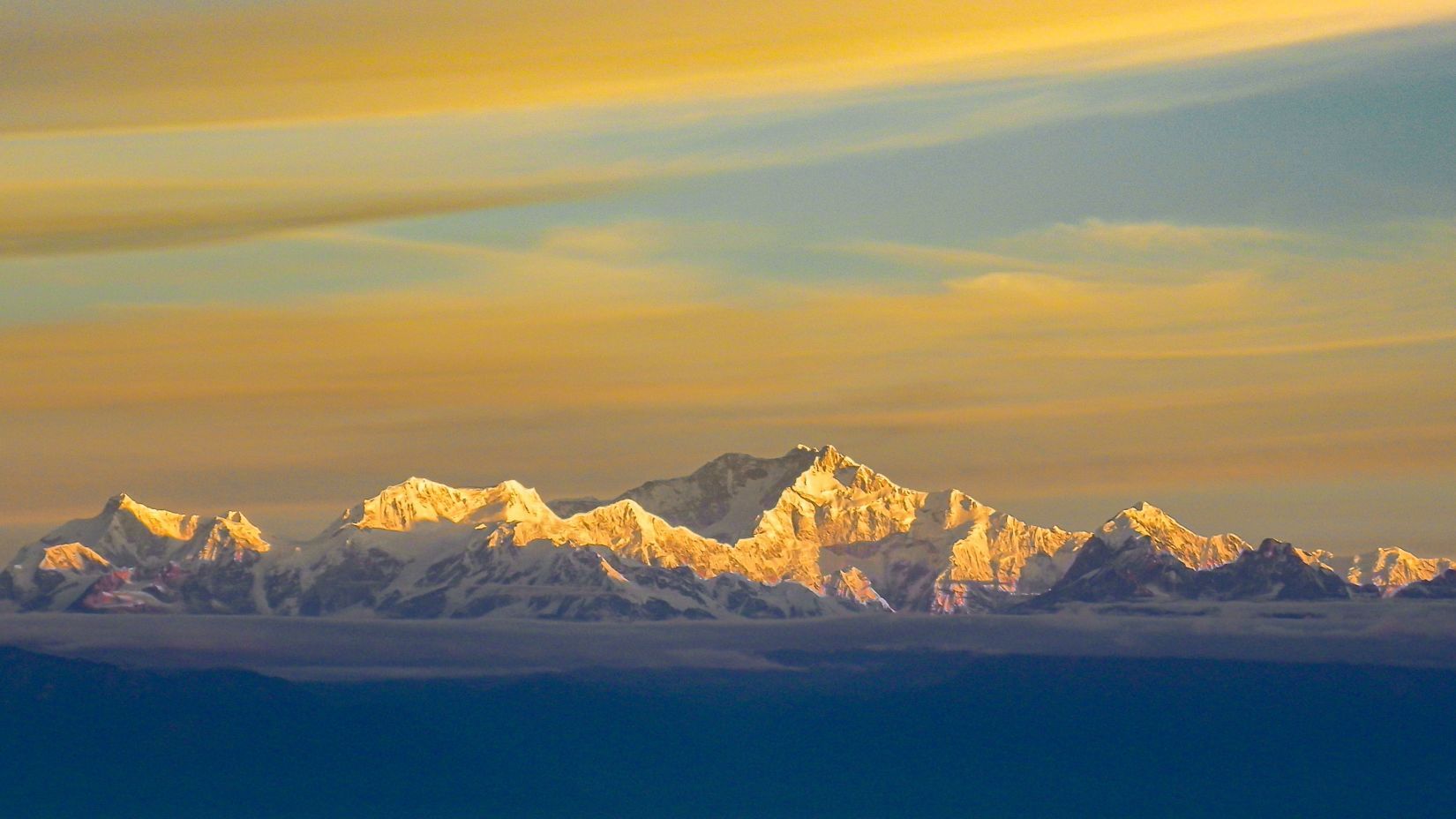
Autumn, spanning from late September through November, offers crisp mountain air and the highest likelihood of clear views of Mount Kanchenjunga. Winter brings a sharp chill, with December and January experiencing low temperatures, though crisp sunny afternoons can still make for rewarding sightseeing. The monsoon season, from June to August, brings heavy rainfall, misty conditions, and occasional road disruptions in the hills. While the museum offers a sheltered retreat on rainy days, outdoor sightseeing around Darjeeling during the peak rains requires flexible plans.
How to reach the Bengal Natural History Museum
The museum is located along Jawahar Parbat, also known as Birch Hill, in the northern part of Darjeeling town. It sits practically adjacent to the Padmaja Naidu Himalayan Zoological Park and the Himalayan Mountaineering Institute complex. From the main town centre around Mall Road or Chowrasta, visitors can reach the museum area by a scenic twenty to thirty minute walk along quiet, tree-shaded paths, or hire a local taxi from one of the town stands.
Reaching Darjeeling itself is straightforward from the plains of West Bengal. The nearest major railway hub is New Jalpaiguri, and the closest domestic airport is at Bagdogra. From either transport hub, private and shared taxis depart regularly for Darjeeling, winding through tea gardens and mountain passes on a drive that typically takes three to four hours depending on traffic and road conditions. The historic Darjeeling Himalayan Railway also connects the plains to the hill town for travellers who prefer a heritage rail journey.
Tips for visiting the museum
Plan to spend about an hour to an hour and a half exploring the displays at a relaxed pace. The museum is informative and well-suited for families with children, photography enthusiasts, and wildlife students who want to study feather patterns, anatomical scale, and species distributions in detail. Lighting inside historic display cases can vary, so take your time reading the interpretive labels that accompany the specimens.
Since the museum shares its immediate vicinity with the zoo and the mountaineering institute, most travellers choose to group these attractions together in a single morning or afternoon outing. Check local notices or inquire on the spot regarding current visitor hours, ticket pricing, and indoor photography rules, as these can be updated periodically. Because Darjeeling hill roads involve gentle climbing, comfortable walking shoes are advisable, alongside a warm jacket or shawl during cooler months.
Places to visit nearby
The museum location makes it an ideal launching point for exploring several other major highlights of Darjeeling. Right next door is the Padmaja Naidu Himalayan Zoological Park, known internationally for its conservation breeding programs for red pandas and snow leopards. A short walk from the gates leads to the Darjeeling Ropeway, which offers sweeping panoramic views of the tea estates and rolling valleys below, as well as Tenzing Rock, a natural cliff face used for rock-climbing training.
Further down toward the town centre, travellers can relax at historic bakeries and open-air viewpoints, or venture onward to the Japanese Buddhist Temple and the Peace Pagoda, located on the slopes of Jalapahar. Other prominent excursions in the surrounding hills include the Batasia Loop, where the toy train loops around a manicured war memorial garden, and Tiger Hill, renowned for sunrise vistas over the Himalayan range.
Where to stay
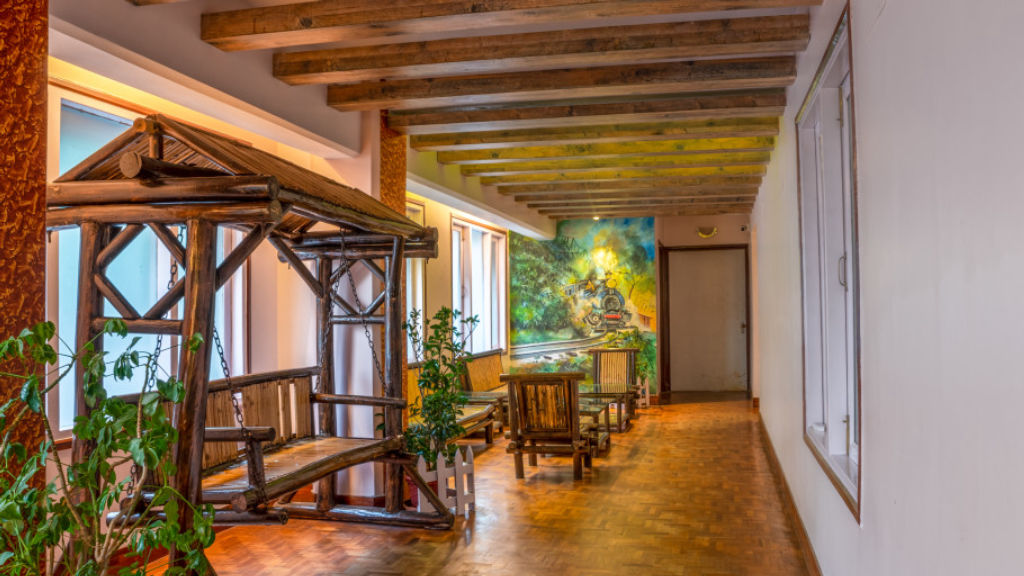
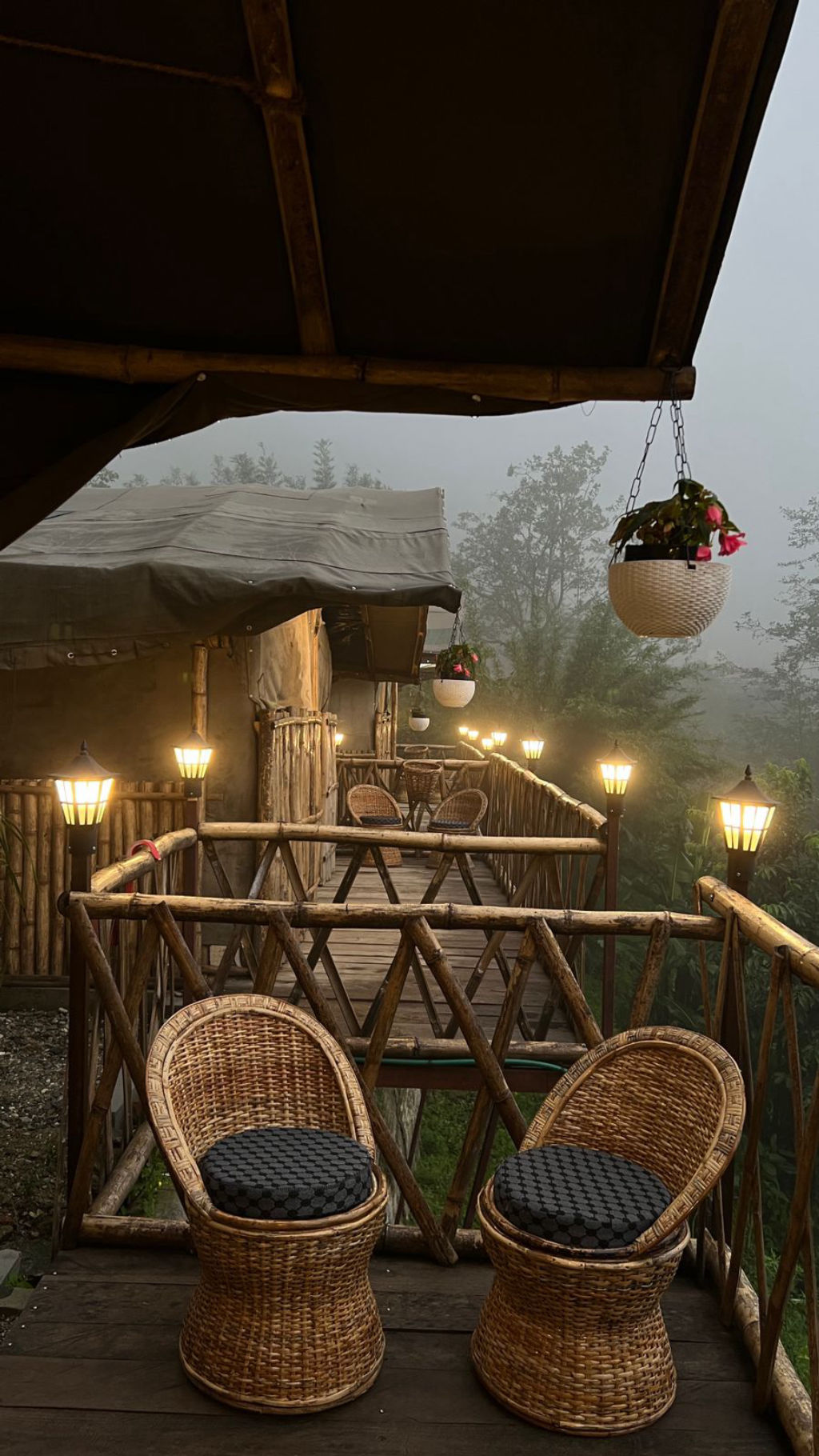
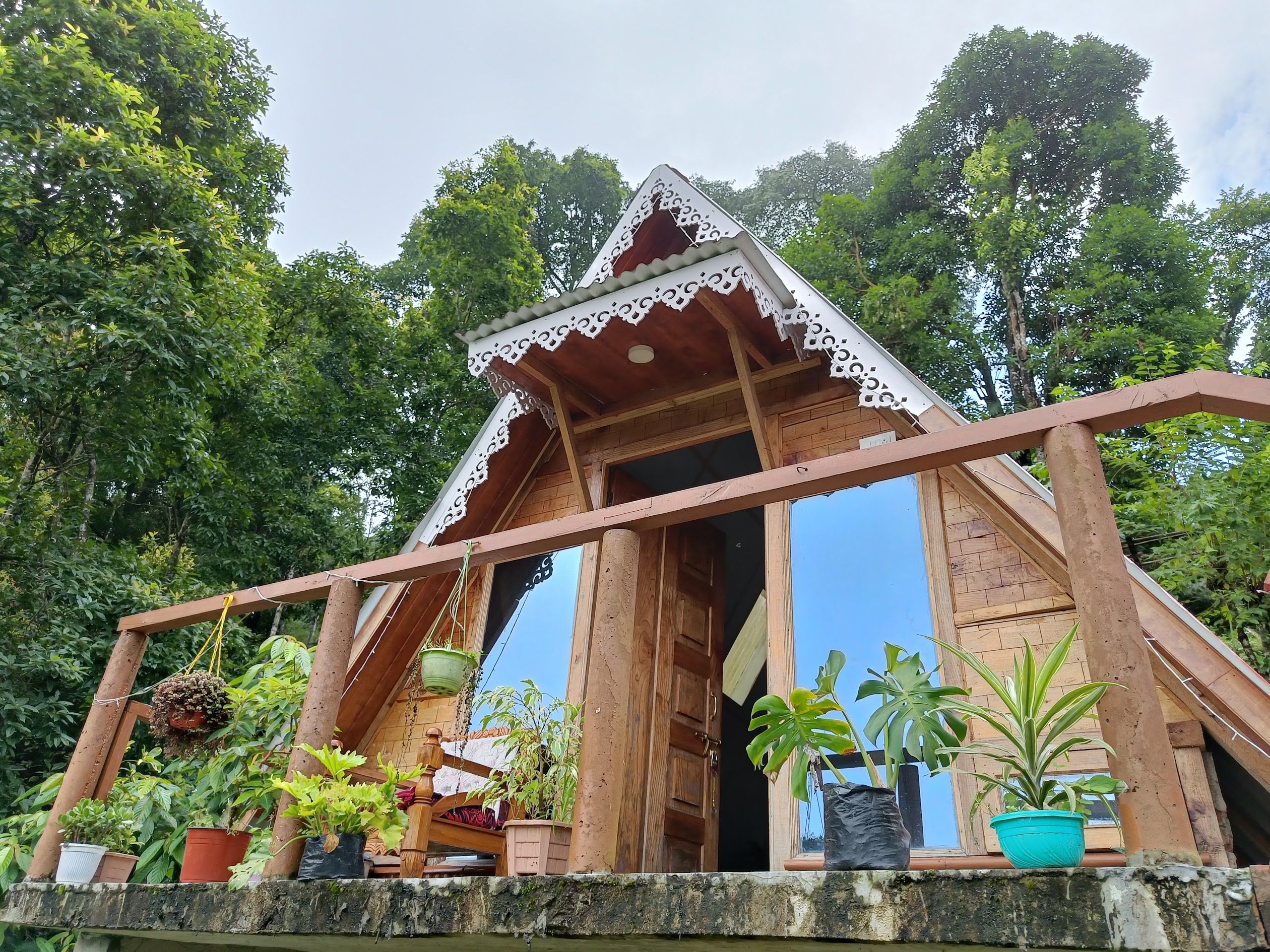
Darjeeling and its surrounding hill ridges offer a broad variety of stays, ranging from traditional colonial-era town cottages and hillside apartments to quiet farmsteads and rural homestays tucked into tea garden valleys. Staying slightly outside the bustling market core can provide peaceful nights surrounded by pine forests, mist, and bird song.
If you are planning an authentic Himalayan holiday, browse HireACamp for curated homestays, nature retreats, and outdoor camps across Darjeeling and the wider North Bengal hills. Reserving your stay through HireACamp ensures you find comfortable accommodation close to natural trails, viewpoints, and cultural landmarks.
Frequently asked questions
What is the Bengal Natural History Museum famous for?
The museum is famous for its comprehensive, century-old collection of taxidermy specimens and biological displays representing the birds, mammals, reptiles, and insects of the Eastern Himalayas.
Where is the museum located in Darjeeling?
It is located in the Birch Hill area along Jawahar Parbat, right next to the Padmaja Naidu Himalayan Zoological Park and within walking distance of the Darjeeling Ropeway.
Can I visit the museum along with other nearby attractions?
Yes, visitors usually combine a visit to the Bengal Natural History Museum with the adjacent Himalayan Zoological Park, the Himalayan Mountaineering Institute, and the Darjeeling Ropeway on the same day.
Are photography and videography allowed inside the museum?
Photography policies may change or require an additional fee, so visitors should check the current guidelines at the museum entrance before taking photos inside the galleries.
What is the best time of year to visit the museum?
While the indoor museum can be explored throughout the year, the best seasons to visit Darjeeling for pleasant weather and clear mountain views are spring from March to May and autumn from late September to November.
Where you'll be
Darjeeling, WB · 6 stays nearby shown with prices
Stays near Bengal Natural History Museum
Book a place to stay close by

More places near Bengal Natural History Museum
Within 20 km


Lists for this area
Ranked by how many creators recommend each place


Built from 0 Instagram posts by 0 creators. Every tip links back to the post it came from, and where creators disagree we show both sides.






