
Shri Shantadurga Cuncolimkarin Temple
Temple near Fatorpa, Goa
800 m from Fatorpa
The nearest town, for stays, food and fuel.
Shri Shantadurga Cuncolimkarin Temple is a revered Hindu shrine located in the village of Fatarpa within South Goa's Quepem taluka. Dedicated to Goddess Shantadurga, a peaceful form of Goddess Durga, the temple is an enduring symbol of local devotion, resilience, and unique regional architecture. Travellers and pilgrims visit to experience its tranquil rural surroundings, deep historical heritage, and vibrant annual cultural traditions.
Getting there
By road
- From FatorpaNearest town3 min · 1 km
- From Pune9 hr 50 min · 480 km
Typical drive times without traffic. Stations and airports from OLA Maps; distances and typical drive times from OpenStreetMap (© OpenStreetMap contributors); notes from creators' Reels.
About Shri Shantadurga Cuncolimkarin Temple
Written with AI from map data and general knowledge. Check prices and timings locally before you go.
History of Shri Shantadurga Cuncolimkarin Temple
The history of Shri Shantadurga Cuncolimkarin Temple is closely intertwined with the turbulent socio-religious events of sixteenth-century Goa. The original seat of the deity was in the coastal settlement of Cuncolim. During the period of Portuguese colonial expansion and religious suppression, local villagers and chieftains resisted incursions into their customary practices and places of worship, culminating in the historic Cuncolim revolt of 1583.
To safeguard the sacred idol of Goddess Shantadurga from desecration and destruction, devotees covertly relocated the murti inland to the village of Fatarpa. At the time, Fatarpa lay outside Portuguese maritime control within territory administered by the local Soundekar rulers and Maratha allies. A new sanctuary was established in this protected foothill environment, where the deity came to be revered as Cuncolimkarin, signifying her roots in Cuncolim while residing in Fatarpa. Today, the temple stands as a testament to communal perseverance and ancestral memory.
Architecture and Temple Grounds
The temple compound at Fatarpa reflects the distinctive architectural idiom developed by Goan Hindu communities between the seventeenth and nineteenth centuries. Because traditional temple artisans worked under colonial influence, Goan temples incorporated elements of regional Konkani design, Maratha court traditions, and subtle European aesthetics. Shri Shantadurga Cuncolimkarin Temple displays this synthesis with elegant domes, sloped red tiled roofs, pillared entrance halls, and classical plaster moldings.
A prominent feature of the courtyard is the deepastambha, or multi-tiered lamp tower, which is a signature element across prominent Goan shrines. During evening prayers and festive occasions, the octagonal tower is illuminated with traditional oil lamps, casting a warm glow over the paved precinct. The inner sanctum houses the idol of the goddess in a tranquil setting, complemented by ancillary shrines, pilgrim rest halls known as agrashalas, and shaded verandas designed to handle the heavy tropical rains of the coastal Western Ghats.
Read more
Festivals and Cultural Significance
The temple is renowned throughout Goa for its annual zatra, celebrated during the Hindu month of Phalguna, usually falling between February and March. The highlight of this celebration is the historic Sontreo, or the Festival of Umbrellas. During this festival, twelve elaborately decorated tall silk umbrellas, each representing one of the traditional clan hamlets of Cuncolim, are carried in an energetic and colourful ceremonial procession.
The Sontreo commemorates the historic path taken by the devotees who transported the goddess from Cuncolim to her sanctuary in Fatarpa centuries ago. Thousands of devotees converge on the temple grounds to witness the dramatic movement of the umbrellas, accompany sacred chants, and partake in rituals that unite families across rural South Goa. Aside from the zatra, major Hindu festivals like Navratri and Diwali are celebrated here with great reverence, traditional music, and temple rituals.
Best Time to Visit
The winter season, stretching from November to February, is widely regarded as the most comfortable time to visit Shri Shantadurga Cuncolimkarin Temple. During these months, the daytime temperatures remain moderate and the humidity drops, allowing travellers to explore the temple grounds and neighboring villages at leisure. This period also coincides with the major temple festival season across Goa.
The monsoon months between June and September offer a markedly different experience. While heavy rainfall can require flexible travel arrangements, the landscape surrounding Quepem turns intensely green, with streams flowing and mist settling along the nearby hills. Summer months from March through May can become hot and humid, so visitors during this window are advised to plan their darshan and visits during early morning hours or late afternoon.
How to Reach Fatarpa
Shri Shantadurga Cuncolimkarin Temple is located in Fatarpa, just a short drive from the taluka headquarters at Quepem and the major South Goan commercial hub of Margao. For those arriving by train, Margao railway station is the nearest major railhead, well connected to major cities across India. From Margao, local state transport buses, hired taxis, and rental two-wheelers provide straightforward access to Fatarpa through scenic rural roads.
Travellers flying into Goa can reach the temple from either Dabolim Airport in South Goa or Manohar International Airport in North Goa. Dabolim is significantly closer, from where you can take a pre-paid taxi through Cuncolim and Quepem. The approach roads pass through agricultural valleys, coconut groves, and forested hills, making the drive an appealing introduction to Goa's interior landscape.
Places to Visit Nearby
Exploring the countryside around Quepem and Cuncolim reveals a quiet side of South Goa rich in heritage and scenic viewpoints. Just a few kilometers away lies the Shri Shantadurga Ballikarin Temple, another historically significant shrine situated amidst rural greenery. Nearby in Cuncolim, the Chieftain's Memorial Park marks the historic revolt and serves as a solemn monument to the village's ancestral defenders.
Further inland along the crest of a wooded hill stands the ancient Shri Chandreshwar Bhootnath Temple, dedicated to Lord Shiva. From its elevated hilltop clearing, visitors can take in panoramic views sweeping over the lush canopies of South Goa all the way to the coastline. Heritage seekers can also explore the historic rock-cut Pandava Caves nearby or take an excursion toward the serene beaches of South Goa, including Colva and southern cove beaches.
Where to Stay near Quepem
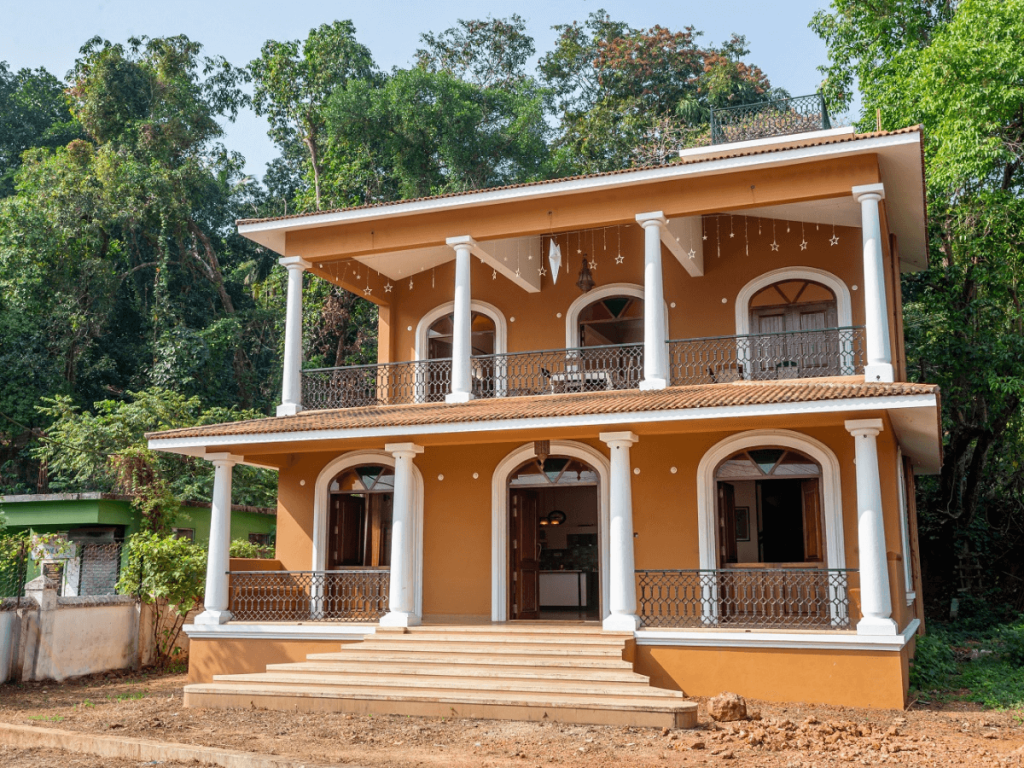
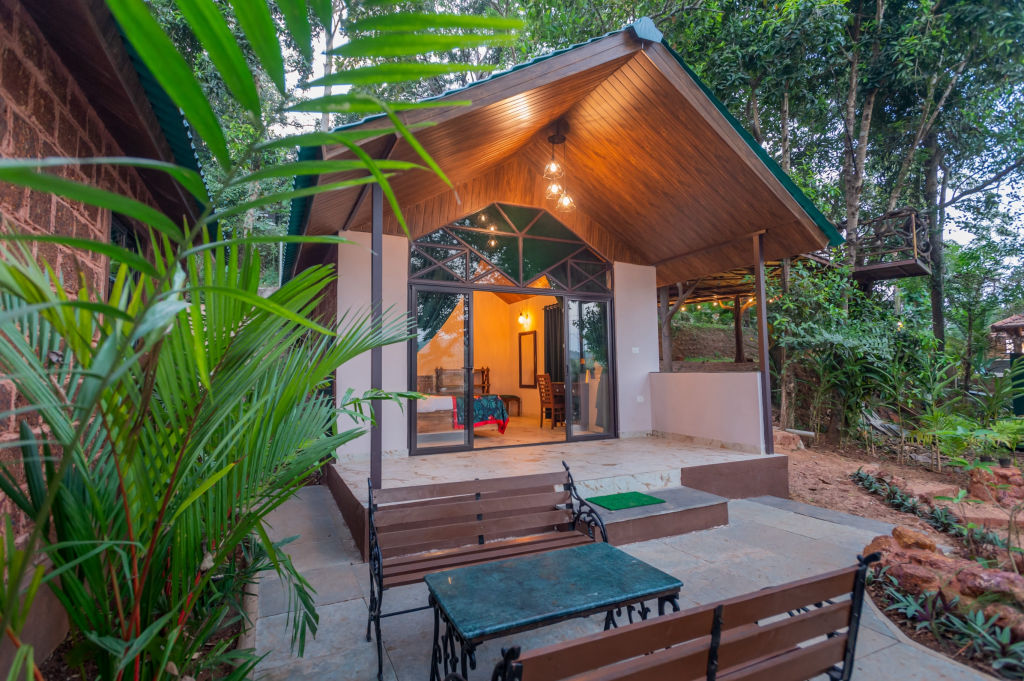
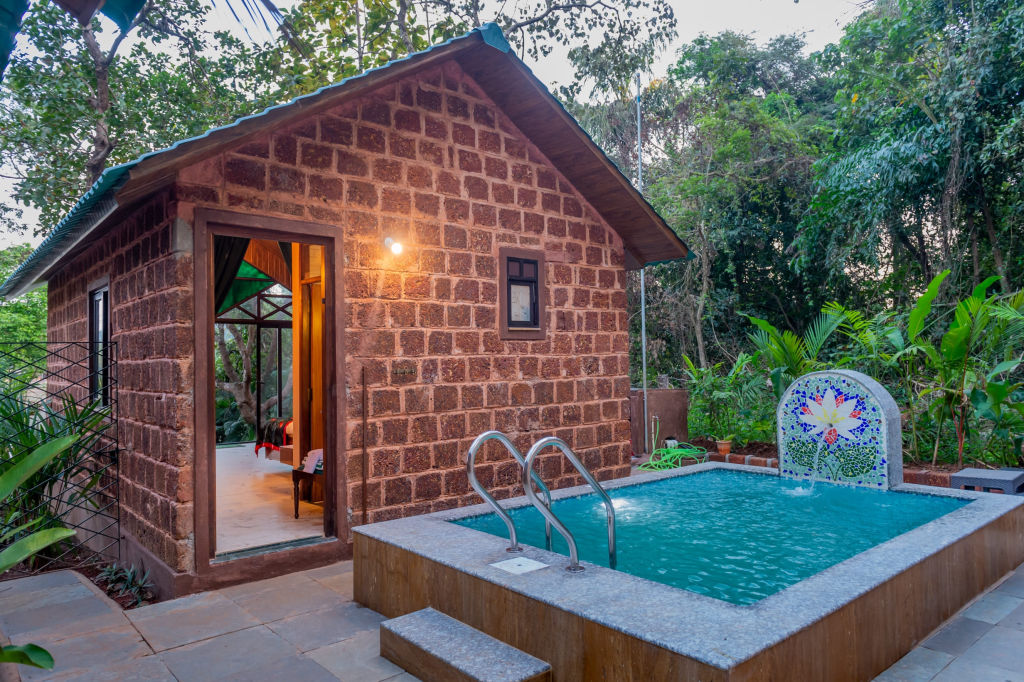
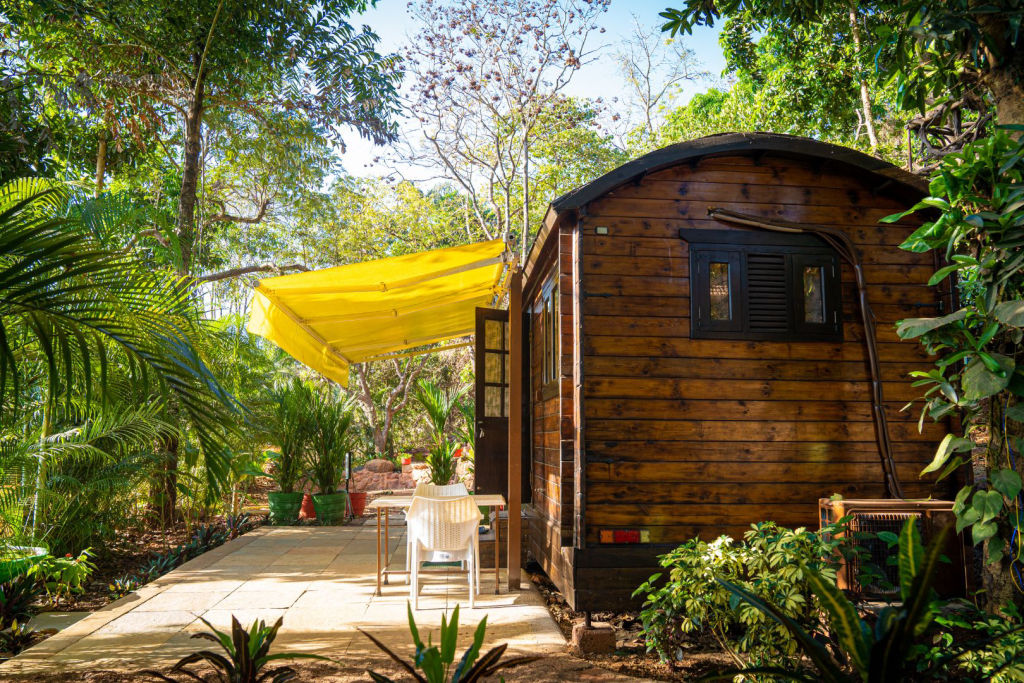
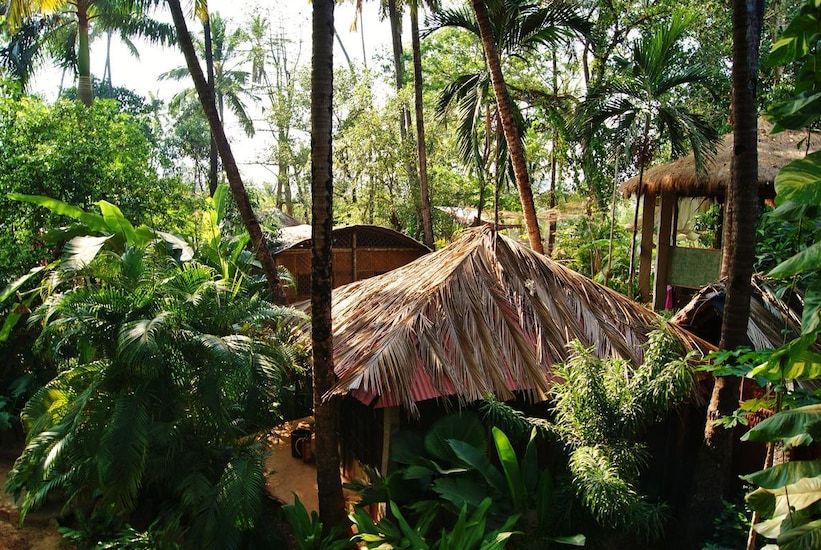
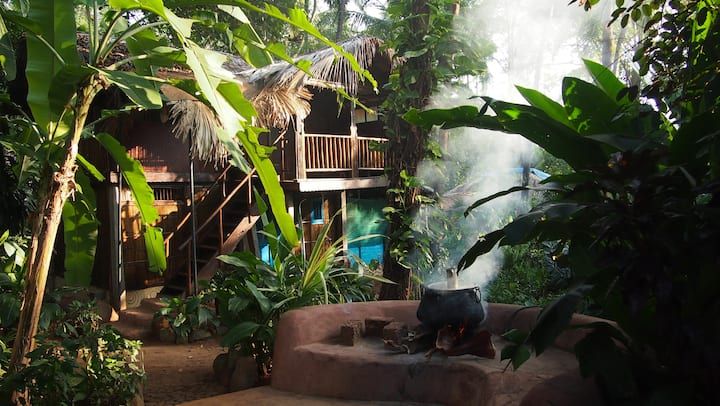
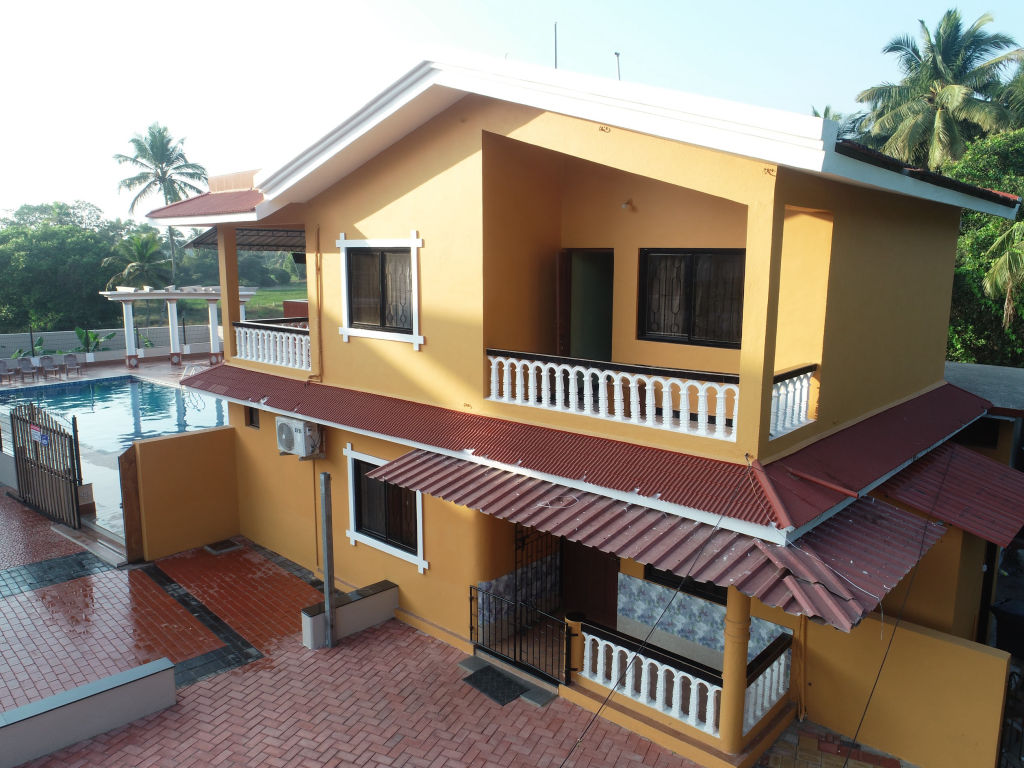
Staying in the interior of South Goa allows travellers to slow down and experience the rhythm of village life away from busy coastal strips. The region around Quepem, Fatarpa, and neighboring valleys offers peaceful homestays, nature retreats, and rustic campsites nestled close to fruit orchards and forested slopes.
You can find comfortable campsites, plantation homestays, and boutique rural lodgings across this area on HireACamp. Booking a stay in the South Goan hinterland puts you in an ideal position to explore historic temples like Shri Shantadurga Cuncolimkarin early in the day while enjoying outdoor walks, birdwatching, and regional home-cooked cuisine in the evenings.
Frequently asked questions
Where is Shri Shantadurga Cuncolimkarin Temple located?
The temple is located in the village of Fatarpa, situated in the Quepem taluka of South Goa, India.
What is the historical significance of the temple?
The deity was originally worshipped in Cuncolim but was relocated to Fatarpa in the late sixteenth century following religious conflict and the 1583 Cuncolim revolt, preserving the ancestral worship of Goddess Shantadurga.
What is the Sontreo festival celebrated at the temple?
The Sontreo, or Festival of Umbrellas, is an annual procession where twelve distinct silk umbrellas representing traditional village clans are paraded to celebrate the bond between Cuncolim and Fatarpa.
Is there a dress code for visiting the temple?
Like most traditional Hindu temples in Goa, visitors are expected to dress modestly with shoulders and knees covered, and remove their footwear before entering the temple sanctum.
What is the nearest major railway station to the temple?
Margao railway station is the nearest major railhead, situated a convenient drive away from Fatarpa and Quepem.
Where you'll be
fatarpa, Quepem · 9 stays nearby shown with prices
Stays near Shri Shantadurga Cuncolimkarin Temple
Book a place to stay close by


More places near Shri Shantadurga Cuncolimkarin Temple
Within 20 km
Built from 0 Instagram posts by 0 creators. Every tip links back to the post it came from, and where creators disagree we show both sides.






