
Bhimakali Temple
Temple near Rampur, Himachal Pradesh
200 m from Rampur
The nearest town, for stays, food and fuel.
Bhimakali Temple is a revered wooden and stone shrine located in the historic mountain settlement of Nermand in Himachal Pradesh. Dedicated to the fierce and protective manifestation of Goddess Durga, the temple stands as a centerpiece of traditional hill craftsmanship and religious life in the outer Seraj belt. Travellers and pilgrims visit to experience its distinct regional architecture, quiet village pathways, and ancient spiritual heritage.
Getting there
By road
- From RampurNearest town2 min · 500 m
- From Chandigarh4 hr 55 min · 238 km
- From Ludhiana6 hr 55 min · 340 km
- From Dehradun7 hr 5 min · 306 km
Typical drive times without traffic. Stations and airports from OLA Maps; distances and typical drive times from OpenStreetMap (© OpenStreetMap contributors); notes from creators' Reels.
About Bhimakali Temple
Written with AI from map data and general knowledge. Check prices and timings locally before you go.
About Bhimakali Temple in Nermand
Nermand is often regarded as one of the oldest and culturally richest villages in Himachal Pradesh, historically linked with legends of Sage Parashurama and known for its concentrated cluster of ancient shrines. Bhimakali Temple occupies a special place within this spiritual landscape. Unlike sprawling commercial pilgrimage complexes, this shrine preserves an authentic rural rhythm where everyday rituals, community gatherings, and seasonal fairs unfold beneath the gaze of towering Himalayan peaks.
The temple is dedicated to Goddess Bhimakali, a form of Shakti deeply revered across the Satluj valley and adjacent mountain tracts. The temple complex acts as an enduring symbol of community identity, where local villagers assemble to seek blessings for agricultural prosperity and protection from calamities. Walking through the pathways of Nermand to reach the shrine gives travellers an intimate look into traditional Himachali hamlet life, marked by slate-roofed houses, drying corn cobs, and terraced fields cascading down the hillside.
Architecture and Cultural Significance
The architecture of Bhimakali Temple reflects the traditional building techniques perfected in the western Himalayas to endure seismic activity and harsh seasonal weather. Constructed using alternating layers of hand-hewn deodar wood beams and dressed stone, the structure demonstrates the classic Kathkuni or pahadi building style. Overhanging wooden balconies, intricately carved door frames, and steep gables covered with local slate slabs give the temple a stately and enduring silhouette.
Inside the complex, the decorative woodwork reveals floral motifs, depictions of deities, and geometric patterns passed down through generations of mountain woodworkers. The temple serves not only as a place of quiet personal prayer but also as an anchor for local celebrations. During major festivals such as Navratri, the village comes alive with music played on traditional brass instruments, trumpets, and drums, offering visitors a rare glimpse into vibrant devotional rituals that have remained largely unchanged for centuries.
Read more
Best Time to Visit Bhimakali Temple
The climate around Nermand varies dramatically across the year, making seasonal planning important for any trip. The spring and summer months between April and June offer the most comfortable conditions for exploring the village and visiting the temple. Days are generally bright and pleasant, with clear views of the distant snowlines, while blooming wildflowers and budding apple orchards bring color to the valley.
Autumn, running from September through November, is another excellent period to plan a trip. Following the end of the summer rains, the skies clear to a crisp blue, humidity drops, and the landscape turns warm shades of gold and amber as crops ripen. Winter, from December to February, brings cold temperatures and frost to the lower slopes, while higher passes nearby receive substantial snow. Travellers who enjoy a quiet mountain atmosphere and do not mind chilly days will appreciate winter, provided they pack adequate thermal layers. The monsoon months of July and August bring heavy rainfall to the hills, which can lead to road slips and travel delays, so checking local weather updates is advisable before starting out.
How to Reach Bhimakali Temple
Nermand is located on the northern side of the Satluj river basin in the outer region of Kullu district, positioned opposite Rampur Bushahr. The primary approach route begins from Shimla, following the national highway toward Rampur before crossing the river and climbing uphill along regional mountain roads toward Nermand. The drive takes you past pine forests, apple belt villages, and deep river gorges, offering changing valley panoramas along the way.
Alternatively, travellers arriving from the Kullu or Mandi side can reach Nermand by traveling south through Ani, often crossing the high mountain crest of Jalori Pass when it remains open during clear seasons. Regional state transport buses connect Nermand with major towns such as Rampur, Ani, and Shimla, though services operate on set schedules. Hiring a private taxi or driving a personal vehicle allows greater flexibility to navigate the narrow roads and stop at scenic viewpoints along the route.
Places to Visit Nearby
Nermand and its neighboring valleys host a wealth of heritage sites and outdoor landscapes that make for rewarding side excursions. Within the immediate area, travelers can explore several ancient temples that showcase classic wooden architecture and stone carving traditions, including the Devta Chaturmukh Temple and Shamshar Mahadev Temple, both situated within easy driving distance.
Further uphill toward the Seraj ridges lies Jalori Pass, a mountain gap that offers sweeping views of the higher Himalayan ranges and serves as a trailhead for walks to high-altitude lakes and old watchtowers. Continuing past the pass leads down toward the lush, forested environments of the Tirthan valley road and tranquil villages like Gadagushaini. On the southern ridges across the river, destinations like Tani Jubbar Lake and the prominent peak-top Hatu Temple near Narkanda offer serene alpine settings bordered by dense deodar and spruce forests.
Tips for Your Visit
When visiting Bhimakali Temple, dressing modestly and observing local customs is essential. As with most traditional temples in Himachal Pradesh, visitors are required to remove their footwear before entering the inner sanctum, and wearing leather items inside the sacred perimeter is often restricted. Always ask local custodians or priests for permission before photographing the temple interiors, deities, or ongoing ceremonies.
Because Nermand is a traditional mountain town with narrow residential streets, exploring on foot is often the best approach. Wear comfortable walking shoes with good grip to manage stone stairs and uneven village paths. Mobile connectivity is generally available across the main settlement, but signal strength may fluctuate in surrounding valleys. Carrying a reasonable amount of cash for small purchases, snacks, and local transport is practical, as digital payment acceptance can vary among rural shops.
Where to Stay
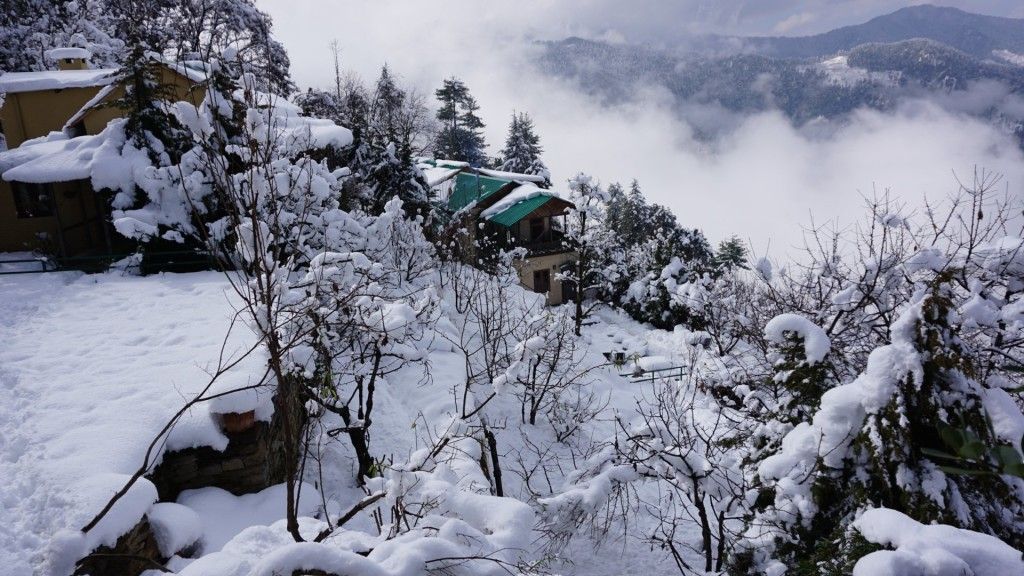
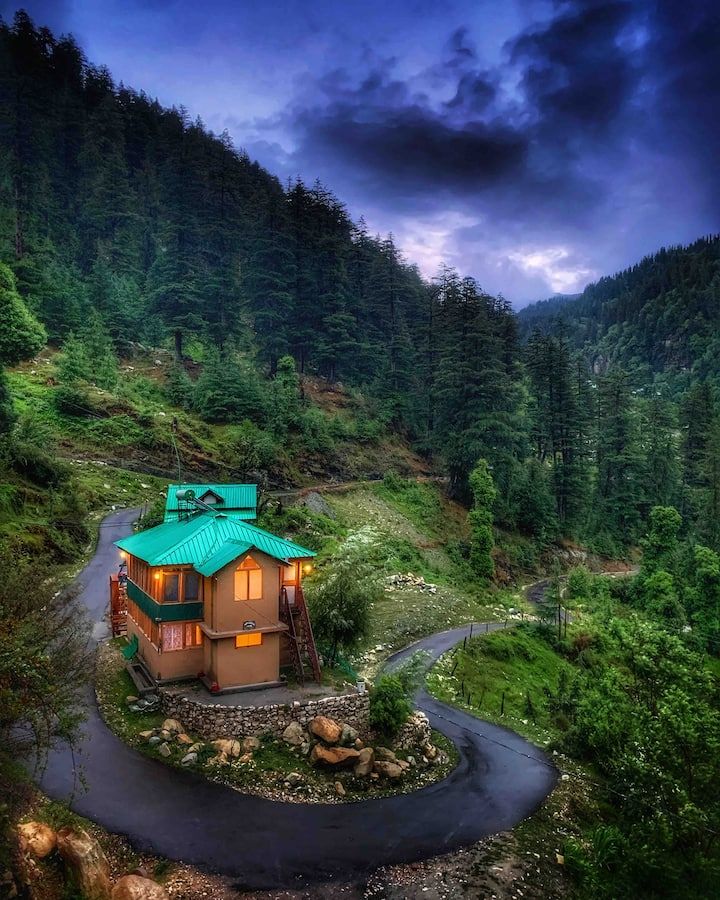
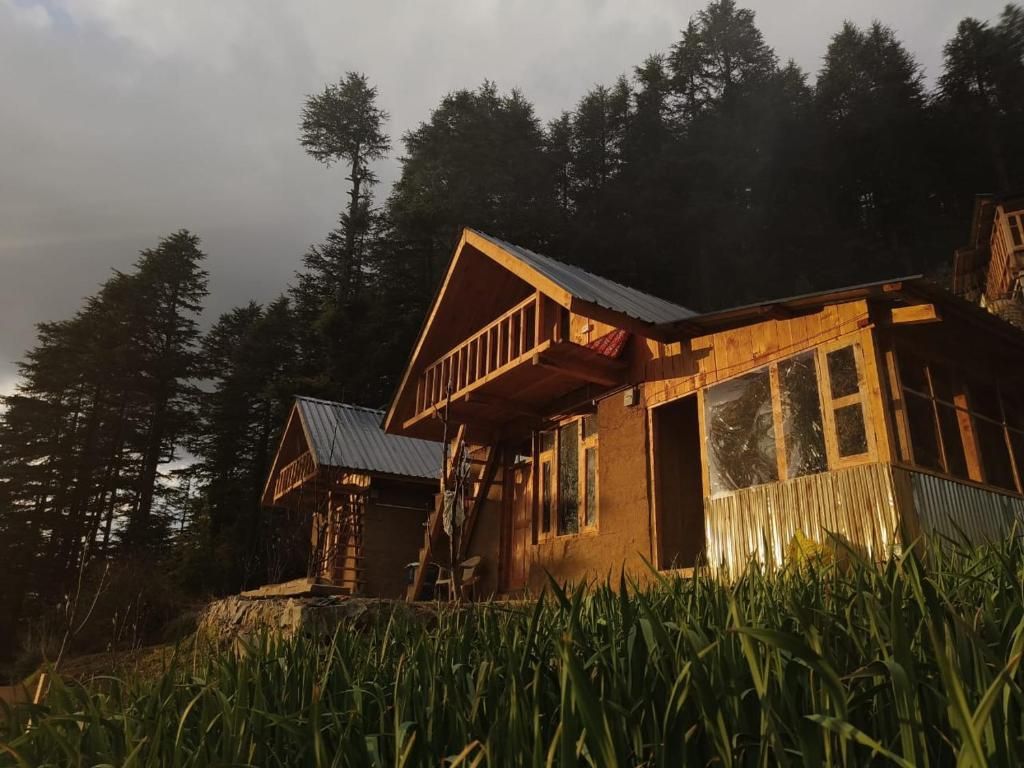
Accommodation options in and immediately around Nermand tend to be quiet, unpretentious, and community-oriented, offering travelers a chance to experience authentic local hospitality. Staying in a village homestay allows you to taste home-cooked regional meals and learn about daily life in the mountains directly from local families.
For those who prefer nature-focused escapes, comfortable campsites, rural homestays, and rustic mountain retreats can be found throughout the surrounding Seraj and Satluj valley belts. You can explore and reserve these stays on HireACamp to suit your travel style and itinerary.
Frequently asked questions
Where is Bhimakali Temple located?
Bhimakali Temple is located in the historic town of Nermand, situated in the outer Seraj region of Kullu district in Himachal Pradesh, India.
What architectural style is Bhimakali Temple built in?
The temple features the traditional Kathkuni architectural style of the western Himalayas, characterized by interlocking layers of stone and deodar wood, detailed timber carvings, and sloping slate roofs.
Can Bhimakali Temple be visited during winter?
Yes, the temple can be visited during the winter months, though temperatures can be quite cold. Visitors should bring heavy woollens and check road conditions, especially if traveling via higher mountain passes.
What other attractions can be visited near Nermand?
Nearby attractions include historical shrines such as Shamshar Mahadev Temple and Devta Chaturmukh Temple, as well as natural landmarks like Jalori Pass, Tani Jubbar Lake, and the scenic Tirthan valley route.
Where you'll be
Nermand · 3 stays nearby shown with prices
Stays near Bhimakali Temple
Book a place to stay close by
More places near Bhimakali Temple
Within 20 km
Built from 0 Instagram posts by 0 creators. Every tip links back to the post it came from, and where creators disagree we show both sides.






