
Rampur Buddhist Monastery
Monastery near Rampur, Himachal Pradesh
100 m from Rampur
The nearest town, for stays, food and fuel.
Rampur Buddhist Monastery is a serene spiritual sanctuary located along National Highway 5 near Nermand in Himachal Pradesh. Set against the dramatic mountain backdrop of the Satluj river valley, the monastery serves as a peaceful centre for meditation and Tibetan Buddhist heritage. Travellers visit to admire its traditional Himalayan architecture, spin the brass prayer wheels, and enjoy a quiet pause while travelling through the higher valleys of the state.
Getting there
By road
- From Chandigarh4 hr 55 min · 238 km
- From Ludhiana6 hr 50 min · 340 km
- From Dehradun7 hr · 306 km
- From Amritsar8 hr 50 min · 437 km
Typical drive times without traffic. Stations and airports from OLA Maps; distances and typical drive times from OpenStreetMap (© OpenStreetMap contributors); notes from creators' Reels.
About Rampur Buddhist Monastery
Written with AI from map data and general knowledge. Check prices and timings locally before you go.
About Rampur Buddhist Monastery
Situated along National Highway 5 near Nermand, the Rampur Buddhist Monastery stands as a prominent spiritual landmark in a region where diverse Himalayan cultural traditions meet. The town of Rampur and its neighbouring valleys across the Satluj river have historically functioned as trade hubs connecting Kinnaur, Spiti, and Tibet with the lower hills of Himachal Pradesh. This rich legacy of trans-Himalayan commerce and pilgrimage gave rise to vibrant spiritual communities that continue to thrive today.
The monastery compound offers an immediate contrast to the bustling highway outside. Built in vibrant colours with traditional Tibetan-influenced woodwork and stonework, the complex houses prayer halls, sacred chortens, and quarters for resident monks. Visitors are welcomed by rows of hand-turned prayer wheels and finely painted murals that depict various Buddhist deities, teachings, and traditional mandalas.
Cultural and spiritual atmosphere
The daily life of Rampur Buddhist Monastery revolves around community worship, learning, and mindfulness. Monks gather in the central hall for rhythmic morning and afternoon chants accompanied by the sounds of traditional horns, cymbals, and drums. The resonance of these sacred instruments creates an immersive environment that encourages introspection and quiet contemplation.
Local residents and travellers regularly visit the complex to circumambulate the main shrine, an act known as kora, which is performed in a clockwise direction. Spinning the exterior prayer wheels while reciting mantras is a central practice here. The compound is also adorned with colourful prayer flags that flutter in the mountain breeze, believed to carry auspicious blessings across the valley.
Read more
Best time to visit Rampur Buddhist Monastery
The monastery can be visited throughout the year, but the most comfortable seasons are spring and autumn. From March to June, the weather across the Satluj valley is generally pleasant and warm, making it an easy stop for travellers journeying toward Kinnaur or the higher passes of Kullu. The days are clear and bright, providing excellent mountain views.
September to November brings crisp air, golden autumn foliage on the hillside terraces, and clear skies following the monsoon season. Winter brings a drop in temperatures from December through February, though snowfall is rare right along the river valley floor. Travellers planning a winter visit should be prepared for chilly mornings and evenings, while those visiting in July and August should monitor road reports along National Highway 5 due to occasional monsoon landslides.
Things to see and do at the monastery
Begin your visit by walking through the courtyard and appreciating the intricate woodwork around the doorways and windows. The detailed exterior carvings showcase the skill of regional Himalayan craftsmen who blend local deodar wood traditions with classic Buddhist imagery. Take time to turn the rows of prayer wheels that encircle the main prayer building.
Inside the prayer hall, you will find large, carefully maintained statues of Lord Buddha and revered teachers, surrounded by butter lamps and vibrant silk thangkas. You can sit silently on the carpeted floors during non-prayer hours to read, reflect, or simply soak in the calm atmosphere. If you happen to visit during prayer sessions, observing the monastic chants with quiet respect offers a memorable glimpse into living Himalayan Buddhist traditions.
How to reach Rampur Buddhist Monastery
Rampur Buddhist Monastery is situated directly accessible from National Highway 5 near Nermand. The highway connects the area to Shimla and Narkanda to the south, and Kinnaur to the northeast. The drive from Shimla generally winds past rolling apple country and steep river canyons before descending into the warmer valley floor.
Regular state transport buses, semi-deluxe coaches, and private taxis run along this major arterial route from major transit centres like Shimla, Rampur Bushahr, and Ani. Those travelling by personal car or motorcycle will find the highway fully paved, though mountain driving conditions require cautious speeds around sharp bends. Free parking space is typically available along the roadside or near the entry gate of the complex.
Tips for your visit
Rampur Buddhist Monastery is an active place of worship, so modest attire that covers your shoulders and knees is recommended. You must remove your footwear before stepping inside the prayer hall or main sanctum. Keep conversations soft, avoid making phone calls indoors, and refrain from running or speaking loudly in the courtyards.
Always walk around the outside of shrines and prayer monuments in a clockwise direction. Photography is generally welcome in the outer courtyard, but you should always look for signage or ask permission before photographing the inside of the prayer hall, the resident monks, or sacred altars. Modest donations to support the upkeep of the monastery and its resident monks can be placed directly in the designated donation boxes.
Places to explore nearby
The area around Nermand and Rampur is rich in architectural and natural sights. Nermand itself is celebrated for its historic wooden Hindu temples, including the ancient Devta Chaturmukh Temple, Shamshar Mahadev Temple, and Behna Mahadev Temple, which showcase distinctive multi-tiered pagoda styles.
Ascending higher into the surrounding mountain ranges leads to cooler retreats such as Tani Jubbar Lake, a tranquil body of water ringed by dense pine and cedar trees. Further uphill near Narkanda stands the revered Hatu Temple atop Hatu Peak, which rewards visitors with sweeping panoramic views of the Greater Himalayan ranges. For adventurous travellers continuing northwest, the rugged mountain crossing of Jalori Pass leads into the scenic Tirthan Valley.
Where to stay near Rampur Buddhist Monastery
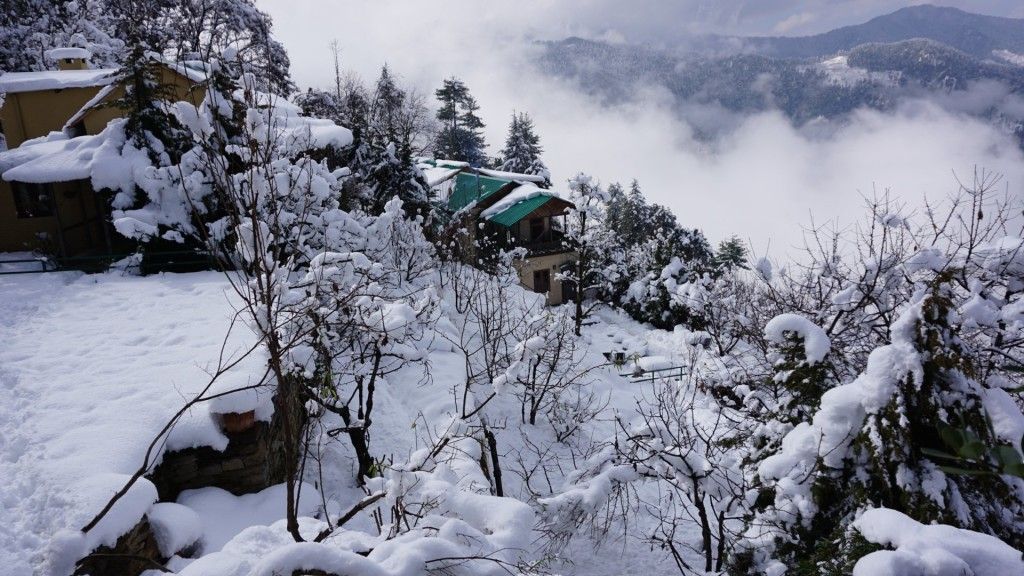
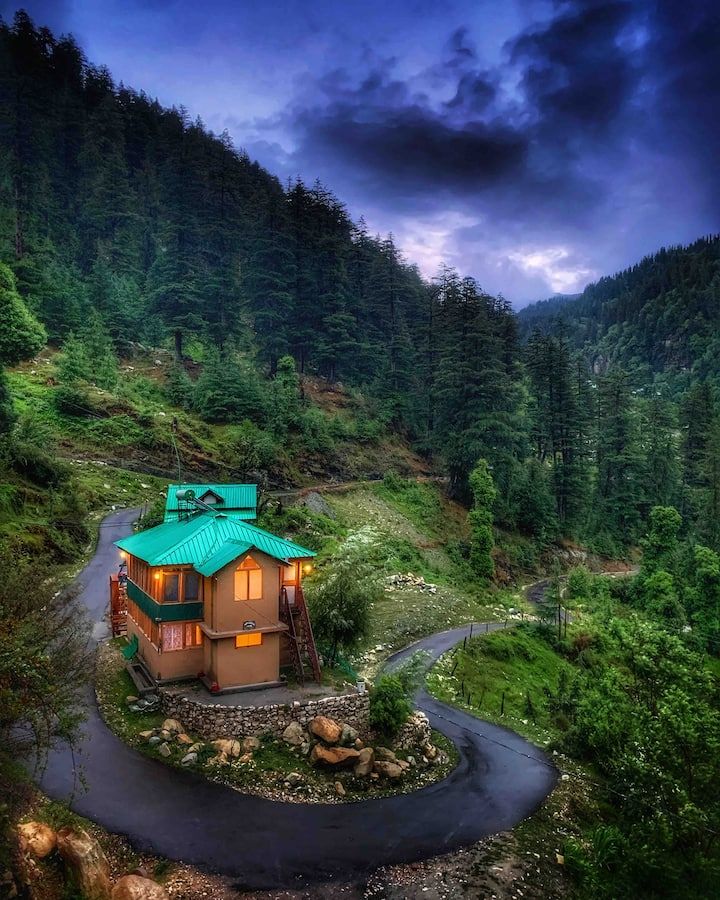
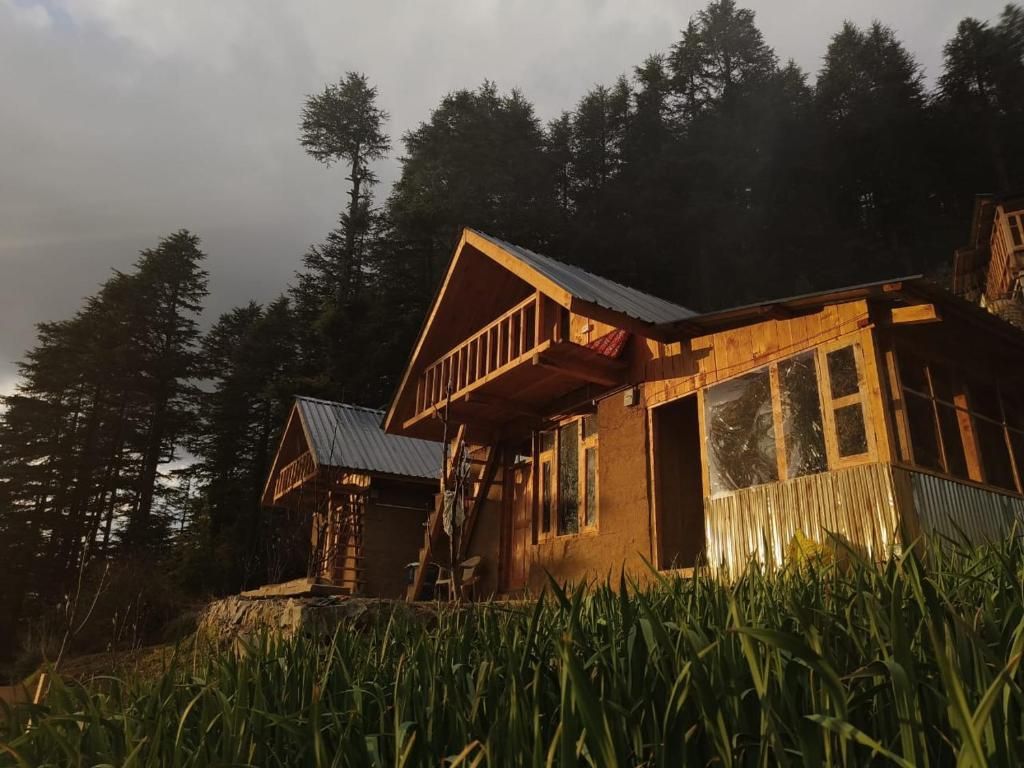
A range of accommodation options is available in the surrounding hills and river valleys. Travellers looking to remain close to cultural sights will find comfortable guesthouses, riverside retreats, and family-run homestays throughout the Nermand and Rampur belts. Those who prefer cooler mountain weather can head higher up toward Narkanda, Kotgarh, or the serene hamlets bordering the Kullu and Shimla districts.
If you prefer nature-focused outdoor escapes, orchard retreats, or scenic mountain camps, a diverse selection of stays in this region can be found on HireACamp. Booking in advance is recommended during peak summer months and the festive autumn period.
Frequently asked questions
Is there an entry fee to visit Rampur Buddhist Monastery?
There is no mandatory entry fee to enter the monastery grounds or the prayer hall. Visitors are welcome to leave a voluntary donation in the monastery collection boxes to support maintenance and monastic education.
Can tourists attend daily prayers at the monastery?
Visitors are usually permitted to quietly observe morning and afternoon prayers from the back of the hall. It is essential to sit quietly, avoid moving around, and refrain from taking photographs during these prayer ceremonies.
How much time is needed to explore the monastery?
Most travellers spend between 45 minutes to an hour exploring the prayer hall, spinning the prayer wheels, and enjoying the peaceful surroundings. It makes an easy and relaxing stop during a longer road journey.
Is photography allowed inside the monastery?
Photography is usually permitted in the open courtyards and around the exterior architecture. However, you should check locally and ask the monks before taking photos inside the main prayer hall or capturing images of individuals.
What is the best way to travel to the monastery from Shimla?
The most common route is by driving or taking a bus along National Highway 5 from Shimla past Theog and Narkanda down to the Satluj valley. The drive offers scenic mountain views throughout the journey.
Where you'll be
NH 5, Nermand · 3 stays nearby shown with prices
Stays near Rampur Buddhist Monastery
Book a place to stay close by
More places near Rampur Buddhist Monastery
Within 20 km
Built from 0 Instagram posts by 0 creators. Every tip links back to the post it came from, and where creators disagree we show both sides.






