
Bhuleshwar Temple
Temple near Narayanmaharaj Bet, Maharashtra
14 km from Narayanmaharaj Bet
The nearest town, for stays, food and fuel.
Bhuleshwar Temple is a thirteenth-century Hindu temple dedicated to Lord Shiva, perched on a scenic hilltop in Maharashtra's Purandar region. Renowned for its intricate rock carvings and distinctive fortress-like architecture, it draws history lovers, pilgrims, and day-trippers seeking ancient craftsmanship. Visitors also travel here to enjoy the expansive vistas across the surrounding Deccan plateau and quiet rural countryside.
Getting there
By road
- From Narayanmaharaj BetNearest town41 min · 27 km
- From Pune1 hr 30 min · 55 km
- From Mumbai 4 hr 15 min · 217 km
- From Nashik5 hr 15 min · 252 km
Typical drive times without traffic. Stations and airports from OLA Maps; distances and typical drive times from OpenStreetMap (© OpenStreetMap contributors); notes from creators' Reels.
About Bhuleshwar Temple
Written with AI from map data and general knowledge. Check prices and timings locally before you go.
The Heritage and Architecture of Bhuleshwar Temple
Bhuleshwar Temple stands as an extraordinary example of medieval temple craftsmanship in western India. Built during the thirteenth century under the Yadava dynasty, the shrine exemplifies the Hemadpanthi style of architecture, which is celebrated for joining heavy black basalt stones without mortar. As you approach the hilltop, the complex presents an unusual exterior: rather than looking like an open shrine, it resembles a fortified citadel. In the seventeenth century, Maratha rulers reinforced the temple with protective ramparts, incorporating it into the Daulatmangal fort. This combination of spiritual sanctuary and military fortification gives the monument a singular presence against the open sky.
Inside the complex, the temple reveals an astonishing degree of artistic detail. The entrance, outer corridors, and inner assembly halls are filled with dense bands of stone friezes depicting scenes from classical epics, mythological battles, dancers, musicians, and celestial figures. Time and conflict have weathered parts of the stone, giving many sculptures a dramatic patina, yet the expressive postures and delicate ornamental motifs remain clearly visible. Walking through the pillared mandapa, visitors can observe how traditional builders balanced sturdy structural engineering with ornate decorative friezes, producing a space that feels both grounded and spiritually charged.
Spiritual Significance and Unique Iconography
Bhuleshwar Temple is dedicated to Lord Shiva, worshipped here in the form of Bhuleshwar. The inner sanctum houses a Shivalinga set within a deeply resonant, dimly lit chamber that contrasts with the bright, sun-drenched courtyards outside. Pilgrims have climbed this hill for centuries to seek blessings and perform traditional prayers, particularly on auspicious Mondays and during major Shaivite festivals when local villagers gather in devotion.
Among the temple's most remarkable artistic treasures is a rare carving of Ganesha in feminine form, often identified as Ganeshyani or Vinayaki. While representations of Ganesha are ubiquitous across Maharashtra, this depiction dressed in female attire and adorned with classical ornaments is exceptionally uncommon in temple iconography. Art historians and travellers travel long distances specifically to view this relief, along with the detailed panels depicting the incarnations of Vishnu and various forms of the mother goddess carved into the stone columns.
Read more
Best Time to Visit Bhuleshwar Temple
The atmosphere at Bhuleshwar Temple shifts markedly with the seasons, making timing an important consideration for travellers. The post-monsoon and winter months, running from October through February, offer the most comfortable weather. During this period, daytime temperatures remain pleasant, skies are usually clear, and cool breezes sweep across the hilltop, making it easy to spend hours studying the stone carvings and wandering the outer fortifications without feeling fatigued by heat.
The monsoon season, between July and September, brings a different kind of charm to the Purandar landscape. The dry scrub plains turn vibrant green, mist occasionally rolls over the ridge, and rain washes down the dark basalt surfaces, deepening the contrast of the ancient stone. However, wet steps and rocks require careful footwork. In contrast, the summer months from March to May bring intense heat and dry conditions across the Deccan plateau. Travellers visiting during summer are best served by arriving in the early morning or late afternoon to avoid the midday sun.
How to Reach Bhuleshwar Temple
Bhuleshwar Temple is situated along Bhuleshwar Road in the Purandar area of Pune district, Maharashtra. It is easily accessible by road, making it a popular choice for a half-day or full-day excursion from nearby urban centres. Travellers driving from Pune typically head east toward the Pune-Solapur Highway, turning off near Yawat or navigating through the scenic rural bypasses near Saswad, depending on their starting point.
The final stretch involves an ascent up a winding ghat road that climbs the isolated hill where the temple sits. The road provides open views of agricultural fields and distant hills, with ample space to slow down and take in the countryside. While state transport buses connect Pune and nearby towns like Saswad and Uruli Kanchan, having a private car or motorcycle gives you the freedom to explore the rural backroads at your own pace. If relying on public transport, travellers often take a bus or train to the nearest regional hubs and hire local auto-rickshaws or taxis for the final climb.
Tips for Your Visit
A little preparation goes a long way toward an enjoyable visit to this ancient hilltop site. Because Bhuleshwar Temple is an active place of worship, modest dress that covers shoulders and knees is appropriate. Visitors must remove their footwear before entering the inner sanctum, so bringing slip-on shoes makes transition easier, while carrying a pair of thick socks can protect your feet from hot stone paving during sunny afternoons.
The hilltop has limited shade outside the temple interior, and facilities on the hill itself are sparse. It is wise to carry adequate drinking water and light refreshments, especially if you are travelling with children or elders. Photography of the intricate exterior carvings and panoramic hill views is rewarding, but visitors should always maintain respectful decorum inside the inner sanctum where rituals take place. Take your time to examine the ceiling medallions and recessed corners of the mandapa, where some of the finest carvings are positioned away from direct light.
Places to Visit Nearby
A trip to Bhuleshwar Temple can be paired with several other natural and historical attractions within the Purandar and Pune district belt. Travellers interested in Maratha history can venture toward Purandar Fort, an imposing hilltop stronghold that offers trekking routes, sweeping valley overlooks, and historic military architecture. Closer to Saswad lies Dive Ghat, a mountain pass renowned for its panoramic viewpoints, along with the tranquil waters of Mastani Lake, both steeped in local folklore and Maratha lore.
Water bodies such as Malhar Sagar, Holkar Talav, and Bajirao Peshwa Lake dot the surrounding valleys and make pleasant stops for quiet reflection and birdwatching during winter. Spiritual travellers can extend their route to include the historic Chintamani Temple at Theur, one of the Ashtavinayak shrines, or Wadebolhai Temple further north. Combining these stops offers a diverse itinerary that captures the heritage, landscapes, and culture of the region.
Where to Stay near Bhuleshwar Temple
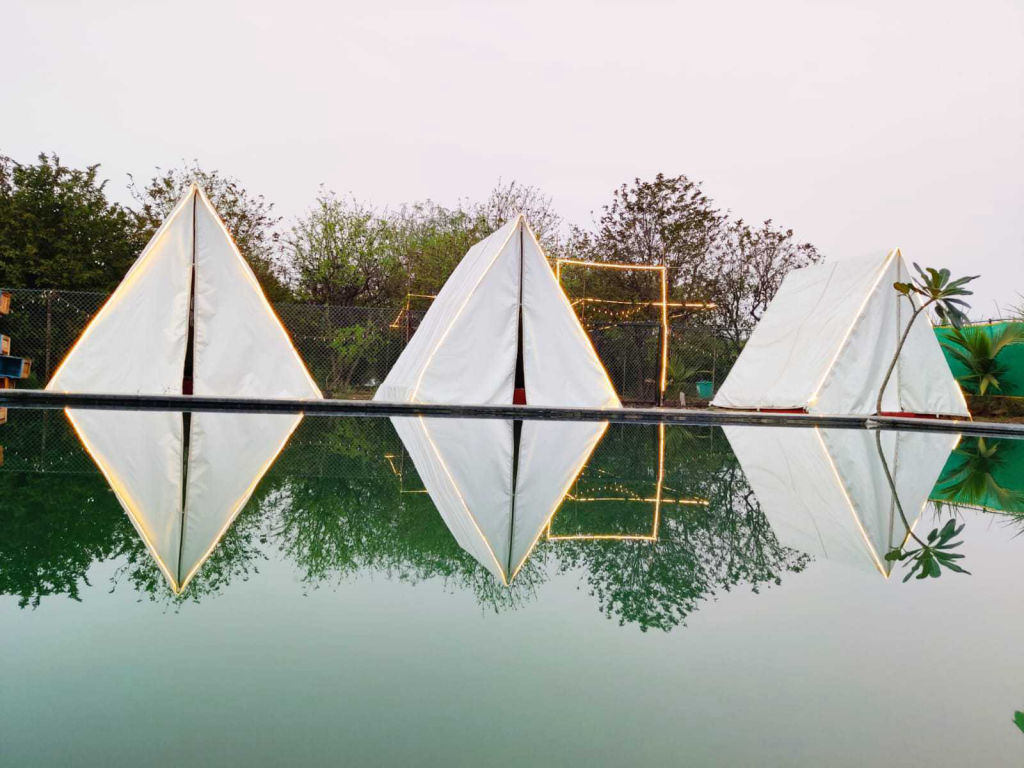
Because Bhuleshwar Temple is located on an elevated rural ridge, accommodation directly at the monument is not available. However, the surrounding countryside of Purandar and the broader Pune district feature a wonderful selection of places to stay, from rustic countryside cottages and family-run homestays to nature camps nestled near foothills and reservoirs.
Staying close to the area allows you to witness the peaceful rhythm of rural Maharashtra, complete with crisp mornings, traditional home-cooked meals, and star-filled night skies away from city illumination. You can explore and book curated campsites, homestays, and outdoor getaways in the vicinity of Bhuleshwar Temple on HireACamp to make your journey into a restful weekend escape.
Frequently asked questions
What is unique about Bhuleshwar Temple?
Bhuleshwar Temple is celebrated for its thirteenth-century Hemadpanthi stone architecture, its outer fortification walls added by Maratha rulers, and a rare relief carving of Lord Ganesha depicted in feminine attire.
How far is Bhuleshwar Temple from Pune?
Bhuleshwar Temple is located approximately 45 to 55 kilometres southeast of central Pune, depending on the route chosen via Hadapsar or the Pune-Solapur highway.
Can I drive directly to Bhuleshwar Temple?
Yes, a paved ghat road winds directly up the hill to a parking area situated just below the temple entrance, requiring only a brief flight of steps to reach the shrine.
Are there food and water facilities at the temple?
Basic tea and snack stalls may be present at the base or parking area on busy days, but travellers are advised to carry their own drinking water and snacks for the visit.
Is photography allowed at Bhuleshwar Temple?
Photography is generally permitted throughout the outer corridors and carved courtyard walls, but visitors should always check local guidelines and refrain from photographing the deities inside the main sanctum.
Where you'll be
Bhuleshwar Road, Purandhar, MH · 1 stay nearby shown with prices
Stays near Bhuleshwar Temple
Book a place to stay close by
More places near Bhuleshwar Temple
Within 20 km


Built from 0 Instagram posts by 0 creators. Every tip links back to the post it came from, and where creators disagree we show both sides.


