
Chaubatia Gardens
Garden near Ranikhet, Uttarakhand
200 m from Ranikhet
The nearest town, for stays, food and fuel.
Chaubatia Gardens is an expansive fruit orchard and botanical estate located along a scenic ridgeline near Ranikhet in Uttarakhand. Perched amidst dense pine, oak, and cedar woodlands, the garden is celebrated for its sprawling plantations of apples, peaches, plums, and apricots. Travellers visit Chaubatia Gardens to enjoy quiet nature walks, learn about hill horticulture, and take in sweeping, unobstructed vistas of the Himalayan snow peaks.
Getting there
By road
- From Dehradun6 hr 55 min · 328 km
- From New Delhi7 hr 35 min · 357 km
- From Chandigarh10 hr 50 min · 527 km
Typical drive times without traffic. Stations and airports from OLA Maps; distances and typical drive times from OpenStreetMap (© OpenStreetMap contributors); notes from creators' Reels.
About Chaubatia Gardens
Written with AI from map data and general knowledge. Check prices and timings locally before you go.
The heritage and landscape of Chaubatia Gardens
Chaubatia Gardens occupies a commanding ridge approximately ten kilometres from Ranikhet in the Almora district of Uttarakhand. The name Chaubatia translates roughly to a junction of four pathways, highlighting its historic geographical position as a crossroads along local ridgelines. Spread across several hundred acres, this botanical haven was established during the colonial era to explore the feasibility of temperate fruit cultivation in the middle Himalayas. Today, it stands as one of the most prominent horticulture research and fruit cultivation centres in northern India.
The landscape inside the garden slopes gently across terraced hillsides, framed by ancient oak, rhododendron, and towering Himalayan pine trees. In addition to commercial fruit trees, the research station fosters numerous varieties of exotic flora, medicinal herbs, and alpine shrubs. Walking paths meander through these structured plots and unkempt woodlands, offering a soothing contrast to standard urban parks. On clear days, the ridgeline provides unbroken panoramic views of the great Himalayan range, where prominent peaks such as Nanda Devi, Trishul, and Panchachuli form a white rampart against the northern horizon.
Things to do at Chaubatia Gardens
The primary allure of Chaubatia Gardens is exploring its expansive network of walking paths at an unhurried pace. Visitors can wander through neatly ordered rows of apple trees, plum groves, and apricot bushes while taking in the fresh mountain air. Informational signboards and horticulture plots offer insight into the grafting methods and soil management practices that allow cool-climate crops to thrive in the fragile Himalayan terrain.
Photography and landscape viewing are especially rewarding along the edge of the estate. Clear morning hours reveal the snowy peaks of the Kumaon and Garhwal Himalayas in sharp detail, making the gardens a favoured spot for landscape photographers. Birdwatchers will also find the surrounding canopy rich with Himalayan birdlife, including magpies, warblers, woodpeckers, and thrushes flitting among the pine boughs.
Visitors can also inspect the on-site fruit processing and research units. Depending on the harvest calendar, government outlets at the garden offer regionally produced items such as fruit juices, jams, preserves, and pure mountain honey. A stroll here is best rounded off with a quiet picnic on the open grassy knolls near the upper walking trails.
Read more
Best time to visit
Chaubatia Gardens changes character with each season, making it a year-round destination with distinct highlights.
Spring and early summer, spanning from March to June, bring comfortable daytime temperatures and pleasant mountain breezes. This period coincides with the blossoming of stone fruit trees, when delicate white and pink flowers cover the branches, creating a lively pastoral atmosphere. It is the most popular time for family trips and leisurely nature walks.
The late monsoon and post-monsoon months of July through September mark the fruit harvest. Branches bow under the weight of ripening apples, pears, and plums, and the entire garden turns intensely green. Rain can occasionally cause mist to roll across the ridge, which lends the orchards an ethereal charm, though mountain views may be obscured by clouds.
From October to February, winter descends with crisp, clear skies and sharply falling temperatures. Autumn and early winter offer the best visibility for viewing the Himalayan range across the valley. Mid-winter can be freezing, with occasional frost and light snowfall, appealing to travellers who appreciate tranquil, cold-weather hill getaways.
How to reach Chaubatia Gardens
Chaubatia Gardens is easily accessible by road from the cantonment town of Ranikhet, which sits roughly ten kilometres away. Local taxis, shared vehicles, and private cars regularly ply the winding road that ascends from Ranikhet through shaded pine forests to the garden entrance.
For travellers arriving from farther away, the nearest major railway terminal is Kathgodam, located at the foothills of the Kumaon region. From Kathgodam, the drive up to Ranikhet generally takes between three to four hours depending on traffic and road conditions. State-run buses and private mountain cabs connect Kathgodam and Haldwani to Ranikhet throughout the day.
By air, the nearest domestic terminal is Pantnagar Airport, situated further south in the plains. From the airport, visitors can hire private cabs to drive up through Bhimtal, Bhowali, and Ranikhet. Travellers driving from major metropolitan areas such as Delhi typically take the highway route via Moradabad, Rampur, and Corbett foothills or Nainital, allowing around seven to nine hours of driving time to reach the Ranikhet hills.
Tips for your visit
Because the estate covers an extensive area with sloping trails and gravel paths, wearing comfortable walking shoes with decent grip is strongly advised. Exploring the core orchard sections and scenic viewpoints involves a fair amount of uphill and downhill walking.
Weather conditions can change quickly at high altitudes. Even during sunny summer afternoons, light breezes can feel cool in shaded forest sections, so carrying a light jacket or fleece is sensible. If visiting in winter, ensure you have heavy woollens, thermal layers, and gloves for early mornings and late afternoons.
Visitors should respect the agricultural grounds by staying on established pathways and refraining from plucking flowers or unharvested fruit without permission. Plastic waste disposal facilities in mountain gardens are limited, so keep all trash inside your daypack until you find designated municipal bins outside the estate grounds.
Places to visit nearby
A visit to Chaubatia Gardens can be comfortably combined with several natural and historical points of interest around the Ranikhet region. The town of Ranikhet itself retains a relaxed cantonment ambience with heritage buildings, traditional bazaars, and scenic forest roads lined with ancient deodars.
The surrounding hills are dotted with ancient spiritual sites. North of Ranikhet lies the historic Dwarahat belt, famed for its classical stone temple complexes dating back to the Katyuri dynasty, including the Vimandeshwar Mahadev Temple and the sculpted Badrinath and Kedarnath groups of shrines. Further uphill sits the renowned Dunagiri Temple, perched on a pine-clad ridge with profound links to local folklore and mountain mythology.
Those interested in meditation and modern spiritual heritage can visit the Yogoda Satsang Sakha Ashram in Ranikhet, established along tranquil forested ridges. In addition, travellers often explore quiet cantonment churches and peaceful village roads that wind out towards pristine viewpoints across Almora district.
Where to stay near Chaubatia Gardens
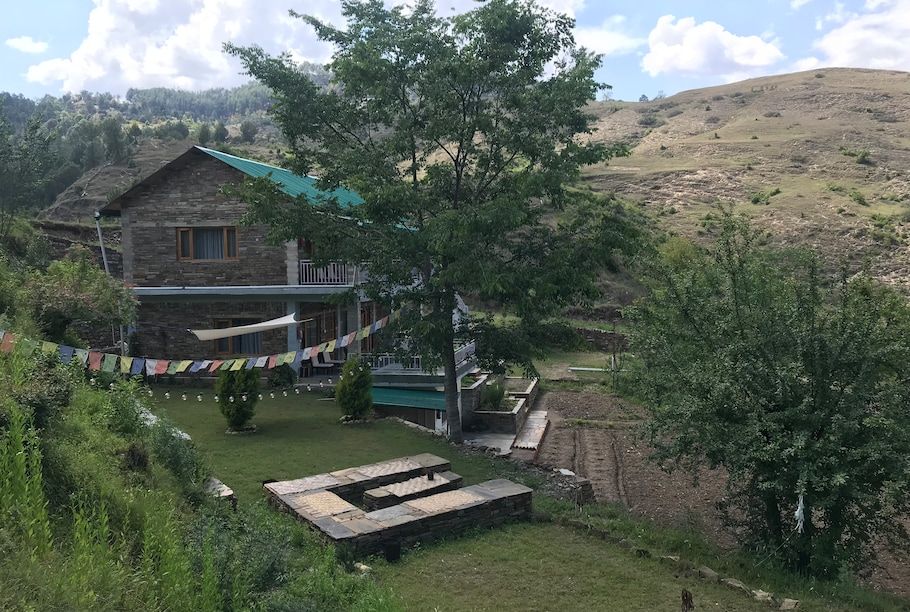
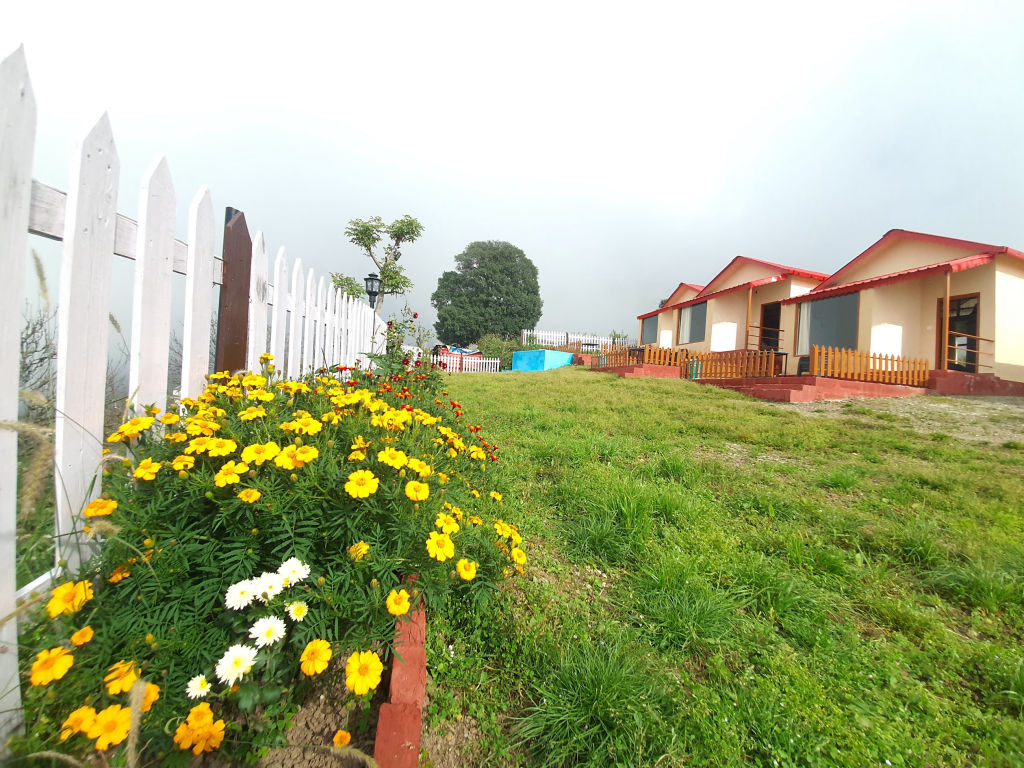
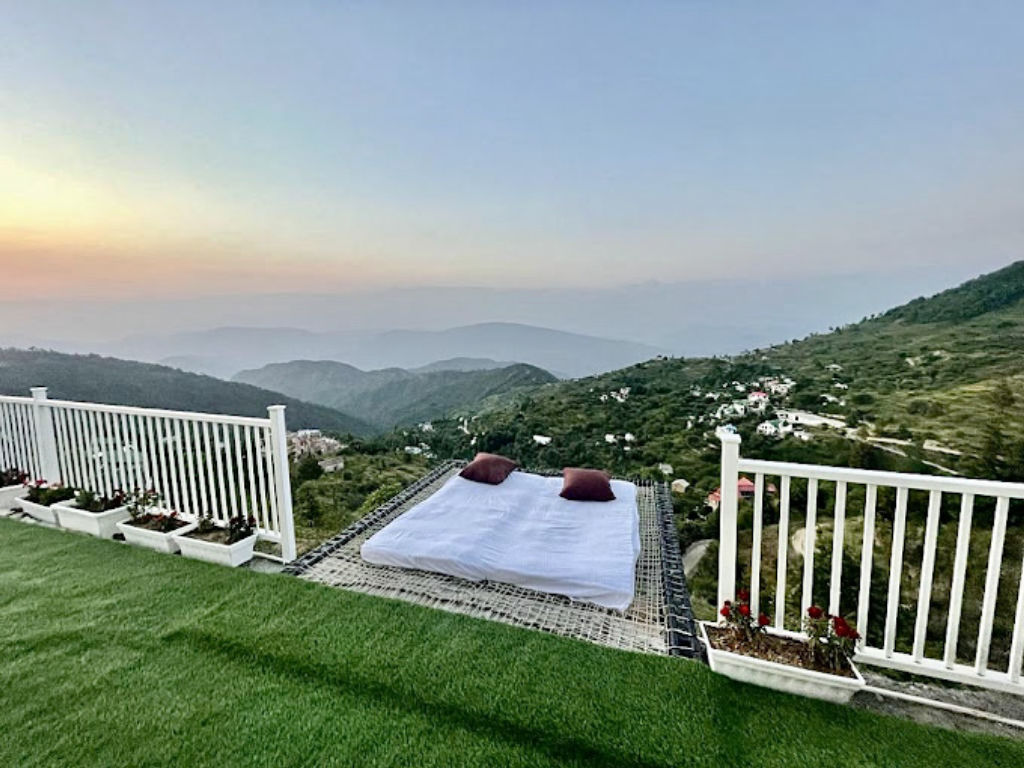
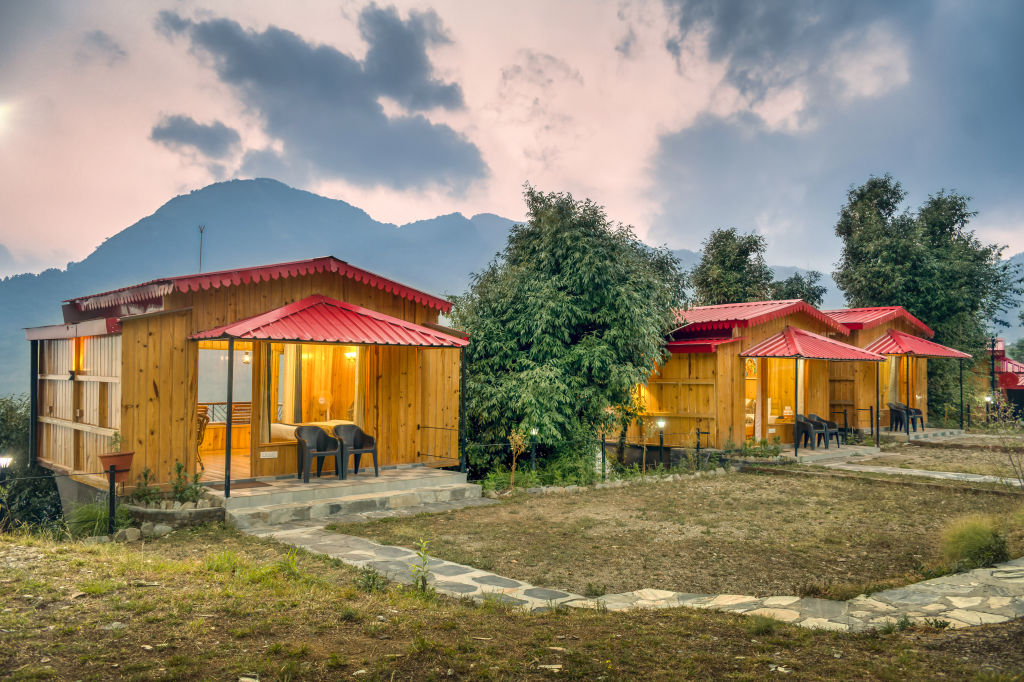
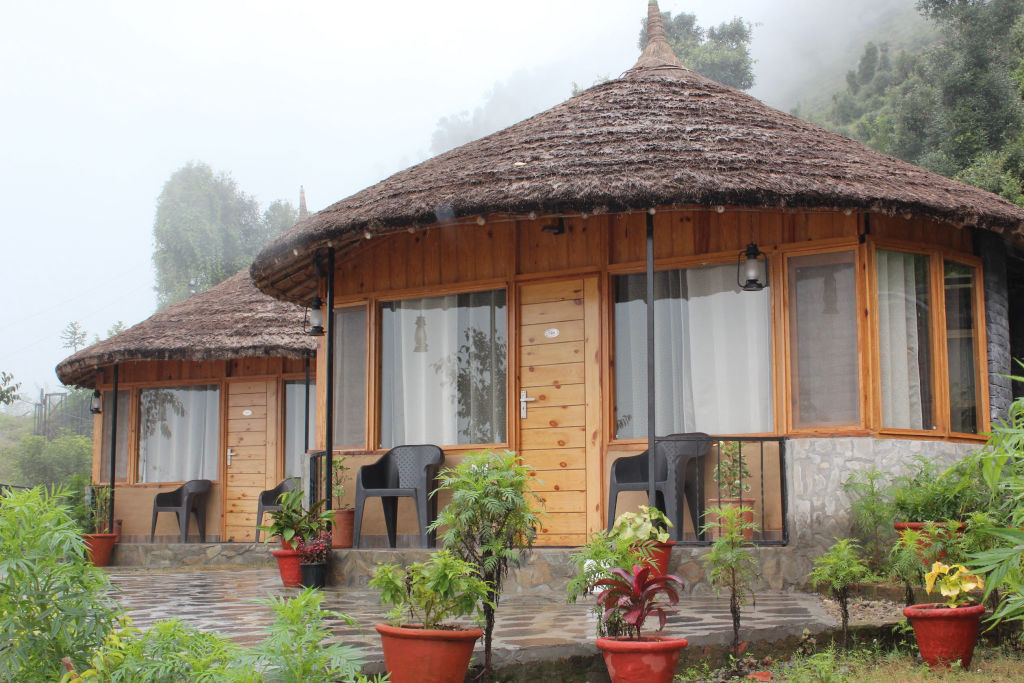
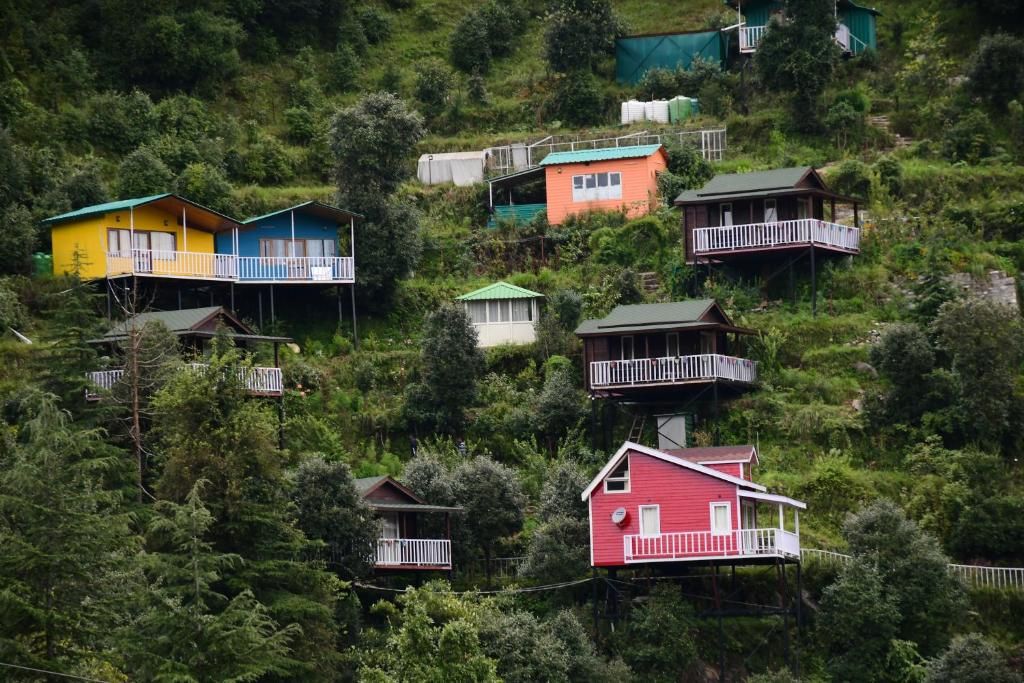
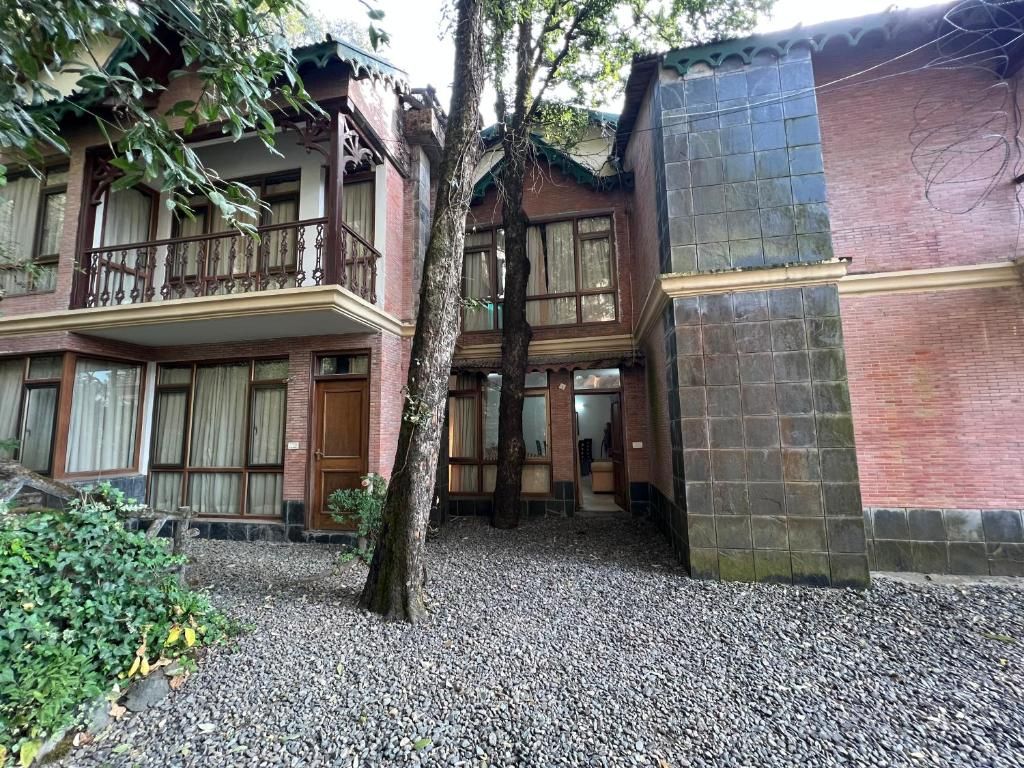
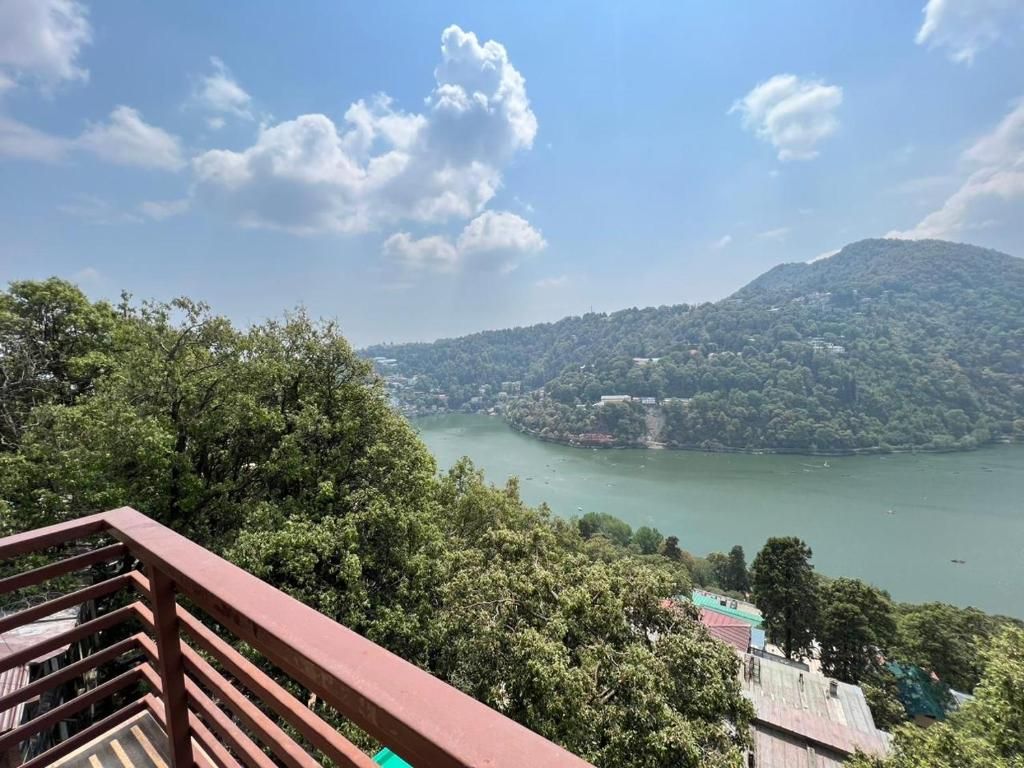
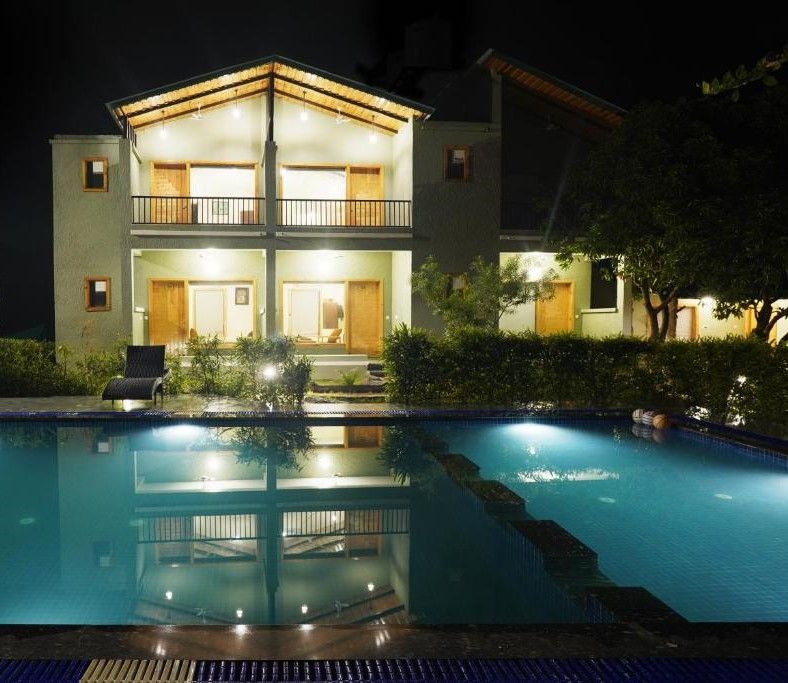
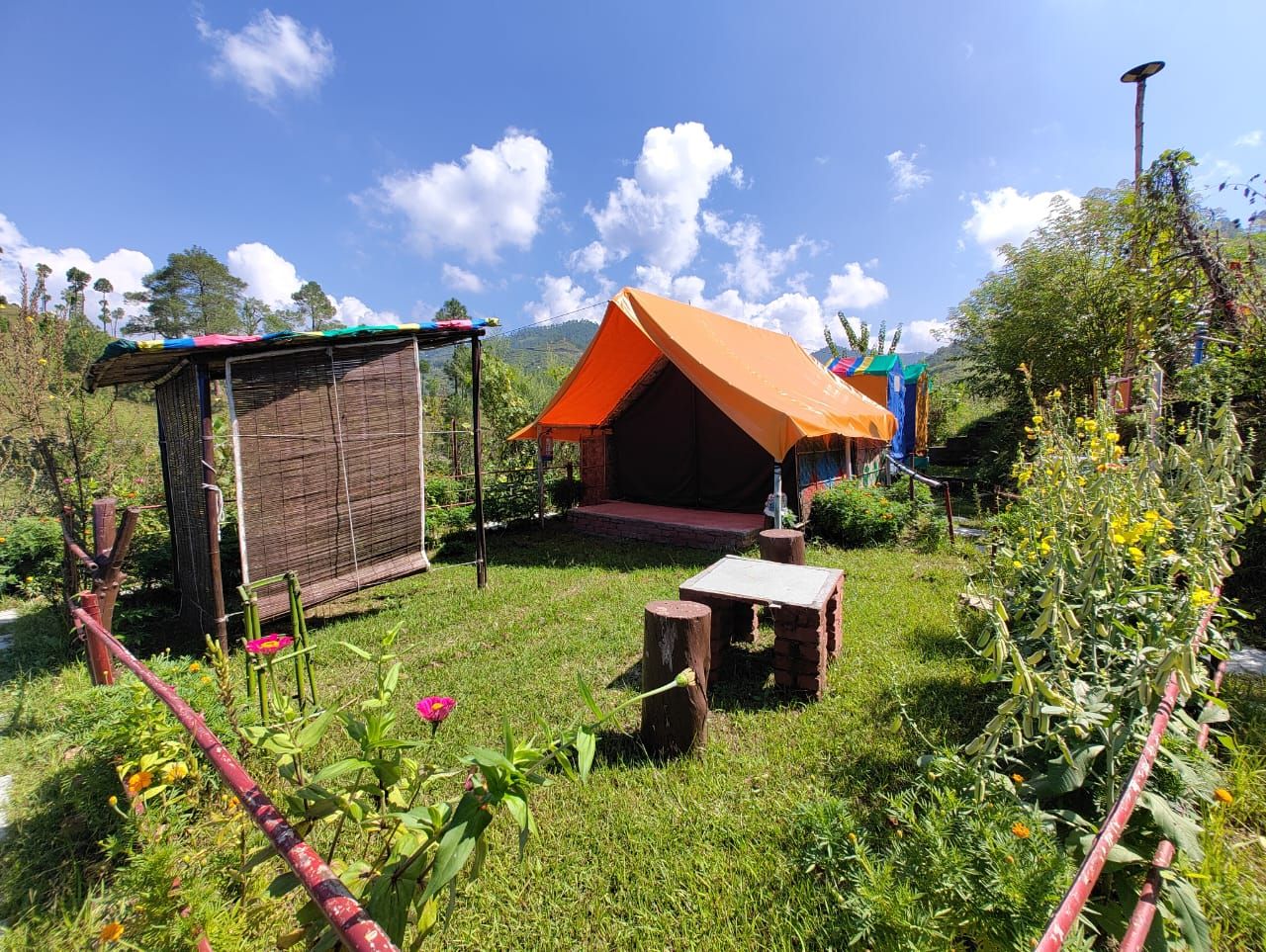
Accommodations around Chaubatia Gardens range from historic colonial-era bungalows and modern boutique homestays in Ranikhet to peaceful forest lodges and tented camps in the surrounding valleys. Staying near the orchard ridge allows quick access to early morning walks and undisturbed sunrise views over the Himalayas.
Travellers interested in outdoor getaways, family homestays, and rustic camping experiences around Ranikhet and the wider Kumaon region can explore verified listings on HireACamp. Booking a stay nestled among pine forests provides the ideal base for enjoying the slow, refreshing pace of the Uttarakhand hills.
Frequently asked questions
What is Chaubatia Gardens famous for?
Chaubatia Gardens is renowned for its vast government fruit orchards growing apples, plums, peaches, and apricots, as well as for its sweeping views of snow-clad Himalayan peaks like Nanda Devi and Trishul.
How far is Chaubatia Gardens from Ranikhet?
The gardens are located roughly ten kilometres from the main town centre of Ranikhet and can be reached via a short drive along a forested mountain road.
When can you see apples growing in Chaubatia Gardens?
Apples and stone fruits typically ripen during the late summer and monsoon months, predominantly between July and September, when the trees are laden with fruit.
How much time is needed to explore Chaubatia Gardens?
Most visitors spend between two to three hours strolling along the orchard trails, visiting the viewpoints, and stopping at the fruit processing outlets.
Are there walking trails inside Chaubatia Gardens?
Yes, the gardens feature terraced paths and forested foot trails suitable for nature walks, photography, and birdwatching.
Where you'll be
Ranikhet · 11 stays nearby shown with prices
Stays near Chaubatia Gardens
Book a place to stay close by
More places near Chaubatia Gardens
Within 20 km
Built from 0 Instagram posts by 0 creators. Every tip links back to the post it came from, and where creators disagree we show both sides.






