
Jhula Devi Temple
Temple near Ranikhet, Uttarakhand
3 km from Ranikhet
The nearest town, for stays, food and fuel.
Jhula Devi Temple is an eighth-century shrine dedicated to Goddess Durga, located near the cantonment town of Ranikhet in the Almora district of Uttarakhand. The temple is famous for the thousands of brass bells offered by devotees whose prayers have been answered. Surrounded by thick pine, oak, and cedar forests, it draws pilgrims and travellers seeking peace in the Kumaon hills.
Getting there
By road
- From RanikhetNearest town13 min · 6.4 km
- From Dehradun7 hr 5 min · 331 km
- From New Delhi7 hr 45 min · 361 km
- From Chandigarh11 hr · 531 km
Typical drive times without traffic. Stations and airports from OLA Maps; distances and typical drive times from OpenStreetMap (© OpenStreetMap contributors); notes from creators' Reels.
About Jhula Devi Temple
Written with AI from map data and general knowledge. Check prices and timings locally before you go.
About Jhula Devi Temple
Jhula Devi Temple is nestled amidst the quiet, wooded hills of the Kumaon region, just a few kilometres outside the town of Ranikhet. Dedicated to a form of Goddess Durga, the temple holds deep religious importance for the local population and visitors from across the country. Its most arresting visual feature is the dense canopy of brass bells tied to railings, walls, arches, and pillars throughout the complex.
The bells vary in size from tiny handheld chimes to massive metal gongs. Each bell represents a fulfilled prayer, tied by a devotee in gratitude for health, family well-being, or peace of mind. As mountain breezes sweep down through the towering deodar and pine groves, a steady, melodic ringing resonates across the shrine, creating a serene atmosphere that makes the visit memorable even for non-religious travellers.
The Legend and History
According to local folklore, the dense forests around Ranikhet were once prowled by leopards, tigers, and other wild animals that frequently attacked villagers and livestock. Desperate for protection, the shepherds and village elders prayed fervently to Goddess Durga to safeguard their lives and community.
Tradition recounts that the goddess appeared in a shepherd's dream, directing him to unearth an idol buried at this exact spot and build a shrine for her. The deity requested to be placed on a wooden cradle, known in Hindi as a jhula, which led to the name Jhula Devi. Once the shrine was consecrated, the attacks by wild animals subsided, and the forest creatures were believed to roam without harming residents. To this day, the main sanctum features the idol of Goddess Durga seated on an ornate cradle, and the custom of tying bells after a wish comes true remains strongly preserved.
Read more
Best Time to Visit Jhula Devi Temple
The temple can be visited throughout the year, but the experience changes markedly across the seasons. Spring and summer, stretching from March to June, offer the most pleasant weather. Daytime temperatures remain comfortable, skies are clear, and the surrounding flora is in full bloom, making it an ideal period for sightseeing and leisurely walks around Ranikhet.
Monsoon arrives between July and early September, draping the Kumaon hills in lush green foliage and drifting mist. While the landscape is atmospheric, mountain roads can be prone to landslides, so visitors during this time should travel cautiously and verify local weather forecasts. Autumn, from October to November, brings crisp mountain air and unobstructed views of snow-clad Himalayan peaks on clear days. Winters, from December to February, are cold and occasionally see frost or light snowfall in high-altitude pockets around Ranikhet, appealing to travellers who enjoy quiet hill stations and brisk weather.
How to Reach Jhula Devi Temple
Jhula Devi Temple is easily accessible by road from Ranikhet. The temple lies along the road toward Chaubatia, approximately seven kilometres from the main town centre of Ranikhet. Local taxis, shared jeeps, and private cars make regular trips between the town market and the shrine.
For those travelling by rail, the nearest railhead is Kathgodam, located around eighty kilometres south. From Kathgodam, shared and private taxis, as well as state transport buses, operate regularly up the winding hill highway through Bhowali and Almora towards Ranikhet. The journey takes approximately three to four hours by road depending on traffic. The closest domestic airport is Pantnagar, situated about one hundred and fifteen kilometres away, from where taxis can be hired directly into the hills.
Places to Visit Nearby
A trip to Jhula Devi Temple pairs naturally with Chaubatia Gardens, located just a short drive further up the ridge. Chaubatia is known for its government fruit orchards growing apples, plums, peaches, and apricots, as well as expansive panoramic viewpoints that offer wide vistas of the Great Himalayan range.
Down in Ranikhet town, visitors can stroll through Ashiyana Park, a landscaped municipal park popular with families. The wider Almora and Dwarahat districts are also home to significant temple architecture, including the ancient stone clusters around Dwarahat such as the Badrinath and Kedarnath group of temples, Vimandeshwar Mahadev, and Bileshwar Mahadev. Nature enthusiasts can plan day excursions towards Binsar Wildlife Sanctuary, known for its dense oak-rhododendron forest and rich birdlife.
Tips for Your Visit
Dress conservatively when entering the temple grounds, keeping shoulders and knees covered as a mark of respect for local traditions. Shoes must be removed before entering the inner sanctum. Modest offerings such as flowers, incense, and prasad can be purchased from small stalls run by local residents near the temple entrance.
If you wish to participate in the tradition of offering a bell, brass bells are available in various sizes at the stalls outside the gate. Photography inside the inner sanctum is often restricted, so it is best to confirm rules with the temple priests before taking pictures. Beware of local monkeys that occasionally gather in the trees nearby; keep food items and shiny accessories secured in your bag.
Where to Stay near Jhula Devi Temple
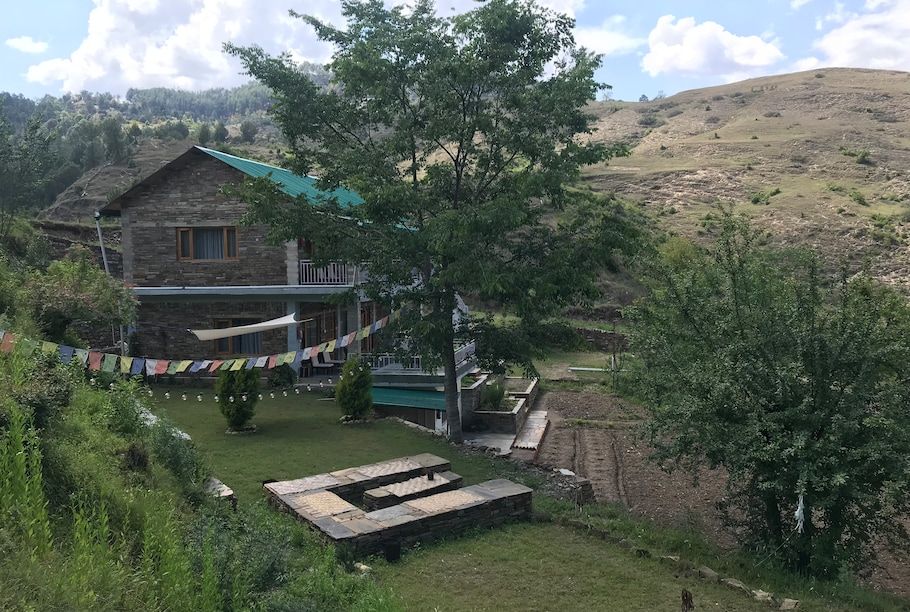
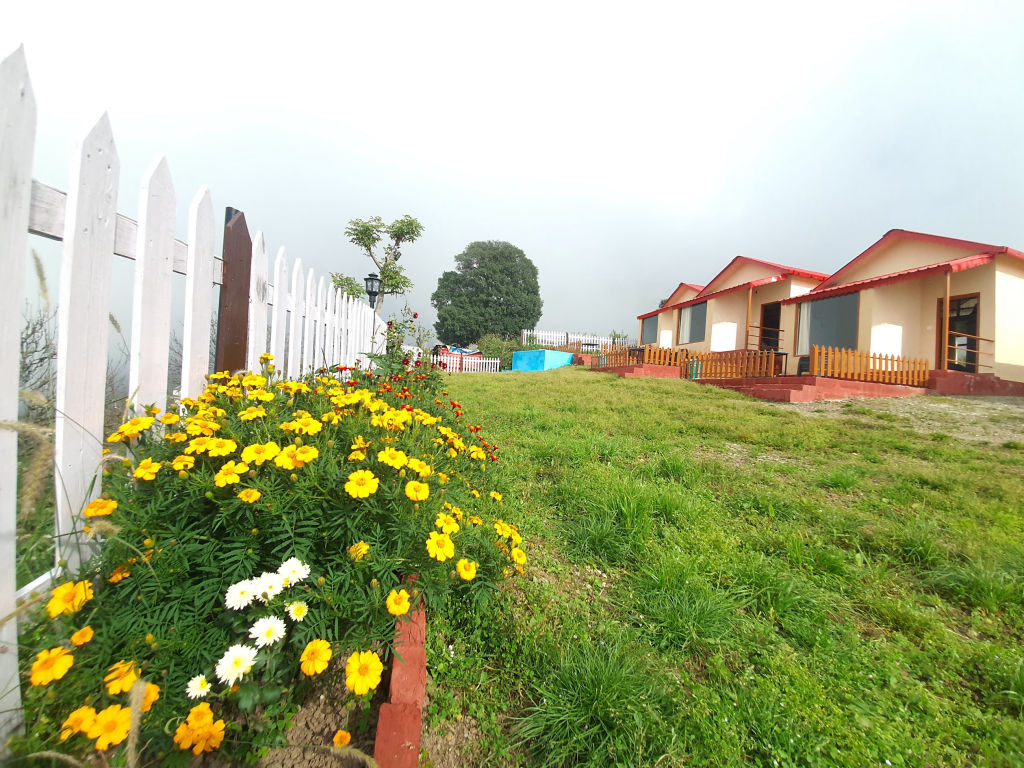
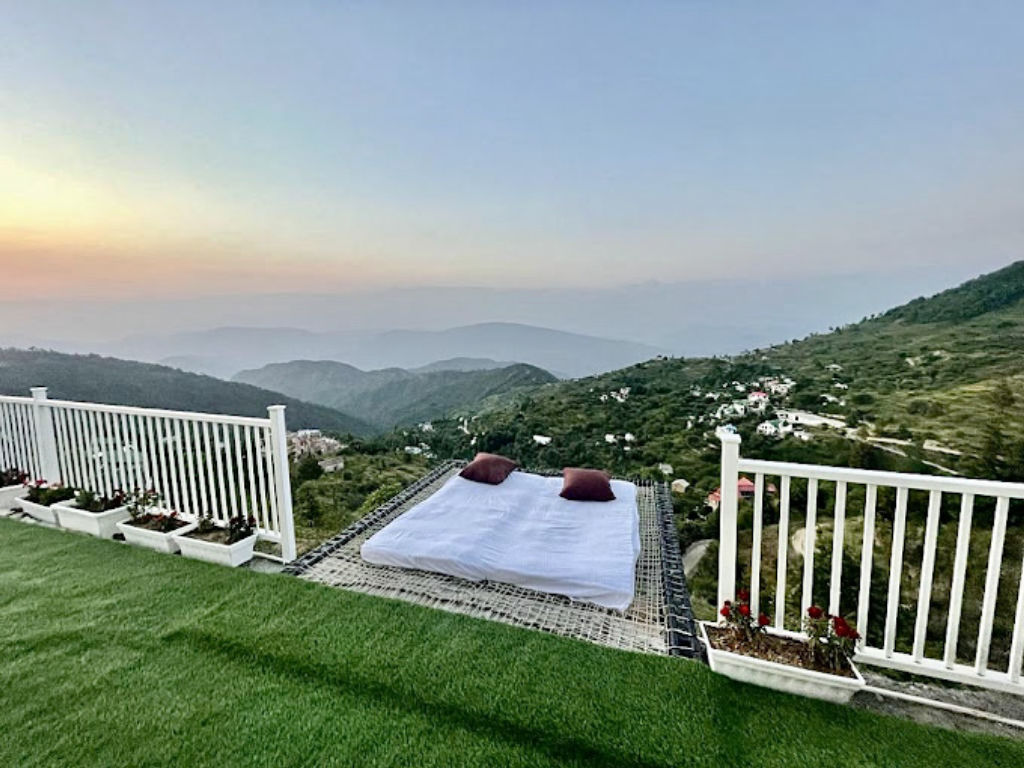
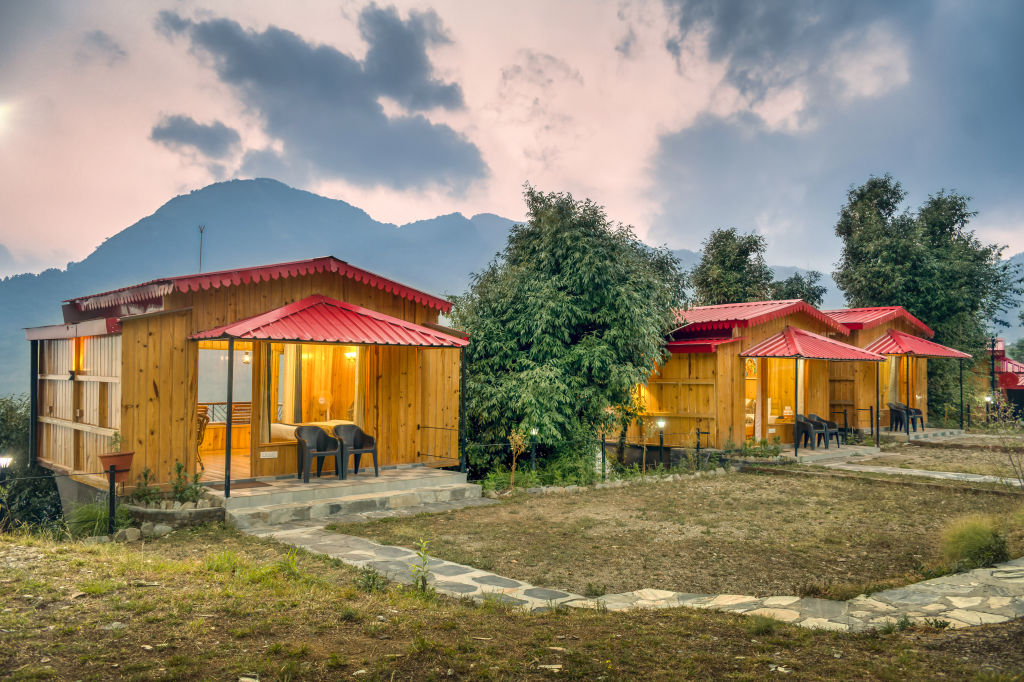
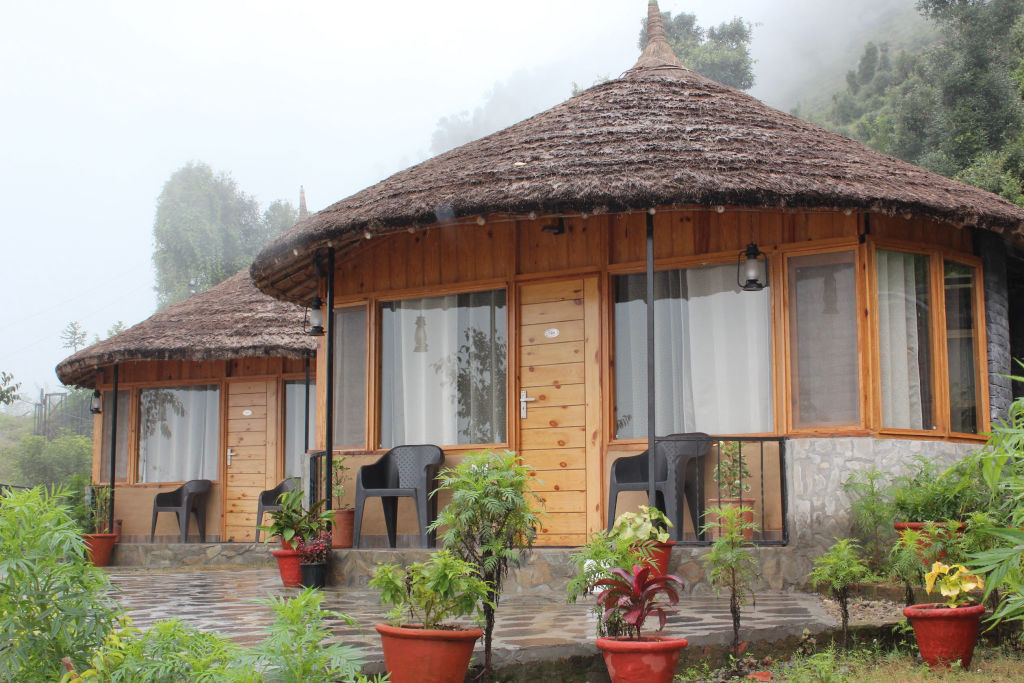
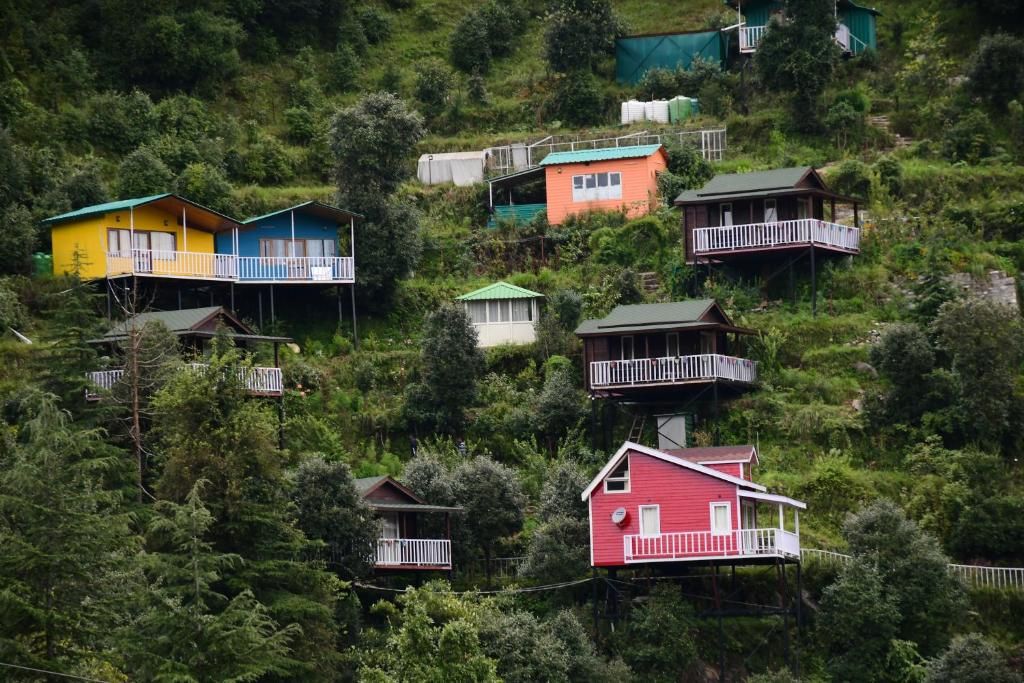
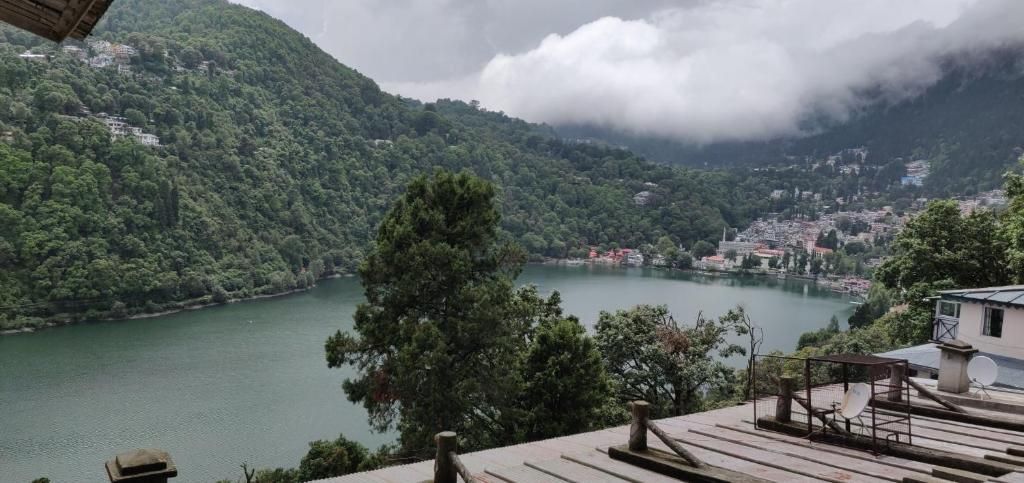
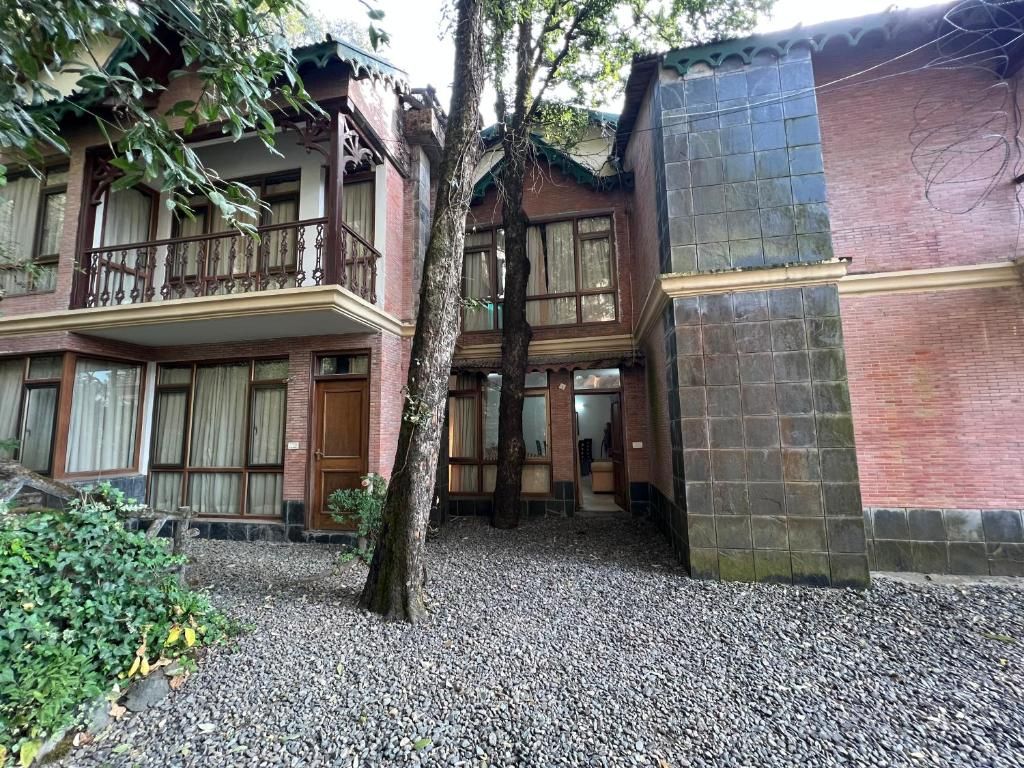
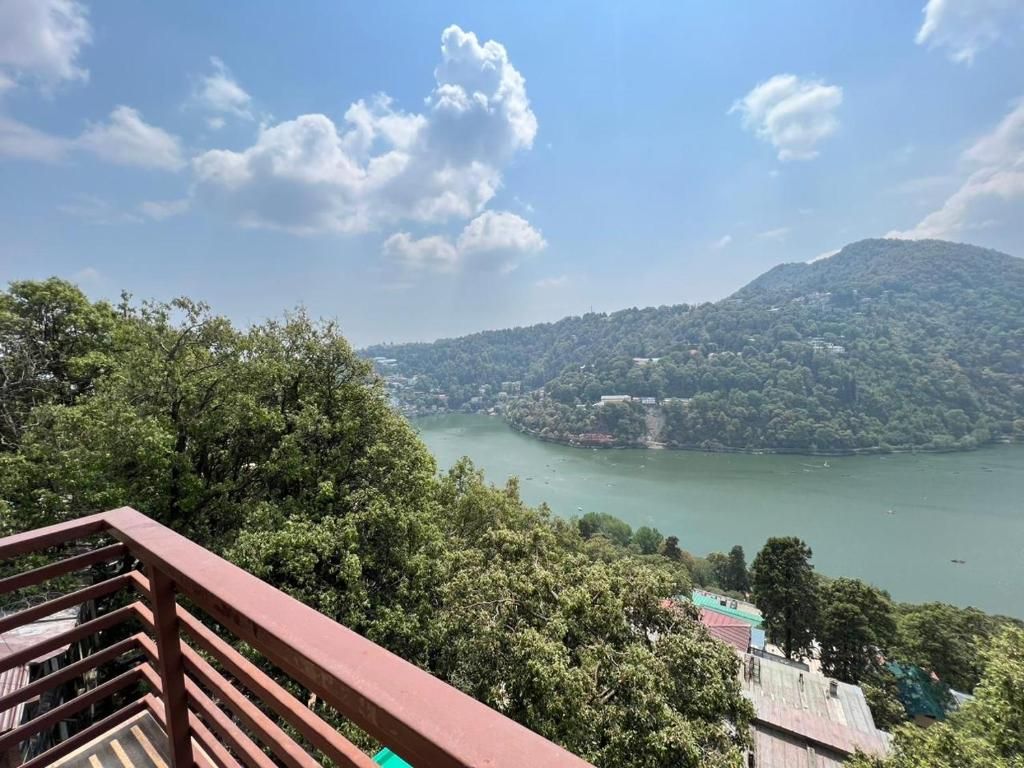
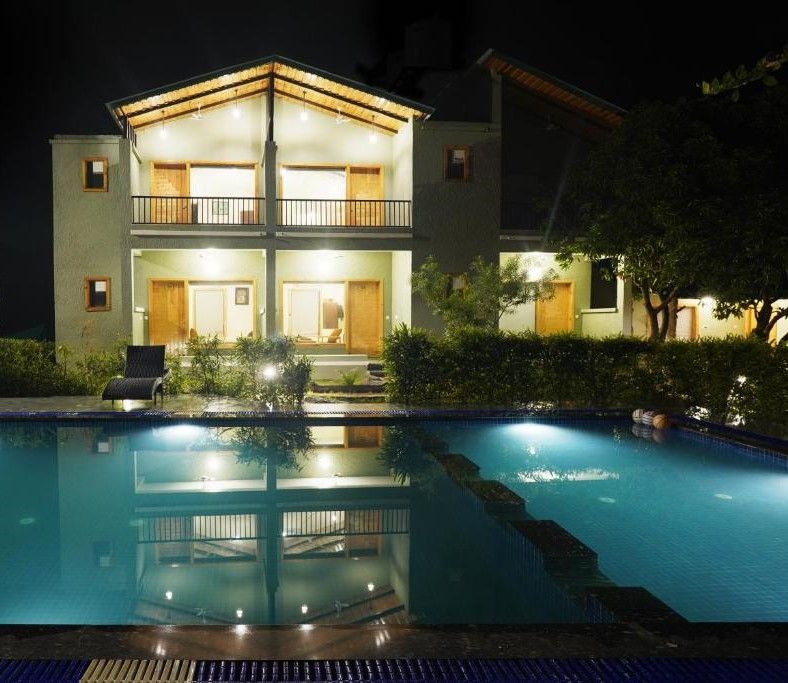
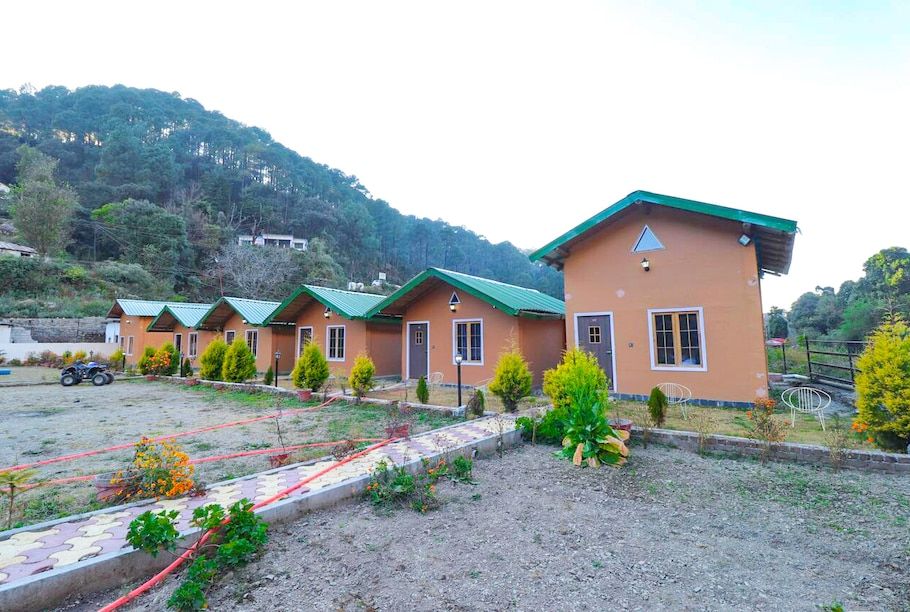
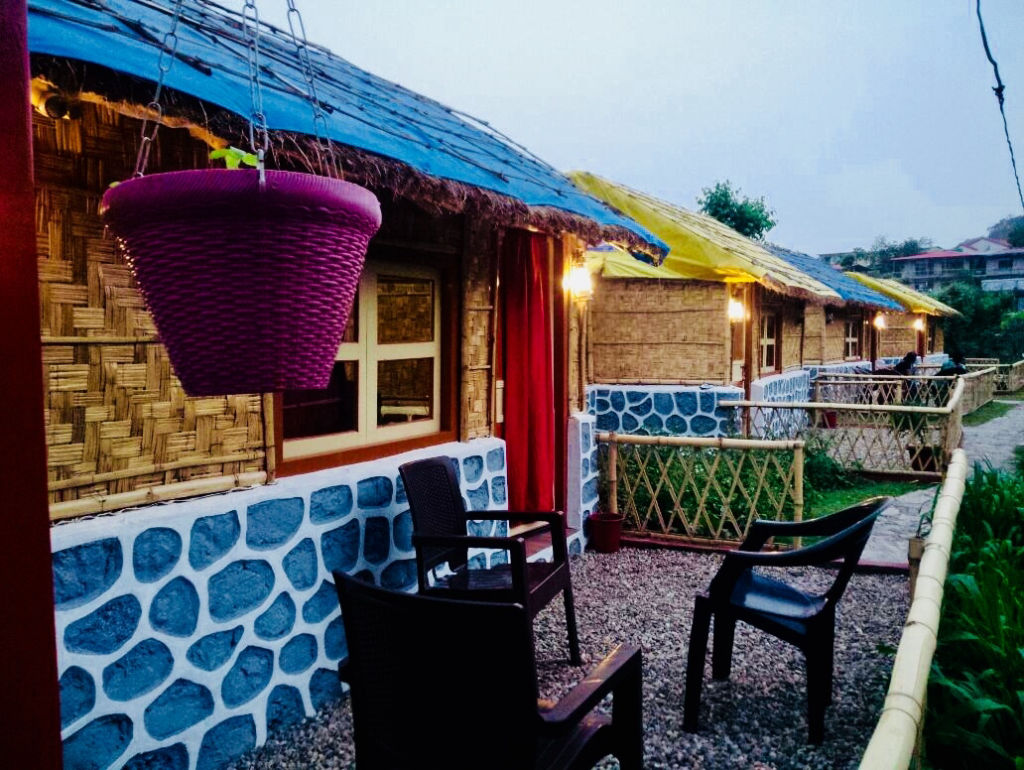
Ranikhet and its surrounding villages offer a range of peaceful accommodations away from crowded commercial hubs. Staying on the pine-covered ridges around Chaubatia or Ranikhet allows you to experience cool mountain mornings and quiet village paths.
Whether you are looking for rustic orchard camps, scenic homestays with home-cooked Kumaoni meals, or tranquil mountain cottages, you can browse and book verified places to stay near Ranikhet on HireACamp.
Frequently asked questions
Why are there so many bells at Jhula Devi Temple?
Devotees tie brass bells at the temple as a gesture of gratitude when their prayers and wishes are fulfilled by Goddess Durga.
How far is Jhula Devi Temple from Ranikhet town centre?
The temple is located approximately seven kilometres from the main market area of Ranikhet, along the road leading to Chaubatia Gardens.
Is there an entry fee to visit Jhula Devi Temple?
Entry to the temple is free for all visitors, though you should check locally for any specific parking charges or festival protocols.
Can I visit Jhula Devi Temple in winter?
Yes, the temple remains open throughout the year, though winters are cold and require warm woollen clothing.
What other attractions can be combined with a trip to the temple?
The fruit orchards and Himalayan view at Chaubatia Gardens are just a short drive away, while Ashiyana Park and the ancient stone temples of Dwarahat are also within easy reach.
Where you'll be
Ranikhet · 12 stays nearby shown with prices
Stays near Jhula Devi Temple
Book a place to stay close by
More places near Jhula Devi Temple
Within 20 km
Built from 0 Instagram posts by 0 creators. Every tip links back to the post it came from, and where creators disagree we show both sides.






