
Dunagiri Devi Temple
Temple near Ranikhet, Uttarakhand
200 m from Ranikhet
The nearest town, for stays, food and fuel.
Dunagiri Devi Temple is a revered hilltop Shakti shrine nestled in the pine and oak forests near Ranikhet in the Almora district of Uttarakhand. Dedicated to Goddess Durga, the temple is known for its legendary association with the Ramayana and its spiritual significance across the Kumaon Himalayas. Travelers and devotees visit to seek blessings, enjoy peaceful woodland walks, and admire wide views of distant snow-capped Himalayan peaks.
Getting there
By road
- From Dehradun6 hr 55 min · 328 km
- From New Delhi7 hr 35 min · 357 km
- From Chandigarh10 hr 50 min · 527 km
Typical drive times without traffic. Stations and airports from OLA Maps; distances and typical drive times from OpenStreetMap (© OpenStreetMap contributors); notes from creators' Reels.
About Dunagiri Devi Temple
Written with AI from map data and general knowledge. Check prices and timings locally before you go.
The spiritual setting of Dunagiri Devi Temple
Dunagiri Devi Temple, also known regionally as Dronagiri, is one of the most revered Shakti shrines situated in the Kumaon region of Uttarakhand. Located on a high forested hill in the Almora district near the historic settlement of Dwarahat and the hill station of Ranikhet, this sacred shrine is dedicated to Goddess Durga, who is worshipped here as Vaishnavi or Dunagiri Devi. Unlike massive temple complexes that buzz with constant commercial activity, Dunagiri retains a deeply serene and rustic mountain atmosphere. The shrine sits amidst dense woodlands dominated by towering pine, oak, and deodar trees that fill the cool mountain air with the scent of wild forest resins. Pilgrims, spiritual seekers, and travelers visit this holy site to pay their respects, witness ancient religious rituals, and take in the panoramic mountain landscapes that characterize this peaceful corner of northern India.
Mythological roots and legends of Dunagiri
The hill and shrine of Dunagiri are steeped in ancient Hindu legends, most notably those tied to the epic Ramayana. According to regional lore, when Lakshmana fell gravely injured during the war against Ravana, Lord Hanuman flew north to the Himalayas to find the miraculous Sanjeevani herb. It is believed that a portion of the sacred mountain broke off and dropped here during his journey, giving rise to the name Dronagiri, which over centuries softened into Dunagiri. Beyond the Ramayana, the mountain is traditionally linked with the ancient sage Bharadwaja, the guru Dronacharya, and the Pandava brothers during their period of exile in the Himalayas. For generations, ascetics, yogis, and saints have chosen these forested slopes for deep penance and meditation. The residing goddess is worshipped as a supreme motherly protector, drawing immense reverence from local villagers and out-of-state pilgrims alike.
Read more
The temple climb and mountain atmosphere
Reaching the sanctum of Dunagiri Devi Temple requires an invigorating walk up a well-laid stone stairway that winds through lush oak and rhododendron forest. The ascent features several hundred steps, shaded almost entirely by a thick green forest canopy alive with the sounds of mountain birds and gentle rustling leaves. Small resting platforms and villager-run tea stalls are scattered along the trail, offering pilgrims a chance to rest, hydrate, and take in scenic views of the terraced valleys below. As you approach the crest of the hill, the stairway is flanked by hundreds of brass bells of varying sizes, tied by devotees over generations in gratitude for answered prayers. At the top, the temple courtyard opens onto an awe-inspiring vista of the Kumaon hills, where on crisp and clear mornings, one can catch sweeping views of snow-dusted Himalayan peaks across the northern skyline.
Best time to visit Dunagiri Devi Temple
Visiting Dunagiri Devi Temple is rewarding across different times of the year, each season bringing a distinctive character to the mountain landscape. The months from March to June mark the spring and summer season, offering clear blue skies, comfortable daytime temperatures, and hillsides adorned with blooming red and pink rhododendron blossoms. This is the most popular time for travelers who want pleasant weather for the pedestrian climb. Autumn, running from September through November, is another wonderful period to visit, as the monsoon rains leave the valleys exceptionally green and clear away the haze to yield crisp, unimpeded views of the distant snowy ranges. The Navratri celebrations in both spring and autumn bring devotional hymns and festive fervor to the shrine. The winter season between December and February brings crisp mountain cold and chilly mornings, ideal for solitude seekers equipped with heavy woolens.
How to reach Dunagiri Devi Temple
Dunagiri Devi Temple is situated in the hills of Almora district and is reached by road from regional hubs like Ranikhet and Dwarahat. The nearest major railway station is Kathgodam, situated in the Himalayan foothills, which maintains reliable rail links with Delhi, Lucknow, and other major cities. From Kathgodam, shared and private taxis as well as regional buses climb northward through scenic hill corridors past Bhowali and Ranikhet to reach the base of the hill. The nearest domestic air link is Pantnagar Airport, located in the plains, from where road transport can be arranged for the uphill journey into Kumaon. Travelers driving from national capital regions like Delhi typically take the highway route via Moradabad, Rampur, Haldwani, and Bhimtal. Vehicles must be parked at the designated base area, where travelers embark on foot to complete the final stairs leading to the temple.
Places to visit around Dunagiri and Ranikhet
A trip to Dunagiri Devi Temple can easily be paired with exploring several fascinating cultural and natural attractions situated within the wider Kumaon landscape. The nearby town of Dwarahat is celebrated for its remarkable cluster of ancient stone temples built during the Katyuri era, featuring elaborate classical stone carvings and historical architecture. Outdoor lovers can explore the trekking trail leading up toward Pandukholi, a scenic high-altitude meadow linked to the Pandavas that offers spectacular panoramic views of the central Himalayas. The cantonment town of Ranikhet lies within convenient driving distance, offering sprawling golf greens, peaceful walking paths through fragrant pine woods, and the famous Chaubatia Gardens renowned for fruit orchards. For wildlife enthusiasts, day trips can be arranged toward Binsar Wildlife Sanctuary, where dense oak reserves shelter Himalayan birds, leopards, and barking deer.
Tips for planning your temple visit
When preparing for your trip to Dunagiri Devi Temple, practical preparation will ensure an enjoyable and comfortable visit. Sturdy walking shoes with reliable grip are essential, as the climb up the stone stairs can be physically demanding and stones may become slick following rain. Dress modestly out of respect for the religious nature of the sanctuary, and be prepared to remove your footwear before entering the temple sanctum. It is wise to carry a refillable water bottle to stay hydrated during the ascent, though modest refreshment stalls are found along the path. Keep personal belongings, snacks, and shiny items secure, as inquisitive wild monkeys often inhabit the trees around the stairway. Travelers should check locally for specific daily prayer timings and temple gate schedules, and start the climb during daylight hours to safely navigate the forested hill route.
Where to stay near Dunagiri
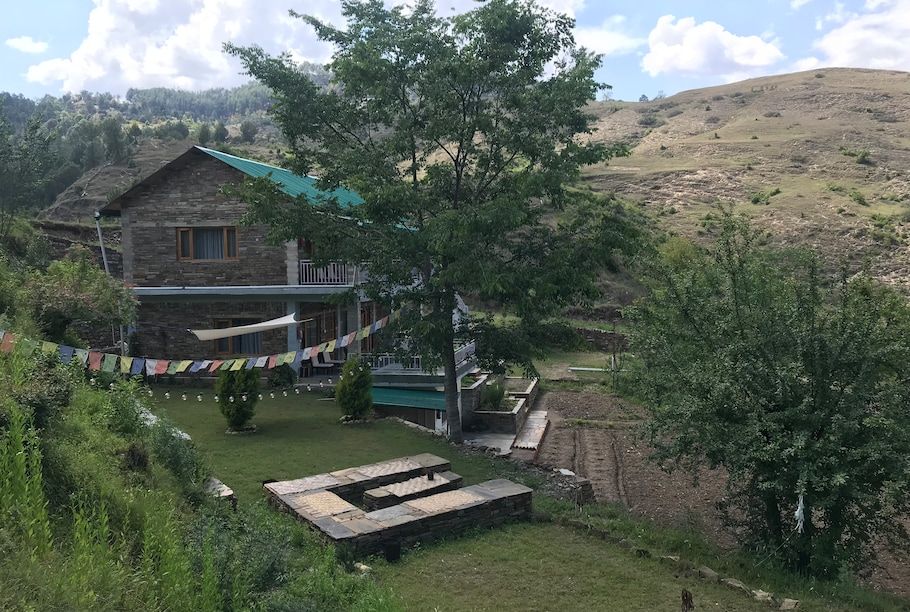
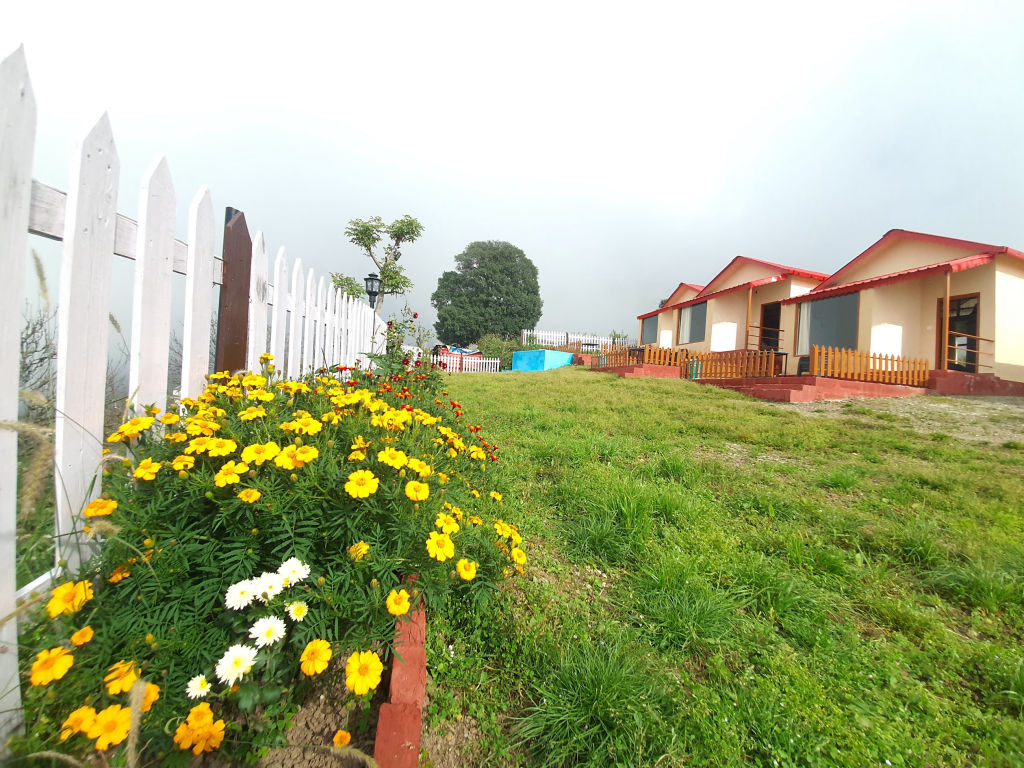
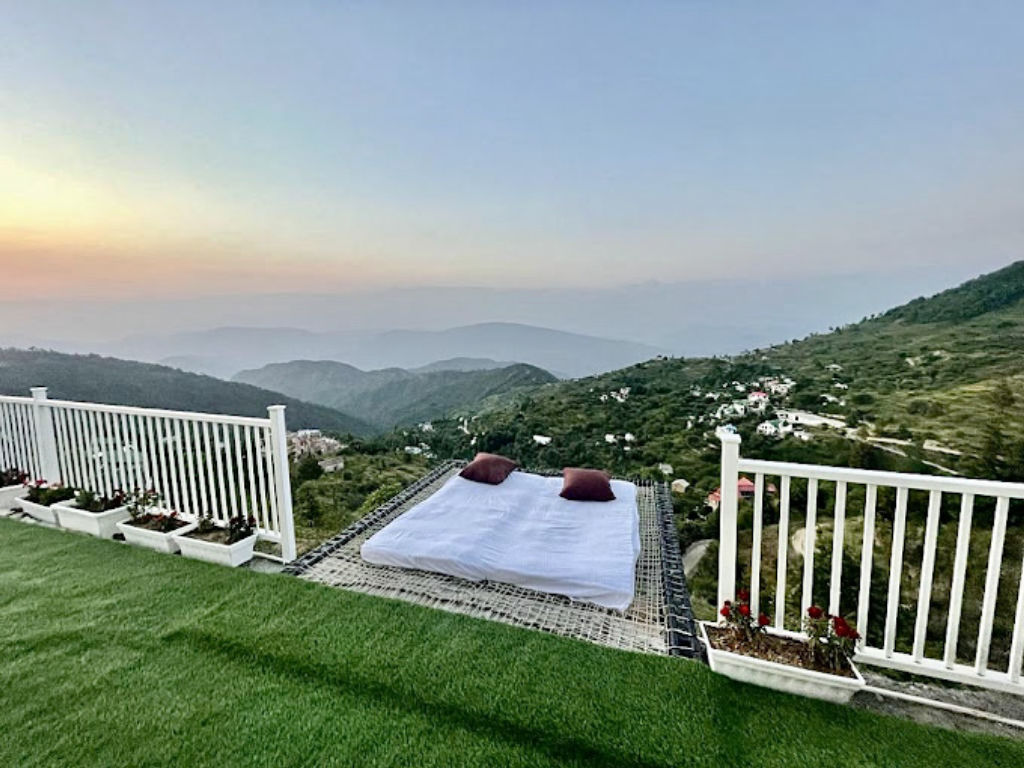
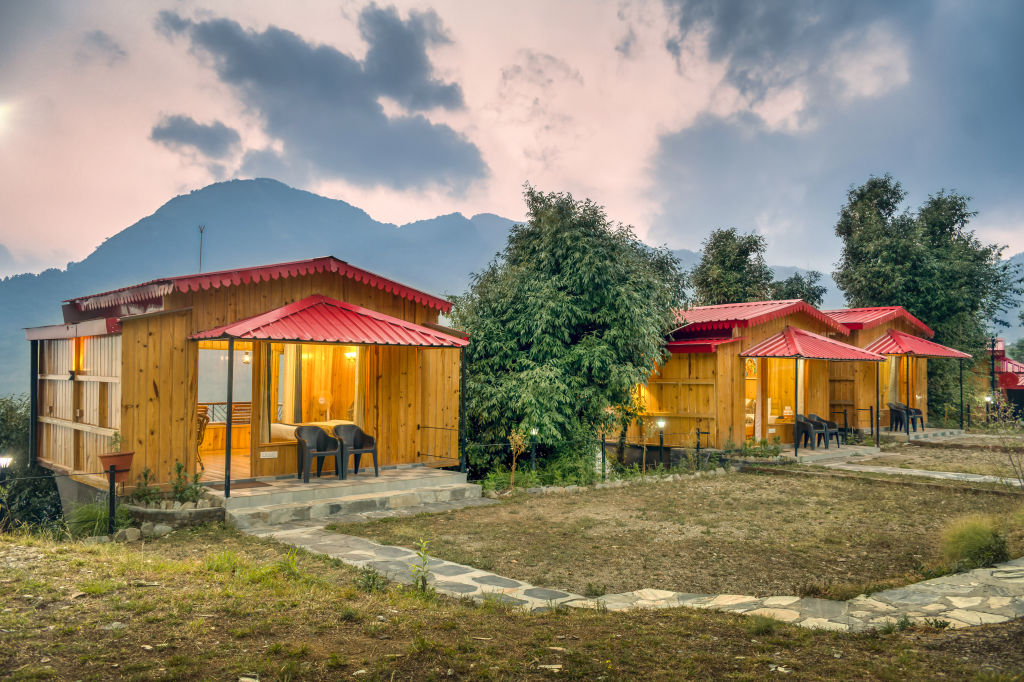
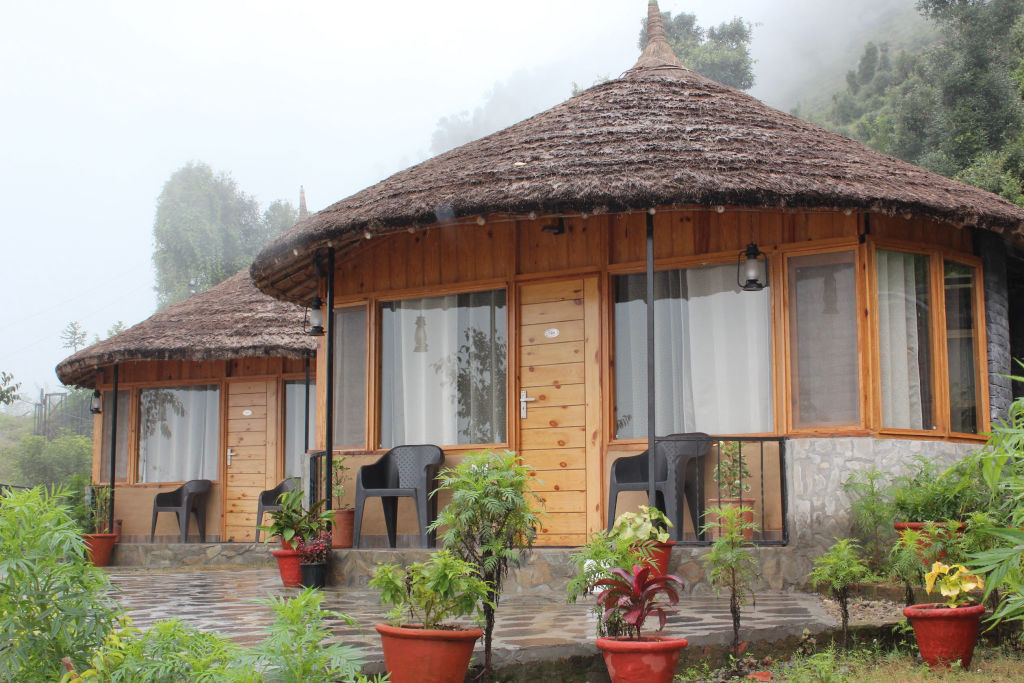
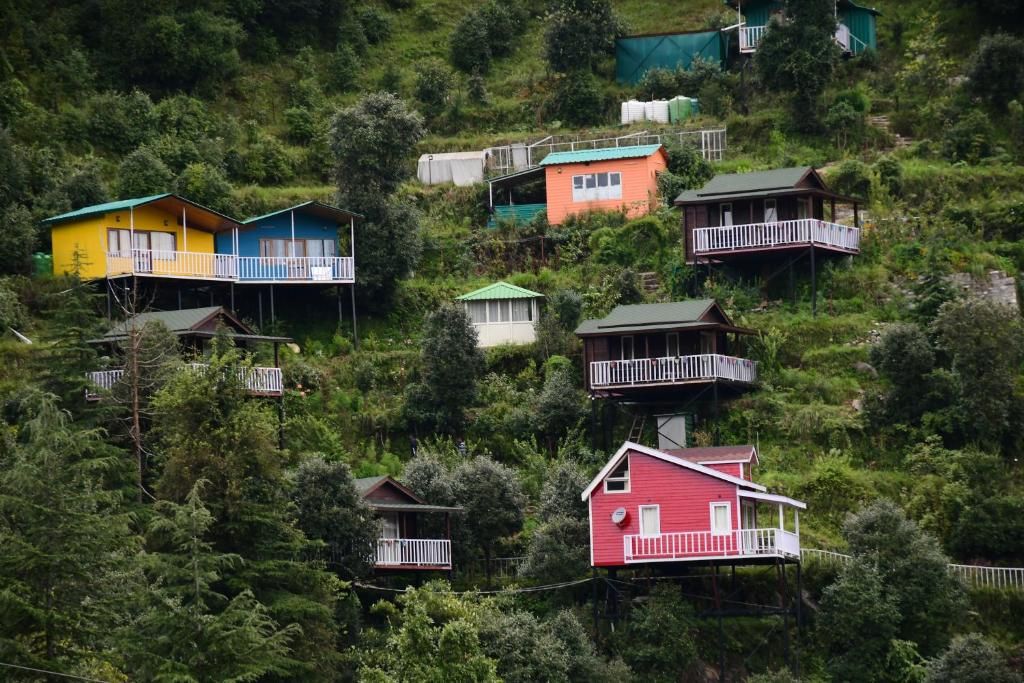
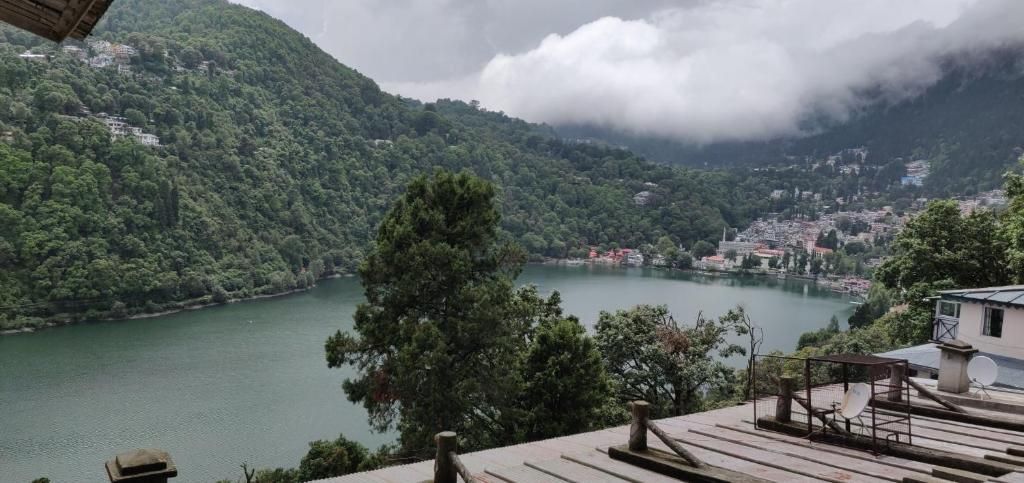
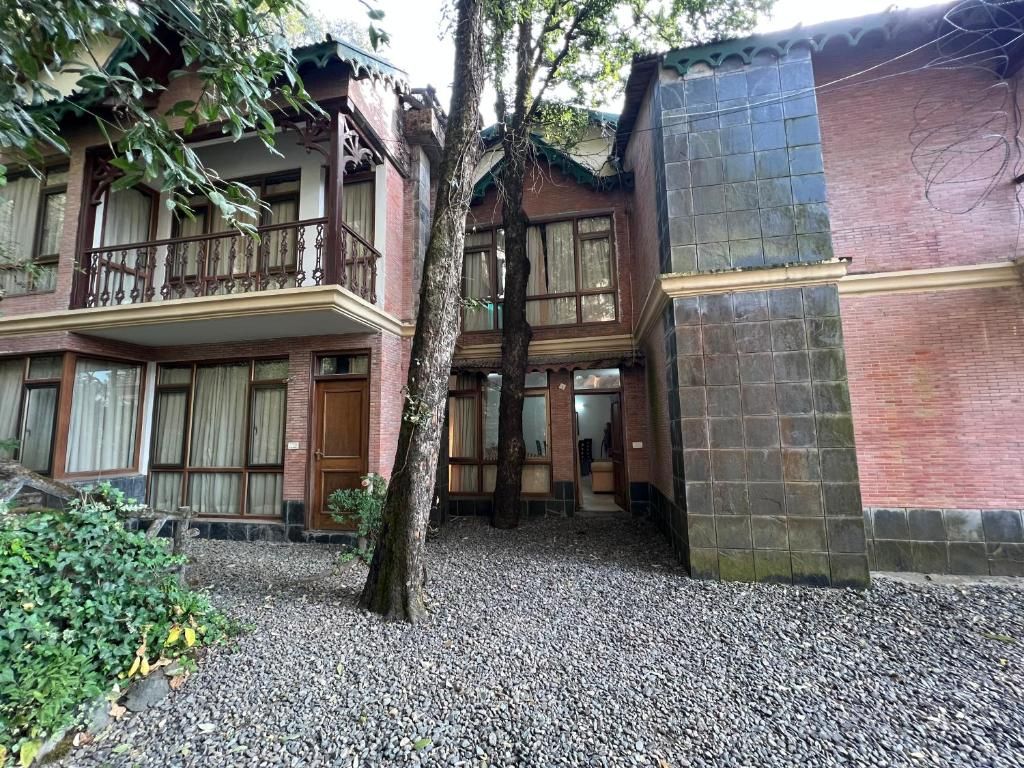
Visitors traveling to Dunagiri Devi Temple have a delightful selection of places to stay in the surrounding valleys and nearby towns. The region offers everything from charming traditional village homestays and mountain cottages to riverside nature camps located along forested hill slopes. Basing yourself around Ranikhet, Dwarahat, or the surrounding rural countryside allows you to enjoy peaceful pine-scented mornings and starlit night skies while remaining within easy striking distance of the temple. You can browse, discover, and book handpicked homestays, nature camps, and outdoor retreats in the area directly on HireACamp.
Frequently asked questions
What is Dunagiri Devi Temple famous for?
The temple is renowned as an ancient Shakti shrine dedicated to Goddess Durga and is famous for its mythological connection to the Sanjeevani mountain from the Ramayana, as well as its peaceful setting in the pine forests of Kumaon.
How long does it take to climb to Dunagiri Devi Temple?
The ascent involves climbing several hundred stone stairs through a shaded forest trail. Most visitors take between 20 to 45 minutes to reach the temple at the ridge, depending on their physical fitness and walking pace.
What is the best time of year to visit Dunagiri Devi Temple?
The best months to visit are from March to June for comfortable weather and blooming rhododendrons, and from September to November for clear skies and stunning mountain views. Navratri festival periods are particularly vibrant.
Which is the nearest railway station to Dunagiri Devi Temple?
Kathgodam railway station is the nearest major railhead, located in the foothills. From Kathgodam, taxis and buses run regular uphill routes toward Ranikhet and Dwarahat.
Are there food and water stalls available during the climb?
Yes, small local kiosks and tea stalls selling bottled water, hot tea, snacks, and puja offerings are present near the base and along the stone stairway leading up to the temple.
Where you'll be
Ranikhet · 11 stays nearby shown with prices
Stays near Dunagiri Devi Temple
Book a place to stay close by
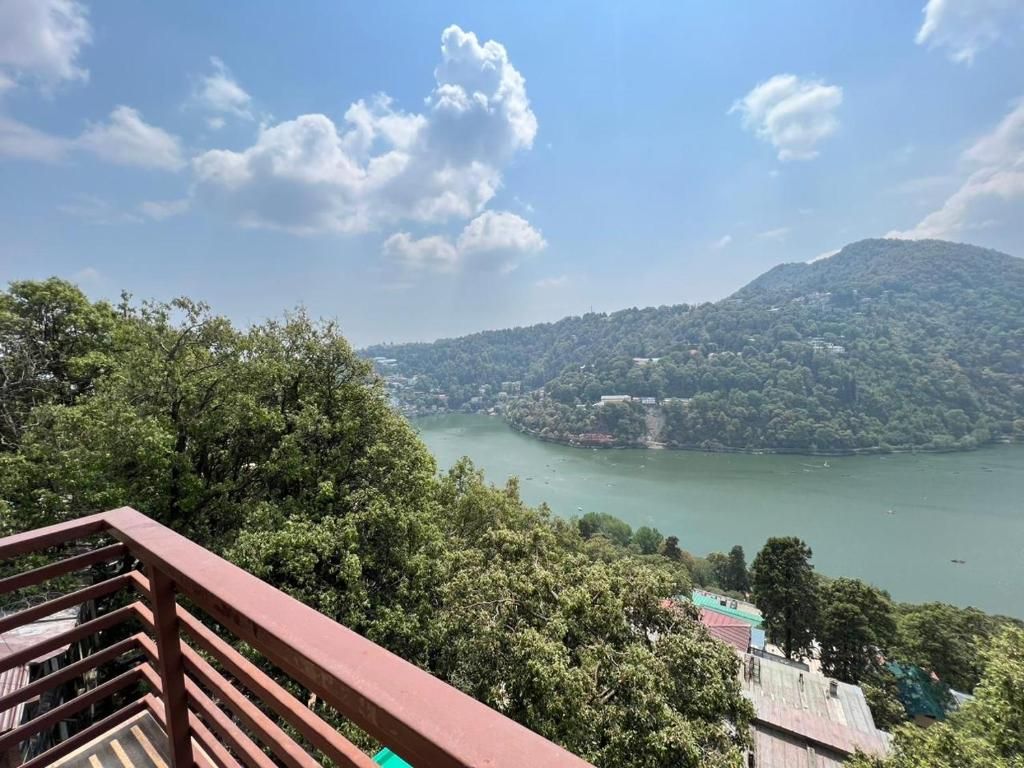
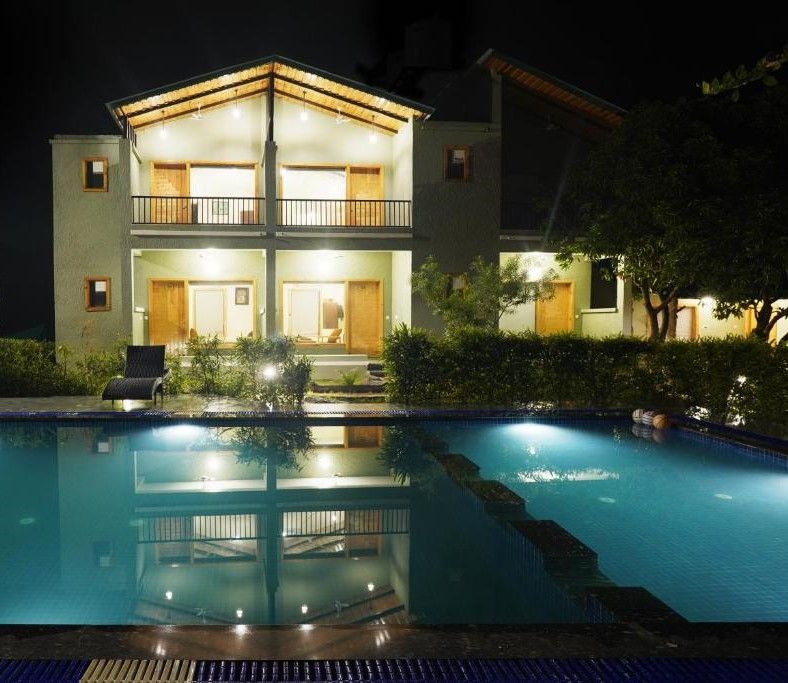
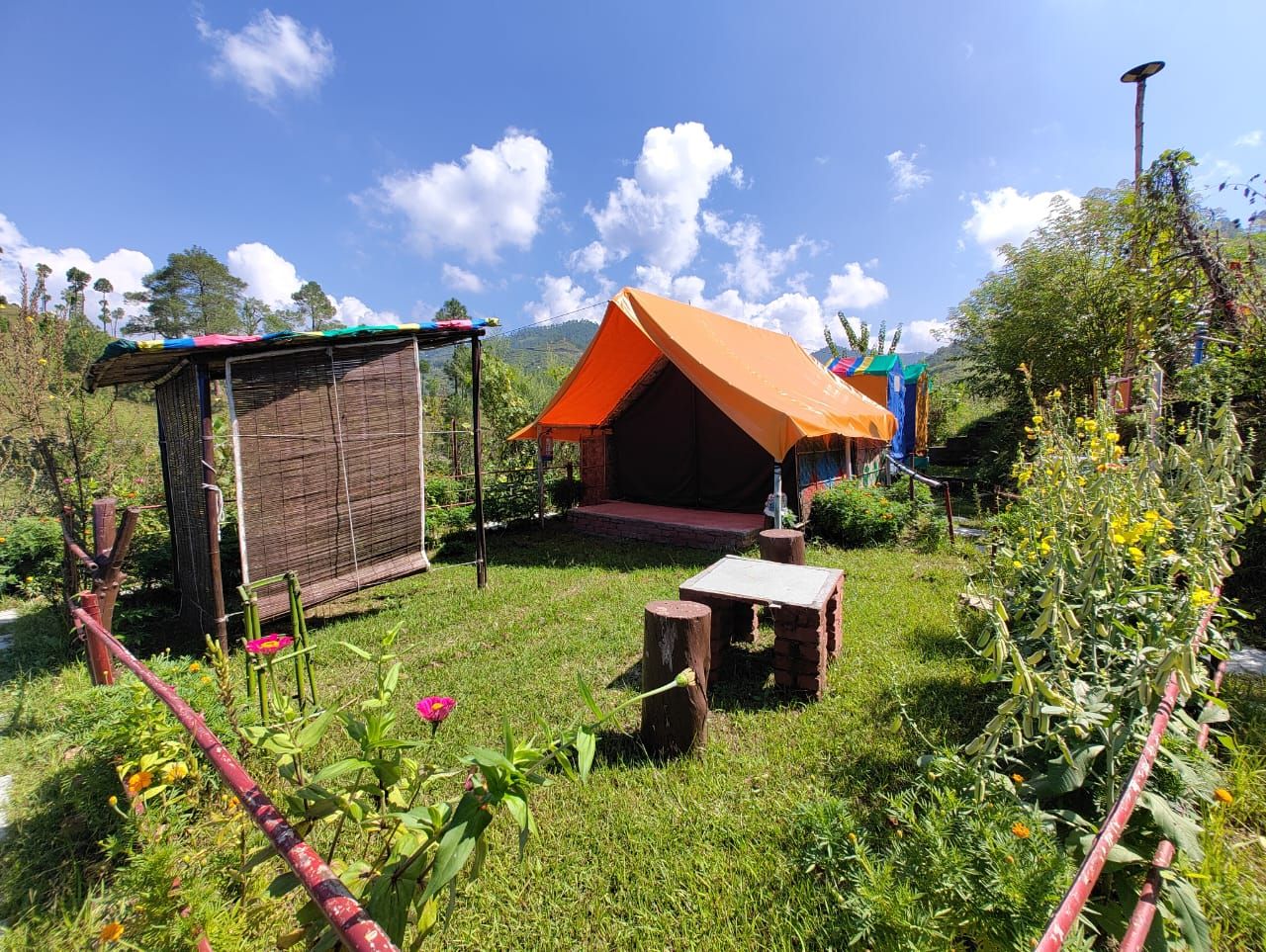
More places near Dunagiri Devi Temple
Within 20 km
Built from 0 Instagram posts by 0 creators. Every tip links back to the post it came from, and where creators disagree we show both sides.






