
Chavneshwar Temple
Temple near Panchgani, Maharashtra
2.1 km from Panchgani
The nearest town, for stays, food and fuel.
Chavneshwar Temple is a hilltop shrine dedicated to Lord Shiva, positioned along the heights connecting the town of Wai with the Panchgani plateau in Maharashtra. Travellers and pilgrims visit to offer prayers in a tranquil environment while taking in wide views across the valleys and agricultural fields of the Western Ghats. Its position away from heavy town traffic makes it a rewarding stop for those who enjoy open scenery and quiet spiritual spaces.
Getting there
By road
- From PanchganiNearest town49 min · 27 km
- From Pune2 hr 25 min · 100 km
- From Mumbai 4 hr 50 min · 245 km
- From Nashik7 hr 25 min · 347 km
Typical drive times without traffic. Stations and airports from OLA Maps; distances and typical drive times from OpenStreetMap (© OpenStreetMap contributors); notes from creators' Reels.
About Chavneshwar Temple
Written with AI from map data and general knowledge. Check prices and timings locally before you go.
About Chavneshwar Temple
Chavneshwar Temple is dedicated to Lord Shiva and sits quietly in the hilly terrain of the Satara district. Rooted in local rural traditions, this temple serves as an important place of worship for villagers from the surrounding valleys as well as visiting travellers exploring the Panchgani and Wai region.
The temple structure is modest and traditional, harmonising with its rugged mountain backdrop. Inside the sanctum, the Shiva lingam is worshipped with simple daily rituals. Because it does not experience the intense rush typical of commercial pilgrimage hubs, the shrine preserves a calm and introspective atmosphere where visitors can sit peacefully and absorb the quiet rhythm of hill life.
The landscape and natural setting
The temple is perched on the slopes of the Sahyadri range, offering broad perspectives over the Krishna river basin and the terraced farmlands that characterize the Wai plains. Rising winds from the Konkan coast often sweep over these ridges, keeping the air fresh and cooler than in the lowlands below.
The surrounding terrain features typical Deccan basalt formations, scrub forests, and seasonal wildflowers. From points along the ridge near the temple, you can look out toward nearby plateaus and water bodies like Dhom Lake. The elevated vantage makes it an appealing stop for landscape watchers and outdoor enthusiasts who appreciate the natural contrast between sheer rock cliffs and deep green agricultural tracts.
Read more
Best time to visit Chavneshwar Temple
The region around Wai and Panchgani experiences distinct seasonal changes, each offering a different atmosphere for visiting the temple.
The monsoon months between June and September transform the landscape completely. Heavy rains carpet the rocky slopes in deep green moss and grasses, while seasonal waterfalls form along the hill tracks. Cloud cover often drifts across the temple ridge, creating cool, mist-shrouded surroundings. Travellers who enjoy rain and fresh vegetation find this an ideal season, though outdoor paths can be wet and slippery.
From October through February, post-monsoon clearing brings crisp air, clear skies, and comfortably warm daytime temperatures followed by cool evenings. This winter window is widely considered the most comfortable time for walking, photography, and exploring the temple and its nearby surroundings without being impeded by rain or midday heat.
March to May brings hotter, drier conditions, especially during the middle of the day. If visiting in summer, plan your trip for early morning or late afternoon when the temperatures drop and the winds across the ridge provide natural cooling.
How to reach Chavneshwar Temple
Chavneshwar Temple is situated close to the road network linking Wai and Panchgani, making it accessible by road from major cities in western Maharashtra.
If you are travelling from Pune, the drive goes south along National Highway 48 toward Shirwal and Surur before turning westward toward Wai. From Wai, the route begins climbing toward the Panchgani ghats. The total journey from Pune is typically between two and a half to three hours depending on traffic conditions.
Travellers arriving from Mumbai can take the Mumbai-Pune Expressway, continue around Pune, and follow the same southern corridor along National Highway 48. This road journey usually takes around four and a half to five and a half hours under standard driving conditions.
Public transport users can board state transport buses bound for Wai, Satara, or Mahabaleshwar from central bus stations in Pune or Mumbai. From Wai or the Panchgani bus stands, local taxis and auto-rickshaws can be arranged to take you up to the temple approach road.
Places to explore near Chavneshwar Temple
The geography surrounding the temple offers a diverse mix of historical fortifications, freshwater reservoirs, and elevated viewpoints that make for a full day of sightseeing.
Just a short drive uphill lies the expansive volcanic plateau of Table Land, known for its flat expanse of laterite rock and panoramic views over surrounding ranges. In the valley below, Dhom Lake provides open waters bounded by hills, where travellers often go to enjoy calm lakeside breezes.
For those interested in regional history and trekking, Kamalgad Fort and Kenjalgad stand as rugged hill forts overlooking the surrounding terrain, presenting energetic day hikes across rocky ridges. Further downhill in the town of Wai, visitors can explore classic ghat architecture and historic riverside temples along the banks of the Krishna River.
Tips for your visit
To make the most of your trip to Chavneshwar Temple, plan to arrive during the morning or late afternoon when light is gentle and temperatures are moderate. Midday sun on exposed hill tracks can be intense outside the winter season.
Because this is an active place of religious devotion, dress modestly and remove your footwear outside the inner temple sanctum. It is thoughtful to keep conversations quiet to maintain the peaceful environment for local devotees.
Wear comfortable shoes with solid grip, particularly if you visit during the monsoon when stone pathways and dirt tracks can turn slick. Bring drinking water and basic sun protection with you, as amenities at the temple site are minimal. Please carry all plastic waste back down the hill with you to help keep the surrounding natural environment clean.
Where to stay near Chavneshwar Temple
The area surrounding Wai and Panchgani offers a range of peaceful accommodations that cater to outdoor travellers, families, and solo explorers.
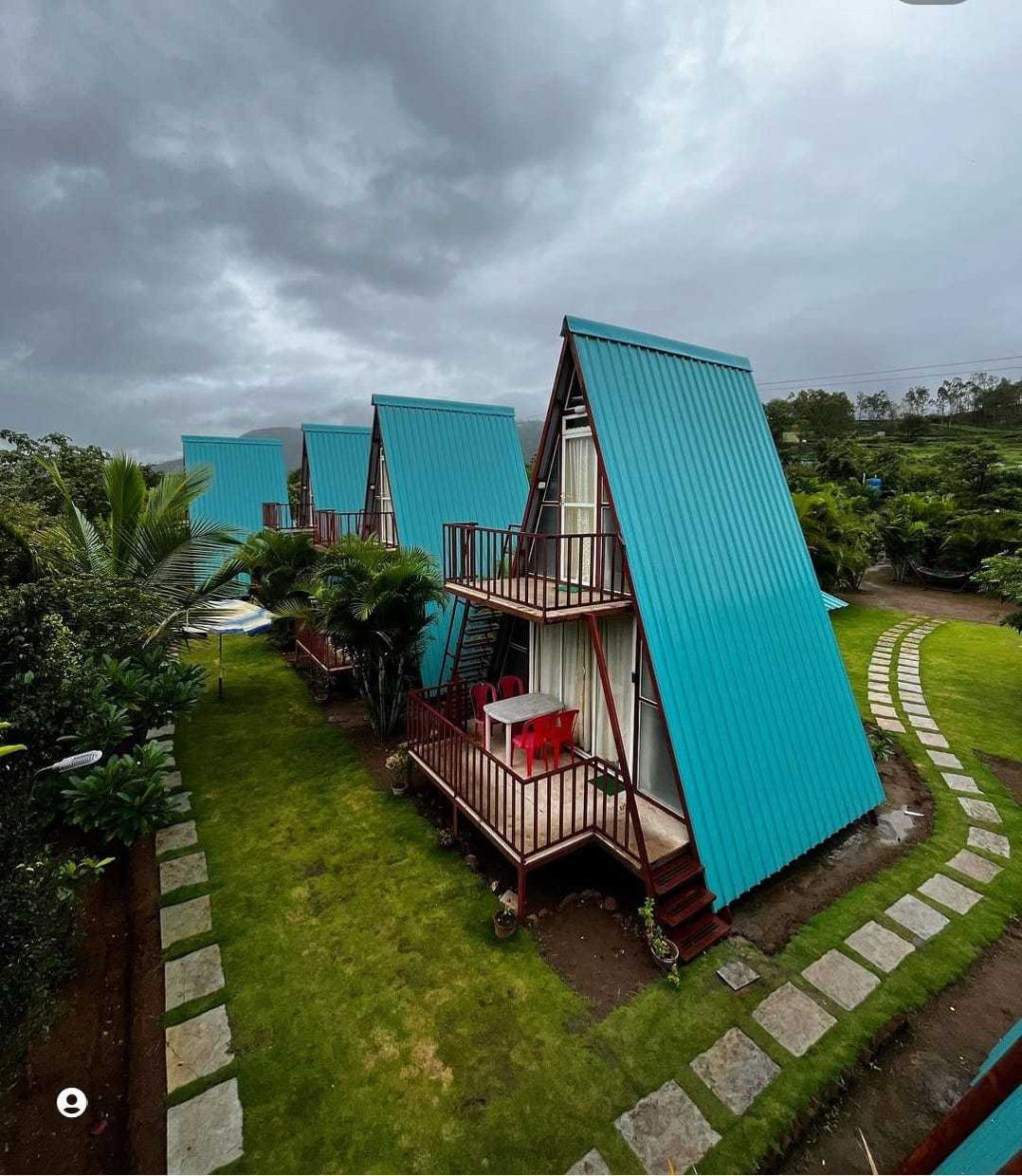
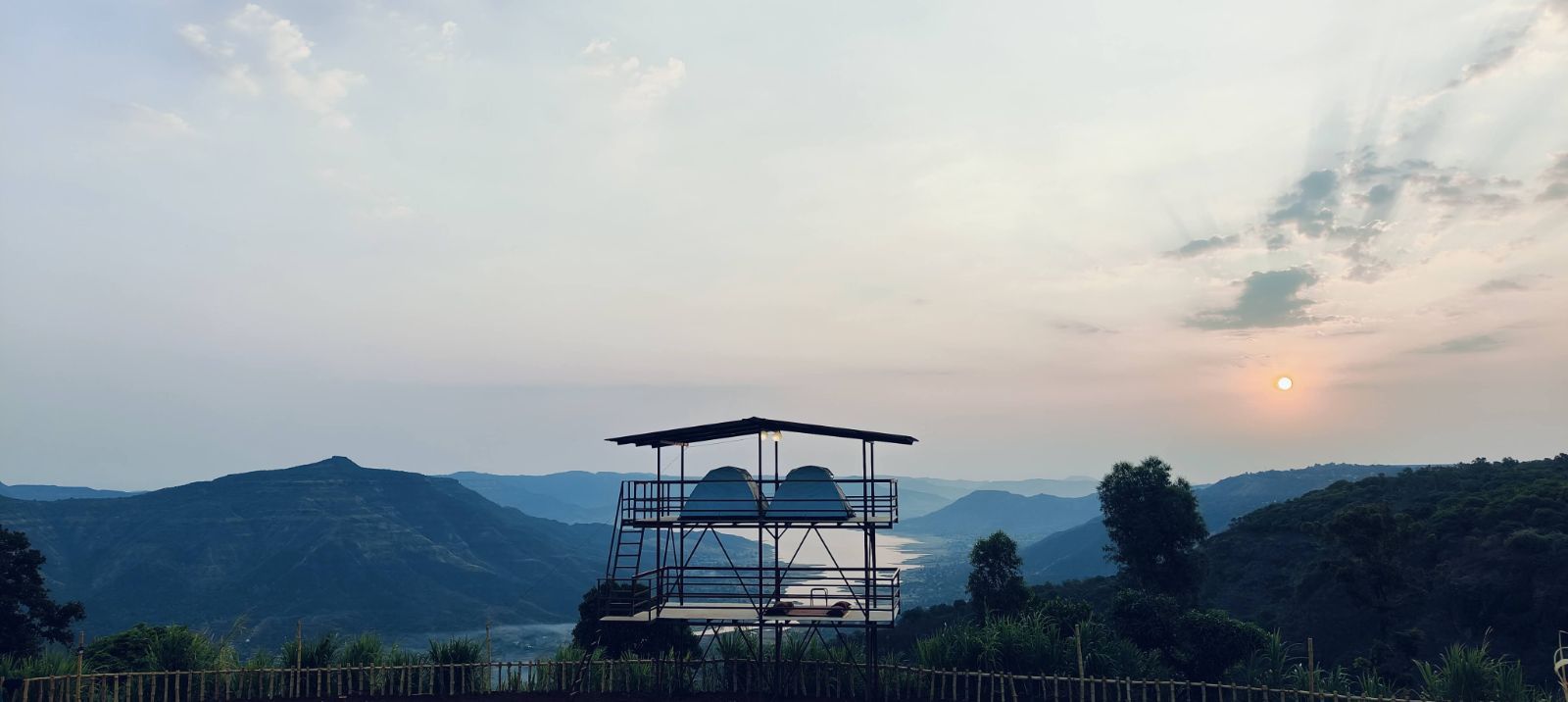
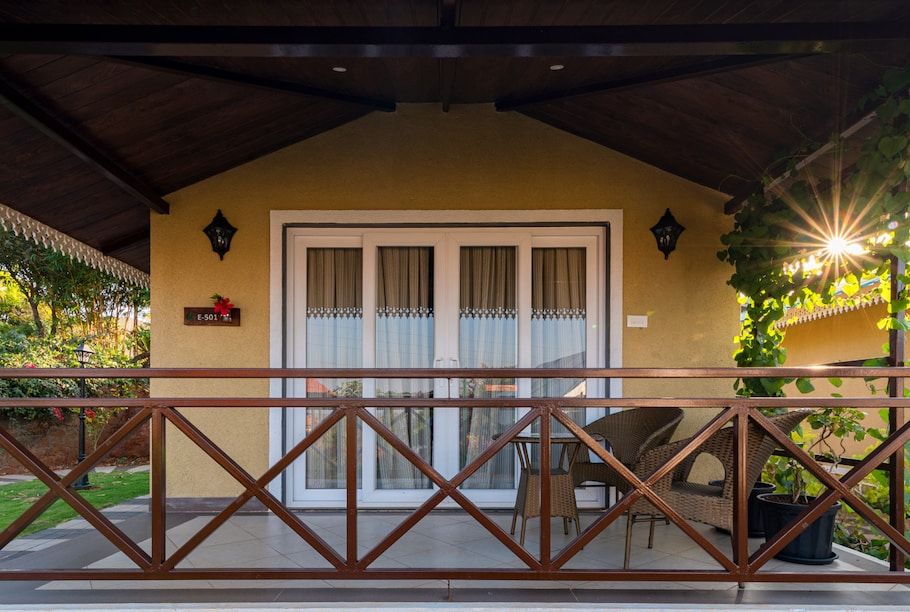
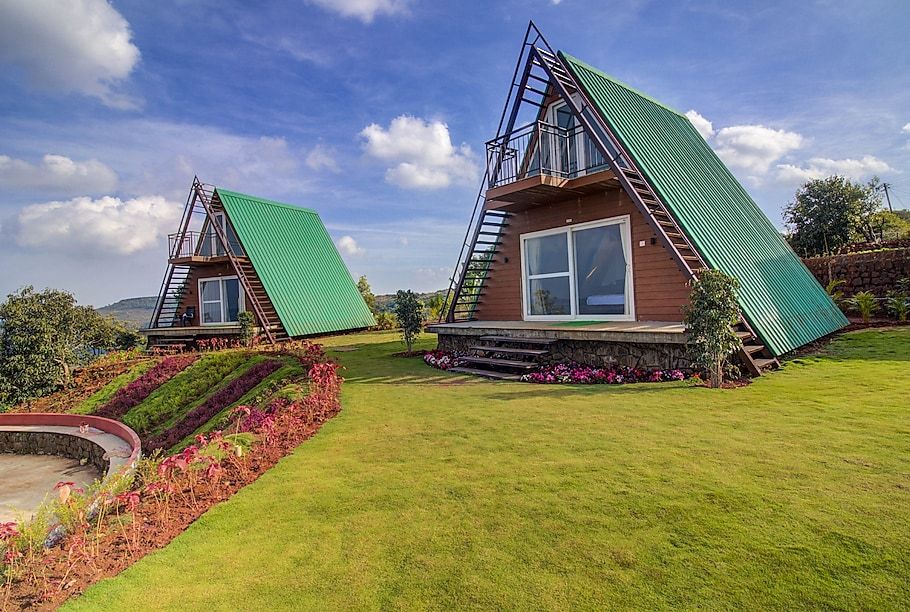
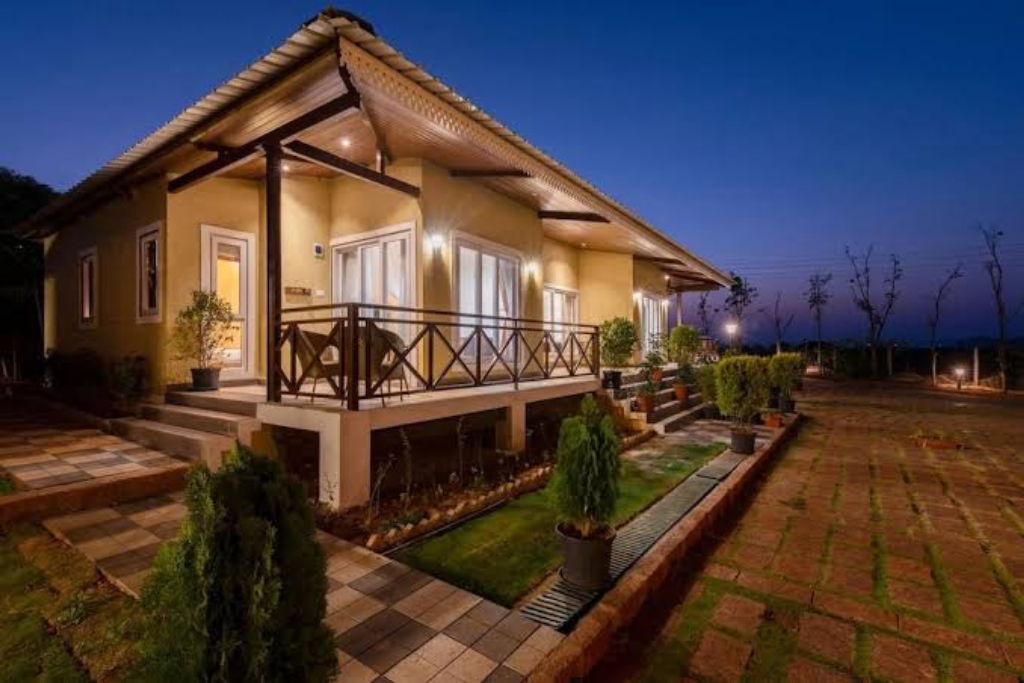
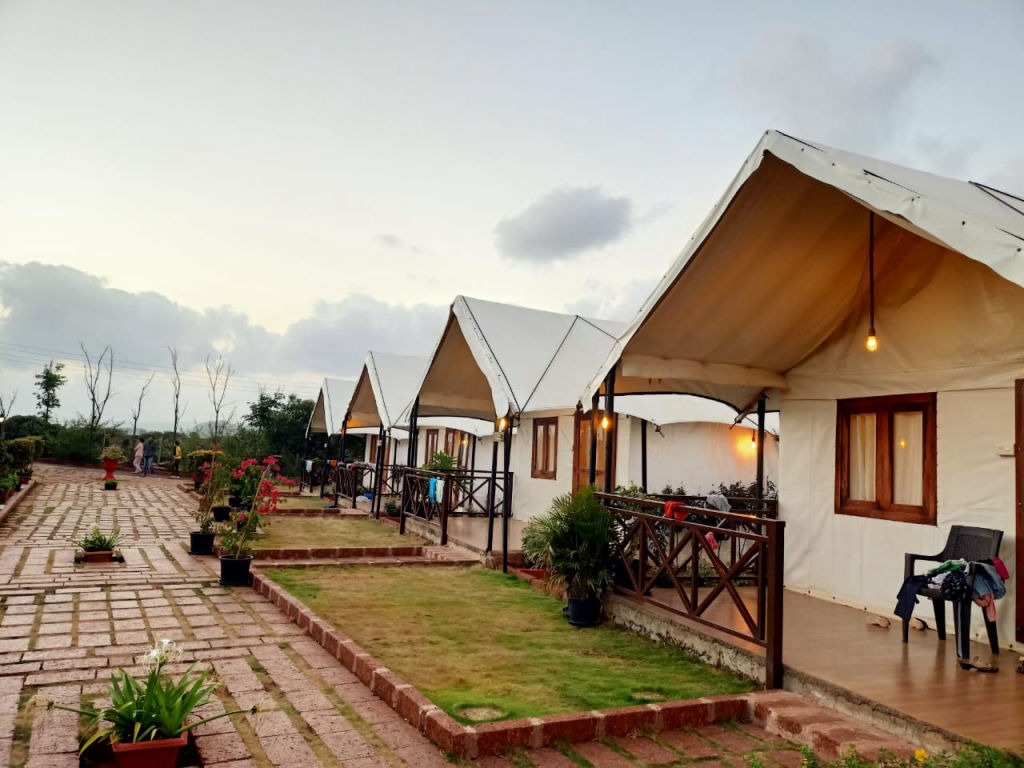
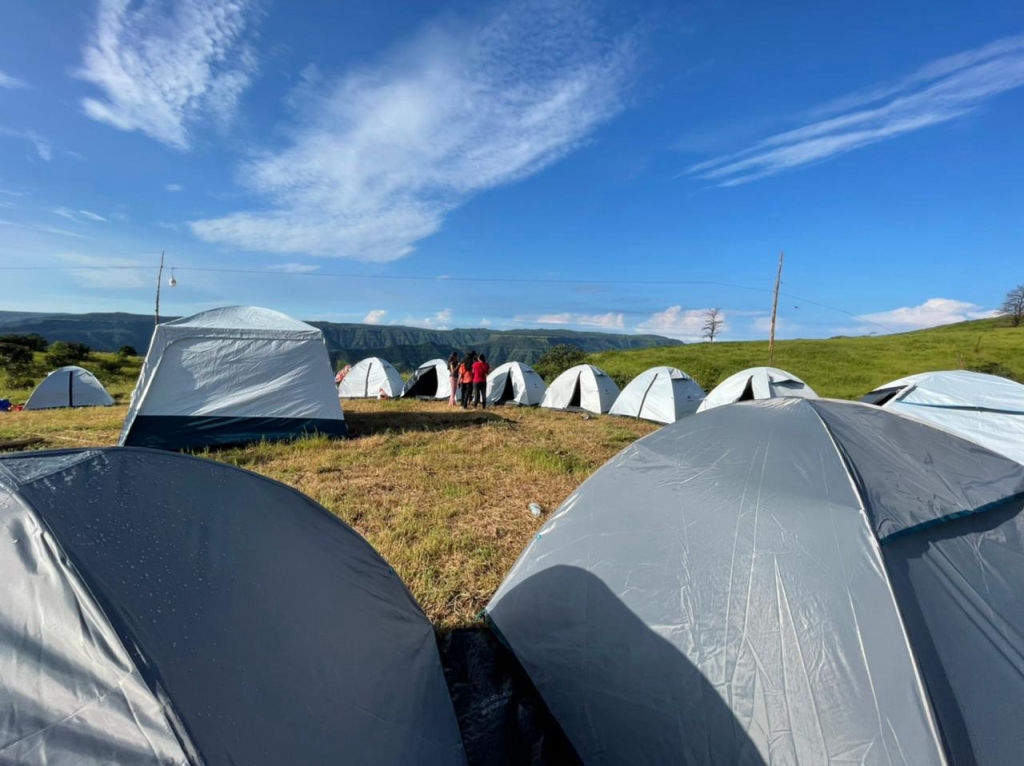
You can find scenic rural homestays, private farm properties, and outdoor campsites nestled in the valleys and orchard-covered hills on HireACamp. Booking a stay close to Wai or Panchgani allows you to enjoy cool mountain evenings and reach Chavneshwar Temple early in the day before warmer weather sets in.
Frequently asked questions
Which deity is worshipped at Chavneshwar Temple?
Chavneshwar Temple is an ancient shrine dedicated to Lord Shiva, housing a sacred Shiva lingam within its inner sanctum.
Is Chavneshwar Temple accessible by car?
Yes, you can drive to the vicinity of the temple via the hill routes connecting Wai and Panchgani, followed by a short walk along the approach path.
How long does a typical visit to the temple take?
Most visitors spend between 45 minutes and an hour exploring the temple complex, offering prayers, and admiring the valley views.
Are there entry fees or special permits required?
There are generally no special permits needed to visit the temple, but travellers should verify any local village guidelines or parking arrangements on arrival.
What is the best time of day to visit Chavneshwar Temple?
Early mornings and late afternoons are the best times to visit for cooler weather, calm winds, and clear views over the Krishna river valley.
Where you'll be
Panchgani, Wai, MH · 7 stays nearby shown with prices
Stays near Chavneshwar Temple
Book a place to stay close by
More places near Chavneshwar Temple
Within 20 km


Lists for this area
Ranked by how many creators recommend each place


Built from 0 Instagram posts by 0 creators. Every tip links back to the post it came from, and where creators disagree we show both sides.






