
Cuncolim
Destination in Goa
Cuncolim is a historic town nestled in the lush countryside of South Goa, renowned for its heritage of resistance and deep-rooted local traditions. Positioned between the verdant foothills of the interior and the southern coastal plains, it draws travellers looking to experience ancient temples, quiet village landscapes, and significant landmarks from Goa's storied past.
Getting there
By road
- From Pune9 hr 45 min · 475 km
Typical drive times without traffic. Stations and airports from OLA Maps; distances and typical drive times from OpenStreetMap (© OpenStreetMap contributors); notes from creators' Reels.
About Cuncolim
Written with AI from map data and general knowledge. Check prices and timings locally before you go.
What Cuncolim is known for
Cuncolim holds an indelible place in Goa's history as a symbol of early resilience and local autonomy. Situated in South Goa, this historic settlement is famously known for the Cuncolim Revolt of 1583, widely regarded as one of the earliest organised uprisings against European colonial rule in the subcontinent. The local village chieftains rose in defiance against the Portuguese administration to protect their ancestral lands, traditions, and sacred spaces. Today, the town preserves this spirit through public memorials, heritage sites, and a deep-rooted cultural pride that sets it apart from typical coastal tourist hubs.
Beyond its historical legacy, Cuncolim is celebrated for its traditional village structure, lush agricultural landscape, and vibrant community festivals. The surrounding region of Fatorpa and Balli is closely tied to the veneration of Goddess Shantadurga, where ancient rituals and annual temple processions continue to draw visitors from across the state. With its network of peaceful residential wards, dense coconut groves, and proximity to the western foothills, Cuncolim represents a serene, authentic slice of inland Goan life.
Things to do in and around Cuncolim
A visit to Cuncolim offers travellers an opportunity to engage with living history and authentic village culture. A central highlight within the town is the Chieftain's Memorial Park, erected to honour the indigenous leaders who stood their ground during the uprising of 1583. Spending time in the peaceful memorial grounds provides a moment of reflection and a meaningful introduction to the complex sociopolitical heritage of southern Goa. Walking or cycling along the quiet village roads allows you to admire traditional Indo-Portuguese architecture, communal wells, and wide green paddy fields framed by palm trees.
For those interested in regional spirituality and local architecture, the surrounding countryside offers several revered shrines. A short drive away lies the Shri Shantadurga Ballikarin Temple, dedicated to one of the most venerated deities in the region and set amidst tranquil rural surroundings. Travellers can also explore the local morning markets in town, where regional farmers and vendors gather to trade fresh local produce, seasonal spices, and coastal fish, providing a vivid glimpse into the everyday rhythm of southern Goa.
Read more
Sacred hilltops and temples nearby
Cuncolim serves as a convenient base for discovering some of South Goa's most prominent inland spiritual centres. A short journey eastward leads to the Shri Chandreshwar Bhootnath Temple, perched atop the forested Chandranath Hill near Paroda. Dedicated to an ancient form of Lord Shiva, this hilltop temple is not only a centuries-old pilgrimage destination but also offers sweeping panoramic views over the verdant valleys, dense forest canopy, and distant coastal horizon of South Goa. The cool mountain breezes and historic stone steps make the visit particularly rewarding for travellers who appreciate historic architecture set within natural landscapes.
Another culturally significant landmark in the neighbouring hinterland is the Shree Damodar Temple in Zambaulim, situated along the tranquil banks of the sacred Kushavati River. Revered by communities throughout Goa, this temple is famous for its peaceful riverside setting and the red-tinted waters of the river, which local belief associates with healing mineral properties. Combining visits to these shrines provides a deep appreciation for the enduring religious traditions of the Goan interior.
Day trips and historical getaways
The geographical position of Cuncolim places it within easy reach of varied cultural, geological, and coastal attractions. History enthusiasts can explore the rock-cut Pandava Caves near Margao, carved out of laterite rock centuries ago by early ascetics. These compact chambers provide a glimpse into the ancient pre-colonial past of the region and offer an intriguing contrast to the later Christian and Hindu monuments that define the landscape.
A brief trip through the neighbouring villages also reveals impressive colonial religious architecture, such as the historic Church of Our Lady Mother of the Poor and several heritage parish chapels scattered throughout the surrounding talukas. Furthermore, Cuncolim sits midway between the quiet beaches of the southern coast and the forested nature reserves of the interior. A short drive west brings you to broad, serene stretches of coastal sand, while travelling east takes you deeper into spice plantations, river valleys, and the foothill forests of the Western Ghats.
Best time to visit Cuncolim
The ideal period to plan a trip to Cuncolim is during the winter season, spanning from November through February. During these months, the weather in South Goa remains comfortably warm during the daytime with cool, breezy evenings. Temperatures typically hover between twenty and thirty degrees Celsius, making it pleasant to explore outdoor memorial sites, visit hilltop shrines, and embark on countryside walks without the discomfort of intense humidity.
The monsoon season, which lasts from June to September, brings another distinct experience for travellers who love nature. The rains transform the surrounding paddy fields, orchards, and forested hill ranges into vivid shades of emerald green, while local streams and rivers swell with fresh rainwater. While heavy downpours require flexible travel plans, it is an evocative time to witness the rural heartland of Goa at its most fertile. The summer months from March to May are usually hot and humid, so visitors travelling during this window should schedule explorations for the early mornings or late afternoons.
How to reach Cuncolim
Cuncolim is well connected by roadway, making it easily accessible from all major transport hubs across Goa and neighbouring states. The town is situated directly along National Highway 66, the primary north-south artery traversing Goa. Travellers coming by road from Panaji can reach Cuncolim by heading south through Margao, while those driving north from coastal Karnataka can access the town smoothly after crossing the state border at Canacona.
For rail passengers, the major railway station at Madgaon Junction in Margao is located only a short drive to the north of Cuncolim. Madgaon is one of Goa's principal rail hubs, receiving regular express and superfast trains from Mumbai, Bengaluru, Mangalore, Delhi, and other major Indian cities. From the station, local buses, auto-rickshaws, and private taxis run frequently to Cuncolim. Travellers arriving by air can fly into either Dabolim Airport in central Goa or Manohar International Airport in North Goa, with Dabolim being significantly closer to Cuncolim. Taxis are readily available at both airports for direct transfers.
Where to stay around Cuncolim
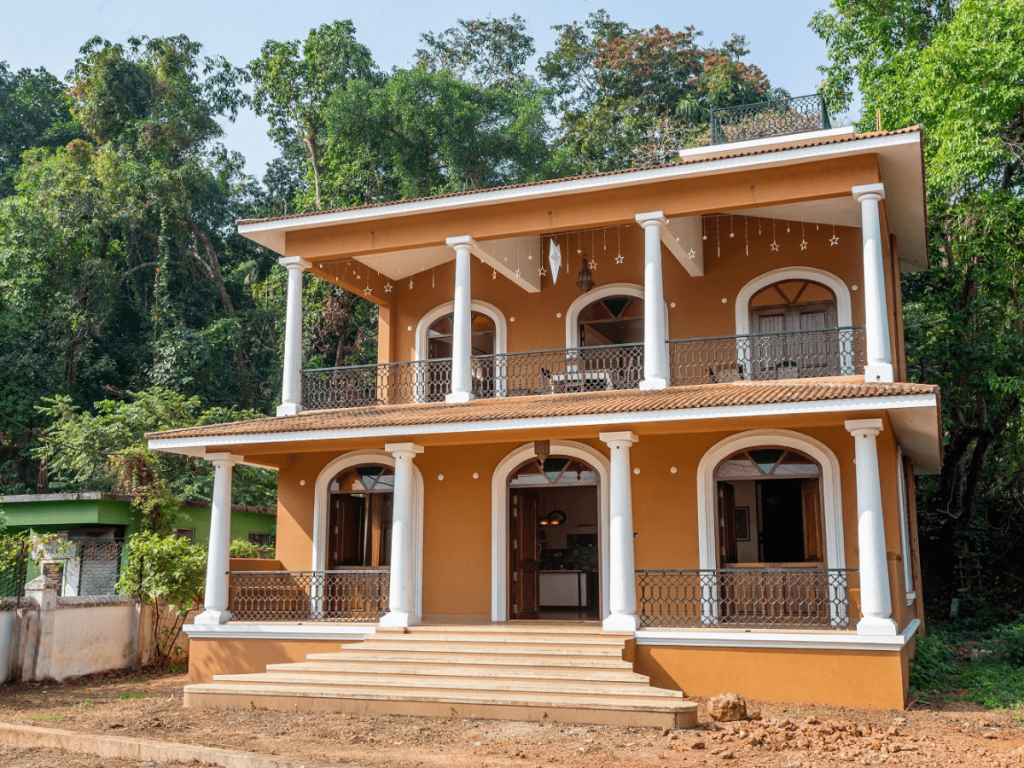
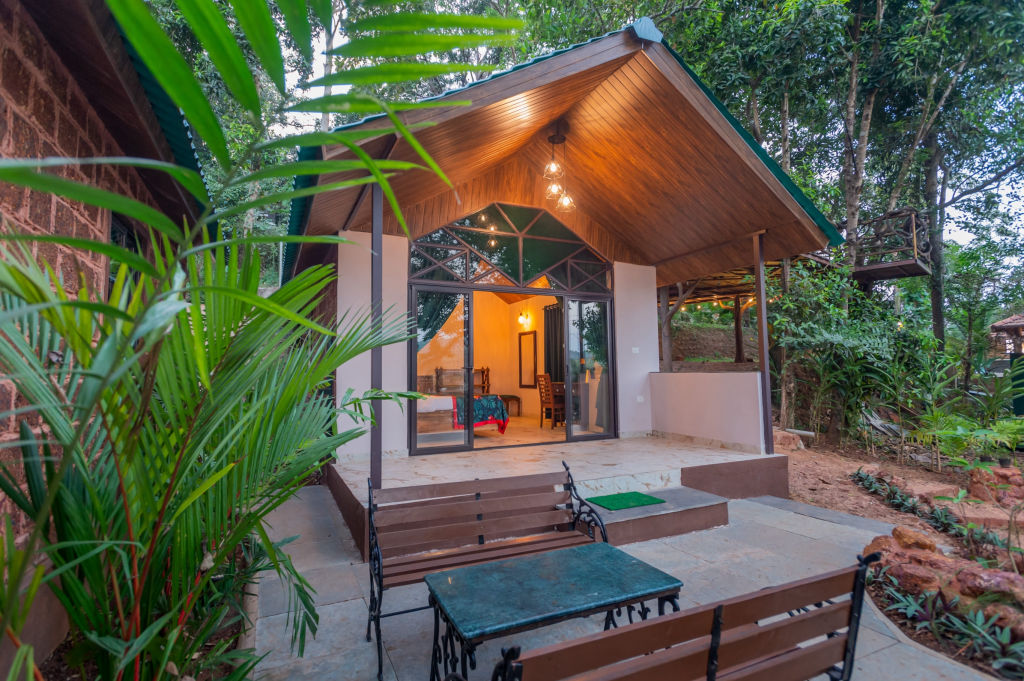
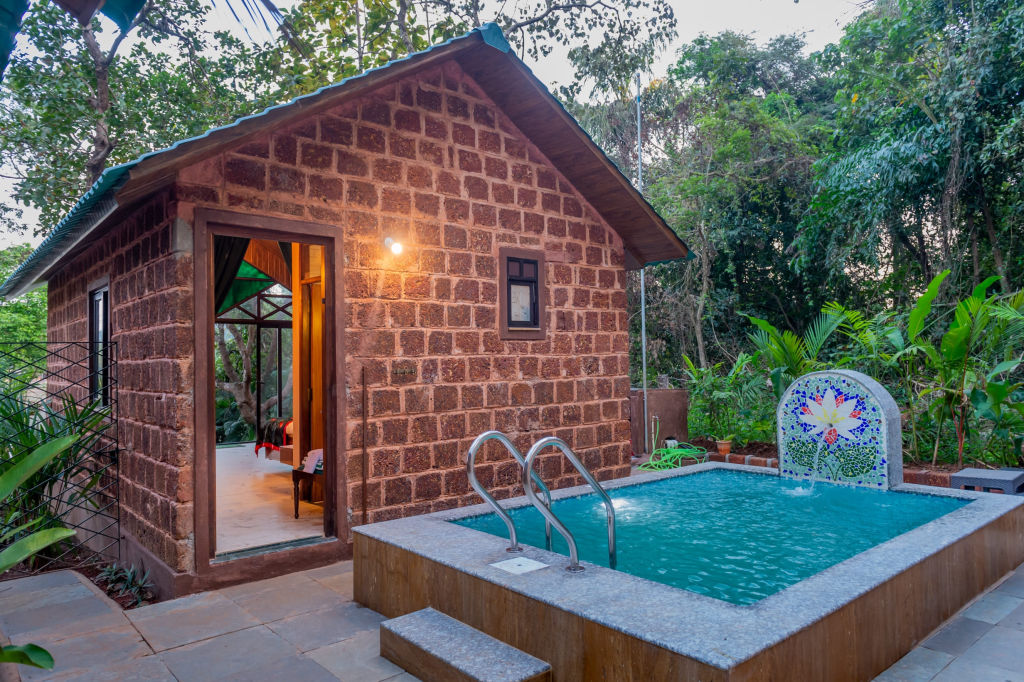
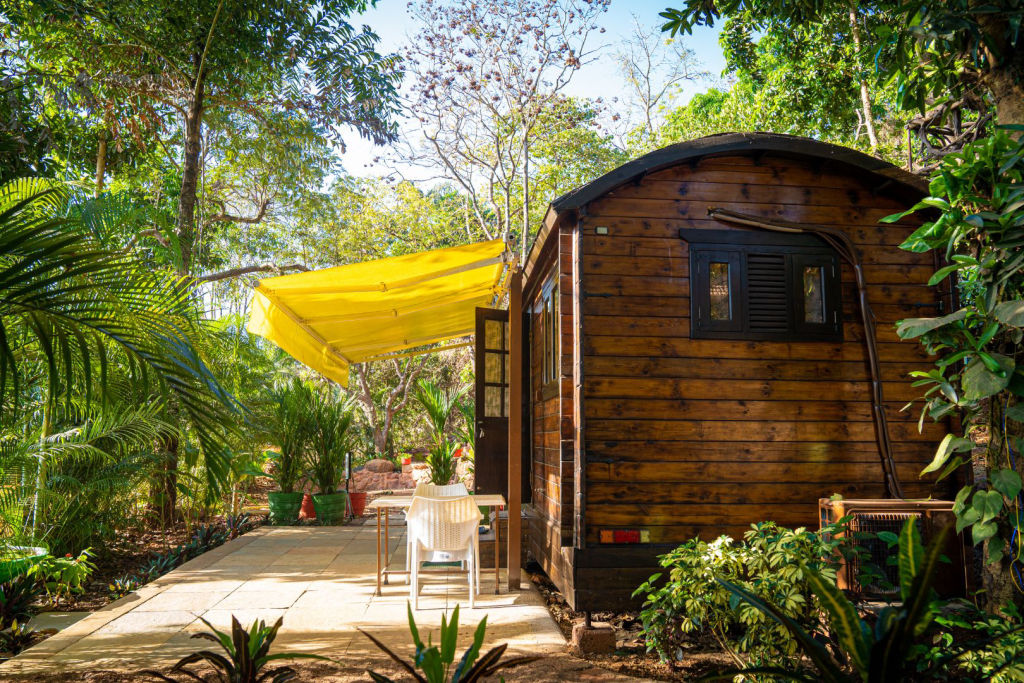
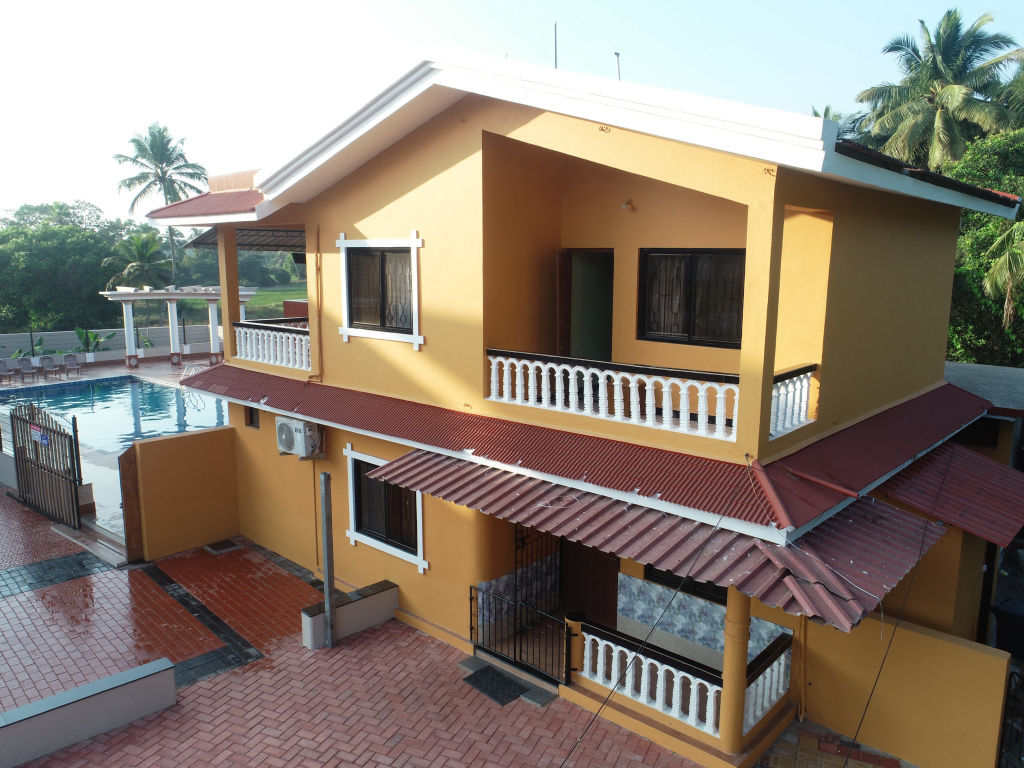
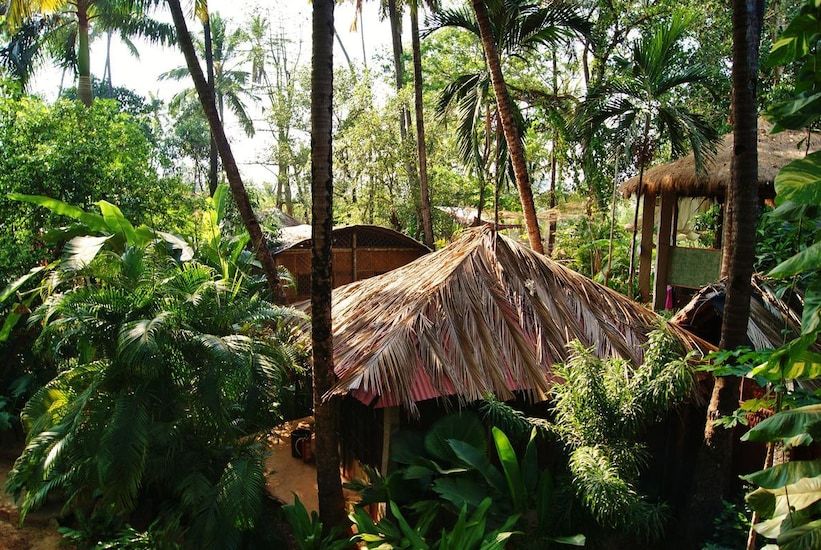
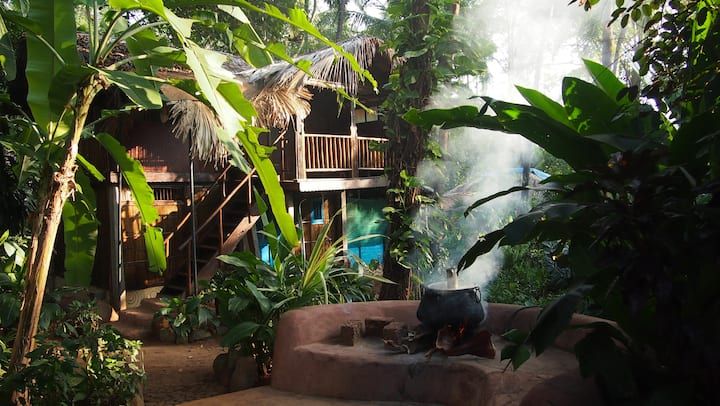
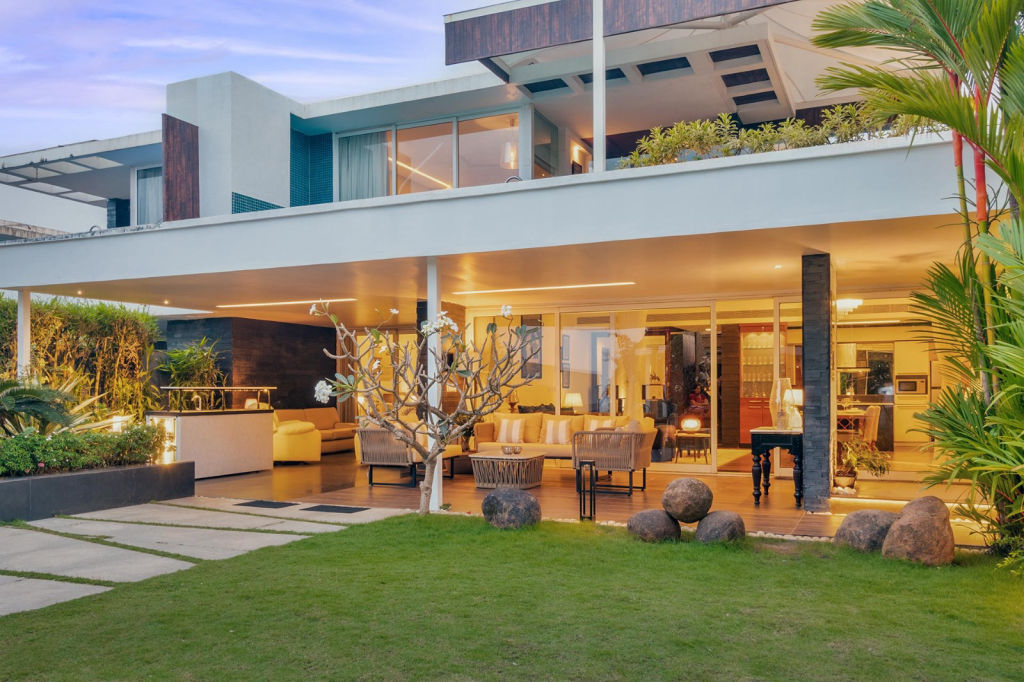
Accommodation options in and around Cuncolim cater well to travellers seeking a peaceful, authentic Goan escape away from crowded tourist strips. The countryside surrounding the town offers heritage village homes, family-run homestays, nature retreats, and riverside properties where visitors can experience traditional hospitality and authentic regional cuisine.
Travellers can discover verified homestays, eco-friendly stays, and quiet camps around Cuncolim and the South Goa hinterland on HireACamp. Choosing to stay in this inland pocket gives you easy access to both the secluded beaches of the south and the dramatic natural landscapes of the Western Ghat foothills.
Frequently asked questions
What is Cuncolim famous for?
Cuncolim is most famous for the Cuncolim Revolt of 1583, one of the earliest recorded uprisings against Portuguese colonial rule in India. The town commemorates this history at the Chieftain's Memorial Park and is also known for its close cultural ties to the nearby Shantadurga temples.
What is the nearest railway station to Cuncolim?
The nearest major railway station is Madgaon Junction in Margao, located just a short drive north of Cuncolim. It is well connected to major cities across India by direct express trains.
What is the best time to visit Cuncolim?
The best time to visit is from November to February, when the weather is mild and comfortable for outdoor sightseeing. The monsoon months from June to September are also popular for experiencing the countryside at its greenest.
Are there beaches close to Cuncolim?
Yes, while Cuncolim is an inland town, the quiet and expansive beaches of South Goa are located only a short drive to the west.
Which temples can I visit near Cuncolim?
Nearby temples include the Shri Shantadurga Ballikarin Temple in Balli, the historic hilltop Shri Chandreshwar Bhootnath Temple on Chandranath Hill, and the Shree Damodar Temple along the Kushavati River in Zambaulim.
Where you'll be
10 stays nearby shown with prices
Stays near Cuncolim
Book a place to stay close by


Things to do in Cuncolim
48 places creators recommend within 30 km
Built from 0 Instagram posts by 0 creators. Every tip links back to the post it came from, and where creators disagree we show both sides.






