
Dachhigam Forest
Forest near Dara, Jammu and Kashmir
6.4 km from Dara
The nearest town, for stays, food and fuel.
Dachhigam Forest is an expansive woodland habitat nestled near Dara in Jammu and Kashmir, celebrated for its rugged mountain landscape and rich biodiversity. The forest serves as a vital sanctuary in the Western Himalayas and is world-renowned as the last viable haven for the endangered Hangul, or Kashmir stag. Visitors travel here to walk quiet nature trails, observe rare Himalayan flora and fauna, and experience pristine valley landscapes.
Getting there
By road
- From DaraNearest town19 min · 7.2 km
Typical drive times without traffic. Stations and airports from OLA Maps; distances and typical drive times from OpenStreetMap (© OpenStreetMap contributors); notes from creators' Reels.
About Dachhigam Forest
Written with AI from map data and general knowledge. Check prices and timings locally before you go.
About Dachhigam Forest
Dachhigam Forest occupies a protected mountain valley on the eastern flank of the Zabarwan Range near Dara in Jammu and Kashmir. Historically conserved as a royal game reserve and vital water catchment area that feeds local water systems and Dal Lake, the forest encompasses deep valleys, steep craggy ridges, and clear mountain streams. The name Dachhigam translates locally to ten villages, memorialising the hamlets that were relocated more than a century ago to establish this undisturbed reserve.
The topography of the forest varies significantly, rising from lower temperate woodlands filled with oak, willow, and fruit trees to upper alpine meadows and rugged rock screes. A pristine glacier-fed stream, the Dagwan, flows through the heart of the forest, sustaining vibrant riverine vegetation and forming the primary water source for resident wildlife. Because the terrain encompasses both lower and upper mountain zones, it supports a spectrum of microclimates and habitats unique to the Kashmir valley.
Flora and Wildlife in Dachhigam Forest
The primary claim to fame of Dachhigam Forest is its role as the stronghold of the critically endangered Hangul, also known as the Kashmir stag. In autumn, the forest echoes with the calls of male stags during their rutting period, while in deep winter, herds descend toward the valley floor in search of food and shelter. Beside the Hangul, the forest provides a habitat for Himalayan black bears, brown bears, leopards, musk deer, and common languor monkeys.
Birdlife throughout the reserve is equally extraordinary. Over a hundred distinct bird species have been recorded here, including the iridescent Himalayan monal, Koklass pheasant, cheer pheasant, golden eagle, and various migratory warblers and flycatchers. The tree cover is dominated by broadleaf deciduous species like walnut, horse chestnut, and wild cherry at lower elevations, which gradually transition into dense stands of blue pine, silver fir, and alpine birch on the steeper slopes.
Read more
Things to do at Dachhigam Forest
Nature walks and trail trekking form the core of the visitor experience in Dachhigam Forest. The lower walking tracks wander alongside the Dagwan stream, offering shaded forest canopy routes that are well suited for unhurried observation of plant life, butterflies, and smaller mammals. Taking time to pause along the riverbanks reveals quiet pools where river trout swim against the current and mountain birds flit between riverine shrubs.
Wildlife and bird watching require patience and a pair of binoculars. The best rewards come from early morning or late afternoon exploration when animals emerge from dense cover into forest clearings to graze. Photography is popular across all seasons, capturing scenes of golden autumn foliage, misty stream valleys in spring, and the sweeping drama of snow-dusted crags in the colder months.
Best time to visit Dachhigam Forest
Each season presents Dachhigam Forest in a completely different light. Spring, from April through June, brings melting snow, vibrant wildflower blooms, and surging mountain streams. The weather during these months is cool and pleasant, making it an excellent time for walking and spotting newly arrived migratory birds.
Autumn, running from September through November, is widely regarded as the most spectacular time to visit. The forest canopy shifts into warm tones of amber, crimson, and gold, while Hangul stags are most active in the lower valley areas. Winter transforms the forest under heavy snowfall between December and February, creating stark, dramatic scenery where animal tracks become easy to spot in the fresh snow, although colder weather demands proper thermal gear.
How to reach Dachhigam Forest
Dachhigam Forest is located close to the town of Dara and sits within reasonable driving distance of Srinagar. The nearest major airport is Sheikh ul-Alam International Airport in Srinagar, which handles regular flights connecting major Indian cities like Delhi, Mumbai, and Chandigarh. The nearest major railway hub is Jammu Tawi, while local passenger train services connect Banihal to Srinagar across the Kashmir valley.
From Srinagar, the journey can be completed by hiring a private taxi or taking local transport toward Dara and the reserve entry gates. The drive winds through peaceful suburban hamlets and apple orchards before reaching the forest entrance. Travelers should check locally regarding current road conditions and entry procedures before setting out.
Places to visit nearby
A trip to Dachhigam Forest pairs naturally with several other scenic and cultural spots in the region. The world-famous Dal Lake lies just down the valley, where wooden shikaras and floating gardens offer a classic Kashmiri experience. Nearby Dara village itself provides an authentic glimpse of mountain pastoral life with terraced fields and rustic wooden houses.
Those interested in heritage can venture toward the historic town of Avantipora, roughly twenty-six kilometres away, which houses the stone ruins of the ninth-century Avantiswami and Avantisvara temples. For trekking enthusiasts, the staging routes for the renowned Kashmir Great Lakes trek lie within reach to the north, offering routes deep into high-altitude mountain passes and turquoise alpine waters.
Tips for your visit
Because Dachhigam Forest is a sensitive wildlife habitat, all visitors should practice responsible travel. Wear sturdy walking boots with decent tread, as the forest tracks can be slippery, especially near the stream or following rainfall. Dress in earthy tones like browns, greens, and greys to blend into the surroundings and avoid alarming grazing animals.
Weather can change rapidly in the Himalayan foothills, so carry a lightweight rain layer and warm clothing even on sunny days. Ensure you carry your own drinking water and snacks in reusable containers, and bring all personal waste back with you. Maintaining silence and keeping to designated pathways ensures you do not disturb wildlife or compromise forest safety.
Where to stay near Dachhigam Forest
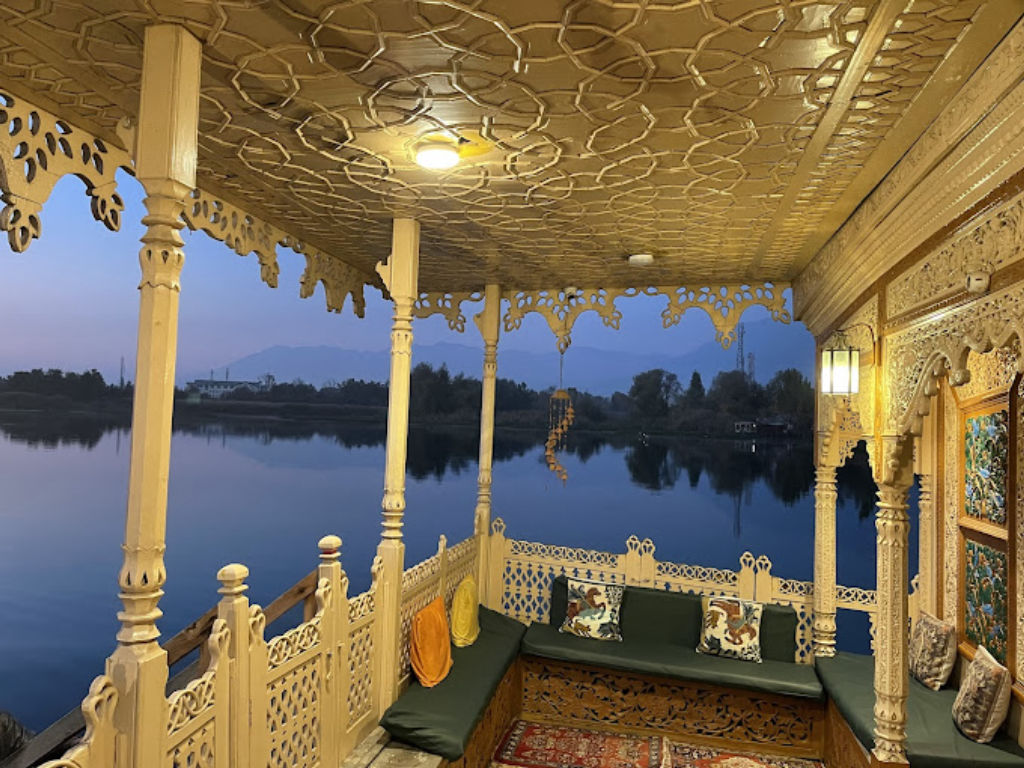
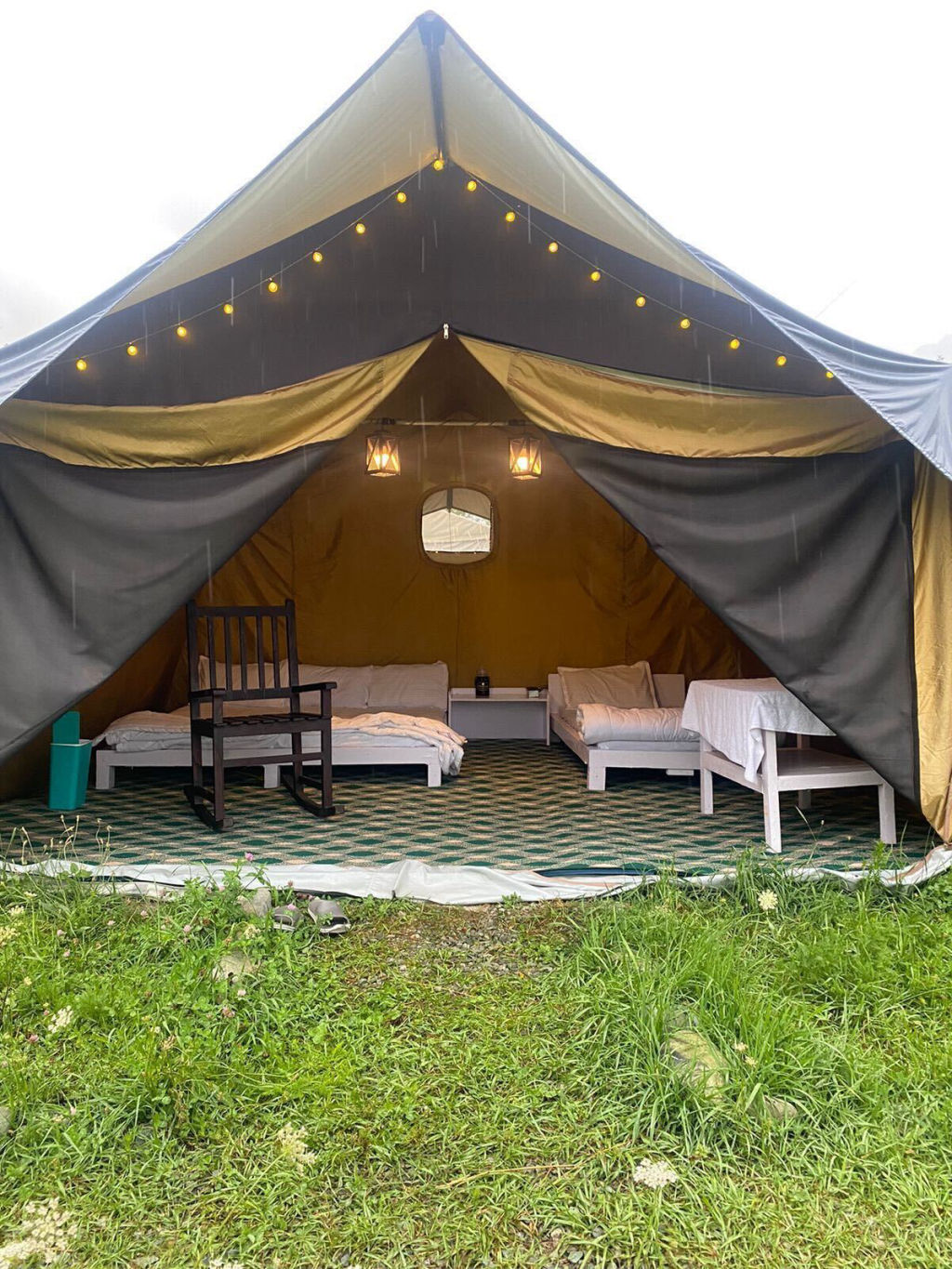
Visitors planning an extended stay near Dachhigam Forest can choose from charming homestays in surrounding villages like Dara, quiet riverside retreats, and outdoor getaways in the Srinagar valley. Staying near the forest edge allows travellers to experience the crisp morning air and quiet nights close to nature.
You can find and book vetted homestays, nature retreats, and eco-friendly campsites nearby on HireACamp. Booking in advance is recommended during peak autumn foliage and summer holiday months when travel to the valley is at its highest.
Frequently asked questions
Where is Dachhigam Forest located?
Dachhigam Forest is located in the Zabarwan mountain range near the town of Dara, just outside the main city of Srinagar in Jammu and Kashmir.
What is the best time of year to see the Hangul stag?
The best time to spot the Hangul is during autumn in October and November when the stags are active in the lower valley, and during winter when deep snow drives herds down from the high ridges.
Do I need a permit to visit Dachhigam Forest?
Because it is a protected nature sanctuary, entry formalities and permissions may apply; travellers should check locally with wildlife forest authorities prior to arriving.
Are private vehicles allowed inside the forest?
Vehicle access inside the forest is restricted to preserve the natural habitat, so visitors usually explore the valley on foot along designated walking trails.
Where can I stay when visiting Dachhigam Forest?
You can find local homestays, village farmstays, and experiential nature camps near Dara and Srinagar through HireACamp.
Where you'll be
Jammu and Kashmir · 2 stays nearby shown with prices
Stays near Dachhigam Forest
Book a place to stay close by
More places near Dachhigam Forest
Within 20 km
Built from 0 Instagram posts by 0 creators. Every tip links back to the post it came from, and where creators disagree we show both sides.






