
Sona Sar
Lake near Narastan, Ladakh
13 km from Narastan
The nearest town, for stays, food and fuel.
Sona Sar is a high-altitude alpine lake situated among the rugged crests of the Greater Himalaya, resting along the transition zone between the Kashmir valley ridgelines and the high mountain terrains of Ladakh. Fed by perennial snowfields and glacial melt, the lake occupies a quiet cirque framed by rocky crags and alpine scree. Trekkers and wilderness enthusiasts seek out Sona Sar for its remote setting, pristine waters, and rewarding backcountry trails.
Getting there
By road
- From NarastanNearest town2 hr 45 min · 111 km
Typical drive times without traffic. Stations and airports from OLA Maps; distances and typical drive times from OpenStreetMap (© OpenStreetMap contributors); notes from creators' Reels.
About Sona Sar
Written with AI from map data and general knowledge. Check prices and timings locally before you go.
About Sona Sar
Sona Sar is a remote glacial tarn situated high above the treeline in the northern mountains. Translating colloquially to golden lake in regional parlance, the waterbody sits in an amphitheatre of jagged ridgelines, moraine deposits, and persistent snow patches. For much of the year, the lake remains locked beneath thick sheets of ice and snow, opening up only during the brief Himalayan summer when the surrounding rock faces shed their winter blanket.
The waters of Sona Sar are exceptionally clear, reflecting the changing sky and the steep rock faces that enclose the basin. Unlike lower-altitude waterbodies, the basin contains no permanent human settlements or structures. It represents an untouched mountain environment where high-altitude weather patterns dictate access and the rhythm of the terrain.
The Trekking Route to Sona Sar
Reaching Sona Sar requires a self-supported trekking expedition across high Himalayan passes and rocky valley heads. Depending on the route chosen by trekkers, approaches can connect from upper meadows like Nagberan or higher trails branching toward the surrounding alpine networks. The journey involves navigating steep switchbacks, boulder fields, loose scree, and cold river crossings that demand solid footing and trekking poles.
As the trail climbs beyond the birch line and dwarf juniper zones, the vegetation gives way to bare rock and alpine turf. Trekkers experience significant elevation gains over the course of the trek, making gradual acclimatization an absolute necessity. The rewards of the ascent include sweeping panoramic vistas across the high peaks of the Greater Himalaya and the deep valleys below.
Read more
Best Time to Visit Sona Sar
The window for visiting Sona Sar is constrained by altitude and heavy winter snowfall. The optimal period to trek to the lake spans from early July through late September. By July, winter snow has melted enough to uncover the trails, and the lake thaws into deep shades of turquoise and slate blue. Wildflowers bloom across the lower sub-alpine meadows during this period, creating vivid contrasts with the harsh grey crags.
August provides relatively mild daytime temperatures, though mountain rain showers can occasionally make trails slick. September marks the arrival of crisp autumn air, clearer skies, and cooler nights. By October, freezing temperatures return, dustings of fresh snow blanket the high passes, and the lake begins its gradual refreeze, closing the basin to non-technical travel until the following summer.
How to Reach Sona Sar
The journey toward Sona Sar begins by traveling to regional roadheads in the valleys below. Major transit hubs like Srinagar provide flight connections, while railheads in Jammu or connecting highways link to mountain staging towns. From the lower roadheads, vehicular travel ends, and all travel onward to Sona Sar must be done on foot or with pack animals.
Before undertaking the hike, travellers must plan their logistical chain, including route scouting, hiring local mountain guides, and arranging gear transport. Hikers should check locally about current trail conditions, bridge availability over swollen glacial streams, and any regional permits required by forestry or administrative departments.
Flora and Wildlife of the High Basin
The terrain surrounding Sona Sar lies within a fragile alpine biome adapted to short growing seasons and freezing night temperatures. Plant life is sparse and low to the ground, dominated by saxifrages, alpine primulas, mosses, and hardy grasses that cling to the sheltered crevices between boulders.
The upper mountains are home to elusive wildlife adapted to sheer vertical rock. Himalayan marmots can be heard whistling across scree slopes during sunny mornings, and herds of Asiatic ibex or mountain ungulates navigate the crags. Golden eagles, bearded vultures, and high-altitude choughs frequently circle the thermals above the basin, while apex predators such as the snow leopard occasionally traverse these remote ridges far from human presence.
Tips for Your Visit
Preparation is critical when heading to Sona Sar due to its complete isolation and extreme altitude. Mountain sickness is a genuine risk, so travellers should plan an itinerary with built-in acclimatization stops at lower elevations before pushing up to the lake basin. Staying thoroughly hydrated and maintaining a steady pace helps reduce altitude-related complications.
Weather conditions in the high mountains change rapidly without warning. Carry layered technical clothing, including thermal base layers, a fleece, an insulated down jacket, and windproof outer shells. Sturdy waterproof trekking boots with strong ankle support are vital for traversing unstable boulder fields. Practise strict Leave No Trace principles by carrying all non-biodegradable waste back to base towns, avoiding polluting the water sources, and respecting the raw silence of the mountain environment.
Where to Stay around Sona Sar
There are no built guesthouses, shepherd huts, or commercial lodges at Sona Sar. Trekkers heading into the basin must rely entirely on wilderness camping, pitching wind-resistant 3-season or 4-season alpine tents on level ground away from rockfall zones and delicate wetlands.
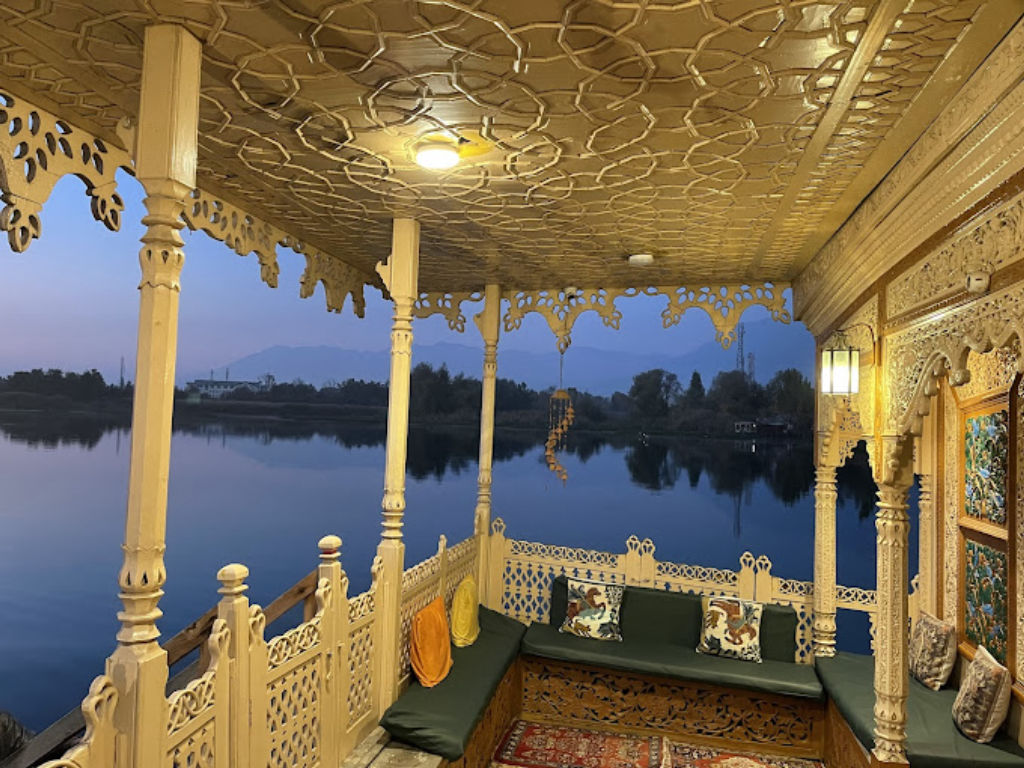
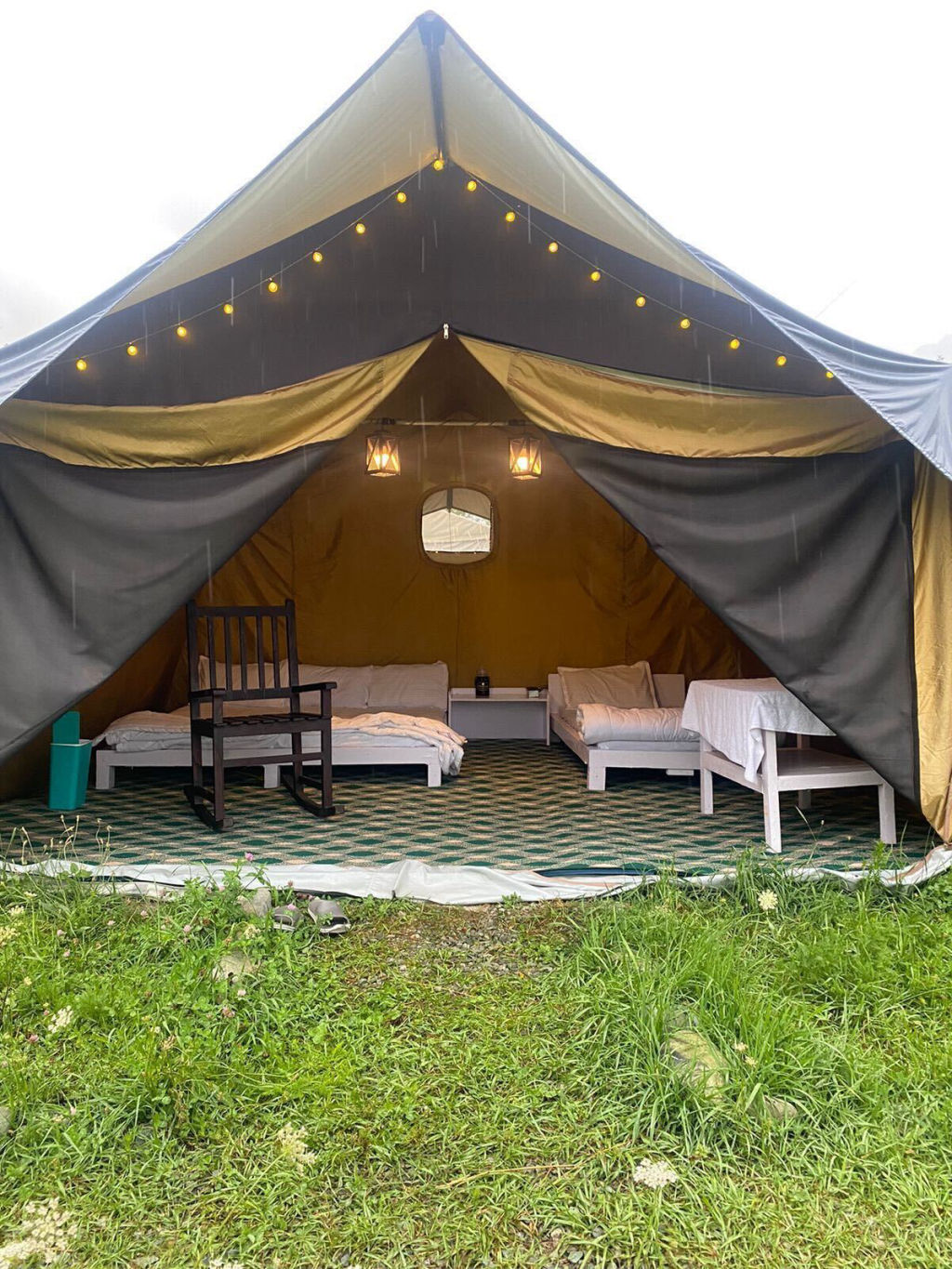
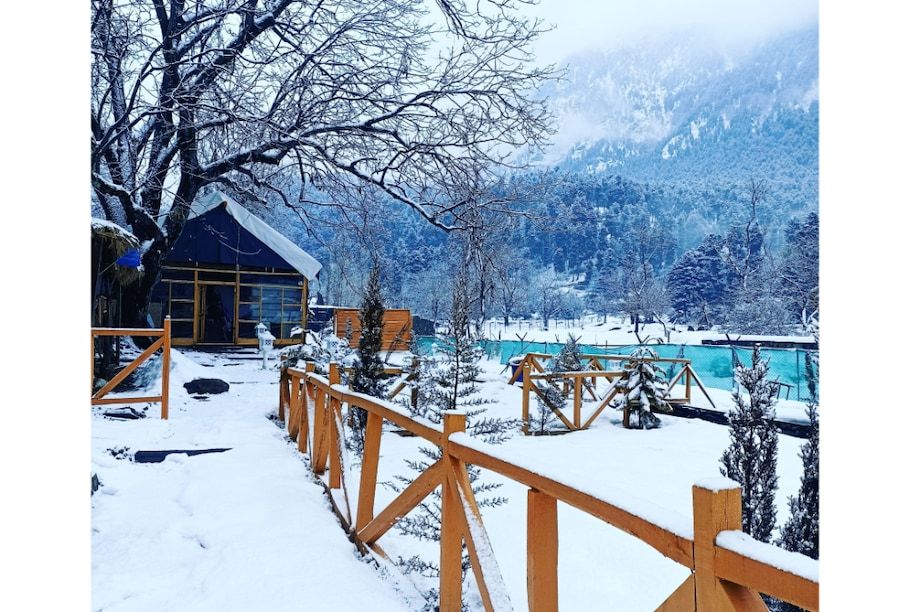
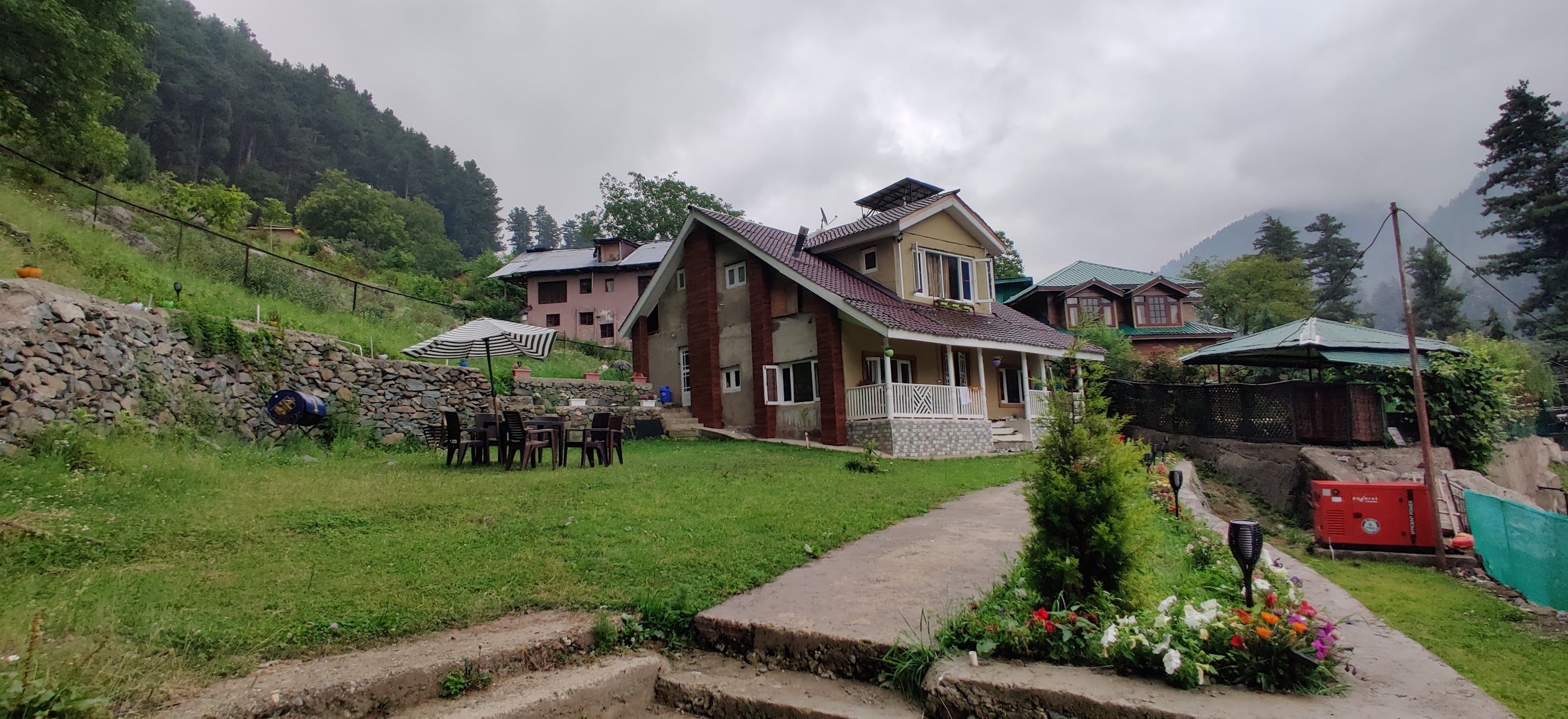
For stays before and after the wilderness trek, you will find scenic homestays, comfortable camps, and family-run guest accommodations in the staging valleys listed on HireACamp. Booking a stay in the surrounding valleys provides a restful base where you can organize supplies, meet local guides, and acclimatize before heading into the high country.
Frequently asked questions
Where is Sona Sar located?
Sona Sar is a high-altitude glacial lake situated among the alpine crests near the Kashmir and Ladakh highland borders in northern India.
Can I visit Sona Sar during the winter?
No, winter travel to Sona Sar is extremely difficult and dangerous due to heavy snow accumulation, avalanche hazard, sub-zero temperatures, and frozen trails.
Do I need a guide to reach Sona Sar?
Yes, taking an experienced local guide is strongly recommended because the trail crosses remote high-altitude terrain, scree slopes, and unmarked sections that require local route knowledge.
Are there any accommodations directly at Sona Sar?
There are no built accommodations at the lake itself; travellers must carry high-altitude camping gear or stay at base camps and homestays in lower settlements before the trek.
What is the best month to trek to Sona Sar?
The best months are July, August, and September, when snow has cleared sufficiently from the passes and daytime temperatures are relatively comfortable.
Where you'll be
Ladakh · 4 stays nearby shown with prices
Stays near Sona Sar
Book a place to stay close by
More places near Sona Sar
Within 20 km
Built from 0 Instagram posts by 0 creators. Every tip links back to the post it came from, and where creators disagree we show both sides.






