
Dali Monastery
Monastery near Darjiling, West Bengal
1.6 km from Darjiling
The nearest town, for stays, food and fuel.
Dali Monastery, officially known as the Druk Thupten Sangag Choeling Monastery, is a prominent Buddhist monastery perched on a hillside near Darjeeling in West Bengal. Believed to be one of the region's most active monastic hubs, it belongs to the Drukpa Kagyu lineage of Tibetan Buddhism. Visitors come here to witness its vibrant multi-tiered architecture, hear monks chanting in the main prayer hall, and enjoy peaceful views across the surrounding Himalayan slopes.
Getting there
By road
- From DarjilingNearest town13 min · 5.1 km
Typical drive times without traffic. Stations and airports from OLA Maps; distances and typical drive times from OpenStreetMap (© OpenStreetMap contributors); notes from creators' Reels.
About Dali Monastery
Written with AI from map data and general knowledge. Check prices and timings locally before you go.
About Dali Monastery
Dali Monastery stands on a forested promontory along the route connecting Ghoom and Darjeeling town. Founded in the late twentieth century under the guidance of Kyabje Thuksey Rinpoche, the monastery serves as a spiritual seat for the Drukpa Kagyu order in the Eastern Himalayas. Over the decades, it has evolved into a thriving centre for religious learning and community prayer, housing hundreds of monks who dedicate their lives to Buddhist philosophy, meditation, and rituals.
The complex commands an imposing presence against the hillside. From the roadway, its terraced levels rise steeply with bright white walls, deep crimson trim, and gilded rooftop adornments characteristic of classical Tibetan monastic construction. For travellers driving through the Darjeeling hills, the monastery is one of the most recognizable landmarks in the area, offering a serene contrast to the bustling markets of Darjeeling town.
Architecture and Art at Dali Monastery
The architectural design of Dali Monastery reflects the aesthetic traditions of Himalayan Buddhist sanctuaries. At the heart of the complex is the central prayer hall, or dukhang, flanked by residential quarters, classrooms, and smaller shrines. The facade is adorned with traditional Dharma wheels, golden gazelles, and intricately carved wooden window frames that showcase traditional craftsmanship.
Inside the main prayer hall, high ceilings are supported by painted timber pillars wrapped in silk brocades. Large statues of Gautama Buddha, Guru Padmasambhava, and notable masters of the Drukpa lineage watch over the seating rows reserved for the monks. Intricate thangka paintings and hand-painted wall murals line the interior, illustrating scenes from Buddhist mythology, mandalas, and the wheel of life. Along the corridors and outer walkways, visitors will find rows of metal prayer wheels carved with sacred mantras, which devotees spin in a clockwise direction as an act of prayer.
Read more
Experiencing Monastic Life and Prayer
One of the most rewarding aspects of visiting Dali Monastery is the chance to observe the rhythmic day-to-day routines of the resident monks. From young novices learning Tibetan calligraphy and scriptures to elder lamas performing intricate rituals, the grounds buzz with quiet purpose throughout the day.
Visitors who arrive during prayer times are often treated to the resonant sounds of monastic rituals. Low, rhythmic throat chanting fills the central hall, underscored by the beat of large hanging drums, the clash of brass cymbals, and the resonant wail of long ceremonial horns. The atmosphere is solemn yet welcoming, with butter lamps flickering softly in the subdued light. Taking a seat along the edges of the hall offers a contemplative experience that leaves a lasting impression on visitors of all backgrounds.
Best Time to Visit Dali Monastery
The best time to visit Dali Monastery is during the autumn and spring months when the mountain weather is at its most stable. Autumn, spanning October and November, brings crisp air, minimal rainfall, and clear skies that offer expansive views of the surrounding hills and valleys. The mild sunshine makes walking around the monastery complex pleasant throughout the day.
Spring, from March to May, is another excellent period to plan a trip. During this season, the lower hills are colored by blooming rhododendrons and magnolias, and temperatures are comfortably warm. Winter, from December to February, can be quite cold, with temperatures dipping near freezing during the night and early morning, though daytime skies often remain clear. The monsoon season between June and September brings heavy cloud cover, frequent fog, and heavy rains to Darjeeling, which can occasionally make hillside roads slippery and limit visibility.
How to Reach Dali Monastery
Dali Monastery is located along the main road that links Ghoom with central Darjeeling. Travellers heading up from the plains can reach the area from Siliguri, which serves as the primary regional transit gateway. The nearest major railway hub is New Jalpaiguri, and the closest domestic airport is at Bagdogra. From either terminal, shared taxis, private cabs, and bus services operate scenic uphill routes climbing through tea gardens and pine forests toward Darjeeling.
Once in the Darjeeling area, reaching Dali Monastery is straightforward. It sits roughly halfway between the railway station at Ghoom and the main town square of Darjeeling. Shared jeeps running along the main corridor pass directly by the entrance, and local taxis are widely available for hire. Those who enjoy walking can also take a leisurely downhill stroll toward the monastery from higher neighbourhoods, though comfortable walking shoes are recommended due to the steep terrain.
Places to Visit Near Dali Monastery
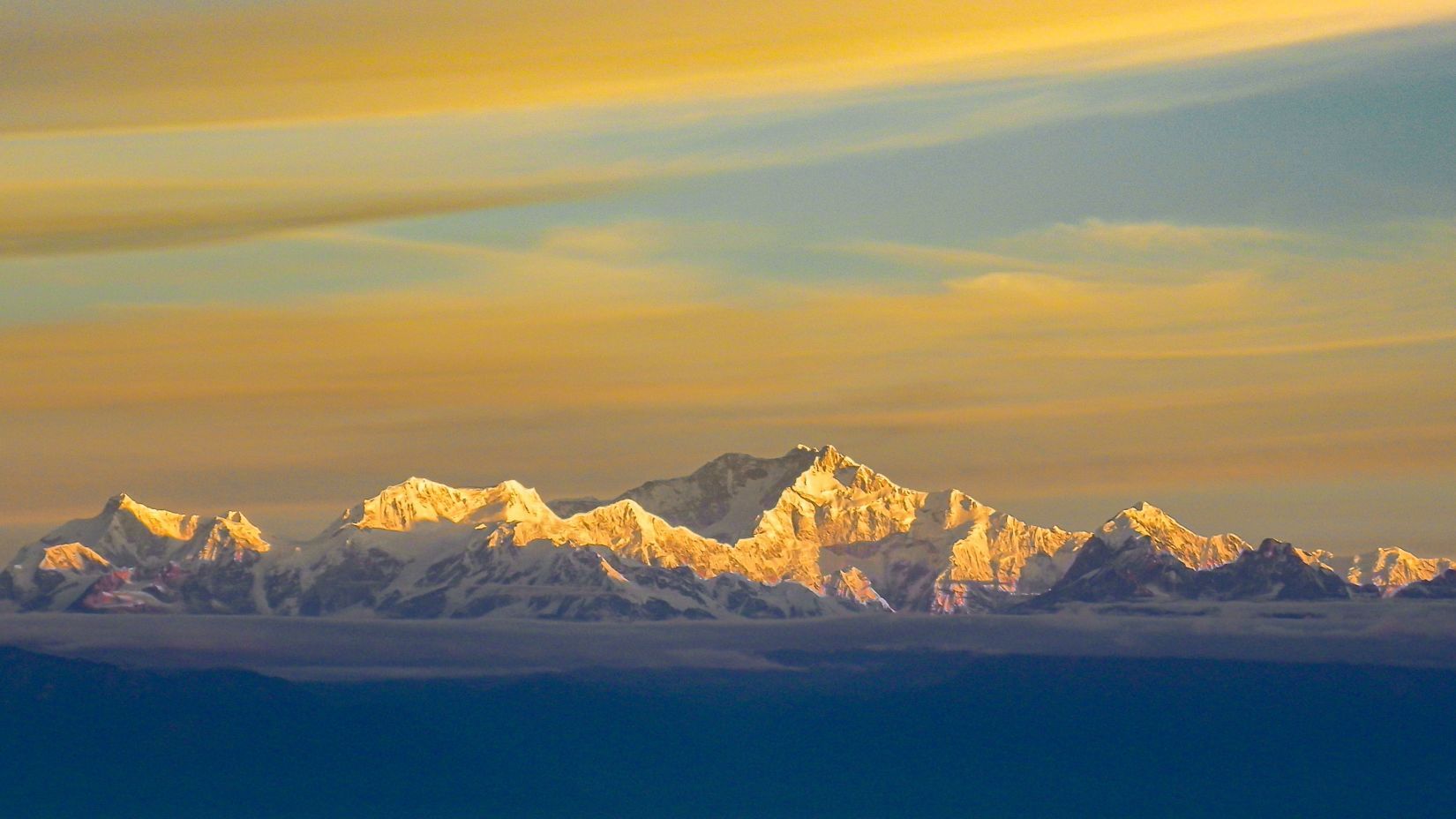
Thanks to its central location along the ridge, Dali Monastery is conveniently situated near several of Darjeeling's famous cultural and scenic attractions. Nearby is the famous Batasia Loop, an engineering marvel where the Darjeeling Himalayan Railway loops around an open garden memorial, offering unobstructed views of Mount Kanchenjunga on bright mornings.
Travellers interested in spiritual architecture can also explore the Japanese Buddhist Temple and the neighbouring Peace Pagoda, located just a short distance away across the forested slopes. Further uphill lies Tiger Hill, well known for early morning sunrises, while the Padmaja Naidu Himalayan Zoological Park and local rock gardens showcase the natural history and landscape of the Eastern Himalayas. Scenic pine forests and walking tracks nearby, including areas around Lamahatta, provide wonderful day excursions into quieter forest scenery.
Tips for Your Visit to Dali Monastery
Dali Monastery is an active place of worship and monastic education, so visitors are expected to observe quiet etiquette and dress conservatively. Shoulders and knees should be covered, and shoes must be removed before entering the inner prayer chambers and shrines. When walking around the complex, the stupas, or the prayer wheels, always proceed in a clockwise direction as is customary in Tibetan Buddhist traditions.
Photography is generally permitted in the outdoor courtyards and terraces, but taking photos inside the main prayer hall or during active rituals is often restricted. Always look for signage or ask a resident monk for permission before capturing pictures inside. Because the monastery is built on a stepped hillside with numerous stairways, wearing supportive footwear will make moving between levels much easier. Visiting hours and ritual timings can vary, so it is wise to check locally before planning your arrival.
Where to Stay near Dali Monastery
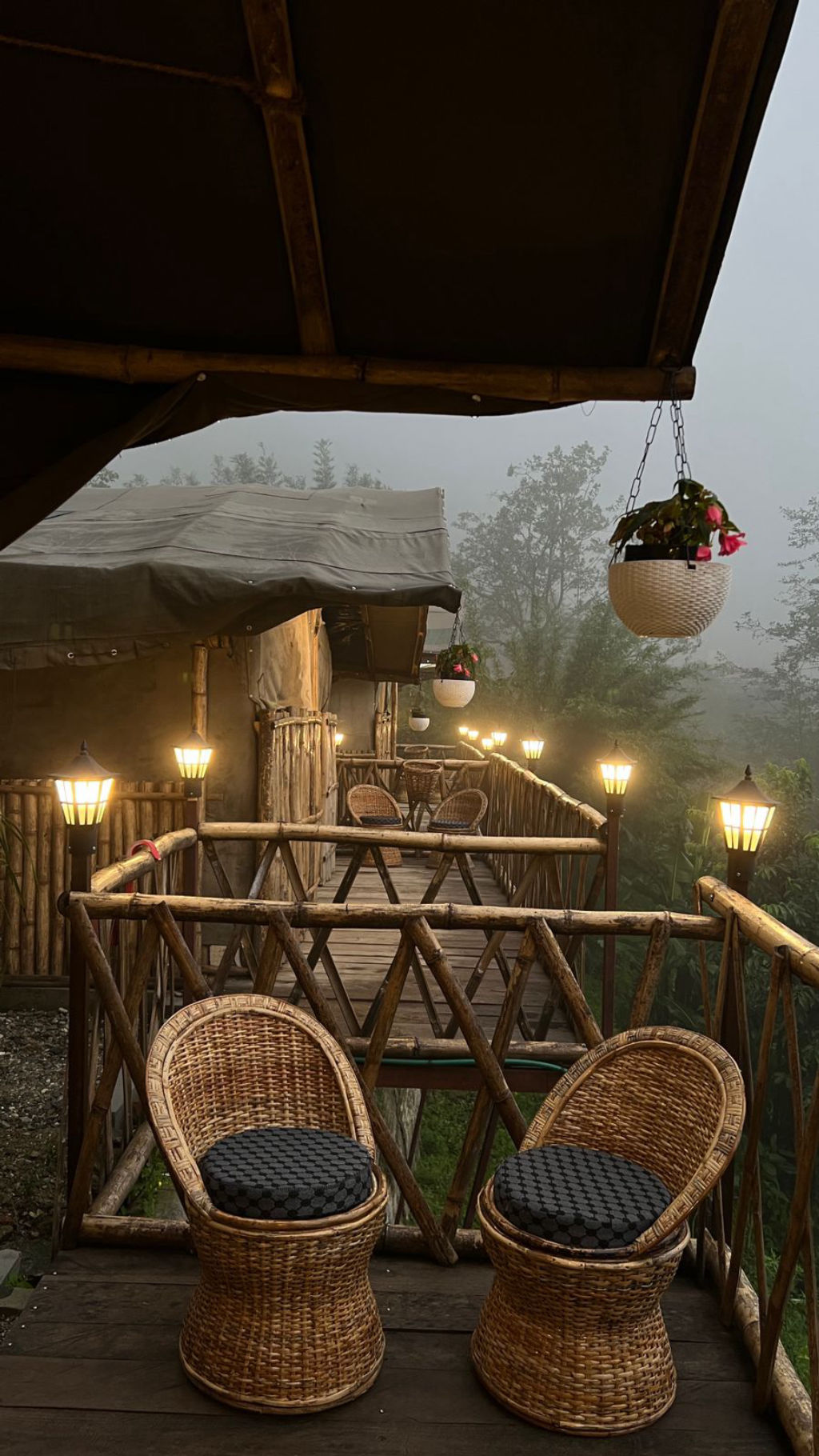
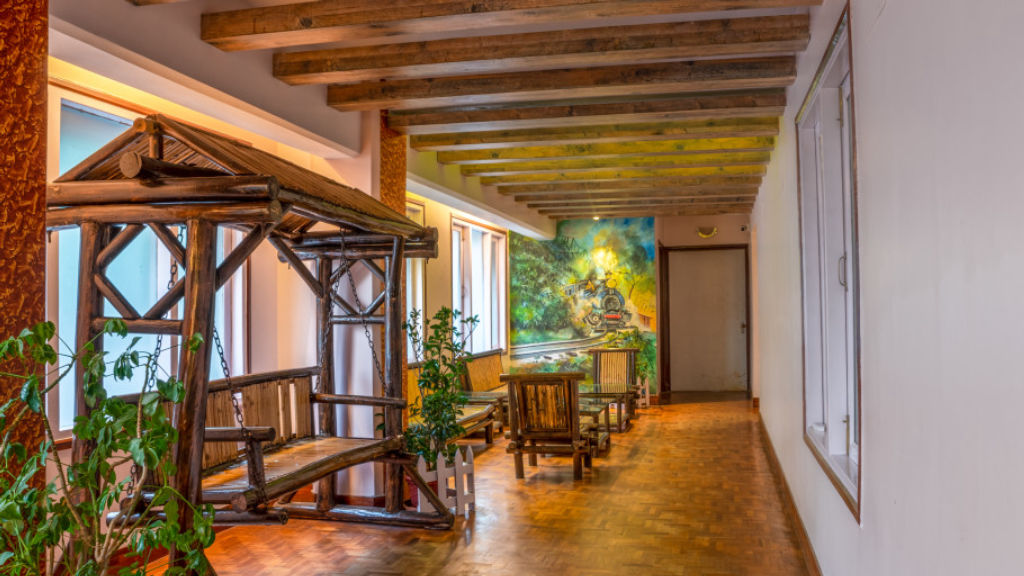
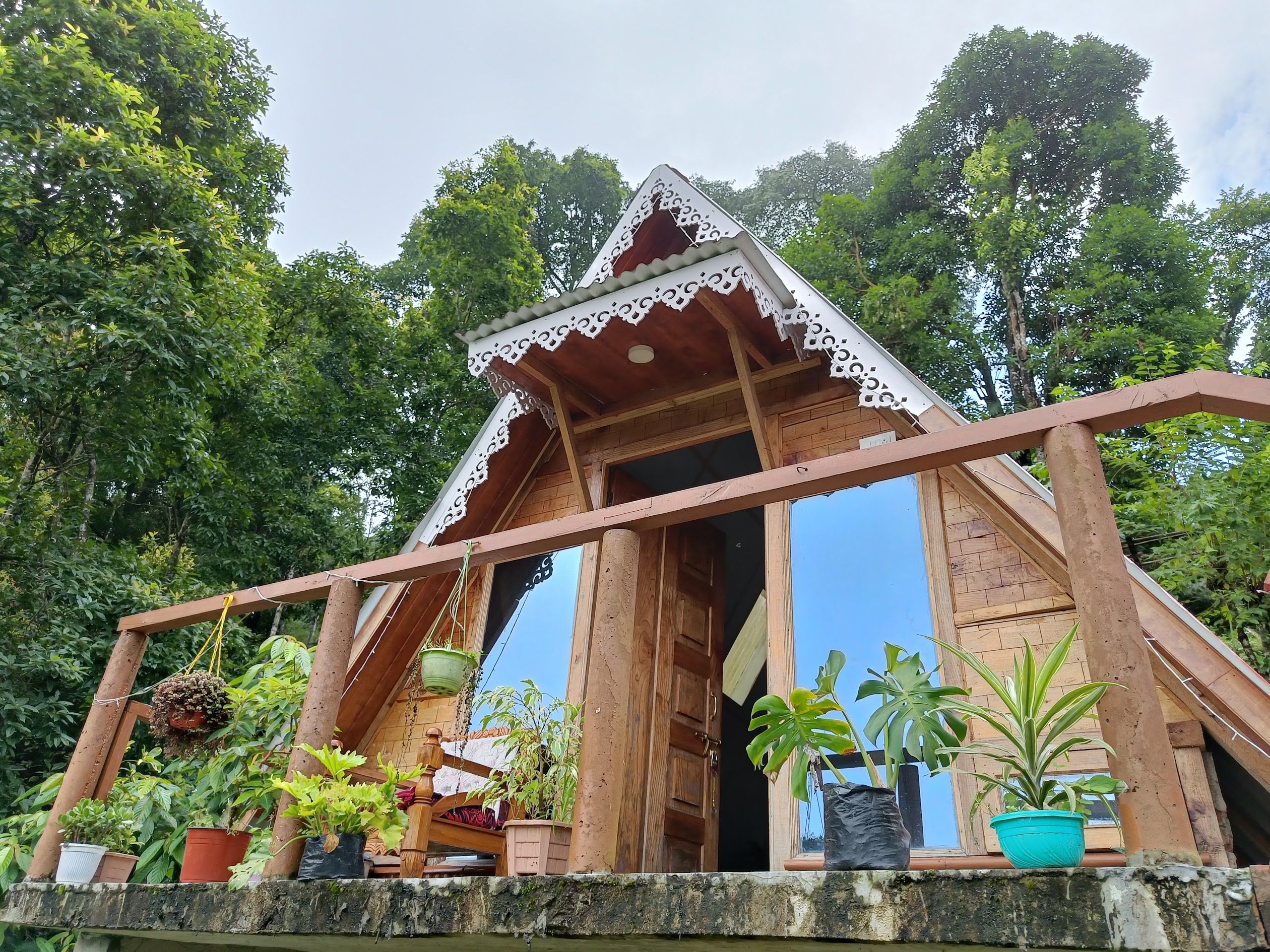
The hills surrounding Darjeeling offer a wide variety of accommodation choices, ranging from historic hillside lodges and cosy family-run homestays to rustic wilderness campsites perched amid tea estates and pine groves. Staying in the nearby hills allows you to experience cool mountain mornings and easy access to both town sights and serene village paths. You can browse and book verified camps, homestays, and outdoor stays around Darjeeling on HireACamp to suit your travel style.
Frequently asked questions
What is the official name of Dali Monastery?
The official name of Dali Monastery is the Druk Thupten Sangag Choeling Monastery, and it is also commonly referred to by locals as Dali Gomba.
Where is Dali Monastery located?
Dali Monastery is located along the main road between Ghoom and central Darjeeling in the state of West Bengal, India.
Can tourists enter the prayer hall at Dali Monastery?
Yes, visitors are generally permitted to enter the main prayer hall to admire the artwork and observe ceremonies, provided they remove their shoes and maintain silence.
Is photography allowed inside Dali Monastery?
While photography is typically welcome in the exterior courtyards, taking photos or recording video inside the main sanctum during prayer sessions is usually restricted, so visitors should check local rules upon arrival.
What is the best time of year to visit Dali Monastery?
The best months to visit are from October to November for clear mountain views and from March to May for pleasant daytime weather and blooming regional flora.
Where you'll be
Dali Monastery or Dali Gomba is also known as the Druk Thupten Sangag Choeling Monastery, India, Darjeeling, WB · 5 stays nearby shown with prices
Stays near Dali Monastery
Book a place to stay close by
More places near Dali Monastery
Within 20 km


Lists for this area
Ranked by how many creators recommend each place


Built from 0 Instagram posts by 0 creators. Every tip links back to the post it came from, and where creators disagree we show both sides.






