
Deer Park Institute
Monastery near Chaugan, Himachal Pradesh
300 m from Chaugan
The nearest town, for stays, food and fuel.
Deer Park Institute is a centre for the study of classical Indian wisdom traditions, situated in the Bir Tibetan Colony near Baijnath in Himachal Pradesh. Established under the vision of reviving the Nalanda tradition of inquiry and philosophy, the institute draws travellers, thinkers, and spiritual seekers from across the globe. Visitors come to attend philosophy courses, practice silent meditation, admire the traditional architecture, and find quiet contemplation beneath the Dhauladhar mountains.
Getting there
By road
- From ChauganNearest town3 min · 800 m
- From Chandigarh4 hr 50 min · 221 km
- From Ludhiana5 hr 5 min · 239 km
- From Amritsar5 hr 15 min · 254 km
Typical drive times without traffic. Stations and airports from OLA Maps; distances and typical drive times from OpenStreetMap (© OpenStreetMap contributors); notes from creators' Reels.
About Deer Park Institute
Written with AI from map data and general knowledge. Check prices and timings locally before you go.
About Deer Park Institute
Deer Park Institute was established in early 2006 on the grounds of a former Buddhist monastic school in the Kangra district of Himachal Pradesh. Founded under the patronage of renowned Buddhist teacher Dzongsar Jamyang Khyentse Rinpoche, its mission is to rekindle the spirit of the ancient Nalanda University. During its golden age in classical India, Nalanda welcomed scholars from across Asia to study philosophy, logic, psychology, arts, and healing sciences alongside core Buddhist tenets. Deer Park Institute carries this non-sectarian lineage forward, providing a welcoming environment where traditional eastern wisdom meets contemporary inquiry.
The campus is laid out with traditional pagoda-style eaves, prayer halls, and open courtyards framed by towering deodar trees and views of the surrounding foothills. Its peaceful atmosphere serves as an intentional counterpoint to the busy everyday world. While it operates in the spirit of a monastery, it functions actively as an educational and residential learning centre, welcoming curious travellers regardless of their religious background or prior spiritual experience.
What to see and experience at Deer Park Institute
A visit to Deer Park Institute offers an opportunity to pause and experience mindful campus life. The core of the centre is its traditional Tibetan-style main hall, featuring intricate murals, traditional statues, thangka paintings, and rows of seating used for discourses and collective practice. Spending time sitting quietly within the hall allows visitors to absorb the tranquil atmosphere and watch light filter through the tall windows.
Beyond the primary hall, the institute houses a well-stocked library containing extensive literature on classical Buddhist philosophy, Indian darshanas, Himalayan culture, and meditation practices. Visitors can spend quiet hours reading or relaxing in the courtyard gardens, which are landscaped with local flora and shaded seating areas. Throughout the year, the centre organises public lectures, residential retreats, yoga sessions, calligraphy workshops, and healing arts courses. Depending on the ongoing schedule, casual visitors can often join open meditation sessions or attend evening chanting, though travellers should always check current schedules and public accessibility guidelines locally upon arrival.
Read more
Best time to visit Deer Park Institute
Deer Park Institute and the greater Baijnath region can be visited throughout the year, with distinct seasons offering entirely different atmospheres. Spring, spanning from March to May, brings pleasant daytime temperatures, blooming rhododendrons, and clear mountain horizons. This period is particularly comfortable for walking around the campus, attending outdoor discussions, and exploring the wider Kangra Valley.
Autumn, from late September to November, is widely regarded as an ideal time for travel in this part of Himachal Pradesh. The post-monsoon air is crisp, visibility across the Dhauladhar range is at its best, and the institute regularly hosts major workshops and seasonal retreats. The monsoon season between July and August brings heavy rain to Kangra, turning the valley lush and green, though frequent downpours can disrupt road transit. Winters from December to February bring chilly winds and cold nights, with daytime sunshine warming the courtyard. For those seeking quiet contemplation and fewer visitors, winter can be an intensely peaceful time to stay in the valley, provided you pack adequate warm layers.
How to reach Deer Park Institute
Deer Park Institute is located in the Bir Tibetan Colony, roughly fifteen kilometres west of the historic temple town of Baijnath in Himachal Pradesh. The region is well connected to major transit hubs across northern India by road, rail, and air.
If travelling by air, the closest airport is Kangra Airport at Gaggal, located approximately sixty-five kilometres away. Regular domestic flights connect Kangra with Delhi and Chandigarh. From the airport, pre-paid taxis and private cabs are readily available to drive directly to the institute, usually taking under two and a half hours under standard driving conditions.
For railway travellers, Pathankot Railway Station is the nearest major broad-gauge railhead, situated roughly one hundred and forty kilometres away. From Pathankot, you can hire a private taxi, catch an interstate bus towards Baijnath, or take the scenic Kangra Valley toy train to Baijnath Paprola station, which offers a slow and picturesque journey through the tea gardens and hill terraces. Regular overnight state transport and private buses also run daily from Kashmiri Gate and Majnu Ka Tila in Delhi, as well as from Chandigarh, dropping passengers off directly near the colony or in Baijnath.
Tips for your visit
Deer Park Institute is an active educational centre and retreat sanctuary where students and monastics pursue quiet study. Visitors are asked to conduct themselves with modesty, reverence, and quiet awareness at all times. Keep your voice low when walking past classrooms, library rooms, and meditation halls, and ensure your mobile phone is silenced or switched off before entering the gate.
Dress respectfully by wearing clothing that covers shoulders and knees. Shoes must be removed before entering any prayer hall or temple space; racks are provided near every doorway. If you wish to take photographs of the temple art or grounds, look for posted guidelines or ask permission from resident staff first, as photography is strictly prohibited inside certain sanctums and during ongoing teaching sessions. Finally, the campus champions ecological sustainability, so carry your own reusable water bottle, avoid bringing single-use plastic onto the grounds, and dispose of any waste responsibly.
Places to explore nearby
The area around Baijnath and the lower Kangra Valley offers numerous cultural and natural attractions that pair well with a visit to Deer Park Institute. Just a short drive away sits the town of Baijnath, famous for its grand thirteenth-century stone Shiva temple. Dedicated to Lord Vaidyanath, this protected monument exemplifies classical Nagara-style stone architecture with exquisitely carved panels.
Nature enthusiasts can head toward the surrounding ridges and stream-carved valleys. Approximately thirteen kilometres away lies Lapas Waterfalls, an attractive cascade tucked into a forested hill pocket that makes for an enjoyable day hike or short excursion. The surrounding slopes are also dotted with century-old tea gardens, quiet pine groves, and mountain streams that showcase the slower rhythms of rural life in Kangra.
Where to stay near Deer Park Institute
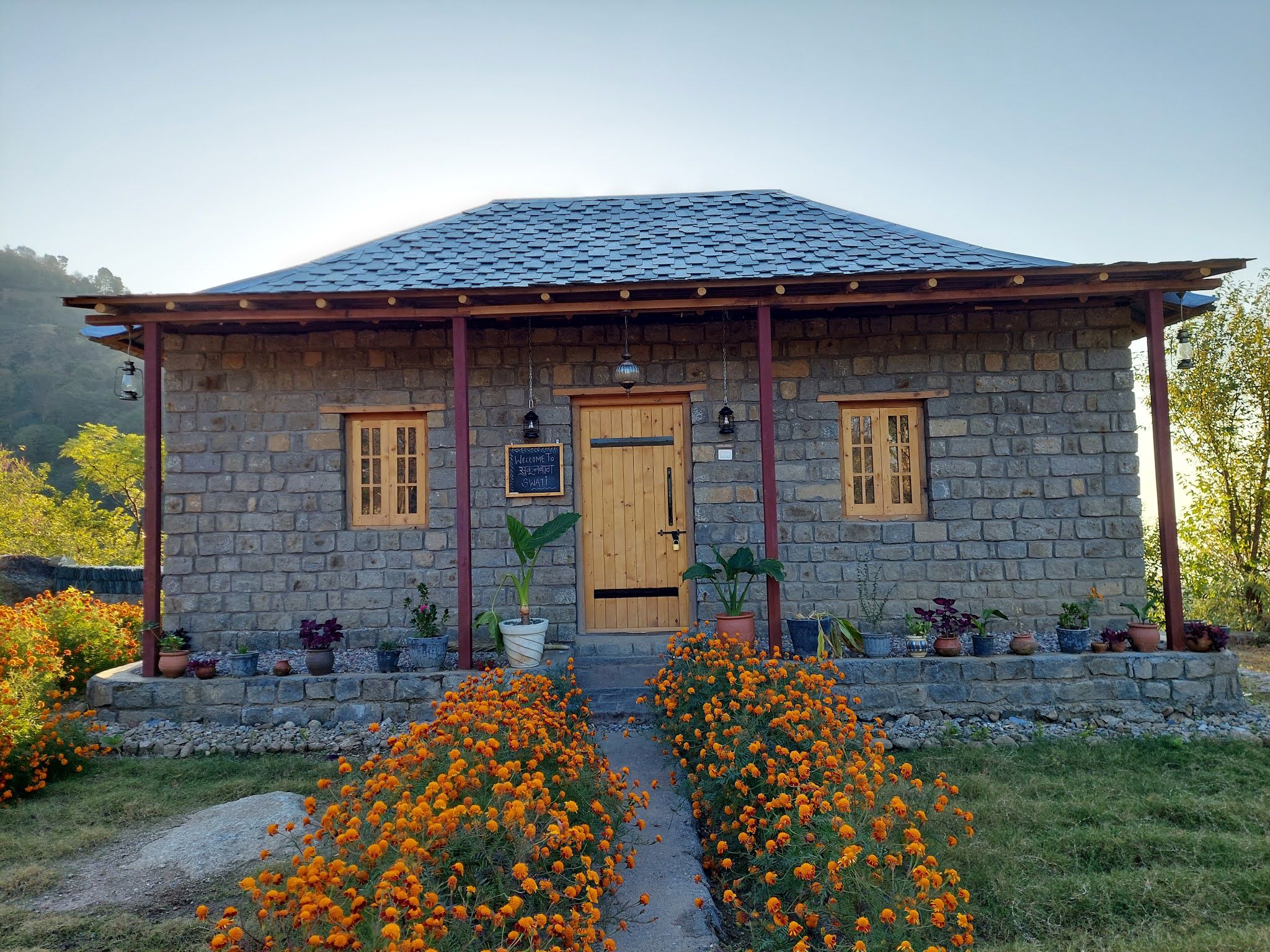
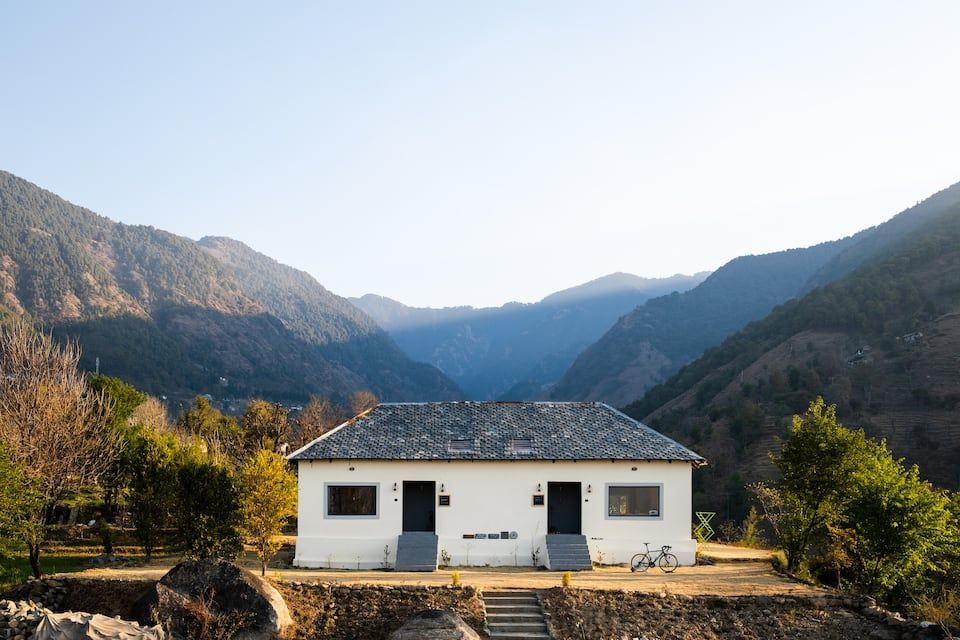
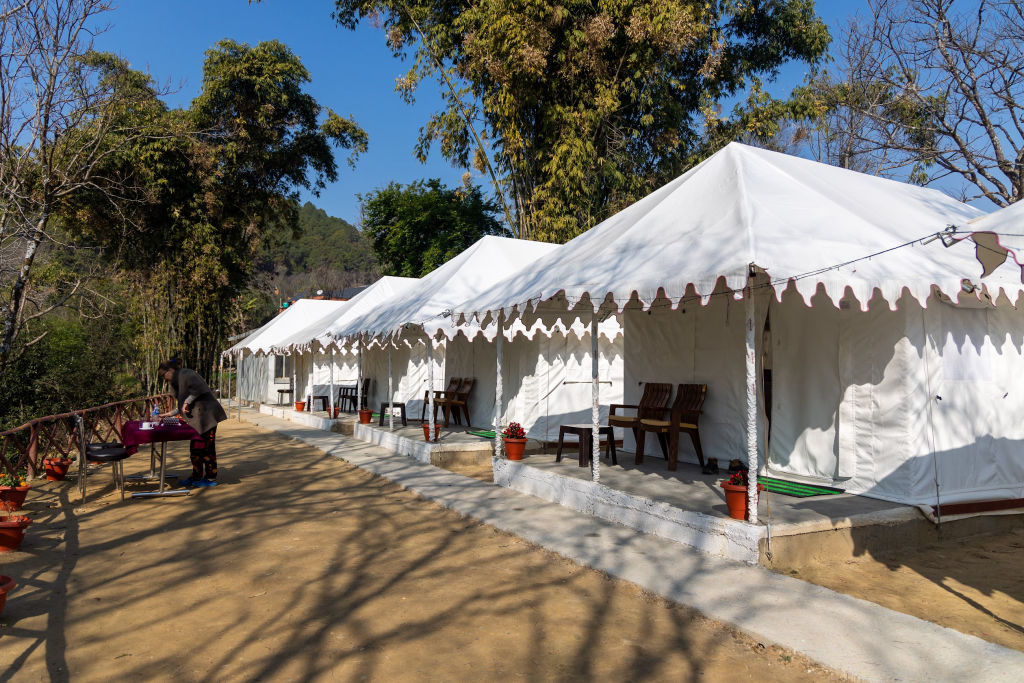
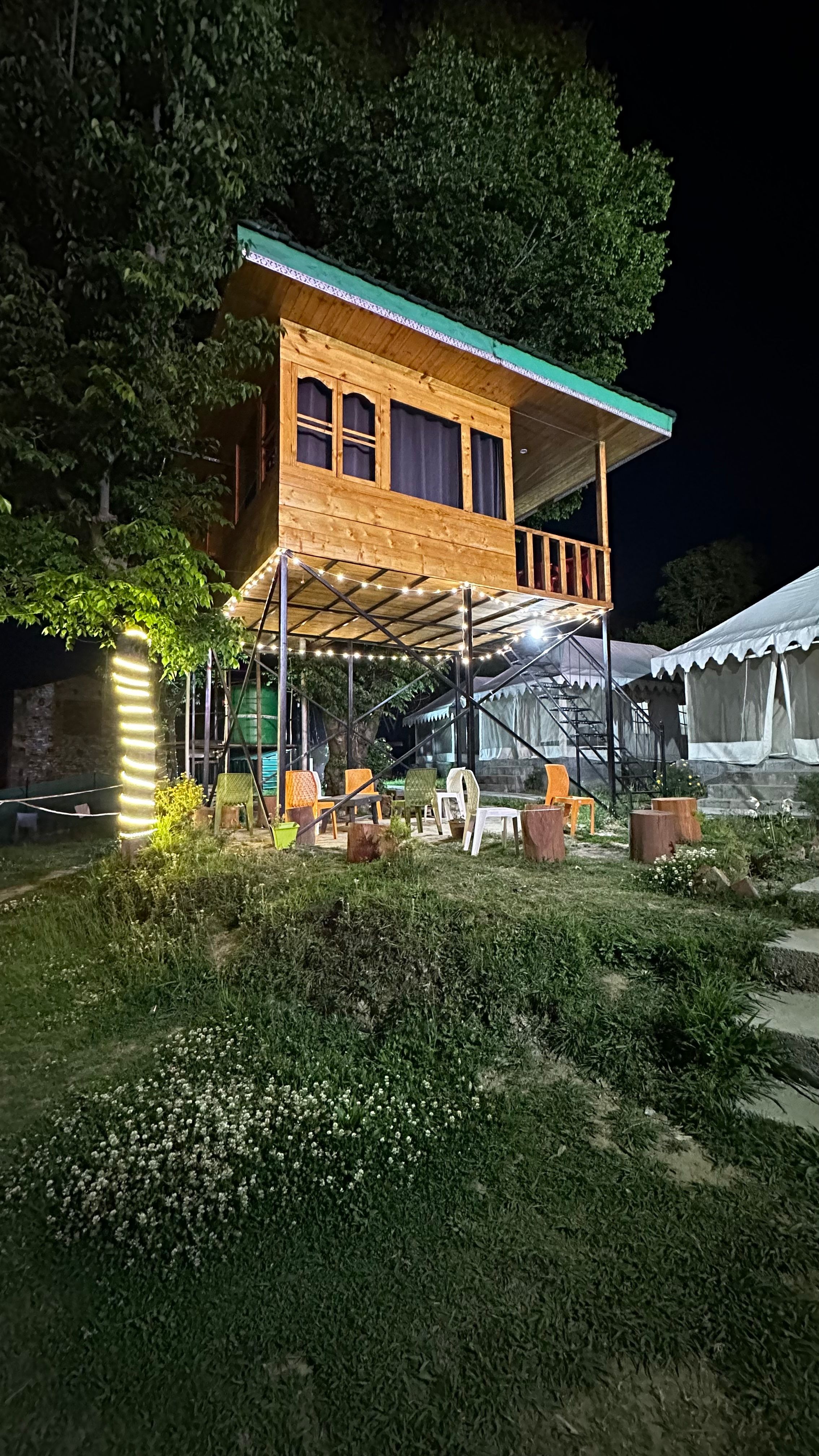
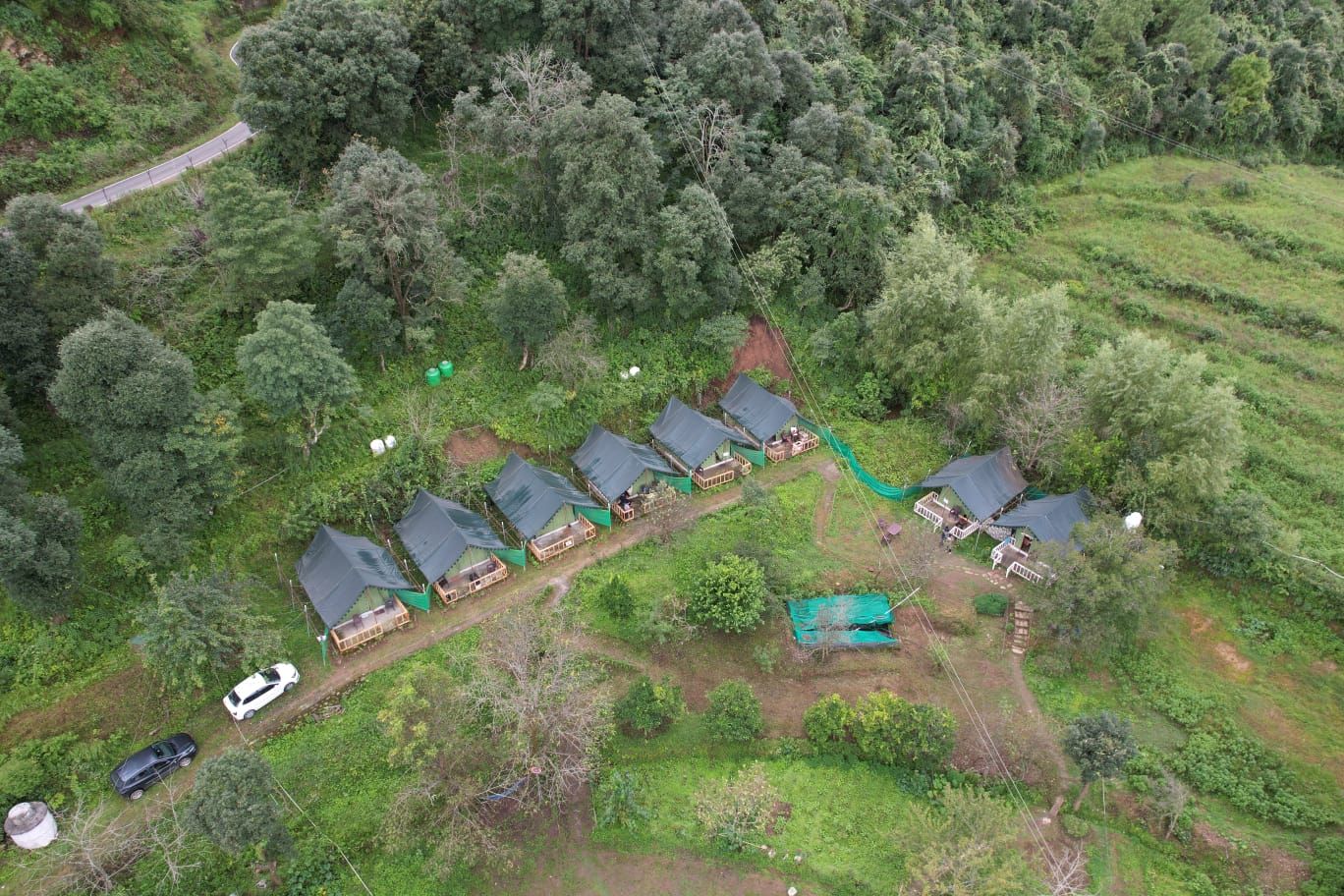
Accommodations around the institute range from traditional village homestays and community guesthouses to experiential camps situated on the green terraces outside the main settlement. Staying nearby allows travellers to walk to Deer Park Institute for morning practice while soaking in the pastoral beauty of the tea plantations and terraced fields.
For those looking to secure a serene place to rest, platforms like HireACamp list a curated collection of local homestays, nature retreats, and riverside campsites across the Baijnath and Kangra valley belt. Reserving in advance is recommended during the peak autumn retreat season and around spring cultural festivals.
Frequently asked questions
Can casual visitors enter Deer Park Institute without enrolling in a course?
Yes, casual visitors are typically welcome to walk through the grounds, admire the traditional architecture, and visit the temple hall during daytime hours. However, visitors must respect ongoing silence periods and check locally whether specific halls are closed for private retreats.
Is there an entry fee to visit Deer Park Institute?
There is no general entry fee to enter the grounds and visit the main shrine hall. Structured workshops, courses, and long-term residential programmes carry separate registration arrangements that should be verified directly with the institute.
What is the best way to travel around the local area from Deer Park Institute?
The local colony and surrounding village lanes are compact and best explored on foot. For visits to neighbouring towns like Baijnath or nearby trailheads, local auto-rickshaws and taxis can be flagged or arranged locally.
Are meals available for external visitors on the campus?
The dining hall at Deer Park Institute primarily serves registered course participants and residential students. Independent day visitors can easily find traditional meals, bakeries, and herbal tea options in the village market just outside the institute gates.
Where you'll be
Deer Park Institute, Baijnath · 5 stays nearby shown with prices
Stays near Deer Park Institute
Book a place to stay close by
More places near Deer Park Institute
Within 20 km


Built from 0 Instagram posts by 0 creators. Every tip links back to the post it came from, and where creators disagree we show both sides.






