
Sakya Dirru Monastery
Monastery near Chaugan, Himachal Pradesh
300 m from Chaugan
The nearest town, for stays, food and fuel.
Sakya Dirru Monastery is a serene Tibetan Buddhist monastery situated along Drongtoe Road near Baijnath in the Kangra district of Himachal Pradesh. Founded as a home and study center for the Sakya lineage, the complex serves as an active residential school for Buddhist monks. Travellers visit to admire its traditional Tibetan murals and pagoda-style architecture, and to experience the quiet spiritual atmosphere of the Kangra Valley.
Getting there
By road
- From ChauganNearest town1 min · 300 m
- From Chandigarh4 hr 50 min · 221 km
- From Ludhiana5 hr 5 min · 239 km
- From Amritsar5 hr 15 min · 255 km
Typical drive times without traffic. Stations and airports from OLA Maps; distances and typical drive times from OpenStreetMap (© OpenStreetMap contributors); notes from creators' Reels.
About Sakya Dirru Monastery
Written with AI from map data and general knowledge. Check prices and timings locally before you go.
About Sakya Dirru Monastery
Sakya Dirru Monastery stands as one of the significant spiritual and cultural landmarks in the area surrounding Baijnath in Himachal Pradesh. Established by Tibetan settlers who relocated to the Kangra Valley during the mid-twentieth century, the monastery belongs to the Sakya school, one of the four principal traditions of Tibetan Buddhism. The monastic complex was constructed to ensure the continuity of Sakya teachings, lineage rituals, and classical philosophical learning.
Over the years, the complex has flourished into a vibrant centre for monastic life and scholarship. Young novice monks reside and study alongside senior teachers, learning classical Tibetan, memorising Buddhist scriptures, and training in ceremonial practices and debate. For travellers, walking through the peaceful premises offers a quiet glimpse into living Tibetan Buddhist heritage set amidst the terraced fields of Himachal Pradesh.
Architecture and temple design
The architecture of Sakya Dirru Monastery adheres closely to classical Tibetan monastic design. The main prayer hall, known as the dukhang, features bright exterior walls finished in deep reds, maroons, and golds. Its multi-tiered roofline is embellished with copper-gilt finials and the traditional emblem of the Dharma wheel flanked by two deer, symbolising the Buddha's first turning of the wheel of law in Sarnath.
Inside, the sanctum opens into a high-ceilinged prayer hall supported by intricately carved and painted wooden columns. The central altar holds large statues of Shakyamuni Buddha alongside revered masters of the Sakya tradition, flanked by traditional offerings and glowing butter lamps. Hand-painted frescoes and delicate thangka paintings cover the walls, illustrating Buddhist deities, historical narratives, and protective motifs. Rows of metal prayer wheels line the corridors outside the hall, allowing visitors to participate in devotional circumambulation.
Read more
Things to do at Sakya Dirru Monastery
A visit to Sakya Dirru Monastery is an unhurried, reflective experience. One of the customary practices for visitors and pilgrims is performing a kora, which involves walking in a clockwise direction around the monastery building. As you walk, you can gently spin the series of inscribed prayer wheels set into the exterior walls, a ritual believed to radiate peace and positive intent.
Visitors who arrive during prayer times may hear the resonant sounds of monastic rituals. The rhythmic pulse of ceremonial drums, the deep hum of long horns, and the low chanting of scriptures create a deeply calming atmosphere within the prayer hall. Guests are usually welcome to sit quietly at the back of the chamber during these sessions, provided they observe silence. Courtyard terraces also provide an opportunity to take in views of the pine-covered hills and distant mountain ridgelines.
Best time to visit
The climate in the Kangra foothills shifts across the seasons, making the monastery accessible throughout most of the year. Autumn, spanning from October through November, is widely considered the best time to visit. During these months, the monsoon clouds clear away to reveal crisp, sunny days, cool evenings, and clear panoramic views across the valley.
Spring, from March to May, brings pleasant daytime warmth and blooming vegetation across the surrounding hillsides. Winters, which run from December to February, bring cold mornings and nights, though sunny afternoons remain comfortable for walking. Carrying heavy woollens is recommended during the winter months. The monsoon season from July to September brings intense rain to Kangra, clothing the countryside in deep greens but occasionally causing localized travel delays.
How to reach Sakya Dirru Monastery
Sakya Dirru Monastery is situated along Drongtoe Road near the town of Baijnath. The region is well-connected by road to major towns across Himachal Pradesh and northern India. If arriving by air, the nearest domestic airport is Gaggal Airport near Dharamshala, from where you can hire a private taxi or take a bus eastward toward Baijnath.
For railway travellers, the major broad-gauge railhead is Pathankot in Punjab. From Pathankot, you can travel onward by local buses, taxis, or the historic Kangra Valley toy train, which connects to stations like Ahju and Baijnath Paprola. If driving from cities like Chandigarh or Delhi, the journey follows highway routes through Una, Kangra, and Palampur. Once in the Baijnath area, local taxis and auto-rickshaws provide easy access to the monastery gates.
Visitor tips and etiquette
Sakya Dirru Monastery is a working place of worship and a residence for monks, so visitors are expected to maintain respectful behaviour. Modest attire covering shoulders and knees is recommended. Footwear must be removed before stepping into the indoor prayer halls or sacred rooms, and walking clockwise around shrines and prayer wheels is customary.
Keep conversations low and turn your mobile phone to silent mode while on the monastery grounds. Photography is often restricted inside the main temple hall, especially facing the primary altars; always look for signage or ask a resident monk for permission before taking pictures indoors. Visitors should avoid disturbing monks during study hours or ceremonial duties.
Places to explore nearby
The area surrounding Sakya Dirru Monastery offers a blend of natural sights, spiritual heritage, and outdoor leisure. Lapas Waterfalls, located approximately 13 kilometres away, makes for an enjoyable side trip into the foothills. The falls tumble through forested rock faces, offering a peaceful setting for a short hike and time spent by fresh mountain water.
The nearby town of Baijnath is also home to an ancient stone temple dedicated to Lord Shiva, celebrated for its historic Nagara-style stone carvings. Beyond historical sites, the Kangra Valley around the monastery is laced with scenic walking trails, local tea gardens, and vantage points overlooking the Dhauladhar mountain range.
Where to stay
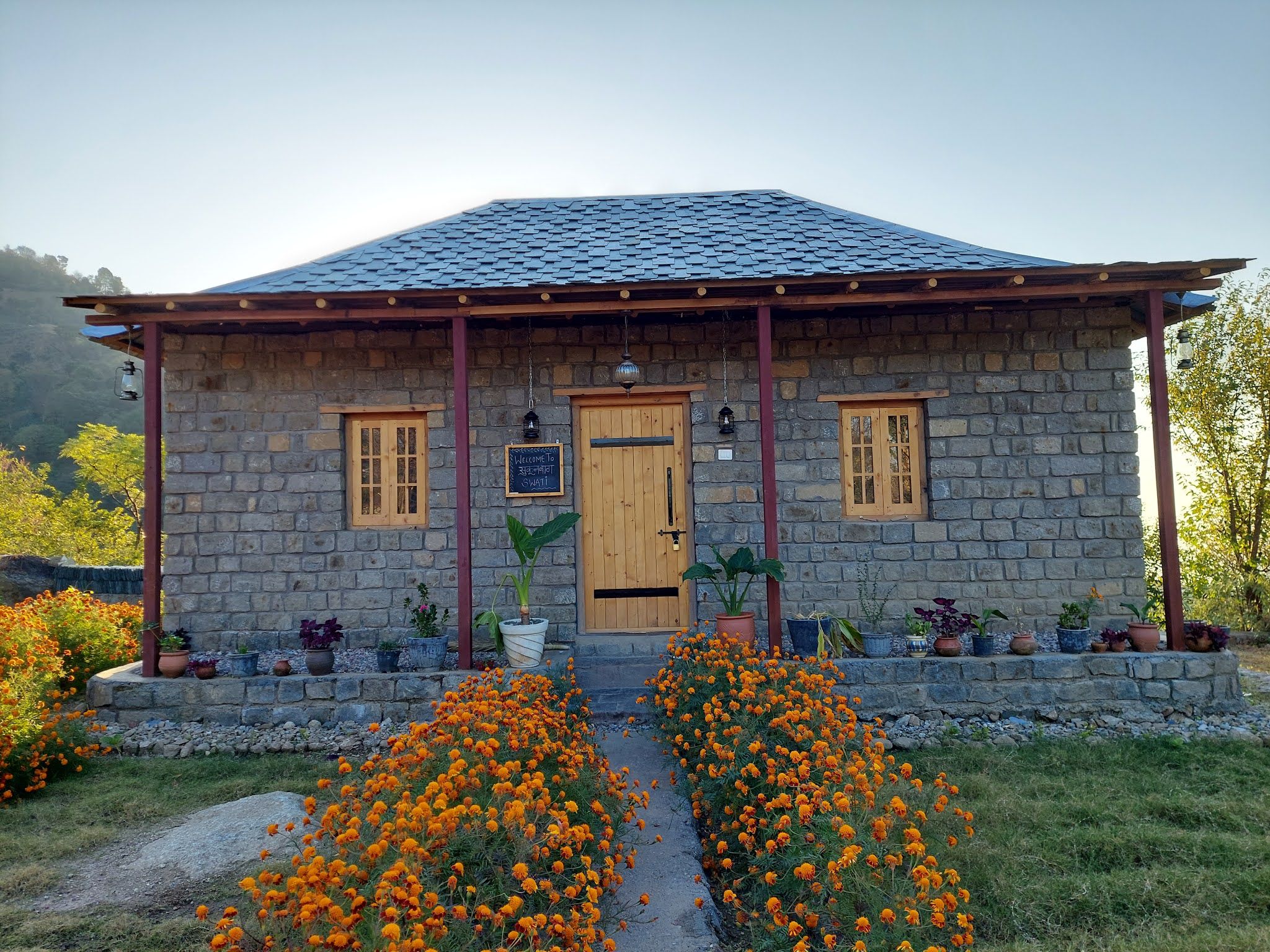
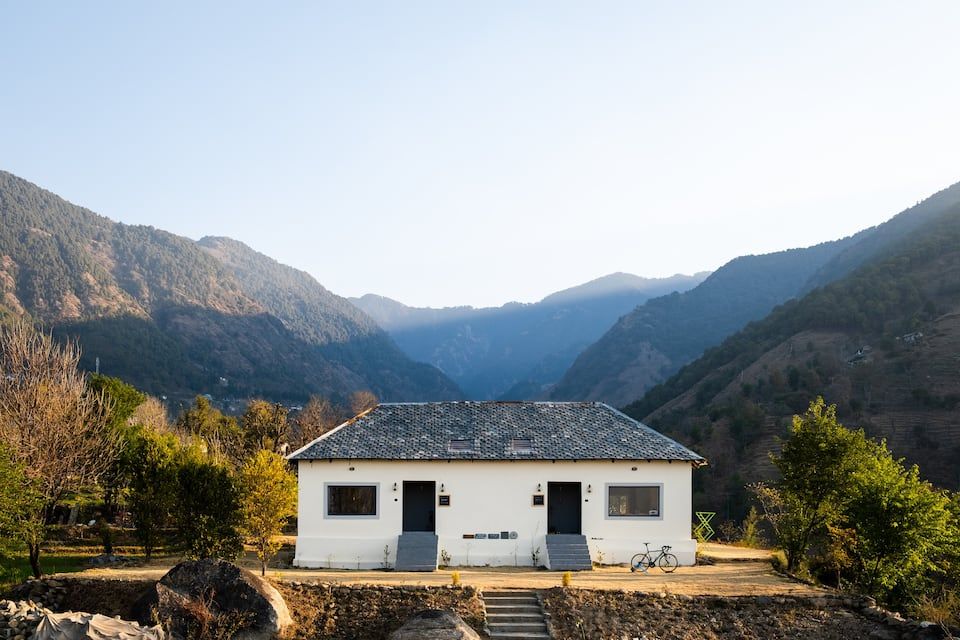
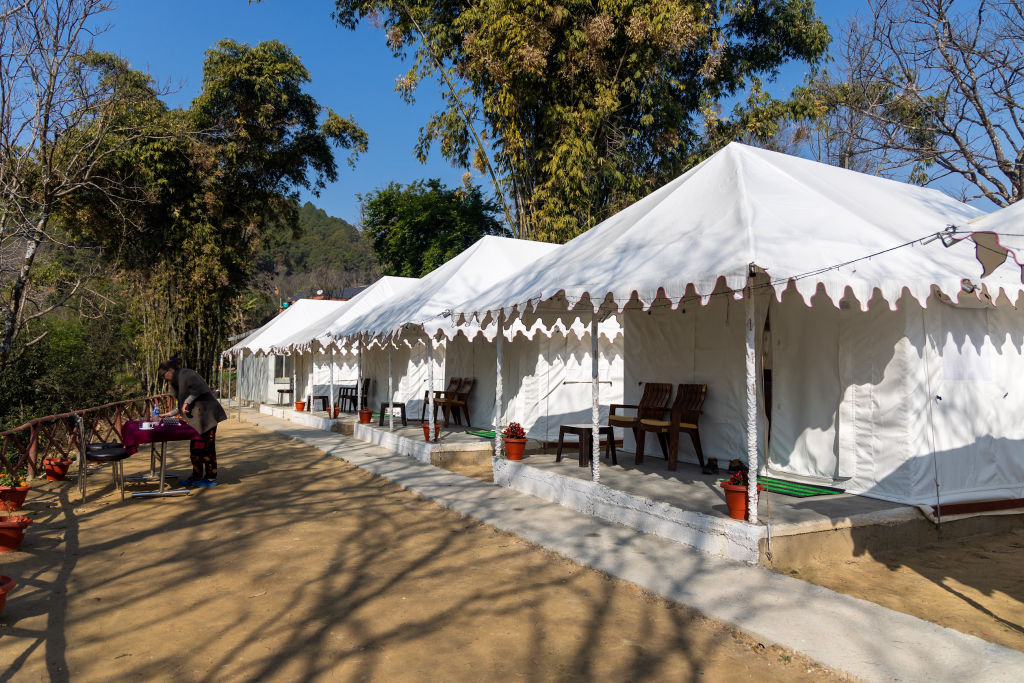
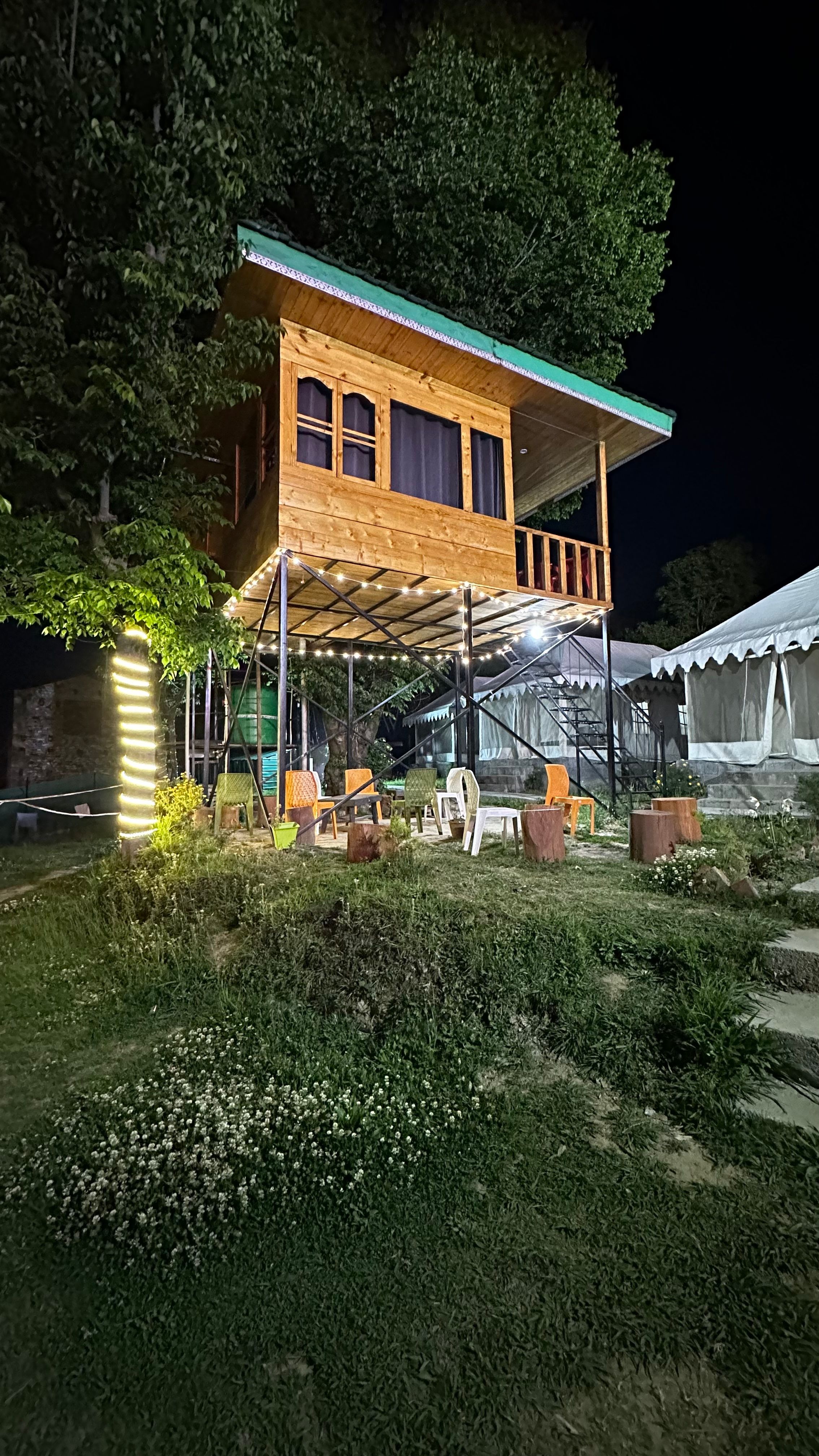
Travellers exploring the area around Baijnath will find a range of restful accommodation options. Rather than large commercial hotels, the valley is well known for peaceful village homestays, traditional stone-and-wood cottages, and nature-oriented outdoor getaways set amid terraced fields and pine forests.
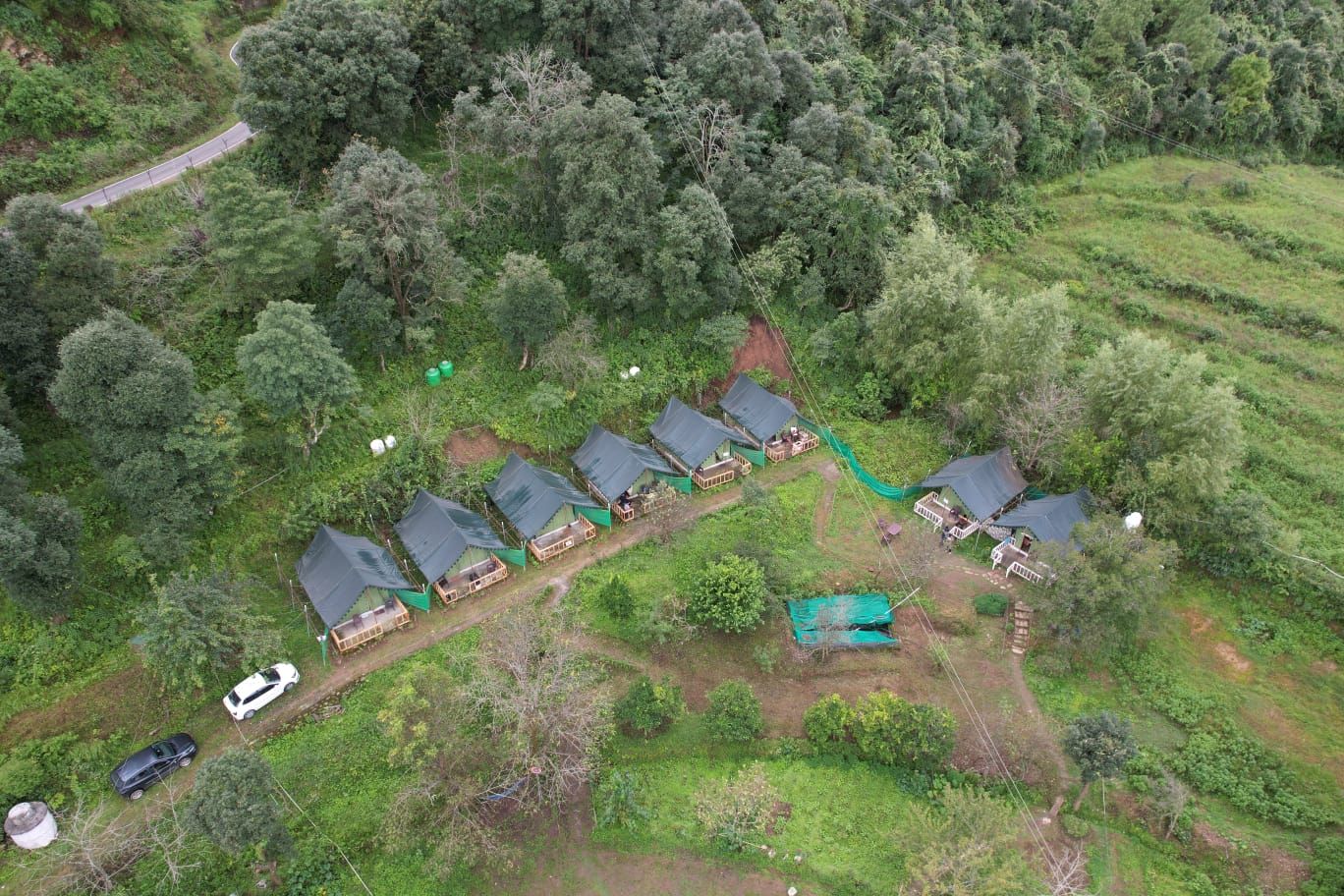
Choosing a local homestay provides a comfortable base to experience Kangra hospitality, regional dishes, and the slow pace of mountain life. If you enjoy waking up close to nature, camping stays on the valley edges offer sweeping views of the surrounding hills. You can discover and book homestays, rural retreats, and nature camps in the area through HireACamp.
Frequently asked questions
Where is Sakya Dirru Monastery located?
Sakya Dirru Monastery is located along Drongtoe Road near the town of Baijnath in the Kangra district of Himachal Pradesh.
Which tradition of Buddhism does the monastery follow?
The monastery belongs to the Sakya school, one of the four primary lineages of Tibetan Buddhism, and functions as a residential centre for monastic study and rituals.
Can visitors enter the prayer hall at Sakya Dirru Monastery?
Yes, visitors are generally allowed inside the main prayer hall, provided they remove their shoes at the entrance, dress modestly, and maintain silence during prayers and meditation.
Are there natural attractions near Sakya Dirru Monastery?
Yes, Lapas Waterfalls is located approximately 13 kilometres away, offering a scenic spot for mountain walks and nature excursions in the surrounding hills.
What is the best time of year to visit the monastery?
The autumn months from October to November and the spring season from March to May offer clear skies, comfortable temperatures, and ideal conditions for sightseeing.
Where you'll be
Drongtoe Rd, Baijnath · 5 stays nearby shown with prices
Stays near Sakya Dirru Monastery
Book a place to stay close by
More places near Sakya Dirru Monastery
Within 20 km


Built from 0 Instagram posts by 0 creators. Every tip links back to the post it came from, and where creators disagree we show both sides.






