
Dehu
Destination in Maharashtra
Dehu is an ancient pilgrim town resting along the quiet banks of the Indrayani River in the Pune district of Maharashtra. Celebrated as the birthplace and spiritual home of the revered seventeenth-century poet-saint Sant Tukaram, the town is a cornerstone of the regional Varkari tradition. Travellers and pilgrims visit Dehu to absorb its sacred history, explore riverside temples, and use it as a peaceful base to venture toward the Western Ghats.
Getting there
By road
- From Pune58 min · 30 km
- From Mumbai 2 hr 10 min · 131 km
- From Nashik4 hr 5 min · 199 km
- From Surat8 hr 5 min · 403 km
Typical drive times without traffic. Stations and airports from OLA Maps; distances and typical drive times from OpenStreetMap (© OpenStreetMap contributors); notes from creators' Reels.
Itinerary Guide for Dehu and Surrounds
A regional travel guide connecting Dehu with nearby cultural sites in Pune, the Hadshi and Pawna lake valleys, and the historic hill trails of Lonavala and Khandala.
Hadshi Temple and Pawna Lake Day Trip
Best for travellers seeking rural scenery, temple grounds, and lake viewpoints west of Dehu
Day 1
Hadshi Valley and Pawna Lake
morning
Hadshi MandirAbout 2 hr
Free entry and parking at the complex, which includes temple grounds and an adventure park.
midday
Sant Darshan Museum HadshiAbout 1 hr · 100 m from the last stop
Entry tickets to the Sant Darshan Museum cost ₹200.
midday
Hadshi Lake entrywayAbout 1 hr · 2.6 km from the last stop
Located 2 km from Hadshi Temple with roadside parking; boating is available on the lake.
afternoon
Sicily CafeAbout 1 hr · 4.2 km from the last stop
Cafe situated roughly two hours from Pune and Mumbai. Reservations can be made by phone.
evening
Pawna LakeAbout 1 hr 30 min · 3.4 km from the last stop
Viewpoints overlooking Pawna Lake are situated roughly 6 km past Hadshi Lake along the road.
- At Hadshi Temple, both entrance and parking are free. Allow 3 to 4 hours if you plan to visit the grounds, museum, and adventure park together.
- Boating activities at the Hadshi adventure park are suspended during the monsoon season.
- When visiting Aga Khan Palace, take time to walk through the grounds slowly rather than rushing, to appreciate its role as the memorial site where Kasturba Gandhi passed away.
- The trekking trail at Visapur Fort ascends stone steps that run submerged beneath flowing waterfalls during the monsoon season.
- Reservations for Sicily Cafe can be arranged in advance by calling +91 9145000936.
Visit lengths are suggestions; distances are straight-line between stops.
About Dehu
Written with AI from map data and general knowledge. Check prices and timings locally before you go.
The spiritual heritage of Dehu
Dehu holds a deeply cherished position in the cultural and religious fabric of Maharashtra. It is best known as the native soil of Sant Tukaram, one of the most celebrated figures of the Bhakti movement. Tukaram composed thousands of devotional verses known as abhangs, dedicated to Lord Vithoba of Pandharpur. His verses democratised spiritual knowledge, challenging rigid hierarchies and teaching that devotion is rooted in empathy, purity of mind, and egalitarian love.
The town still moves to the gentle rhythm of Varkari bhajans and the resonance of cymbals. Every year, Dehu becomes the vibrant starting point of the Sant Tukaram Maharaj Palkhi procession. Thousands of barefoot devotees gather here to carry the saint's symbolic silver footprints in an epic journey to Pandharpur, singing praises across towns and villages. Even outside the festival season, walking through the quiet lanes of Dehu offers travellers a rare glimpse into living traditions that have survived unchanged for centuries.
Things to see and do in Dehu
The primary focus for anyone visiting Dehu is the sacred sites tied to Sant Tukaram. The main Tukaram Maharaj Temple complex sits beside the Indrayani River, built around the spot where the saint spent his life teaching and composing his poetry. Steps lead down from the temple courtyards directly to the river ghats, where visitors can sit by the cool water under shaded banyan and peepal trees.
A short distance from the riverside stands the modern Gatha Mandir, one of the town's most imposing monuments. The temple is famous for housing the complete Tukaram Gatha, the anthology of the saint's poetry, meticulously carved into thousands of marble tiles lining the sanctum walls. Reading the translated abhangs or simply witnessing the scale of the devotional literature is an uplifting experience.
Just outside the main town lie the rugged heights of Bhandara Dongar and Bhamchandra Dongar. Bhandara Hill is especially significant because Tukaram would retreat to its wind-swept, boulder-strewn summit for days at a time to meditate in solitude. Today, travellers can ascend Bhandara Dongar for quiet contemplation and panoramic views of the surrounding Deccan plains and rolling hills.
Read more
Day trips and getaways around Dehu
Dehu sits in a geographical sweet spot between the vibrant urban hub of Pune and the rugged playground of the Western Ghats. Nature lovers and trekkers can easily use the town as a starting point to explore scenic hill forts and lakes. Pawna Lake, situated around thirty kilometres to the west, is ringed by camping sites and green ridges, making it an ideal destination for outdoor relaxation and sunset views.
History enthusiasts can head towards the imposing hill fortress of Lohagad, located about thirty-one kilometres away, which offers a satisfying day hike along winding stone staircases and dramatic ramparts. Closer to the same range are the ancient Buddhist rock-cut Karla Caves, renowned for their intricate chaitya halls and grand arched timber ceilings carved over two millennia ago.
If you prefer cultural sights within the city, Pune is an easy journey southeast. Sights such as the historical seat of the Peshwas at Shaniwar Wada, the serene grounds of Aga Khan Palace, and the bustling student corridors along Fergusson College Road offer an exciting contrast to Dehu's unhurried temple atmosphere.
Best time to visit Dehu
The winter months from October to February are widely considered the most comfortable time to visit Dehu. During this season, the weather across the Pune plateau remains crisp, dry, and cool, especially during mornings and evenings. Exploring outdoor temple courtyards, climbing nearby hills like Bhandara Dongar, and taking long walks along the Indrayani riverbanks are pleasant without the discomfort of harsh midday heat.
The monsoon season, running from June through September, brings a dramatic transformation to the landscape. Heavy rains feed the Indrayani River, turning its surroundings lush and green, while the nearby hills of the Western Ghats come alive with mist and seasonal streams. It is also around June or July that the annual Palkhi pilgrimage departs, drawing vast crowds of devotees. If you wish to witness the full cultural fervour of Maharashtra, the monsoon Palkhi is unparalleled, though travellers looking for quiet solitude should expect busy roads and crowded temples during this specific period.
Summers, lasting from March to May, are typically dry and hot, with temperatures rising considerably by early afternoon. If visiting in the summer, plan your temple visits and hill treks during early sunrise hours or later in the evening.
How to reach Dehu
Dehu is well connected by road and rail due to its proximity to the Pune metropolitan area and the Mumbai-Pune corridor. If travelling by air, the nearest airport is Pune International Airport, situated roughly thirty kilometres away. From the airport, cabs and local buses operate frequently toward Dehu and the Pimpri-Chinchwad region.
For rail travellers, Dehu Road railway station serves as the local rail link on the Pune suburban railway network, with local trains running regularly between Pune Junction and Lonavala. Alternatively, long-distance express trains halt at Pune Junction or Chinchwad, from where you can hail auto-rickshaws, private taxis, or local transit buses directly to the temple precincts.
By road, Dehu is accessible via the Old Mumbai-Pune Highway (National Highway 48). Drivers coming from Mumbai can take the Mumbai-Pune Expressway, exit near Talegaon or Dehu Road, and follow the signposted arterial roads to the town centre within a short drive. Road conditions are generally smooth, making it an easy weekend drive from both Pune and Mumbai.
Where to stay in and around Dehu
Dehu itself is a modest pilgrimage town with traditional dharamshalas, guesthouses, and simple pilgrim lodges clustered primarily around the Indrayani River and the Gatha Mandir. These accommodations cater predominantly to visitors seeking functional, overnight shelter during temple festivals and religious rites.
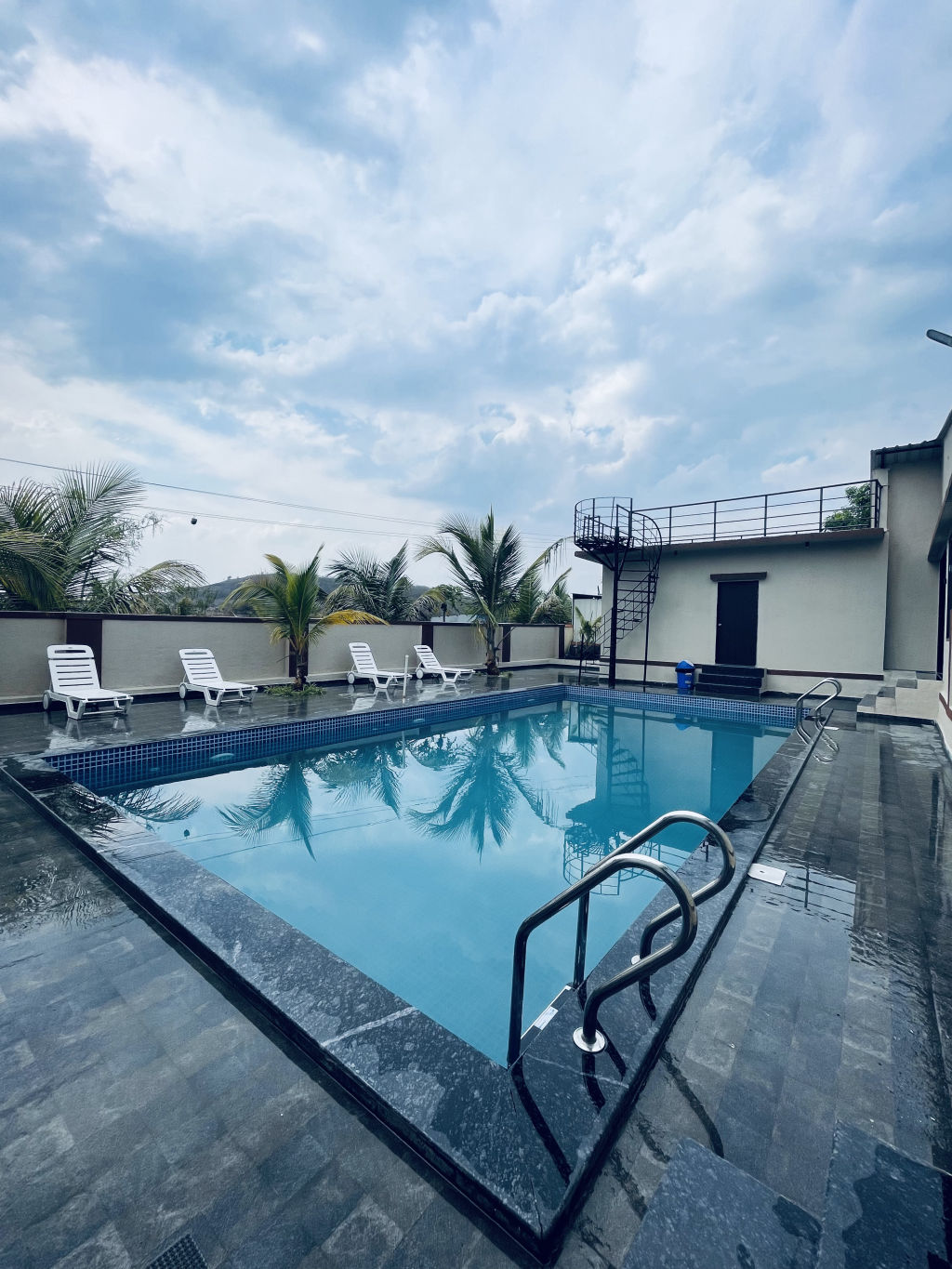
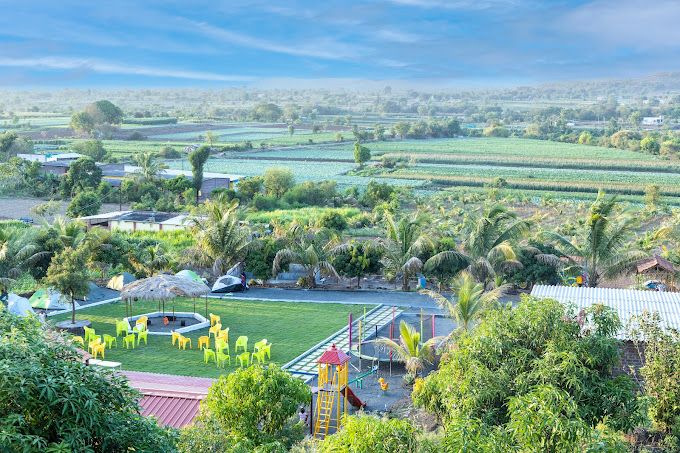
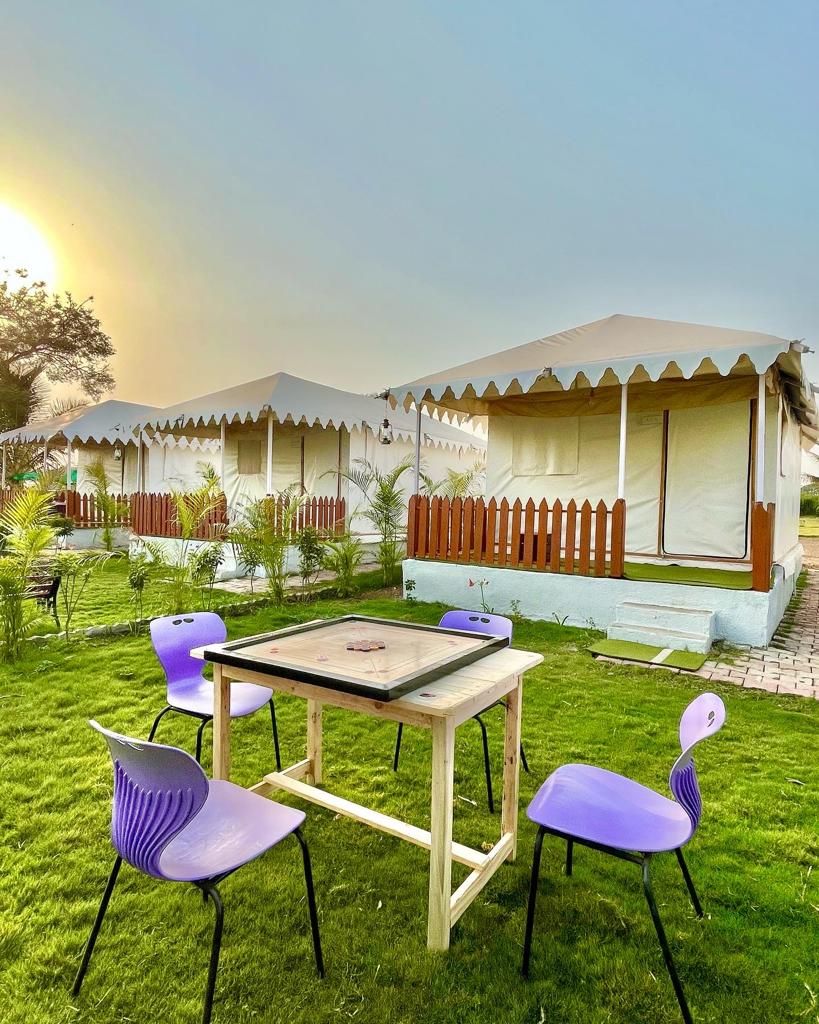
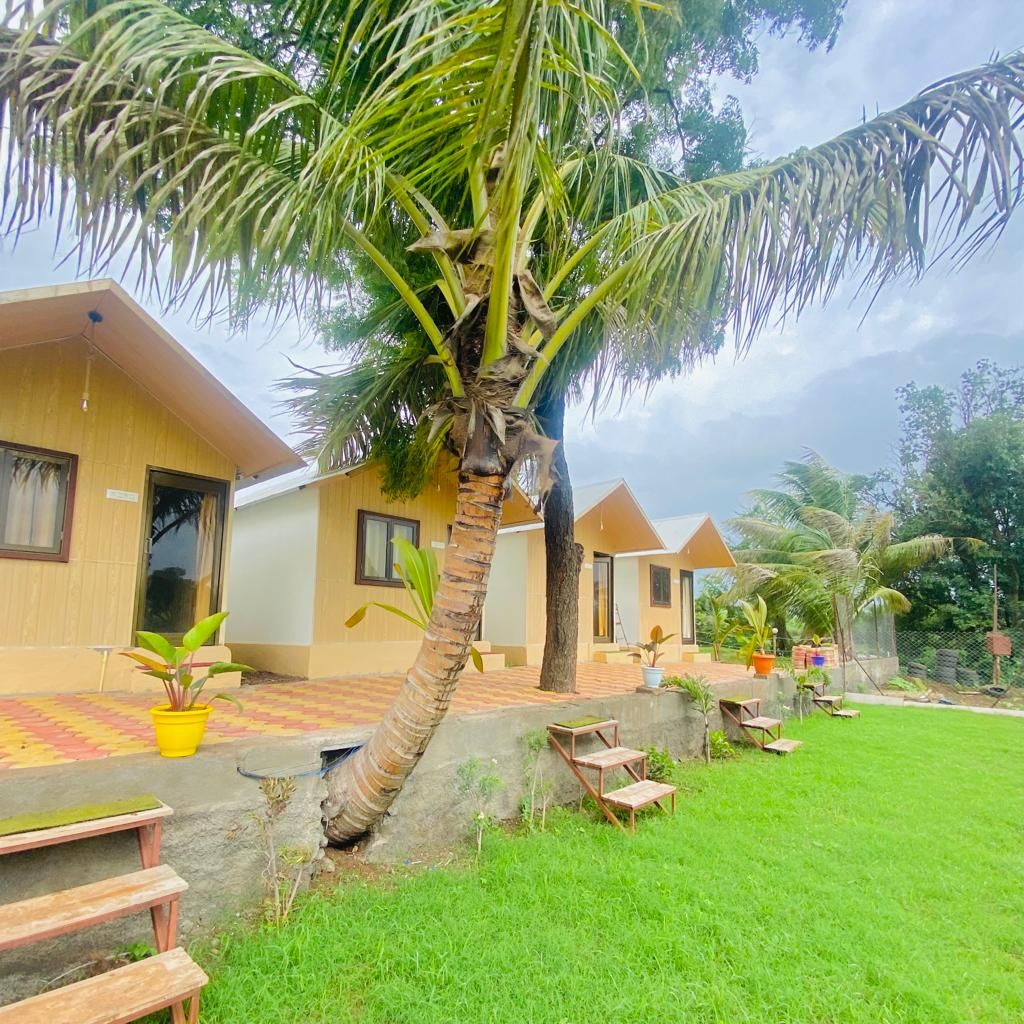
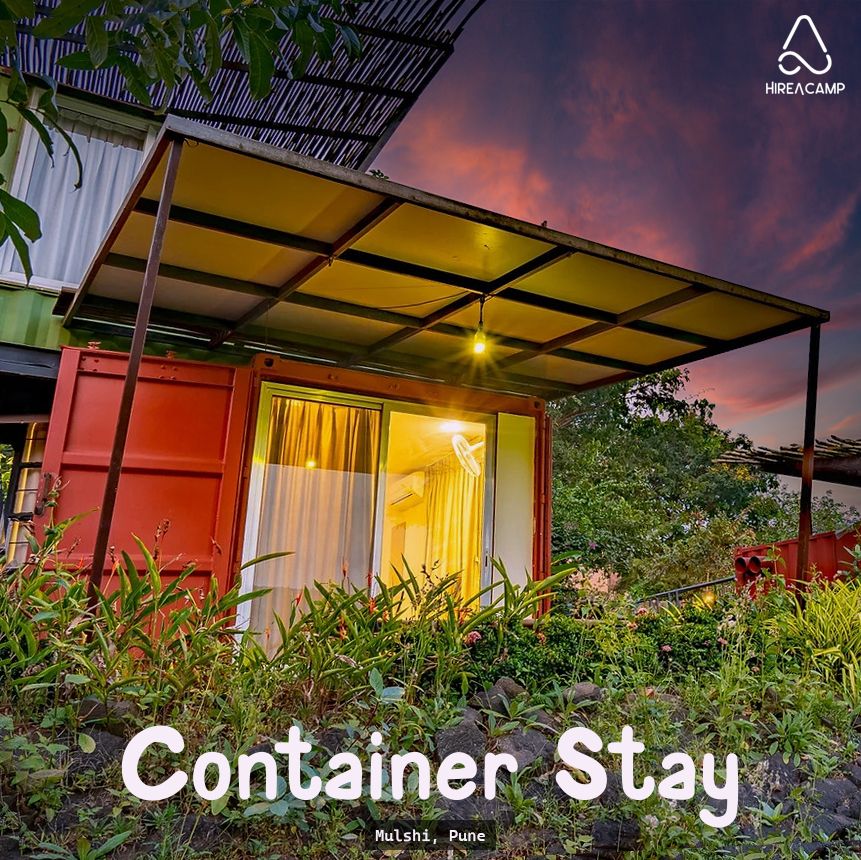
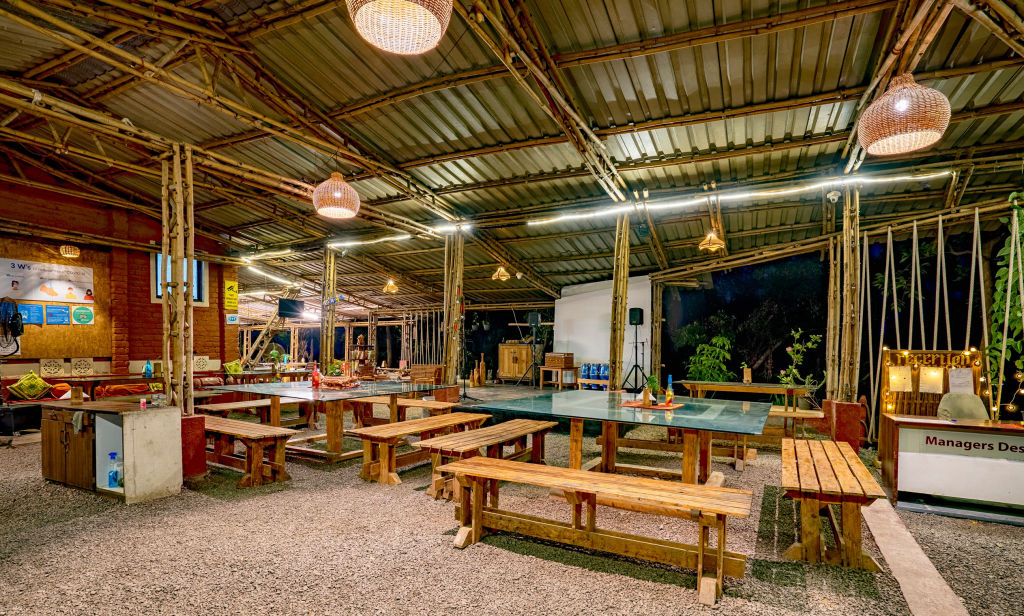
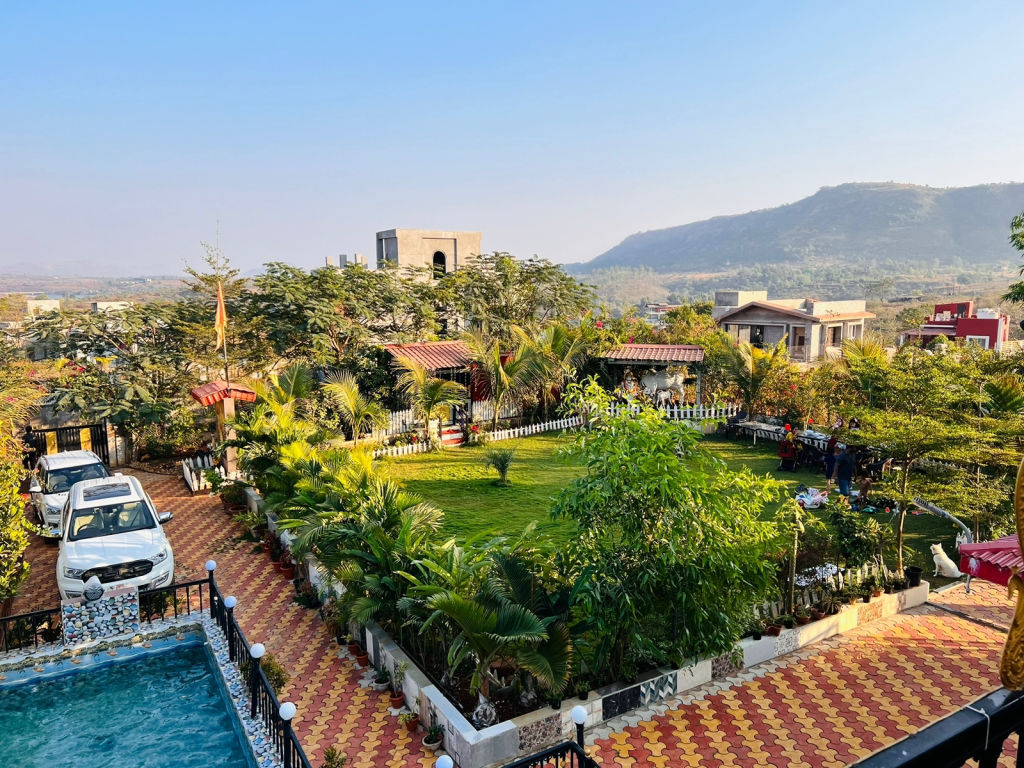
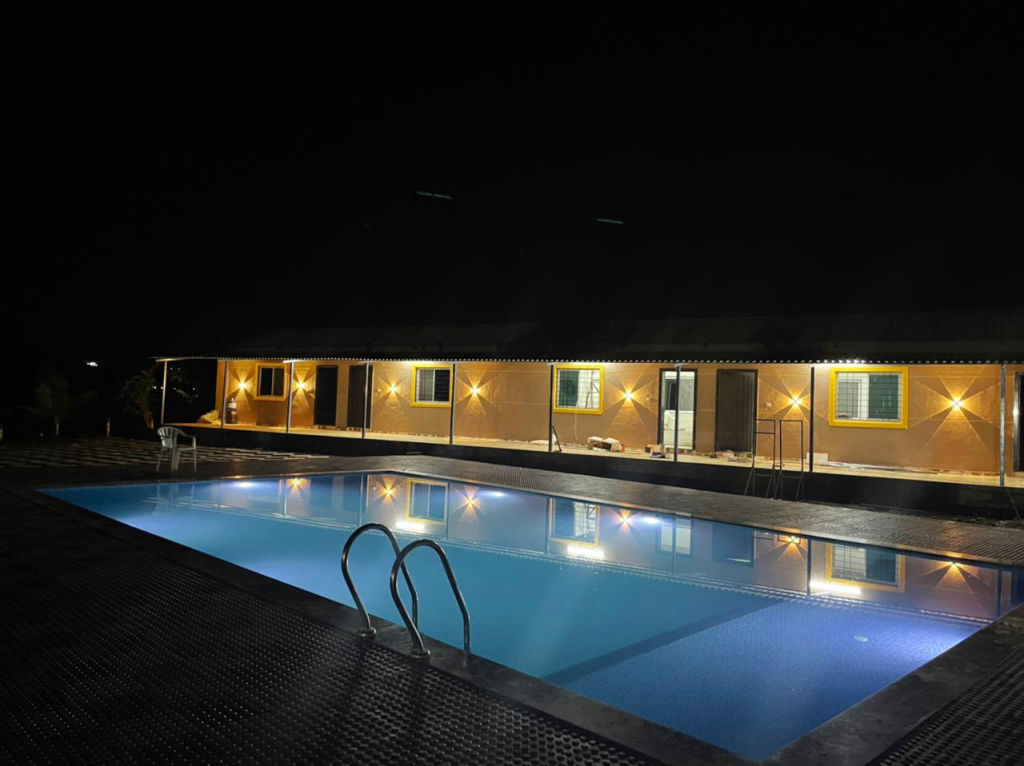
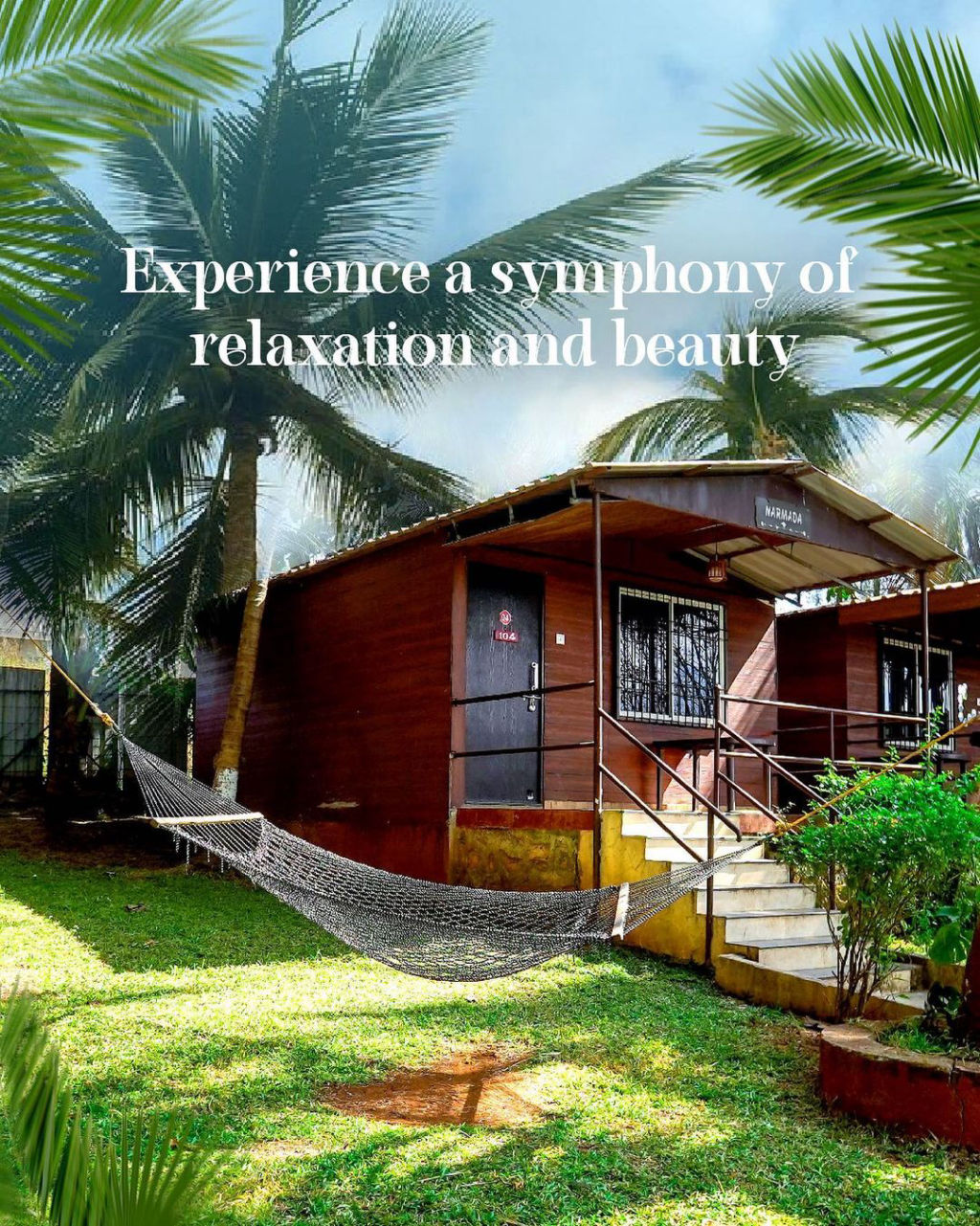
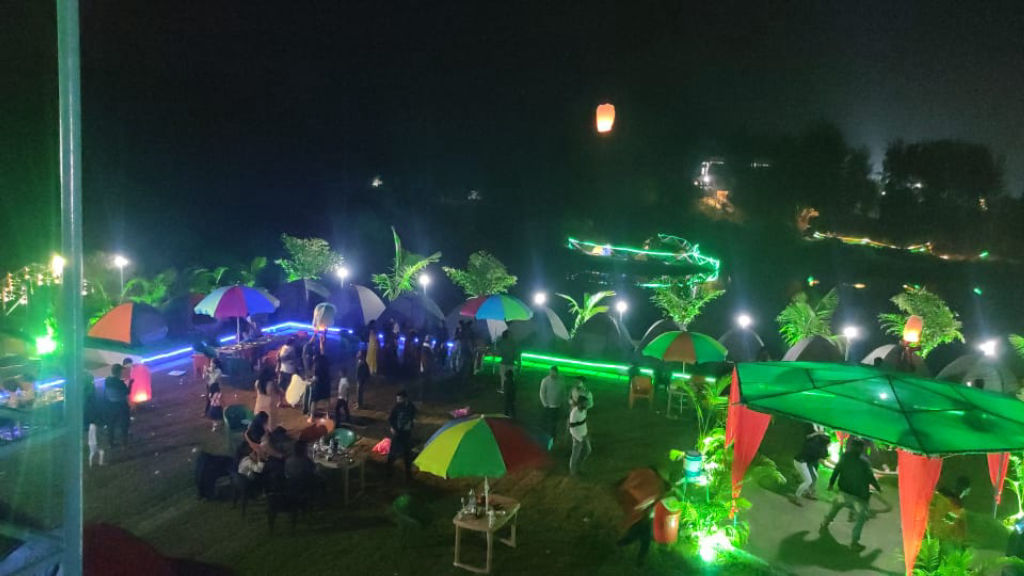
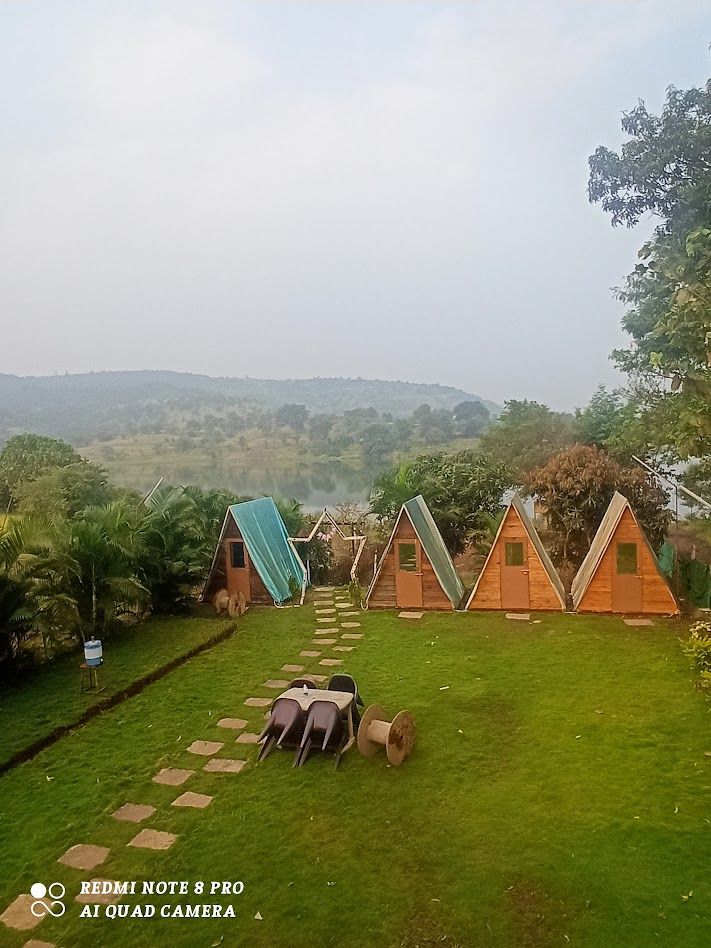
Travellers looking for immersive nature stays, tranquil homestays, or scenic weekend spots can look slightly outward. The rural belts stretching toward Talegaon, Pawna Lake, and Mulshi host numerous open-air options surrounded by farms, orchards, and Sahyadri ridgelines. You can discover a curated selection of rustic stays, private homestays, and outdoor camps on HireACamp to match your itinerary, whether you want a restful riverside retreat or an adventurous base near trekking trails.
Tips for your visit to Dehu
Because Dehu is an active place of worship with deep spiritual meaning for the local population, visitors should dress modestly, keeping shoulders and knees covered when entering temple grounds and memorial complexes. Footwear must be removed at designated stands before walking into the inner sanctums.
If you plan to walk down to the waters of the Indrayani River, exercise caution along the stone steps, as algae and silt can make them slick, especially during the monsoon months. Always adhere to local safety guidelines regarding swimming or entering deep water currents.
Carry drinking water, a sun hat, and cash for minor purchases, as small market stalls surrounding the temples may not always have reliable network access for digital payments. Finally, take a quiet moment to sit on the riverside steps at dusk, when temple bells ring and the evening aarti fills the riverbanks with sound.
Frequently asked questions
What is Dehu famous for?
Dehu is world-renowned as the birthplace and spiritual home of the seventeenth-century Bhakti poet-saint Sant Tukaram. It is celebrated for its historic riverside temples, the Gatha Mandir, and as the departure point for the annual Sant Tukaram Palkhi pilgrimage to Pandharpur.
Where is Dehu located?
Dehu is situated along the banks of the Indrayani River in Pune district, Maharashtra, located northwest of Pune city and close to the Old Mumbai-Pune Highway.
What is the Gatha Mandir in Dehu?
The Gatha Mandir is a prominent modern temple complex in Dehu built to honour Sant Tukaram. Its interior sanctum is famous for having all four thousand or more verses of Tukaram's sacred poetry carved directly into marble wall tiles.
Can I visit Dehu on a day trip from Pune or Mumbai?
Yes, Dehu is less than an hour's drive from central Pune and can easily be visited on a day trip. From Mumbai, it is roughly a two- to three-hour drive via the Mumbai-Pune Expressway.
What scenic attractions are located near Dehu?
Popular outdoor destinations near Dehu include Pawna Lake, Lohagad Fort, Karla Caves, and the serene hill heights of Bhandara Dongar.
Where you'll be
12 stays nearby shown with prices
Stays near Dehu
Book a place to stay close by
Things to do in Dehu
47 places creators recommend within 30 km


Lists for this area
Ranked by how many creators recommend each place


Built from 0 Instagram posts by 0 creators. Every tip links back to the post it came from, and where creators disagree we show both sides.


