
Dharohar
Museum near Panjim, Goa
600 m from Panjim
The nearest town, for stays, food and fuel.
Dharohar, the National Museum of Customs and GST, is a cultural institution situated along the Mandovi riverfront in Panjim, Goa. Housed inside the historic Portuguese-era customs house known as the Alfandega, the museum showcases a rare collection of seized historical artifacts, confiscated antiquities, and displays on India's indirect taxation history. Travelers visit to explore these unique enforcement treasures and admire one of the state's finest restored colonial civic landmarks.
Getting there
By road
- From PanjimNearest town3 min · 1.1 km
- From Pune8 hr 55 min · 432 km
Typical drive times without traffic. Stations and airports from OLA Maps; distances and typical drive times from OpenStreetMap (© OpenStreetMap contributors); notes from creators' Reels.
About Dharohar
Written with AI from map data and general knowledge. Check prices and timings locally before you go.
What is Dharohar
Dharohar, officially known as the National Museum of Customs and GST, is a dedicated museum located along the Mandovi riverfront in Panjim, Goa. The museum is housed in the historic Portuguese-era customs house, known locally as the Alfandega, which stands out with its striking indigo-blue facade. Visitors come to explore an intriguing collection of seized historical artifacts, smuggled antiquities, and exhibits tracing the rich administrative history of customs and indirect taxation in India.
Set along the waterfront promenade, Dharohar offers an unusual vantage point on Indian history and maritime trade. While Goa is widely celebrated for its sunny beaches and colonial churches, this museum provides an educational stop right in the capital city. It appeals to history buffs, heritage enthusiasts, and travelers curious about the world of border enforcement and antique preservation.
The heritage building of Dharohar
The building housing Dharohar is a landmark in its own right, carrying centuries of colonial maritime history. Built during Portuguese rule in Goa, the building served as the central customs clearing house overlooking the waters of the Mandovi River where merchant vessels anchored. Its bright blue lime-washed exterior, classic wooden balconies, and grand arched doorways reflect classic Goan Portuguese civic architecture.
Stepping into the building gives visitors a tangible sense of the maritime commerce that shaped Panjim from the nineteenth century onward. The high ceilings, thick masonry walls, and large shuttered windows were designed to catch the breeze blowing in from the river while shielding the interior from the harsh tropical sun. The restoration of this historic structure has preserved its original character, turning the physical edifice into an essential part of the museum experience.
Read more
Exhibits and displays at Dharohar
Inside Dharohar, the exhibition galleries are spread across multiple rooms, each detailing different facets of trade regulation, enforcement, and cultural preservation. One of the primary attractions is the display of antique items that were intercepted and confiscated by Indian customs authorities before they could be smuggled abroad. These recovered treasures include centuries-old stone sculptures, intricate metal idols, ancient coins, and historic manuscripts of immense cultural value.
Another section of the museum focuses on the ingenuity of smuggling methods encountered over decades, showcasing everyday objects that were modified to conceal contraband, gold, and narcotics. In addition to heritage recovery and anti-smuggling displays, the museum documents the evolution of India's taxation system, including the inception and implementation of the Goods and Services Tax. The exhibits are accompanied by explanatory panels that contextualize how the department protects the nation's economic borders and cultural heritage.
Best time to visit Dharohar
Panjim enjoys a tropical monsoon climate, making the period from November to February the most pleasant time to explore Dharohar and the surrounding city on foot. During these cooler winter months, daytime temperatures are moderate and humidity levels drop, allowing travelers to comfortably stroll down the riverside promenade and walk through the historic quarters nearby.
The summer months from March to May can be hot and humid, but since Dharohar is an indoor museum, it offers a sheltered escape during the warmer afternoon hours. The monsoon season from June to September brings heavy rains that transform the Goan landscape into lush green surroundings. While heavy showers may interrupt outdoor sightseeing, exploring the museum remains an enjoyable indoor cultural activity, with the added charm of watching rain clouds gather over the Mandovi River just across the street.
How to reach Dharohar in Panjim
Dharohar is situated along Avenida Dom Joao de Castro opposite the jetty in the heart of Panaji, making it easily accessible from all parts of Goa. Travelers arriving by air at Manohar International Airport or Dabolim Airport can hire taxis or use public transport buses connected directly to the Panjim bus terminus. From the central bus stand in Panjim, the museum is only a short local bus or auto-rickshaw ride away.
Those traveling by rail will typically arrive at Karmali, Thivim, or Margao railway stations. Karmali is the nearest railhead, and frequent local buses and taxis ply between Karmali and Panjim. If you are staying in nearby coastal towns, you can reach Dharohar by rental scooter, car, or local bus. The museum is located right next to the riverfront avenue, where street parking is available along designated municipal parking areas.
Exploring the surrounding Panaji neighborhood
A trip to Dharohar can be combined with a leisurely walking tour of central Panjim. Located right in the commercial and administrative heart of the city, the museum is situated within comfortable walking distance of several historical sites. The iconic Church of Our Lady of the Immaculate Conception, with its grand zigzagging staircases and whitewashed baroque facade, is situated just down the street.
Just a short walk behind the riverfront lies the celebrated Latin Quarter of Panjim. Here, narrow lanes are bordered by brightly painted Portuguese-era villas with tiled roofs, wrought-iron balconies, and quiet street corners. Walking through this heritage conservation zone allows visitors to admire historic architecture, heritage wells, and quiet residential squares. Combining an hour or two at Dharohar with a stroll through the Latin Quarter and along the Mandovi promenade makes for an enriching cultural day in the city.
Tips for visiting Dharohar
To make the most of your visit to Dharohar, plan to spend at least one to two hours wandering through the diverse gallery rooms. Photography rules may vary across different exhibit areas, particularly in sections displaying sensitive seized contraband, so always check with the staff upon arrival regarding the use of cameras and mobile phones.
Wear comfortable footwear since exploring the museum and the surrounding streets involves a fair amount of walking on paved surfaces and climbing internal stairways. Carry a light water bottle, though food and drinks are not allowed inside the exhibition halls to preserve the exhibits. Since operating hours and holiday schedules can change during state or national public holidays, it is advisable to check locally before planning your visit.
Where to stay near Dharohar
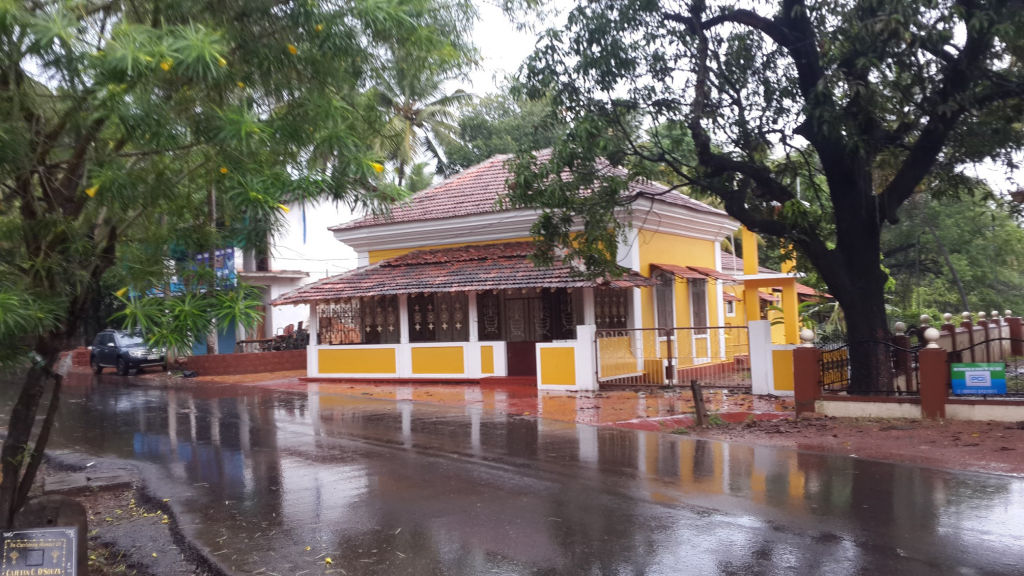
Panjim provides an ideal base for travelers who appreciate culture, heritage, and quiet urban charm away from the bustling beach strips. The neighborhoods around Dharohar feature beautiful colonial-style settings and quiet residential streets that are perfect for an extended stay.
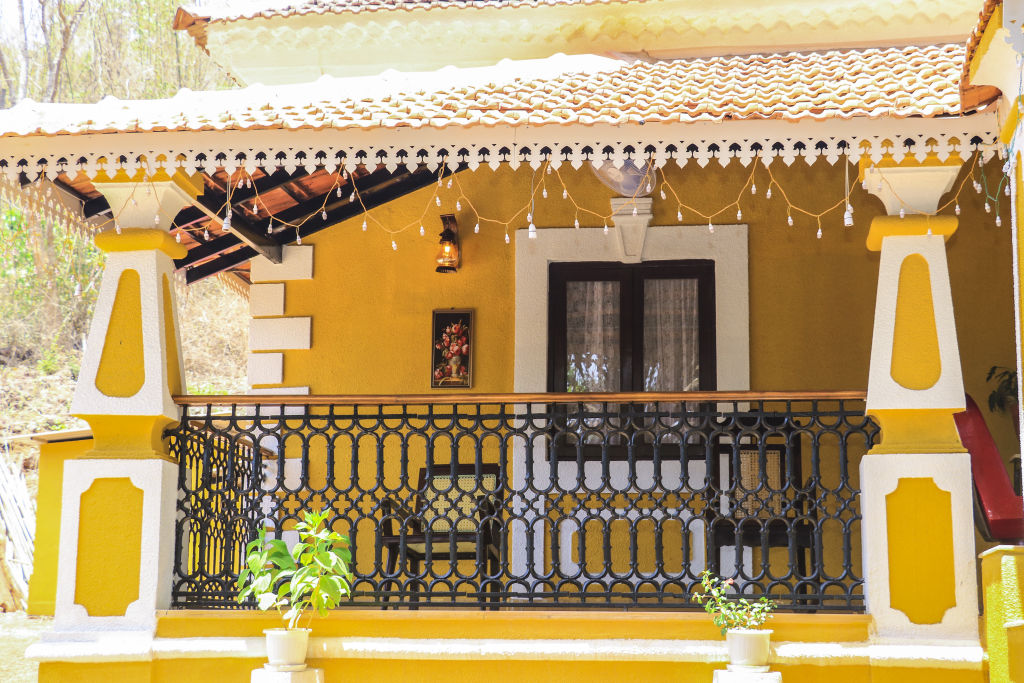
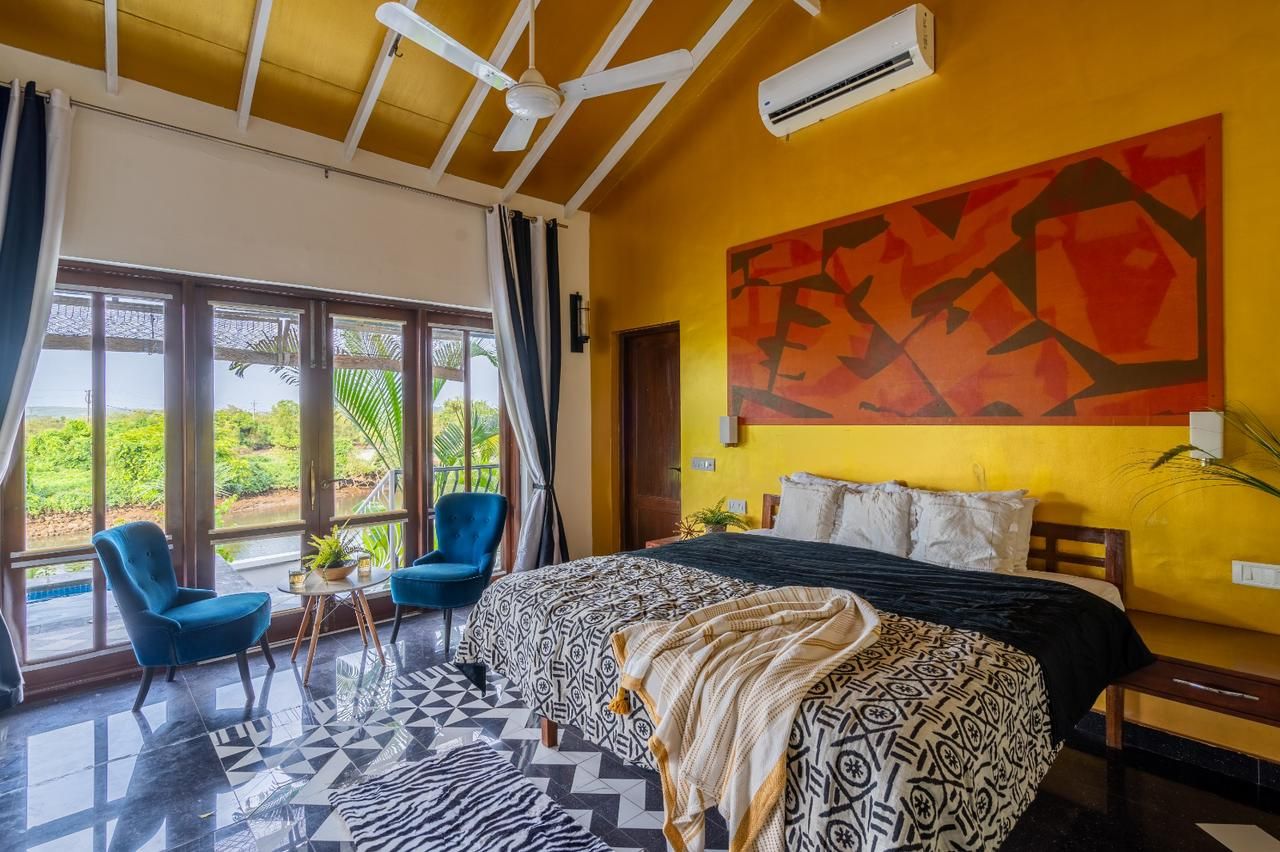
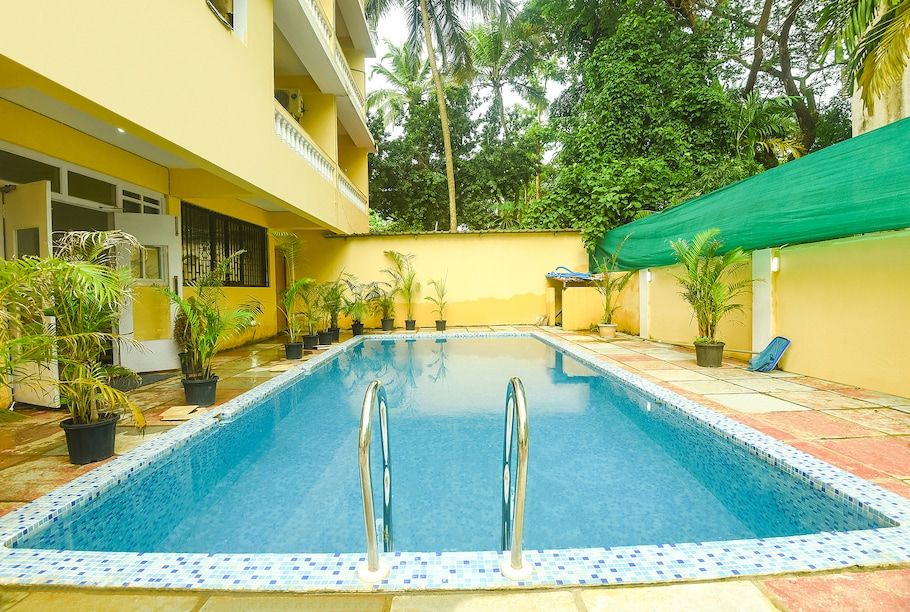
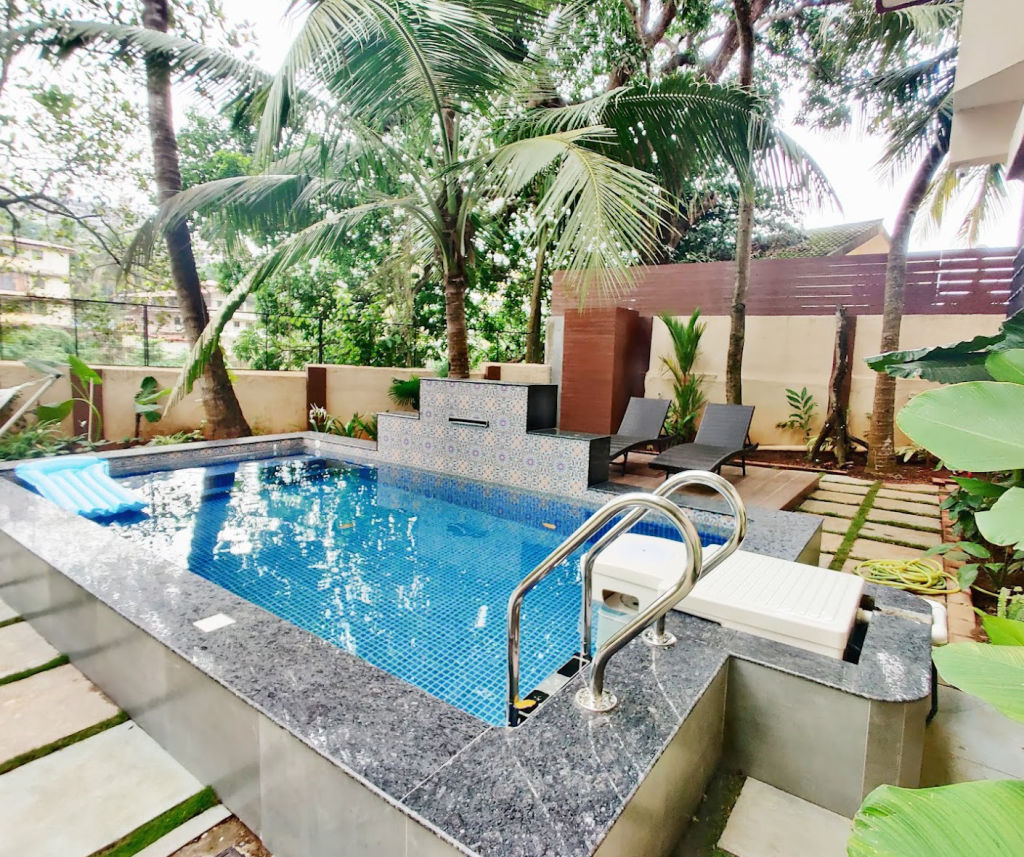
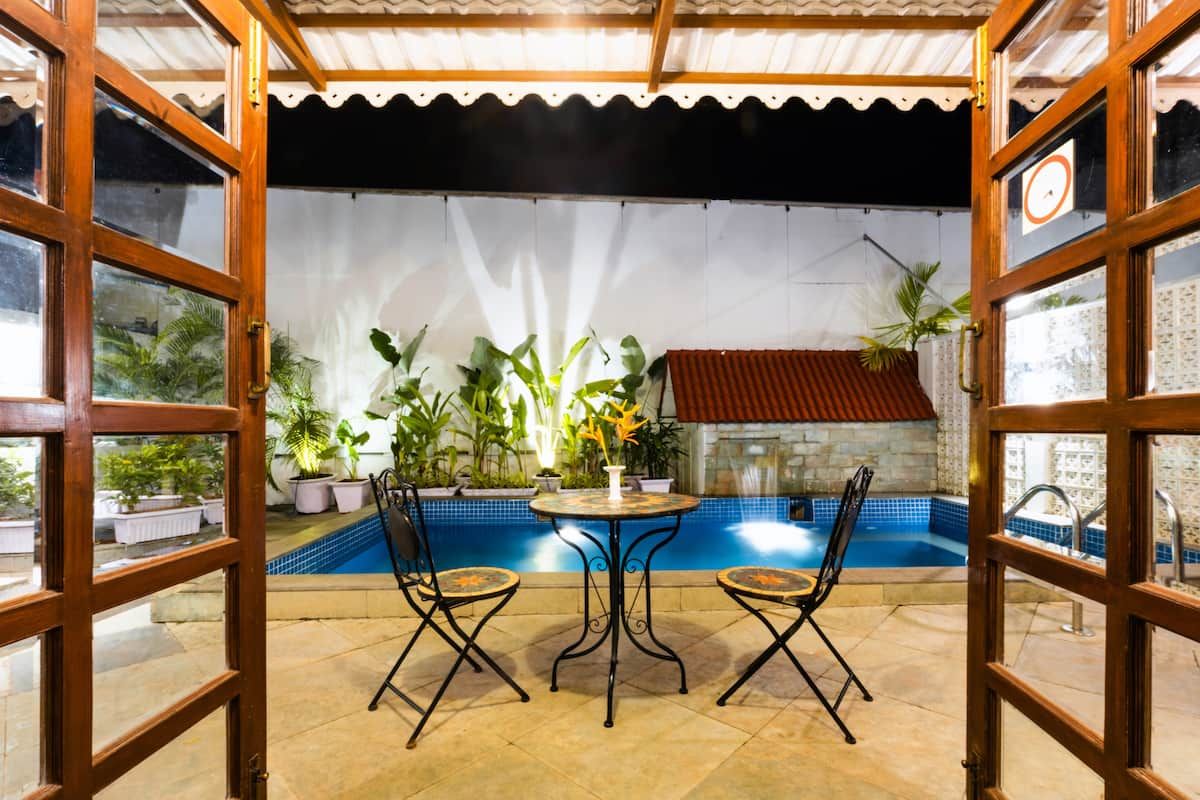
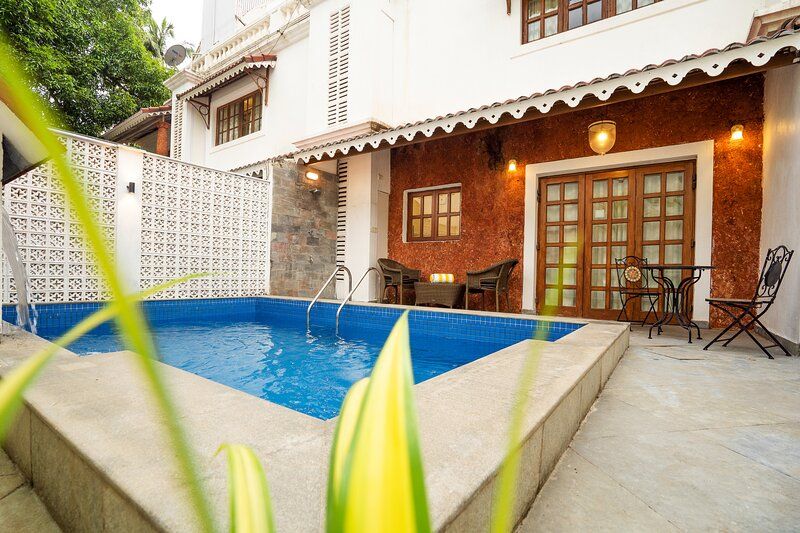
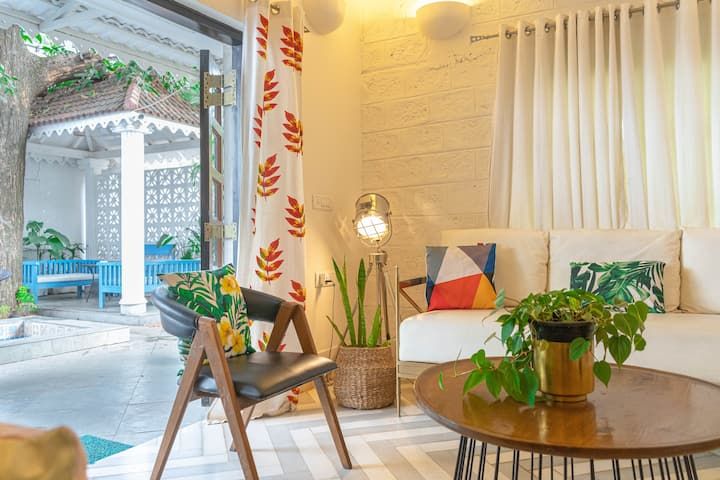
For those who prefer a more relaxed or nature-oriented retreat, there are scenic stays, homestays, and rustic accommodations scattered in the tranquil villages and river islands just outside Panaji. You can browse and book suitable camps, homestays, and independent getaways across Goa on HireACamp to suit your travel style and itinerary.
Frequently asked questions
What kind of museum is Dharohar?
Dharohar is India's National Museum of Customs and GST, showcasing seized antiquities, ancient sculptures, smuggling detection methods, and the history of customs administration.
Where is Dharohar situated in Goa?
It is located along Avenida Dom Joao de Castro, opposite the jetty on the Mandovi riverfront in Panaji.
What is the historical significance of the Dharohar building?
The museum is housed in the Alfandega, an iconic blue-and-white colonial building that served as the Portuguese customs house during maritime trade rule in Goa.
How much time is needed to see Dharohar?
Most visitors spend between one and two hours exploring the various galleries, historical artifacts, and taxation exhibits inside the museum.
Can I visit other historic landmarks near Dharohar?
Yes, Dharohar is within easy walking distance of the historic Church of Our Lady of the Immaculate Conception and the heritage Latin Quarter of Panaji.
Where you'll be
Captain & Port, Avenida Dom João de Castro, opp. Jetty, Panaji · 12 stays nearby shown with prices
Stays near Dharohar
Book a place to stay close by
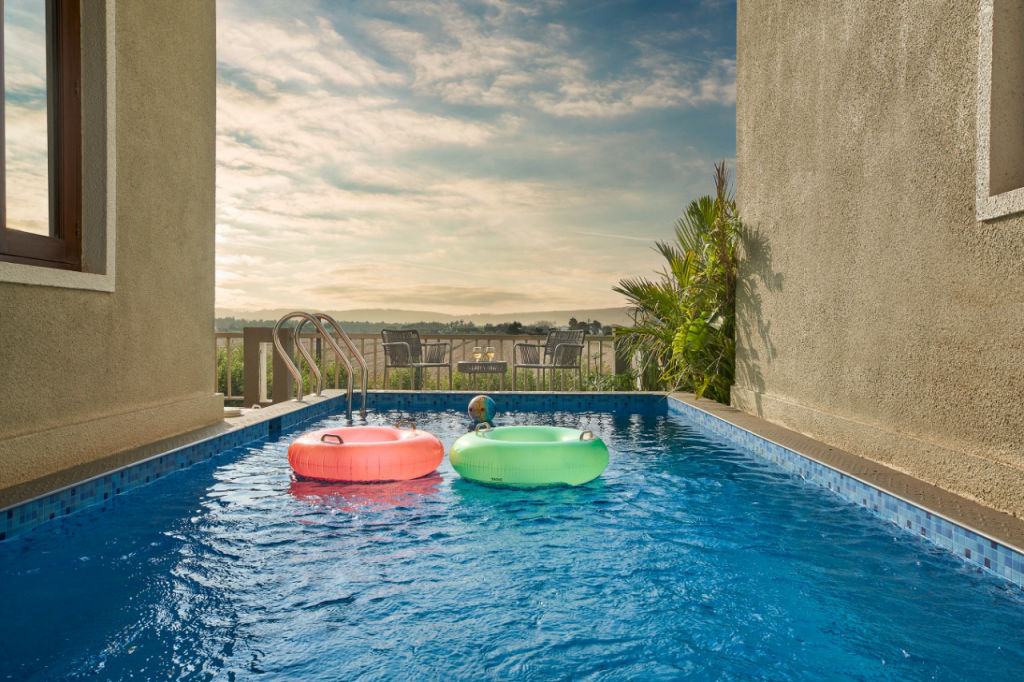
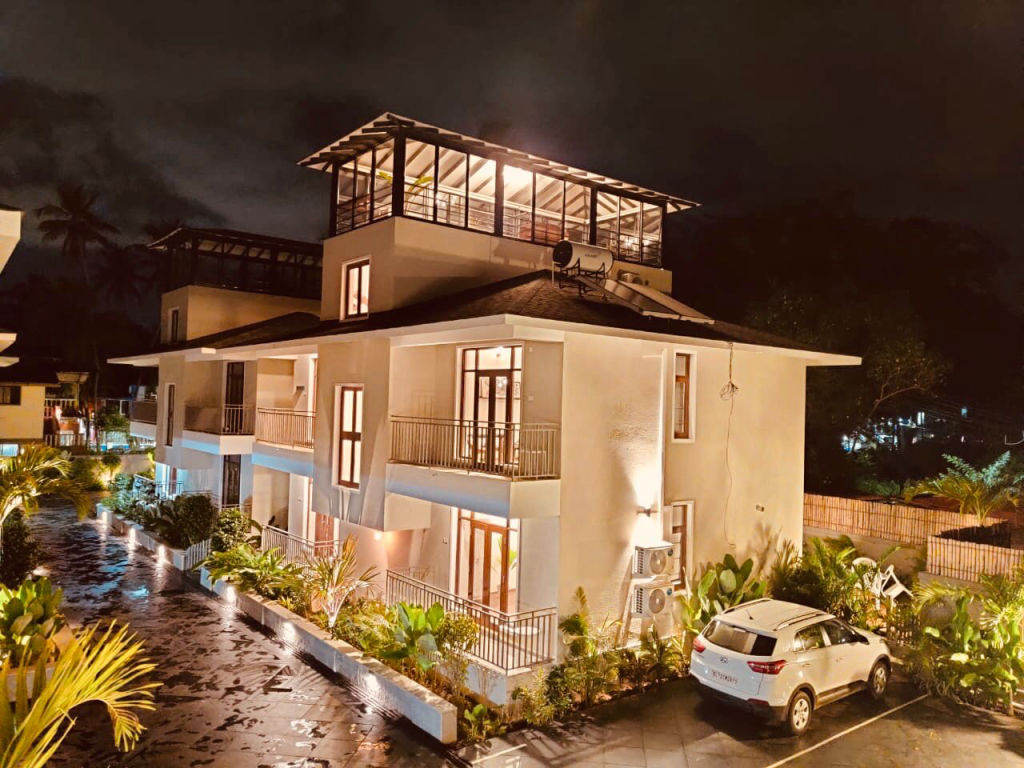
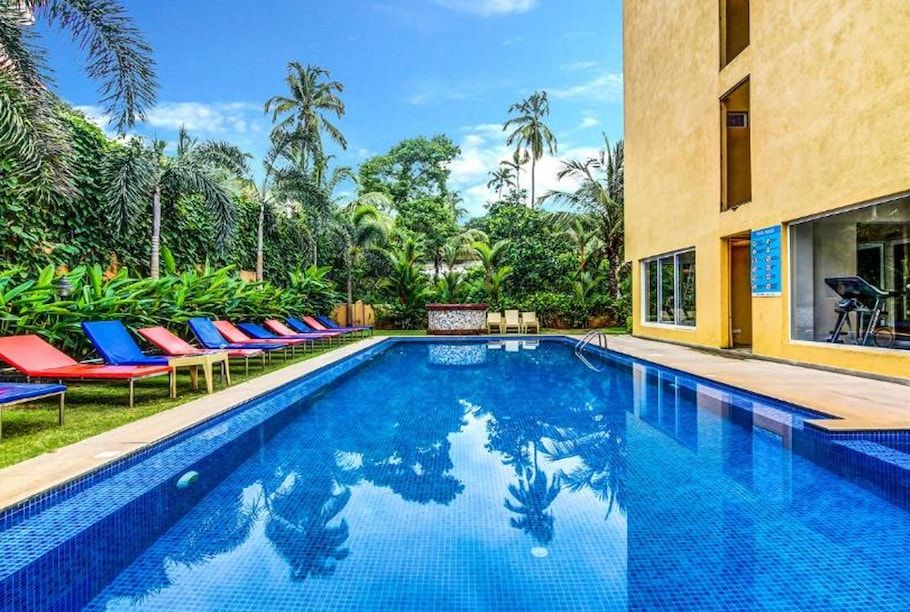
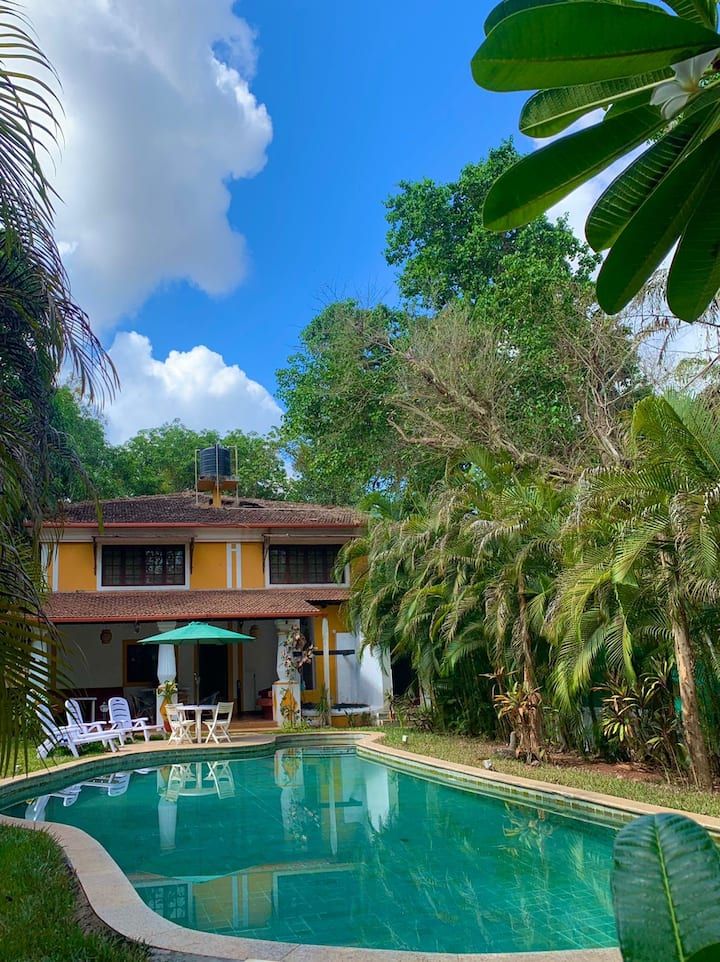
More places near Dharohar
Within 20 km
Built from 0 Instagram posts by 0 creators. Every tip links back to the post it came from, and where creators disagree we show both sides.






