
Panjim
Destination in Goa
Panjim, also known as Panaji, is the relaxed riverside capital of Goa, set along the banks of the Mandovi River. Known for its preserved Portuguese colonial architecture, vivid heritage quarters, and scenic riverfront promenades, it offers a cultural side of Goa distinct from the crowded beach belts. Travellers visit to explore historic neighbourhoods on foot, sample traditional Goan cuisine, and enjoy easy access to both North and South Goa.
Getting there
By road
- From Pune8 hr 55 min · 433 km
Typical drive times without traffic. Stations and airports from OLA Maps; distances and typical drive times from OpenStreetMap (© OpenStreetMap contributors); notes from creators' Reels.
About Panjim
Written with AI from map data and general knowledge. Check prices and timings locally before you go.
Understanding Panjim and Its Heritage
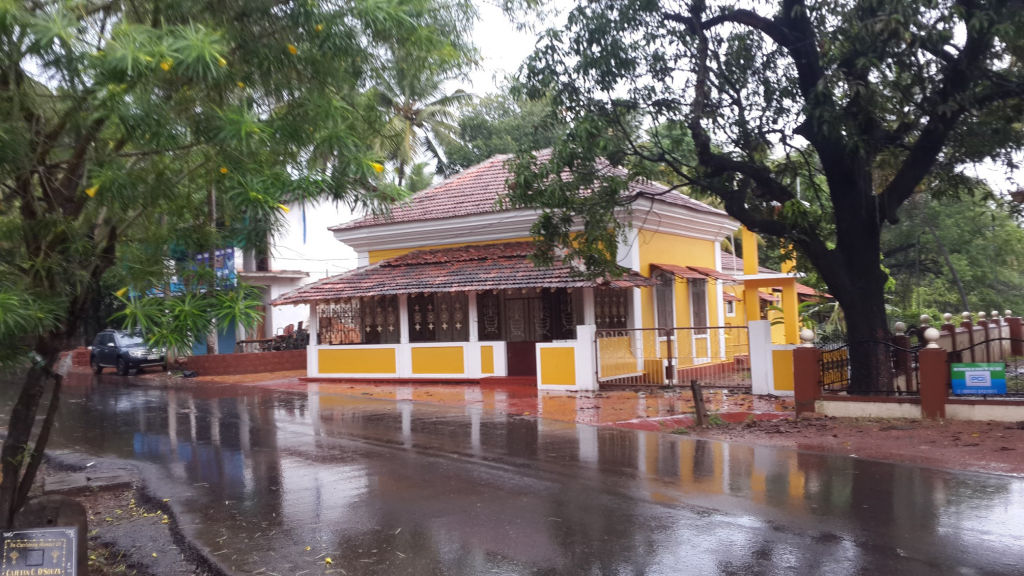
Panjim has served as the administrative capital of Goa since the mid-nineteenth century, when the seat of Portuguese colonial rule shifted downstream from Old Goa along the Mandovi River. The town grew into an organised settlement with a distinctive European street layout, pastel-toned civic structures, and tiled residential lanes that remain intact today.
The heart of the city centres around historic squares, century-old churches, and wide riverfront avenues. Unlike Goa's bustling seaside resort towns, Panjim retains an unhurried civic rhythm where residents still run local bakeries, convene in leafy squares, and maintain houses handed down through generations. Walking through its central avenues offers a quiet glimpse into coastal Goan urban history, shaped by centuries of trade, colonial administration, and indigenous Konkan traditions.
Things to Do in Panjim
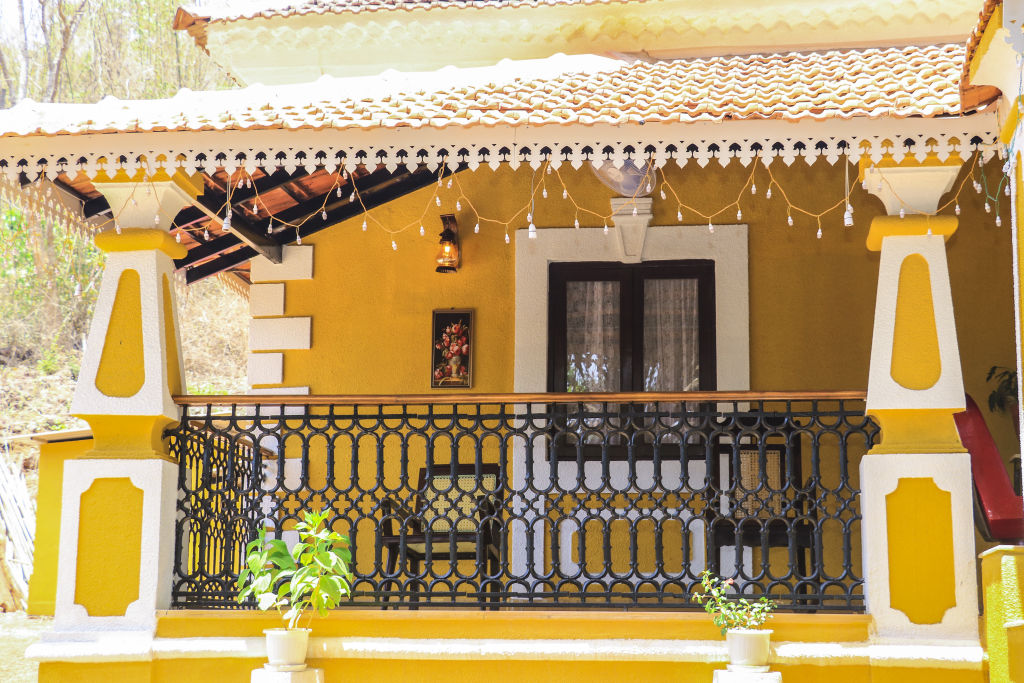
A primary highlight of visiting Panjim is exploring Fontainhas and Sao Tome, the atmospheric Latin Quarters of the city. These neighbourhoods are recognised for their narrow cobblestone streets, overhanging wooden balconies, and vibrant rows of houses painted in hues of ochre yellow, indigo, and terracotta red. Early mornings and late afternoons are the ideal times for self-guided walking tours, when the light softens and local life gently unfolds along the lanes.
In the city centre, the Church of Our Lady of the Immaculate Conception stands out with its grand zigzag staircase and pristine white baroque facade. Climbing to the viewing landing in front of the church gives visitors a sweeping perspective of the municipal gardens and surrounding commercial streets.
Along the Mandovi riverfront, evening walks along the promenade provide cool river breezes, views across to the green hills of Betim, and scenes of passenger ferries crossing the water. Nearby urban beaches like Miramar offer long stretches of sand for watching the sun set over the Arabian Sea, while viewpoints such as Dona Paula provide panoramic outlooks across the confluence of the Zuari and Mandovi estuaries.
Read more
Day Trips and Getaways Around Panjim
Due to its central geographical position in Goa, Panjim serves as a practical base for exploring both the northern hinterlands and southern coastal sanctuaries. Just a short drive upriver lies Old Goa, a UNESCO World Heritage site home to monumental sixteenth-century basilicas and cathedrals that reveal the grand scale of early Portuguese rule on the subcontinent.
Nature enthusiasts can head across the river to the mangrove forests of Chorao Island, where the Salim Ali Bird Sanctuary shelters kingfishers, egrets, herons, and mudskippers along sheltered creek channels. A short ferry ride with a vehicle connects the mainland to these serene backwater islands, where life moves at a traditional village pace.
Travellers interested in village life can also drive inland toward the spice plantations of Ponda or head north toward the quieter, forested coastal hamlets near Parcem and Pernem. These regions offer green rural trails, cashew orchards, and traditional Konkan settlements away from the heavily built-up coastal corridor.
Best Time to Visit Panjim
The winter months between November and February are the most comfortable time to visit Panjim. Daytime temperatures during this season hover around comfortable levels, humidity drops considerably, and the evenings are cool and pleasant for strolling through heritage quarters and along the riverbank.
The summer period from March to May brings high temperatures and rising humidity. While afternoons can be hot and slow, the mornings and evenings remain manageable for sightseeing, and the city experiences fewer tourist crowds than during the winter peak.
The southwest monsoon arrives in June and continues through September, transforming Goa into an emerald landscape. Panjim takes on a distinct character in the rains, with washed-clean streets, dramatic clouds over the Mandovi River, and flourishing greenery across the surrounding hilltops. It is a rewarding time to visit for those who appreciate quiet rain-swept walks, provided one carries reliable waterproof footwear and an umbrella.
How to Reach Panjim
Panjim is centrally located in Goa and easily accessible through several transport routes. The nearest international airports are Dabolim Airport in central Goa, approximately thirty kilometres to the south, and Manohar International Airport at Mopa in North Goa, roughly thirty-five kilometres to the north. Both airports have regular domestic and international flights connecting major Indian metropolises, with taxis and scheduled airport buses operating directly to Panjim.
For train travellers, the major railway stations serving the city are Karmali, situated about twelve kilometres to the east, and Margao, located roughly thirty-five kilometres south. Karmali is the most convenient railhead for travellers arriving via the Konkan Railway route from Mumbai or Mangalore.
Panjim also hosts a central state bus terminus that connects with regular interstate bus services from Mumbai, Pune, Belagavi, and Bengaluru. Travellers arriving by private car or taxi can enter the city easily via national highway networks connecting North and South Goa.
Practical Tips for Exploring Panjim
Much of Panjim's historic charm is best experienced on foot, so comfortable walking shoes are essential for navigating the stone pavements and gentle inclines of Altinho hill. When walking through residential areas like Fontainhas, visitors should respect local residents' privacy by avoiding photographing inside private homes or blocking narrow alleyways.
Public ferry services operate across the Mandovi to nearby island communities and offer an inexpensive, scenic way to view the town from the water. For local travel between the city centre, Miramar, and Dona Paula, municipal buses, auto-rickshaws, and self-drive two-wheelers are widely available.
Modest dress is required when entering religious buildings such as the local cathedral and parish churches, where shoulders and knees should be covered. Carrying a reusable water bottle, sunscreen, and a light hat is recommended during midday explorations.
Where to Stay in and Around Panjim
Choosing where to stay depends largely on the kind of experience you want. Within the city itself, staying in or near the heritage quarters allows you to wake up steps away from traditional bakeries, classic streetscapes, and evening walks along the Mandovi promenade.
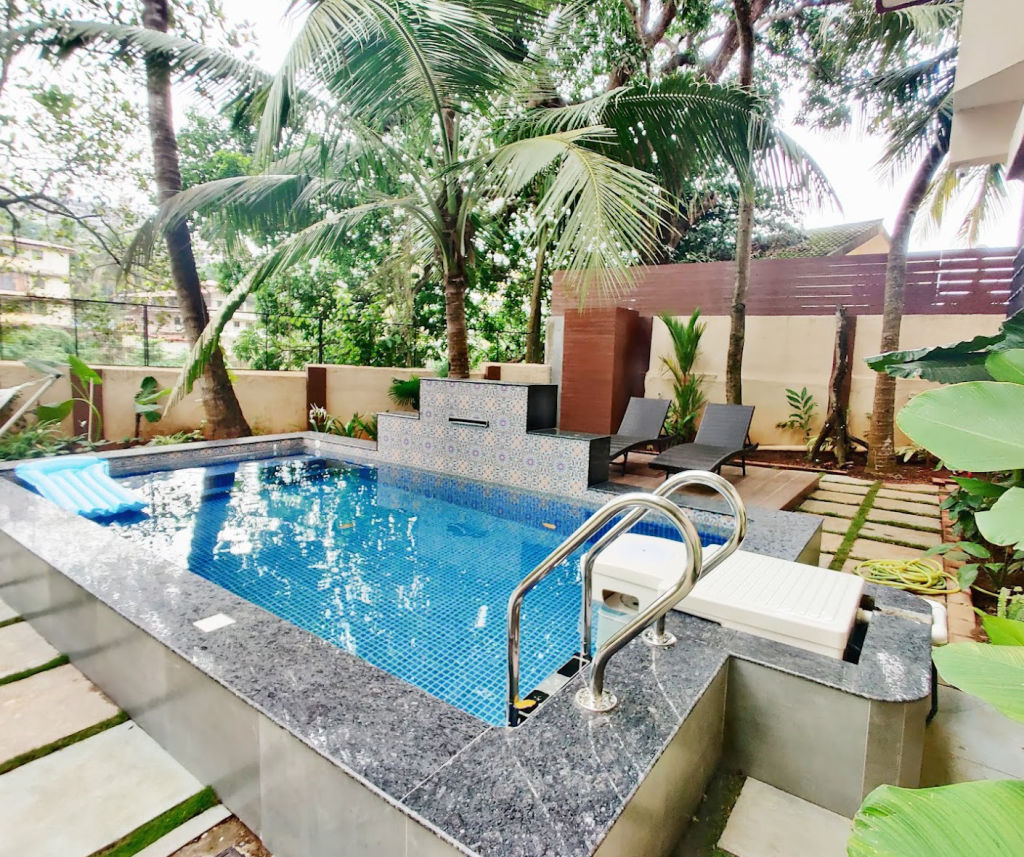
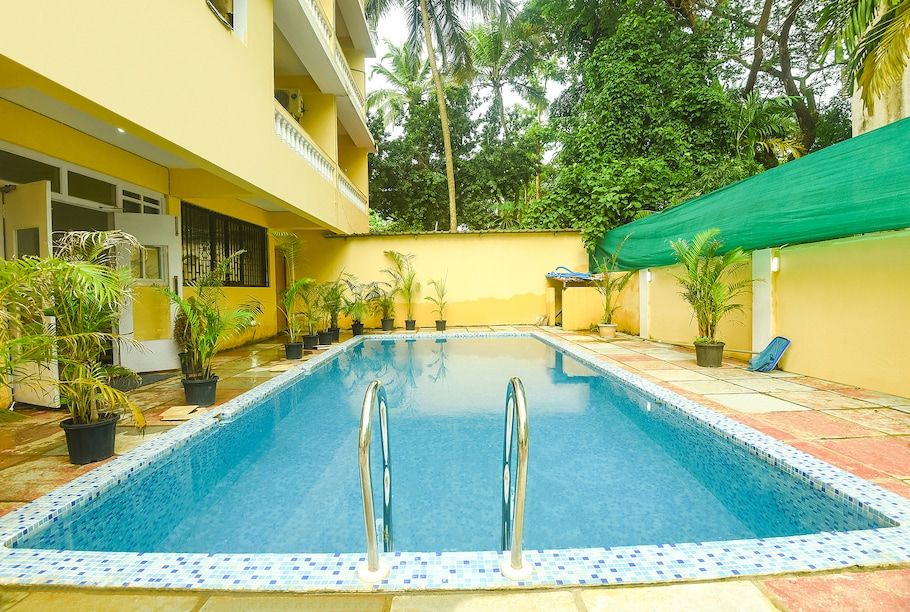
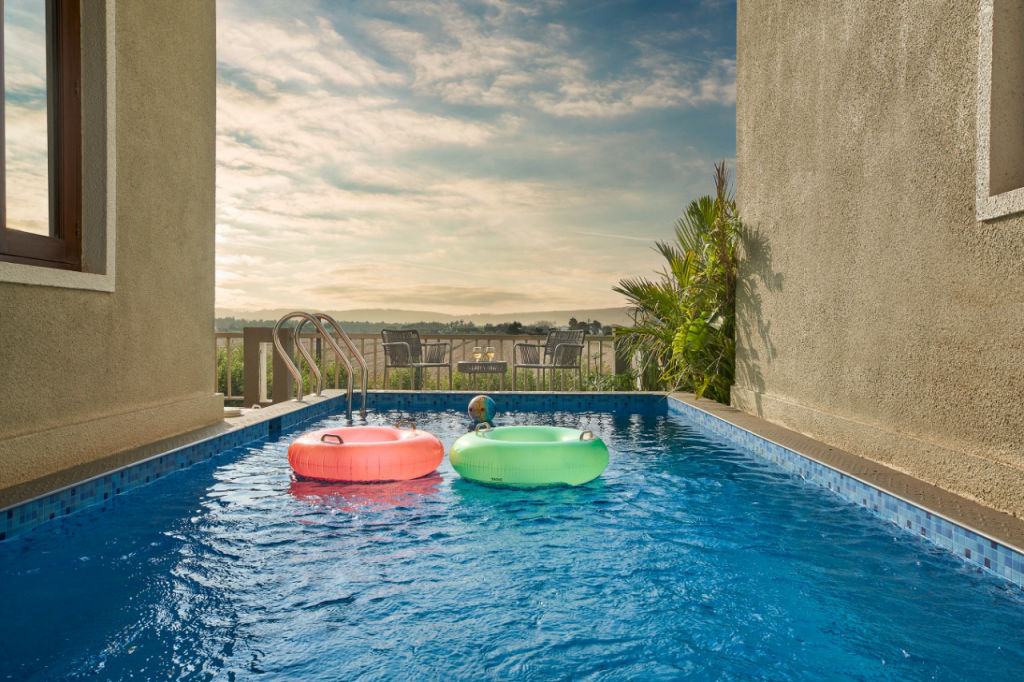
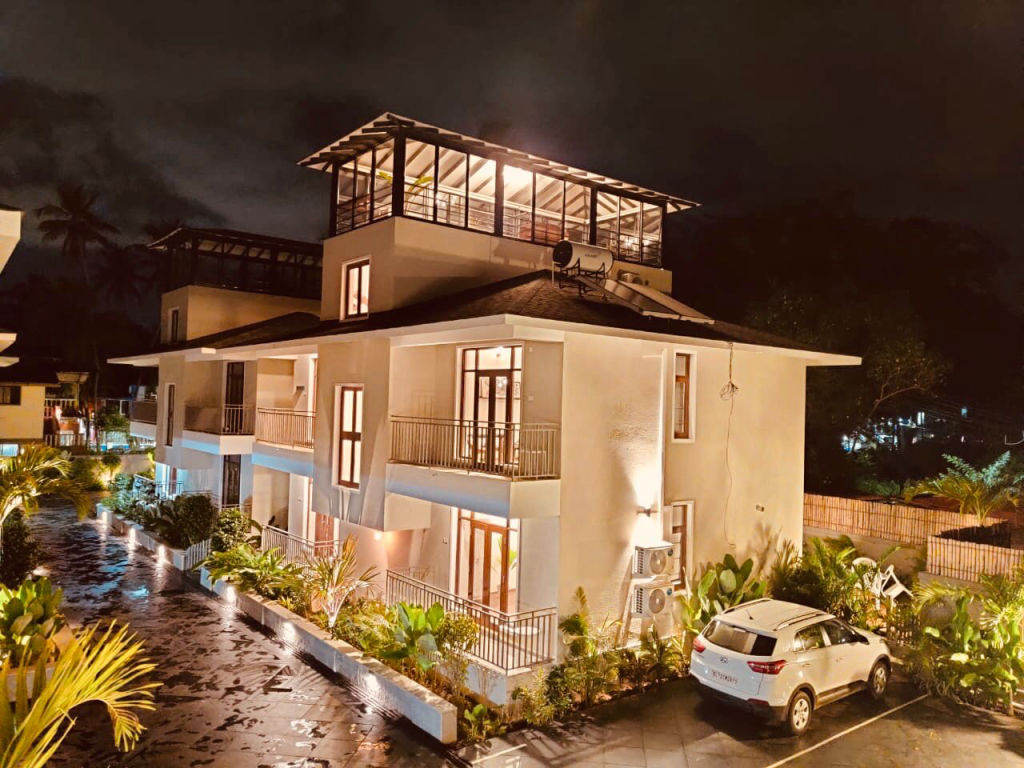
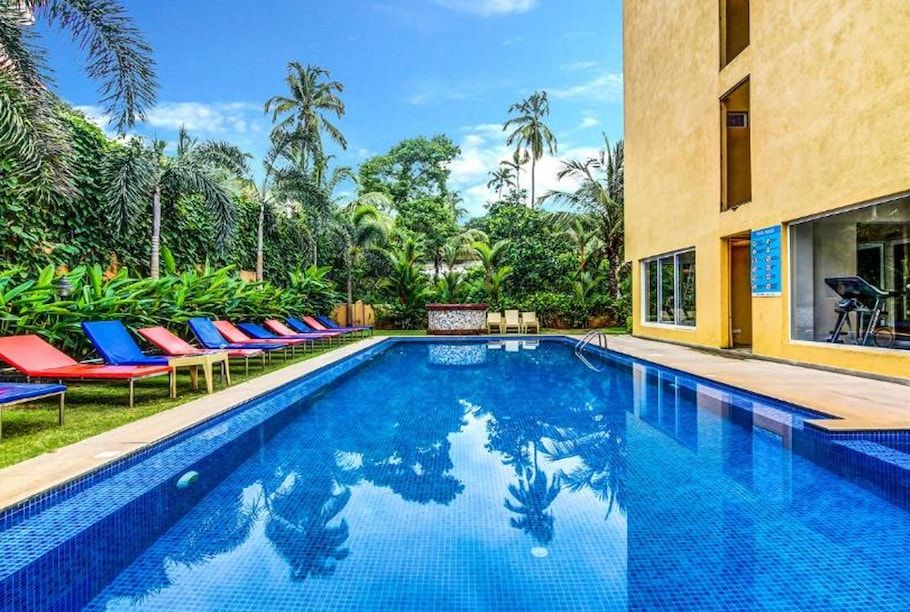
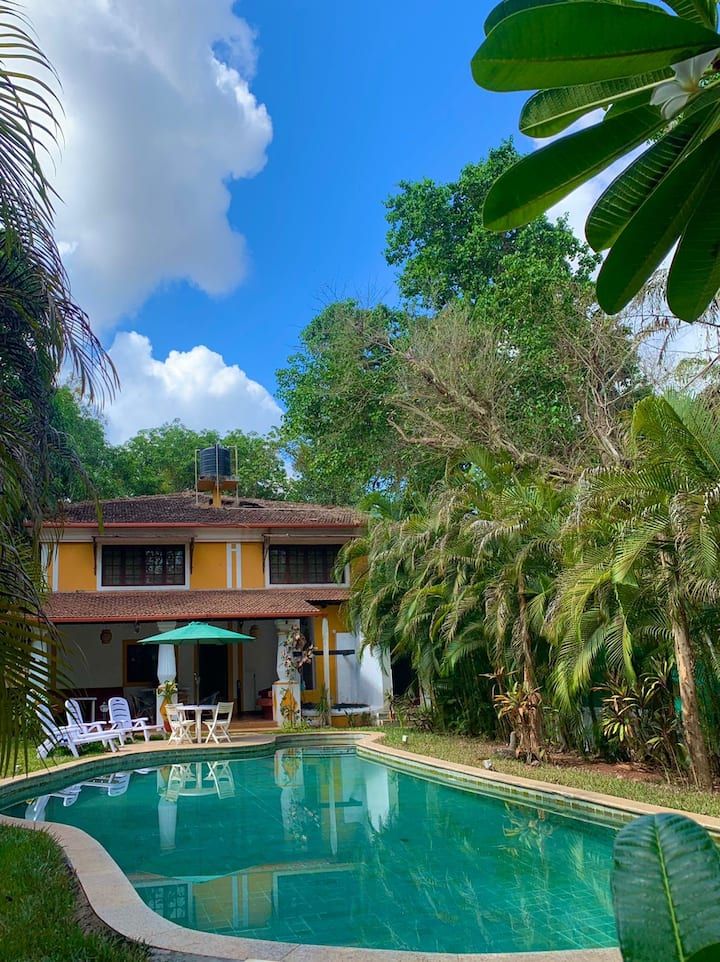
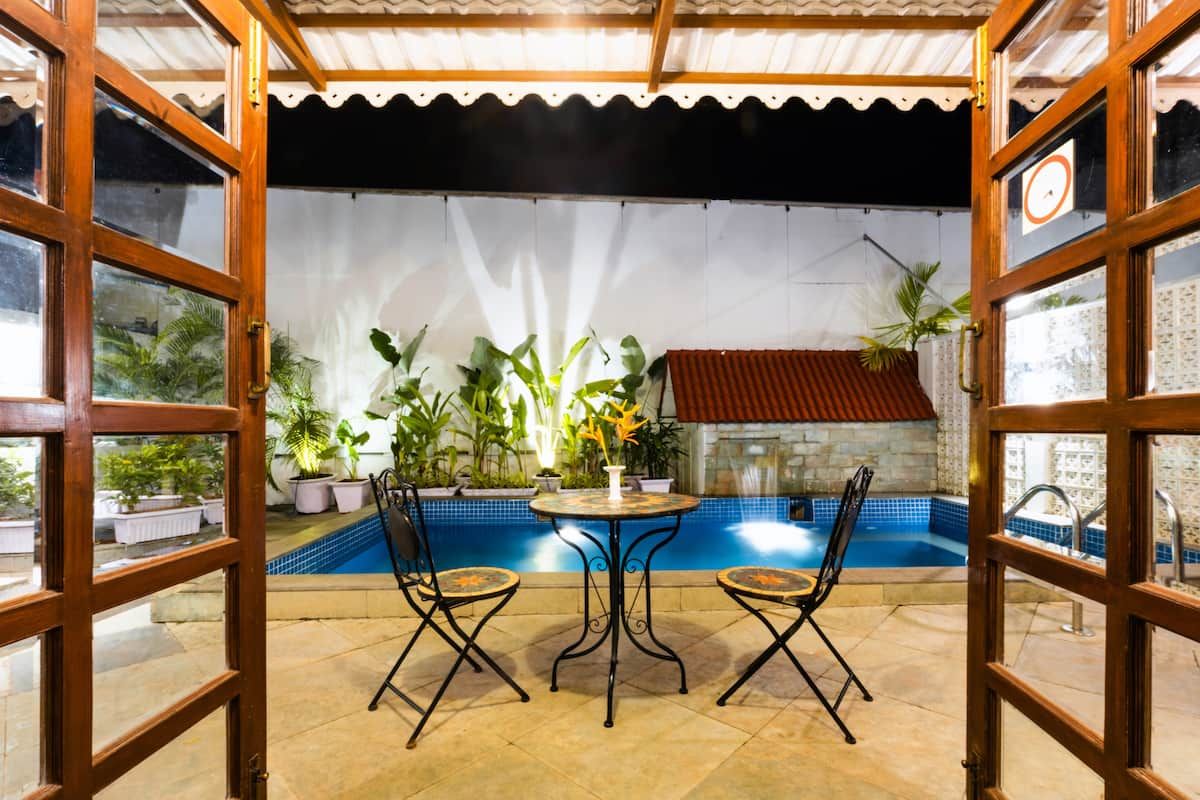
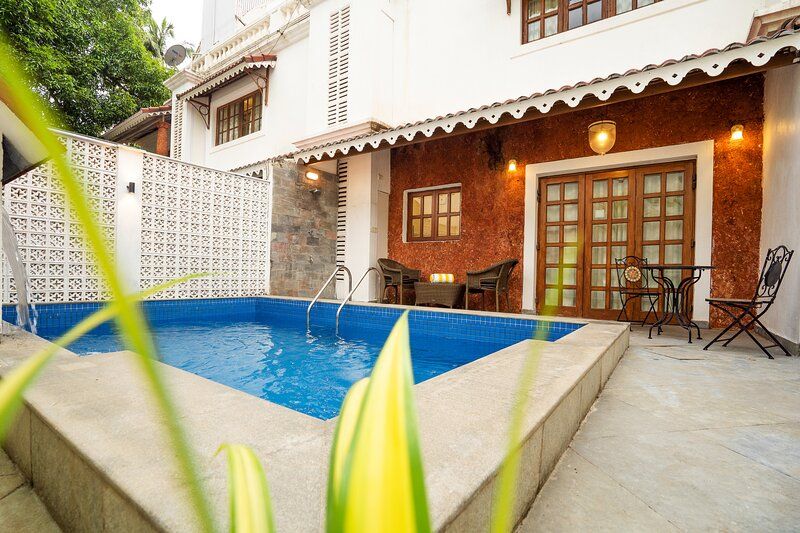
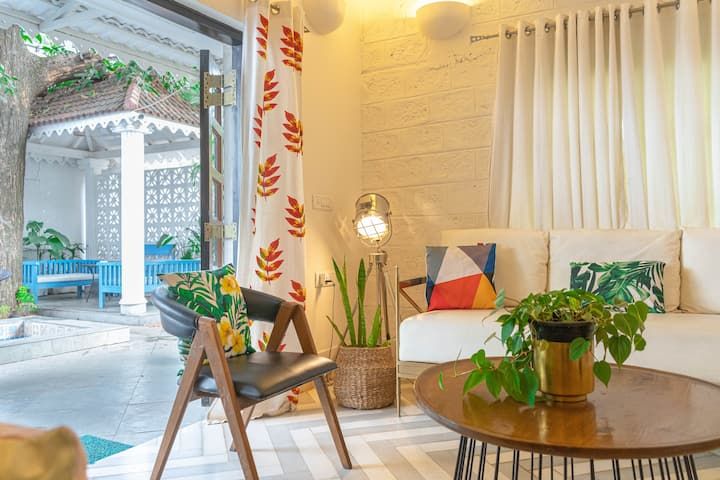
If you prefer quieter, nature-oriented surroundings, rural getaways and village bases outside the urban core offer peaceful alternatives. The lush green hinterlands north of the city and the riverside communities along the Mandovi backwaters host characterful stays close to orchards and estuarine wetlands. A curated range of homestays, rural retreats, and nature camps in and around Panjim can be found on HireACamp.
Frequently asked questions
What is Panjim most famous for?
Panjim is known for its colourful Latin Quarter of Fontainhas, the historic Church of Our Lady of the Immaculate Conception, and its relaxed riverfront promenade along the Mandovi River.
Can you explore Panjim on foot?
Yes, Panjim is one of the most walkable cities in India, particularly within the historic conservation zones of Fontainhas, Sao Tome, and around Church Square.
How far is Panjim from Goa's airports?
Panjim is approximately thirty kilometres from Dabolim Airport in South Goa and about thirty-five kilometres from Manohar International Airport at Mopa in North Goa.
Is Panjim a good base for exploring both North and South Goa?
Because of its central location along the coast, Panjim allows travellers convenient day-trip access to the beaches of North Goa as well as the historical landmarks and quieter shores of South Goa.
What is the best time of year to visit Panjim?
The ideal time to visit is from November to February when temperatures are moderate and the weather is dry, though the monsoon months from June to September offer lush green scenery and a peaceful ambience.
Where you'll be
12 stays nearby shown with prices
Stays near Panjim
Book a place to stay close by

Things to do in Panjim
47 places creators recommend within 30 km
Built from 0 Instagram posts by 0 creators. Every tip links back to the post it came from, and where creators disagree we show both sides.






