
Goa State Museum
Museum near Panjim, Goa
600 m from Panjim
The nearest town, for stays, food and fuel.
The Goa State Museum is a premier cultural institution located in the heart of Panaji along the Mandovi riverfront. Housed historically within the iconic Adil Shah Palace, it showcases Goa's rich historical tapestry spanning ancient dynasties, Portuguese colonial rule, and the region's freedom struggle. Travellers and history enthusiasts visit to explore rare stone sculptures, coins, colonial manuscripts, and folk heritage that offer context beyond Goa's coastal charm.
Getting there
By road
- From PanjimNearest town3 min · 700 m
- From Pune8 hr 55 min · 432 km
Typical drive times without traffic. Stations and airports from OLA Maps; distances and typical drive times from OpenStreetMap (© OpenStreetMap contributors); notes from creators' Reels.
About Goa State Museum
Written with AI from map data and general knowledge. Check prices and timings locally before you go.
About the Goa State Museum
The Goa State Museum serves as a vital repository of the state's complex and diverse heritage. Located in Panaji, the capital city of Goa, the museum presents artefacts that trace human settlement in the region from prehistoric times through various regional ruling dynasties up to the period of Portuguese colonisation and Goa's eventual liberation. Unlike conventional tourist sights that focus purely on Goa's coastal leisure, this institution provides a meaningful look into the spiritual, administrative, and artistic evolution of the coastal territory.
The collection spans multiple dedicated galleries that house thousands of items, including ancient stone sculptures, bronzes, numismatic records, wooden carvings, and anthropological exhibits. Walking through the halls, visitors gain an appreciation for how indigenous traditions blended with diverse maritime trading influences over the centuries. For travellers seeking to understand Goa beyond the beaches, spending a couple of hours at the museum provides crucial historical context.
History and Setting at Adil Shah Palace
The museum has long been associated with the historic Adil Shah Palace on Dayanand Bandodkar Road, along the banks of the Mandovi River. The palace building itself has significant historical roots, having served as a fortified retreat for the Adil Shahi rulers of Bijapur before the Portuguese conquest of Goa in the early sixteenth century. Under Portuguese governance, the structure was repurposed as the Idalcao Palace, serving as the official residence for several viceroys and later functioning as the government secretariat.
The riverfront setting provides a scenic, reflective backdrop to the historical exhibits within. The heavy stone masonry, wide verandahs, and colonial architectural features of the palace building mirror the layers of Goan history documented in the galleries. Although museum departments and exhibitions have undergone reorganisations over the years, the setting along the waterfront in central Panaji keeps the museum firmly rooted in the historic core of the old city.
Read more
Exhibits and Collections to Explore
The museum's collections are organised into thematic galleries that cater to varied interests. One of the primary highlights is the sculpture gallery, which features early Hindu and Jain statues carved from basalt and granite, dating back to the Kadamba, Chalukya, and Vijayanagara periods. These figures of various deities and heroic memorial stones offer insights into the religious art and local patronage systems of early medieval Goa.
Another significant section is dedicated to Christian art and colonial history. Here, visitors can examine intricately carved wooden altarpieces, ivory religious statuettes, colonial furniture, and portraits of former governors. The museum also maintains an important collection of coins spanning diverse historical eras, alongside postage stamps, printing press relics, and historical documents that chronicle the socio-political movements leading up to the liberation of Goa in 1961. The anthropological and craft sections preserve traditional household implements, agricultural tools, and folk instruments that illustrate rural Goan lifestyle.
Best Time to Visit Goa State Museum
The museum is an indoor attraction, making it accessible throughout the year. However, the overall best time to visit Panaji and explore the museum is between October and March. During these winter months, the weather across coastal Goa is relatively mild and pleasant, allowing travellers to comfortably walk around the central streets, waterfront promenades, and old quarters before and after their museum visit.
The monsoon months from June to September bring heavy rainfall and high humidity to Goa. While the beach activities pause during this season, cultural and indoor sites like the Goa State Museum become ideal retreats from the rains, offering a quiet, unhurried atmosphere. Summer months from April to May can be quite warm and humid, so planning your museum exploration during the cooler morning or late afternoon hours is advisable.
How to Reach the Goa State Museum
The Goa State Museum is conveniently situated in Panaji along Dayanand Bandodkar Road, easily accessible by public and private transport. The main Panaji Bus Stand at Patto is only a short local bus or auto-rickshaw ride away, connecting the capital with major towns such as Margao, Mapusa, and Vasco da Gama. Regular interstate buses also arrive directly at the Panaji terminal from neighbouring states.
For those arriving by rail, the nearest major railway stations are Karmali, located roughly fifteen kilometres away, and Madgaon Junction, about thirty-five kilometres to the south. Taxis, app-based cabs, and rental scooters are readily available at these stations to bring you into Panaji. If travelling by air, both Dabolim Airport and Manohar International Airport at Mopa connect smoothly to Panaji via well-maintained highways. Once in the capital, walking is often the most pleasant way to reach the museum from nearby neighbourhoods.
Places to Visit Around Panaji
Due to its central position in Panaji, the museum sits close to several iconic landmarks. Just a short walk away is the historic Church of Our Lady of the Immaculate Conception, famous for its distinct zigzag staircases and imposing white facade overlooking the main square. Exploring the nearby Latin Quarter of Fontainhas is also highly recommended, where narrow winding lanes, brightly painted Portuguese-style homes, and traditional tiled roofs preserve the city's old-world character.
Nearby on the slopes of the hill sits the Shree Mahalaxmi Temple, a centuries-old spiritual centre held in deep reverence by the residents of Panaji. Visitors can also stroll along the riverside promenade of the Mandovi River, watch ferry boats crossing towards Betim, or plan visits to nearby coastal viewpoints like Miramar Beach and Dona Paula, both just a short drive from the city centre.
Tips for Your Visit
When planning your trip to the Goa State Museum, it is wise to verify current gallery arrangements and opening schedules locally before arriving, as exhibits and display halls are occasionally rotated or temporarily closed for maintenance. Allocate at least an hour to an hour and a half to take in the exhibits comfortably without rushing.
Dress modestly and comfortably, wearing walking shoes suitable for exploring polished museum floors as well as Panaji's surrounding streets. Photography guidelines can vary between galleries, especially around rare manuscripts and religious sculptures, so look for signage or ask the on-duty attendants before taking photos. Combining your museum trip with a walking tour of central Panaji allows you to see the living history of the town alongside the preserved artefacts.
Where to Stay Near Panaji
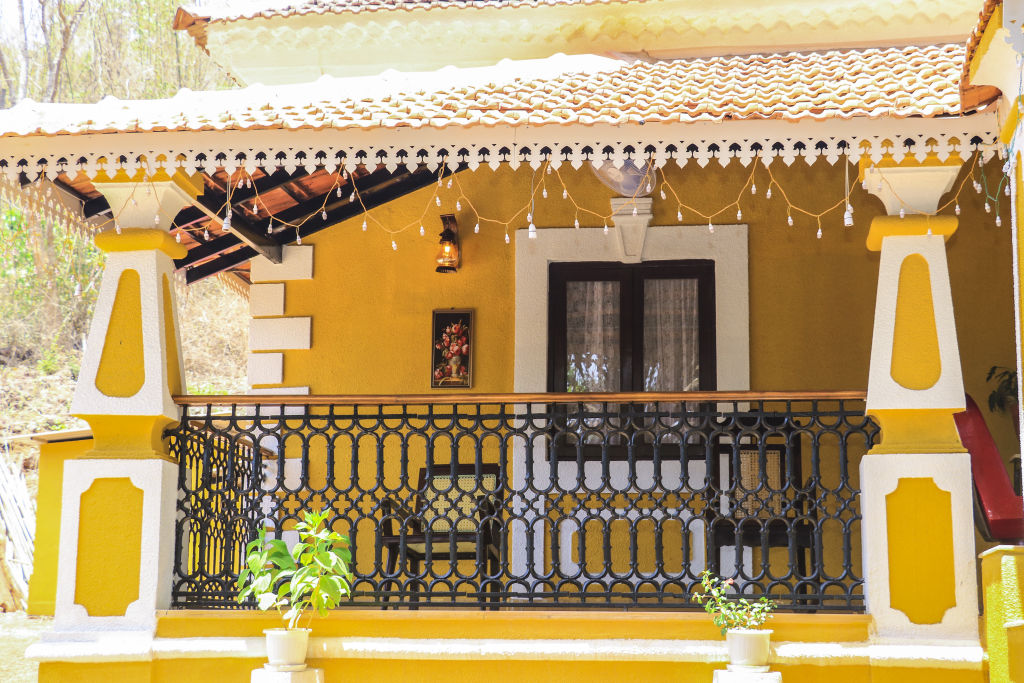
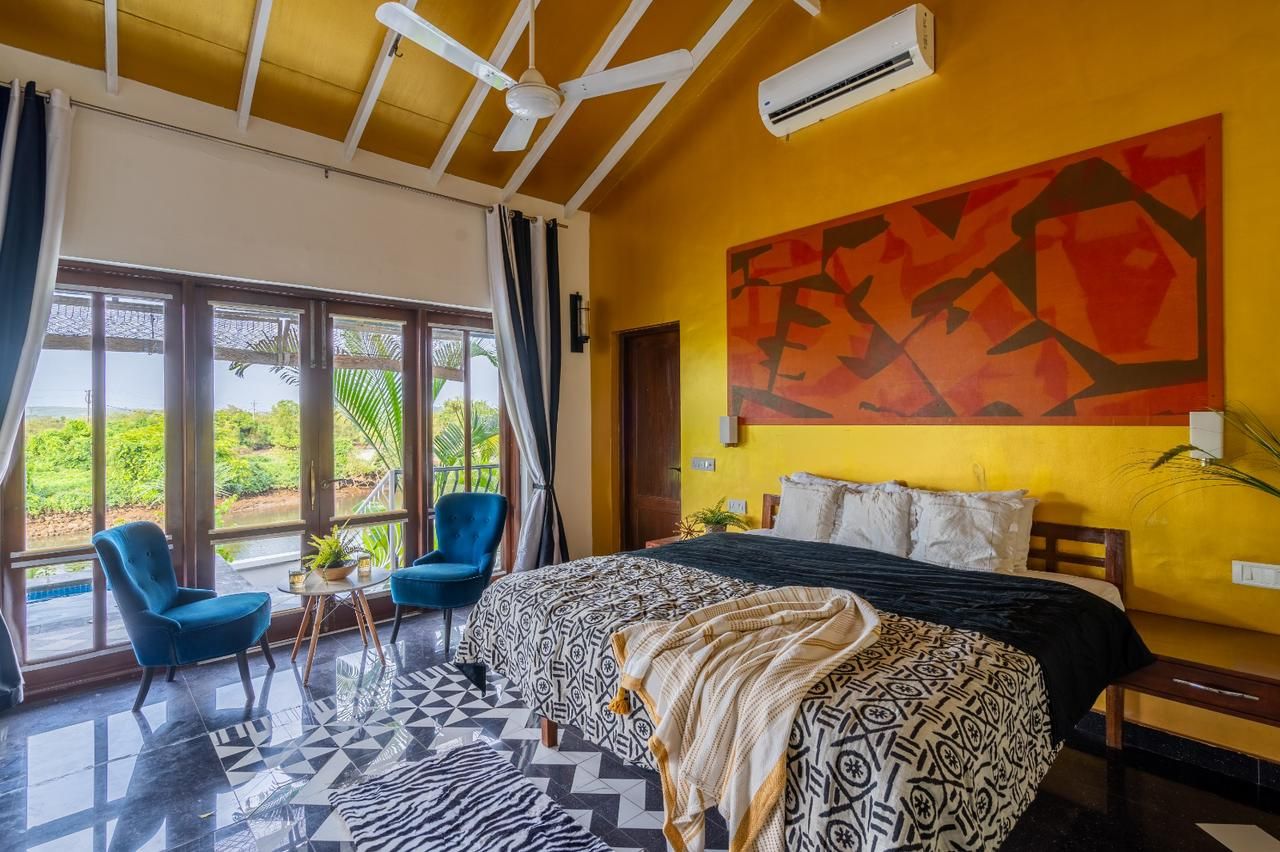
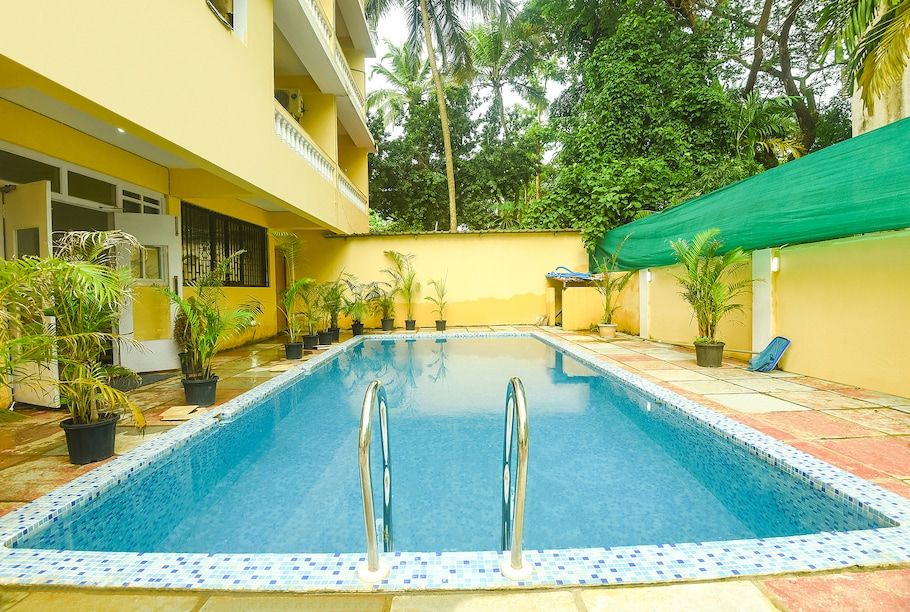
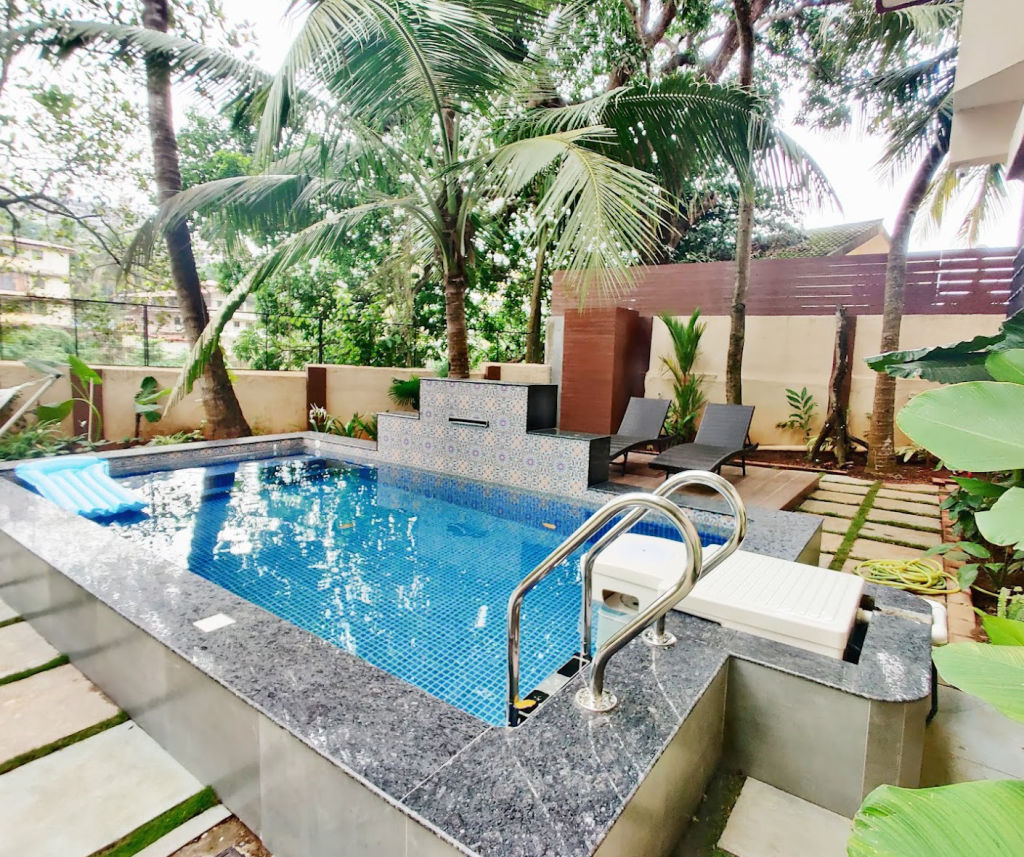
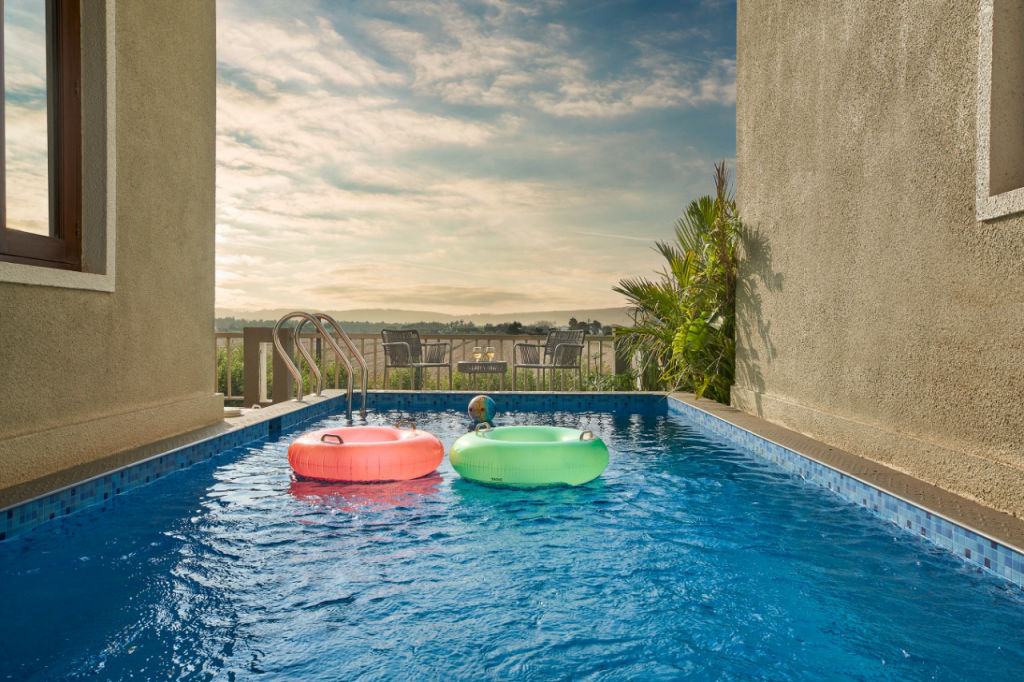
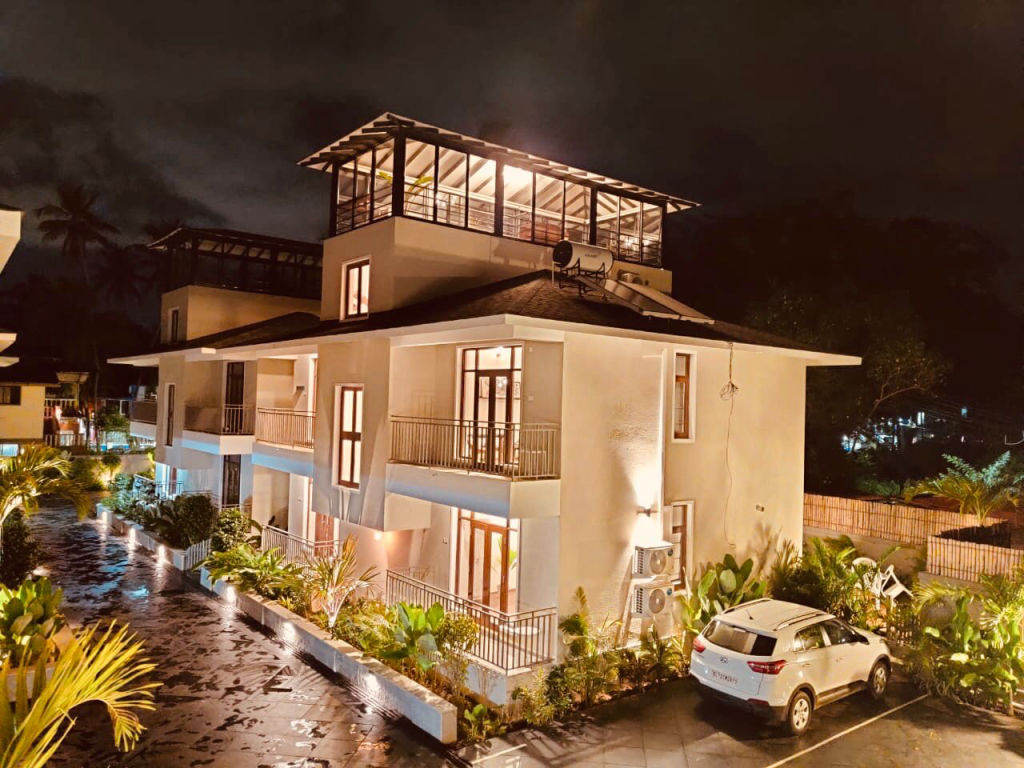
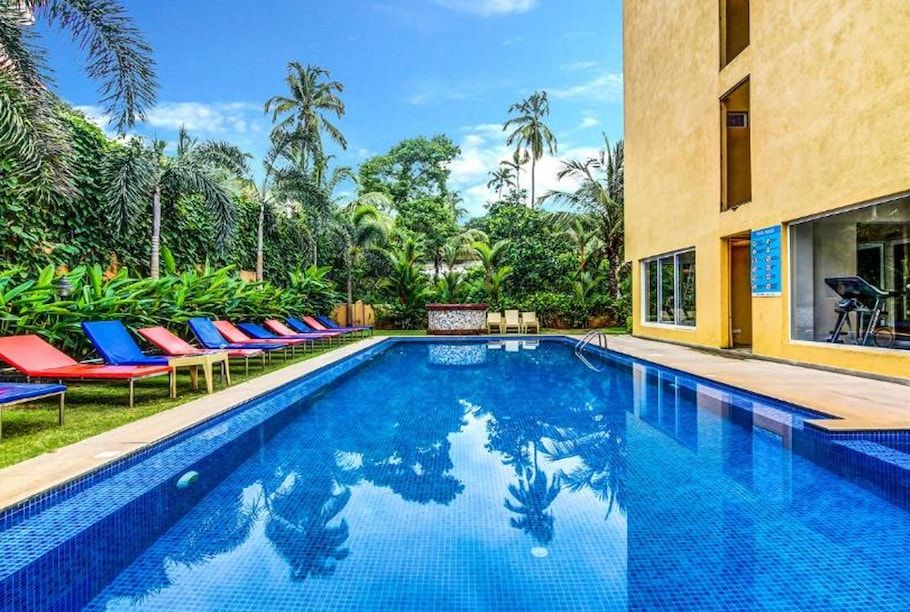
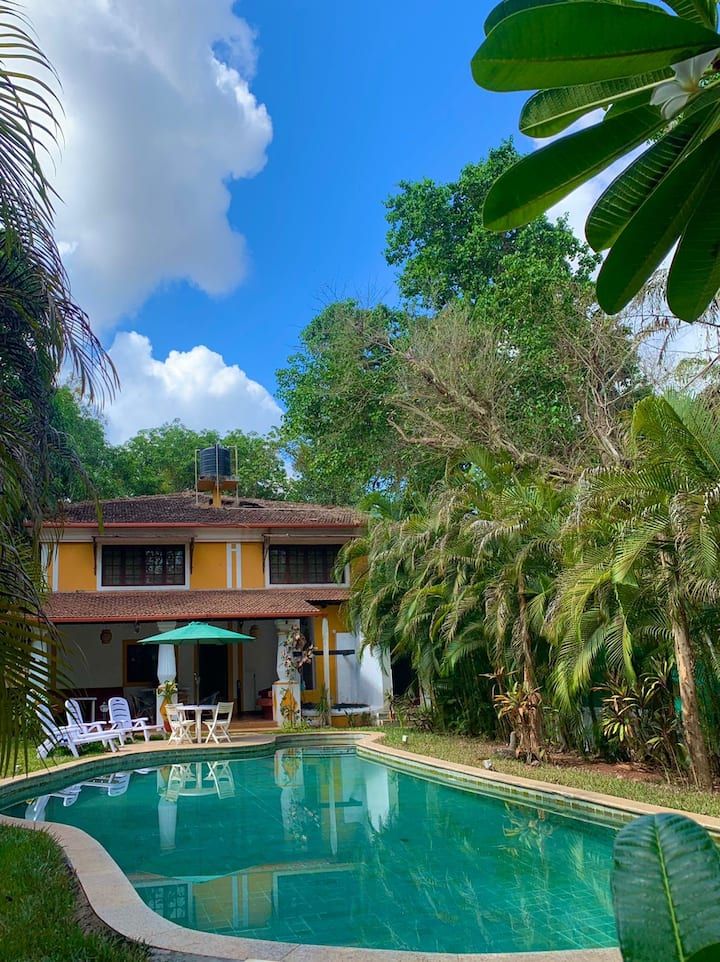
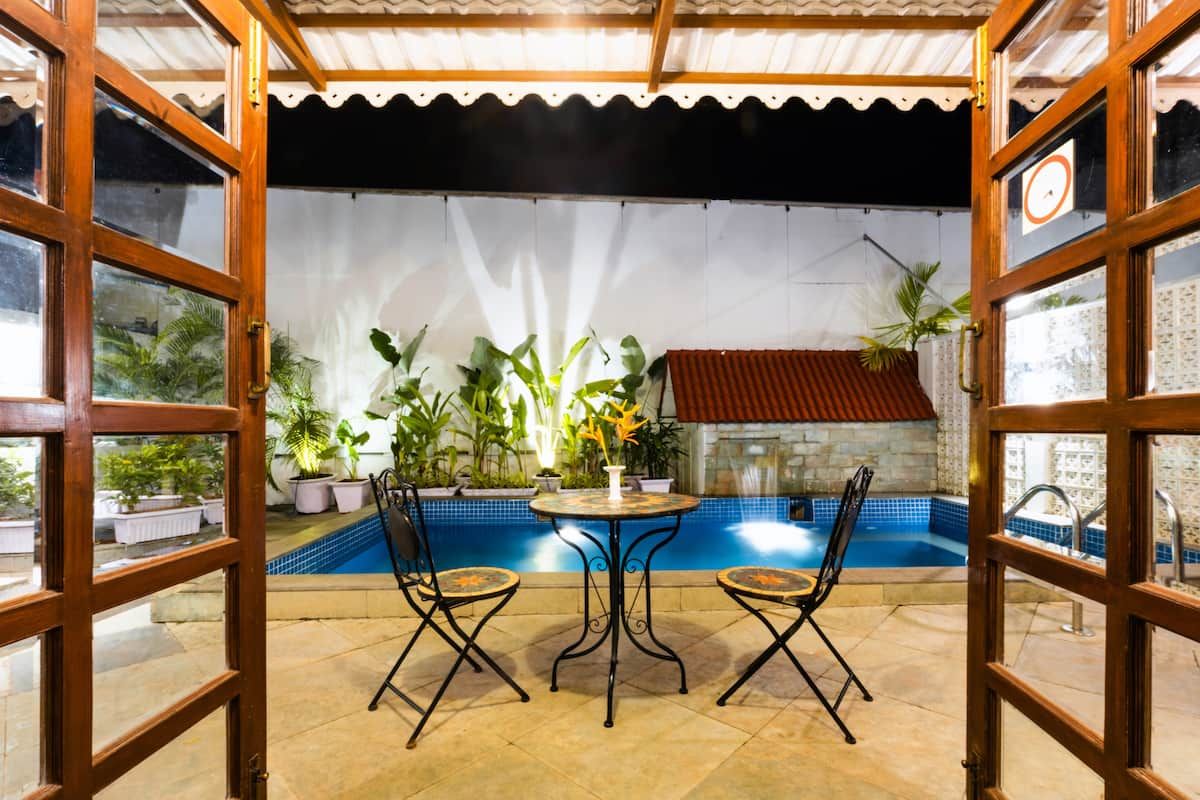
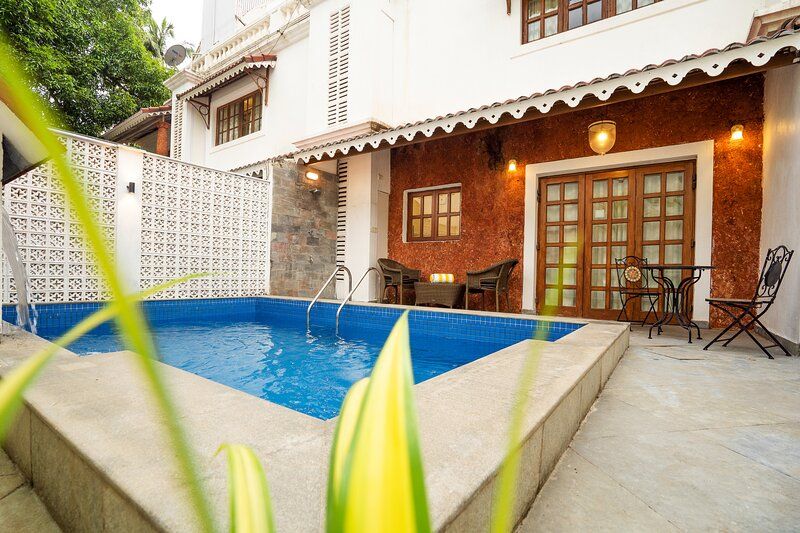
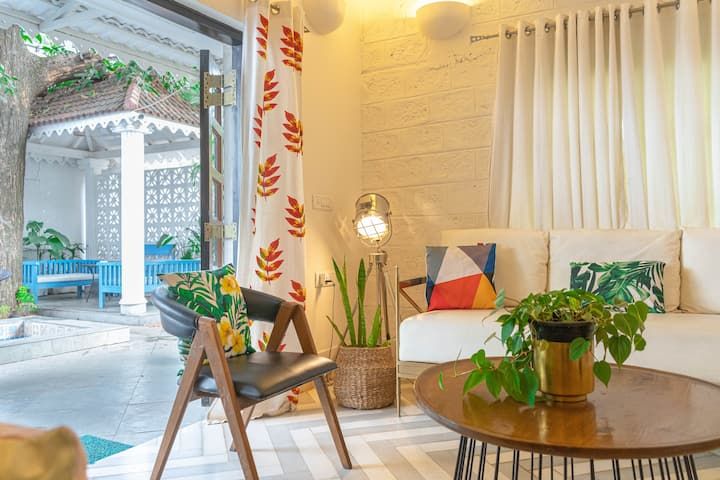
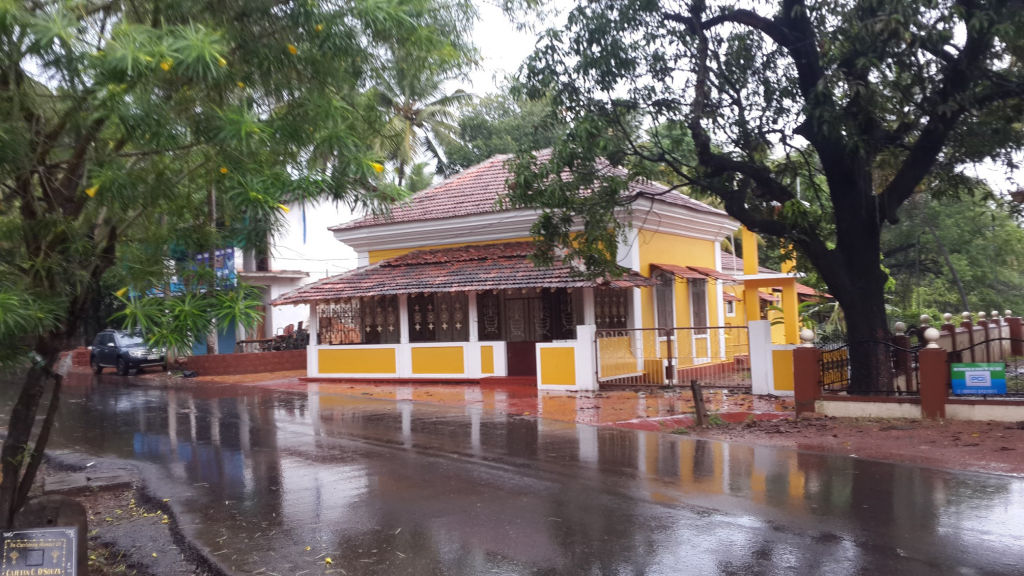
Panaji offers a wide variety of accommodation choices catering to distinct travel styles, ranging from restored heritage villas in traditional neighbourhoods to modern riverside stays. Choosing a base in or near the capital allows easy access to cultural institutions, historic churches, and river promenades, while remaining centrally positioned to explore both North and South Goa.
If you prefer a quieter, nature-oriented stay, the hinterlands, river islands, and peaceful coastal villages surrounding Panaji provide homestays and tranquil camping spots away from the busy town roads. You can find and book an array of homestays, nature retreats, and eco-camps across Goa directly on HireACamp.
Frequently asked questions
What is the Goa State Museum known for?
The museum is known for its extensive collection of ancient sculptures, colonial art, numismatics, historical documents, and folk artefacts illustrating the cultural history of Goa across different ruling eras.
Where is the Goa State Museum situated?
It is located along Dayanand Bandodkar Road near the Mandovi riverfront in Panaji, inside the historical precinct associated with the Adil Shah Palace.
How much time is needed to visit the museum?
Most visitors spend between one to two hours to view the sculptures, colonial displays, and historical galleries at an unhurried pace.
Can I visit other sights walking from the museum?
Yes, several prominent landmarks are within walking distance, including the Church of Our Lady of the Immaculate Conception, Shree Mahalaxmi Temple, and the heritage neighbourhood of Fontainhas.
Are there photography restrictions inside the museum?
Photography policies may vary across specific galleries, especially around sensitive artefacts and rare documents, so it is recommended to check the rules displayed at the entrance or ask the museum staff.
Where you'll be
Adil Shah's Palace, D B Bandodkar Road, Panaji · 12 stays nearby shown with prices
Stays near Goa State Museum
Book a place to stay close by
More places near Goa State Museum
Within 20 km
Built from 0 Instagram posts by 0 creators. Every tip links back to the post it came from, and where creators disagree we show both sides.






