
Dhundi
Valley near Manali, Himachal Pradesh
1.9 km from Manali
The nearest town, for stays, food and fuel.
Dhundi is a high-altitude alpine valley nestled along the infant Beas River near Manali in Himachal Pradesh. Framed by rugged mountain peaks, pine woodlands, and boulder-strewn meadows, it offers an escape into untouched Himalayan nature. Travellers head here to enjoy peaceful riverside walks, admire panoramic alpine views, and start classic treks like Beas Kund.
Getting there
By road
- From ManaliNearest town14 min · 3.7 km
- From Chandigarh5 hr 35 min · 266 km
- From Ludhiana6 hr 5 min · 296 km
- From Amritsar8 hr 5 min · 407 km
Typical drive times without traffic. Stations and airports from OLA Maps; distances and typical drive times from OpenStreetMap (© OpenStreetMap contributors); notes from creators' Reels.
About Dhundi
Written with AI from map data and general knowledge. Check prices and timings locally before you go.
About Dhundi Valley
Dhundi sits north of the bustling hub of Solang Valley in the Kullu district, marking one of the final accessible roadheads before the raw high-altitude wilderness takes over. Flowing through the valley floor is the youthful Beas River, originating higher up in glacial lakes and cascading through open meadows and rocky banks. Unlike the crowded commercial centers closer to central Manali, Dhundi offers an atmosphere steeped in stillness and dramatic Himalayan scale.
Historically, Dhundi has served as an essential staging outpost for shepherds, mountaineers, and scientific researchers heading into the high mountains. The surrounding ridges form the southern bastion of the Rohtang massif and lead toward towering summits such as Hanuman Tibba, Friendship Peak, and Ladakhi Peak. Today, it remains a favorite stop for travellers who want to step away from crowded tourist circuits and experience the dramatic geography of the upper Kullu Valley up close.
The Alpine Landscape and Setting
The geography of Dhundi is shaped by contrasting alpine elements. Lower valley slopes feature stands of Himalayan birch, silver fir, and deodar trees, which gradually give way to broad scrubland and moraine fields as the elevation rises. During late spring and summer, the riverbanks and meadows come alive with wild clover, mountain flora, and fresh alpine grass.
Framing the valley are sheer granite walls, hanging glaciers, and craggy ridges that capture the first and last golden light of the day. Because the valley opens up toward towering peaks, the weather can be dynamic, with cool mountain drafts constantly blowing down from the glaciers above. Birdlife is abundant in the warmer months, with Himalayan monals, raptors, and mountain finches frequently spotted along the tree line.
Read more
Trekking and Things to Do in Dhundi
Trekking is the primary draw for adventurers heading to Dhundi. It famously serves as the launching base for the trek to Beas Kund, a sacred high-altitude alpine lake cradled by towering glaciated peaks. The trail starts from the valley floor, winding steadily uphill through birch forests and moraine fields to reveal expansive vistas of the valley below.
For casual day-trippers, Dhundi provides a refreshing natural space for quiet walks along the riverbed. The rushing glacial waters and wide stony banks offer plenty of spots to sit, photograph the mountain contours, or simply listen to the movement of water and wind. Photography enthusiasts will find remarkable compositions here, especially during clear mornings when snowfields reflect against bright blue skies, or in late autumn when the birch foliage turns brilliant shades of gold.
Best Time to Visit Dhundi
The experience of Dhundi changes dramatically across the seasons, making the timing of your visit essential to your plans. The summer months from May through June are particularly popular, as temperatures are pleasant and most high-altitude trails are free from deep winter snow. During this time, the valley is lush and green, offering ideal conditions for day hikes and camping.
The monsoon period, extending from July to August, brings heavy rainfall across the Kullu Valley. While the vegetation turns vibrant, landslides and swollen river streams make travel along mountain roads less predictable, so extra caution is advised. Autumn, lasting from September to October, brings crisp air, clear blue skies, and dry trails, creating perhaps the most picturesque window for trekking and photography. By late November, winter begins to set in, blanketing the valley in heavy snow through February and transforming the terrain into a frozen landscape that appeals to winter sports enthusiasts and snow gazers.
How to Reach Dhundi
Dhundi is accessed via the road leading north from Manali past Solang Valley. Travellers typically arrive in Manali first, which is well connected by overnight buses, private cabs, and self-drive routes from major North Indian transit hubs like Chandigarh, Delhi, and Dehradun. The nearest airport is Bhuntar Airport, located roughly two hours south of Manali depending on traffic.
From Manali town, local taxis or private vehicles can be hired to reach Dhundi. The drive winds through scenic mountain villages, pine belts, and the bustling reaches of Solang before transitioning into the quiet stretches of Dhundi. Road conditions can vary, particularly during the winter months when snow clearance operations take place, or after intense summer storms, so it is always wise to check local road status before setting off.
Places to Visit Nearby
While Dhundi itself offers wide-open natural beauty, travellers can easily combine a trip here with neighboring sights around Manali and the Kullu Valley. Solang Valley sits just down the road, known for paragliding, zorbing, and cable car rides for those looking for lively outdoor activities. Further down, Old Manali presents a rich cultural contrast with its traditional wooden architecture and the ancient Manu Temple.
For those exploring a wider circuit, the engineering marvel of the Atal Tunnel links the upper valley to the arid, high-altitude landscapes of Lahaul. Travellers venturing farther afield in the broader region can also explore the serene village of Pulga in Parvati Valley or hidden waterfalls like Lapas, making Dhundi part of an expansive Himalayan adventure.
Tips for Visiting Dhundi
Because Dhundi sits at a higher elevation than central Manali, temperatures can drop suddenly even in the middle of summer. Carrying layered clothing, including a windproof and waterproof jacket, is essential regardless of when you visit. If you intend to walk on the uneven trails or head toward Beas Kund, wear sturdy hiking shoes with reliable ankle support and good grip.
Amenities at Dhundi are minimal compared to commercial tourist points. Pack adequate drinking water, snacks, and any personal medication you may require for the day. Mobile connectivity can be patchy in deeper pockets of the valley, so download maps offline and inform your travel party or host of your plans. Lastly, keep the landscape clean by packing out all your plastic waste and respecting the delicate alpine ecology.
Where to Stay around Dhundi
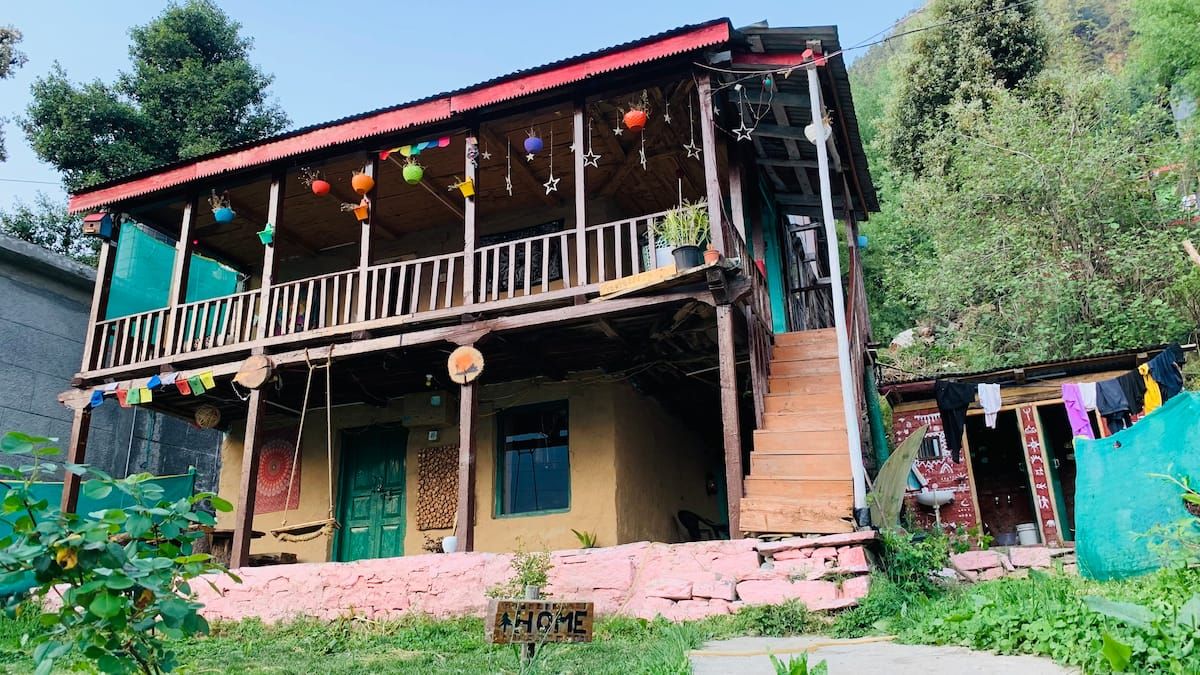
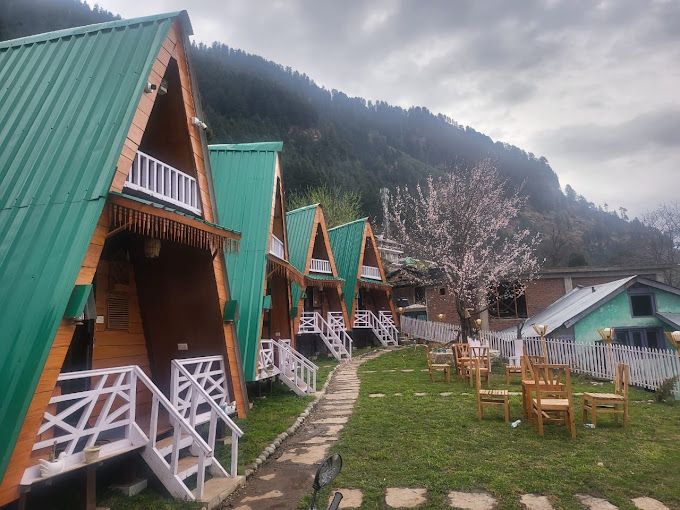
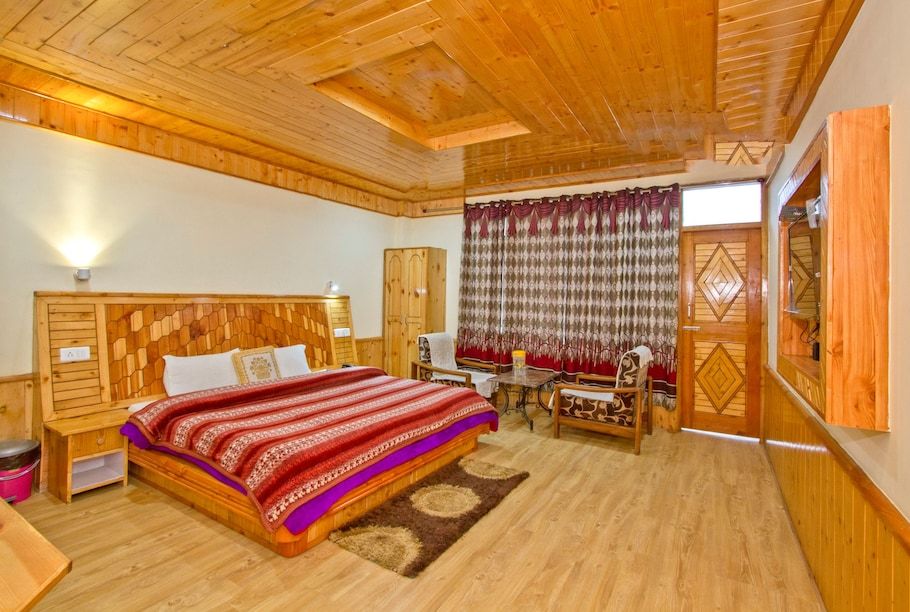
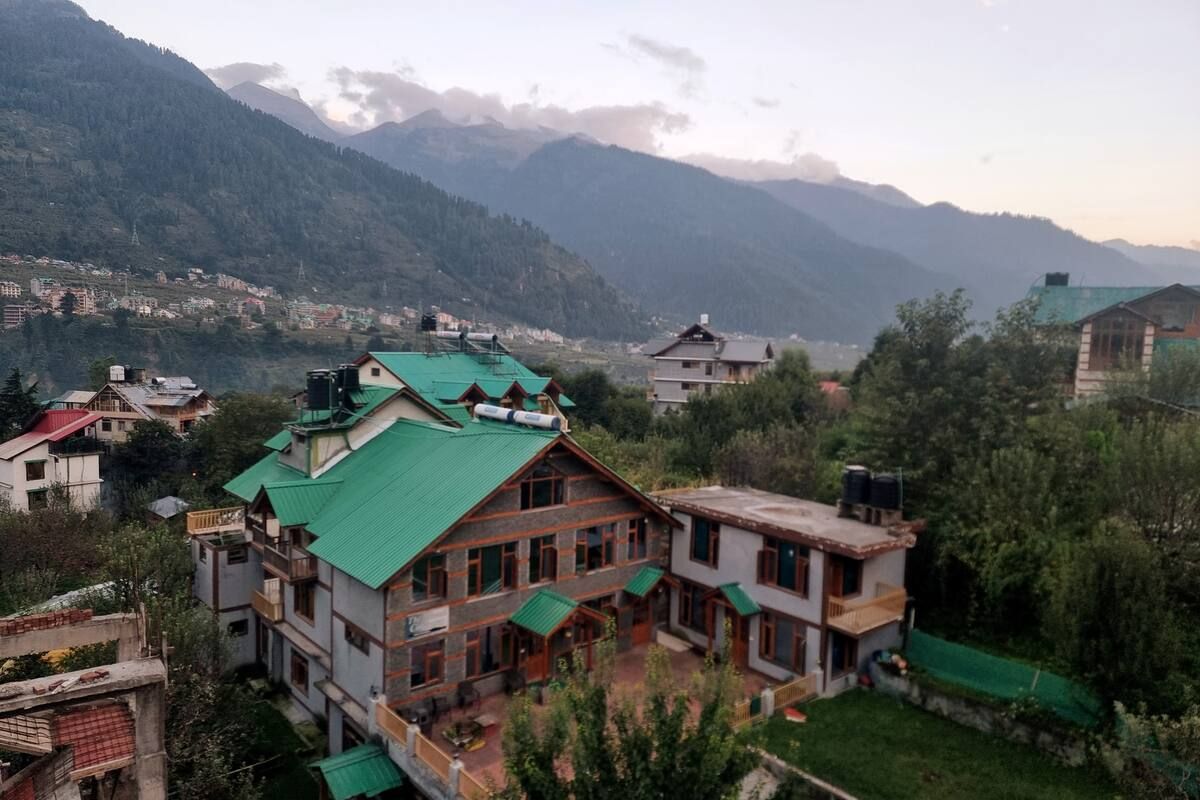
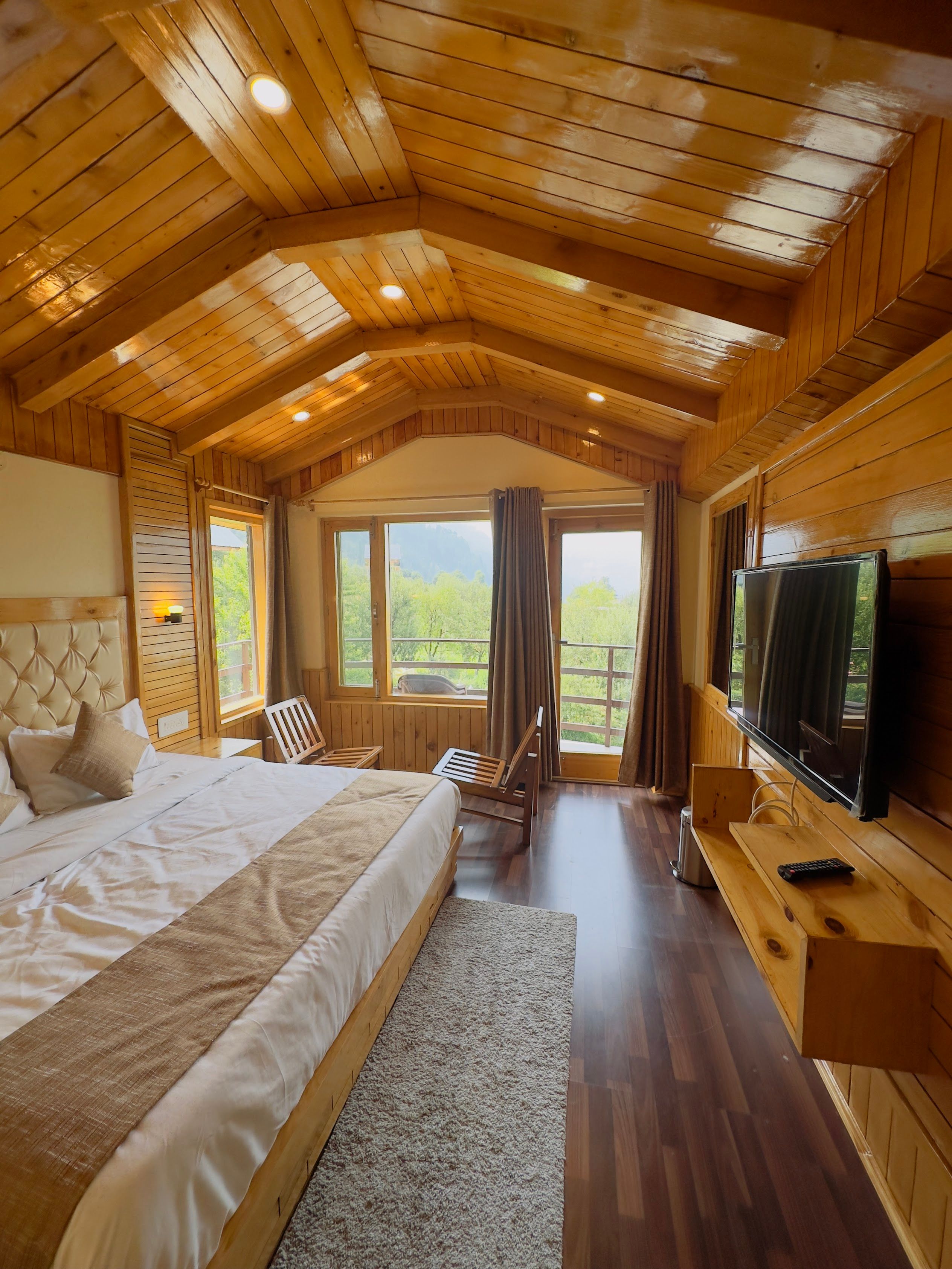
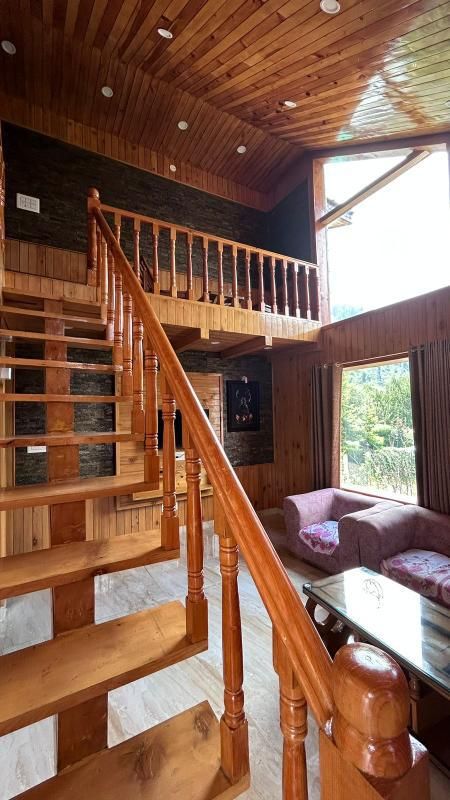
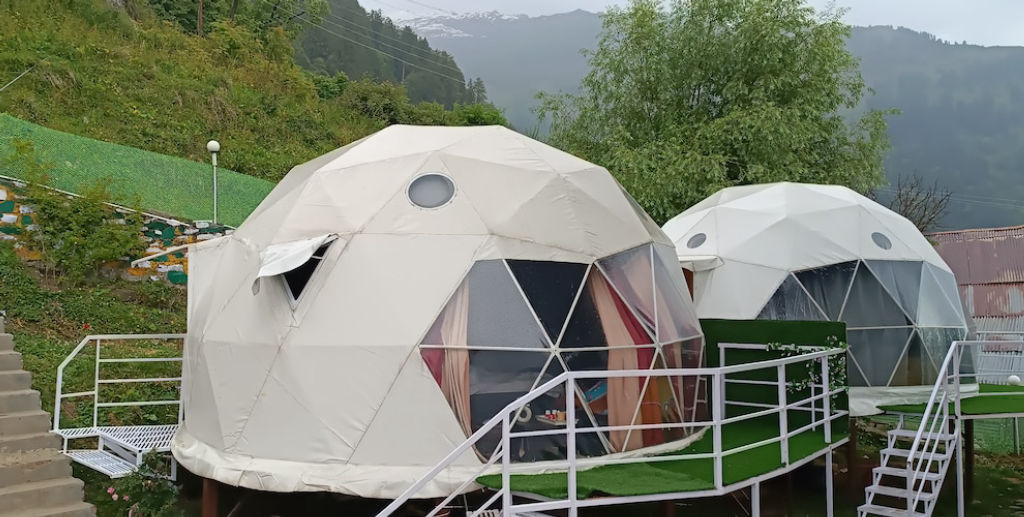
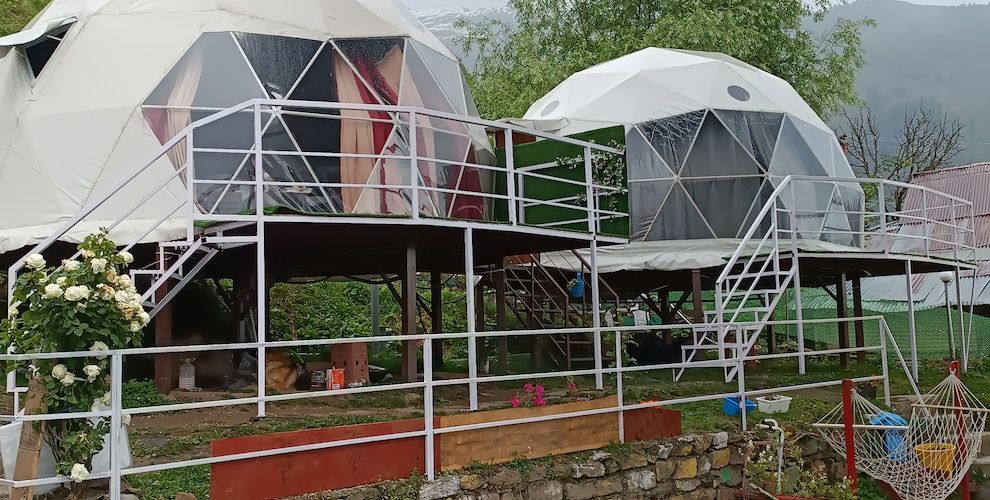
Visitors exploring Dhundi typically choose to base themselves either within the peaceful pockets of the upper valley or closer to Manali town. Staying around Dhundi allows you to wake up directly adjacent to mountain trails, crisp alpine air, and undisturbed forest views away from traffic.
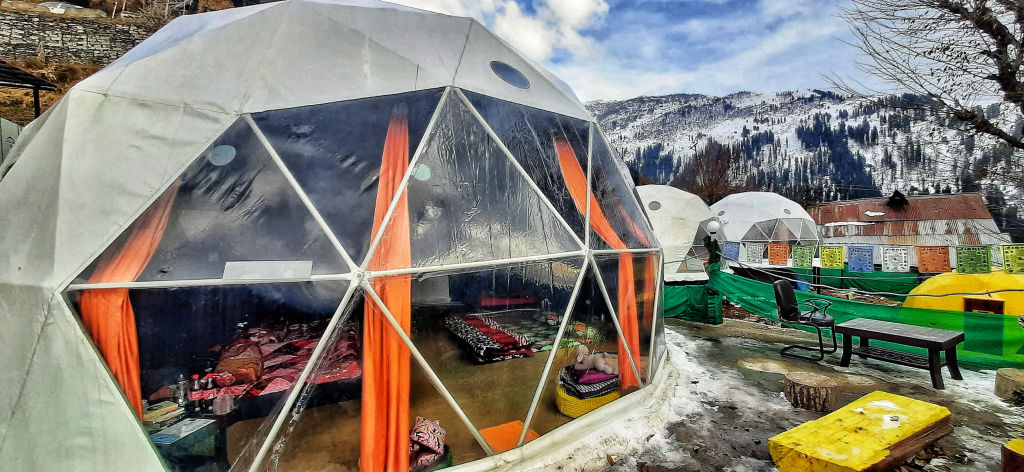
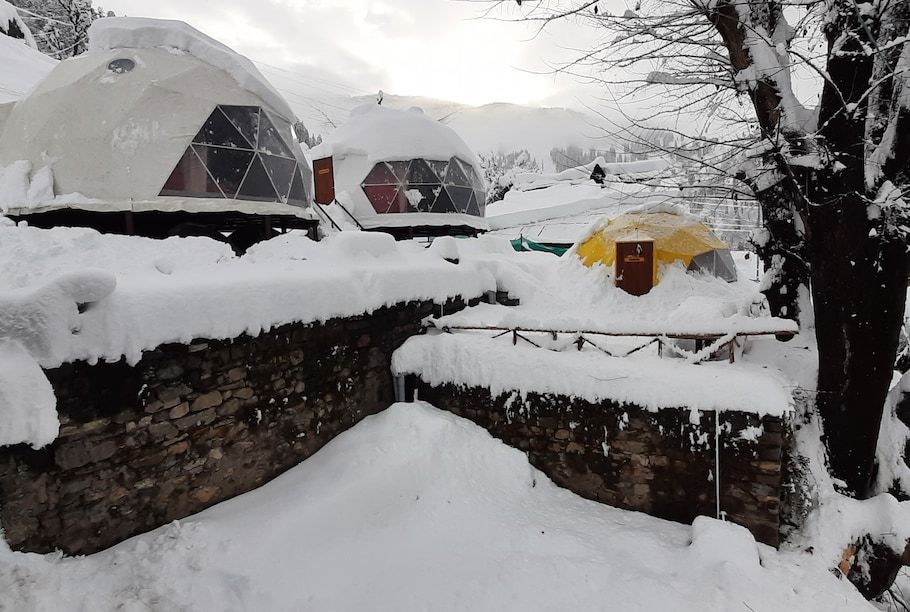
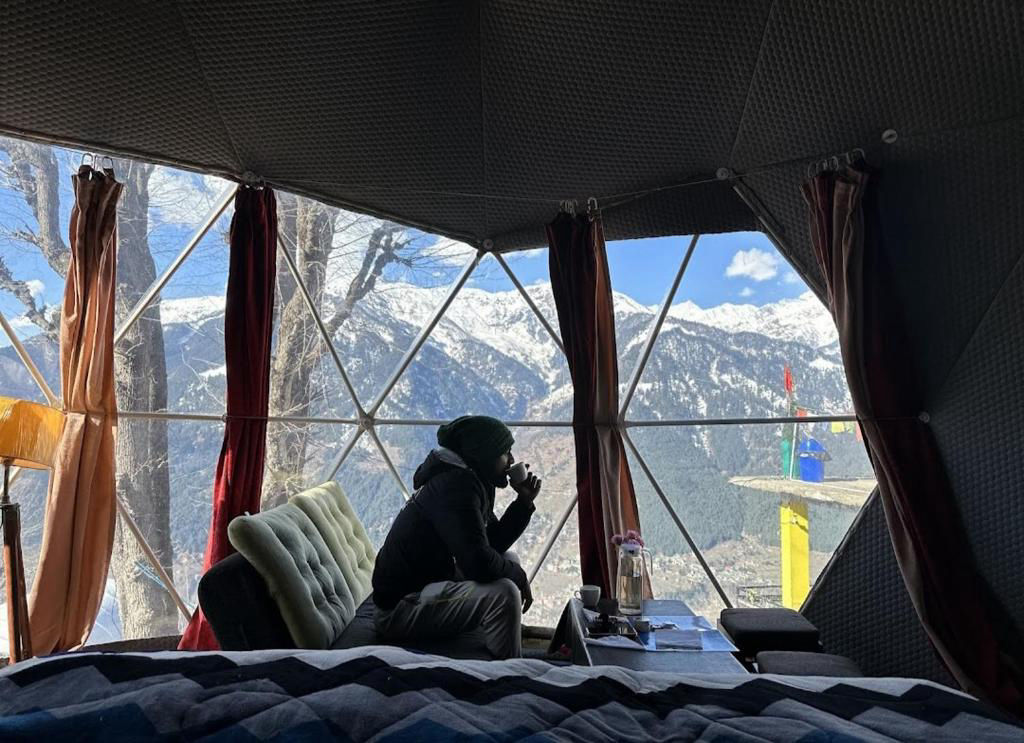
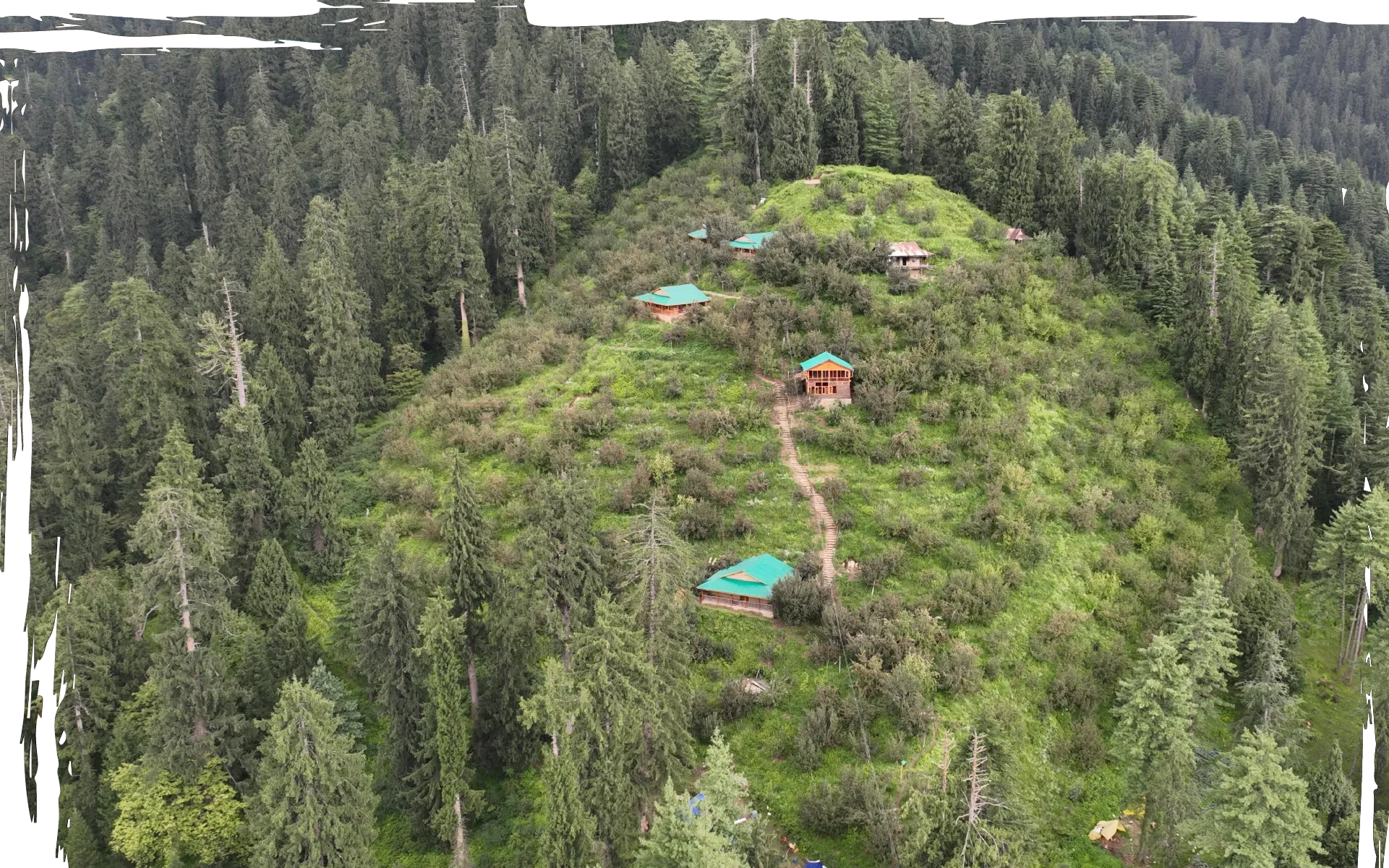
Whether you prefer riverside campsites, scenic nature resorts, or warm traditional homestays run by local families, a curated selection of properties can be discovered and reserved through HireACamp. Booking in advance is recommended during the peak summer and autumn seasons to secure comfortable accommodations close to nature.
Frequently asked questions
Where is Dhundi located?
Dhundi is located in the upper Kullu Valley of Himachal Pradesh, situated just beyond Solang Valley near the town of Manali.
What is Dhundi best known for?
Dhundi is best known as the traditional base for the Beas Kund trek and for its pristine alpine landscapes along the Beas River.
Can I visit Dhundi during the winter?
Yes, Dhundi can be visited in winter when it receives heavy snow, though access depends on local road conditions and seasonal snow clearance.
Do I need a special permit to visit Dhundi?
Visiting Dhundi itself generally does not require a special permit, but high-altitude trekking routes starting here may involve local registrations, so check current guidelines locally.
How far is Dhundi from Manali town?
Dhundi is located a short drive north of Manali past Solang Valley, with travel time depending on road conditions and seasonal tourist traffic.
Where you'll be
Manali · 12 stays nearby shown with prices
Stays near Dhundi
Book a place to stay close by
More places near Dhundi
Within 20 km


Built from 0 Instagram posts by 0 creators. Every tip links back to the post it came from, and where creators disagree we show both sides.






