
Himalaya Nyingmapa Buddhist Temple
Monastery near Manali, Himachal Pradesh
1.7 km from Manali
The nearest town, for stays, food and fuel.
The Himalaya Nyingmapa Buddhist Temple is a prominent Tibetan monastery situated along Gompa Road in the heart of Manali, Himachal Pradesh. Dedicated to the ancient Nyingma tradition of Tibetan Buddhism, it provides a quiet spiritual sanctuary within walking distance of the bustling town centre. Travellers visit to admire its vibrant architectural artwork, spin the line of sacred prayer wheels, and experience a moment of serene contemplation beneath the surrounding Himalayan pines.
Getting there
By road
- From ManaliNearest town13 min · 3.6 km
- From Chandigarh5 hr 35 min · 266 km
- From Ludhiana6 hr · 296 km
- From Amritsar8 hr 5 min · 407 km
Typical drive times without traffic. Stations and airports from OLA Maps; distances and typical drive times from OpenStreetMap (© OpenStreetMap contributors); notes from creators' Reels.
About Himalaya Nyingmapa Buddhist Temple
Written with AI from map data and general knowledge. Check prices and timings locally before you go.
About Himalaya Nyingmapa Buddhist Temple
Set just off the bustling central market of Manali on Gompa Road, the Himalaya Nyingmapa Buddhist Temple stands as one of the most culturally significant spiritual centres in the Kullu Valley. The monastery belongs to the Nyingmapa sect, which is recognised as the oldest of the four major lineages of Tibetan Buddhism. Established to cater to the spiritual needs of the local Tibetan settlement and the Buddhist communities residing in the high mountains of Himachal Pradesh, the temple has evolved into a welcoming space for travellers seeking peace and cultural insight.
The grounds of the monastery contrast sharply with the lively pace of central Manali. As you step beyond the entrance gate, the clamour of mountain traffic fades, replaced by the deep resonance of chanting, the soft spinning of brass prayer wheels, and the light fragrance of burning Tibetan incense. It serves not only as an active place of daily worship for local monks and devotees, but also as a living preservation centre for traditional Buddhist philosophy, art, and communal traditions in northern India.
Architecture and Sacred Art
The architecture of the Himalaya Nyingmapa Buddhist Temple showcases classical Tibetan Buddhist design blended seamlessly with Himalayan hill building traditions. Built across two main levels, the temple features a tiered pagoda-style roof adorned with gilded finials, traditional wooden cornices, and brightly painted motifs that catch the mountain sunlight. The vibrant exterior colours, dominated by auspicious shades of red, gold, blue, and white, stand out vividly against the backdrop of towering deodar trees and distant snow-dusted peaks.
Inside the sanctum sanctorum sits a magnificent, gilded statue of Lord Sakyamuni Buddha, seated in a meditative posture. The walls of the prayer hall are lined with intricate wall paintings and traditional thangkas, which are elaborate scroll paintings depicting episodes from the life of the Buddha, compassionate Bodhisattvas, and historical masters of the Nyingma lineage. In the outer courtyard and perimeter corridors, rows of engraved prayer wheels invite devotees and travellers to walk the clockwise path of circumambulation, turning the cylinders to send goodwill and blessings into the surrounding valley.
Read more
Things to Do at the Temple
A visit to the Himalaya Nyingmapa Buddhist Temple is best approached with an unhurried mindset. One of the most soothing activities is engaging in the traditional practice of circumambulating the temple complex. Following the clockwise path around the sanctum, visitors can gently spin the prayer wheels while observing the fine brass carvings and devotional inscriptions set into their metal surfaces.
Travellers interested in meditation can spend quiet time seated inside the temple hall when services are not in active progress. The interior atmosphere, insulated by thick walls and scented with cedar and herbal incense, offers an ideal environment for mindfulness and quiet contemplation. Outside the inner shrine, the open courtyard allows you to sit quietly, observe the daily routines of resident monks, and admire the craftsmanship of the surrounding wooden structures. Right outside the temple perimeter along Gompa Road, small community-run handicraft shops offer handmade woollens, prayer flags, traditional Tibetan carpets, and regional curios produced by local artisans.
Best Time to Visit
The temple can be visited throughout the year, with each mountain season offering a distinct atmosphere. Spring and summer, stretching from April through June, are the most popular months. During this period, the weather in Manali is pleasantly mild, daytime temperatures remain comfortable for walking, and the surrounding gardens and pine groves are in full bloom. It is an ideal window for travellers looking to combine their temple visit with leisurely strolls through the nearby lanes and outdoor exploration.
Autumn, from September to November, brings crisp mountain breezes, remarkably clear blue skies, and fewer visitors after the summer rush. The Himalayan peaks surrounding the town appear sharp and visible, making for scenic courtyard views. Winter, spanning December to February, transforms the valley into a quiet wonderland. While temperatures can drop below freezing and occasional snowfall blankets the temple roofs and courtyard stones, visiting during this quiet season offers an exceptionally peaceful and reflective atmosphere. During the monsoon months of July and August, rain is common across Himachal Pradesh, so travellers should check road conditions before heading into the mountains.
How to Reach Himalaya Nyingmapa Buddhist Temple
The Himalaya Nyingmapa Buddhist Temple is located directly in the town of Manali along Gompa Road, making it remarkably accessible for visitors staying anywhere in the town centre. If you are exploring the central shopping avenues and pedestrian areas of Manali, the monastery can easily be reached on foot within a few minutes. Local auto-rickshaws and taxis also operate frequently throughout the town and can drop you right near the entrance.
For those travelling from outside Himachal Pradesh, the nearest regional airport is at Bhuntar in the Kullu district, situated around fifty kilometres south of Manali. From Bhuntar, private and shared taxis are readily available to complete the journey up the Beas Valley. The nearest broad-gauge railway stations are located further south in Chandigarh and Kalka. Most travellers prefer making the scenic overland journey to Manali by overnight buses or private road transfers from Delhi and Chandigarh, both of which offer regular road transit connections into the valley.
Places to Explore Nearby
Because the temple is centrally positioned on Gompa Road, it forms a natural starting point for exploring several other cultural and natural attractions in Manali. Within walking distance lies Dhungri Van Vihar, a tranquil municipal forest of tall deodars and walking pathways running parallel to the Beas River, providing a quiet retreat from the shops. The local Tibetan bazaars around the monastery are well worth exploring for their handwoven shawls, traditional caps, and local street delicacies.
A short drive across the river leads to Old Manali, where traditional wooden homes, orchard lanes, and relaxed riverside cafes showcase a slower village rhythm. For active travellers, scenic nature trails such as the hike to Jogini Waterfall near Vashisht offer spectacular perspectives of cascading mountain streams and pine-clad cliffs. Further uphill, forested paths lead toward historic stone temples and traditional trails that ascend higher into the Pir Panjal range.
Tips for Your Visit
Maintaining decorum and respect is essential when entering the Himalaya Nyingmapa Buddhist Temple. Visitors must remove their footwear before entering the main prayer hall, and it is customary to dress modestly with shoulders and knees covered out of respect for the monastic community. Speaking in hushed tones inside the sanctum helps preserve the tranquil environment for those meditating or engaged in prayer.
Always follow the traditional Buddhist practice of walking around the temple, stupas, and prayer wheels in a clockwise direction. If you wish to take photographs of the inner shrines, murals, or resident monks, always look for local signage or ask for permission first, as photography is often restricted inside the sanctum to protect sacred items. Plan to spend between thirty minutes to an hour on site to fully take in the artwork, read the informational boards, and enjoy the tranquil ambience.
Where to Stay near the Temple
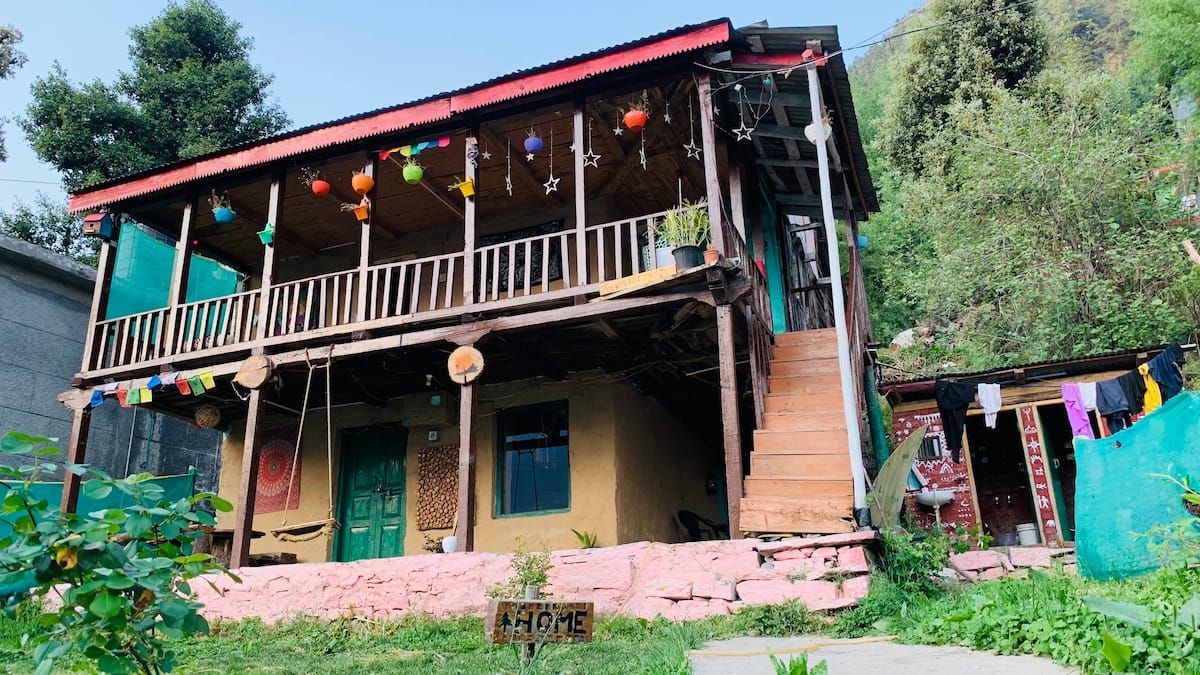
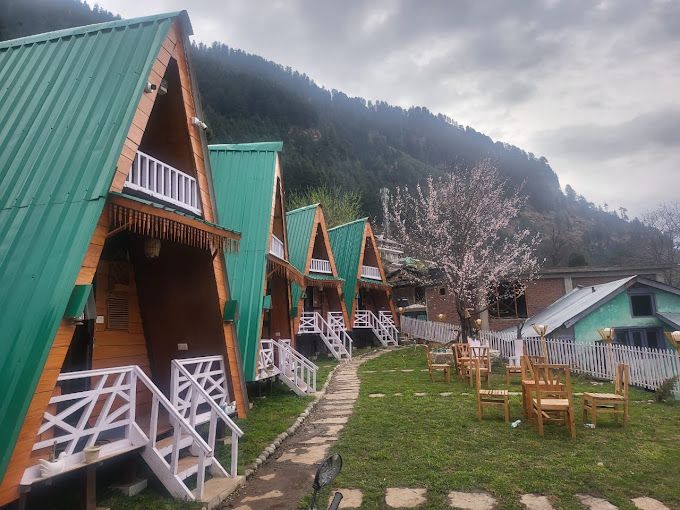
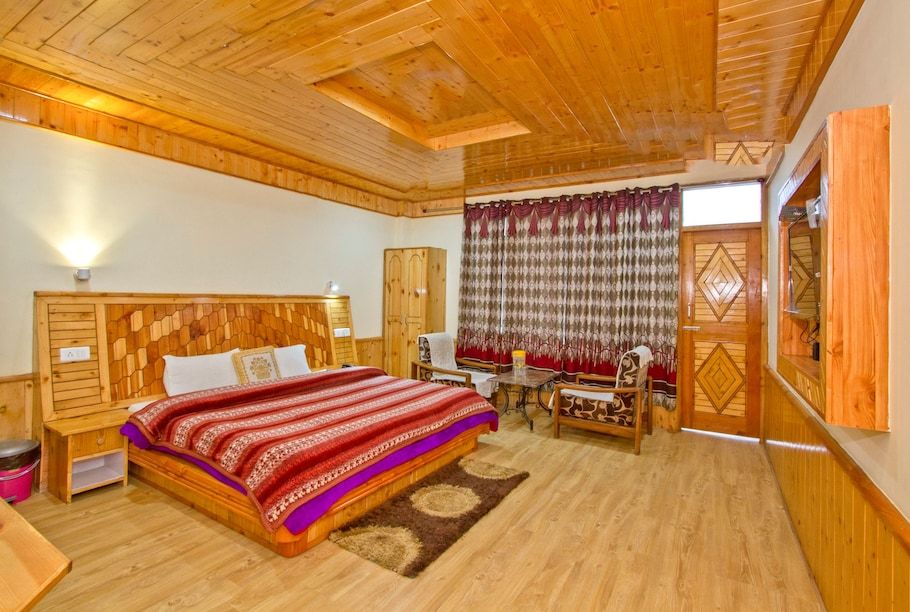
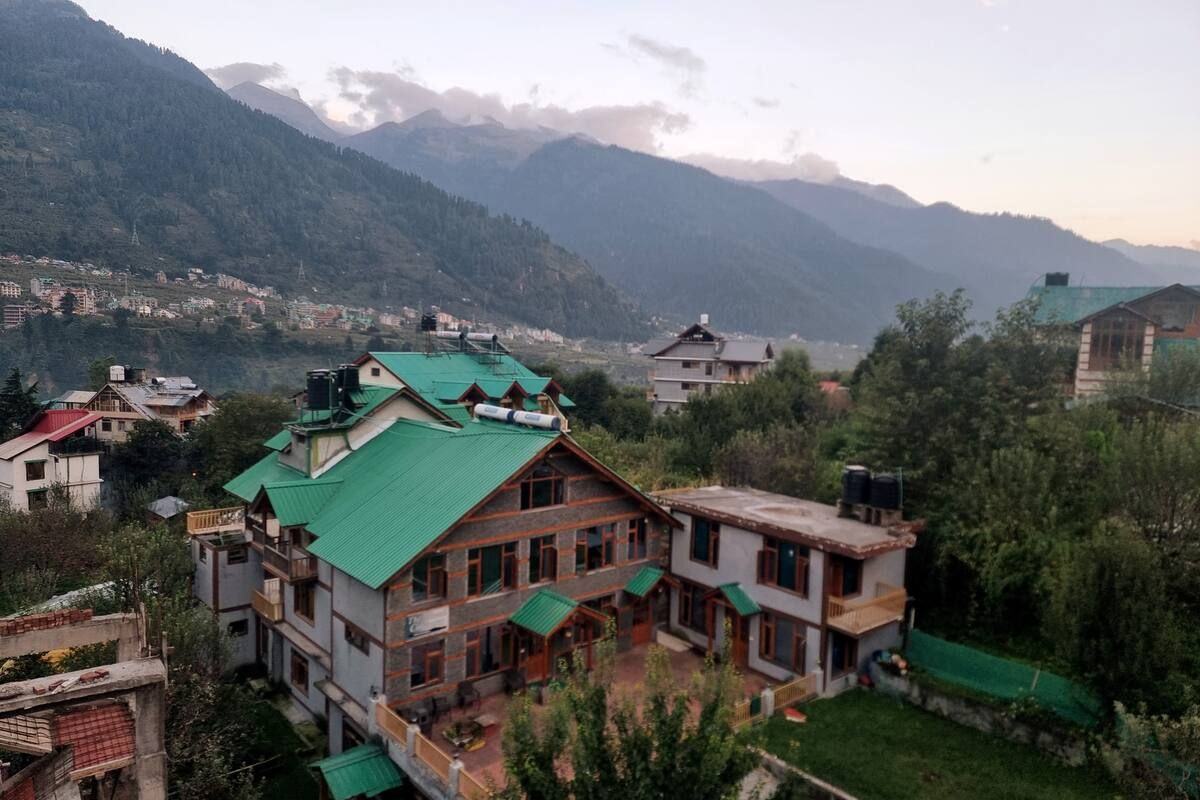
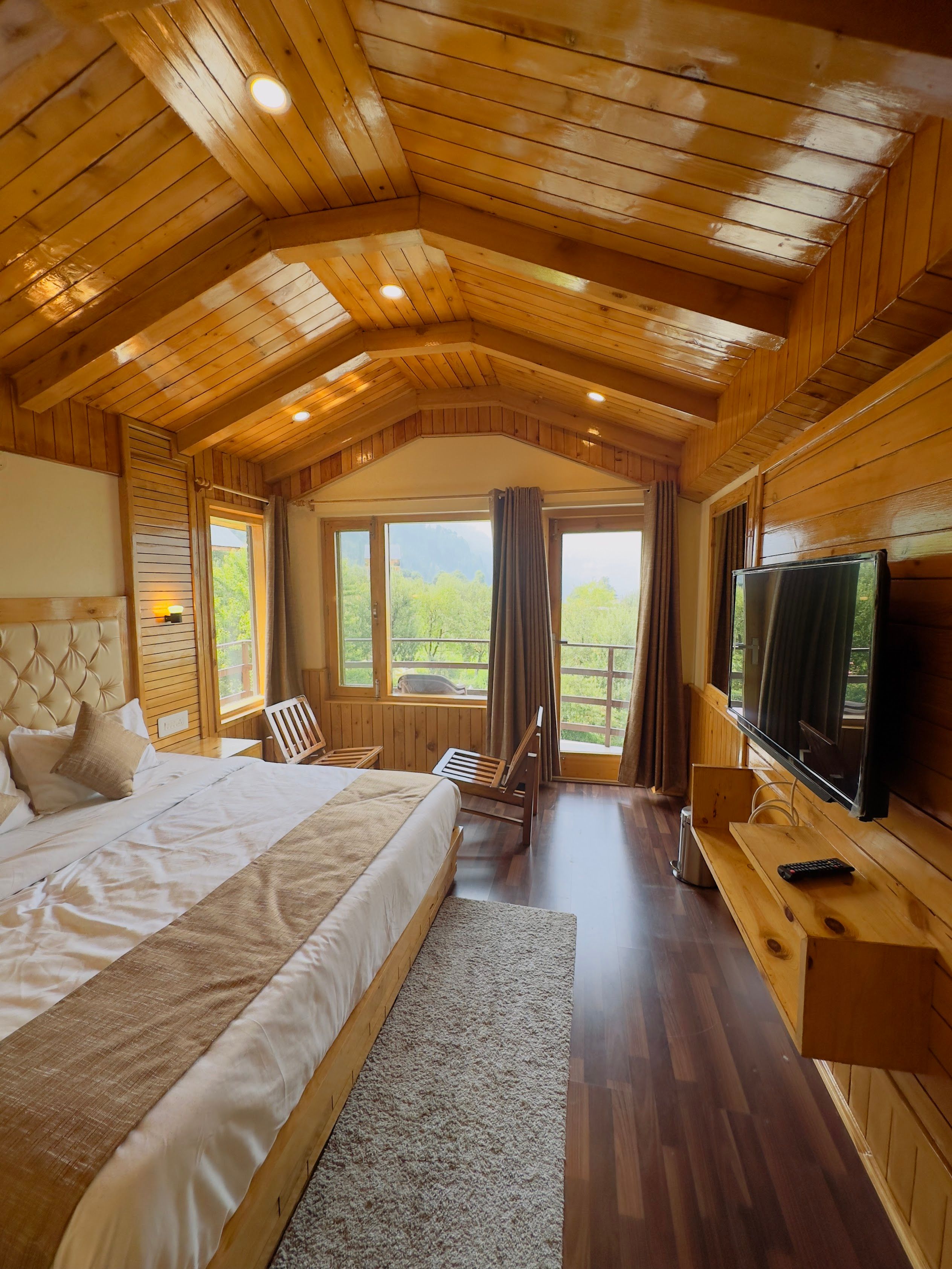
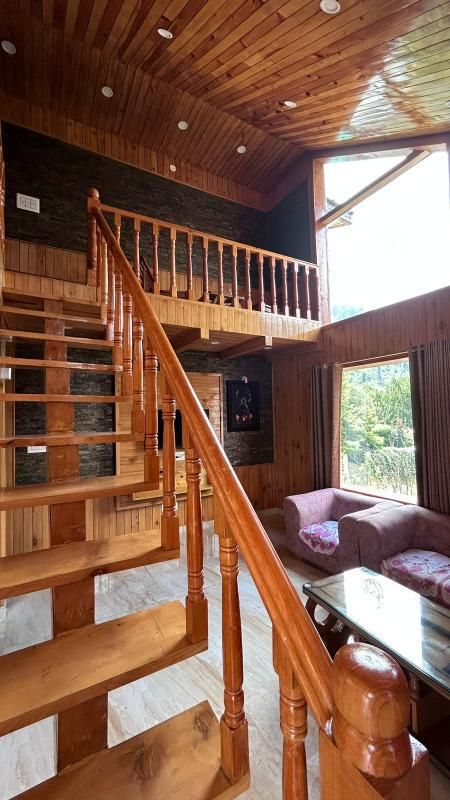
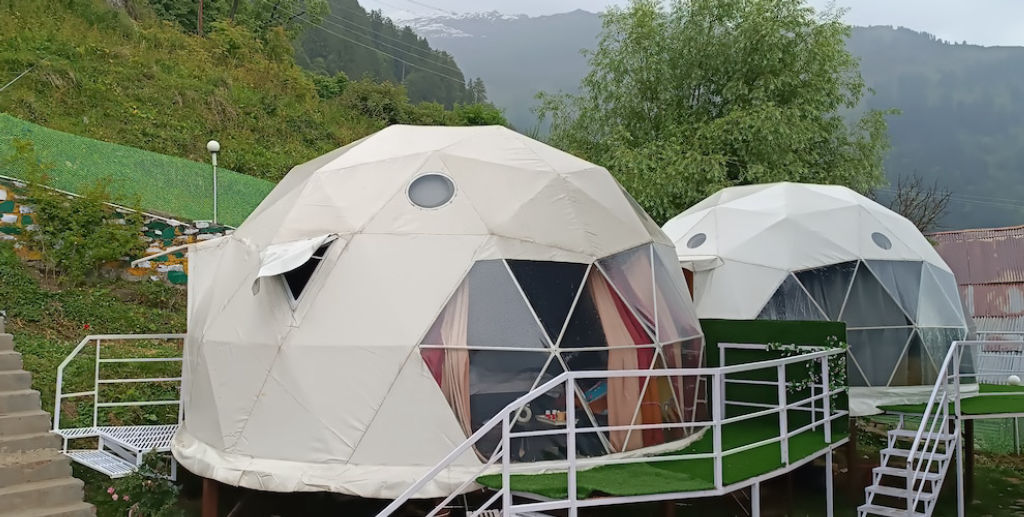
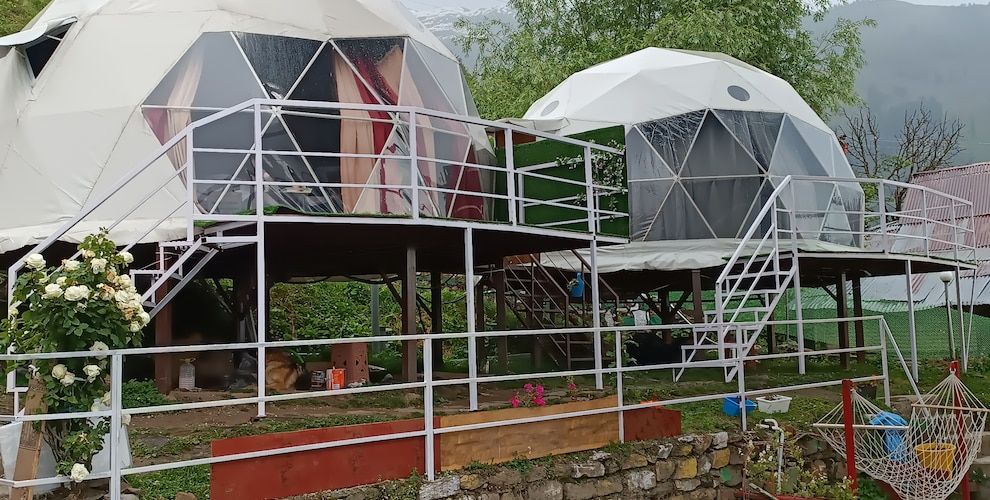
Manali offers a diverse range of accommodation options catering to every style of travel, whether you prefer being in the energetic heart of town or nestled in a peaceful apple orchard on the valley slopes. Staying close to the Gompa Road area allows easy walking access to the monastery, local eateries, and transit hubs. For those who favour quieter surroundings, the village lanes of Old Manali, the rural settlements across the Beas River, and the forested fringes of the upper valley provide serene alternatives.
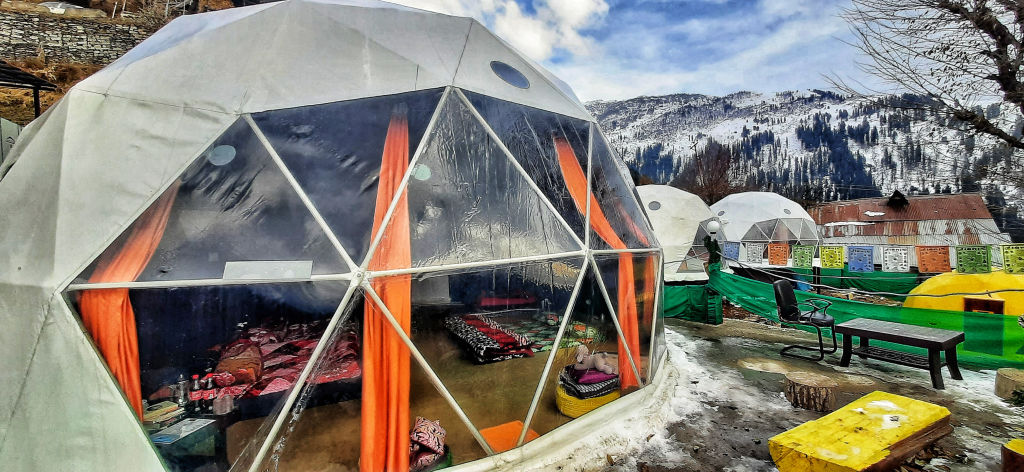
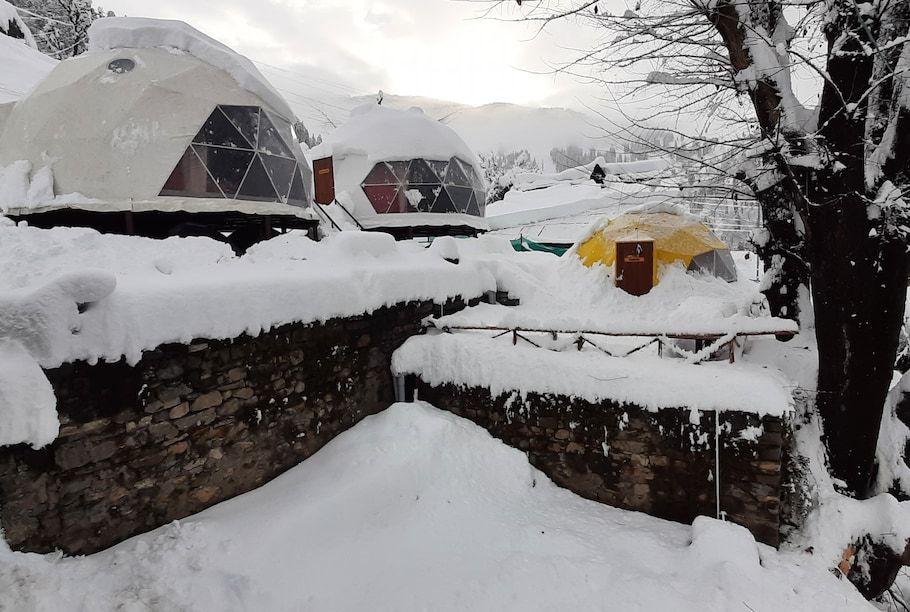
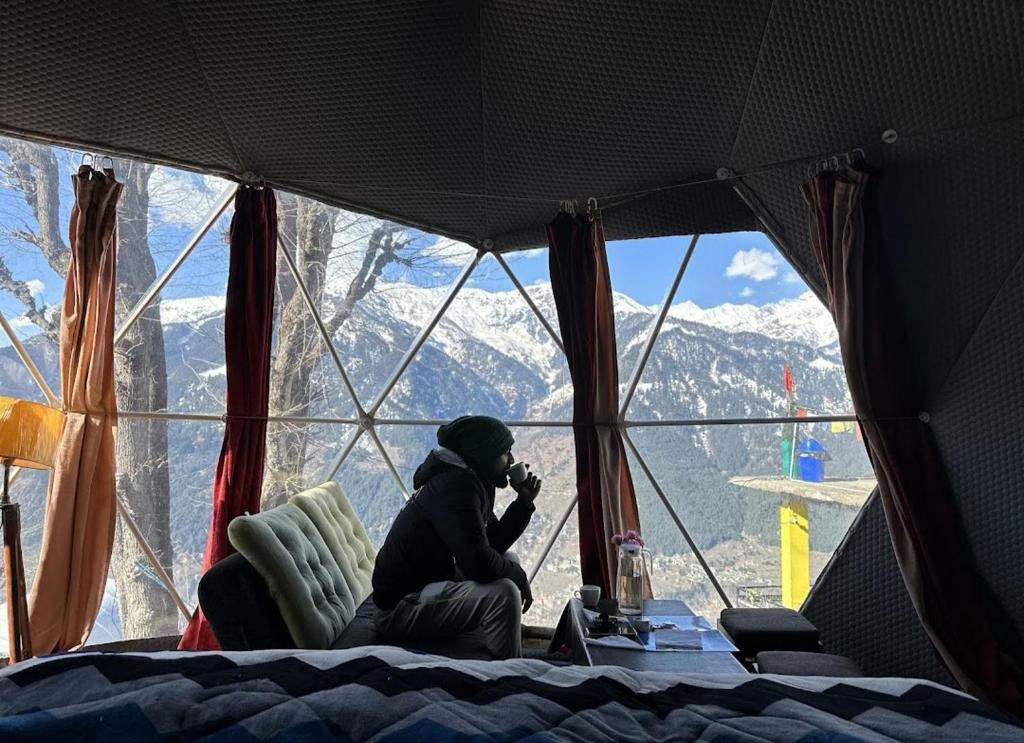
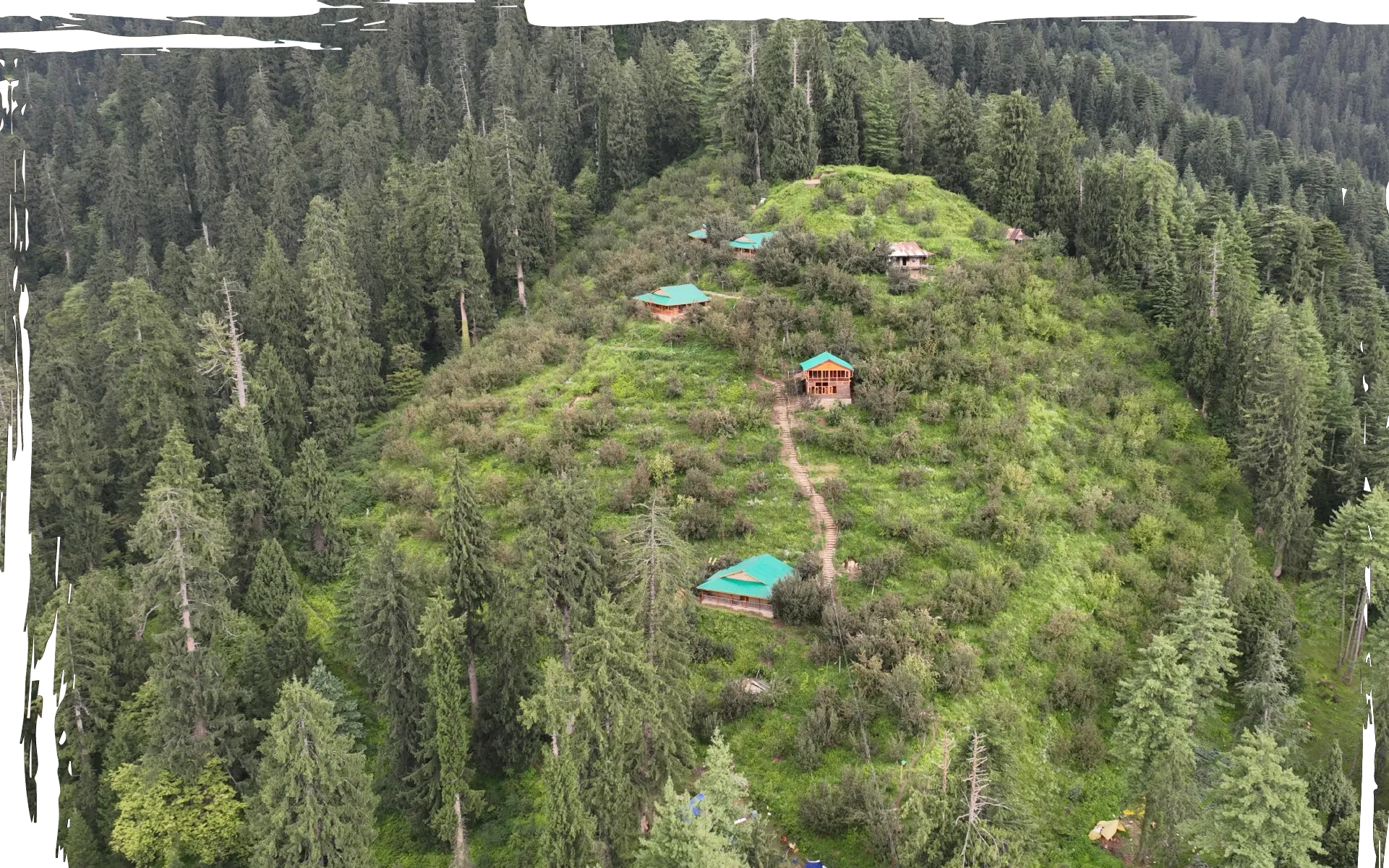
Travellers interested in immersive mountain getaways can explore riverside camps, traditional village homestays, and boutique cottages across the Manali area listed on HireACamp. Booking a stay in the surrounding valleys provides a balanced trip, giving you straightforward access to town sights while offering a peaceful outdoor retreat to return to at the end of the day.
Frequently asked questions
Where is the Himalaya Nyingmapa Buddhist Temple located?
The temple is located on Gompa Road in the central area of Manali in the Kullu district of Himachal Pradesh, just a short walk from the main town centre.
Is there a dress code for visiting the temple?
Visitors should dress modestly by covering their shoulders and knees, and you must remove your shoes before entering the inner sanctum of the monastery.
Can visitors spin the prayer wheels at the monastery?
Yes, visitors are welcome to turn the prayer wheels, following the customary tradition of walking around them in a clockwise direction.
Is photography permitted inside the temple?
Photography policies can vary by area; photography in the outdoor courtyard is generally allowed, but you should verify posted notices or ask on site before photographing inside the prayer hall.
How long does a visit to the temple typically take?
Most travellers spend between thirty minutes and an hour exploring the temple hall, turning the prayer wheels, and relaxing in the peaceful courtyard.
Where you'll be
Gompa Road, Manali · 12 stays nearby shown with prices
Stays near Himalaya Nyingmapa Buddhist Temple
Book a place to stay close by
More places near Himalaya Nyingmapa Buddhist Temple
Within 20 km

Built from 0 Instagram posts by 0 creators. Every tip links back to the post it came from, and where creators disagree we show both sides.






