
Rani Nallah
Nature near Manali, Himachal Pradesh
1.9 km from Manali
The nearest town, for stays, food and fuel.
Rani Nallah is a rugged mountain stream and scenic alpine crossing located in the high valley terrain near Manali in Himachal Pradesh. Fed by melting glaciers and seasonal snowfields, the area is known for its roaring waters, steep rocky cliffs, and panoramic views of the Pir Panjal range. Travellers visit Rani Nallah to witness the raw power of Himalayan runoffs and experience the dramatic transition from forested valleys to high-altitude landscapes.
Getting there
By road
- From ManaliNearest town13 min · 3.7 km
- From Chandigarh5 hr 35 min · 266 km
- From Ludhiana6 hr 5 min · 296 km
- From Amritsar8 hr 5 min · 407 km
Typical drive times without traffic. Stations and airports from OLA Maps; distances and typical drive times from OpenStreetMap (© OpenStreetMap contributors); notes from creators' Reels.
About Rani Nallah
Written with AI from map data and general knowledge. Check prices and timings locally before you go.
The alpine landscape of Rani Nallah
Rani Nallah is situated in the upper mountain corridors above the town of Manali, where the landscape opens up into rugged gorges and steep moraine walls. The area takes its name from the gushing torrent of glacial water that cuts through the mountainside, gathering volume as the snowpack melts higher up the ridges.
The terrain here is untamed and stark compared to the gentle apple orchards of the lower Kullu Valley. Sheer rock faces, loose scree, and patches of alpine grass define the immediate surroundings, while the higher horizon is dominated by sharp, snow-clad peaks. During the warmer months, the stream rushes with immense energy, carrying mineral-rich silt and carving deeper channels through the granite floor.
Things to do at Rani Nallah
Visiting Rani Nallah is primarily an experience of mountain scenery and sensory immersion. The thunderous roar of the stream provides a dramatic soundtrack as you step out into the crisp, thin air. Photography is exceptional here, especially early in the day when the sun strikes the surrounding peaks and casts deep contrasts across the ravine.
Travellers often stop along the route to marvel at the remnant snowbanks that can linger late into spring and early summer along the road cuttings. While walking near the rushing water requires strict caution, observing the glacial flow, feeling the cold updrafts, and scanning the high crags for alpine birds provide a genuine sense of high-altitude Himalayan wilderness.
Read more
Best time to visit Rani Nallah
The window for visiting Rani Nallah is shaped entirely by mountain weather and seasonal road access. The late spring and summer months, from May through June, are popular because the routes clear of deep winter snow, revealing towering ice walls and surging runoff streams. Temperatures during the day remain brisk and comfortable, offering a welcome escape from the plains.
Autumn, particularly September and October, brings a different kind of beauty with crystal-clear skies, crisp air, and stable weather after the monsoon rains recede. The winter months from late November to April see the entire stretch blanketed under heavy snow, often making the high route impassable. Monsoons during July and August bring heavy downpours that increase the risk of rockfalls and swelling torrents, so it is best to avoid the area during intense rains.
How to reach Rani Nallah
The journey to Rani Nallah starts from Manali, which serves as the primary base for exploring the upper Kullu and Beas river valleys. Manali is connected by road to major northern cities like Chandigarh and Delhi, with regular overnight buses and private taxis plying the highway route.
The nearest airport is at Bhuntar, situated in the Kullu Valley, from where travellers can hire local cabs or take regional buses up to Manali. From Manali, the ascent toward Rani Nallah winds along narrow, twisting mountain roads that climb steadily through pine forests and switchbacks. Because mountain driving conditions vary with weather, hiring an experienced local driver is widely recommended.
Tips for your visit
Due to the elevation and rugged mountain environment around Rani Nallah, adequate preparation is essential. Temperatures can drop abruptly even on sunny afternoons, so dressing in layers with a warm fleece and windproof outer jacket is recommended. Sturdy walking shoes with reliable grip are vital if you plan to step off the tarmac onto damp or loose gravel.
High-altitude conditions can cause mild breathlessness or headaches for those unaccustomed to the elevation, so stay hydrated and avoid overexertion. Always stay well clear of the stream banks and wet boulders, as mountain currents are strong and unpredictable. Check local administrative guidelines before you set out, as high-altitude corridors frequently require environmental transit permits.
Places to visit nearby
The region surrounding Rani Nallah offers a wide variety of cultural and natural sights. In the valley below, Old Manali features traditional timber-and-stone houses, quiet apple orchards, and the historic Manu Temple. The central town area hosts bustling local markets where travellers can find handmade woollen shawls, woven rugs, and regional crafts.
Further outward, scenic villages like Pulga in the Parvati Valley offer peaceful forest walks among tall deodars. Nearby natural attractions like Lapas Waterfalls and various river trails provide quieter alternatives for those who enjoy day hikes through pristine Himalayan woodlands.
Where to stay near Rani Nallah
Most travellers choose to stay in the settlements around Manali, Old Manali, or along the banks of the Beas River, where a wide spectrum of lodging options is available. Base yourself in a quiet village on the outskirts if you prefer waking up to pine-scented breezes, or closer to the town center for easy access to transport links and local dining.
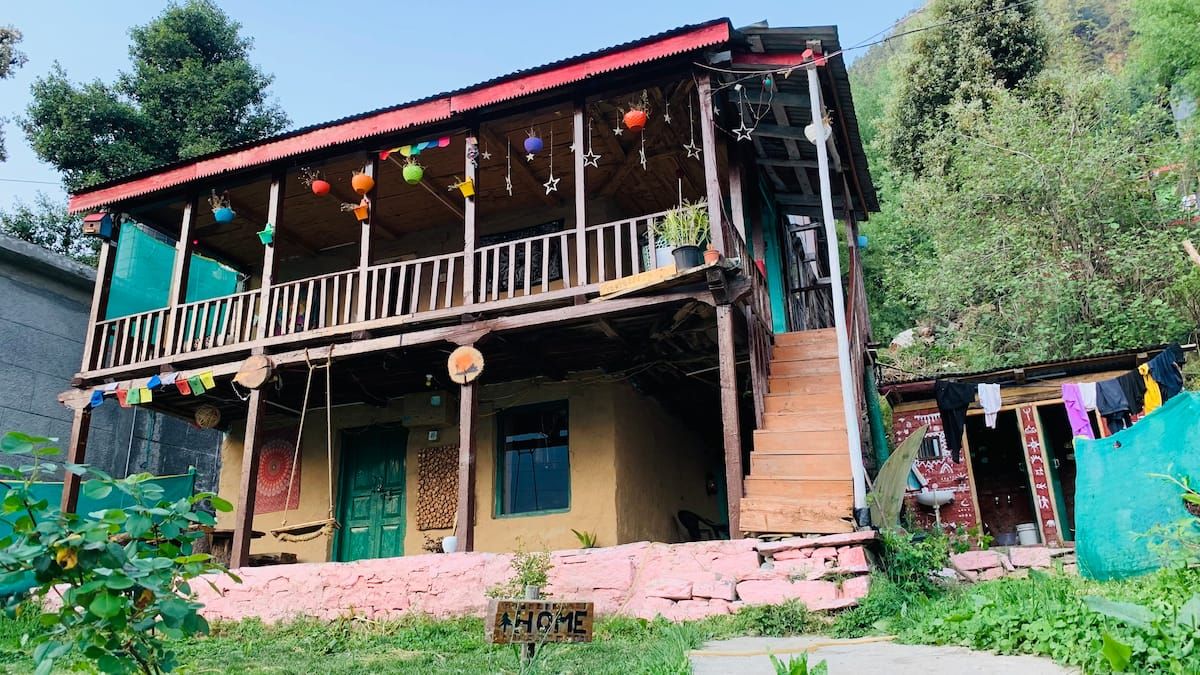
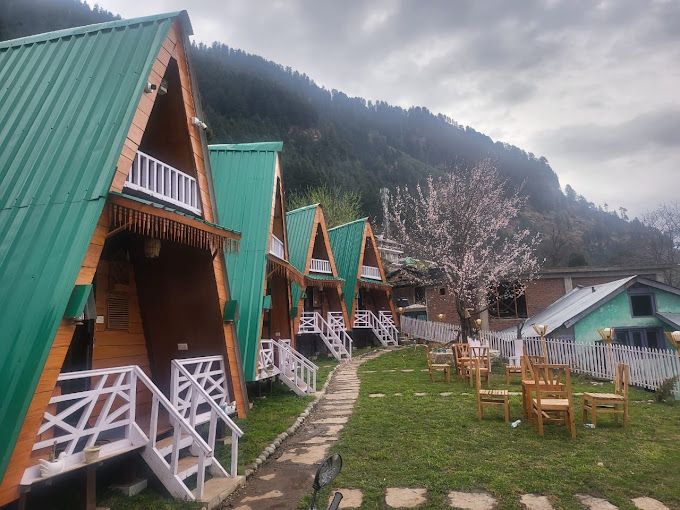
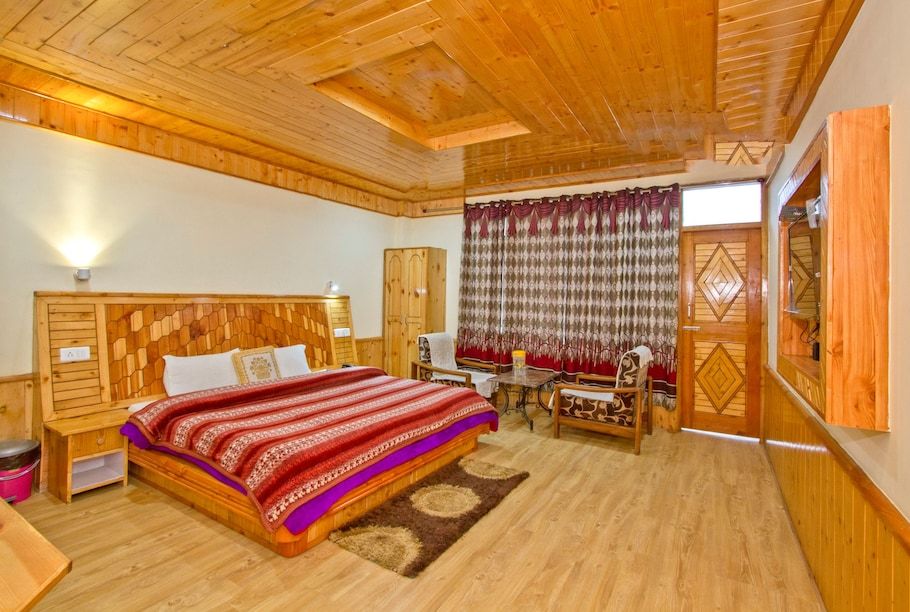
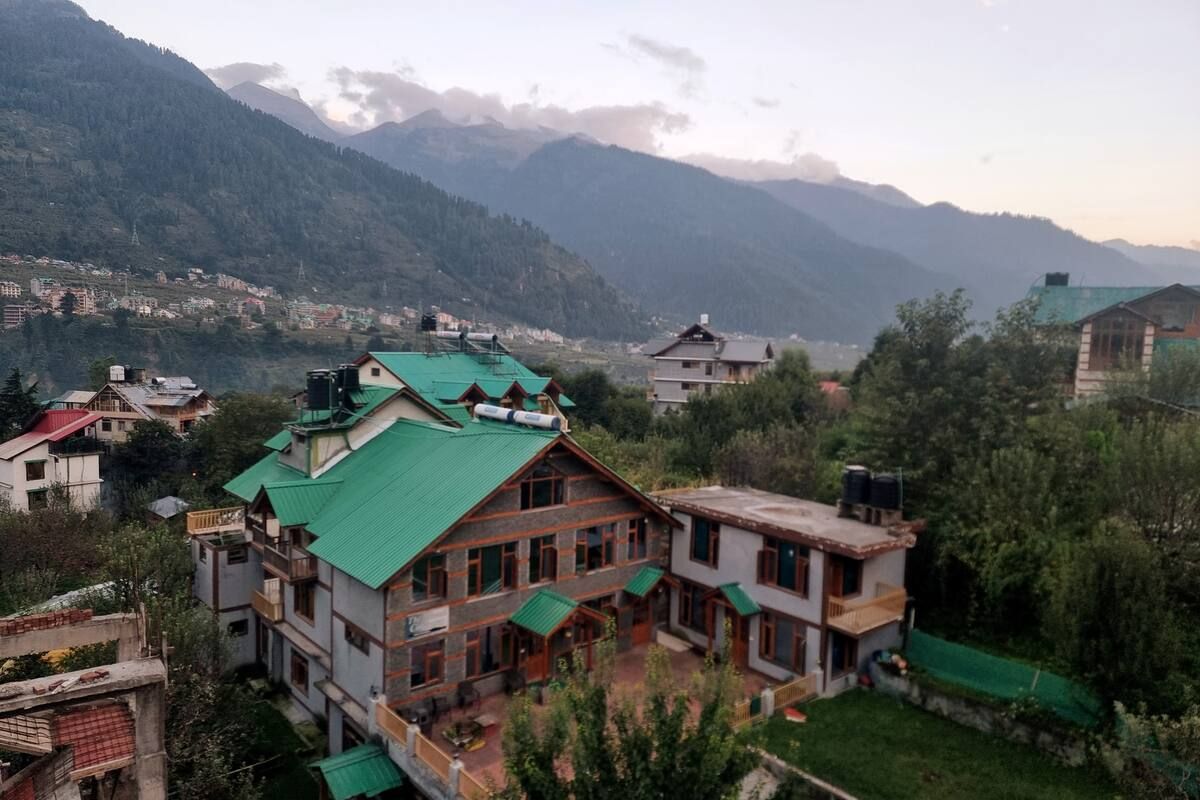
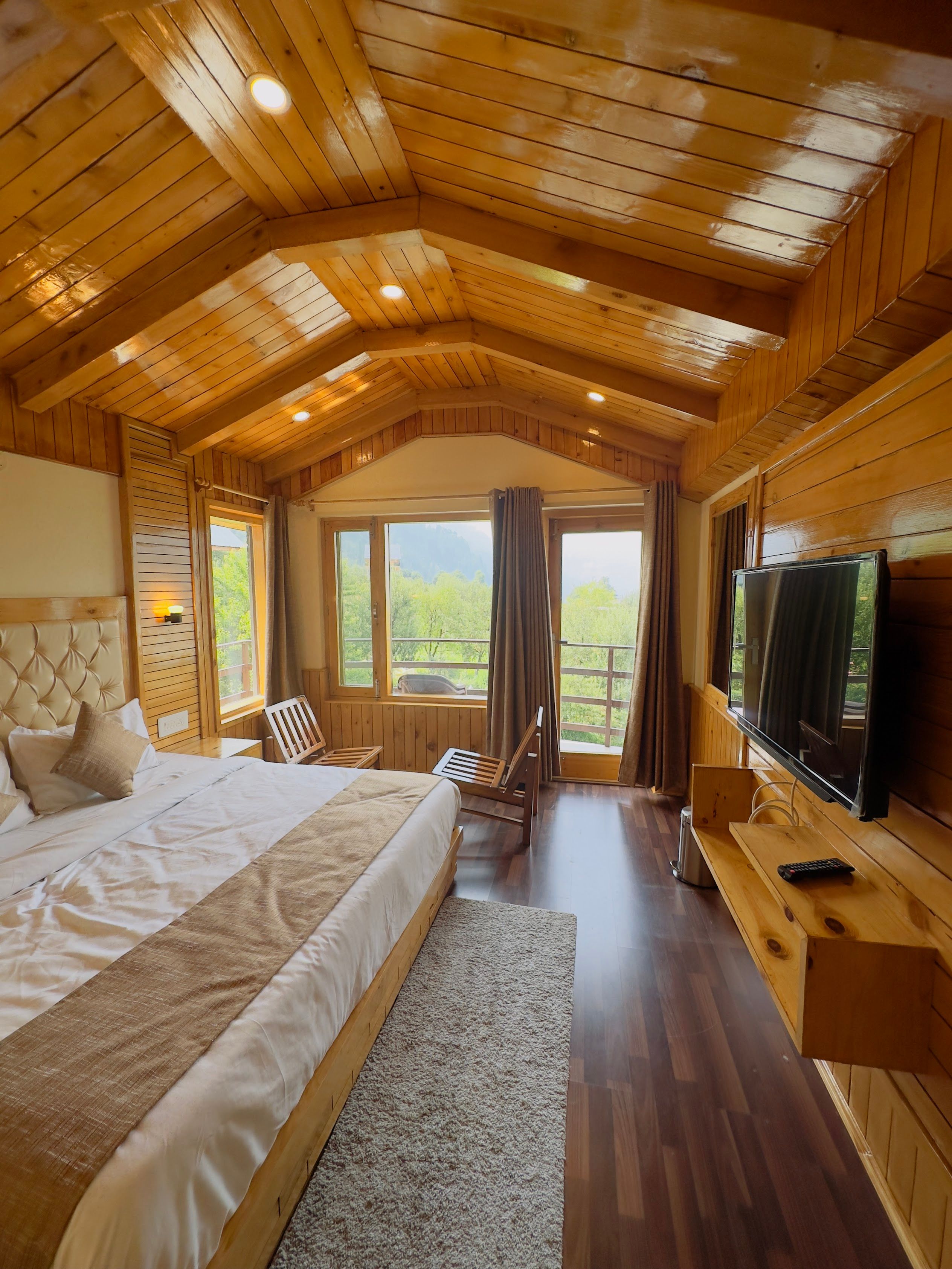
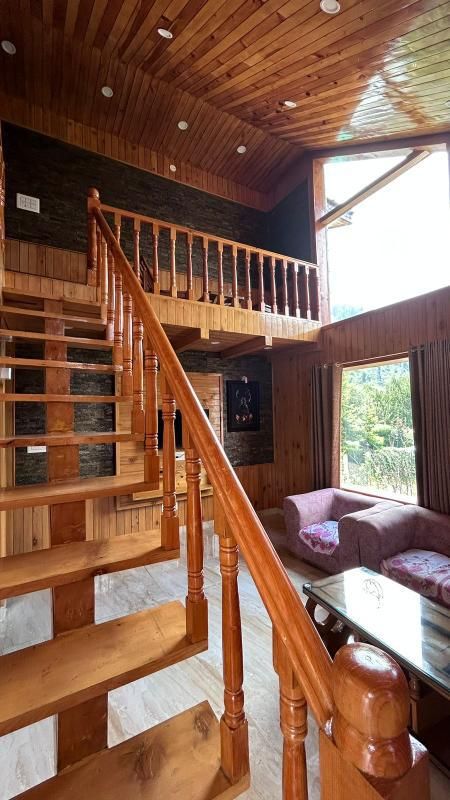
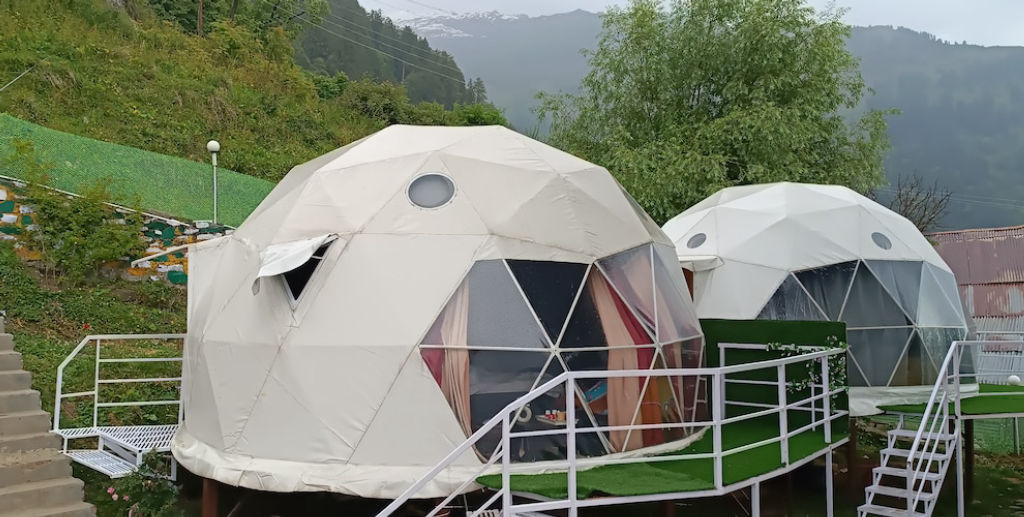
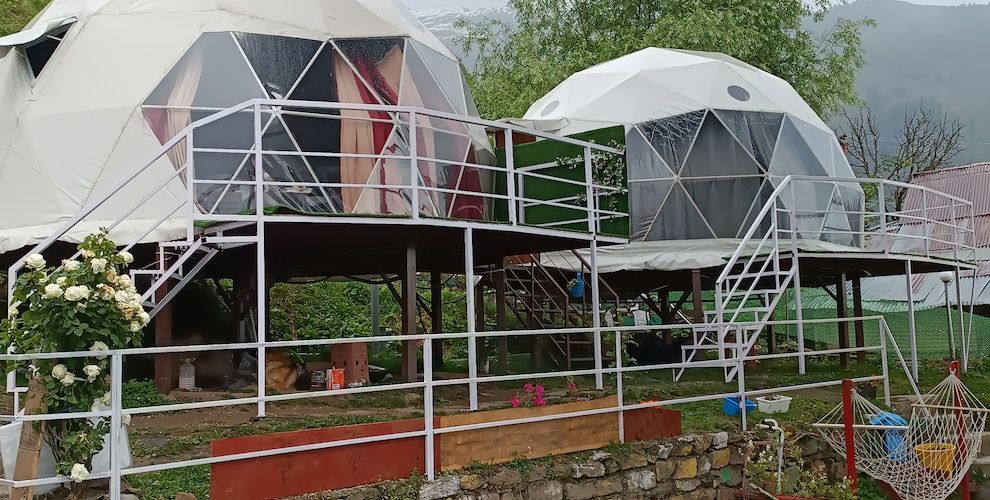
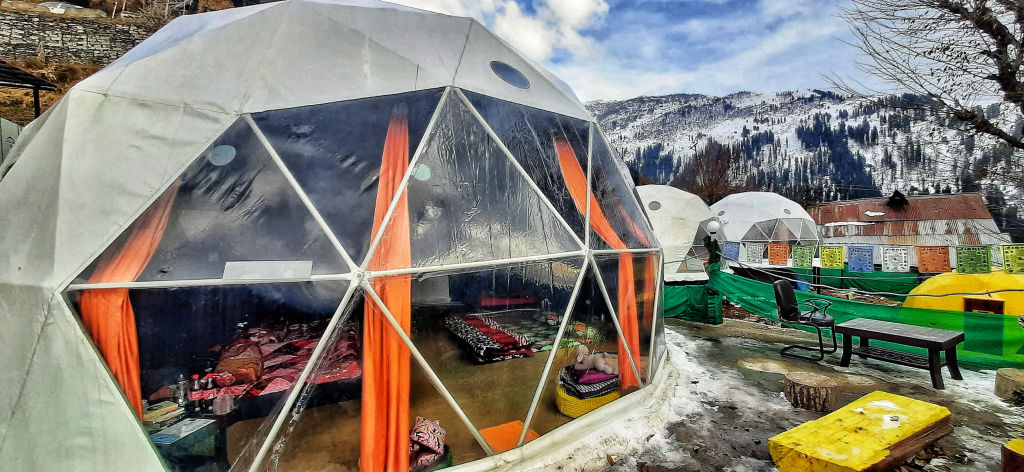
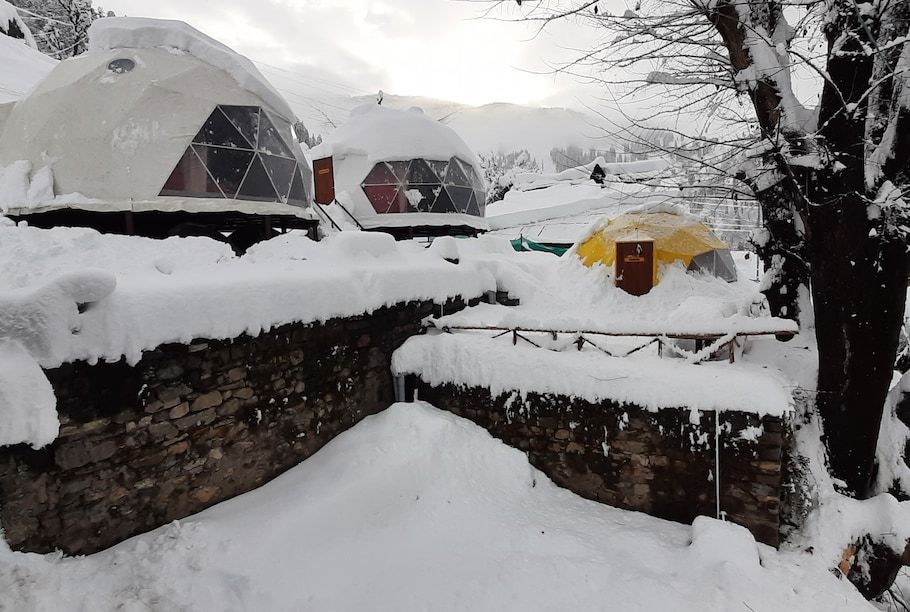
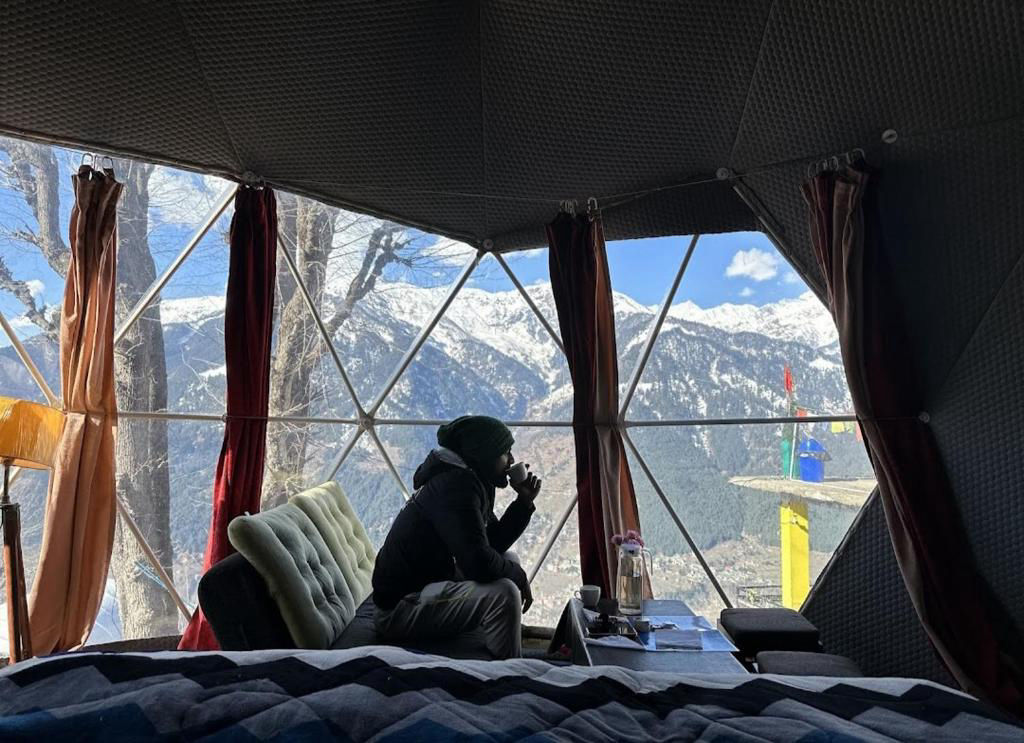
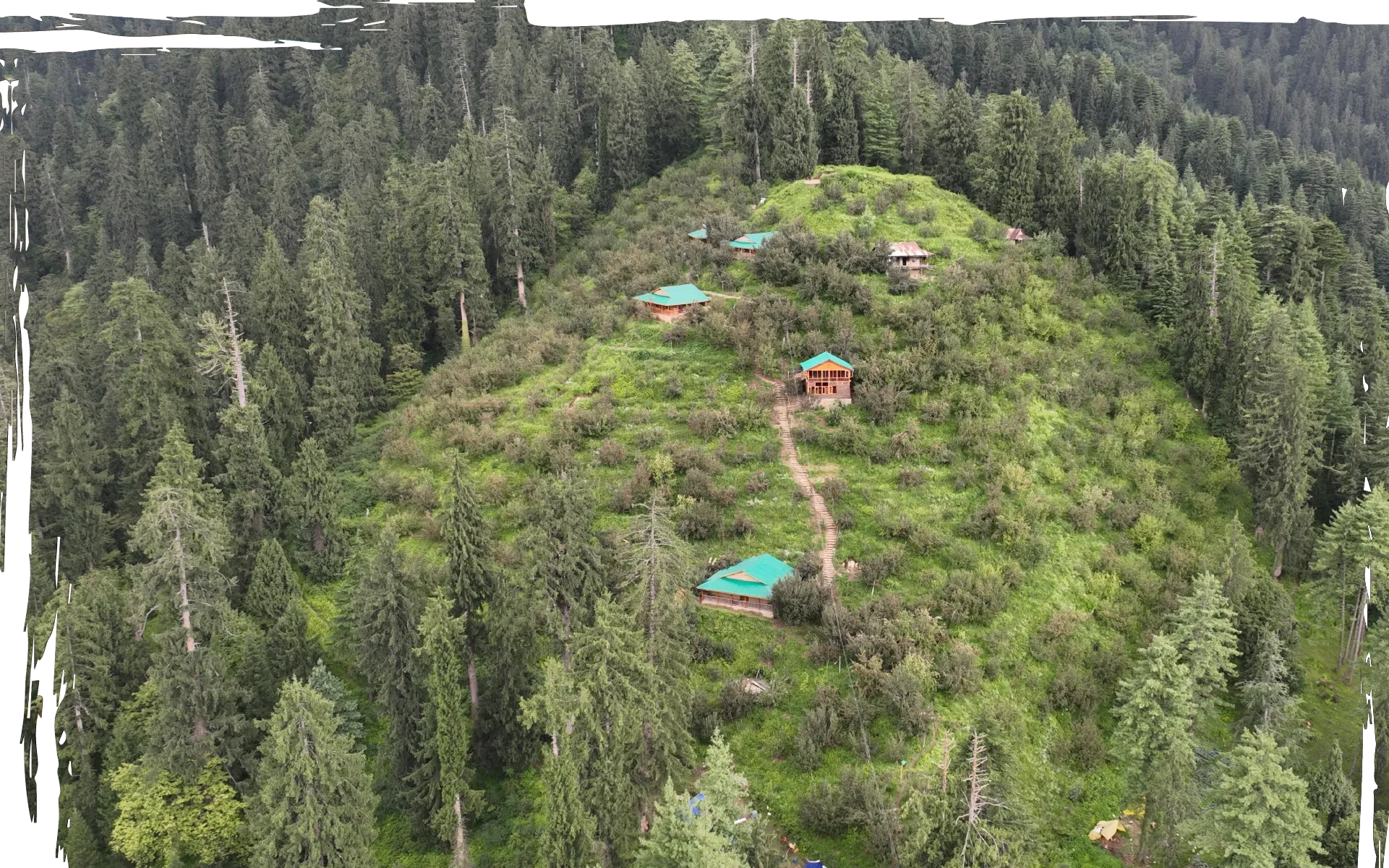
You can explore and book rustic mountain camps, traditional wooden homestays, and peaceful cottages in and around the Manali valley on HireACamp. Staying with local hosts gives you an authentic window into Himachali hospitality and provides valuable first-hand advice on current mountain road conditions.
Frequently asked questions
Is Rani Nallah open throughout the year?
No, Rani Nallah is generally inaccessible during the peak winter months due to heavy snowfall and ice. The road typically opens during late spring once snow-clearing operations are completed, depending on seasonal weather.
Can I see snow at Rani Nallah?
Yes, late spring and early summer often feature lingering snowbanks along the roadside and views of snow-covered peaks. In late autumn, fresh snow dusting can appear on the higher surrounding slopes.
Do I need a special permit to travel to Rani Nallah?
Depending on administrative zoning along the highway corridor toward the higher passes, vehicular travel may require an environmental or entry permit. It is best to check locally in Manali before planning your day trip.
What kind of clothing should I wear when visiting?
Dress in warm layers, including thermal wear, a warm sweater, and a windproof or waterproof jacket. Mountain weather changes rapidly, and winds through the nallah can be quite chilly even in summer.
Where you'll be
Manali · 12 stays nearby shown with prices
Stays near Rani Nallah
Book a place to stay close by
More places near Rani Nallah
Within 20 km


Built from 0 Instagram posts by 0 creators. Every tip links back to the post it came from, and where creators disagree we show both sides.






