
Durga Nag, Temple
Temple near Badamibagh, Jammu and Kashmir
1.9 km from Badamibagh
The nearest town, for stays, food and fuel.
Durga Nag is a sacred temple and holy freshwater spring located at the foothills of Shankaracharya Hill in the Dalgate neighborhood of Srinagar, Jammu and Kashmir. Enclosed by mature chinar trees and mountain slopes, the complex serves as an enduring spiritual center for Kashmiri Hindu pilgrims and cultural travellers. Visitors come to pay homage at the revered shrine, seek tranquility by the crystal-clear spring waters, and experience Kashmir's profound spiritual heritage.
Getting there
By road
- From BadamibaghNearest town14 min · 4.3 km
Typical drive times without traffic. Stations and airports from OLA Maps; distances and typical drive times from OpenStreetMap (© OpenStreetMap contributors); notes from creators' Reels.
About Durga Nag, Temple
Written with AI from map data and general knowledge. Check prices and timings locally before you go.
The Spiritual Essence of Durga Nag Temple
Durga Nag Temple holds a revered place within the sacred geography of the Kashmir Valley. In Kashmiri tradition, the word nag refers to a natural freshwater spring, considered a sanctified dwelling of divine energy. The shrine is dedicated to Goddess Durga and houses a natural spring where pure, cool water bubbles continuously from the limestone foothills of Shankaracharya Hill.
Throughout the valley, water springs have historically formed the foundation of ancient shrines and meditation sites. At Durga Nag, the spring water collects in stone-lined tanks within the temple compound, reflecting the sky and the surrounding tree cover. Travellers and devotees are drawn here not only for religious worship but also to absorb the profound quietude that defines the sacred ground. The gentle flow of water and the mountain breeze provide a striking contrast to the busy avenues of downtown Srinagar.
History and Heritage of Durga Nag
The history of Durga Nag is tied to the ancient religious and philosophical traditions of Kashmir. For centuries, the site has been maintained as a major center of Shaivite and Shakta worship. Kashmiri Pandits have long considered the complex an essential spiritual anchor, gathering here for traditional rituals, prayers, and major festival celebrations.
Local tradition associates the area with the travels of Adi Shankaracharya, the renowned eighth-century philosopher who visited Kashmir to engage in spiritual discourse and meditation. Shankaracharya Hill, which rises immediately behind the complex, and the spring at its base are deeply intertwined in valley folklore. Over the centuries, the complex has undergone several phases of maintenance and restoration while preserving its sanctified layout, stone structures, and historical character.
Read more
The Temple Complex and Its Surroundings
Upon entering the gates of Durga Nag Temple, visitors are greeted by a walled and shaded courtyard dominated by spreading chinar trees. The leaves of these heritage trees create a dense canopy of shade in summer and turn brilliant shades of copper and gold during autumn. The complex features dedicated sanctums for Goddess Durga along with Shiva lingams and other regional deities.
Clean paved walkways lead devotees around the central spring tank. Visitors often pause near the spring edge to observe the natural upwelling of water before offering prayers. The air inside the complex is commonly filled with the subtle scent of incense and the sound of morning and evening aartis. Because it sits tucked slightly off the primary thoroughfares, the atmosphere feels secluded, offering a restful haven for meditation, prayer, or quiet reflection.
Best Time to Visit Durga Nag
Durga Nag can be visited year-round, with each season in Srinagar casting a distinctive mood over the temple grounds. Spring, extending from March to May, brings temperate weather, fresh green foliage, and vibrant flowers blooming throughout the courtyard. This is an ideal period for travellers who prefer pleasant daylight temperatures and bright mountain air.
Summer, spanning June through August, is warm and lively, coinciding with broader pilgrimage flows through Kashmir. The shaded courtyards provide cool comfort during the midday hours. Autumn, which arrives in September and lasts through November, is regarded by many as the most atmospheric time of year, when falling chinar leaves carpet the stone pathways in amber tones. Winter, from December to February, transforms the valley with sub-zero chills and occasional snowfall, offering a stark and deeply peaceful sanctuary for those who do not mind the cold.
How to Reach Durga Nag
Durga Nag Temple is situated in the Dalgate area of Srinagar, making it one of the most accessible religious landmarks in the city. The nearest airport is Sheikh Ul-Alam International Airport in Srinagar, which operates regular domestic flights connecting to major Indian transit hubs. From the airport, local taxis and auto-rickshaws can take you directly to Dalgate along well-maintained urban roads.
If you are arriving by train, the closest major railway junctions are in Jammu and Udhampur, from where shared cabs, private vehicles, and bus services connect to Srinagar across the scenic mountain highway. Because Dalgate is adjacent to the main Boulevard running along the shores of Dal Lake, travellers staying in central Srinagar can easily reach the temple on foot or via a short auto-rickshaw ride.
Places to Visit Nearby
Its central location makes Durga Nag an excellent starting point for exploring several iconic landmarks across Srinagar. Looming directly above the temple is Shankaracharya Temple, located atop the summit of the hill. The hilltop vantage point delivers sweeping panoramic views of Srinagar city, the winding Jhelum River, and the expanse of Dal Lake.
A few minutes on foot brings you to the Dalgate embankment, where traditional wooden shikaras wait along the water's edge. From here, you can embark on a boat ride to explore the floating gardens, houseboats, and serene waterways of Dal Lake. The historic Mughal Gardens, including Nishat Bagh, Shalimar Bagh, and Chashme Shahi, are situated further along the shoreline road and can be visited within the same afternoon. Art lovers and shoppers can also wander into central craft centers nearby to observe Kashmiri embroidery, walnut wood carving, and paper-mache artistry.
Tips for Your Visit to Durga Nag
When planning your visit to Durga Nag, dress modestly as a mark of respect for the sanctified space. Visitors must take off their footwear before entering the temple sanctums and the immediate vicinity of the holy spring. Footwear storage points are available near the entrance.
Photography is typically restricted inside the inner sanctum, so observe all posted rules and ask temple caretakers before taking photographs. If you wish to experience the complex at its most peaceful, plan your arrival for early morning when birdsong and prayer chants echo softly through the trees. The spring water is considered pure and holy by worshippers; visitors should ensure they do not cast litter or pollute the tank area.
Where to Stay near Durga Nag
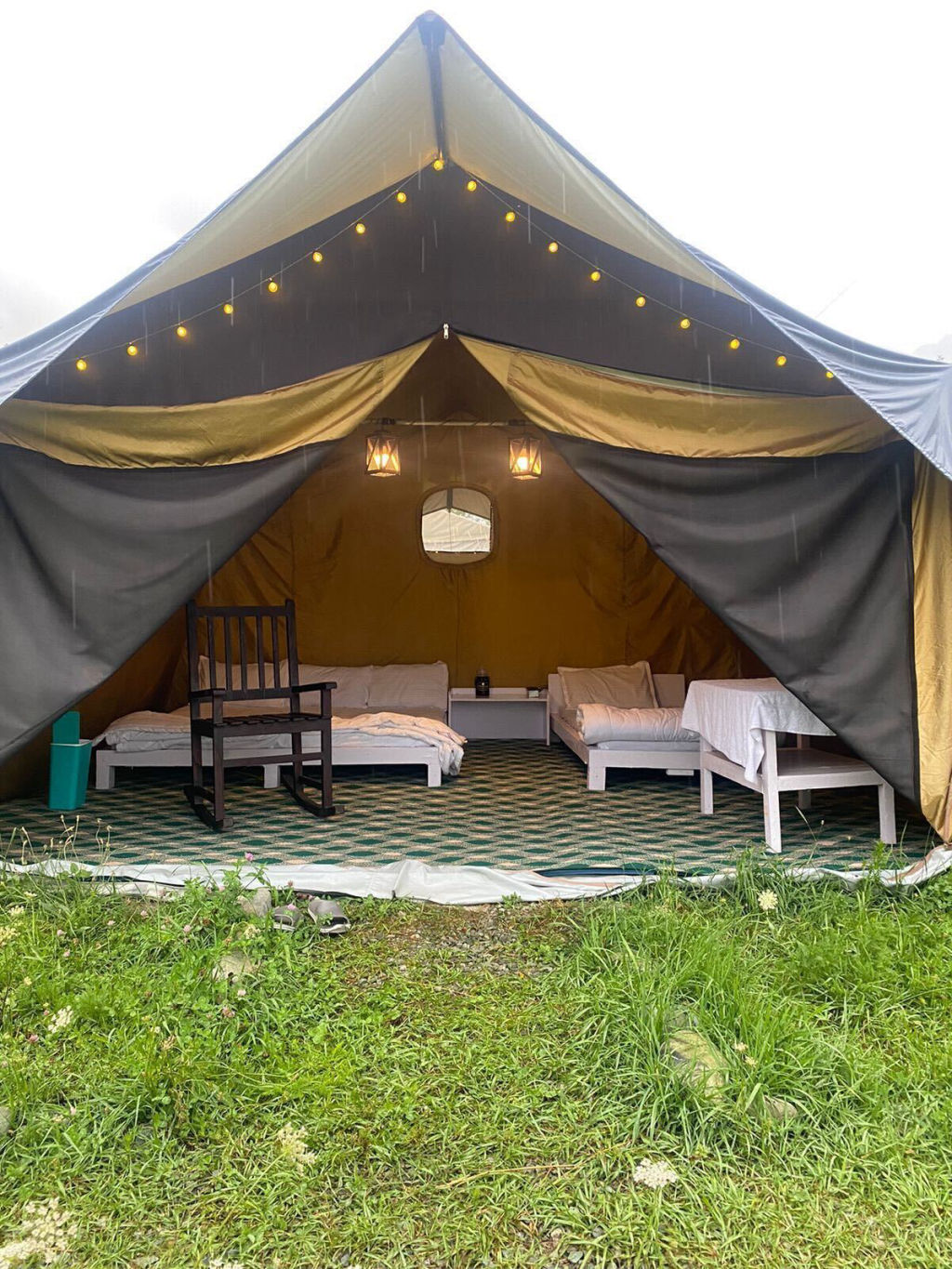
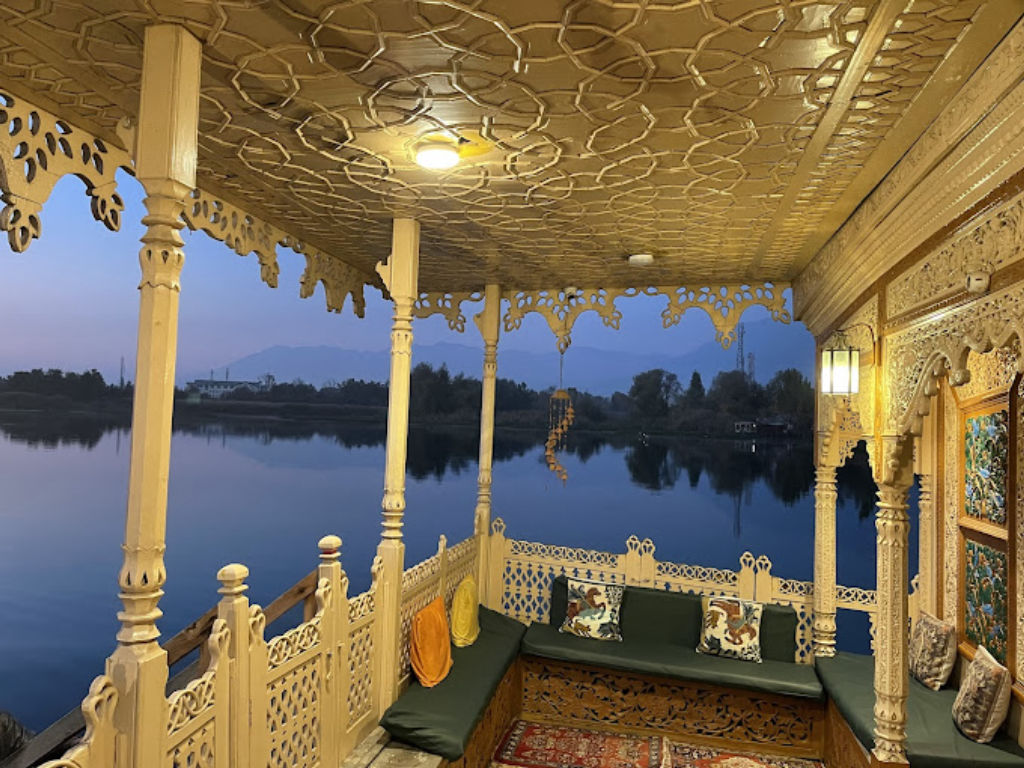
The Dalgate and Boulevard areas surrounding Durga Nag feature a wide variety of accommodation choices that suit diverse travel tastes. Visitors can pick between traditional wooden stays on the lake, heritage cottages, and cozy city quarters within walking distance of the temple.
For travellers seeking authentic local hospitality, picturesque mountain surroundings, and handpicked homestays or outdoor camps across the Kashmir Valley, quality options can be browsed and reserved directly on HireACamp.
Frequently asked questions
Where is Durga Nag Temple located?
Durga Nag Temple is located at the foot of Shankaracharya Hill in the Dalgate neighborhood of Srinagar, Jammu and Kashmir, very close to the edge of Dal Lake.
What is the significance of the spring at Durga Nag?
The natural freshwater spring, or 'nag', is dedicated to Goddess Durga and is considered sacred by Kashmiri Hindus, serving as a site of ritual purification, devotion, and historical pilgrimage.
Can tourists and non-pilgrims visit Durga Nag Temple?
Yes, travellers and visitors of all backgrounds are welcome to visit the complex to appreciate its historic architecture, calm gardens, and cultural heritage, provided they follow standard temple decorum.
What is the best time of day to visit Durga Nag?
Early morning and late afternoon are the best times to visit, when the courtyards are quiet, the temperature is mild, and visitors can participate in or listen to the daily temple aarti.
Is footwear allowed inside the Durga Nag temple premises?
Footwear is not permitted in the inner shrine rooms and around the holy spring waters; you will need to leave your shoes at designated areas near the entrance.
Where you'll be
Durga Nag Temple, Dalgate, near Krishna Dhaba, Srinagar · 2 stays nearby shown with prices
Stays near Durga Nag, Temple
Book a place to stay close by
More places near Durga Nag, Temple
Within 20 km
Built from 0 Instagram posts by 0 creators. Every tip links back to the post it came from, and where creators disagree we show both sides.






