
Shankaracharya Temple
Temple near Badamibagh, Jammu and Kashmir
1 km from Badamibagh
The nearest town, for stays, food and fuel.
Perched atop the forested Gopadari Hill overlooking Srinagar and Dal Lake, Shankaracharya Temple is an ancient Hindu shrine dedicated to Lord Shiva. Regarded as one of the oldest places of worship in the Kashmir Valley, it draws pilgrims, history enthusiasts, and nature lovers alike. Visitors ascend the hill not only to seek blessings at the sacred sanctum but also to take in panoramic vistas of the surrounding Himalayan ridges and the city below.
Getting there
By road
- From BadamibaghNearest town34 min · 12 km
Typical drive times without traffic. Stations and airports from OLA Maps; distances and typical drive times from OpenStreetMap (© OpenStreetMap contributors); notes from creators' Reels.
About Shankaracharya Temple
Written with AI from map data and general knowledge. Check prices and timings locally before you go.
History and significance of Shankaracharya Temple
The Shankaracharya Temple holds a deeply revered place in the spiritual landscape of Kashmir. Dedicated to Lord Shiva, the temple sits on a solid stone platform atop the hill historically known as Gopadari Hill or Takht-i-Suleiman. The shrine is traditionally associated with the great Indian philosopher and theologian Adi Shankaracharya, who is believed to have visited the Kashmir Valley during his travels in the early eighth century, consolidating the revival of Sanatana Dharma and contributing to Advaita Vedanta philosophy.
While oral traditions link the structure's earliest roots to centuries before the common era, the present stone edifice dates back over a thousand years. The temple features an octagonal base and a circular inner chamber housing a revered Shiva Lingam. Its sturdy stone architecture has endured centuries of changing regional dynasties and harsh alpine weather, serving as an enduring symbol of Srinagar's deep-rooted cultural and spiritual heritage.
The climb and scenic vantage point
Reaching the sanctum of Shankaracharya Temple requires a climb up a flight of more than two hundred stone steps after arriving at the upper vehicle parking area. The staircase winds through a terraced hillside framed by pine and deodar cover, offering a pleasant and shaded walk even on warmer days. Rallings and occasional resting platforms allow visitors of varying fitness levels to pause and catch their breath during the ascent.
The reward for completing the climb is one of the most comprehensive panoramic views available anywhere in Srinagar. From the temple courtyard, the entirety of Dal Lake spreads out below, with houseboats and traditional wooden shikaras appearing as miniature shapes on the water. Beyond the lake, the eye traces the outlines of Hari Parbat Fort, the Jhelum River snaking through the urban core, and the snow-dusted ridges of the Zabarwan and Pir Panjal mountain ranges framing the horizon.
Read more
Best time to visit Shankaracharya Temple
The temple can be visited throughout the year, but the experience changes distinctly with Kashmir's four seasons. The spring and summer months, from April to September, are widely considered the most comfortable. During this window, temperatures remain pleasant, skies are generally clear, and the surrounding valley is vibrant with blooms and lush greenery, making the climb smooth and the panoramic photography exceptional.
Autumn, from October to November, brings cool and crisp air, as the foliage across the hill turns golden and amber. Winter transforms the landscape dramatically from December to February, often coating the temple steps and roof in heavy snow. While winter visits offer serene, frost-laden mountain vistas, travelers should prepare for sub-zero temperatures, icy steps, and possible temporary road disruptions following sudden snowfalls. Checking local weather updates before heading up the hill in winter is always recommended.
How to reach Shankaracharya Temple
The temple is located on Shankaracharya Hill, rising directly above the boulevard road that lines Dal Lake in Srinagar. Srinagar International Airport is the nearest air hub, offering regular flights from major Indian cities including Delhi, Mumbai, and Jammu. From the airport, local taxis and auto-rickshaws are readily available to ferry visitors to the base of the hill.
From central Srinagar or the Dal Lake boulevard, private vehicles and registered cabs can drive up the winding hill road that passes through the protected forest area to reach the checkpoint and designated parking lot. From the parking zone, the remainder of the journey must be covered on foot up the stone staircase. Due to strict security checks along the access route, visitors must pass through security gates and leave certain electronic items behind before heading up.
Tips for your visit
Because of the temple's strategic elevation and security presence, strict entry protocols are enforced by authorities at the base and mid-way checkpoints. Visitors are typically not permitted to carry mobile phones, cameras, smartwatches, or other large electronics past the security post, though locker facilities are generally provided to store these items safely. It is advisable to travel light and carry only essential identification and cash.
Dress modestly and respectfully, keeping shoulders and knees covered in accordance with customary temple etiquette. Shoes must be removed before entering the inner sanctum. Because the climb involves over two hundred steps, wear comfortable walking footwear with good grip. Carrying a bottle of water is useful during the summer months, while warm woollens and sturdy boots are essential if visiting during late autumn or winter.
Places to visit nearby
The hill sits adjacent to some of Srinagar's most famous natural and cultural landmarks. Surrounding the base of the hill is the Shankaracharya Hill Forest, an expansive green belt crisscrossed by nature trails and home to local bird species and lush pine groves. Just at the foot of the hill lies Dal Lake, where visitors can enjoy a relaxing shikara ride or explore the floating gardens.
Within a short drive along the lake perimeter, travelers can visit landscaped gardens such as Nehru Park, Zabarwan Park, and the expansive Jawaharlal Nehru Memorial Botanical Garden. The bustling markets of Srinagar, along with handicraft centers showcasing traditional Kashmiri shawls, carpets, and walnut-wood carvings, are also easily accessible within a couple of kilometers from the base of the hill.
Where to stay near Shankaracharya Hill
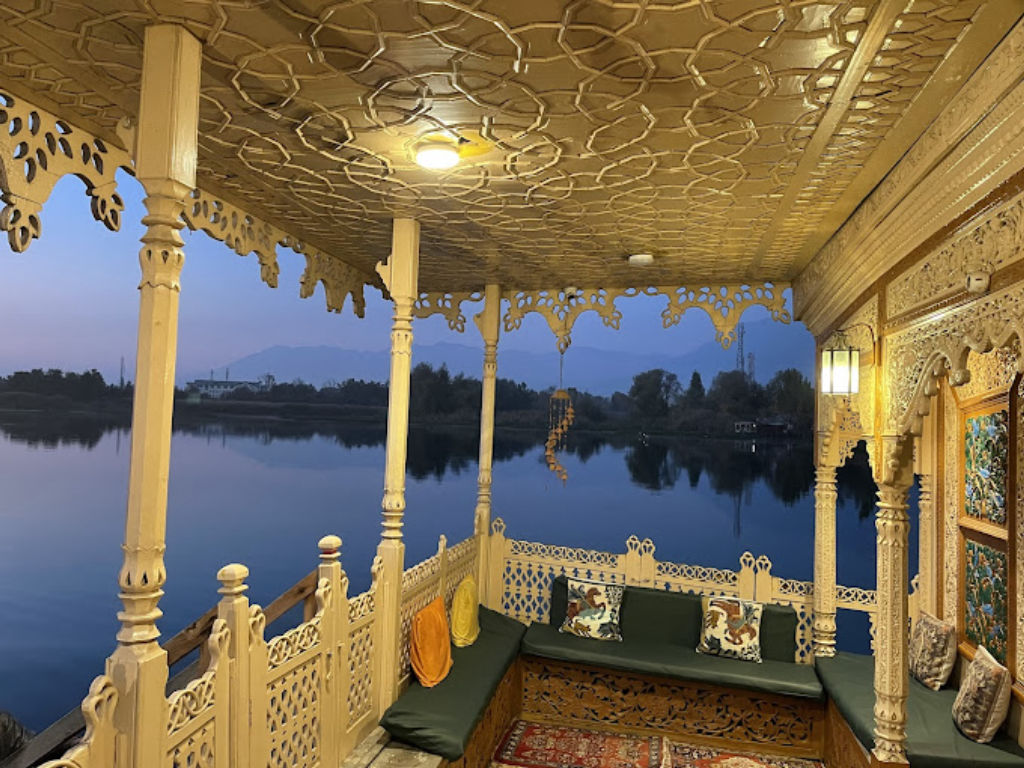
The area around Dal Lake and the foothills of the Zabarwan range features a wide selection of accommodations suitable for every type of traveler. Staying near the lake gives easy morning access to the temple road while keeping you close to major dining options and waterfront promenades.
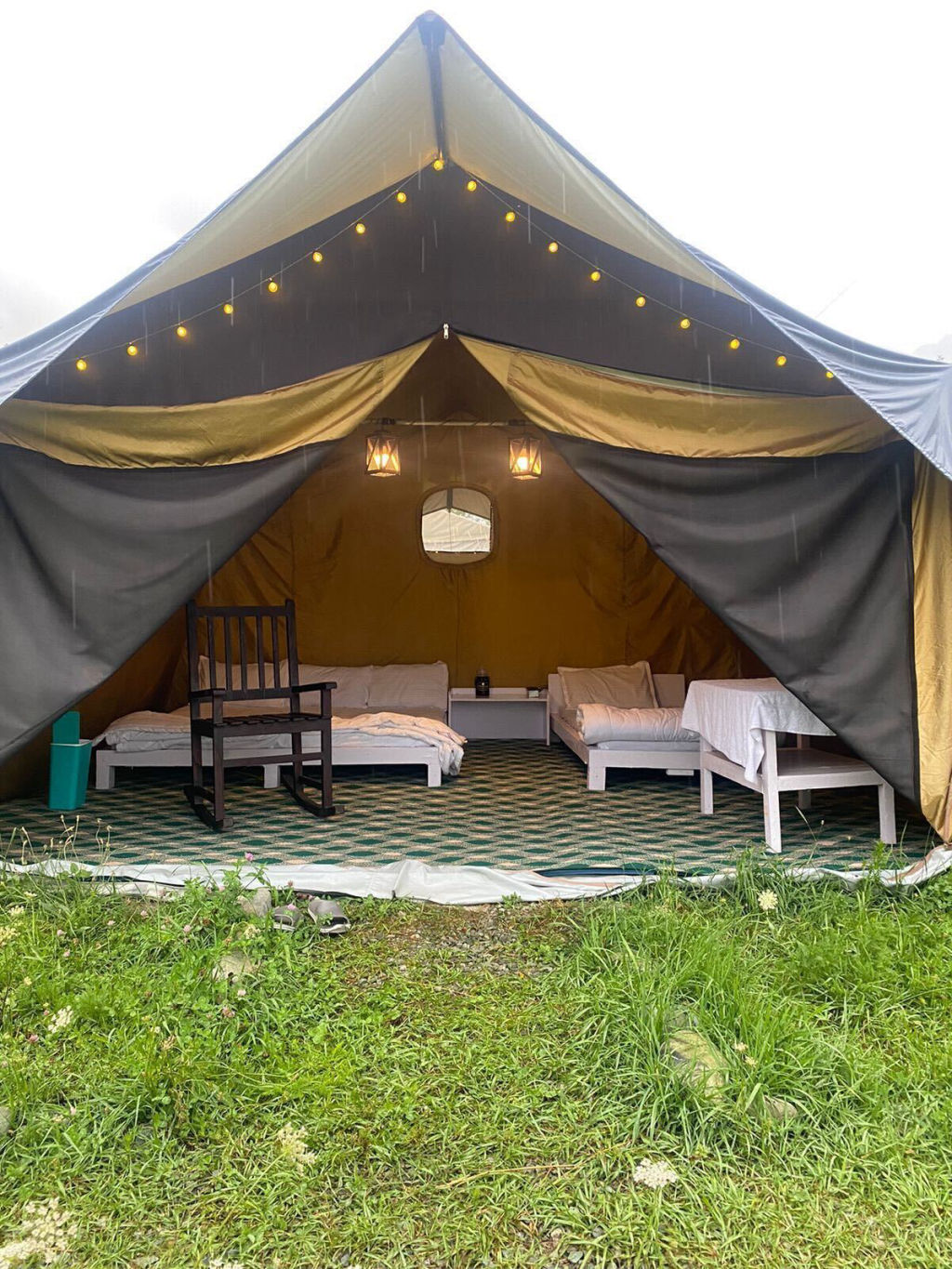
If you prefer a slower, more authentic mountain experience, you can explore traditional homestays, nature retreats, and eco-camps nestled in the surrounding valleys and pine orchards. You can discover and book verified homestays and outdoor stays across Jammu and Kashmir directly through HireACamp.
Frequently asked questions
How many stairs do you have to climb at Shankaracharya Temple?
Visitors must climb approximately 240 stone steps from the parking lot to reach the main temple terrace. Handrails and resting spots are available along the way.
Are mobile phones and cameras allowed inside the temple?
No, mobile phones, cameras, and large electronic devices are strictly prohibited beyond the security checkpoint. Storage lockers are typically available near the entrance to safeguard your belongings.
Is Shankaracharya Temple open throughout the year?
Yes, the temple remains accessible throughout the year, though winter snow may occasionally make the climb slippery. It is best to check locally for current road and weather conditions before traveling.
Can elderly people or those with mobility issues visit the temple?
Because access to the shrine requires climbing more than two hundred stone steps without elevators or ramps, the final ascent can be challenging for those with mobility issues or respiratory concerns.
How long does a visit to Shankaracharya Temple typically take?
Most visitors spend between one to two hours, which includes passing through security, climbing the stairs, offering prayers at the shrine, and taking in the panoramic views from the terrace.
Where you'll be
Dal Lake, Srinagar · 2 stays nearby shown with prices
Stays near Shankaracharya Temple
Book a place to stay close by
More places near Shankaracharya Temple
Within 20 km
Built from 0 Instagram posts by 0 creators. Every tip links back to the post it came from, and where creators disagree we show both sides.






