
Fambong Lho Wildlife Sanctuary
Wildlife sanctuary near Rumtek, Sikkim
700 m from Rumtek
The nearest town, for stays, food and fuel.
Fambong Lho Wildlife Sanctuary is a lush protected reserve perched in the eastern Himalayan foothills just outside Gangtok in Sikkim. Draped in dense canopies of oak, bamboo, and rhododendron, it provides a crucial natural habitat for high-altitude wildlife and diverse bird species. Travellers visit Fambong Lho to trek its mist-covered forest trails, observe Himalayan flora and fauna, and enjoy panoramic views across the valleys.
Getting there
By road
- From RumtekNearest town1 hr 40 min · 56 km
Typical drive times without traffic. Stations and airports from OLA Maps; distances and typical drive times from OpenStreetMap (© OpenStreetMap contributors); notes from creators' Reels.
About Fambong Lho Wildlife Sanctuary
Written with AI from map data and general knowledge. Check prices and timings locally before you go.
About Fambong Lho Wildlife Sanctuary
Fambong Lho Wildlife Sanctuary spans a rugged mountainous landscape in East Sikkim, located in close proximity to the state capital of Gangtok. The sanctuary encompasses an altitudinal gradient that ranges from temperate broadleaf woodlands to subalpine bamboo brakes. This elevation shift fosters distinct microclimates across its hillsides, making it one of the most accessible yet biologically rich wilderness zones in the region.
The reserve plays an essential ecological role as an active watershed and a natural buffer for the surrounding valleys. Historically preserved for its pristine catchments, Fambong Lho provides visitors with an authentic wilderness experience characterized by thick mossy tree trunks, clear mountain streams, and rolling mountain ridgelines that frequently disappear into drifting alpine mist.
Flora and fauna of Fambong Lho
The vegetation within Fambong Lho Wildlife Sanctuary is classic Eastern Himalayan wet temperate forest. Towering stands of oak, champ, katus, and thick groves of bamboo dominate the canopy, while lower branches are adorned with wild orchids, lichens, and ferns. During spring, several species of rhododendrons burst into bloom, dusting the upper ridges with shades of scarlet, pink, and white.
This dense foliage provides shelter to a wide array of wildlife adapted to high altitudes. The sanctuary is recognized for housing elusive mammals such as the red panda, Himalayan black bear, barking deer, leopard cat, and the yellow-throated marten. Birdlife is exceptionally rich throughout the year, featuring sightings of laughingthrushes, minivans, barwigs, kalij pheasants, and various hill partridges, making the area a notable destination for ornithologists and wildlife photographers.
Read more
Best time to visit Fambong Lho Wildlife Sanctuary
The ideal periods to visit Fambong Lho Wildlife Sanctuary are during the spring season from March to May and the autumn season from October to mid-December. In spring, the temperatures are moderate, forest trails are dry, and the rhododendrons and wild orchids are in full flowering splendour. Autumn brings crisp mountain air, stable weather patterns, and the clearest views of the surrounding Himalayan peaks.
The monsoon season from June to September brings heavy precipitation to Sikkim. Heavy downpours can make forest paths slippery and elevate the presence of leeches in the undergrowth, so casual trekking is generally avoided during these months. Winter, running from late December to February, can be quite cold with frost at higher elevations, though crisp sunny days still offer rewarding birdwatching opportunities for well-prepared travellers.
Things to do at Fambong Lho Wildlife Sanctuary
Trekking and forest walks are among the primary attractions within Fambong Lho. Established forest trails wind through the undergrowth, allowing visitors to hike at a relaxed pace while taking in the sights and sounds of the deep woods. Climbing towards the higher vantage points within the sanctuary rewards trekkers with breathtaking views across the Teesta valley and distant snowy summits.
Birdwatching is another popular activity. The sanctuary's diverse canopy layers provide continuous opportunities to spot both resident and migratory avian species. Carrying a good pair of binoculars and moving quietly along the designated pathways early in the morning yields the highest chance of spotting rare birds and small forest mammals. Nature photography enthusiasts will find no shortage of dramatic subjects, from intricate moss-draped branches to misty ridgelines.
How to reach Fambong Lho Wildlife Sanctuary
Fambong Lho Wildlife Sanctuary is accessible via road from Gangtok, which serves as the primary base for visiting the sanctuary. Taxis and private hired vehicles can be arranged from Gangtok to transport visitors directly to the main entry gates of the reserve along winding hill roads.
For travellers arriving from further afield, the closest major railway hubs are New Jalpaiguri and Siliguri in West Bengal, from where road transport connects upwards into Sikkim. The nearest airport is Pakyong Airport in Sikkim, while Bagdogra Airport serves as a major commercial flight gateway. From the plains, the road journey follows the Teesta River up into the hills before branching off towards the reserve.
Tips for your visit
When planning an excursion into Fambong Lho Wildlife Sanctuary, dress in comfortable layers. Weather in the eastern Himalayas can shift rapidly, and temperatures inside the sheltered forest canopy are often cooler than in open areas. Sturdy walking shoes or hiking boots with deep tread are essential for navigating uneven and sometimes damp terrain.
Because this is a protected wildlife zone, all visitors must abide by leave-no-trace principles. Carry reusable water bottles, take all personal rubbish back with you, and refrain from playing loud music or making sudden loud noises on the trails. Entry formalities and permits may be required at the forest checkposts, so check local guidelines in Gangtok before heading out.
Places to visit nearby
A trip to Fambong Lho Wildlife Sanctuary can easily be combined with exploring nearby cultural and scenic sites in East Sikkim. Just a short drive across the valley lies Rumtek Monastery, one of the most prominent and architecturally grand Tibetan Buddhist monasteries in the state, celebrated for its intricate murals and tranquil surroundings.
The town of Gangtok itself offers vantage points, cultural centres, and lively local markets where travellers can taste regional Sikkimese cuisine and purchase traditional handicrafts. Further south across the regional hill range, outdoor enthusiasts can extend their travels into the forested hamlets of Lamahatta or the historic monastery ridges around Kalimpong and Darjeeling.
Where to stay
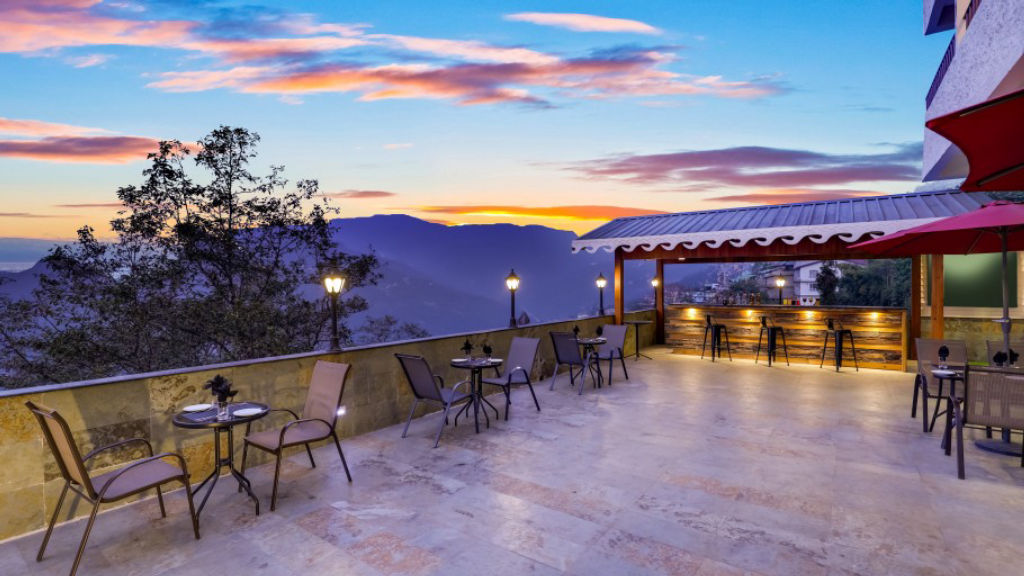
Accommodations ranging from eco-resorts and boutique hillside cottages to peaceful rural homestays and camping spots can be found on HireACamp. Staying in the surrounding villages or on the outskirts of Gangtok allows you to enjoy pristine Himalayan valley views while remaining conveniently close to the sanctuary gates.
Frequently asked questions
Where is Fambong Lho Wildlife Sanctuary located?
Fambong Lho Wildlife Sanctuary is located in the East Sikkim district of India, situated a short drive away from the state capital, Gangtok.
What animals can be spotted in Fambong Lho Wildlife Sanctuary?
The sanctuary is home to animals such as the red panda, Himalayan black bear, barking deer, yellow-throated marten, and numerous high-altitude bird species like pheasants and laughingthrushes.
When is the best time of year to visit?
The best months to visit are from March to May for blooming flora and moderate weather, and from October to mid-December for crisp air and clear mountain views.
Do I need a permit to visit Fambong Lho Wildlife Sanctuary?
Permits and entry registrations may be required by the local forest department to enter the sanctuary; it is best to verify entry requirements locally in Gangtok before starting your trip.
Is trekking allowed inside the sanctuary?
Yes, walking and trekking along designated forest trails are permitted and offer an excellent way to experience the sanctuary's scenery, plants, and birdlife.
Where you'll be
Gangtok · 3 stays nearby shown with prices
Stays near Fambong Lho Wildlife Sanctuary
Book a place to stay close by


More places near Fambong Lho Wildlife Sanctuary
Within 20 km

Lists for this area
Ranked by how many creators recommend each place


Built from 0 Instagram posts by 0 creators. Every tip links back to the post it came from, and where creators disagree we show both sides.






