
Gairibas
Destination in India
Gairibas is a high-altitude settlement nestled along the Indo-Nepal border in the eastern Himalayas near the Singalila ridge. Primarily known as an essential stopover on the classic trek toward Sandakphu and Phalut, it sits enveloped in dense bamboo thickets, rhododendron groves, and mountain mist. Travellers and hikers visit Gairibas to experience untamed wilderness, quiet Himalayan village life, and direct access to pristine trails.
Getting there
About Gairibas
Written with AI from map data and general knowledge. Check prices and timings locally before you go.
Understanding Gairibas
Perched at an elevation of over two thousand six hundred metres along the border between West Bengal and Nepal, Gairibas is a tiny, peaceful mountain enclave. It is set within the protected eco-zone of Singalila National Park, celebrated for its rich temperate forest ecosystem. The landscape here shifts dramatic gradients, descending steeply into green valleys and climbing up toward windswept ridge crests.
The settlement functions as a pivotal crossing point for foot travellers, local traders, and vintage four-wheel-drive vehicles plying the ridge route. Gairibas features simple wooden houses, prayer flags fluttering in the mountain breeze, and small terraced patches carved into the hillside. Because of its remote setting, the settlement maintains an unhurried, authentic atmosphere far removed from crowded tourist hill stations.
Things to do in and around Gairibas
Trekking and mountain walking form the heart of any stay in Gairibas. The climb leading up from Tumling through Gairibas toward Kaiyakatta and Kalipokhri is one of the most scenic stretches in the region, offering rugged paths through thickets of bamboo and magnolia. Walking these trails allows visitors to immerse themselves in nature, with the sound of mountain streams and birdsong accompanying every step.
Birdwatching and wildlife observation are exceptionally rewarding around the settlement. The dense undergrowth of the Singalila range is prime habitat for rare Himalayan fauna, including the shy red panda, barking deer, and Himalayan black bears. Avian enthusiasts can spot blood pheasants, satyr tragopans, laughingthrushes, and numerous species of warblers and sunbirds flitting through the canopies.
Photography and stargazing are equally compelling reasons to spend time here. With virtually no urban light pollution, the night skies over Gairibas reveal brilliant spreads of stars and the Milky Way stretching over high mountain silhouettes. During daytime, shifting sea clouds roll over the valley floors, providing endless opportunities for landscape photographers.
Read more
Best time to visit Gairibas
The ideal time to visit Gairibas is during the spring season from March to May and the autumn months from October to December. In spring, the forests around the settlement come alive as rhododendrons, magnolias, and wild orchids burst into bloom, splashing deep reds, pinks, and whites across the green slopes. Daytime temperatures are pleasant, though evenings remain cold.
Autumn brings crisp, dry air and exceptionally clear skies following the retreat of the monsoon. From October onward, visibility is at its peak, providing sweeping views of the surrounding Himalayan peaks. The weather during these months is stable and ideal for long days on the walking trails.
Winter arrives in late December and lasts through February, bringing bitter cold, frost, and occasional snowfall. While travel is still possible for experienced trekkers equipped with warm winter gear, many local establishments operate with minimal facilities. The monsoon months between June and September bring intense rainfall, slippery mountain trails, and frequent landslides, making trekking and driving hazardous.
How to reach Gairibas
Reaching Gairibas requires a journey into the higher reaches of the Darjeeling district. The nearest major railhead is New Jalpaiguri, and the closest commercial airport is Bagdogra, both situated around one hundred to one hundred and twenty kilometres away depending on the route chosen. From the plains, travellers can hire taxis or use shared transport to reach base towns such as Manebhanjan or Dhotrey.
From Manebhanjan, the route transitions into rugged mountain terrain. Visitors can trek uphill past Chitrey, Meghma, and Tumling before descending into the saddle of Gairibas. Alternatively, local vintage four-wheel-drive vehicles operate along the unpaved mountain track from Manebhanjan. The drive is rough and steep, requiring experienced local drivers to navigate the rocky terrain safely. Travellers should always allow extra time for the journey, as road conditions and mountain weather can alter travel durations.
Places to visit nearby
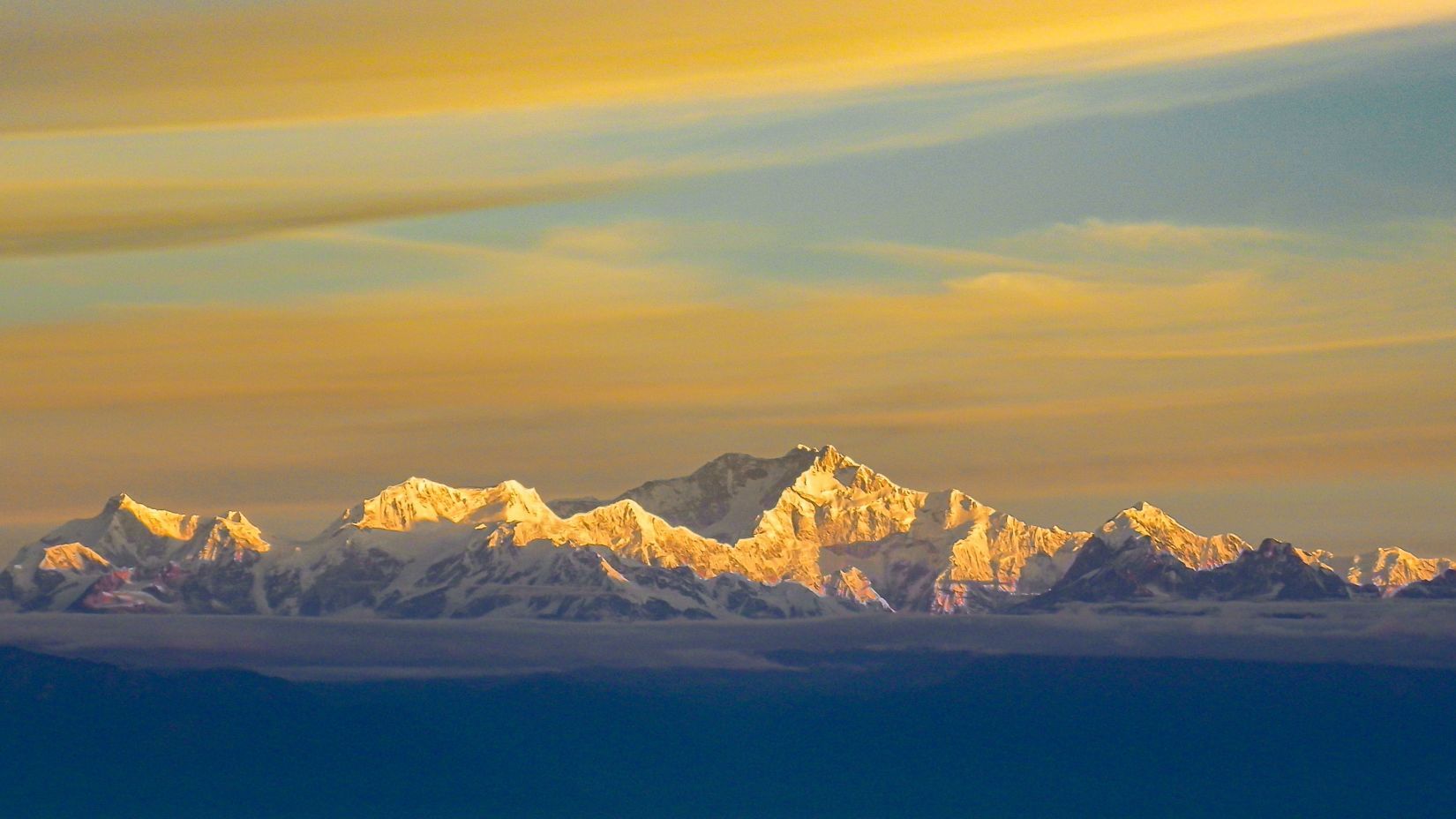
Gairibas is positioned along a legendary ridge with several natural and cultural landmarks nearby. Further up the trail lies Kalipokhri, a small settlement built around a sacred black-water lake revered by local communities. Beyond Kalipokhri stands Sandakphu, the highest peak in West Bengal, renowned across the world for offering a panoramic vista of four of the world's five highest summits, including Kanchenjunga and Mount Everest.
Closer to the lower base of the ridge, the historic hill station of Darjeeling offers a rich contrast to the wild trails of Gairibas. Visitors travelling through the wider district can visit the iconic Batasia Loop, the Japanese Buddhist Temple, Peace Pagoda, and the Padmaja Naidu Himalayan Zoological Park, known for its conservation breeding programs for snow leopards and red pandas. The surrounding hills also feature scenic spots such as Tiger Hill and the tranquil pine forests of Lamahatta.
Tips for your visit
Because Gairibas lies in a high-altitude border zone, physical preparation and proper gear are essential. Even during warm months, night-time temperatures drop close to freezing, making thermal base layers, fleece jackets, and windproof outer shells mandatory. Sturdy trekking boots with good ankle support and grip are vital for navigating wet stones and steep ascents.
Check entry regulations and permit requirements locally at the forest checkposts in Manebhanjan or before entering Singalila National Park. Carrying sufficient cash is crucial, as there are no automated teller machines, card terminals, or reliable electronic payment facilities along the ridge. Mobile network connectivity is patchy and often switches to international roaming along the border, so plan communication accordingly and inform family in advance.
Where to stay in Gairibas
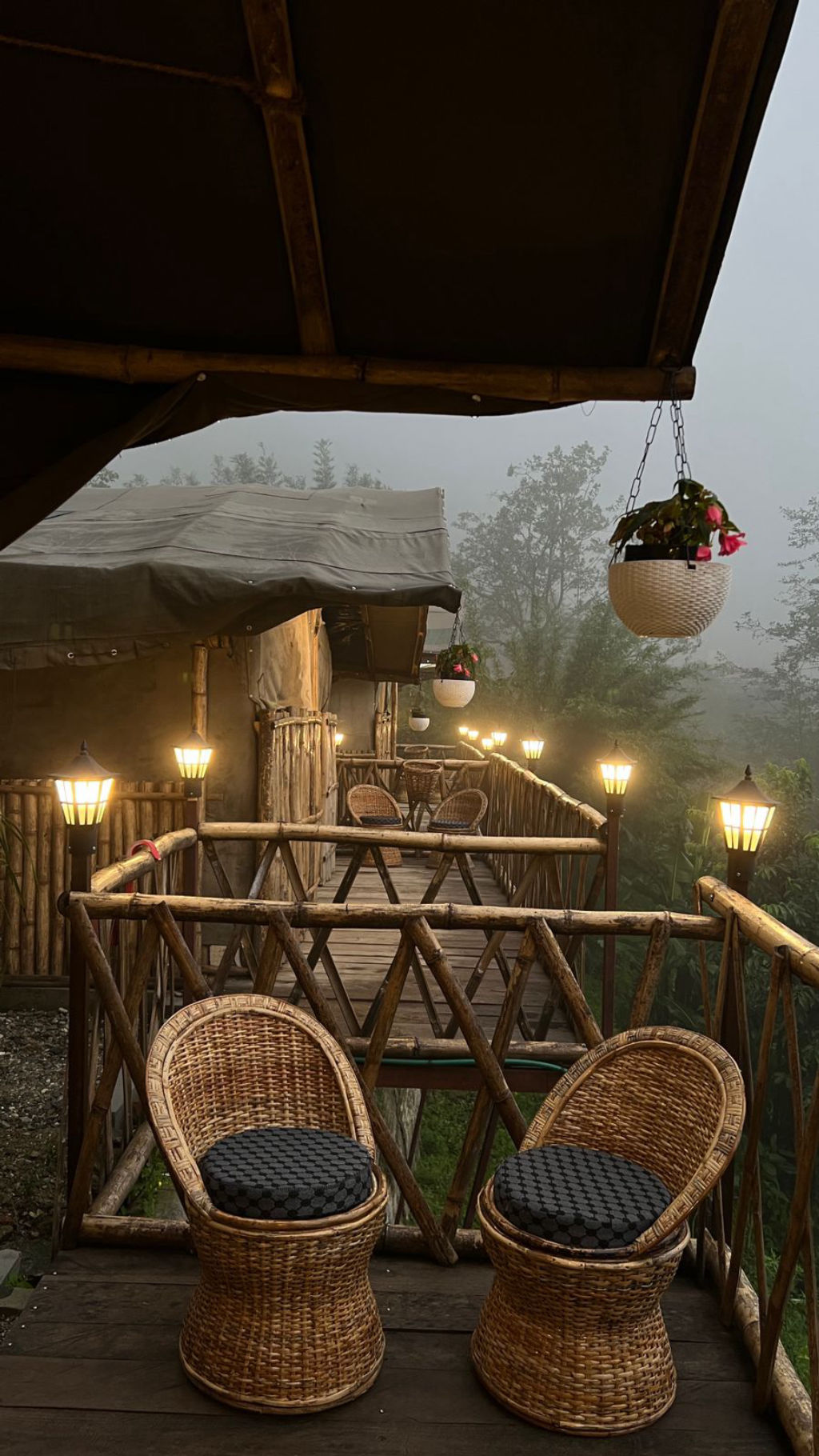
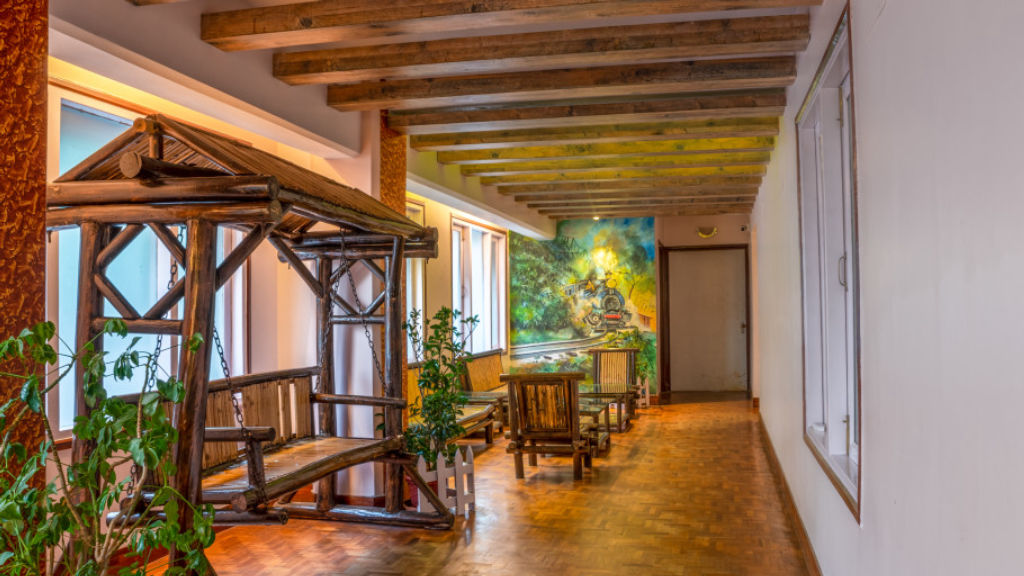
Accommodation in Gairibas consists of modest, community-run stays that reflect the warmth and hospitality of mountain people. Visitors can choose between simple homestays and rustic mountain lodges that offer basic amenities such as warm blankets, wood-fired hearths, and home-cooked meals prepared with regional ingredients.
Staying in a local homestay is an excellent way to connect with resident families, understand cross-border life, and support local mountain livelihoods. Travellers can find and book vetted camps, homestays, and rustic outdoor getaways around Gairibas and the Darjeeling hills on HireACamp.
Frequently asked questions
What is Gairibas famous for?
Gairibas is best known as an essential stop on the Sandakphu trekking route inside Singalila National Park, celebrated for its dense bamboo forests, birdlife, and tranquil mountain scenery.
Can I reach Gairibas by car?
Regular road vehicles cannot navigate the trail past Manebhanjan. Only specialised vintage four-wheel-drive vehicles or walking on foot can take you through the rocky mountain track to Gairibas.
Do I need permits to visit Gairibas?
Yes, because Gairibas is situated within Singalila National Park and along the international border, entry permits and identity verification are required. Travellers should check and obtain necessary clearances locally at the entrance checkposts.
Does Gairibas receive snowfall in winter?
Gairibas frequently experiences sub-zero temperatures, heavy frost, and occasional snowfall during the peak winter months of January and February.
Is Gairibas suitable for family trips?
Gairibas is well-suited for active families and older children who enjoy hiking, rugged outdoor living, and nature, but it requires enduring rough roads and basic amenities.
Where you'll be
3 stays nearby shown with prices
Stays near Gairibas
Book a place to stay close by
Things to do in Gairibas
43 places creators recommend within 30 km


Lists for this area
Ranked by how many creators recommend each place


Built from 0 Instagram posts by 0 creators. Every tip links back to the post it came from, and where creators disagree we show both sides.






