
Ganapati Ghat
Heritage & Culture near Wai, Maharashtra
100 m from Wai
The nearest town, for stays, food and fuel.
Ganapati Ghat is a historic riverside landing along the banks of the Krishna River in Wai, Maharashtra. Framed by stone temples and wide masonry steps built during the Peshwa period, it serves as an enduring spiritual and cultural hub in the Satara district. Visitors come to admire its heritage architecture, absorb the peaceful rhythm of the river, and explore Wai's traditional historic charm.
Getting there
By road
- From Pune1 hr 55 min · 85 km
- From Mumbai 4 hr 20 min · 231 km
- From Nashik6 hr 55 min · 332 km
Typical drive times without traffic. Stations and airports from OLA Maps; distances and typical drive times from OpenStreetMap (© OpenStreetMap contributors); notes from creators' Reels.
About Ganapati Ghat
Written with AI from map data and general knowledge. Check prices and timings locally before you go.
Understanding Ganapati Ghat and its heritage
Wai is an ancient town nestled in the foothills of the Sahyadris, recognized across Maharashtra for its deep spiritual traditions and architectural legacy. Ganapati Ghat stands as one of the most prominent cultural riverfronts in the region, lining the gentle waters of the sacred Krishna River. The ghat was developed largely during the eighteenth century under the patronage of the Maratha Empire, particularly the Peshwas, who transformed Wai into an important administrative and religious sanctuary.
The ghat takes its primary identity from the prominent temple dedicated to Lord Ganesha that sits directly beside the riverbank. Sturdy black basalt masonry defines the waterfront, descending in tiered platforms directly into the flowing water. For centuries, these steps have served as an essential gathering place for morning rituals, community discussions, and daily religious life. Today, Ganapati Ghat retains that unhurried atmosphere, bridging centuries of living local tradition with architectural grace.
Architecture and atmosphere along the river
The construction of Ganapati Ghat reflects the practical and aesthetic brilliance of Maratha stone masonry. Built using locally quarried dark basalt, the wide steps and protective retaining walls were designed to withstand the annual swelling of the Krishna River during the heavy monsoon season. The ghat features solid octagonal pavilions, deep stone staircases, and broad landings where pilgrims and townsfolk gather in the cool hours of dawn and dusk.
Adjacent to the ghat steps is the celebrated temple housing a monumental stone idol of Ganesha, known affectionately for its impressive scale and distinct Maratha architectural styling. The temple compound displays classic Hemadpanthi design influences, characterized by solid stone pillars, sculpted cornices, and soaring shikharas that catch the morning sunlight. The atmospheric beauty of the ghat, with ancient banyan trees casting shade over weathered stone landings, has made it a favoured setting for Indian cinema, capturing the quintessence of rural Maharashtra heritage.
Read more
Best time to visit Ganapati Ghat
Visiting Ganapati Ghat is largely influenced by the seasonal climate of the Deccan plateau and the Western Ghats. The winter months, running from October to February, offer the most comfortable weather for exploring the riverside and surrounding historic alleys. During this period, daytime temperatures remain mild, the air is crisp, and evenings bring a gentle cool breeze off the Krishna River.
The monsoon season, spanning from late June to September, paints the Sahyadri mountains in vibrant shades of green and fills the Krishna River with vigorous fresh currents. While walking on wet river steps requires extra caution during heavy showers, the sight of full watercourses and mist-draped temples provides a moody, tranquil landscape. Summer, stretching from March to May, tends to be warm and dry, making early mornings and late afternoons the only practical times for an unhurried visit to the ghat.
Things to do around the ghat
A visit to Ganapati Ghat is best experienced at a slow, reflective pace. Beginning your visit at sunrise allows you to watch the morning light illuminate the stone temples while local residents complete their daily prayers and offerings. Sitting on the lower steps by the flowing water offers a serene break from urban bustle, making it an ideal spot for quiet reading, journaling, or sketch artistry.
Photography enthusiasts will find endless inspiration in the interplay of light and shadow across the stone carvings, the reflection of temple spires in the river, and the vibrant life along the banks. Beyond the immediate water steps, taking a walking tour of the surrounding lanes reveals traditional wadas, historic residential mansions of the Maratha nobility with carved wooden pillars and interior courtyards. You can also spend time exploring the adjacent riverside temples dedicated to Shiva, Vishnu, and various regional deities.
How to reach Ganapati Ghat
Ganapati Ghat is located centrally within Wai town in the Satara district of Maharashtra, making it straightforward to reach by road from major regional urban centres. Travellers coming from Pune can take the National Highway 48 south towards Satara before turning off towards Wai, a scenic drive that typically winds through the Deccan countryside. Those travelling from Mumbai follow the Mumbai-Pune Expressway before continuing south onto the highway towards Wai.
State transport buses operate frequent direct services to Wai from Pune, Satara, and nearby hill stations. From the Wai bus stand, the river ghat is located within easy local reach via local auto-rickshaws or even a modest walk through the town's historic core. For those travelling by train, Satara serves as the nearest major railway junction, from where local buses and shared vehicles make regular trips to Wai throughout the day.
Places to visit nearby
Wai serves as an excellent base for discovering the scenic landscapes and historic fortifications of the northern Western Ghats. Just outside town lie the ancient rock-cut Wai Caves, carved into the hillside and offering a glimpse into the region's early monastic history. A short drive up into the surrounding hills leads to Table Land in Panchgani, a massive volcanic plateau known for its sweeping views of surrounding valleys and hill contours.
Water lovers can venture towards Dhom Lake, a wide reservoir created by the Dhom Dam that sits nestled between rugged ridges and offers quiet shores for contemplation. Trekkers and history enthusiasts can head towards high-perched Maratha strongholds such as Kamalgad Fort and Kenjalgad, both providing rugged trails and panoramic vistas over the Sahyadri ranges. Further south, the renowned Kaas Plateau blooms with seasonal wildflowers following the monsoons, while Sajjangad Fort and Thoseghar Waterfall offer dramatic natural and cultural outings.
Where to stay near Wai
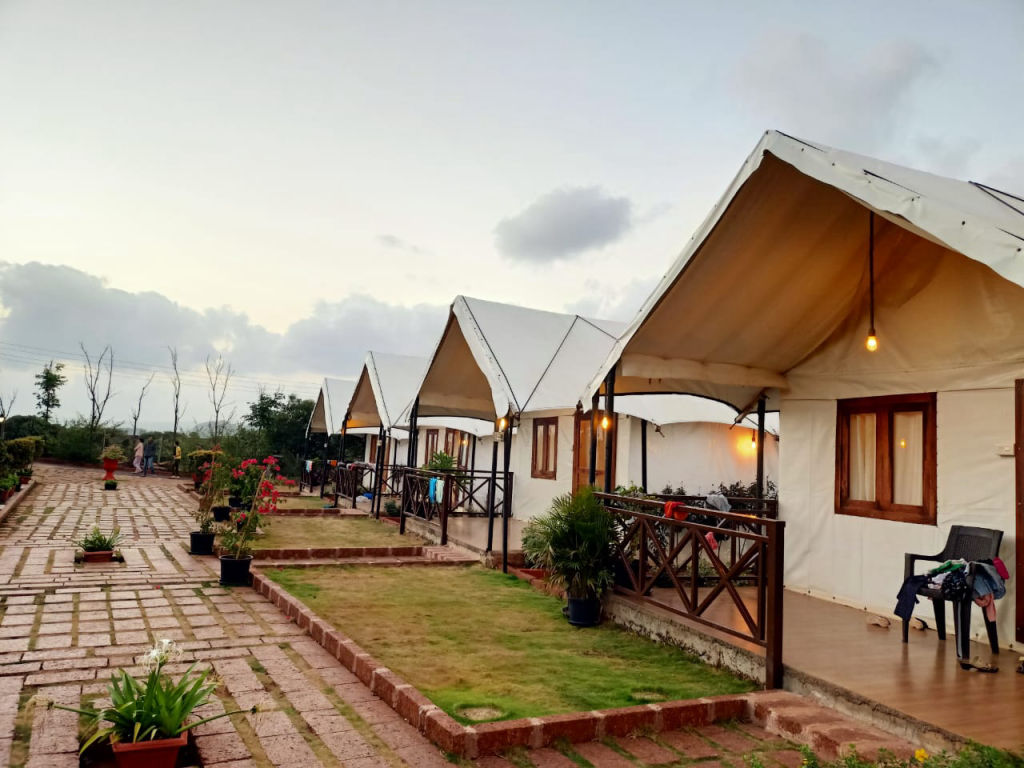
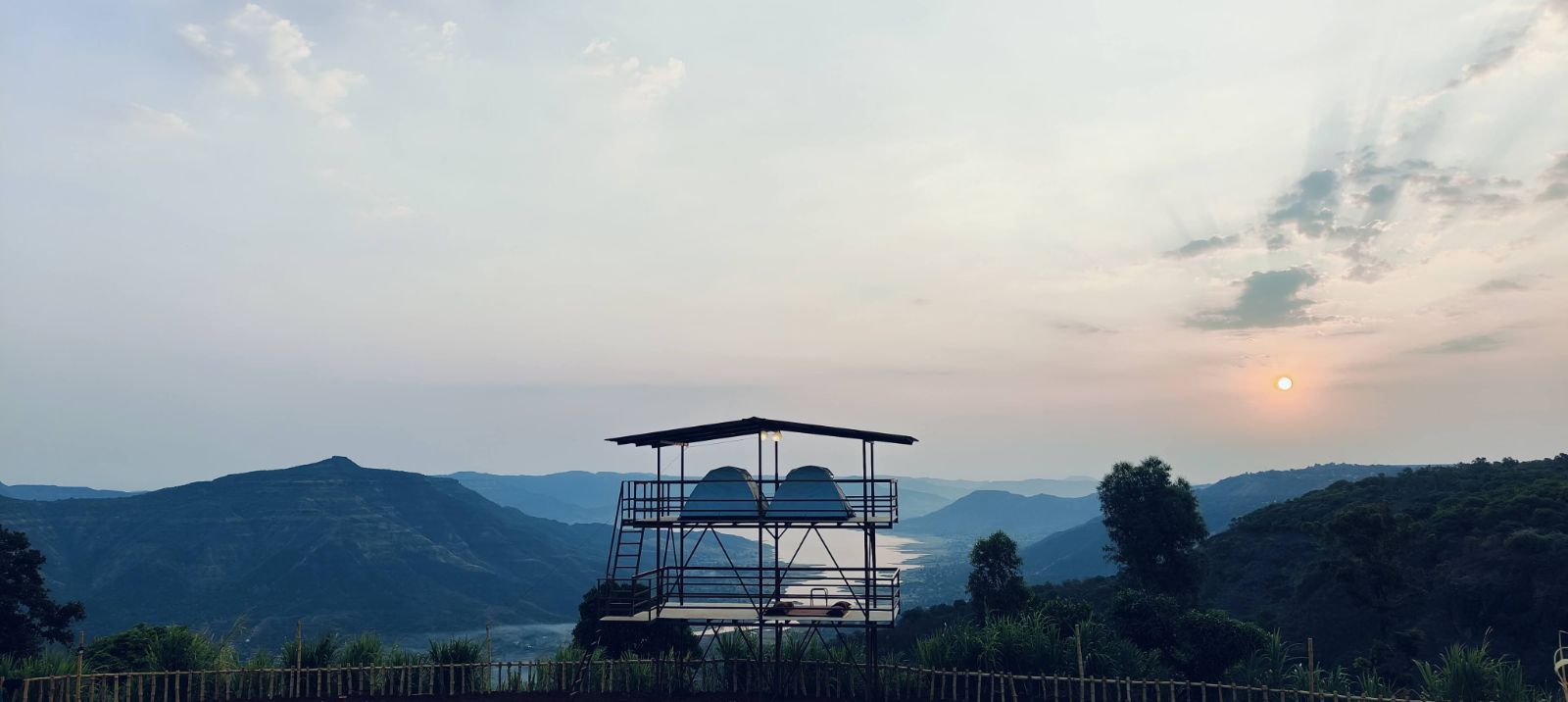
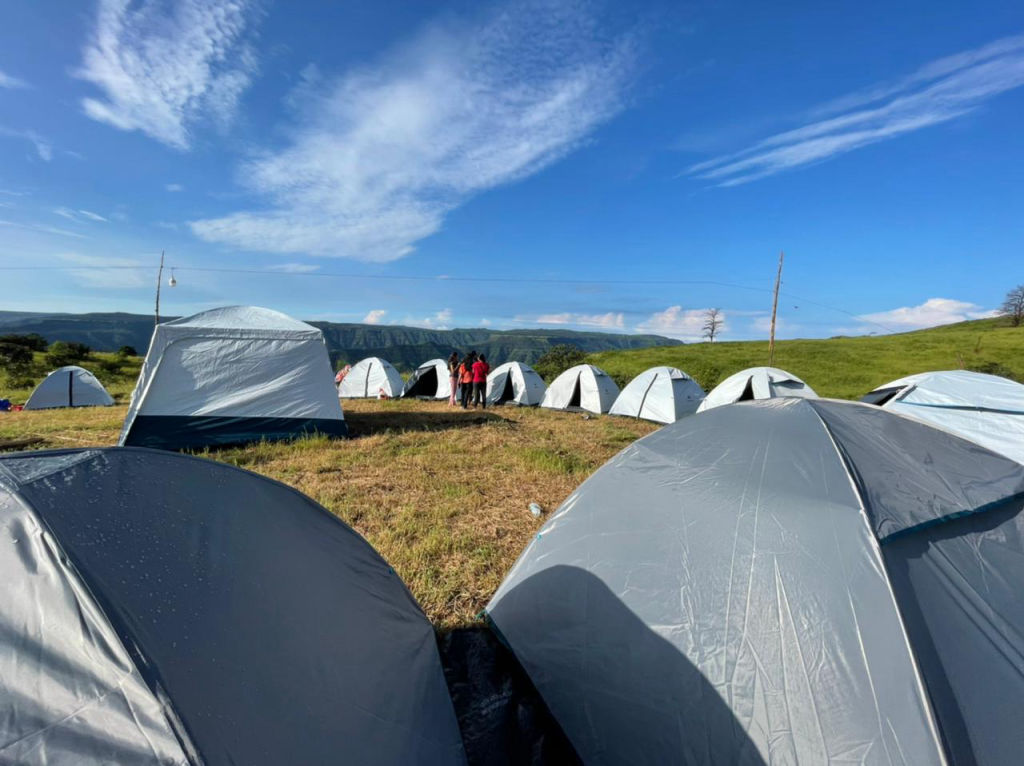
Travellers planning to spend a few days around Wai can select from a variety of peaceful stays that connect them directly with the rural rhythm of Maharashtra. The agricultural plains and riverside orchards surrounding Wai and Dhom Lake are home to welcoming homestays and rustic farm retreats, where you can experience authentic regional hospitality and traditional Maharashtrian meals.
For nature lovers seeking an outdoor escape under starry skies, camping grounds along tranquil water bodies and within quiet valley groves offer an immersive way to unwind. You can find well-curated homestays, rural retreats, and verified campsites in and around Wai on HireACamp to suit your travel rhythm and preferred level of comfort.
Frequently asked questions
Where is Ganapati Ghat located?
Ganapati Ghat is situated along the banks of the Krishna River in the town of Wai, located within the Satara district of Maharashtra.
What is the best time of day to visit Ganapati Ghat?
Early mornings around sunrise and late afternoons before dusk offer the coolest temperatures, softer light for photography, and the calmest atmosphere along the river steps.
Is there an entry fee to visit Ganapati Ghat?
There is generally no entry fee to access the open public ghats along the Krishna River. If you plan to enter specific inner shrines or make offerings, guidelines should be checked locally.
What should visitors wear when visiting the ghat and temple?
Because Ganapati Ghat is an active place of daily worship and deep local reverence, wearing modest, respectful clothing that covers your shoulders and knees is recommended.
How much time is needed to explore Ganapati Ghat?
Most visitors spend between one and two hours soaking in the riverside views, visiting the Ganesha temple, and strolling along the adjacent stone steps.
Where you'll be
Ganapati, Wai, MH · 7 stays nearby shown with prices
Stays near Ganapati Ghat
Book a place to stay close by
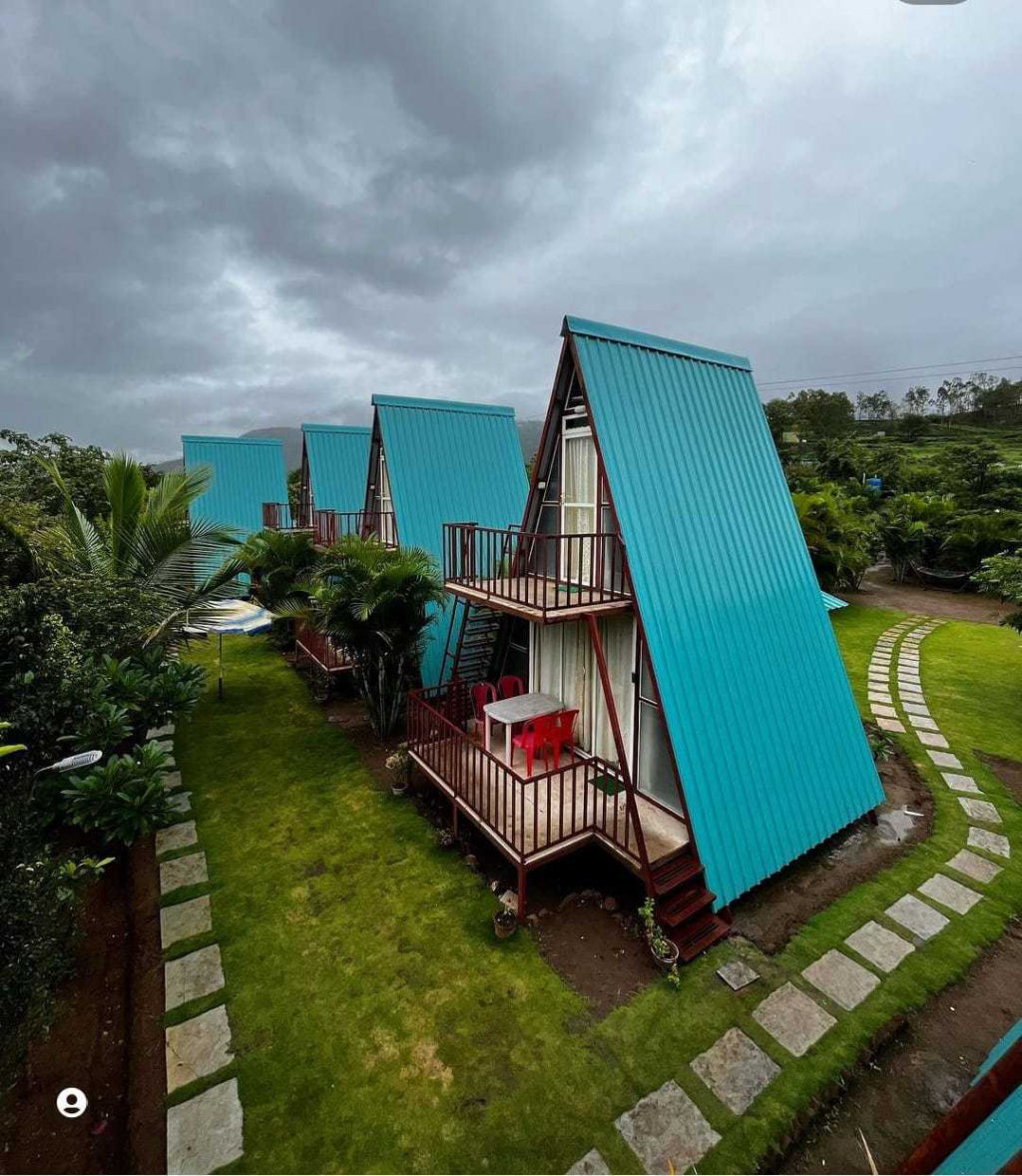
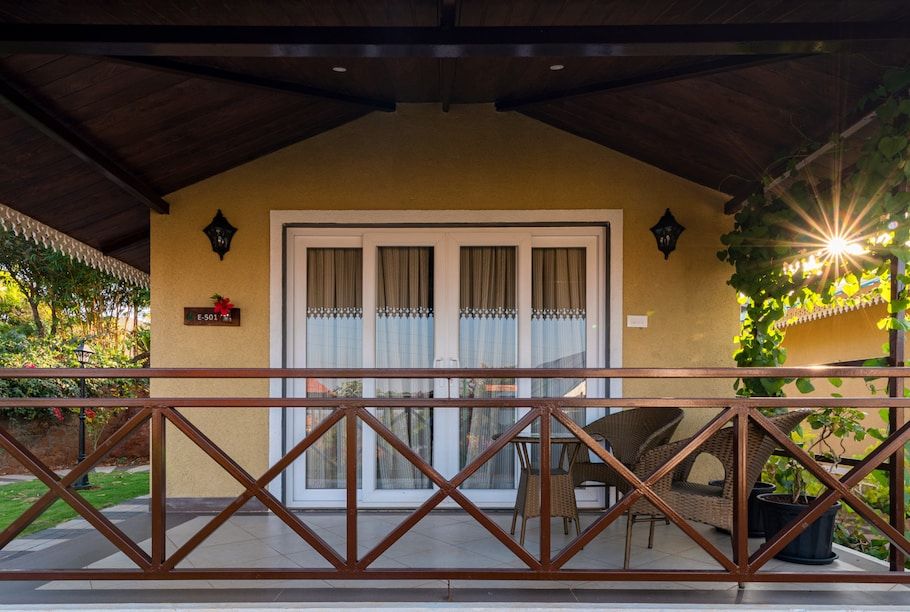
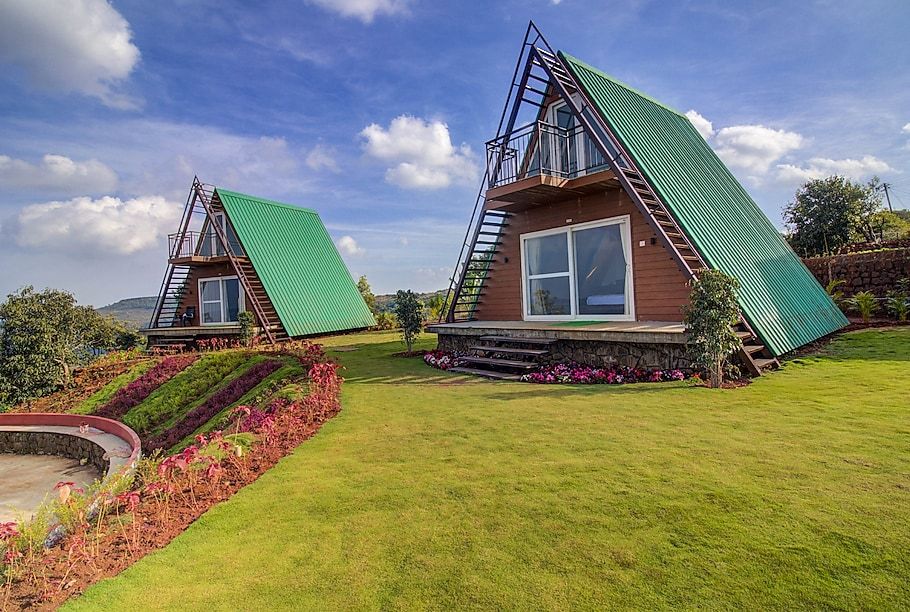
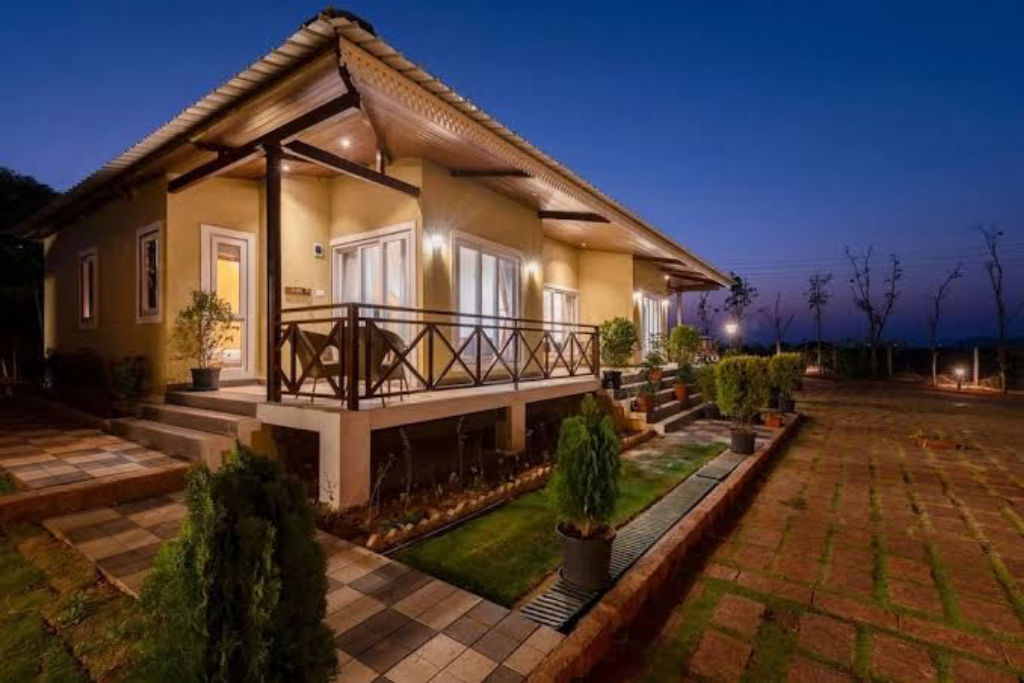
More places near Ganapati Ghat
Within 20 km


Lists for this area
Ranked by how many creators recommend each place


Built from 0 Instagram posts by 0 creators. Every tip links back to the post it came from, and where creators disagree we show both sides.


