
Maha Ganapati Temple
Temple near Wai, Maharashtra
300 m from Wai
The nearest town, for stays, food and fuel.
Maha Ganapati Temple, often referred to locally as Dholya Ganapati, is an eighteenth-century shrine located along the stone riverbanks of the Krishna River in Wai, Maharashtra. Celebrated for its colossal monolithic idol of Lord Ganesha and historic Peshwa-era architecture, it draws devotees, history enthusiasts, and road-trippers heading through the Western Ghats. Visitors come to experience its quiet spiritual atmosphere, well-preserved stone ghats, and the traditional charm of one of Maharashtra's historic temple towns.
Getting there
By road
- From WaiNearest town1 min · 300 m
- From Pune1 hr 55 min · 86 km
- From Mumbai 4 hr 20 min · 232 km
- From Nashik6 hr 55 min · 333 km
Typical drive times without traffic. Stations and airports from OLA Maps; distances and typical drive times from OpenStreetMap (© OpenStreetMap contributors); notes from creators' Reels.
About Maha Ganapati Temple
Written with AI from map data and general knowledge. Check prices and timings locally before you go.
History and Heritage of Maha Ganapati Temple
Maha Ganapati Temple stands as one of the most prominent cultural landmarks in the historic town of Wai. Commissioned in the late eighteenth century by Ganpatrao Bhikaji Raste, a nobleman and banker of the Maratha Empire, the temple reflects the distinctive architectural aesthetic of the Peshwa era. The town of Wai itself earned the moniker Dakshin Kashi because of its high concentration of riverside stone temples, and this particular shrine has long served as its religious anchor.
The defining feature of the temple is its magnificent monolithic Ganesha idol, sculpted directly from a single massive block of dark basalt stone. Because of the imposing proportions and rounded shape of the deity, locals affectionately refer to it as Dholya Ganapati, where 'dholya' colloquially denotes an enormous or grand figure in Marathi. The deity sits in a cross-legged meditative posture, smeared with traditional vermilion, radiating a sense of calm and presence within the sanctum. Over the centuries, the structure has withstood seasonal floods and monsoon surges of the Krishna River, preserving centuries of devotional history.
The River Ghats and Architecture
The temple is located right at Ganapati Ghat, an extensive stone embankment that slopes gently down to the waters of the Krishna River. Built primarily from durable basalt rock using dry-masonry techniques common in regional Maratha temple architecture, the complex includes a vaulted domed mandapa, intricately carved cornices, and sturdy stone arches that have endured the elements for centuries.
Stepping out from the inner sanctum leads directly onto the stone stairs of the ghat. Here, early morning visitors can witness the classic rhythms of life in rural Maharashtra, with locals performing prayers, taking ceremonial dips, and sitting quietly by the flowing water. The surrounding canopy of ancient banyan and peepal trees provides deep shade, creating a cool microclimate even on warm afternoons. Opposite the temple, smaller stone shrines dedicated to Lord Shiva and other deities punctuate the riverbank, contributing to the serene, historic backdrop that has frequently served as a shooting location for Indian cinema.
Read more
Best Time to Visit
The climate in Wai follows the typical subtropical pattern of the Sahyadri foothills, making late monsoon and winter the most pleasant periods to plan a trip. From late June through September, heavy rains in the Western Ghats fill the Krishna River to its banks, revitalizing the surrounding farm fields and turning the hillsides around Wai vivid green. Visiting during or immediately after the rains allows you to experience the river at its fullest and most scenic.
From October to February, temperatures drop noticeably, producing crisp mornings, sunny afternoons, and cool evenings that are ideal for walking along the ghats and sightseeing in town. Ganesh Chaturthi, celebrated between August and September, is the primary festival here. During this festival, the temple is adorned with garlands and lamps, drawing substantial crowds of pilgrims from nearby towns and cities. Summer months from March to May can be dry and warm during midday, so early morning or late evening visits are best during this season.
How to Reach Wai
Wai is conveniently accessible by road from major cities in western Maharashtra, nestled just below the hill stations of Panchgani and Mahabaleshwar. Travellers coming from Pune generally follow the national highway south towards Satara before turning off towards Wai, a smooth highway drive that typically takes around two to two and a half hours under normal traffic. Those travelling from Mumbai take the Mumbai-Pune Expressway and continue past Pune towards Shirwal and Surur, with the complete drive taking roughly four to five hours depending on starting points and road conditions.
Regular state-run buses connect Wai to Pune, Satara, and Mumbai, terminating at the central bus depot in Wai. From the bus station, local auto-rickshaws easily reach Ganapati Ghat within a few minutes. For rail travellers, the nearest major railheads are located in Satara and Wathar, though Pune Railway Station provides much more frequent long-distance train options from across India.
Places to Visit Nearby
Wai serves as an excellent base for exploring the diverse landscapes and historic sites of the Sahyadri ranges. Just a short drive into the nearby hills are the Wai Caves, also known as the Pandavgad or Lohare Caves, which are ancient rock-cut Buddhist caverns carved into the hillside offering a glimpse into the region's early heritage.
Nature and water lovers can head north towards Dhom Lake, formed by the Dhom Dam on the Krishna River. The reservoir is surrounded by steep, rugged hills and provides expansive open water views that make it a favoured spot for relaxing walks. For trekking and panoramic viewpoints, the flat-topped fortress of Kamalgad and the imposing cliffs of Kenjalgad rise prominently above the valley, providing rewarding climbs and sweeping views of the surrounding plateau country. Further up the ghat road, the high tablelands of Panchgani and the Kaas Plateau, famous for its seasonal post-monsoon wild flower blooms, make for memorable day trips.
Tips for Your Visit
Because Maha Ganapati Temple is an active place of daily worship, visitors should dress modestly, keeping shoulders and knees covered as a sign of respect for local customs. You will need to take off your footwear on the stone platform before entering the sabhamandapa. The polished stone steps around the ghat can become slippery when wet, particularly during the monsoon, so take slow, careful steps if walking near the water's edge.
Photography is generally permitted around the outdoor courtyards and the river ghats, but always check locally before photographing inside the inner sanctum. Mornings immediately after sunrise offer the quietest atmosphere and the softest natural light for admiring the basalt architecture. Exploring the surrounding lanes on foot is an enjoyable way to discover old traditional wadas, typical timber-and-brick homes that date back to the Maratha period.
Where to Stay
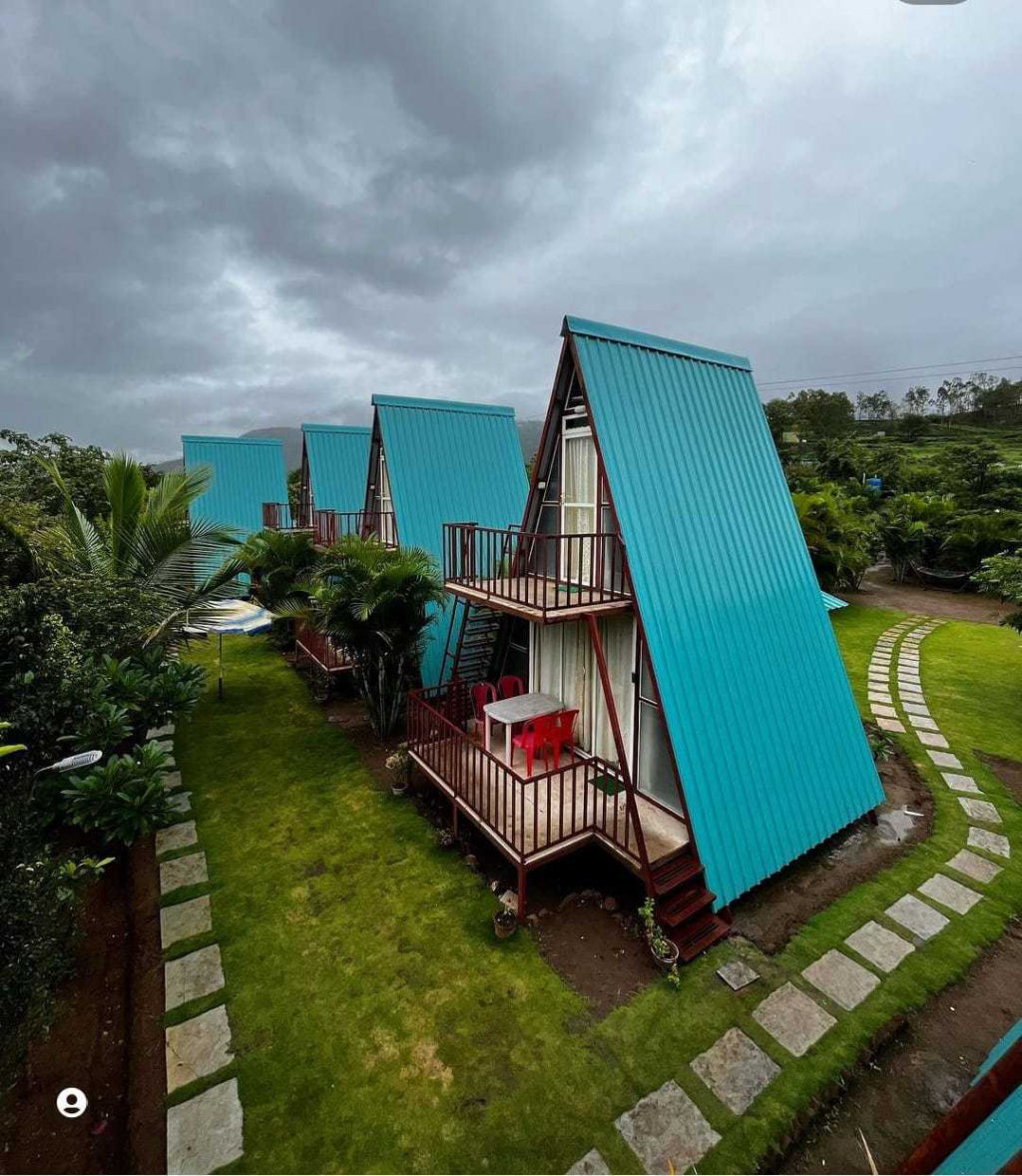
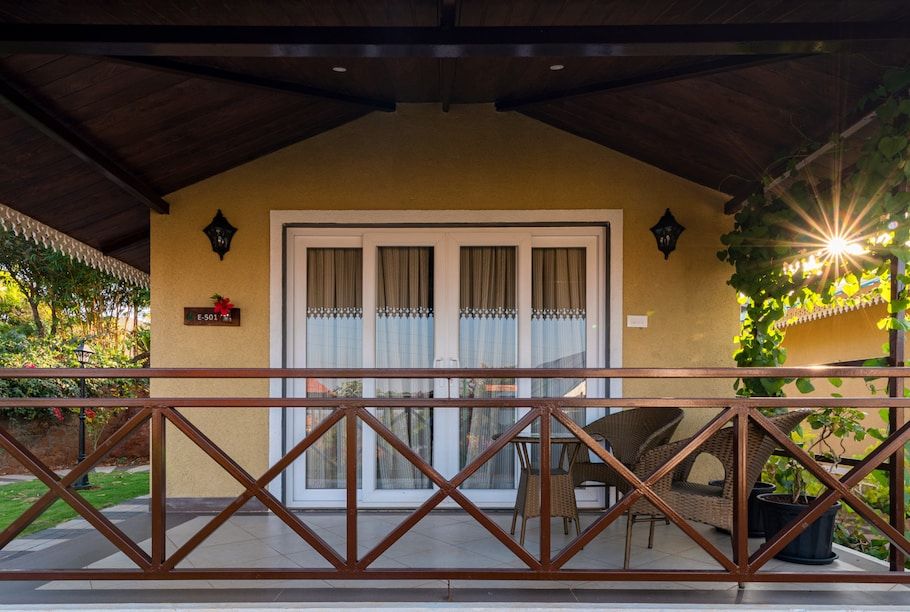
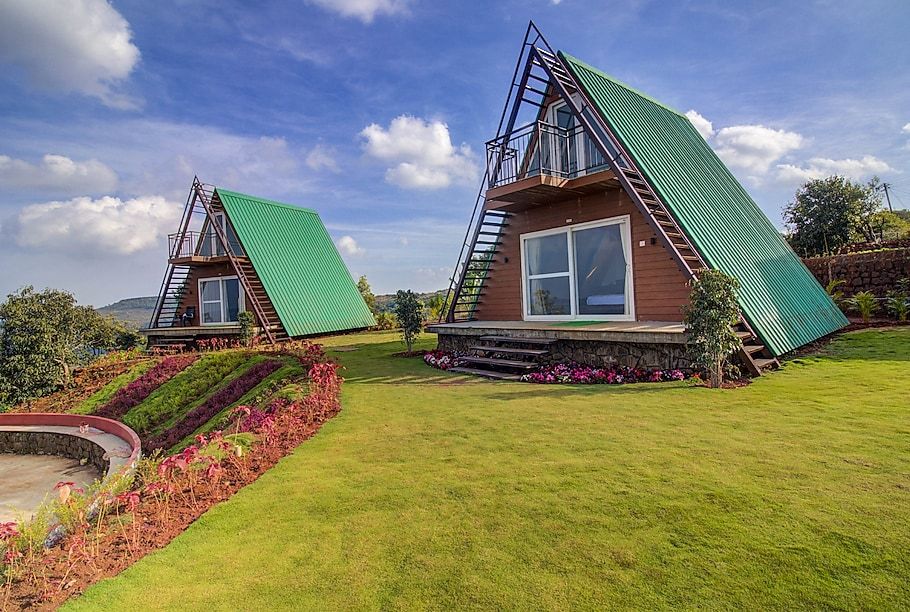
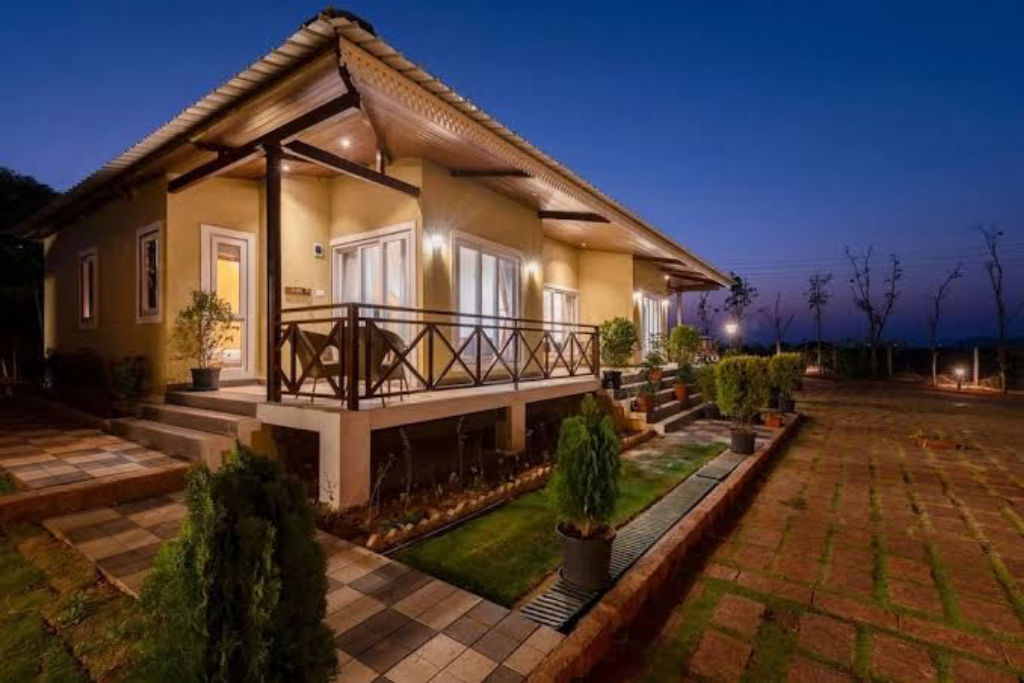
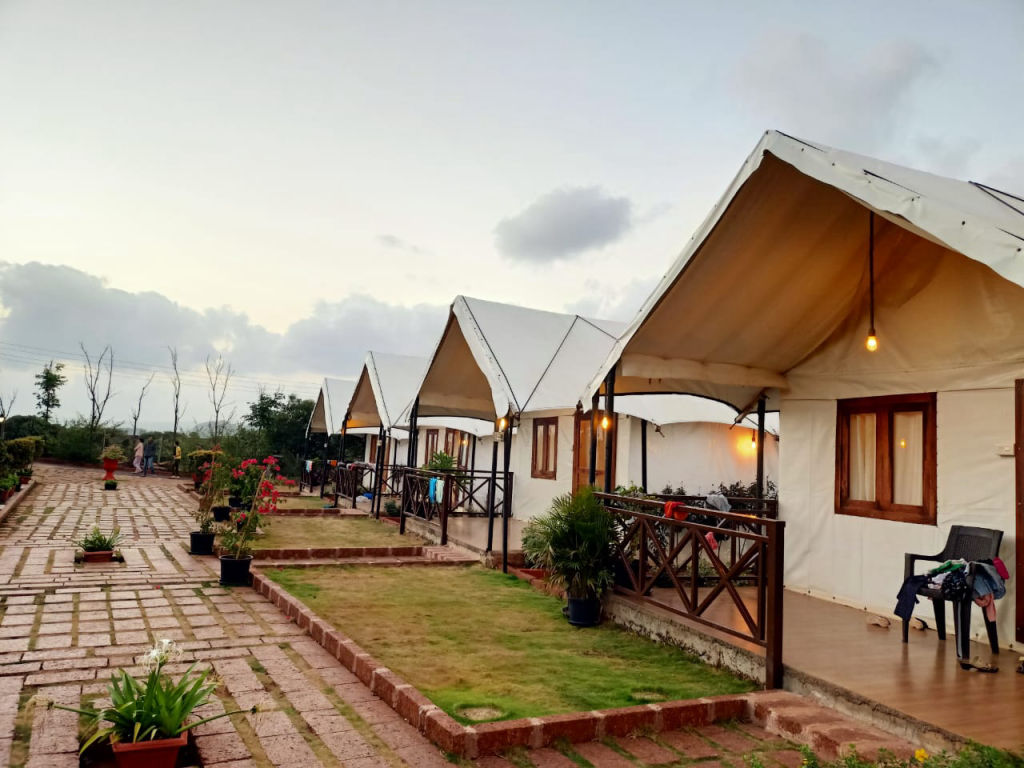
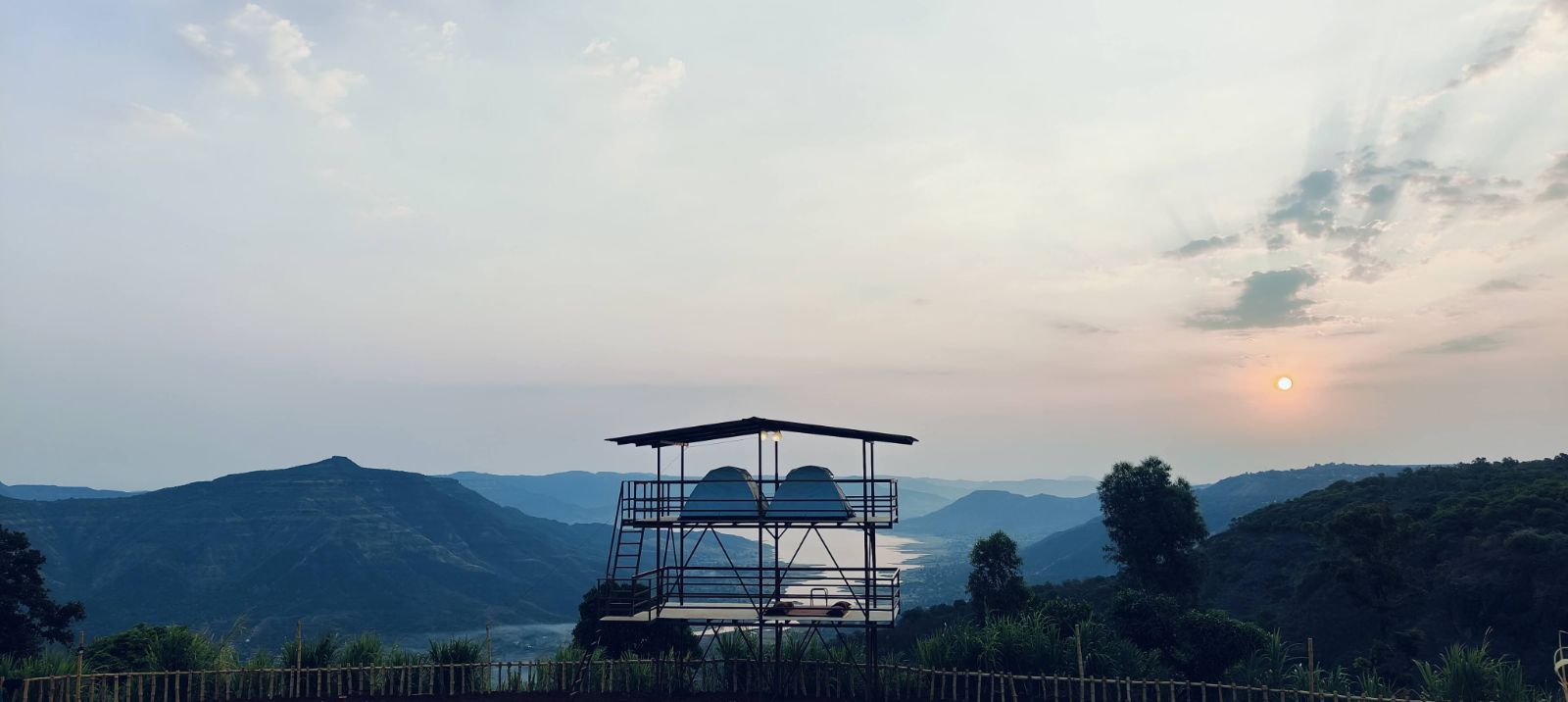
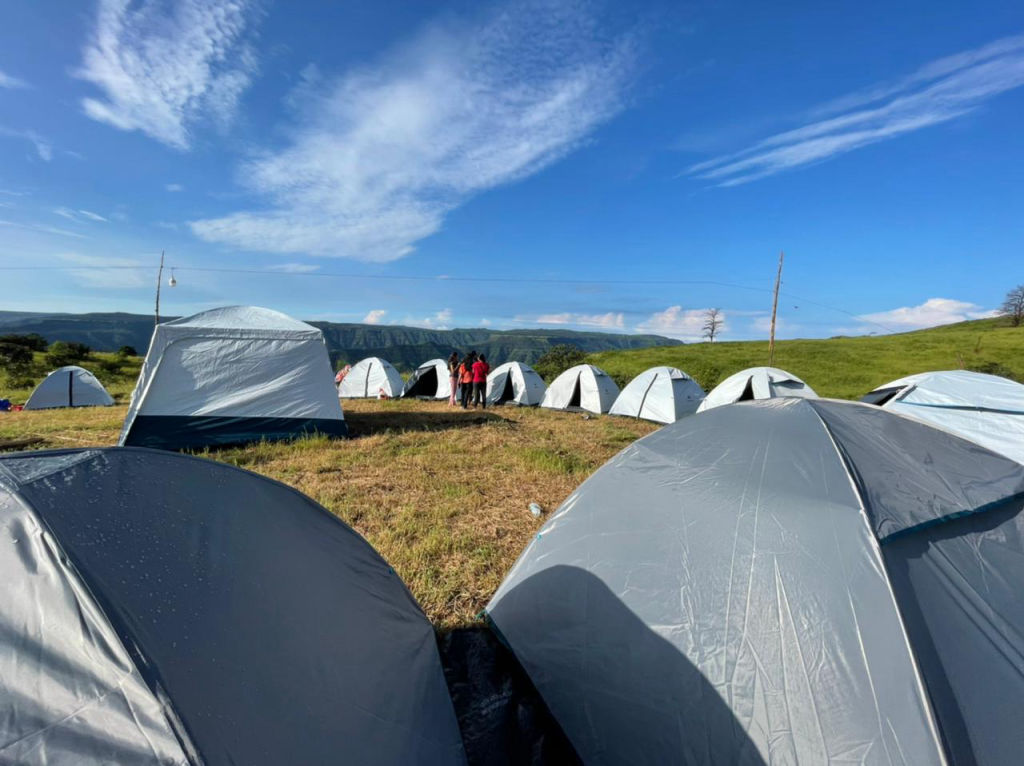
Wai and its surrounding countryside provide a relaxed alternative to the busier hill stations located higher up the mountains. Travellers looking to spend the night will find tranquil farm stays nestled among strawberry fields and sugarcane plantations, comfortable family homestays in town, and riverside camping spots around the rural valleys.
You can find and book vetted nature stays, homestays, and outdoor camps around Wai and the Krishna River valley on HireACamp, giving you an authentic base to enjoy the historic ghats, mountain drives, and rural scenery at an unhurried pace.
Frequently asked questions
Why is the temple referred to as Dholya Ganapati?
The temple earned the moniker Dholya Ganapati because of its colossal monolithic stone idol, as 'dholya' is a colloquial Marathi term used to describe something remarkably large or round.
Where is Maha Ganapati Temple situated?
The temple is located at Ganapati Ghat along the banks of the Krishna River in the town of Wai, situated in the Satara district of Maharashtra.
What is the best time of day to visit the temple?
Early mornings and late afternoons are the ideal times to visit, when temperatures are pleasant and you can experience quiet riverfront prayer rituals without large crowds.
Are there other historic attractions to explore in Wai?
Yes, Wai is filled with historic riverside stone shrines, the ancient rock-cut Wai Caves, historic Maratha-era wadas, and nearby scenic spots like Dhom Lake.
Where you'll be
Ganapati Ghat, Wai, MH · 7 stays nearby shown with prices
Stays near Maha Ganapati Temple
Book a place to stay close by
More places near Maha Ganapati Temple
Within 20 km


Lists for this area
Ranked by how many creators recommend each place


Built from 0 Instagram posts by 0 creators. Every tip links back to the post it came from, and where creators disagree we show both sides.


