
Gau Ghat
Heritage & Culture near Ganahera, Rajasthan
1.5 km from Ganahera
The nearest town, for stays, food and fuel.
Gau Ghat is one of the most prominent and spiritually significant bathing embankments surrounding the sacred Pushkar Lake in Rajasthan. Located directly along the bustling Main Market Road, it draws pilgrims, devotees, and travelers seeking reflection, historical depth, and traditional ritual practices. It is widely revered as a central site for cultural ceremonies and peaceful morning prayers in the holy town of Pushkar.
Getting there
By road
- From GanaheraNearest town6 min · 1.8 km
- From Jaipur3 hr 10 min · 142 km
- From Jodhpur4 hr 15 min · 185 km
- From New Delhi7 hr 20 min · 456 km
Typical drive times without traffic. Stations and airports from OLA Maps; distances and typical drive times from OpenStreetMap (© OpenStreetMap contributors); notes from creators' Reels.
About Gau Ghat
Written with AI from map data and general knowledge. Check prices and timings locally before you go.
About Gau Ghat
Gau Ghat is an essential part of the cultural and spiritual fabric of Pushkar. Flanking the periphery of the sacred Pushkar Lake, this historic ghat serves as an active center for morning ablutions, evening prayer ceremonies, and meaningful memorial rites. For generations, pilgrims from across India have journeyed here to perform rituals in the holy waters, believing that a dip at this spot brings redemption and peace to their ancestors.
Beyond its spiritual importance, Gau Ghat holds a notable position in modern Indian history. It is recorded as the place where the ashes of several prominent national leaders, including Mahatma Gandhi, were immersed into the holy waters. This historic connection gives the ghat a somber and dignified atmosphere, distinct from the sheer liveliness of the adjacent bazaars. Standing on the stone steps, visitors can observe classical Rajasthani architecture, with arched pavilions, carved chattris, and whitewashed facades that reflect softly in the shimmering lake.
Cultural traditions and rituals at Gau Ghat
The daily rhythm at Gau Ghat revolves around ancient Vedic traditions. Early in the morning, before the desert sun climbs high, local priests and visiting devotees gather on the sandstone steps to chant mantras, light incense, and offer floral tributes to the water. The air is often filled with the resonance of temple bells and the quiet murmuring of sacred hymns.
Evening transforms the ghat into a space of visual warmth. As twilight descends over the town, priests perform aartis, circling brass lamps filled with camphor and oil while chanting hymns in unison. Devotees release small leaf boats bearing marigold blossoms and flickering oil lamps onto the water, turning the edge of the lake into a carpet of drifting lights. For travelers interested in heritage, observing these centuries-old rituals from a respectful distance offers an unfiltered glimpse into the living spirituality of Rajasthan.
Read more
Best time to visit Gau Ghat
The most comfortable time to visit Gau Ghat is during the cooler months from October to March. During this period, the desert climate of central Rajasthan softens considerably. Daytime temperatures remain pleasant, making it easy to walk the stone steps and explore the surrounding town on foot, while nights are refreshingly cool.
Visiting during the Hindu month of Kartika, typically falling in October or November, coincides with the annual religious fair and celebrations across Pushkar. The ghats see immense festive energy, elaborate pujas, and colorful gatherings during this window, though crowds can be quite substantial. In contrast, the summer months from April to June bring extreme heat and dry winds, which can make midday outdoor exploration challenging. If you travel during late monsoon, from July to September, the surrounding Aravalli hills turn surprisingly green and the lake refills, offering pleasant vistas with fewer crowds.
How to reach Gau Ghat in Pushkar
Gau Ghat is centrally located along Main Market Road in Pushkar, making it easily reachable on foot from almost anywhere in the core town. The town of Pushkar itself is situated just across the Nag Pahar hills from the city of Ajmer, which serves as the major transit gateway for the region.
Ajmer is exceptionally well connected to major cities like Jaipur, Delhi, and Ahmedabad via regular rail and state bus services. From the railway station or bus depot in Ajmer, travelers can hire taxis, local buses, or auto-rickshaws to traverse the scenic winding mountain road into Pushkar. For those flying in, the nearest commercial airport is located in Jaipur. From the airport, one can hire a private cab or take an express bus to Pushkar. Once you arrive in Pushkar, navigating through the narrow bazaar streets leading to Gau Ghat is best done on foot, by bicycle, or via local two-wheelers.
Tips for visiting Gau Ghat
Gau Ghat is a sacred religious precinct, and travelers should be mindful of cultural etiquette throughout their visit. Footwear is strictly prohibited on the stone steps leading down to the water; you must take off your shoes and leave them at designated stands or outside before descending. Modest clothing that covers shoulders and knees is expected out of respect for the worshippers and priests.
Travelers should also be prepared for local touts and priests offering unsolicited blessings, flowers, or red sacred threads in exchange for large cash donations. While genuine priests conduct traditional ceremonies, it is wise to politely decline unwanted services if you simply wish to sit and observe quietly. Photography of people bathing or performing solemn ancestral rites should be avoided unless explicit permission has been granted. Carrying a light scarf, drinking plenty of water, and keeping cash handy for small offerings will ensure a smooth, considerate visit.
Places to visit around Gau Ghat
Because Gau Ghat sits right along the central water body, it serves as an excellent starting point for exploring the rest of Pushkar. Walking along the lake's perimeter leads you across various historic ghats, each bearing its own unique architectural flair and historical background. The vibrant bazaar right outside Gau Ghat is packed with colorful textile stalls, handcrafted leather goods, brassware, and traditional sweets.
A short walk through the market alleys takes you to the renowned Brahma Temple, one of the rare temples in the world dedicated to the creator god in Hindu belief. Active travelers can also undertake the early morning hike up the nearby hill to visit the Savitri Temple, which rewards climbers with panoramic sunrise views of Pushkar Lake, the town's whitewashed buildings, and the expansive sand dunes stretching toward the Thar Desert.
Where to stay near Gau Ghat
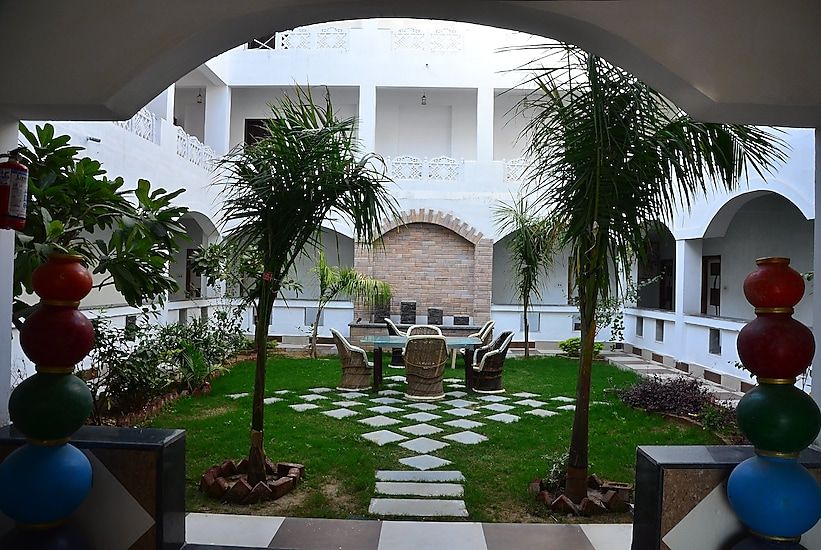
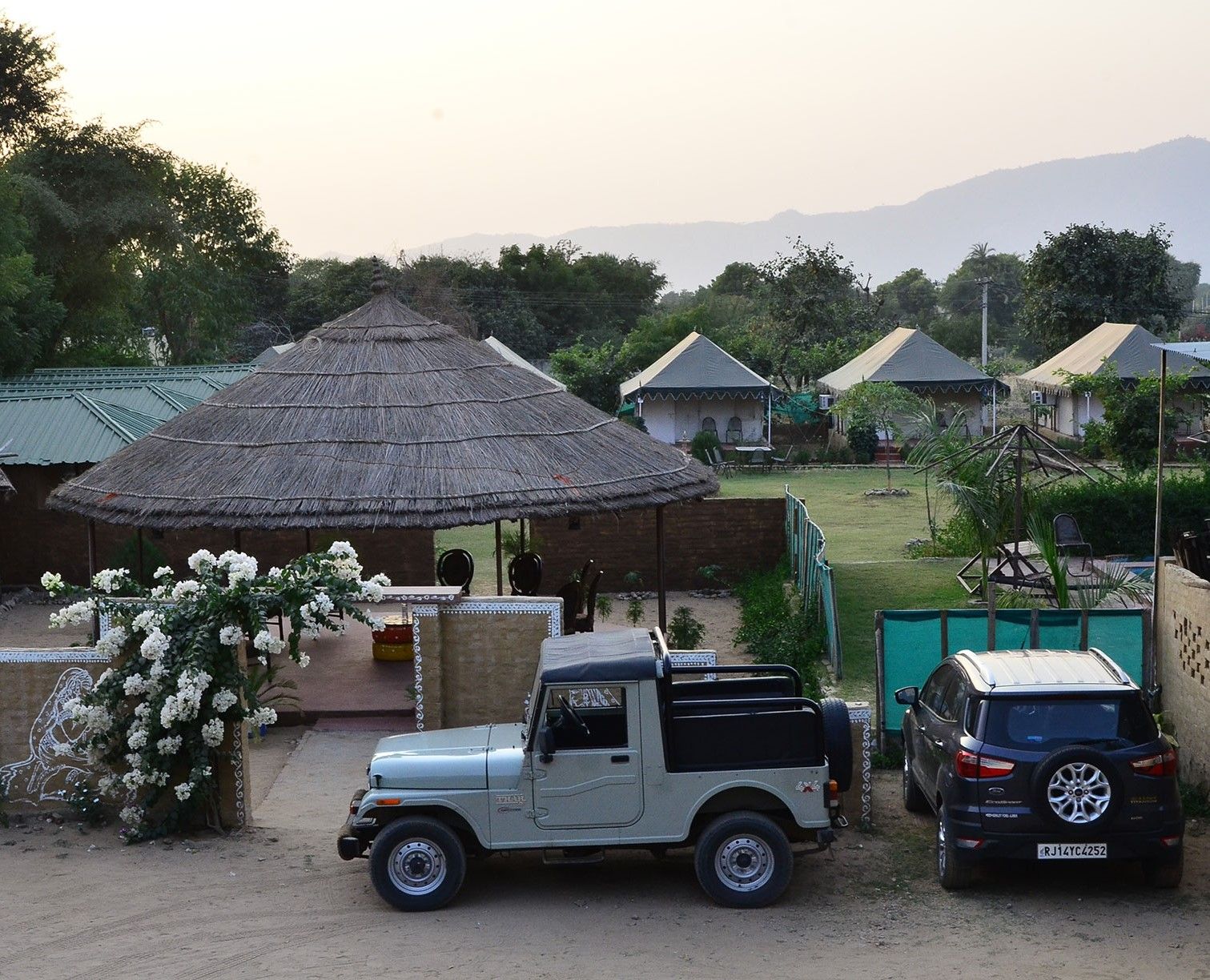
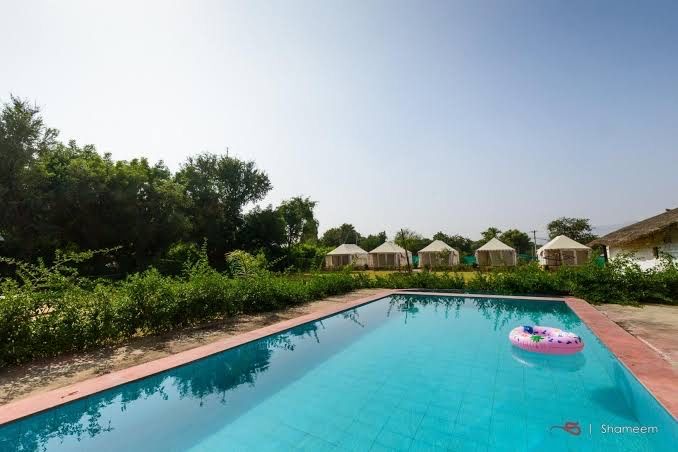
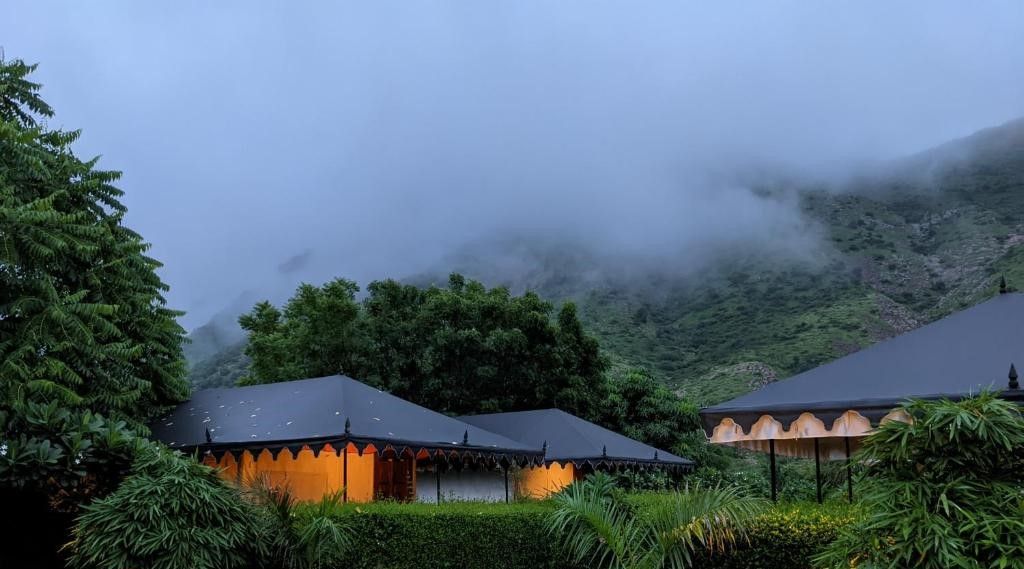
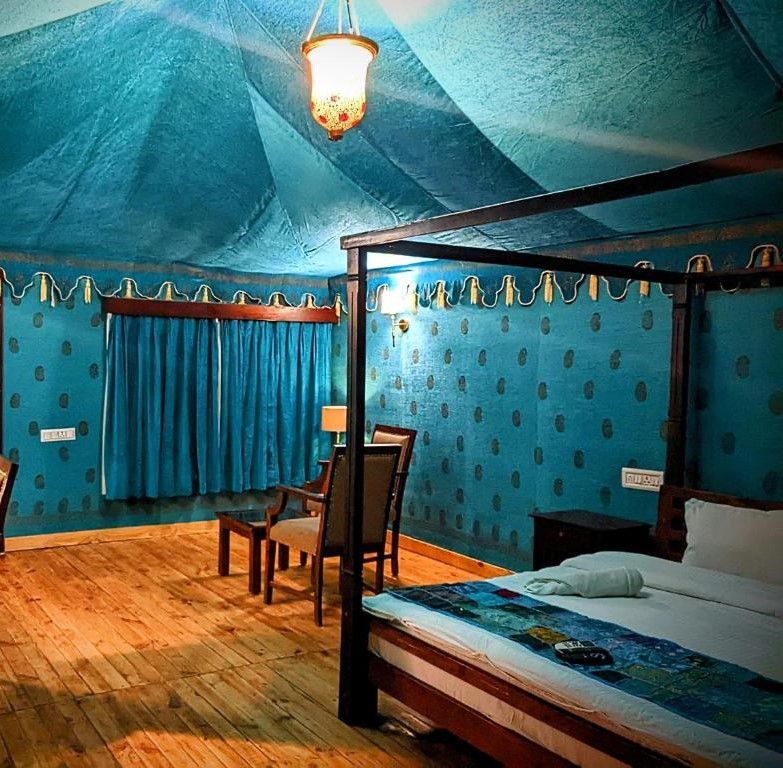
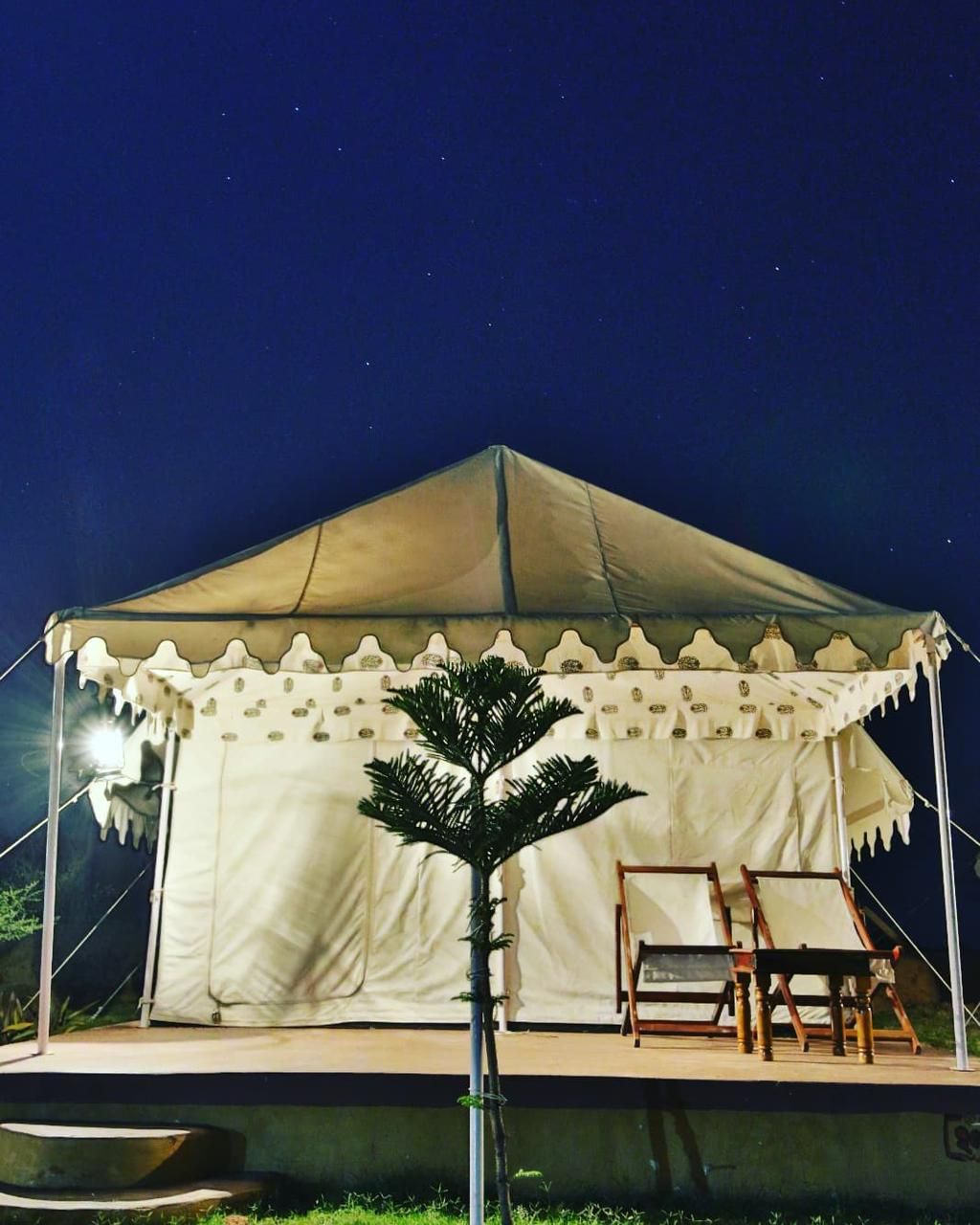
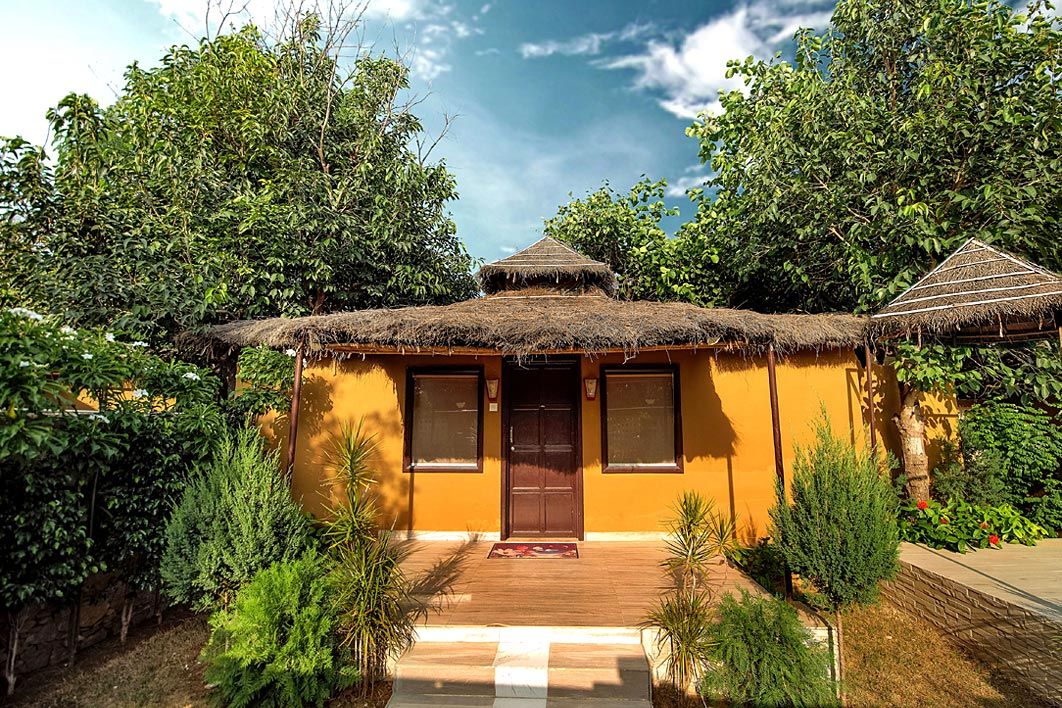
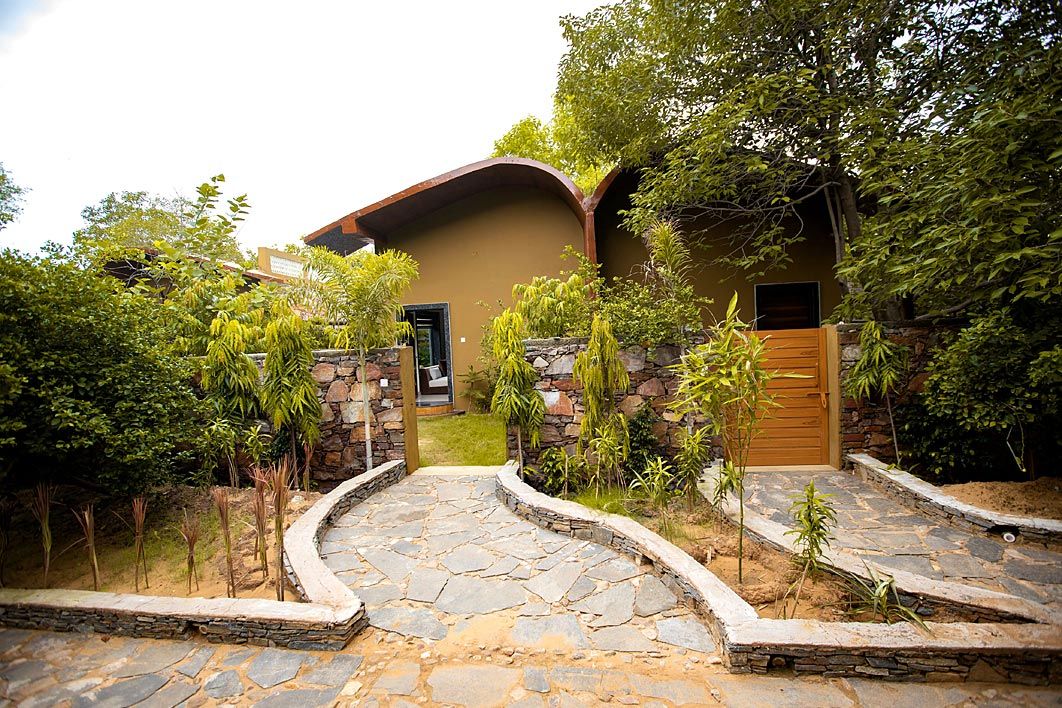
Pushkar offers a diverse range of accommodations suited for cultural immersion and desert tranquility. Travelers can choose from quiet homestays tucked within the historic town alleys, traditional havelis converted into guesthouses, or rustic eco-camps set on the peaceful outskirts near the desert fringes.
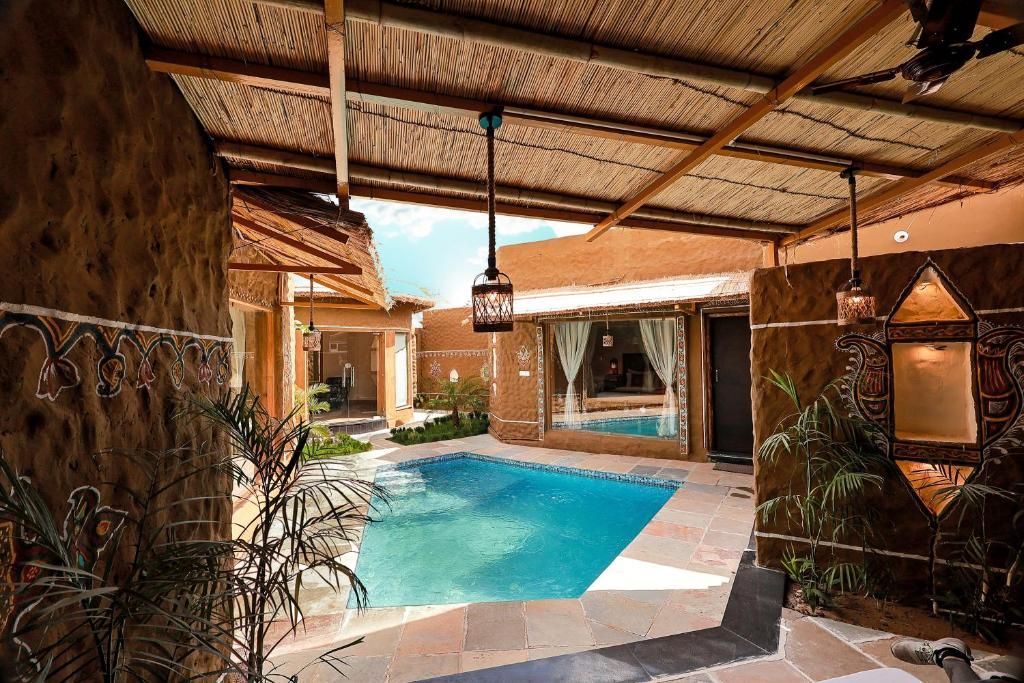
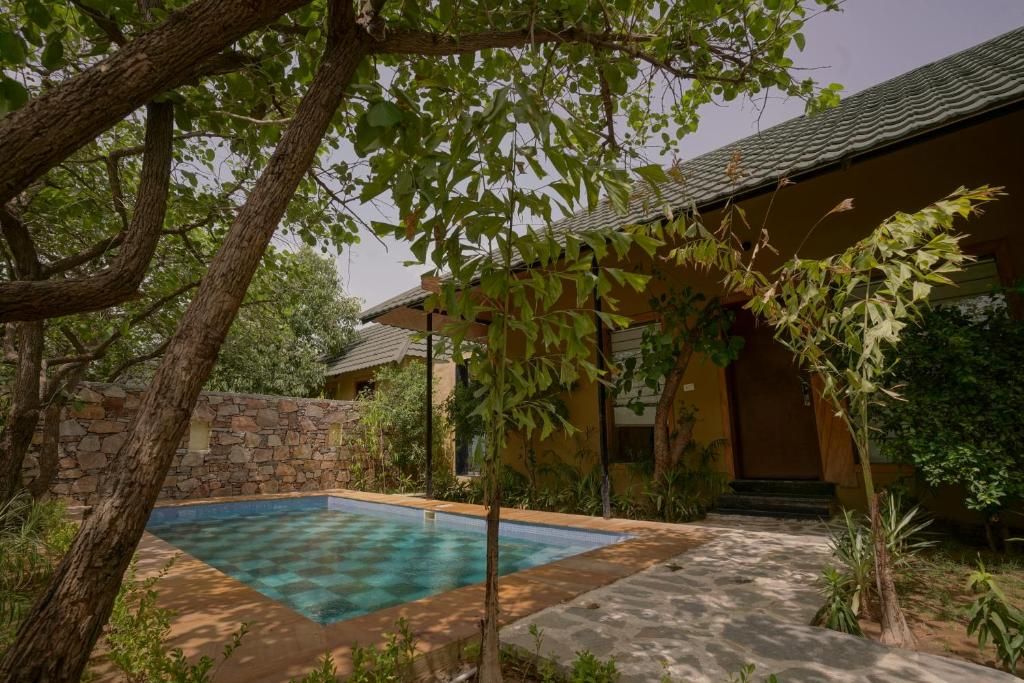
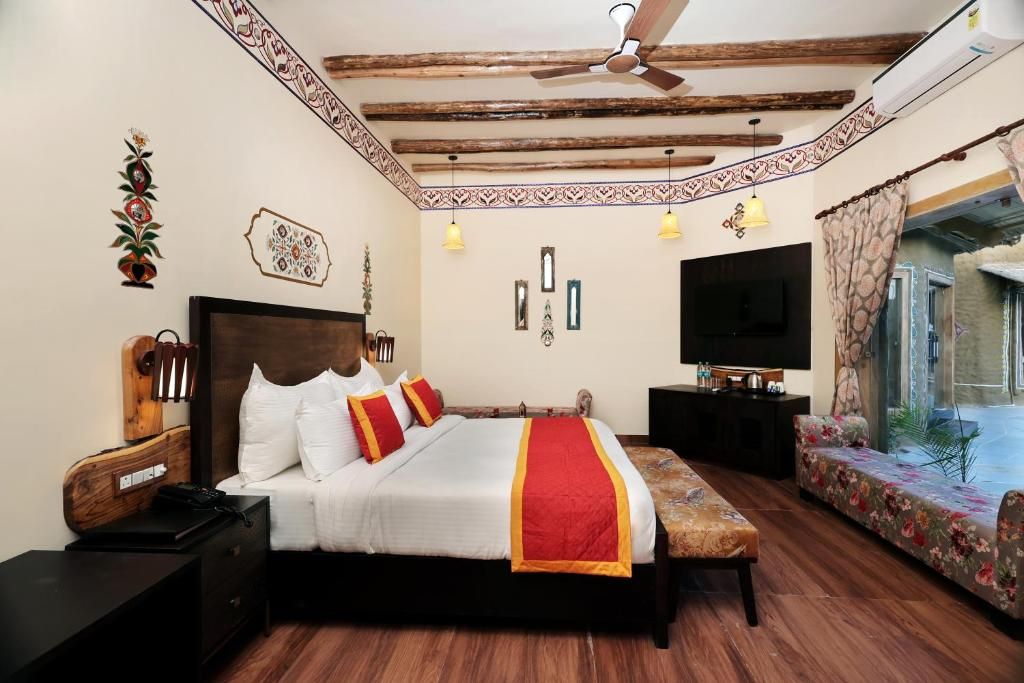
Staying slightly away from the bustling town center allows you to experience quiet starry desert nights while remaining within easy reach of the lake's cultural centers. You can find authentic camps, homestays, and boutique rural stays in and around Pushkar on HireACamp to suit your travel style and preferences.
Frequently asked questions
Is there an entry fee to visit Gau Ghat?
No, Gau Ghat is an open public bathing embankment and does not have an entry fee. However, you should check locally for any specific customs or guidelines when visiting.
What is the historical significance of Gau Ghat?
Gau Ghat is celebrated for its deep religious roots as well as its modern historical role as the site where the ashes of several national figures, including Mahatma Gandhi, were immersed into the sacred lake.
Can tourists take photographs at Gau Ghat?
General architectural and landscape photography is usually tolerated, but taking pictures of pilgrims bathing or conducting private ancestral rituals is discouraged out of respect for their privacy.
Do I need to take off my shoes before entering Gau Ghat?
Yes, you must remove your footwear before stepping down onto the sacred ghat steps. You can leave your shoes at nearby designated stalls or carry them in a bag.
What should I wear when visiting Gau Ghat?
Visitors are encouraged to dress modestly, keeping shoulders and knees covered, to show respect for the local religious customs and worshippers at the ghat.
Where you'll be
Main Market Rd, Pushkar · 12 stays nearby shown with prices
Stays near Gau Ghat
Book a place to stay close by

More places near Gau Ghat
Within 20 km
Built from 0 Instagram posts by 0 creators. Every tip links back to the post it came from, and where creators disagree we show both sides.






