
Pushkar Lake
Lake near Ganahera, Rajasthan
1.7 km from Ganahera
The nearest town, for stays, food and fuel.
Pushkar Lake is a sacred water body nestled in the heart of Pushkar, Rajasthan, framed by the rugged Aravalli hills and centuries-old architecture. Encircled by fifty-two historic ghats and hundreds of temples, it serves as a central spiritual sanctuary for pilgrims and travellers from across the globe. People visit to experience its peaceful desert waters, partake in morning rituals, and witness the captivating evening aartis along the water's edge.
Getting there
By road
- From GanaheraNearest town7 min · 2.7 km
- From Jaipur3 hr 10 min · 142 km
- From Jodhpur4 hr 15 min · 186 km
- From New Delhi7 hr 20 min · 456 km
Typical drive times without traffic. Stations and airports from OLA Maps; distances and typical drive times from OpenStreetMap (© OpenStreetMap contributors); notes from creators' Reels.
About Pushkar Lake
Written with AI from map data and general knowledge. Check prices and timings locally before you go.
The Sacred Heritage of Pushkar Lake
Pushkar Lake occupies a singular place in Indian spiritual tradition and ancient geography. According to Hindu belief, the lake was formed when lotus petals fell from the hand of Lord Brahma, consecrating the surrounding desert soil as one of the holiest pilgrimage destinations in India. For hundreds of years, pilgrims have travelled immense distances across the Thar desert to perform ritual ablutions in these waters, particularly during the auspicious full moon of Kartik Purnima.
Beyond mythology, the lake has stood as an enduring cultural and historical centerpiece under the patronage of varied royal dynasties. Kings, maharajas, and merchant guilds from across Rajasthan, Marwar, and Central India constructed ghats, rest houses, and temples around its banks. The lake continues to serve as the spiritual pulse of Pushkar, where ritual chanting, temple bells, and everyday desert life merge seamlessly along the shoreline.
The Ghats and Architecture of Pushkar Lake
Encircling the periphery of Pushkar Lake are fifty-two stone ghats, stepped terraces descending directly into the water. Each ghat holds unique historic and cultural associations, often named after the royal family that funded its construction, a deity, or a significant event. Notable among these are Brahma Ghat, Varaha Ghat, and Gau Ghat, each exhibiting classic Rajasthani stonecraft, domed chhatris, and carved arched pavilions.
The town's skyline directly reflects this heritage, composed of milk-white heritage buildings, historic residential dharamsalas, and cupolas. During early dawn and late afternoon, the whitewashed structures reflect across the calm lake surface, creating a quiet and visually striking panorama. Walking along the interconnected walkways between ghats reveals traditional water-harvesting engineering designed centuries ago to cope with fluctuating water levels in a semi-arid desert environment.
Read more
Best Time to Visit Pushkar Lake
The winter months from October to March offer the most pleasant climate for visiting Pushkar Lake. During this window, days are sunny and comfortable, while nights bring a crisp desert chill. The moderate temperatures allow travellers to explore the ghats on foot, sit by the water during the day, and navigate the surrounding market alleys without facing extreme heat.
Summer begins in April and lasts through June, marked by intense dry heat and daytime temperatures that frequently climb past forty degrees Celsius. Touring the exposed stone ghats during the middle of the day in summer can be demanding. The monsoon season between July and September brings occasional desert downpours that replenish the lake and coat the neighboring Aravalli peaks in subtle green, offering lower daytime temperatures though with increased humidity.
Things to Do Around Pushkar Lake
A visit to Pushkar Lake is meant to be experienced at a calm, unhurried pace. Early morning is one of the best times to walk the paved ghats, when soft sunlight illuminates the whitewashed temples and the air carries the sound of morning hymns and temple flutes. Many travellers find a quiet spot along the stone steps to sit, meditate, sketch, or watch the migratory waterbirds that occasionally visit the lake.
As dusk falls, crowds gather at prominent spots like Varaha Ghat and Brahma Ghat to witness the evening Maha Aarti. Priests chant sacred verses, toll brass bells, and wave multi-tiered oil lamps in unison, casting golden reflections across the darkening water. Following the ceremony, exploring the lively bazaar streets surrounding the lake provides an opportunity to see traditional Rajasthani textiles, rose-based products, silver jewelry, and local street delicacies.
How to Reach Pushkar Lake
Pushkar Lake is located in the center of Pushkar town in central Rajasthan. The nearest major transit point is the city of Ajmer, situated approximately fifteen kilometres away across the Nag Pahar mountain pass. Ajmer is a major rail junction well connected to key cities including Delhi, Jaipur, Mumbai, and Ahmedabad by direct express trains. From Ajmer railway station, state buses, shared jeeps, and private taxis make the short mountain drive to Pushkar frequently throughout the day.
Travellers arriving by air can fly into Jaipur International Airport, located roughly one hundred and fifty kilometres away. From Jaipur, one can hire a private taxi or take an intercity bus to reach Pushkar in around three hours, depending on road conditions. Pushkar Lake itself is located within a pedestrian-oriented heritage zone, making it easily accessible on foot from anywhere in the central town.
Places to Visit Near Pushkar Lake
Just a short walk from the lake stands the Jagatpita Shri Brahma Mandir, approximately one kilometre away. As one of the few prominent temples dedicated to Lord Brahma in the country, it remains a focal point for visitors, distinguished by its red spire and marble sanctum.
Located about five kilometres away is Budha Pushkar, an ancient sacred tank known for its serene setting amidst sandy scrubland and palm trees. For those interested in regional landscapes, Dumping Yard Kishangarh lies around thirty-four kilometres to the northeast. This vast expanse of processed white marble slurry resembles an arctic snowfield and is a popular destination for photography enthusiasts.
Tips for Visiting Pushkar Lake
Because Pushkar Lake is an active site of pilgrimage, visitors should observe local etiquette. You must remove all footwear before stepping onto any of the ghats; unattended shoe stands and designated drop-off spots are present near the main entry gates. Dressing modestly with shoulders and legs covered is customary and demonstrates respect for local culture and worshippers.
Be mindful of overly persistent priests or individuals offering flowers, threads, or unsolicited prayers who may insist on large donations afterwards. A polite, firm decline is sufficient if you do not wish to participate. Photography is allowed around the ghats, but always be considerate and refrain from taking close-up pictures of people bathing or performing private religious ceremonies.
Where to Stay near Pushkar Lake
Pushkar features an array of accommodation styles, ranging from historic courtyard homestays inside the narrow town lanes to quiet rural retreats outside the busy core. Staying within walking distance of the ghats allows you to experience early morning chants and late evening rituals without needing local transport.
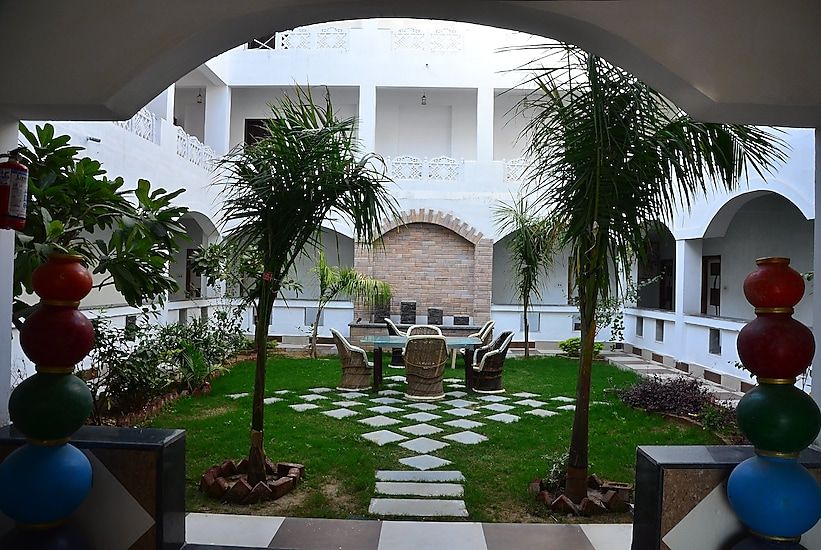
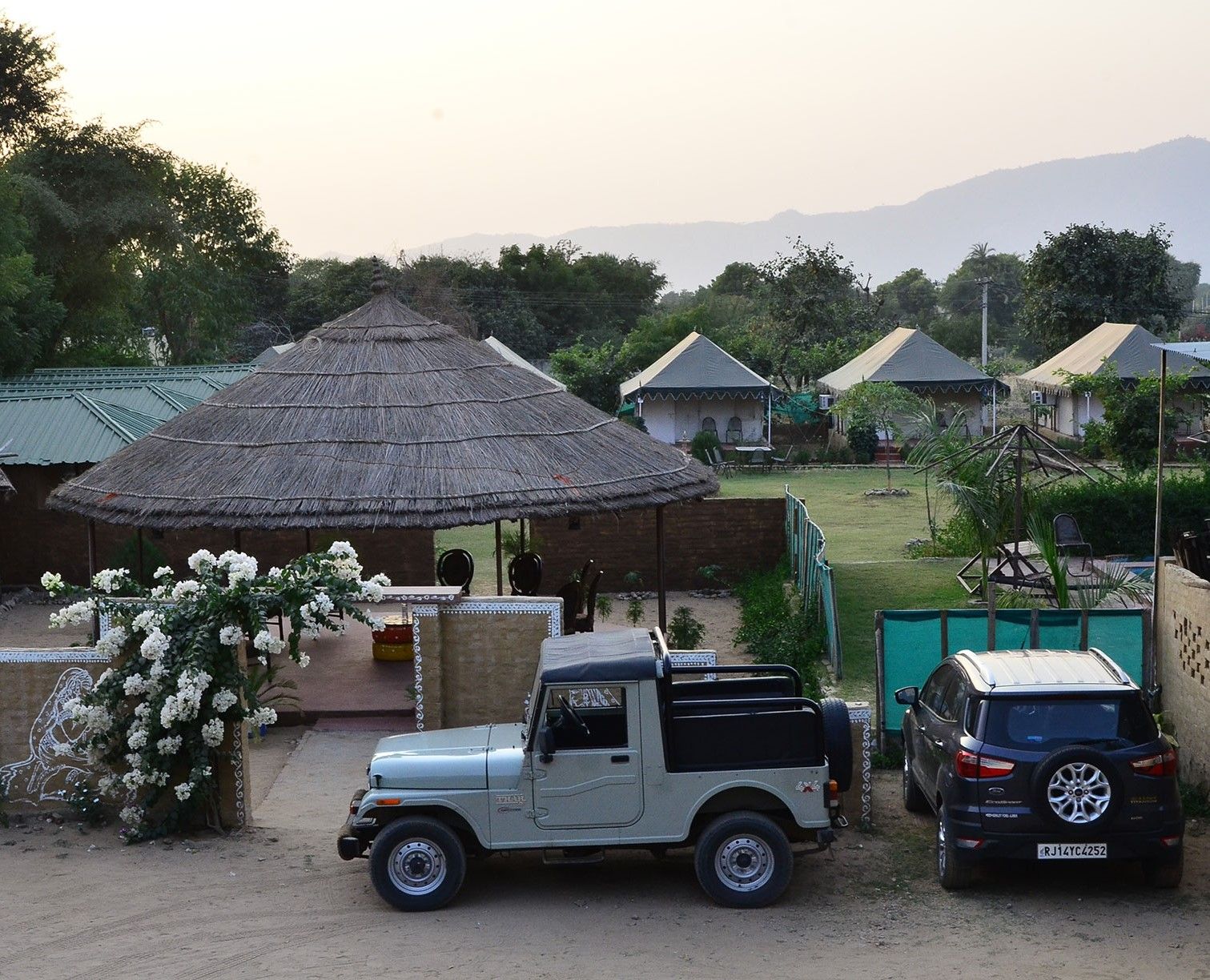
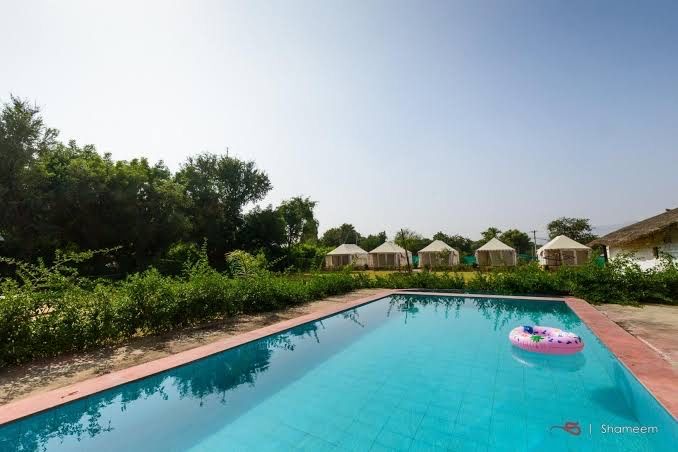
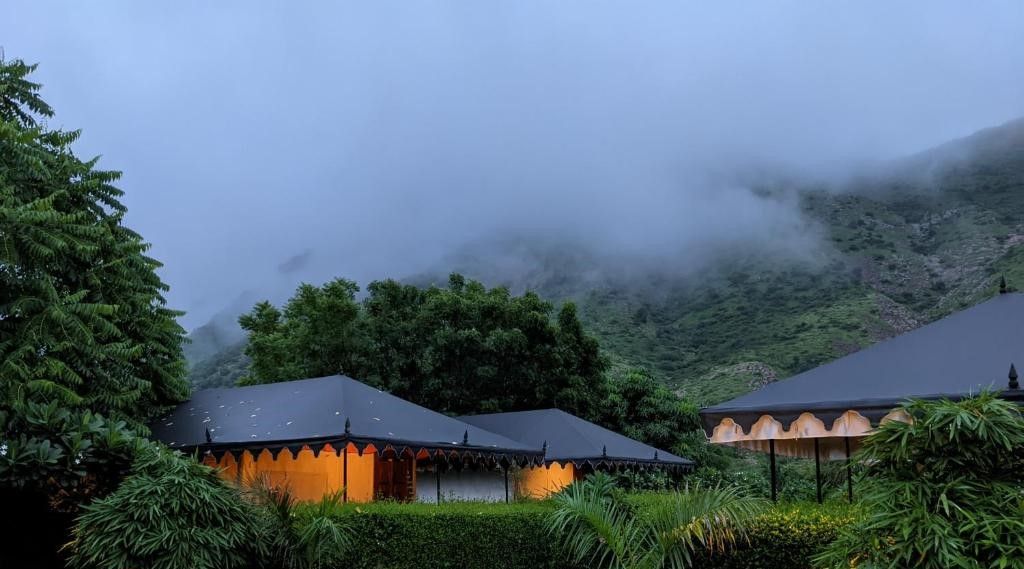
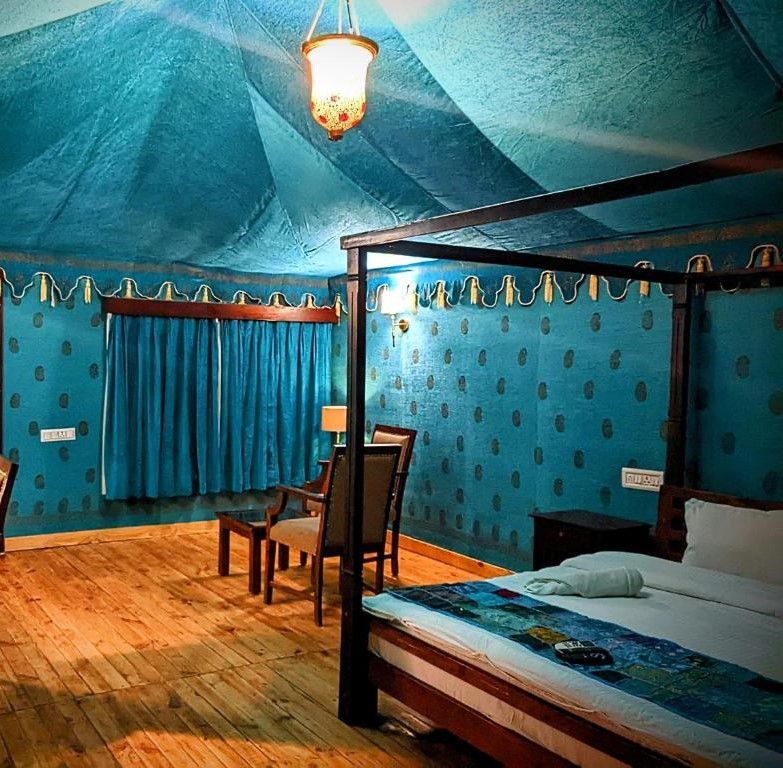
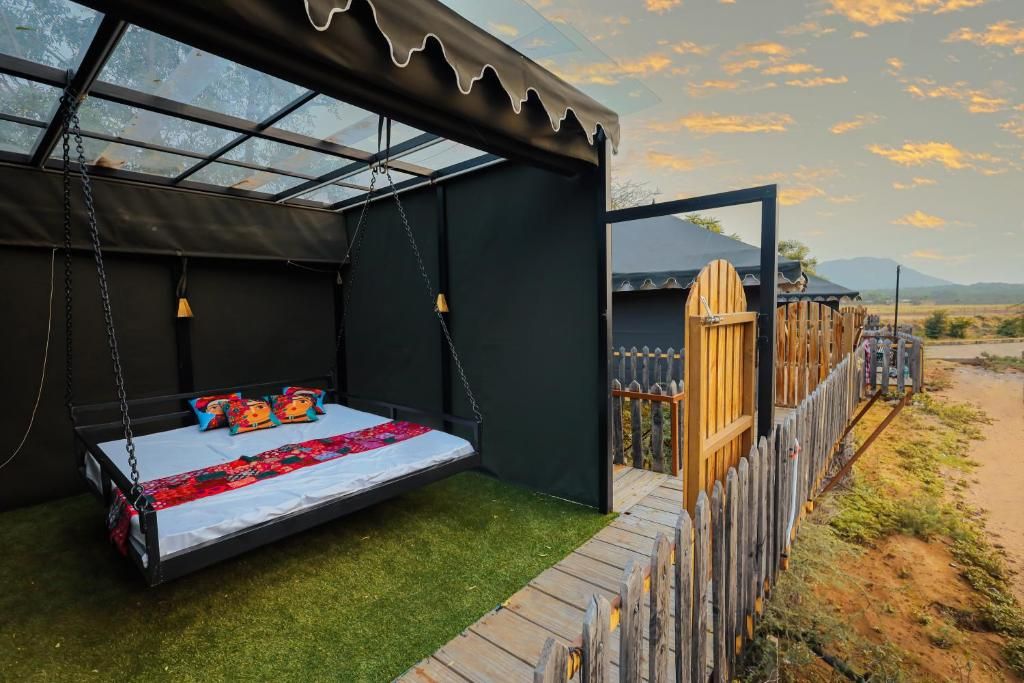
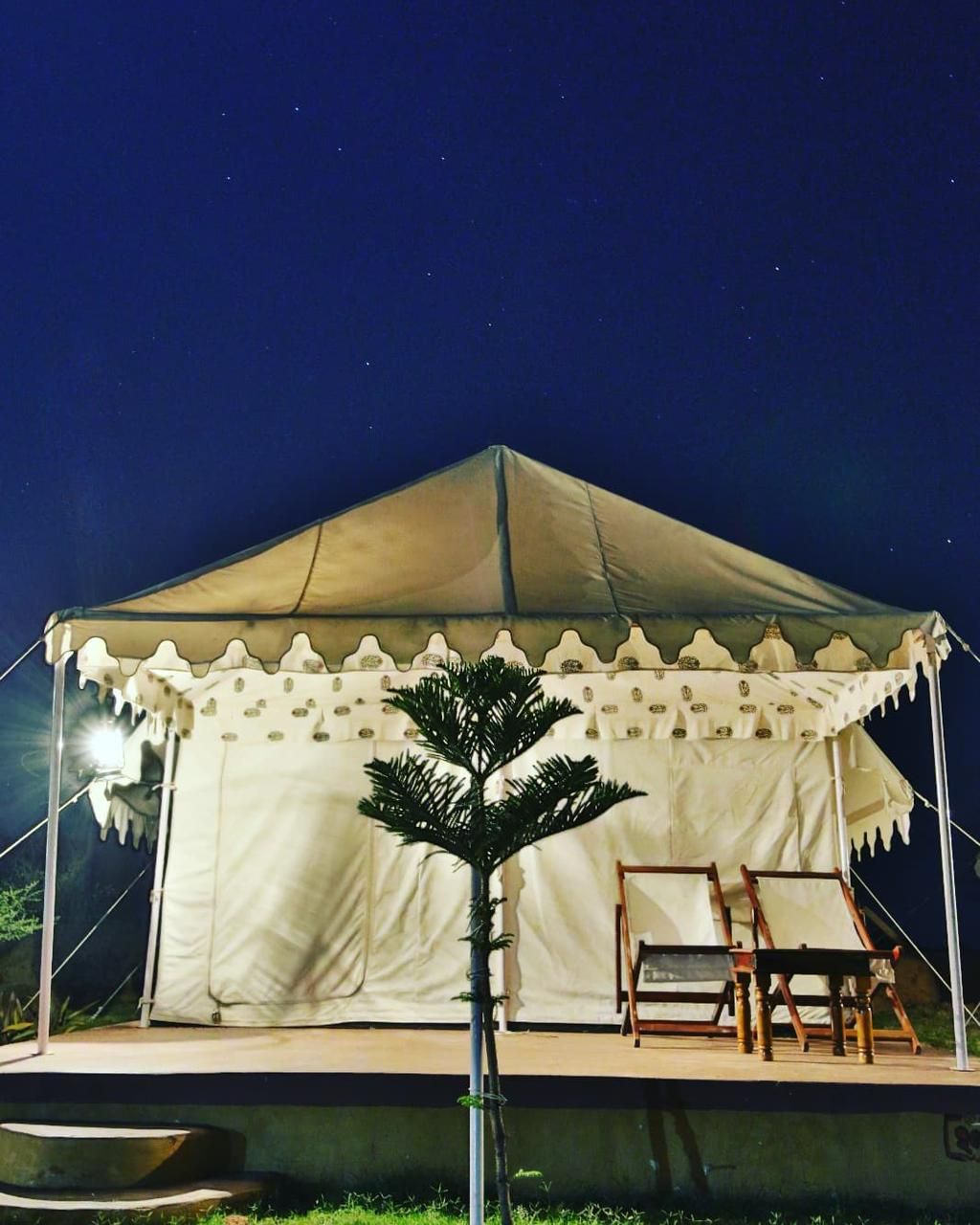
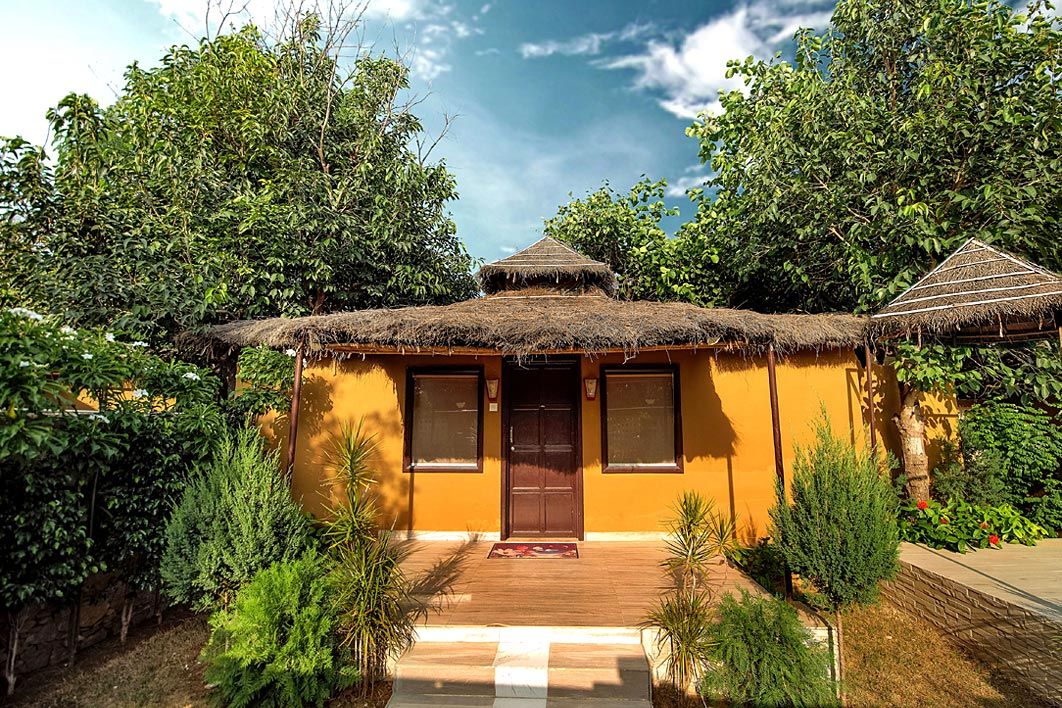
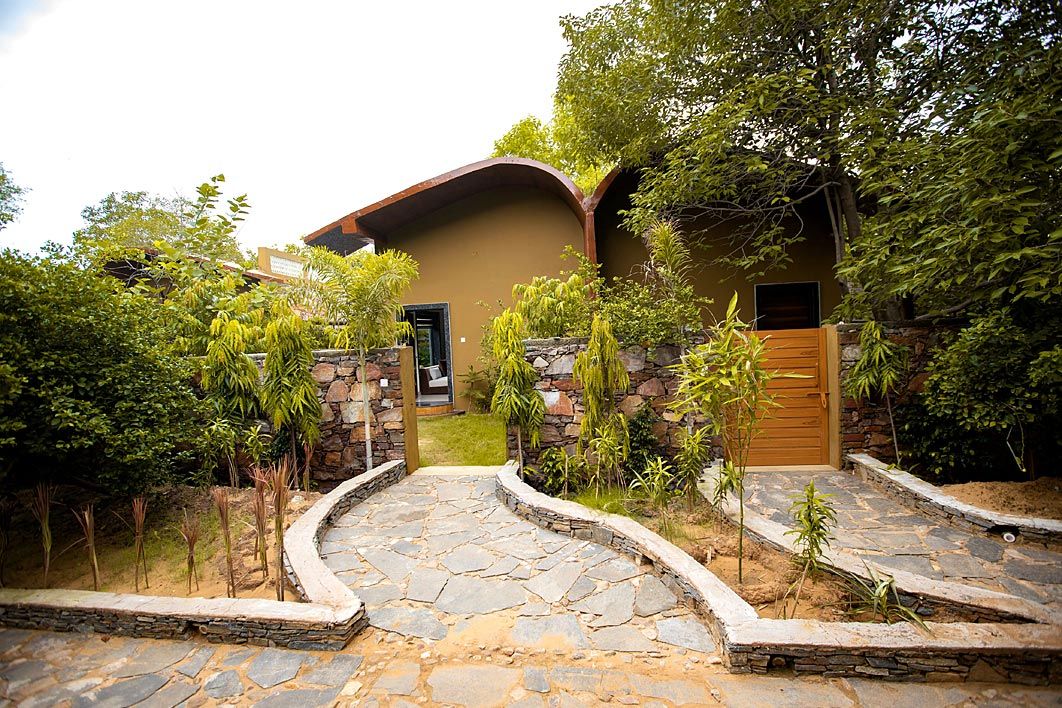
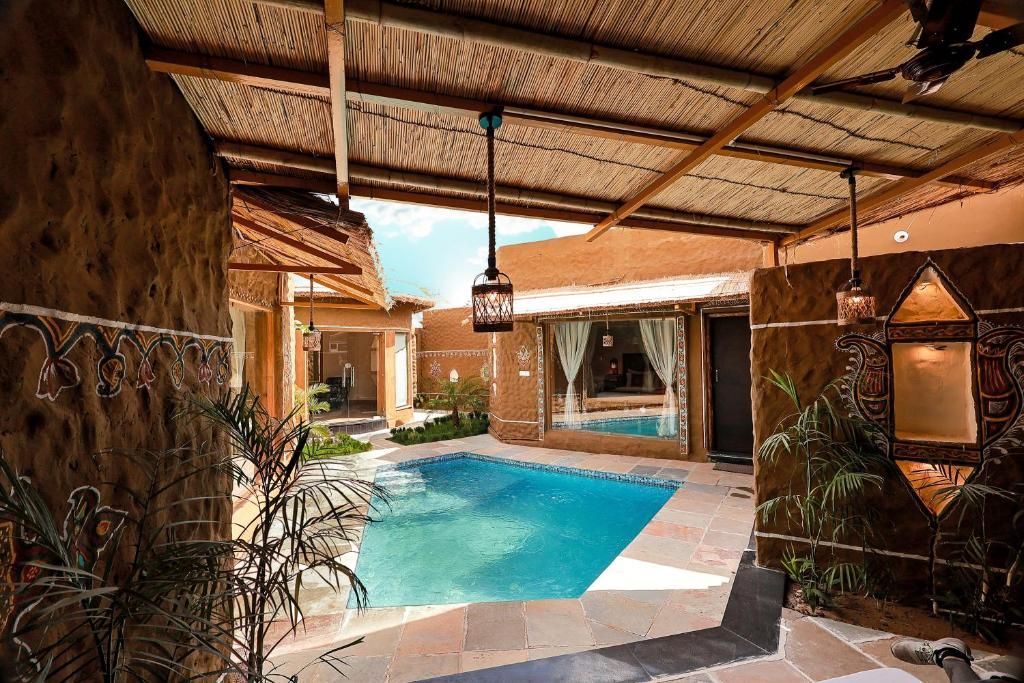
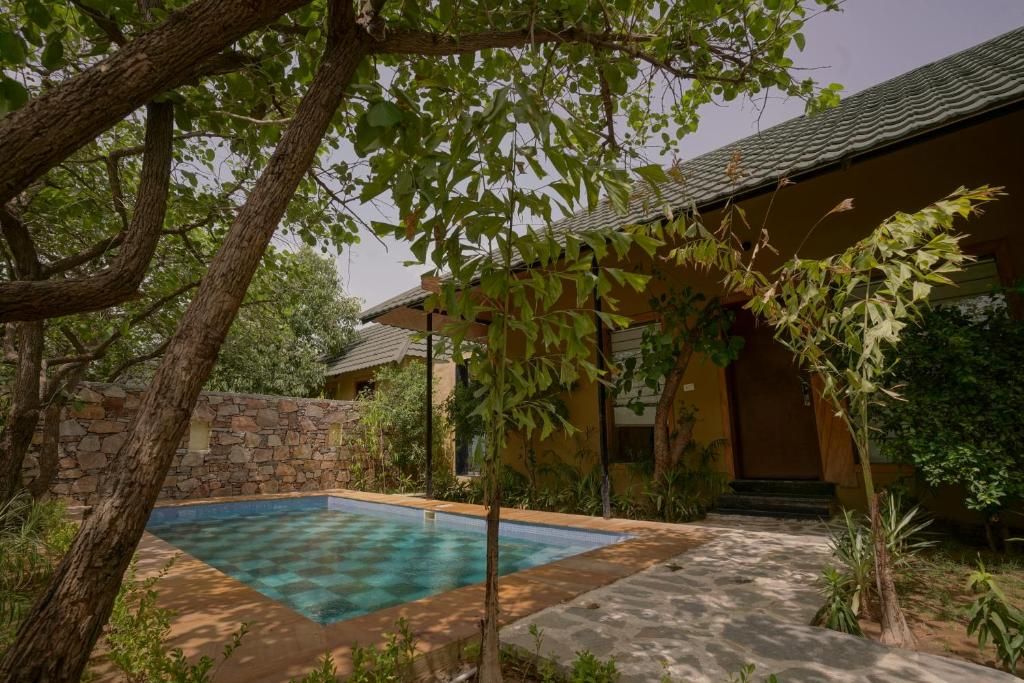
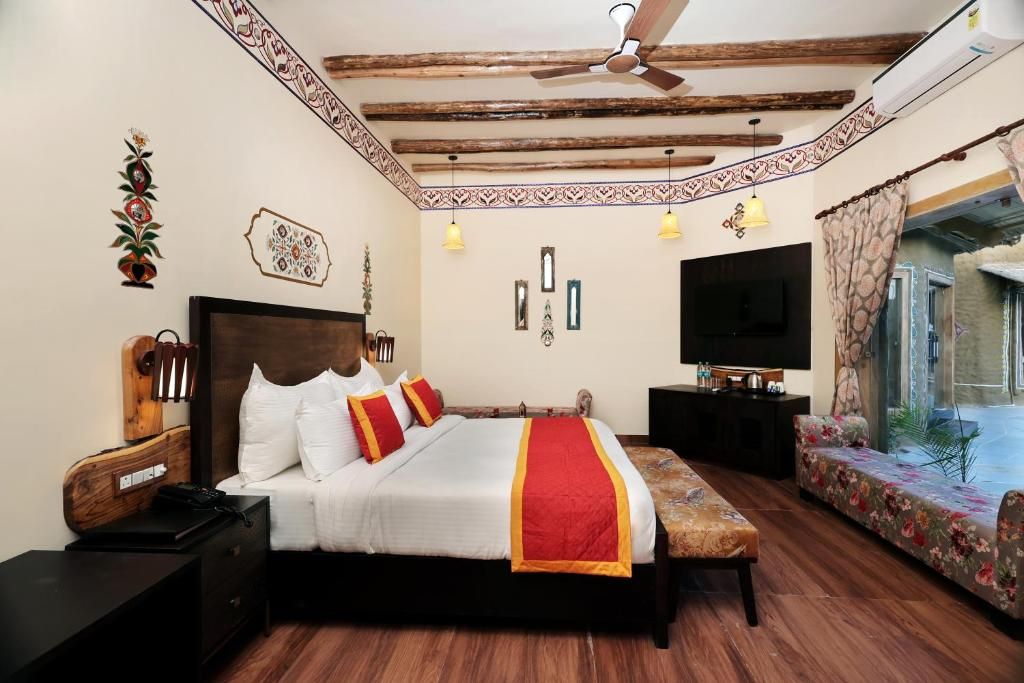
For visitors seeking peaceful natural settings, the desert valleys and hill fringes around town offer distinctive open-air stays. You can browse and book verified camps, homestays, and outdoor getaways near Pushkar Lake on HireACamp.
Frequently asked questions
Is swimming permitted in Pushkar Lake?
Recreational swimming is not permitted in Pushkar Lake. The water body is revered as sacred, and entering the water is strictly limited to religious bathing and traditional spiritual rites.
Do I have to remove my footwear at Pushkar Lake?
Yes, shoes and sandals must be removed before you step onto the stone ghats bordering the lake. The entire perimeter is treated as holy ground, and footwear storage areas are available at the access points.
When does the evening aarti happen at Pushkar Lake?
The evening aarti takes place daily at sunset at major ghats like Varaha Ghat and Brahma Ghat. Exact timings change slightly throughout the year according to seasonal daylight hours.
Can I take photographs around Pushkar Lake?
Photography is allowed around the ghats and general lakefront areas. However, visitors must respect pilgrims' privacy and avoid taking photographs of people bathing or participating in sacred rites.
How far is Pushkar Lake from Ajmer?
Pushkar Lake is approximately fifteen kilometres from the city of Ajmer. The route takes travellers across the winding Nag Pahar pass by taxi, bus, or auto-rickshaw.
Where you'll be
Rajasthan · 12 stays nearby shown with prices
Stays near Pushkar Lake
Book a place to stay close by
More places near Pushkar Lake
Within 20 km
Built from 0 Instagram posts by 0 creators. Every tip links back to the post it came from, and where creators disagree we show both sides.






