
Gogunda
Destination in Rajasthan
Gogunda is a historic town situated in the Aravalli Hills of southern Rajasthan, widely known as the site where Maharana Pratap was crowned ruler of Mewar in the sixteenth century. Located just northwest of Udaipur, it attracts travellers seeking a blend of Rajput history, rural charm, and quiet countryside. Surrounded by rolling hillocks and agrarian valleys, the town offers a grounded, reflective alternative to the bustling tourist hubs of the region.
Getting there
By road
- From Jodhpur4 hr 45 min · 209 km
- From Ahmedabad6 hr 5 min · 275 km
- From Vadodara7 hr 15 min · 355 km
- From Jaipur8 hr 5 min · 388 km
Typical drive times without traffic. Stations and airports from OLA Maps; distances and typical drive times from OpenStreetMap (© OpenStreetMap contributors); notes from creators' Reels.
About Gogunda
Written with AI from map data and general knowledge. Check prices and timings locally before you go.
The historical heritage of Gogunda
Gogunda holds an indelible place in the history of Mewar and Rajasthan. It served as a strategic mountain stronghold during times of conflict with Mughal forces. The town is most famous as the place of coronation, or Rajtilak, of Maharana Pratap in 1572 following the demise of his father, Maharana Udai Singh II. A stone platform marking this event remains an important landmark for visitors who want to connect with the region's storied past.
Beyond its connection to the warrior king, Gogunda reflects the quiet passage of time across the centuries. The town features older stone structures, heritage stepwells, and ancient Hindu and Jain temples built in regional architectural styles. Walking through the older lanes gives visitors an unvarnished glimpse into local town life, where traditional stone-and-lime masonry stands alongside village courtyards shaded by neem and banyan trees.
Landscape and outdoor setting
The physical geography of Gogunda is dominated by the Aravalli Range, one of the oldest geological mountain chains in the world. The terrain is characterised by undulating granite hills, scrub forests, seasonal streams, and agricultural plots terraced along valley floors. Farmers in the area cultivate crops such as maize, mustard, and wheat depending on the season, creating a patchwork landscape that changes colour through the year.
For outdoor enthusiasts, the hills surrounding Gogunda offer low-impact walking routes and village paths rather than strenuous technical climbs. Strolling through the outskirts leads to grazing pastures, rocky outcrops, and quiet farm lanes where birdlife is abundant. You can spot common woodland and scrubland species including babblers, Indian rollers, peafowl, and kingfishers near seasonal water bodies.
Read more
Places to explore around Gogunda
Gogunda's location makes it a versatile base for exploring historical and scenic landmarks in southern Rajasthan. The vibrant city of Udaipur lies just to the southeast. Closer to town, the Monsoon Palace sits perched on a high ridge overlooking the surrounding countryside, offering expansive vantage points across the Aravalli hills and the plains below.
Further toward the lake district, historic sights like the City Palace, Lake Pichola, Jagmandir Island Palace, and the courtyard fountains of Saheliyon ki Bari provide rich architectural exploration. A short excursion can also bring travellers to scenic water reservoirs such as Chikalwas Dam, a favoured spot for relaxing walks and rural picnics. Spiritual travellers can explore the Shri Rata Mahaveerji Jain Temple, situated within driving distance, which showcases traditional temple craftsmanship amidst quiet pastoral surroundings.
Best time to visit Gogunda
The ideal time to visit Gogunda is from October to March, when southern Rajasthan experiences pleasant winter weather. During these months, daytime temperatures are mild, with clear skies and comfortable sunshine suitable for walking and sightseeing. Nights can get distinctly cold, particularly between December and January, requiring warm layers if you are staying in the hills or outdoors.
The monsoon months, running from July to September, bring a dramatic transformation to the landscape. The usually dry hills turn vibrant green, seasonal rivulets flow through the valleys, and the surrounding countryside becomes remarkably scenic. While road travel requires a bit more care during heavy rain showers, the monsoon is a rewarding season for photographers and nature lovers. Summers from April to June are harsh, with intense heat and high temperatures, making outdoor exploration uncomfortable during midday.
How to reach Gogunda
Gogunda is easily accessible by road from Udaipur, which is the principal transport gateway for southern Rajasthan. The nearest commercial airport and major railway junction are located in Udaipur, offering regular flight and train connections to major Indian cities such as Delhi, Mumbai, Ahmedabad, and Jaipur.
From Udaipur, Gogunda can be reached by car, private taxi, or state transport bus in roughly under an hour under normal road conditions. The drive follows national and state highway routes that cut through the scenic ridges of the Aravalli range. Travellers arriving by road from northern Gujarat or other parts of western Rajasthan will find direct highway access, making Gogunda a convenient halt on broader road itineraries.
Tips for planning your visit
Gogunda is a relatively traditional and rural locality, so dressing modestly and respectfully when visiting temples and village areas is recommended. Comfortable walking shoes or sturdy sandals are essential if you plan to explore the coronation site, temple compounds, or hilly walking trails.
While basic amenities, regional tea stalls, and local markets are available within the town, speciality services and larger shopping facilities are centered in Udaipur. Carry adequate cash, as smaller vendors and rural shops may not always have reliable electronic payment networks. When exploring paths into the scrub hills, stay mindful of daylight hours, as rural stretches lack street lighting after dark.
Where to stay around Gogunda
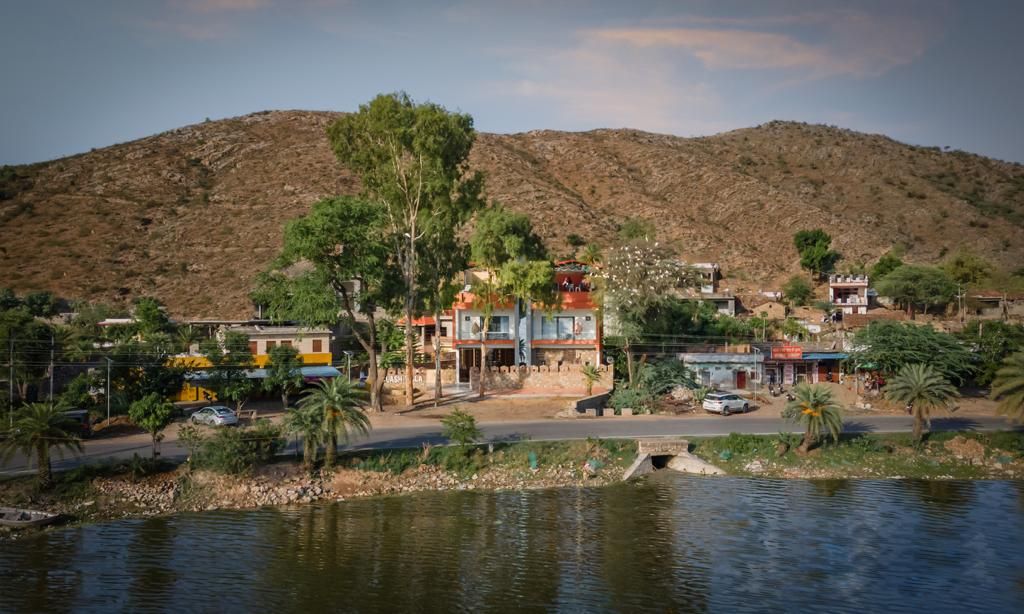
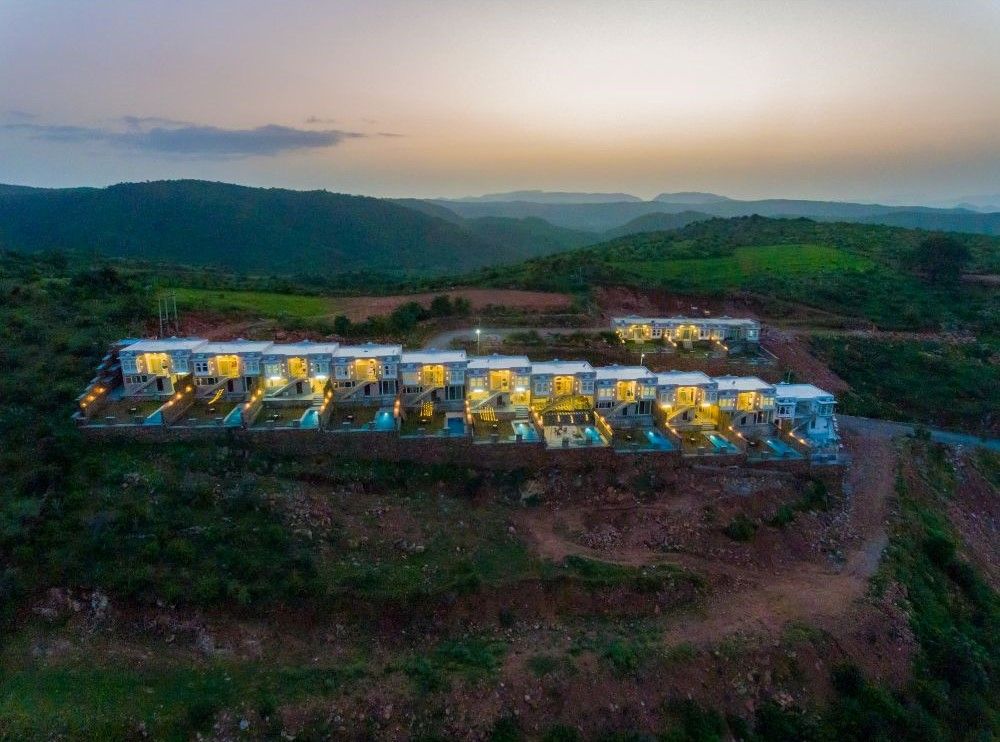
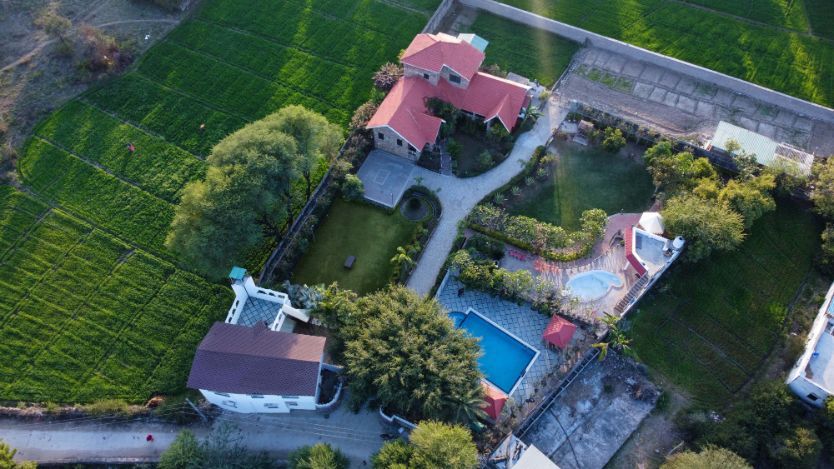
Travellers visiting Gogunda can choose from a range of rural accommodations that highlight the peaceful character of the Aravalli countryside. Rather than standard urban options, the area around Gogunda lends itself well to nature retreats, rural homestays, and farm stays that provide close interaction with the outdoors and local communities.
To find authentic homestays, rustic campsites, and outdoor getaways in and around Gogunda, explore the verified listings on HireACamp. Booking a stay nestled against the hills allows you to experience peaceful village mornings, open night skies, and easy access to the historical routes of Mewar.
Frequently asked questions
What is Gogunda famous for?
Gogunda is historically renowned as the site where the Mewar ruler Maharana Pratap was crowned in 1572. It also served as an important military and administrative base during the conflicts between Mewar and the Mughal Empire.
How far is Gogunda from Udaipur?
Gogunda is situated roughly 35 to 40 kilometres northwest of Udaipur by road, taking approximately 45 minutes to an hour by car depending on traffic.
Can Gogunda be visited as a day trip?
Yes, because of its proximity to Udaipur, Gogunda can easily be explored on a half-day or full-day excursion covering its historic coronation platform and nearby countryside.
What is the best season to explore Gogunda?
The most comfortable time to visit is during the cooler months from October to March, though the monsoon months from July to September are also popular for their lush green hill scenery.
Are there walking trails and outdoor spots in Gogunda?
The hills and farm trails surrounding the town offer gentle nature walks and rural trekking, with nearby spots like Chikalwas Dam providing scenic water bodies to visit.
Where you'll be
3 stays nearby shown with prices
Stays near Gogunda
Book a place to stay close by
Things to do in Gogunda
48 places creators recommend within 30 km


Built from 0 Instagram posts by 0 creators. Every tip links back to the post it came from, and where creators disagree we show both sides.






