
Gyalshing
Destination in Sikkim
Gyalshing, the administrative capital of West Sikkim, is a serene hill town positioned against the dramatic amphitheatre of the Eastern Himalayas. Perched amid terraced slopes, dense pine woodlands, and quiet mountain valleys, the town serves as a gateway to Sikkim's oldest monasteries, historic royal ruins, and sacred lakes. Travellers visit Gyalshing to experience authentic Sikkimese mountain culture, soak in panoramic views of the Kanchenjunga range, and explore the region's deep spiritual heritage.
Getting there
About Gyalshing
Written with AI from map data and general knowledge. Check prices and timings locally before you go.
About Gyalshing
Gyalshing, also widely known as Geyzing, sits on the western flank of Sikkim at an elevation of roughly 6,500 feet above sea level. Historically an important gathering point for regional trade and administration, the town has developed into a functional mountain hub without losing its relaxed local character. The town centre revolves around a bustling hillside market where local villagers, monks, and farmers assemble to sell mountain produce, traditional weaves, and daily essentials.
The region around Gyalshing is shaped by deep river valleys and prominent ridges that look out towards the snowfields of Mount Kanchenjunga and surrounding peaks. The community here represents a quiet harmony of Bhutia, Lepcha, and Nepali cultures, evident in the prayer flags fluttering over hillside farms, the stone chortens placed along trails, and the warm hospitality extended to travellers. Unlike bustling tourist hubs, Gyalshing maintains an unhurried, authentic atmosphere that invites visitors to pause and take in the rhythm of high-altitude rural life.
Things to do in Gyalshing
Exploring Gyalshing is primarily an outdoor and cultural experience. A walking walk through the town's central bazaar offers an unvarnished glimpse into West Sikkim's daily routine. Wandering the small side lanes takes you past traditional wooden homes, bakeries, and stalls showcasing seasonal mountain vegetables, fresh cottage cheeses, and local cardamom, which is heavily cultivated in the surrounding hills.
Walking is the best way to soak in the area's scenery. The perimeter ridges around the town feature dirt paths that lead through quiet oak and rhododendron groves, giving vantage points over the Rangit Valley below. These trails are ideal for birdwatching, as the mixed temperate forests shelter flycatchers, laughingthrushes, and sunbirds. In the early morning hours, simple viewpoint trails reward early risers with dramatic sunrise light shifting across the snowcapped Himalayan summits.
Read more
Places to visit around Gyalshing
Gyalshing is situated just a short drive below Pelling, making it an excellent base for visiting several of Sikkim's most revered heritage landmarks. A short journey uphill brings you to Pemayangtse Monastery, founded in the early eighteenth century as one of the oldest and most important gompas of the Nyingma order. The monastery contains ancient scriptures, intricate thangkas, and a legendary carved wooden replica of Sangtokpalri, the celestial abode of Guru Padmasambhava.
Just beyond Pemayangtse lies the Rabdentse Ruins, the archaeological site of the second royal capital of the Kingdom of Sikkim. A stone pathway shaded by lush chestnut trees leads to the palace foundations, stone thrones, and ceremonial chortens, all overlooking a precipitous drop into the valley with clear views of the mountains on clear days. Further along the mountain ridges, travellers can head towards Sangachoeling Monastery, reached via a quiet forest hike, or plan an excursion to Khecheopalri Lake, a tranquil, sacred body of water surrounded by prayer flags and forested hills where religious custom preserves the pristine water.
Best time to visit Gyalshing
The climate in Gyalshing varies considerably with the changing seasons, with spring and autumn offering the most pleasant conditions for travel. From March to May, temperatures are comfortably mild, and the slopes burst with blooming wild rhododendrons, magnolias, and orchids. The days are generally bright, making it an excellent period for walking excursions and exploring nearby monasteries.
From late September through December, the monsoon rains clear away, bringing crisp, cool air and exceptional visibility. This autumn and early winter window is widely considered the finest time for mountain viewing, as the Kanchenjunga massif stands sharply defined against cloudless blue skies. Winter, lasting from January to February, brings cold mornings and nights with brisk, dry days. Monsoon season spans from June to August, bringing heavy rainfall, dense valley mist, and occasional road disruptions, which generally make outdoor sightseeing challenging.
How to reach Gyalshing
Gyalshing is accessible solely by mountain roads from the lowlands of West Bengal and other districts of Sikkim. The nearest railway hub is New Jalpaiguri, while the closest commercial airport is Bagdogra, both situated near Siliguri in northern West Bengal. From the plains, travellers can hire a private taxi or board shared jeeps that travel up into the hills via Melli, Jorethang, and Legship along the Rangit River basin.
The road journey winds steadily through river gorges and terraced hillsides, with travel times depending largely on seasonal weather and mountain road conditions. For travellers already exploring Sikkim, Gyalshing is well connected by regular shared taxis running from Gangtok, Ravangla, and Namchi. Driving along these winding routes requires patience, but the changing subtropical-to-temperate landscapes make the ride rewarding.
Tips for your visit
When travelling through Gyalshing and the broader West Sikkim area, modest clothing is expected, especially when visiting monasteries and sacred religious monuments. Remember to remove shoes before entering temple prayer halls, walk clockwise around stupas and chortens, and seek permission before taking photographs of monks or sacred relics.
Because mountain weather can turn cold quickly, particularly after sundown, packing layers of warm woollens, a windproof outer jacket, and sturdy walking shoes is recommended throughout the year. Keep an eye on local road conditions if travelling near the start or end of the monsoon. Foreign nationals should verify permit requirements for entering Sikkim and visiting specific protected zones at designated checkposts along the state border.
Where to stay in Gyalshing
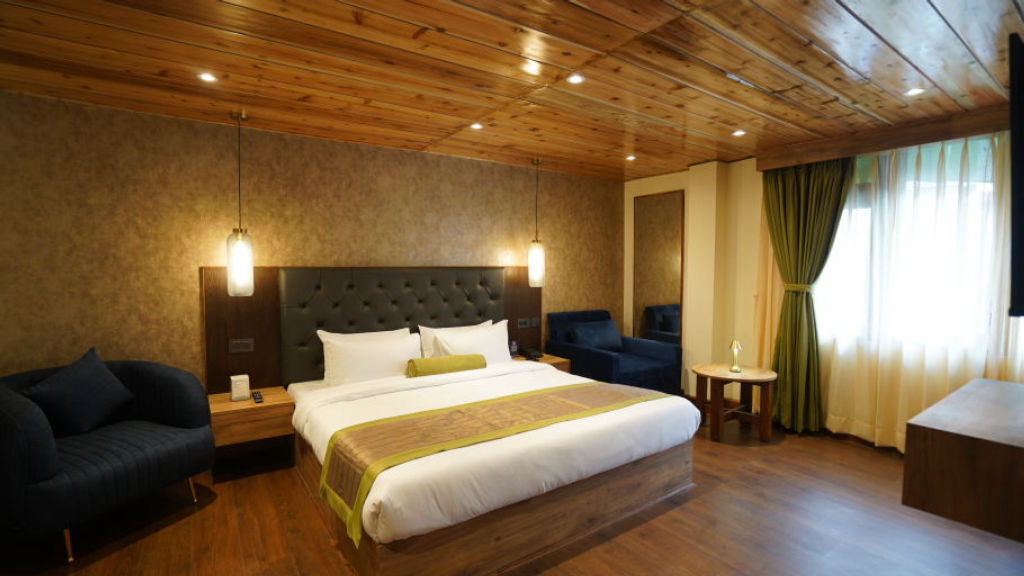
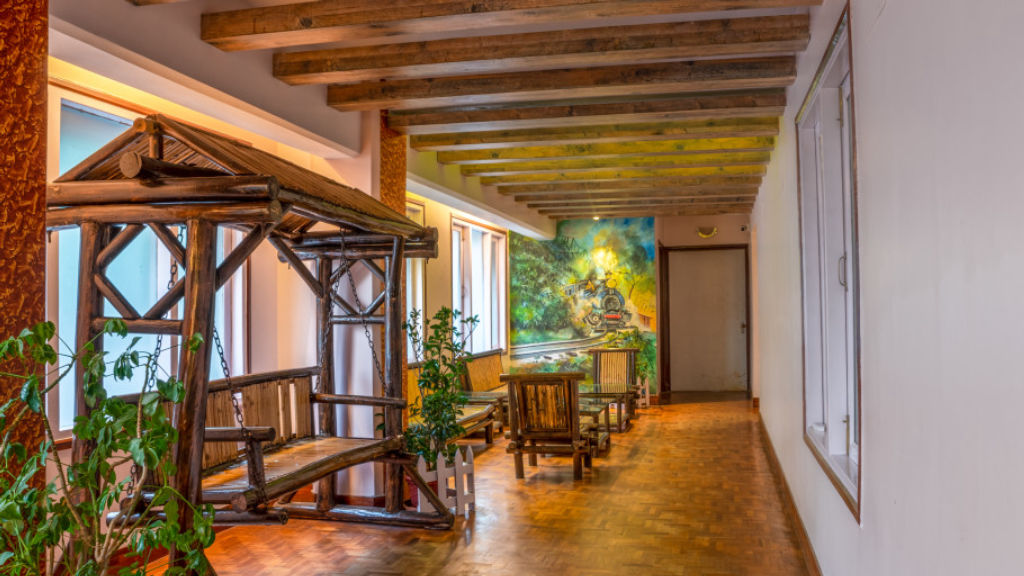
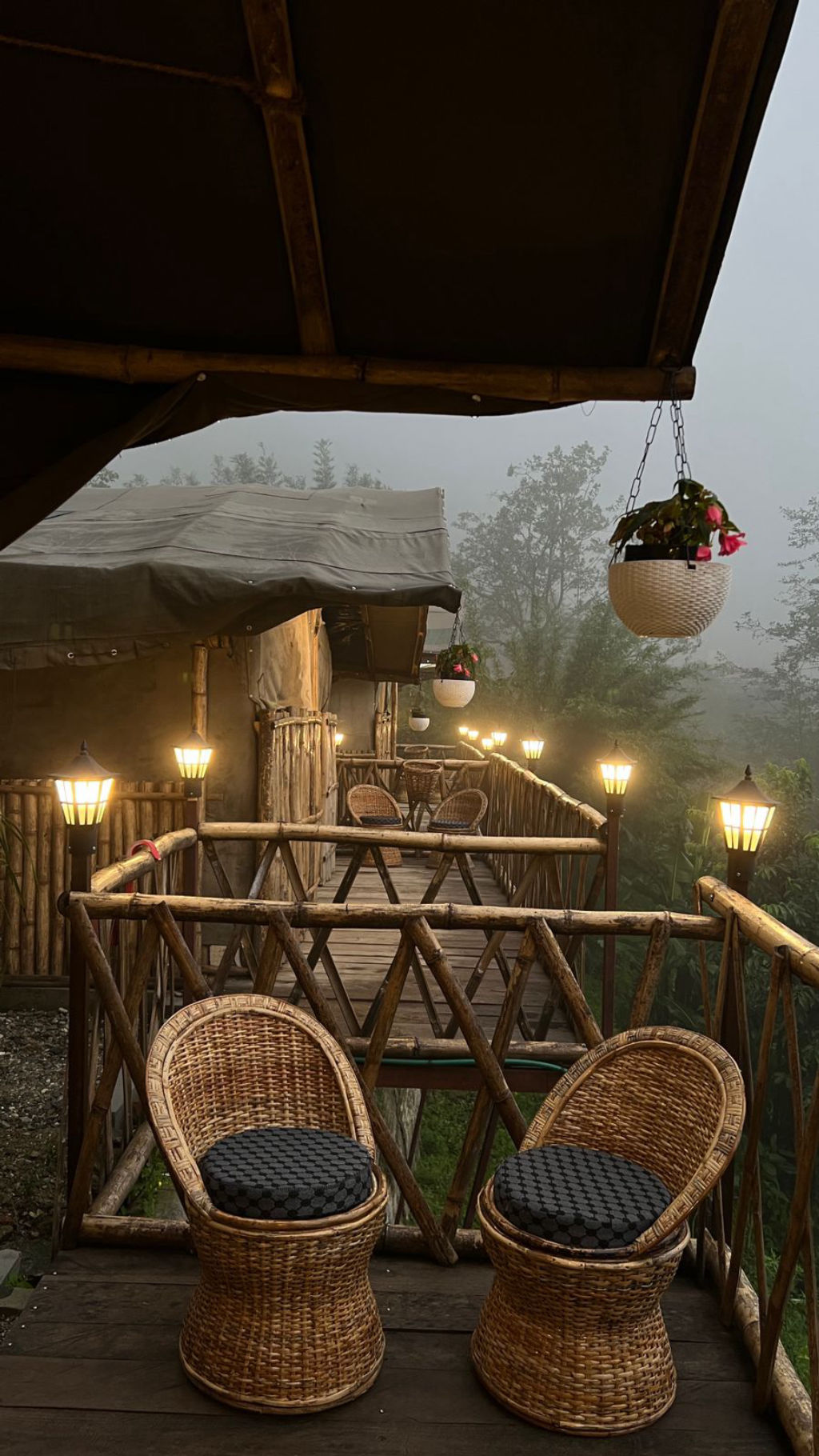
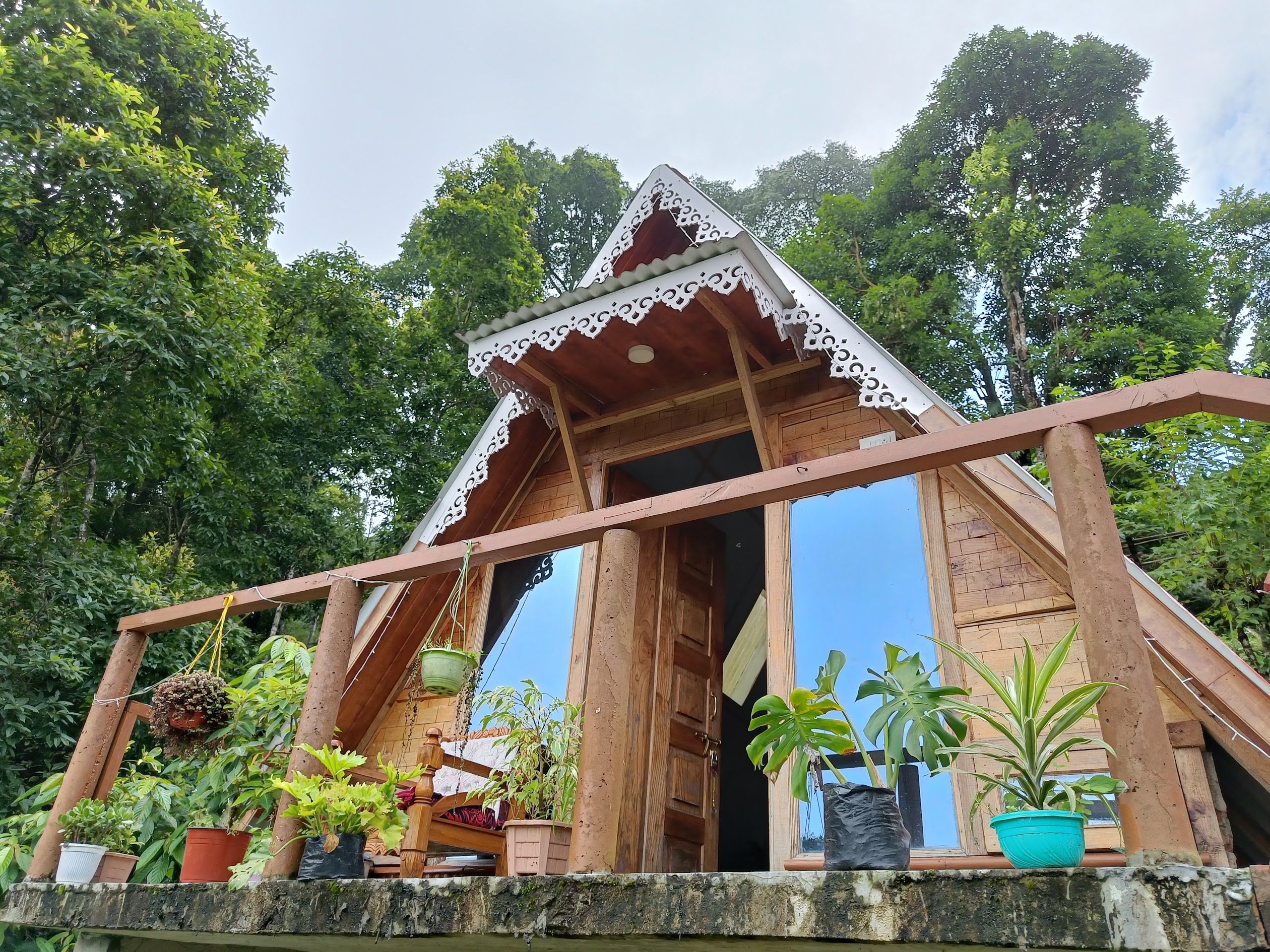
Accommodation options in and around Gyalshing provide peaceful alternatives to the busier hotels in neighbouring tourist centres. Visitors can opt for family-run homestays, hillside cottages, and nature camps situated among organic farms and cardamom groves on the outskirts of town.
Staying in a homestay allows guests to experience authentic Sikkimese hospitality, enjoy home-cooked meals prepared with garden-grown vegetables, and learn about the local culture directly from host families. You can discover and book verified camps, homestays, and outdoor getaways in Gyalshing on HireACamp.
Frequently asked questions
What is Gyalshing known for?
Gyalshing is known as the administrative hub of West Sikkim, celebrated for its scenic views of Mount Kanchenjunga, vibrant local market, and close proximity to historic sites like Pemayangtse Monastery and Rabdentse Ruins.
How far is Gyalshing from Pelling?
Gyalshing is located just down the ridge from Pelling, making it easily reachable within a short local drive or shared taxi ride.
Which months are best for mountain views in Gyalshing?
The clearest views of Kanchenjunga occur from October to December and again in early spring, when the post-monsoon atmosphere provides dry air and high visibility.
Do I need special permits to visit Gyalshing?
Indian nationals do not require special permits for Gyalshing itself, but foreign nationals need an Inner Line Permit to enter Sikkim, which can be obtained at border checkposts and designated facilitation centres.
What should I pack for a trip to Gyalshing?
Pack sturdy walking shoes for uneven stone trails, warm fleece and woollen layers for chilly mornings and evenings, and rain gear if travelling anywhere close to the monsoon season.
Where you'll be
4 stays nearby shown with prices
Stays near Gyalshing
Book a place to stay close by
Things to do in Gyalshing
43 places creators recommend within 30 km


Lists for this area
Ranked by how many creators recommend each place


Built from 0 Instagram posts by 0 creators. Every tip links back to the post it came from, and where creators disagree we show both sides.






