
Habashi Mahal
Monument near Junnar, Maharashtra
3.1 km from Junnar
The nearest town, for stays, food and fuel.
Habashi Mahal is a medieval stone monument situated near the historic town of Junnar in Maharashtra. It is tied to the era of the Deccan Sultanates and the influential Habshi nobles who helped shape the region's administration and defense. Travellers visit the site to examine its enduring stone architecture and to connect with the deep layers of Junnar's heritage.
Getting there
By road
- From JunnarNearest town10 min · 3.9 km
- From Pune2 hr 20 min · 94 km
- From Nashik3 hr 10 min · 147 km
- From Mumbai 3 hr 40 min · 204 km
Typical drive times without traffic. Stations and airports from OLA Maps; distances and typical drive times from OpenStreetMap (© OpenStreetMap contributors); notes from creators' Reels.
About Habashi Mahal
Written with AI from map data and general knowledge. Check prices and timings locally before you go.
History and heritage of Habashi Mahal
Habashi Mahal stands as a tangible link to a fascinating chapter in the history of the Deccan plateau. The term Habshi historically referred to individuals of Abyssinian and East African descent who arrived in the Indian subcontinent through maritime trade networks across the Indian Ocean. In the Deccan, many of these individuals rose through the ranks of the Ahmadnagar Sultanate and other regional kingdoms to become powerful military generals, ministers, and city planners. Malik Ambar, perhaps the most prominent of these figures, held significant sway over the Junnar region during the late sixteenth and early seventeenth centuries.
During this era, Junnar served at various times as an administrative hub and capital. The nobles of the court commissioned residences, pavilions, gardens, and water management structures across the valley. Habashi Mahal is recognized as one of these historical dwellings or pleasure pavilions, reflecting the socio-political standing of African elites within medieval Maharashtra. While much of the surrounding historic settlement has changed over the centuries, the masonry of the mahal remains a quiet marker of Junnar's multicultural past.
Architectural features of the monument
The construction of Habashi Mahal displays the functional and aesthetic traits typical of provincial Deccan Sultanate architecture. Built primarily from locally quarried basalt stone and lime mortar, the structure was engineered to provide comfort amidst the varying climates of the Western Ghats periphery. Thick walls and strategically positioned arched openings kept the interiors cool during the peak heat of summer.
Visitors walking through the remains can observe classic arched entranceways, remnants of stone corridors, and the foundational layout of grand rooms. The simple yet sturdy construction method focuses on structural balance rather than excessive surface ornamentation. Taking time to inspect the joint work and mortar helps one appreciate the traditional craftsmanship of medieval stone masons who built durable landmarks across the Sahyadri foothills.
Read more
Best time to visit Habashi Mahal
The most pleasant season to visit Habashi Mahal is during the post-monsoon and winter months, which span from October through February. During this time, daytime temperatures remain moderate and the air is dry, making it comfortable to spend time outdoors exploring open stone ruins and walking around the town of Junnar. Winter mornings often bring a soft mist over the surrounding valleys, creating picturesque settings for photography.
The monsoon season from June to September brings heavy rains across the Western Ghats, transforming the brown landscape into vibrant shades of green. Visiting during this period offers striking views of misty hills, swollen rivers, and active seasonal waterfalls in the immediate vicinity. However, travellers should be prepared for sudden downpours and wet, slippery stone pathways. The summer months from March to May can be dry and intensely hot, with midday temperatures soaring. If visiting during summer, it is best to tour the monument early in the morning.
How to reach Habashi Mahal
Habashi Mahal is located in the vicinity of Junnar, a historic town situated in the Pune district of Maharashtra. Junnar is well connected by road to major metropolitan hubs including Pune and Mumbai. Travellers arriving by personal vehicle or hired taxi can reach Junnar via the Pune-Nashik highway or by crossing through the scenic Malshej Ghat road from the Kalyan-Thane side. The drive through the ghats is particularly scenic during the rains and winter months.
For those relying on public transport, regular state transport buses run to Junnar from major bus stations in Pune, Kalyan, and Mumbai. Once you reach the main Junnar bus station, you can hire local auto-rickshaws or take a short taxi ride to reach Habashi Mahal. It is advisable to consult with local drivers or residents upon arrival in Junnar to confirm the exact local route and access point to the site.
Tips for visiting Habashi Mahal
Since Habashi Mahal is an open historical structure with limited modern amenities directly at the site, preparing beforehand ensures a smooth trip. Wear flat, comfortable shoes with good grip, as you may have to navigate uneven ground and weathered stone steps. Bring a refillable water bottle to stay hydrated, especially if you plan to walk around during warmer parts of the day.
Carrying cash is recommended for local transit and nearby tea stalls, as network connectivity can occasionally fluctuate. Respect the structural integrity of the monument by avoiding climbing on weakened masonry or defacing the walls. Visiting in the soft morning light or late afternoon provides the best conditions for photography and allows you to avoid the midday sun.
Places to visit around Junnar
Junnar is widely celebrated as one of Maharashtra's foremost historical and outdoor destinations, surrounded by hills and valleys filled with antiquities. Just a short journey from Habashi Mahal lies Naneghat, an ancient mountain pass once used as a vital trade link between the Konkan coast and the Deccan, renowned for its ancient rock-cut inscriptions and expansive cliffside views.
The area is also famous for its extensive Buddhist cave heritage, including the Lenyadri rock-cut caves, which also house a revered Ganesha temple, and the serene Tulja Caves carved into the nearby hillsides. Water enthusiasts can venture to the nearby reservoirs of Wadaj Dam and Manikdoh Dam, which provide peaceful lakesides framed by rugged hills. Further up the ghats, scenic destinations such as Malshej Ghat and the iconic Harishchandragad fort make Junnar an exceptional base for a longer getaway.
Where to stay near Habashi Mahal
Junnar and its adjoining valleys offer a calm and rural atmosphere away from the bustle of big cities. For travellers who enjoy spending their evenings close to nature, the surrounding countryside has a variety of outdoor accommodation choices. You can find rustic campsites, peaceful homestays, and farm stays on HireACamp, providing an authentic way to experience the quiet beauty and welcoming hospitality of the Sahyadri foothills.
Frequently asked questions
What is the historical significance of Habashi Mahal?
Habashi Mahal is linked to the Habshi or Abyssinian nobles of the Deccan Sultanate era who held significant administrative and military influence in Junnar. The monument stands as a rare surviving residential structure reflecting this unique socio-political period in Maharashtra's history.
Where is Habashi Mahal located?
Habashi Mahal is located in the historic town of Junnar in Pune district, Maharashtra, surrounded by the Sahyadri mountain ranges.
Can I visit Habashi Mahal as a day trip from Pune or Mumbai?
Yes, Junnar is easily reachable by road from both Pune and Mumbai, making it feasible to visit Habashi Mahal and nearby sights as an early day trip or an overnight weekend getaway.
What other sights can I see near Habashi Mahal?
Nearby attractions include the ancient rock-cut caves at Lenyadri and Tulja, the historic mountain pass of Naneghat, and scenic water bodies like Wadaj Dam and Manikdoh Dam.
Where you'll be
Junnar, MH · 1 stay nearby shown with prices
Stays near Habashi Mahal
Book a place to stay close by
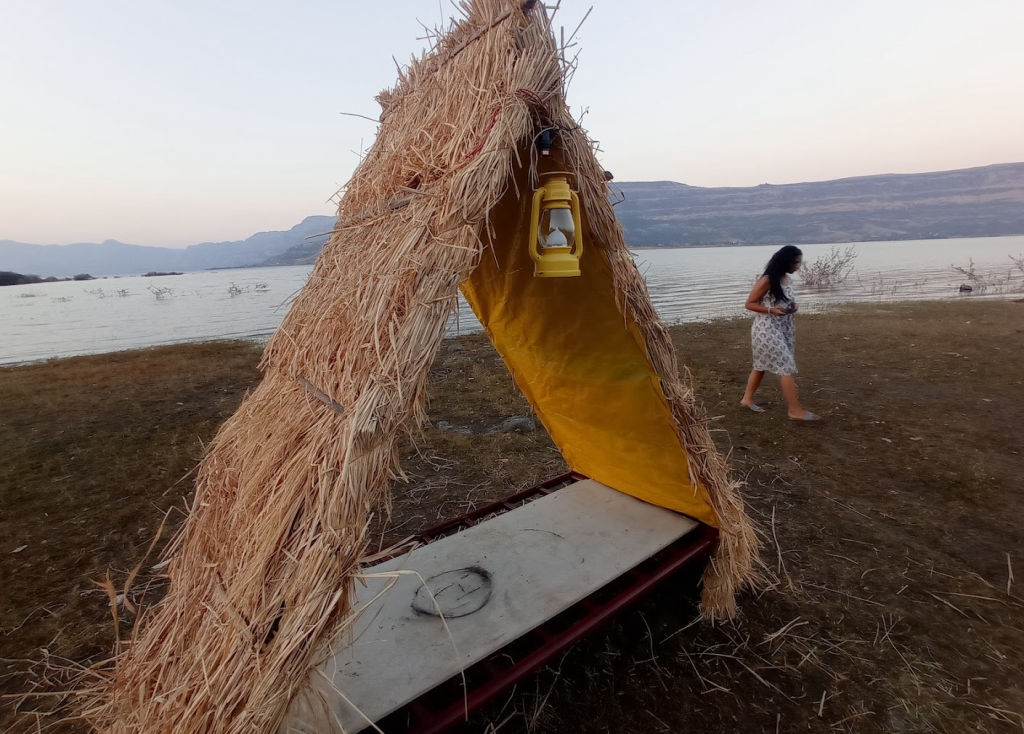
More places near Habashi Mahal
Within 20 km


Lists for this area
Ranked by how many creators recommend each place

Built from 0 Instagram posts by 0 creators. Every tip links back to the post it came from, and where creators disagree we show both sides.


