
Tulja Caves
Cave near Junnar, Maharashtra
4.5 km from Junnar
The nearest town, for stays, food and fuel.
Tulja Caves, also known as the Tulja Leni, is an ancient group of Buddhist rock-cut caves located near Somatwadi west of Junnar in Maharashtra. Perched on a cliff face in the Sahyadri ranges, the site features early Hinayana rock architecture, including a distinctive circular chaitya hall surrounded by plain pillars. Visitors and history enthusiasts travel here to explore its serene historic carvings and enjoy sweeping views over the surrounding valleys.
Getting there
By road
- From JunnarNearest town15 min · 5.3 km
- From Pune2 hr 25 min · 99 km
- From Nashik3 hr 20 min · 155 km
- From Mumbai 3 hr 50 min · 209 km
Typical drive times without traffic. Stations and airports from OLA Maps; distances and typical drive times from OpenStreetMap (© OpenStreetMap contributors); notes from creators' Reels.
About Tulja Caves
Written with AI from map data and general knowledge. Check prices and timings locally before you go.
About Tulja Caves
Tulja Caves form one of several prominent groups of rock-cut ancient monuments that encircle the historic town of Junnar. Carved into the rugged basalt cliffs around the first century BCE to the first century CE, these excavations reflect the early Theravada or Hinayana phase of Buddhist art. The site consists of approximately eleven caves arranged in a row, featuring monks' quarters, water cisterns, and prayer halls.
The most notable architectural highlight of Tulja Caves is Cave 3, a circular chaitya hall. Unlike the typical apsidal chaityas seen in many other western Indian rock-cut complexes, this prayer hall is round in plan, centered on a rock-hewn stupa and encircled by a colonnade of plain octagonal pillars. Over the centuries, local religious traditions also established a shrine to the goddess Tulja Bhavani within the complex, giving the site its modern name while retaining its classical Buddhist foundations.
The landscape and setting
Set against the dramatic backdrop of the Western Ghats, Tulja Caves overlook a picturesque rural valley interspersed with agricultural fields, hills, and seasonal rivulets. The cliffside location affords visitors expansive vistas across the Junnar plateau and towards the mountain ridges of the Sahyadris.
The surrounding hill is adorned with scrub vegetation that transforms dramatically across seasons. During the post-monsoon period, the slopes are carpeted in green grasses and wild monsoon blooms, while the dry season reveals the raw volcanic rock layers of the Deccan Traps. The peaceful and windswept setting makes it an appealing spot for quiet exploration away from crowded tourist circuits.
Read more
Best time to visit Tulja Caves
The optimal time to visit Tulja Caves is from June through February, when temperatures are milder and the natural surroundings are at their most vibrant. The monsoon months, from late June to September, bring heavy rainfall to the Sahyadris, filling the seasonal streams and clothing the hillsides in deep green mist. While walking up the rock steps in the rain requires caution, the weather is delightfully cool.
The winter season, from October to February, offers clear skies, cool mornings, and pleasant afternoon temperatures, making it the most comfortable time for climbing the hillside and exploring the architecture in detail. Summers from March to May can be hot and dry, with midday temperatures rising sharply, so anyone visiting during those months should aim to explore during the early morning hours.
How to reach Tulja Caves
Tulja Caves are situated near Somatwadi, roughly five to six kilometers west of Junnar town in Pune district. Junnar is well-connected by road to major urban hubs like Pune, Mumbai, and Nashik, making it an accessible day or weekend trip destination.
From Pune, the road route heads north via the Pune-Nashik highway before turning towards Junnar, a drive of approximately two and a half to three hours depending on local traffic. From Mumbai, travelers can take the route through Kalyan and climb through the scenic Malshej Ghat pass to reach Junnar in around four to five hours. State transport buses run frequently to Junnar bus station from both Pune and Kalyan, after which local auto-rickshaws or private taxis can be hired to reach the base of the hill near Somatwadi. From the parking area, a flight of stone steps leads directly up to the caves.
Tips for your visit
Reaching the caves requires climbing a moderate flight of stone steps carved into the hillside. Wear sturdy shoes with reliable grip, as the rock steps can become slippery during the monsoon and dusty during the summer months.
Carry adequate drinking water, sun protection, and light snacks, as there are limited commercial facilities at the immediate base of the hill. Please remember that this is an ancient heritage site and treat the structures with respect. Avoid carving graffiti on the rock walls, take all litter back down with you to keep the hill clean, and verify local accessibility or daylight timings upon arrival in Junnar.
Places to visit nearby
The area around Junnar is steeped in history and outdoor attractions. The dramatic pass of Malshej Ghat lies just sixteen kilometers away, known for its cascading seasonal waterfalls, dramatic cliffs, and sweeping views down to the Konkan plains. Nearby Pimpalgaon Joga Dam, around fifteen kilometers away, offers tranquil waters and serves as a seasonal sanctuary for migratory birds such as flamingos.
Trekkers can set out for iconic Sahyadri fortifications like Harishchandragad, roughly twenty-one kilometers away, or Gorakhgad and Pabargad located in the wider region. For those who enjoy architecture and religious landmarks, the historic Shree Amruteshwar Temple at Ratanwadi and the dramatic rock canyon of Sandhan Valley are located further north along the mountain range.
Where to stay around Junnar
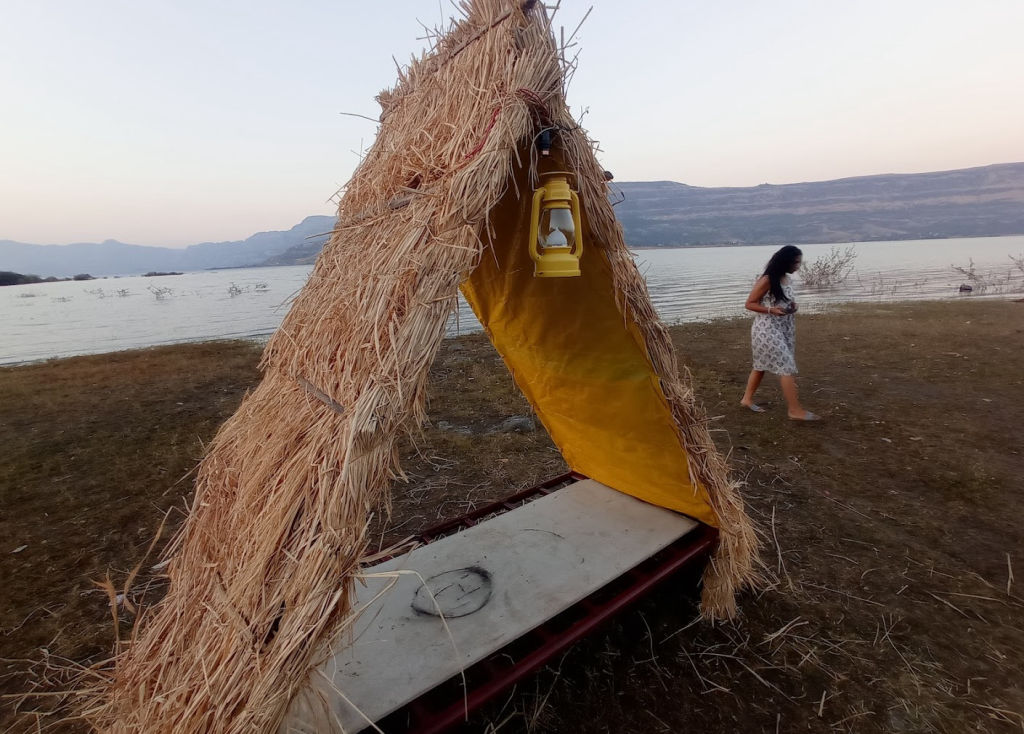
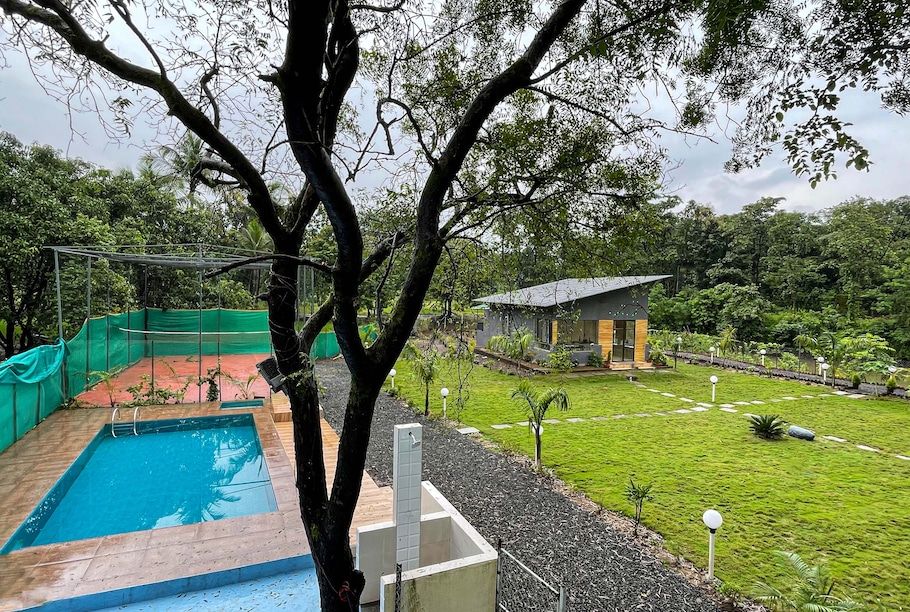
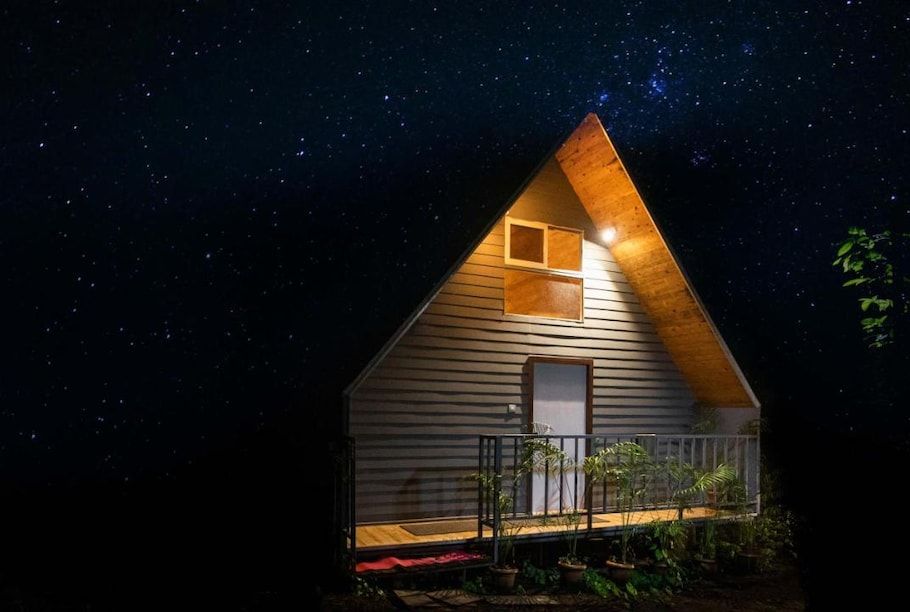
Travelers wishing to spend a few days exploring the caves, forts, and lakes of the Junnar region will find a wide variety of rural getaways, homestays, and outdoor camps. Staying near the base of the Ghats allows you to experience early morning mist, starry night skies, and rustic local hospitality.
You can discover and book verified eco-friendly campsites, farm stays, and traditional homestays across the Junnar and Malshej belt on HireACamp. Booking in advance is recommended during long weekends and peak monsoon periods when the region sees higher travel interest.
Frequently asked questions
Where are the Tulja Caves located?
Tulja Caves are situated near the village of Somatwadi, approximately five to six kilometers west of Junnar in Pune district, Maharashtra.
What is unique about the architecture of Tulja Caves?
The most distinctive architectural feature of Tulja Caves is its circular chaitya hall, Cave 3, which houses a rock-cut stupa surrounded by a circular row of plain octagonal pillars.
Is a hike required to reach Tulja Caves?
Yes, visitors must climb a moderate series of stone steps from the base road near Somatwadi to reach the rock face where the caves are carved.
What is the best season to plan a visit?
The best time to visit is between July and February, when the weather is cool and the hills around Junnar are either lush green from monsoon rains or crisp and clear during winter.
Can I combine a visit to Tulja Caves with other attractions?
Yes, Tulja Caves can easily be combined on a day trip with Malshej Ghat, Pimpalgaon Joga Dam, Shivneri Fort, and the other ancient rock-cut cave complexes surrounding Junnar.
Where you'll be
Somatwadi, Junnar, MH · 3 stays nearby shown with prices
Stays near Tulja Caves
Book a place to stay close by
More places near Tulja Caves
Within 20 km


Lists for this area
Ranked by how many creators recommend each place


Built from 0 Instagram posts by 0 creators. Every tip links back to the post it came from, and where creators disagree we show both sides.






