
Wadaj Dam
Dam near Junnar, Maharashtra
7.2 km from Junnar
The nearest town, for stays, food and fuel.
Wadaj Dam is an earthfill gravity dam built across the Meena River near the historic town of Junnar in Maharashtra. Framed by the undulating ranges of the Western Ghats and fertile agricultural land, it serves as a critical water source for the surrounding rural plains. Travellers and outdoor enthusiasts visit the dam to experience its calm lakeside ambience, expansive open horizons, and refreshing quiet away from crowded tourist circuits.
Getting there
By road
- From JunnarNearest town21 min · 12 km
- From Pune2 hr 20 min · 91 km
- From Nashik3 hr 20 min · 155 km
- From Mumbai 3 hr 45 min · 200 km
Typical drive times without traffic. Stations and airports from OLA Maps; distances and typical drive times from OpenStreetMap (© OpenStreetMap contributors); notes from creators' Reels.
About Wadaj Dam
Written with AI from map data and general knowledge. Check prices and timings locally before you go.
About Wadaj Dam
Wadaj Dam is located in the northern reaches of the Pune district near the village of Katede, sitting just west of the historic agricultural town of Junnar. Constructed on the Meena River, a major tributary within the broader Ghod and Kukadi river systems, the dam plays a central role in storing monsoon rainwater for irrigation and regional drinking supplies. Its construction forms an expansive freshwater reservoir that cradles the contours of the local terrain.
Unlike heavily developed commercial destinations, Wadaj Dam retains a raw, unhurried rural character. The earthfill structure stretches across the valley floor, holding back vast sheets of blue water backed by Sahyadri ridges. For those exploring the heritage-rich Junnar taluka, the dam offers an open space to pause, admire local engineering, and enjoy sweeping views of the surrounding countryside.
Landscape and Atmosphere
The landscape surrounding Wadaj Dam is defined by broad skies, gentle rolling hills, and rich farmland where local farmers cultivate seasonal crops like sugarcane, onions, and vegetables. During the daytime, the wide surface of the reservoir acts like a mirror to the sky, shifting from soft silvers in the early morning to deep blues under the afternoon sun.
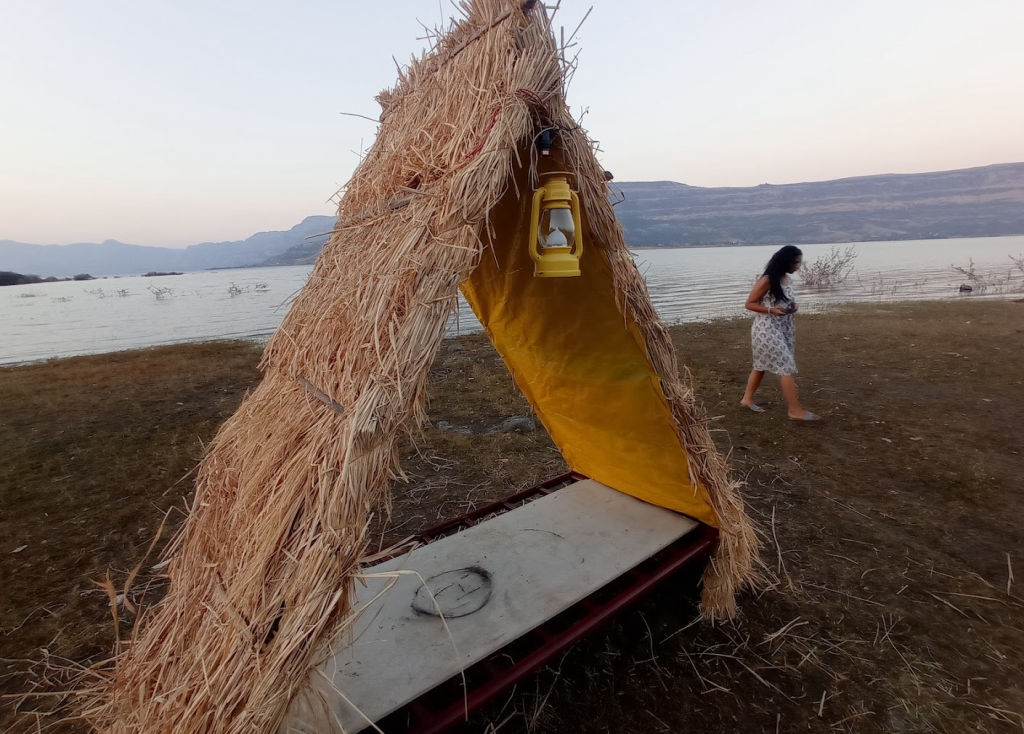
The setting is especially rewarding for those who enjoy open horizons and natural quiet. The breeze across the water keeps the immediate perimeter cooler than the nearby paved highways, while the gentle lap of small waves against the earthen embankment provides a steady, meditative soundtrack. As the day winds down, the sun sets directly behind the western hill profiles, creating dramatic silhouettes across the water.
Read more
Things to Do at Wadaj Dam
Spending time along the banks of Wadaj Dam is mostly about slowing down and taking in the outdoors. Photography is exceptionally popular here, especially during early mornings and late afternoons when golden light reflects off the water and highlights the rugged Sahyadri backdrop. The broad banks and open patches along the shoreline provide ample space to sit, sketch, read, or set up a small picnic.
Birdwatching is another rewarding activity around the reservoir. During the cooler parts of the year, several resident and migratory water birds visit the shallows and reeds of the Meena River basin. You can often spot egrets, herons, kingfishers, cormorants, and seasonal waterfowl foraging along the waterline. Taking a slow walk along accessible paths near the reservoir edge gives you a peaceful look at local rural life and grazing livestock against the mountain panorama.
Best Time to Visit Wadaj Dam
The monsoon and post-monsoon months from July to February are by far the most enjoyable times to visit Wadaj Dam. During the southwest monsoon, heavy rainfall blankets the Western Ghats, causing the Meena River to swell and filling the reservoir. The nearby hills turn a vibrant emerald green, and misty clouds often hang low across the water, creating a cool and atmospheric environment.
From October to February, the winter season brings clear blue skies, mild daytime temperatures, and distinctly crisp evenings. This is the prime season for birdwatching, outdoor walks, and scenic drives, as the weather remains comfortable throughout the day. By March, summer sets in with intense heat and receding water levels, making midday visits harsh, though early mornings and evenings can still offer tranquil sunset views.
How to Reach Wadaj Dam
Wadaj Dam is located near Junnar and can be accessed easily by road from major cities in western Maharashtra, including Pune, Mumbai, and Nashik. Junnar serves as the primary base and transit hub for the region, connected to regional centers by regular state transport buses and well-traveled state highways.
From Pune, motorists generally travel north via the Pune-Nashik highway before turning toward Junnar and navigating the local countryside roads leading to Katede and the dam. From Mumbai, travellers typically take the Kalyan-Ahmednagar route via Malshej Ghat, descending toward Junnar before branching off to the reservoir. While the approach roads are generally motorable, village stretches can be narrow, so careful driving is recommended. Private vehicles, rental cars, or hired taxis offer the most flexible means of reaching the dam shores directly.
Places to Visit Nearby
The Junnar region is packed with historical and natural landmarks that combine well with an excursion to Wadaj Dam. Just to the north lies the famed Malshej Ghat, renowned for its dramatic valley views, winding mountain pass, and dense seasonal waterfalls during the rainy season. Nature lovers can also visit Pimpalgaon Joga Dam and Chas Kaman Dam, both of which offer expansive waterscapes and excellent birding grounds.
For avid trekkers and history buffs, the formidable rock fortress of Harishchandragad stands deeper in the Western Ghats, offering rugged trails and sweeping views from the Konkan Kada cliff. Other notable trekking destinations within driving range include Gorakhgad Fort, known for its steep rock pinnacle, and Kothaligad with its unique interior funnel staircase. The region also hosts tranquil outdoor spots like the Vasundhara Waterfall near Koltembhe, alongside ancient pilgrimage points like Yamai Devasthan in Kanhersar.
Tips for Your Visit
When planning a trip to Wadaj Dam, keep in mind that the site is an active reservoir without major commercial infrastructure. There are few built facilities along the water edge, so it is wise to carry your own drinking water, snacks, sun protection, and a basic first-aid kit before leaving the main town of Junnar.
Exercise caution around the water. Reservoir depths can drop suddenly, and the bed often features sticky silt and submerged stones; swimming is not recommended unless accompanied by knowledgeable local guides. Please practice responsible outdoor travel by taking all food wrappers, bottles, and plastic waste back with you to keep the lakefront and surrounding farm paths clean and undisturbed.
Where to Stay around Wadaj Dam
Travelers who wish to spend a night or weekend near Wadaj Dam will find the surrounding countryside well suited for quiet getaways. The Junnar belt features a growing collection of nature stays, rustic farm retreats, and riverside properties that allow you to unwind close to nature.
Whether you are looking for lakeside tent camping under starry skies, family-run rural homestays, or scenic eco-cottages tucked against the hills, you can explore vetted options on HireACamp. Booking a stay in the area gives you the added advantage of waking up right beside the Sahyadri mountains and catching the sunrise across the water before day visitors arrive.
Frequently asked questions
Where is Wadaj Dam located?
Wadaj Dam is situated near the village of Katede, close to the historic town of Junnar in the Pune district of Maharashtra, built across the Meena River.
What is the best time of year to visit Wadaj Dam?
The best time to visit is between July and February, covering the lush monsoon months and the cool, pleasant winter season when birdwatching and outdoor walks are at their prime.
Can you go swimming in Wadaj Dam?
Swimming in the dam reservoir is generally not advisable due to unpredictable depths, strong undercurrents, and muddy underwater silt. Visitors should prioritize safety and enjoy the views from the banks.
What attractions can be combined with a trip to Wadaj Dam?
You can easily pair your visit with trips to Malshej Ghat, Pimpalgaon Joga Dam, Chas Kaman Dam, and historic trekking peaks like Harishchandragad and Gorakhgad Fort.
Where can I find accommodation near Wadaj Dam?
You can find local camping sites, rural homestays, and tranquil countryside retreats near Junnar and Wadaj Dam by browsing the options listed on HireACamp.
Where you'll be
Katede, MH · 1 stay nearby shown with prices
Stays near Wadaj Dam
Book a place to stay close by
More places near Wadaj Dam
Within 20 km


Lists for this area
Ranked by how many creators recommend each place


Built from 0 Instagram posts by 0 creators. Every tip links back to the post it came from, and where creators disagree we show both sides.


