
Halebidu
Heritage & Culture near Chikmagalur, Karnataka
400 m from Chikmagalur
The nearest town, for stays, food and fuel.
Halebidu, historically known as Dorasamudra, was the regal capital of the Hoysala Empire during the twelfth and thirteenth centuries. Located in the south-western plains of Karnataka near Chikkamagaluru, the town is celebrated worldwide for its extraordinary Hoysaleswara temple complex and intricate soapstone carvings. Travellers and history enthusiasts visit Halebidu to experience one of the finest pinnacles of South Indian temple architecture and medieval craftsmanship.
Getting there
By road
- From ChikmagalurNearest town3 min · 1.5 km
- From chikkamagaluru3 min · 1.5 km
- From Mangaluru3 hr · 150 km
- From Mysuru4 hr 10 min · 184 km
Typical drive times without traffic. Stations and airports from OLA Maps; distances and typical drive times from OpenStreetMap (© OpenStreetMap contributors); notes from creators' Reels.
About Halebidu
Written with AI from map data and general knowledge. Check prices and timings locally before you go.
The Architectural Heritage of Halebidu
Halebidu stands as a breathtaking testament to the artistic heights achieved under the Hoysala dynasty. In the twelfth century, King Vishnuvardhana commissioned the construction of the monumental Hoysaleswara temple, a twin-shrine complex dedicated to Lord Shiva that took several decades to complete. The entire structure was carved using chloritic schist, commonly referred to as soapstone, an exceptionally pliable rock when freshly quarried that hardens upon prolonged exposure to air. This unique geological medium allowed royal sculptors to achieve a level of microscopic detail that remains virtually unmatched across Indian temple architecture.
The exterior plinth of the main temple features continuous horizontal friezes that wrap around the star-shaped foundation. Starting from the ground level, layers depict charging elephants symbolising strength, lions representing courage, floral scrolls denoting beauty, and cavalry lines portraying regal valour. Higher up the walls, expansive friezes depict episodes from the Ramayana, Mahabharata, and Bhagavata Purana, alongside celestial nymphs, musicians, and complex iconography. Walking around the star-shaped contours reveals that no two carved figures share the exact same expression or ornament.
Exploring the Temples and Monuments
The primary draw of Halebidu is the Hoysaleswara temple complex, which comprises two symmetrical sanctums: one for Hoysaleswara and the other for Shantaleswara, representing the king and his revered queen Shantala Devi. Facing each sanctum are grand open pavilions housing massive, monolithic statues of Nandi, the celestial bull. These Nandi sculptures are carved out of single blocks of polished stone, adorned with deeply undercut jewellery, bells, and decorative trappings that glisten softly in the daylight.
A short distance from the main temple complex lies the Basadi Halli cluster, a serene group of historic Jain temples built during the same era. The most prominent among them is the Parshvanatha Basadi, distinguished by its lathe-turned stone pillars that reflect images like dark mirrors. The quiet ambience of these basadis offers a contemplative contrast to the elaborate narrative friezes of the Hoysaleswara temple, highlighting the religious harmony and broad artistic patronage that flourished under Hoysala rule.
Read more
Best Time to Visit Halebidu
The most pleasant time to plan a trip to Halebidu is during the post-monsoon and winter months, spanning from October to March. During this period, the days are comfortably warm with gentle breezes, and the stone courtyards are far easier to traverse barefoot. The surrounding countryside retains a vibrant green hue following the seasonal rains, making travel through the rural landscape especially picturesque.
Summer months, lasting from late March through May, bring higher daytime temperatures to the interior plains of Karnataka. The exposed stone pathways and temple platforms can become quite hot under direct sun, requiring morning or late afternoon visits. The monsoon season from June to September brings intermittent heavy showers that wash over the ancient stone, bringing out the rich, dark tones of the soapstone, though open-air sightseeing can occasionally be disrupted by rainfall.
How to Reach Halebidu
Halebidu is well connected by road to several prominent towns and cities in southern Karnataka. The nearby town of Chikkamagaluru is located within convenient driving distance, making Halebidu an easy half-day or full-day cultural excursion during a broader regional holiday. The commercial town of Hassan serves as the primary transit junction for travellers arriving from further afield.
From Bengaluru, Halebidu is accessible via the National Highway corridor passing through Kunigal, Channarayapatna, and Hassan, taking approximately four hours by car under typical driving conditions. Travellers journeying from coastal Karnataka can approach via Mangaluru, traversing scenic ghat roads before descending into the temple plains. For those relying on public transport, regular state transport buses and private taxis connect Hassan, Belur, and Chikkamagaluru directly with Halebidu.
Places to Visit Nearby
A journey to Halebidu is naturally paired with a stop at Belur, its sister temple town located just a short drive away. Belur is home to the Chennakeshava Temple, renowned for its ornate bracket figures and living worship traditions. Exploring both towns together provides a comprehensive understanding of the Hoysala architectural golden age.
Travellers interested in contrasting ancient stone heritage with natural scenery can easily head west toward the Western Ghats around Chikkamagaluru. Within a moderate drive, you can visit the tranquil waters of Hirekolale Lake or ascend toward Mullayanagiri Peak, the highest summit in Karnataka. Scenic waterfalls such as Jhari and dramatic ridgeline viewpoints like Z Point offer refreshing highland terrain, coffee plantations, and mist-laden views within reach of the historic plains.
Tips for Visiting Halebidu
Because Halebidu's temple platforms are sacred grounds, visitors are required to remove their footwear before stepping onto the stone plinths. During midday, the stone can absorb substantial heat, so carrying a pair of thick cotton socks is a helpful way to protect your feet while respecting temple customs. Sun protection, including a wide-brimmed hat, sunglasses, and adequate drinking water, is recommended when touring the open grounds.
To fully appreciate the layered iconography, mythology, and hidden details of the relief work, consider engaging the services of an authorised local guide available near the entrance. The temple walls are densely packed with visual allegories and historical signatures left behind by master sculptors, many of which can be easily overlooked without an informed explanation.
Where to Stay near Halebidu
While Halebidu itself is a relatively compact heritage settlement with basic local amenities, the surrounding region offers varied choices for accommodation. Many travellers choose to base themselves in the bustling town of Hassan or amidst the cool, verdant plantation landscapes of Chikkamagaluru, which sits just a short drive away.
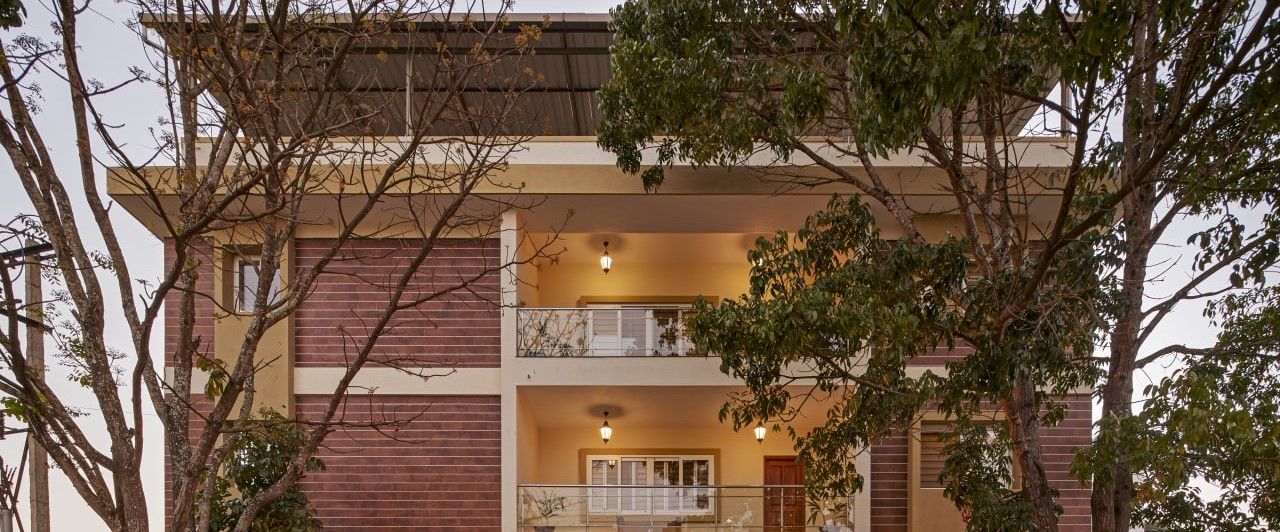
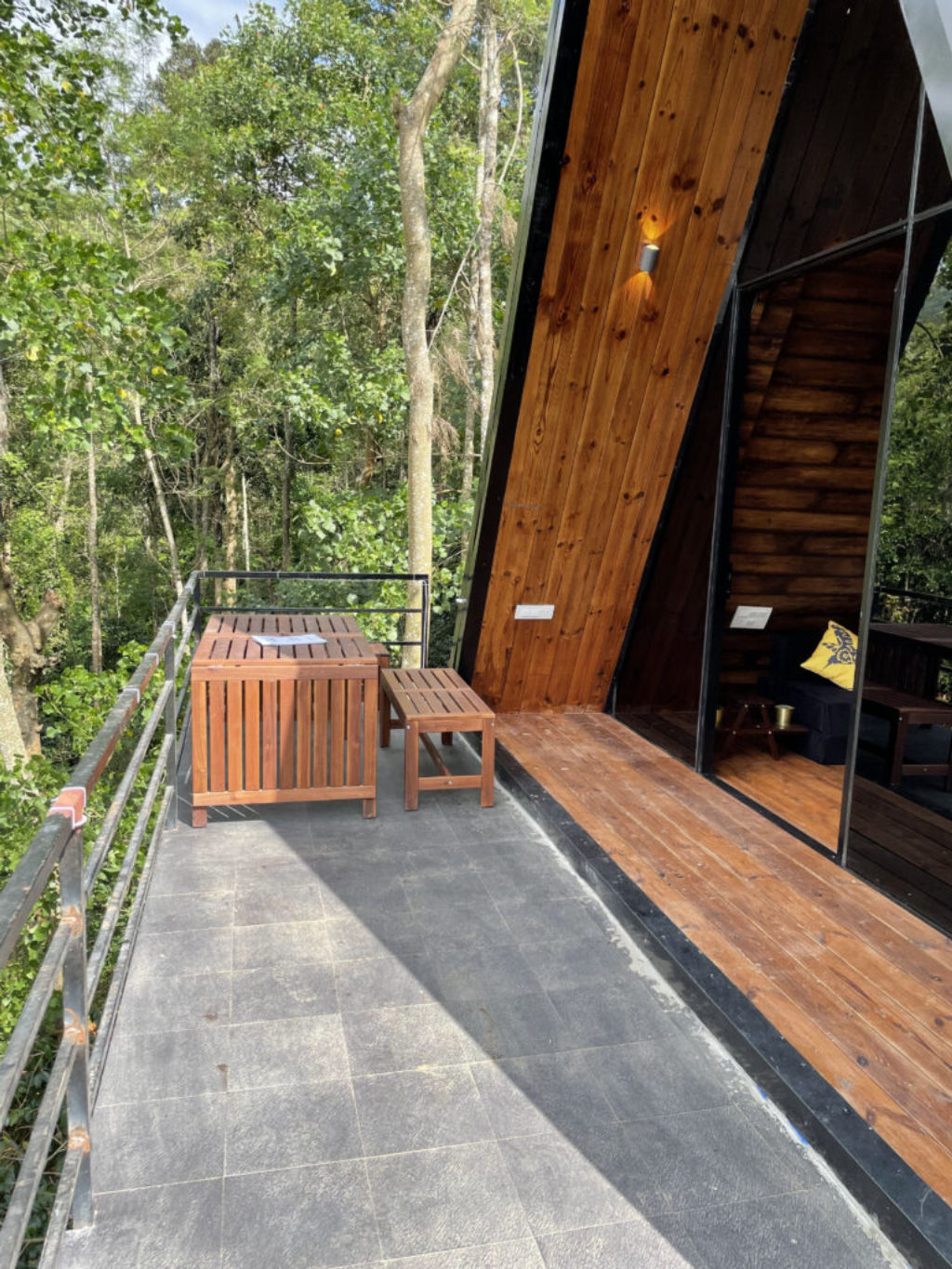
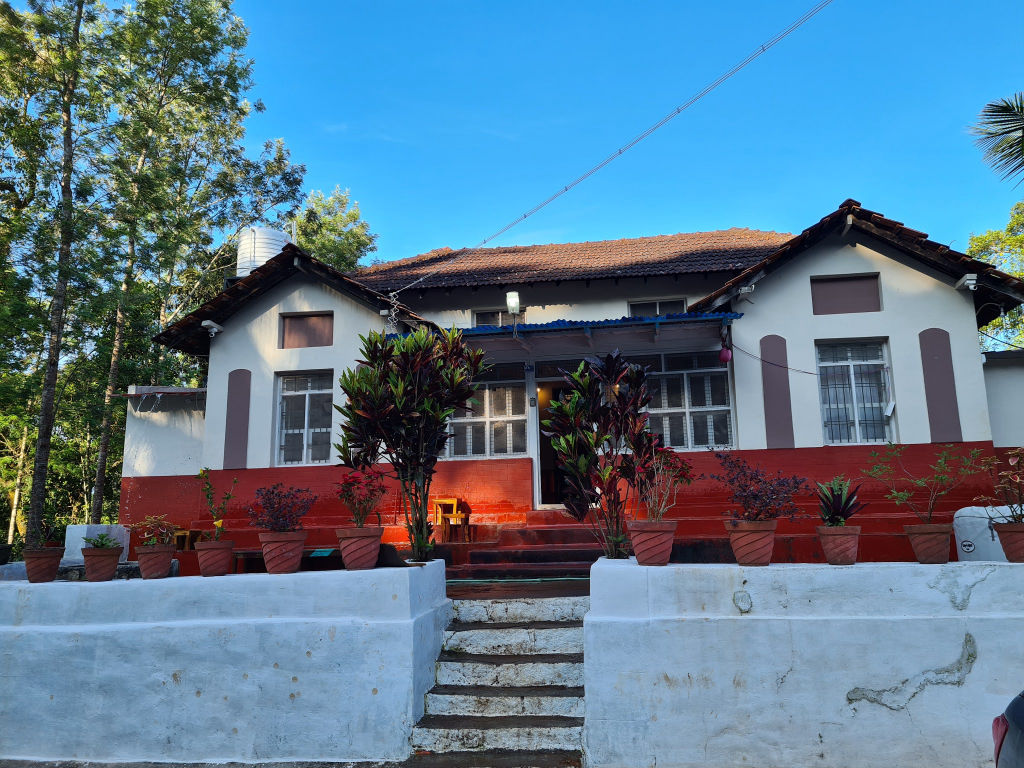
If you prefer staying close to nature, coffee estates, and scenic foothills, an array of comfortable homestays, nature retreats, and outdoor campsites can be booked through HireACamp. Staying nearby allows you to enjoy the tranquillity of the countryside while keeping historic landmarks like Halebidu within effortless reach.
Frequently asked questions
What is Halebidu famous for?
Halebidu is world-famous for its magnificent twelfth-century Hoysaleswara Temple, known for its intricate soapstone carvings, monolithic Nandi statues, and remarkable Hoysala architecture.
How far is Halebidu from Chikkamagaluru?
Halebidu is located close to Chikkamagaluru and can be easily reached by car or local bus in roughly under an hour under typical road conditions.
Can Halebidu and Belur be visited on the same day?
Yes, Belur and Halebidu are located only a short drive apart from each other and are most commonly visited together as a cohesive day-long heritage circuit.
Are guides available at the Hoysaleswara Temple in Halebidu?
Yes, certified local guides are generally available near the temple entrance to explain the complex mythology, history, and sculptural nuances carved into the monument.
What should I wear when visiting the temples in Halebidu?
Visitors should dress modestly out of respect for the cultural and religious heritage of the site. Comfortable walking clothing and socks are recommended for walking on sun-warmed stone floors.
Where you'll be
Chikkamagaluru, KA · 5 stays nearby shown with prices
Stays near Halebidu
Book a place to stay close by


More places near Halebidu
Within 20 km


Built from 0 Instagram posts by 0 creators. Every tip links back to the post it came from, and where creators disagree we show both sides.






