
Houses of Goa Museum
Museum near Alto Porvorim, Goa
800 m from Alto Porvorim
The nearest town, for stays, food and fuel.
Houses of Goa Museum is an architectural museum located in the quiet village of Torda in Bardez, Goa. Designed by renowned architect Gerard da Cunha, the multi-tiered gallery celebrates the distinctive Indo-Portuguese residential heritage of the region. Visitors come to explore historical building elements, sketches, and cultural stories that document how traditional Goan homes evolved over the centuries.
Getting there
By road
- From Alto PorvorimNearest town4 min · 1.4 km
- From Pune8 hr 45 min · 419 km
- From Mumbai 10 hr 20 min · 533 km
Typical drive times without traffic. Stations and airports from OLA Maps; distances and typical drive times from OpenStreetMap (© OpenStreetMap contributors); notes from creators' Reels.
About Houses of Goa Museum
Written with AI from map data and general knowledge. Check prices and timings locally before you go.
About Houses of Goa Museum
Houses of Goa Museum stands as a unique tribute to the domestic architecture of Goa, situated in the peaceful interior hamlet of Torda in Bardez. Conceived and built by renowned architect Gerard da Cunha, the building itself is an architectural curiosity. It rises in a triangular shape resembling a ship anchored on a small traffic island, constructed with local laterite stone and unconventional structural forms. Unlike conventional museums focusing on royal dynasties or military history, this institution is devoted entirely to the styling, history, and cultural philosophy behind Goan residential dwellings.
The museum traces how Goan domestic spaces transformed following the Portuguese arrival in the sixteenth century. By combining indigenous Konkani lifestyle requirements with Mediterranean aesthetic tastes, Goan builders created a vernacular tradition found nowhere else in the world. The museum captures this syncretic culture across its multi-tiered floors, making it an essential stop for architects, history enthusiasts, and curious travellers who want to understand Goa beyond its coastline.
What to see at Houses of Goa Museum
The museum interior is organized vertically across several interconnected levels that wrap around a central light well. As you climb the spiralling steps, you encounter a curated collection of original fixtures, architectural remnants, measured drawings, and illustrative panels. The exhibits explain the significance of signature Goan architectural elements such as the balcão, which is an open, covered porch designed for receiving guests and observing village life.
Other exhibits highlight the ingenious use of natural local materials. Visitors can examine original oyster shell window panes, crafted from the translucent inner shells of windowpane oysters, which filtered harsh tropical sunlight into a soft, cool glow long before plate glass became standard. You will also see displays of decorative ceramic tiles, ornate railings, wooden roof trusses, antique door knockers, and traditional furniture pieces. Informative graphic panels illustrate the layout differences between traditional Hindu courtyard houses and later Portuguese-influenced Catholic villas.
Read more
Best time to visit
Goa experiences a coastal tropical climate, and the museum can be visited comfortably throughout the year, though winter remains the most popular period. Between November and February, temperatures are moderate, daytime humidity drops, and the weather is ideal for wandering through the open-air levels of the building and exploring the surrounding village.
The monsoon months from June to September offer a completely different atmosphere. Rain washes the surrounding cashew and coconut groves clean, and the laterite stones of the museum structure darken to a rich earthy hue. Because the museum is primarily an indoor and sheltered space, it serves as an excellent cultural excursion on rainy afternoons. Summer months from March to May can be warm and humid, so planning your visit during the morning or late afternoon is recommended.
How to reach Houses of Goa Museum
Houses of Goa Museum is tucked into the village of Torda, just a short drive inland from the major commercial hub of Porvorim and the state capital of Panaji. If you are travelling by car, taxi, or scooter from Panaji, the journey takes you across the Mandovi River into Bardez along quiet, winding village roads flanked by fields and traditional neighborhoods.
For those arriving by train, Thivim railway station is the nearest railhead, located north of Bardez, while Karmali railway station is also within convenient driving reach to the south. The new Manohar International Airport at Mopa lies to the north, and Dabolim Airport is situated to the south across the river network. Local buses connect Panaji and Mapusa with nearby road junctions, from where you can take an auto-rickshaw or walk into Torda.
Tips for your visit to Houses of Goa Museum
To make the most of your trip, set aside at least an hour to an hour and a half to read the explanatory panels and observe the architectural details. The exhibits are rich in information and reward close attention, particularly if you are interested in design, urban planning, or traditional craftsmanship. Wear comfortable footwear, as exploring the museum involves ascending several flights of winding stairs.
Before setting out, check locally for current operational days, visiting hours, and any photography guidelines, as these can change periodically. The museum sits in a quiet residential neighborhood, so keep noise levels considerate when walking through the surrounding lanes. Directly adjoining the museum is an ingeniously designed school building by the same architect, which can be admired from the outside.
Places to visit nearby
The region around Torda and southern Bardez offers a wealth of quiet outdoor and cultural experiences away from the crowded beach strips. Just down the road lies Torda Lake, a quiet freshwater waterbody surrounded by palms and farmland that attracts resident waterfowl. A short journey further brings you toward the Mapusa River and the peaceful backwaters connecting to the Mandovi estuary.
Nature enthusiasts can head toward Chorao Island to explore the mangrove swamps and waterways of the Salim Ali Bird Sanctuary, home to kingfishers, mudskippers, and migratory waterbirds. To experience more historical architecture, a short trip across the river to Panaji allows you to stroll through the heritage quarters of Fontainhas and Sao Tome, where the very house designs showcased in the museum come alive in functioning historic neighborhoods.
Where to stay near Houses of Goa Museum
Staying in the inland villages of Bardez provides a refreshing contrast to the bustling seaside towns. Torda, Salvador do Mundo, Aldona, and surrounding hamlets are characterized by lush greenery, quiet river bends, and atmospheric old homes. Choosing a base in this green interior puts you within easy reach of both the cultural heart of Goa and the northern beaches.
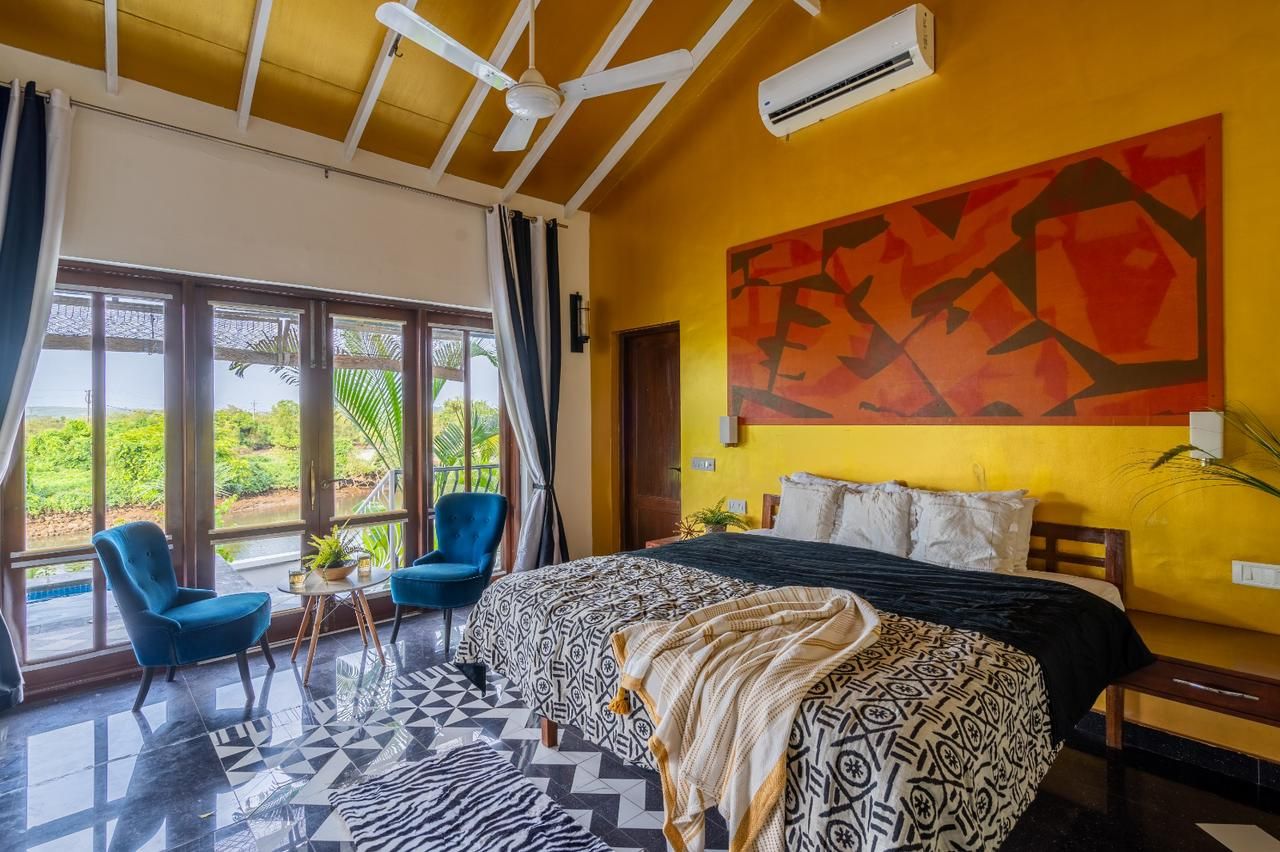
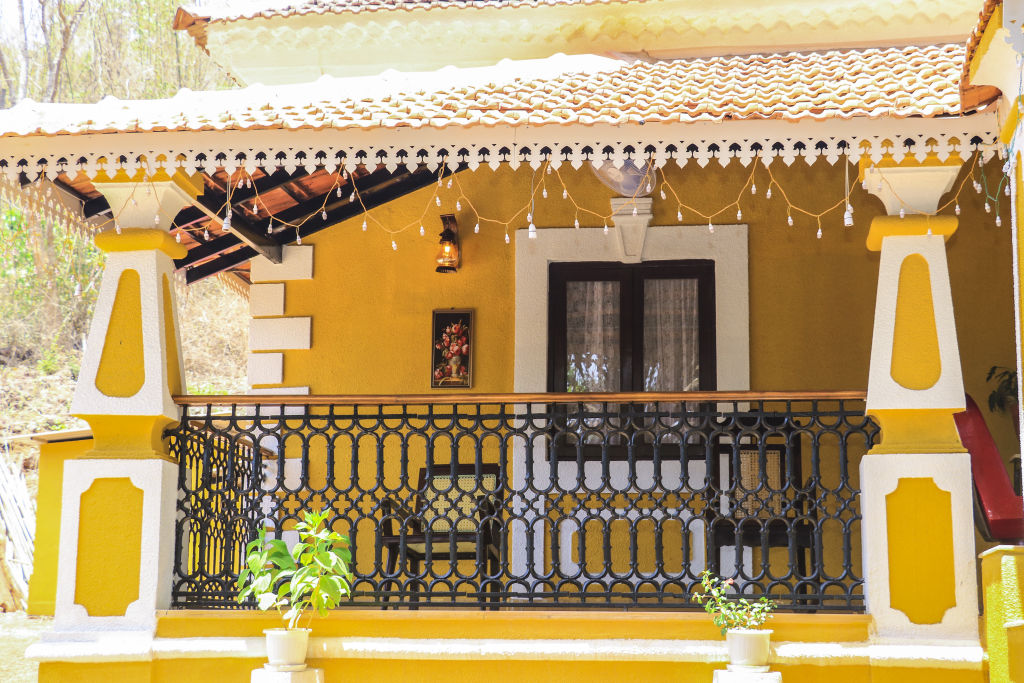
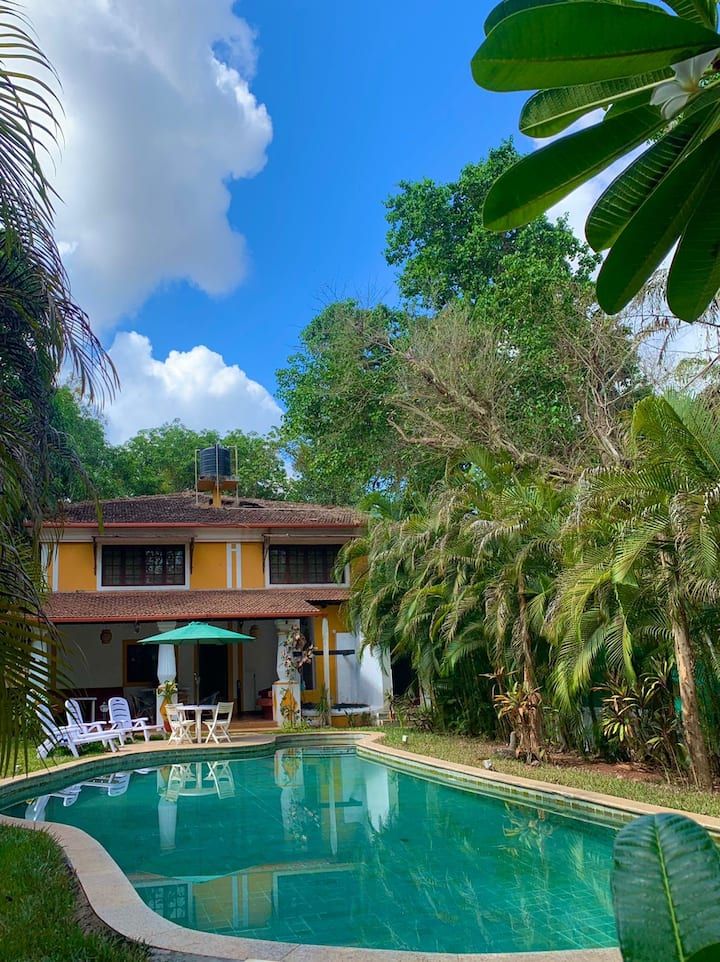
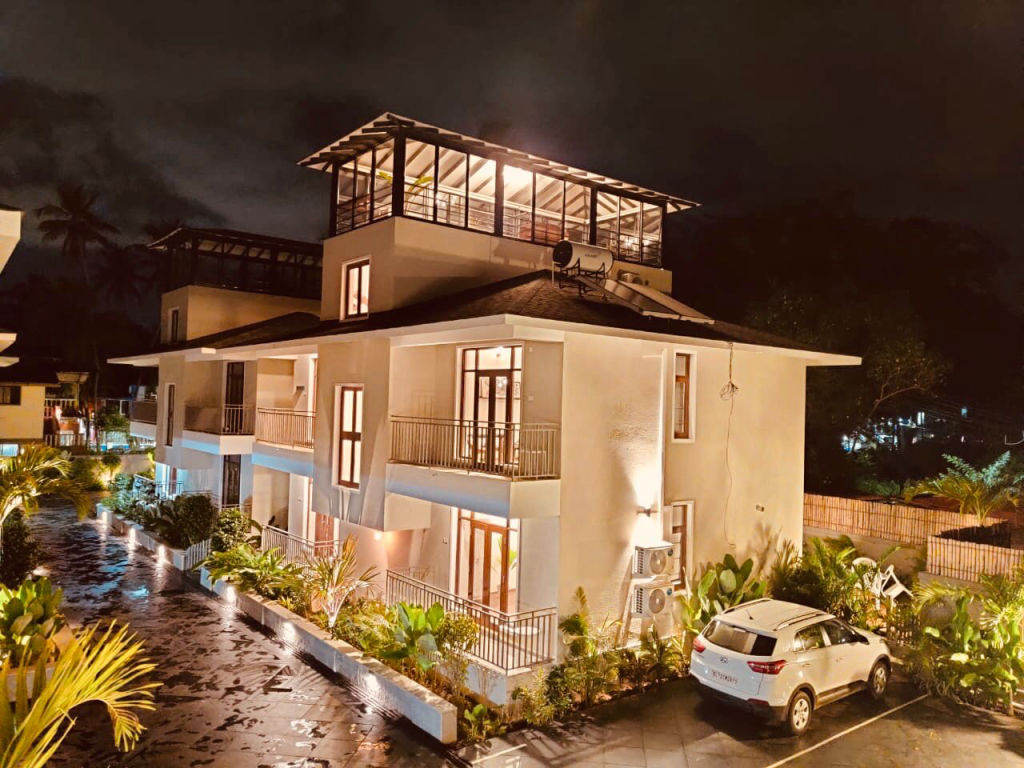
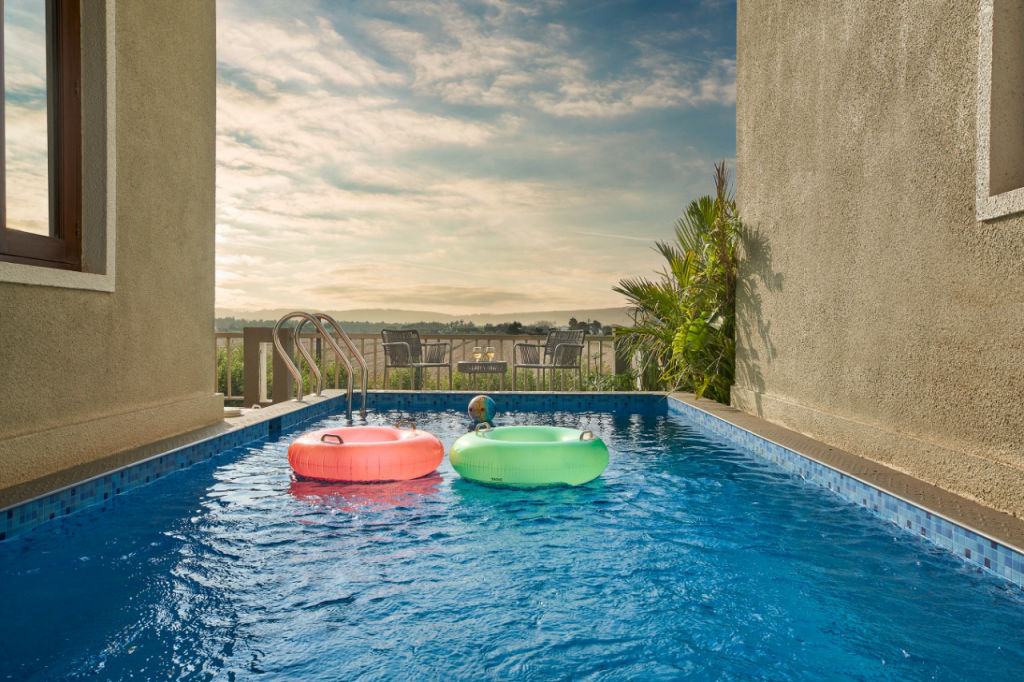
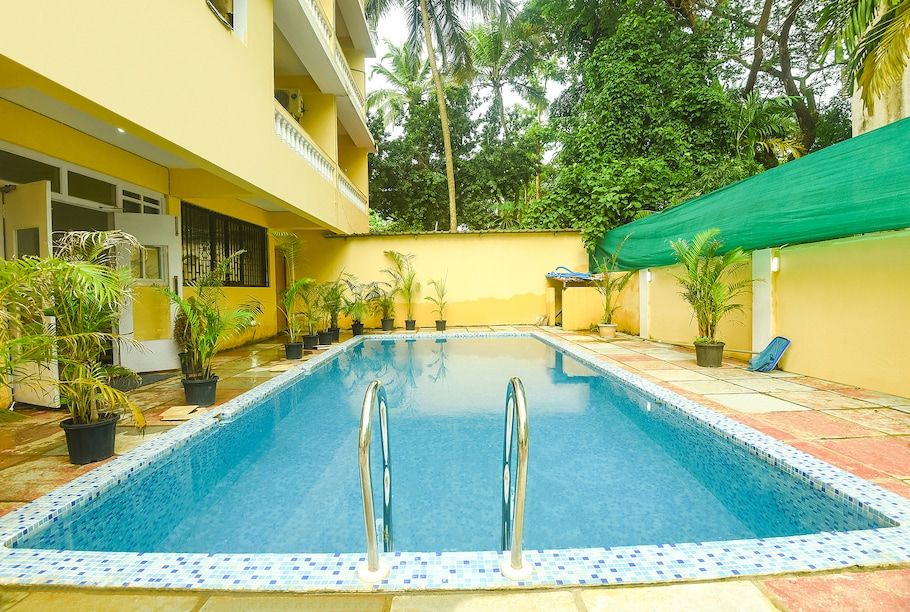
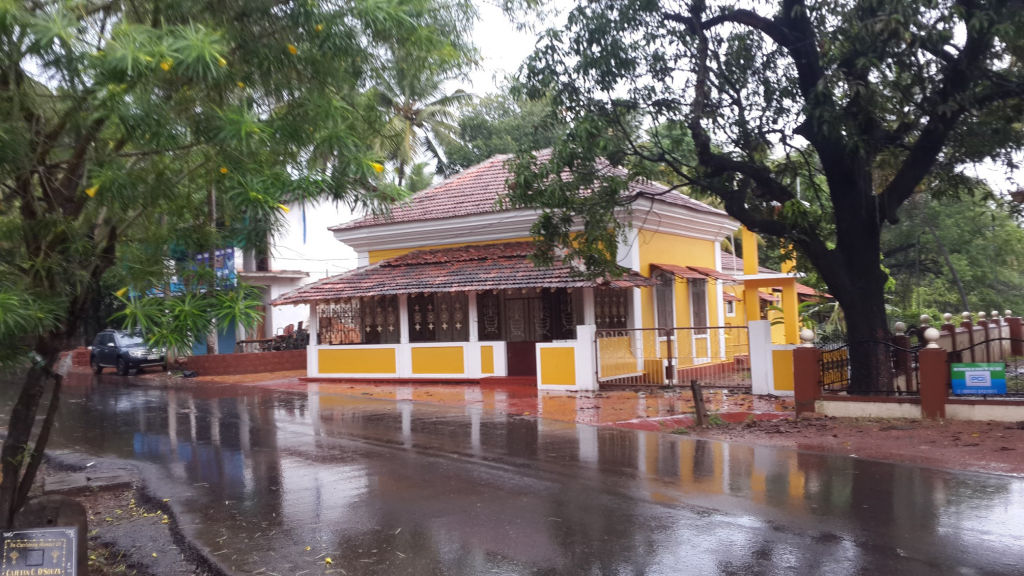
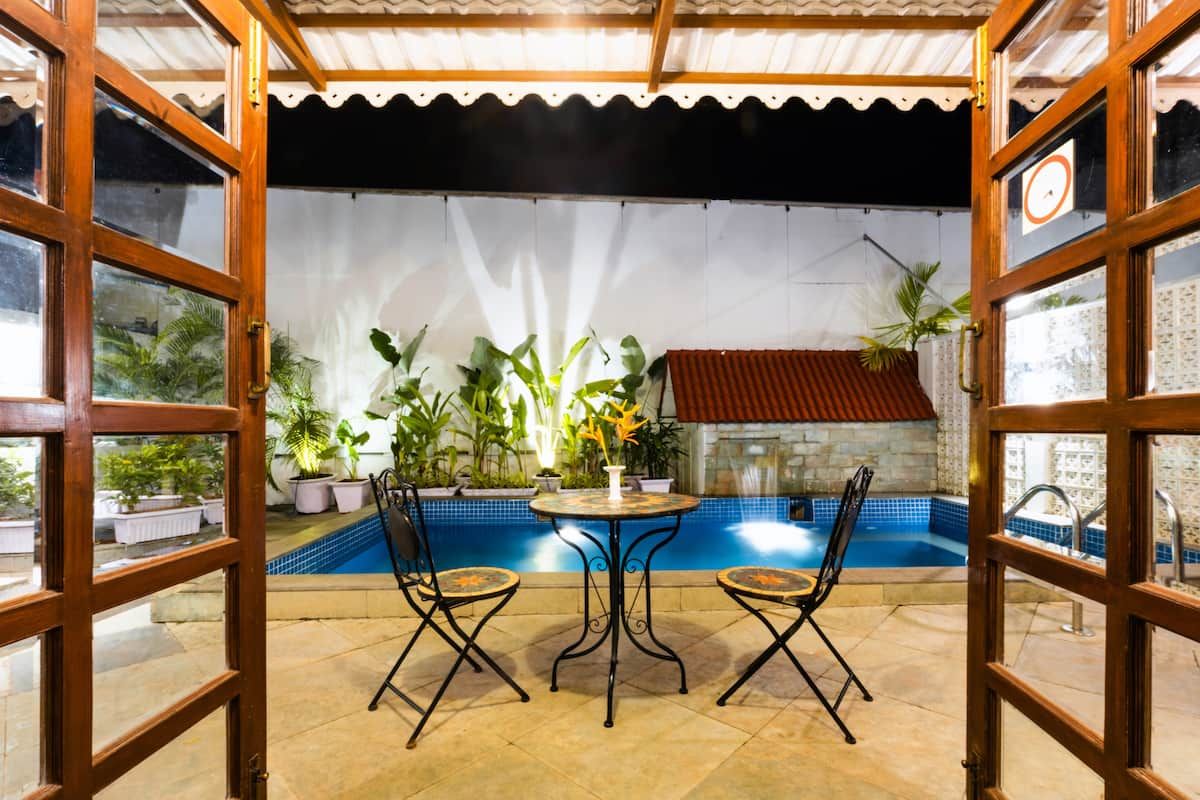
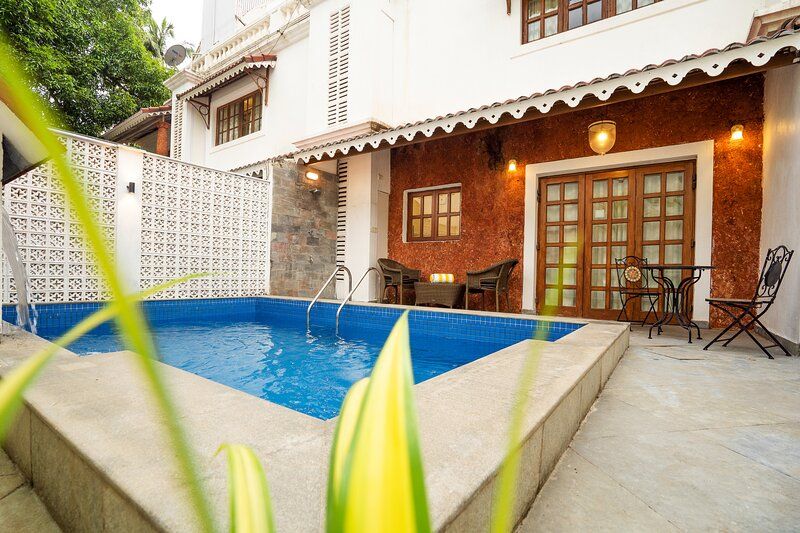
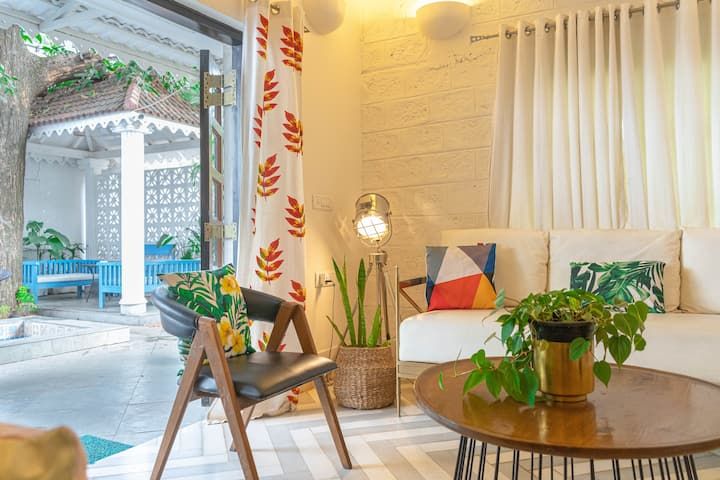
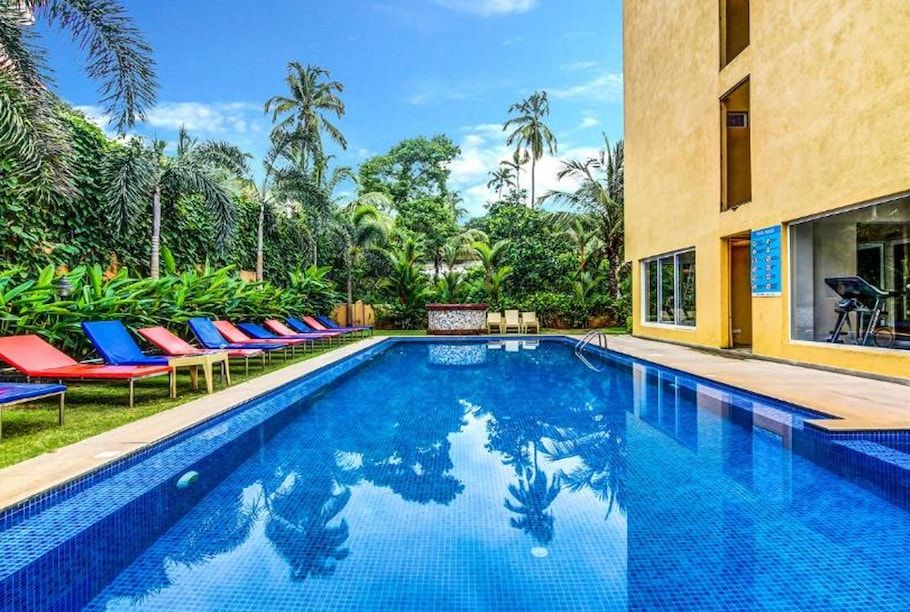
You can find comfortable homestays, nature retreats, and independent stays in Bardez and surrounding parts of Goa on HireACamp. Staying at a local homestay in the area allows you to experience the authentic daily rhythms of Goan village life, often in renovated traditional residences that embody the very architectural traditions celebrated at the museum.
Frequently asked questions
What is the Houses of Goa Museum famous for?
The museum is famous for its unique triangular ship-like building designed by Gerard da Cunha and its comprehensive collection dedicated to traditional Goan residential architecture.
Where is Houses of Goa Museum located?
It is located at House No. 674 in Torda, near Nisha's Play School, within the Bardez taluka of North Goa.
How much time is needed to explore Houses of Goa Museum?
Most visitors spend between one to two hours exploring the multiple levels of exhibits, reading the information panels, and examining the architectural artefacts.
Is the museum suitable for children?
Yes, children interested in art, unusual buildings, and history can enjoy the distinctive ship-shaped layout and hands-on architectural displays, though supervision is needed around the stairs.
What is the best way to travel to the museum?
Hiring a scooter, car, or local taxi from nearby hubs like Panaji, Porvorim, or Mapusa is the most convenient way to reach the quiet village lanes of Torda.
Where you'll be
House No, 674, Torda, near Nisha's Play School, Bardez · 12 stays nearby shown with prices
Stays near Houses of Goa Museum
Book a place to stay close by
More places near Houses of Goa Museum
Within 20 km
Built from 0 Instagram posts by 0 creators. Every tip links back to the post it came from, and where creators disagree we show both sides.






