
Mapusa River
Riverside spot near Ribandar, Goa
2 km from Ribandar
The nearest town, for stays, food and fuel.
The Mapusa River is a major tributary of the Mandovi River, meandering through the fertile lowlands and heritage villages of the Bardez taluka in North Goa. Flanked by mangrove ecosystems, traditional khazan farmlands, and quiet settlement fringes, it presents a slower, scenic perspective of the state's riverine geography. Travellers visit the riverbanks to observe varied birdlife, experience local fishing culture, and explore peaceful waterways away from coastal crowds.
Getting there
By road
- From RibandarNearest town6 min · 3.4 km
- From Pune8 hr 55 min · 432 km
Typical drive times without traffic. Stations and airports from OLA Maps; distances and typical drive times from OpenStreetMap (© OpenStreetMap contributors); notes from creators' Reels.
About Mapusa River
Written with AI from map data and general knowledge. Check prices and timings locally before you go.
About the Mapusa River
The Mapusa River, historically known as the Rio de Mapusa, originates in the forested foothills of the Western Ghats near Dumacem before descending through the Bardez taluka. As it flows southward, it gathers several small seasonal rivulets, passing prominent riverside settlements like Aldona, Moira, Corjuem, and Britona before draining into the Mandovi River opposite the state capital of Panaji.
For generations, the river served as a vital arterial route for inland navigation, connecting market centres with trading ports along the Mandovi estuary. Barges and wooden country crafts transported spices, salt, fish, and farm produce along these channels. Today, while road networks handle most commercial traffic, the river remains an integral ecological feature of North Goa, sustaining traditional livelihoods and defining the topography of surrounding towns and villages.
Landscape and wildlife along the river
The lower stretches of the Mapusa River are tidally influenced, creating broad estuaries edged with extensive mangrove swamps and intertidal mudflats. These saline and brackish waterways form part of Goa's delicate estuarine ecology, providing breeding grounds for a wide variety of fish, crabs, and aquatic organisms. Sluice gates dot the embankments, regulating water flow into historic khazan lands, which are reclaimed lowlands used cyclically for salt production, paddy farming, and aquaculture.
The rich biodiversity of the riverbanks draws a remarkable variety of avian species throughout the year. Observers can spot white-throated kingfishers, pied kingfishers, little cormorants, grey herons, and striking red-wattled lapwings foraging along the banks. During low tide, exposed mudflats attract egrets and sandpipers feeding on small crustaceans, while black kites and brahminy kites are frequently seen circling on thermal updrafts overhead.
Read more
Things to do at Mapusa River
Spending time along the Mapusa River offers an unhurried contrast to North Goa's beachside corridors. One of the best ways to experience the river is by walking along the quiet embankments and village bunds in places like Britona or Aldona. Early mornings and late afternoons are especially rewarding, with soft light casting reflections on the water as local fishermen cast nets from traditional canoes.
Birdwatching and nature photography are naturally suited to the river's quieter reaches. The edges near tidal channels allow patient observers to document resident and wintering wetland birds without disturbance. Exploring the historic settlements nestled beside the river also provides an opportunity to see riverside chapels, whitewashed village squares, and vintage sluice systems that have operated for centuries.
Best time to visit Mapusa River
The optimal period to explore the Mapusa River is from October to March. During these post-monsoon and winter months, the region experiences mild temperatures, clear skies, and reduced humidity, making outdoor exploration and riverside strolls pleasant. Winter also coincides with the arrival of migratory birds, enriching the estuarine birdwatching experience.
The monsoon months from June to September bring heavy rainfall and turn the entire river basin vividly green. While high water levels and damp conditions make some low-lying paths slippery, the monsoon reveals the river at its most vigorous, with swollen currents and mist hanging low over the mangroves. The summer months from April to May tend to be hot and humid, best enjoyed in the cooler hours of dawn and dusk.
Places to visit nearby
The confluence of the Mapusa and Mandovi rivers places visitors within easy reach of several important cultural and ecological attractions. Across the waterway lies the historic Fontainhas heritage quarter in Panaji, famous for its narrow lanes, tiled roofs, and Indo-Portuguese residential architecture. Nearby, the Salim Ali Bird Sanctuary on Chorao Island sits directly adjacent to the estuarine channels, accessible via local river ferries and renowned for its dense mangrove boardwalks.
Further upstream along the river corridor, the historic Corjuem Fort in Aldona offers panoramic vistas of the river bend and surrounding greenery. Built in the early eighteenth century, this small stone stronghold once defended Portuguese borders against inland incursions. Exploring the nearby island communities connected by bridges and ferry crossings reveals tranquil hamlets characterised by centuries-old churches, heritage wells, and expansive river vistas.
How to reach Mapusa River
The Mapusa River winds through the central and southern parts of the Bardez sub-district, making it easily accessible from multiple hubs across North Goa. The major commercial hub of Mapusa town lies adjacent to its upper stretches, while the lower river reaches can be reached within a short drive from Panaji.
Travellers arriving by train can disembark at Thivim Railway Station, situated roughly fifteen kilometres away, or Karmali Railway Station, both of which have road connections to the riverside villages. For air travel, Manohar International Airport at Mopa is situated to the north, while Dabolim Airport lies to the south across the Mandovi basin. Public buses, local taxis, and rented two-wheelers operate extensively throughout Bardez, allowing straightforward access to various vantage points along the river.
Where to stay near Mapusa River
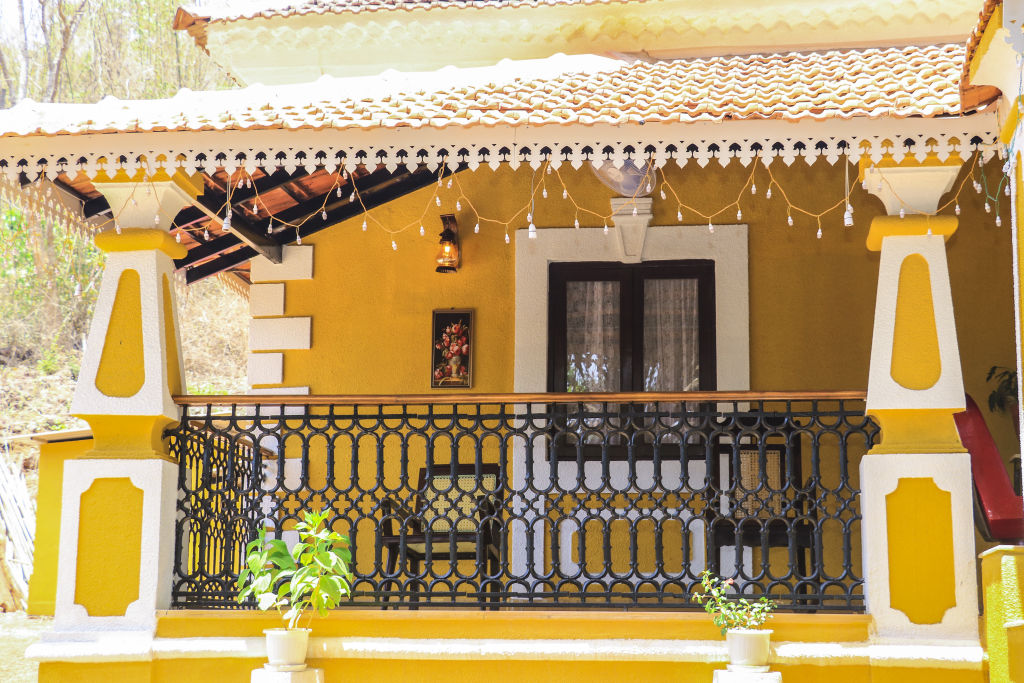
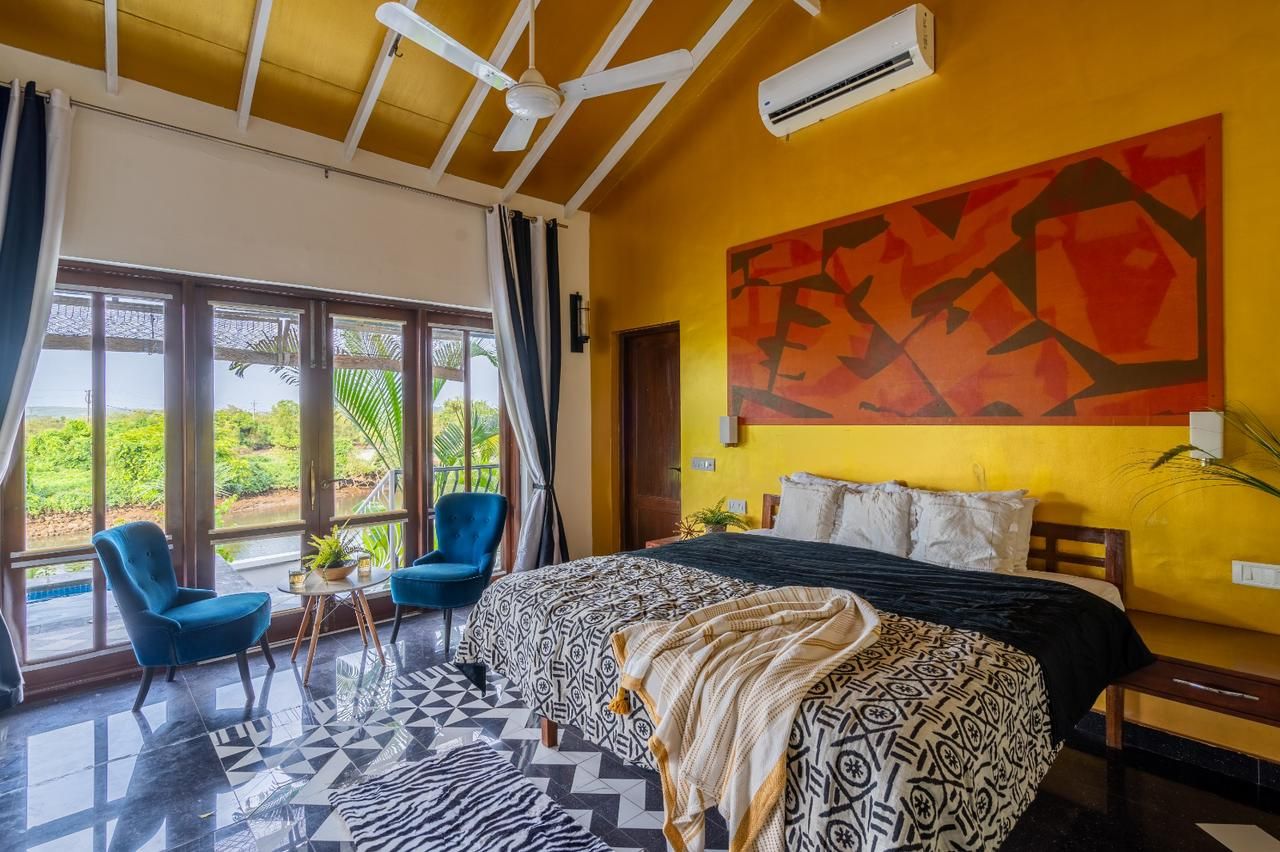
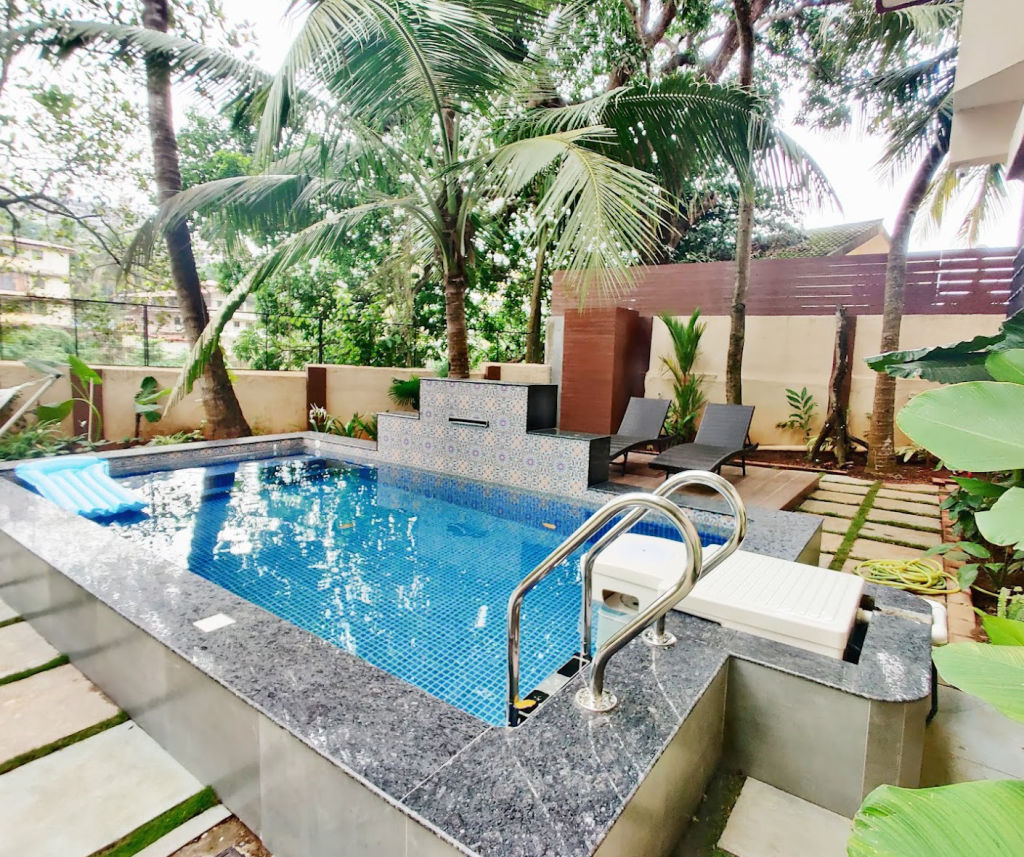
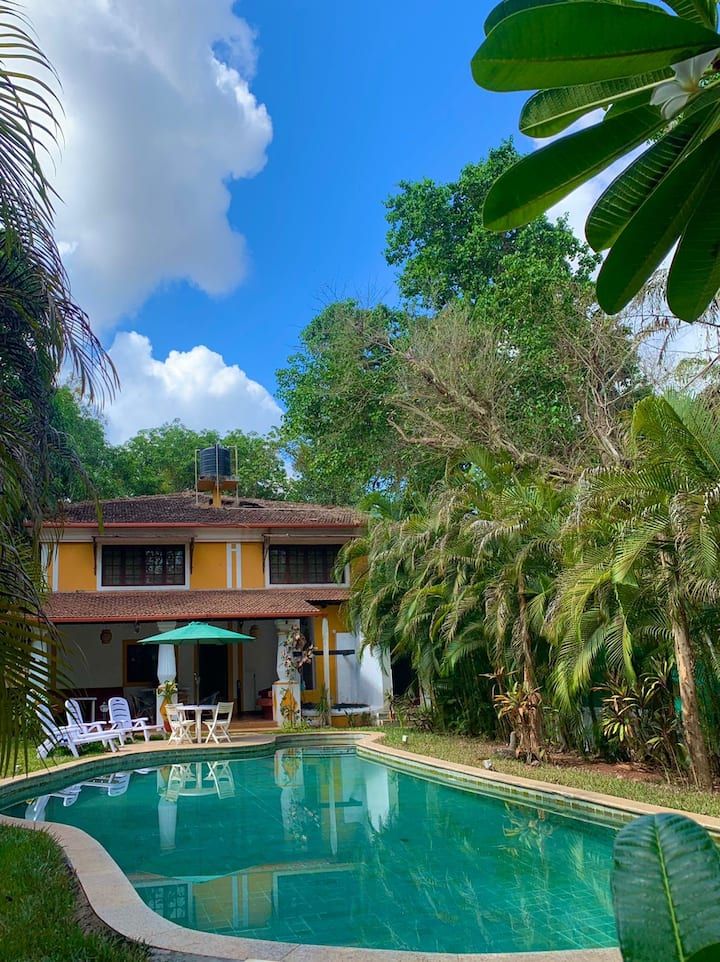
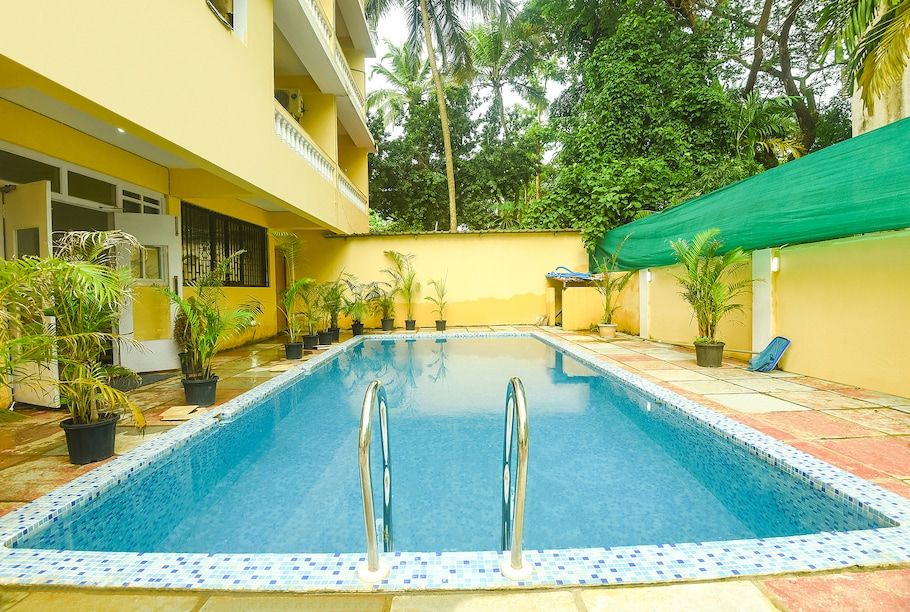
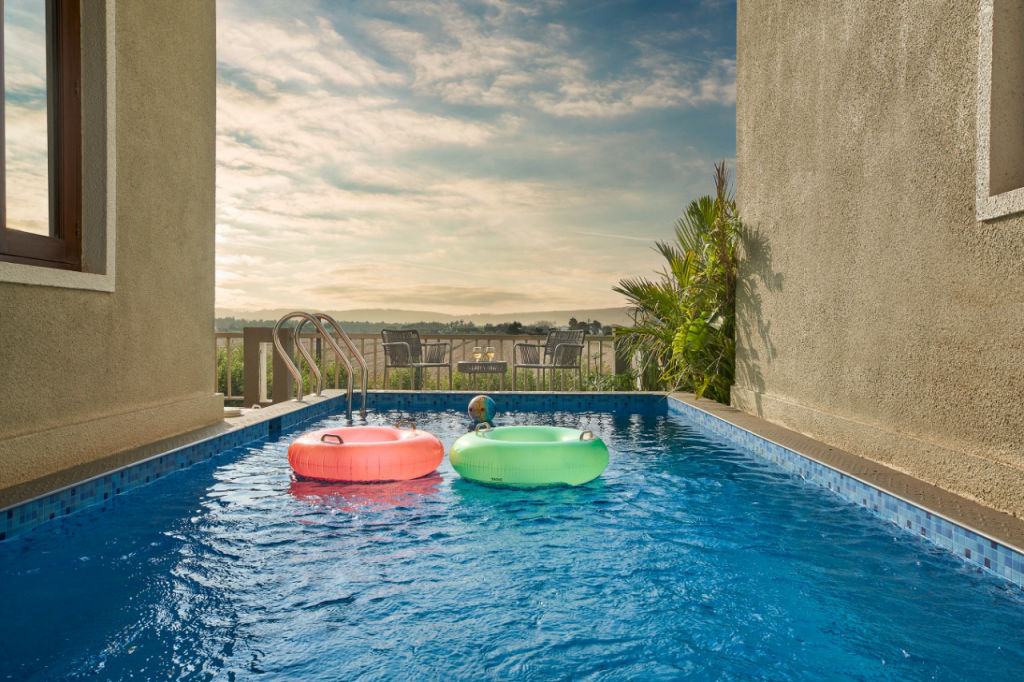
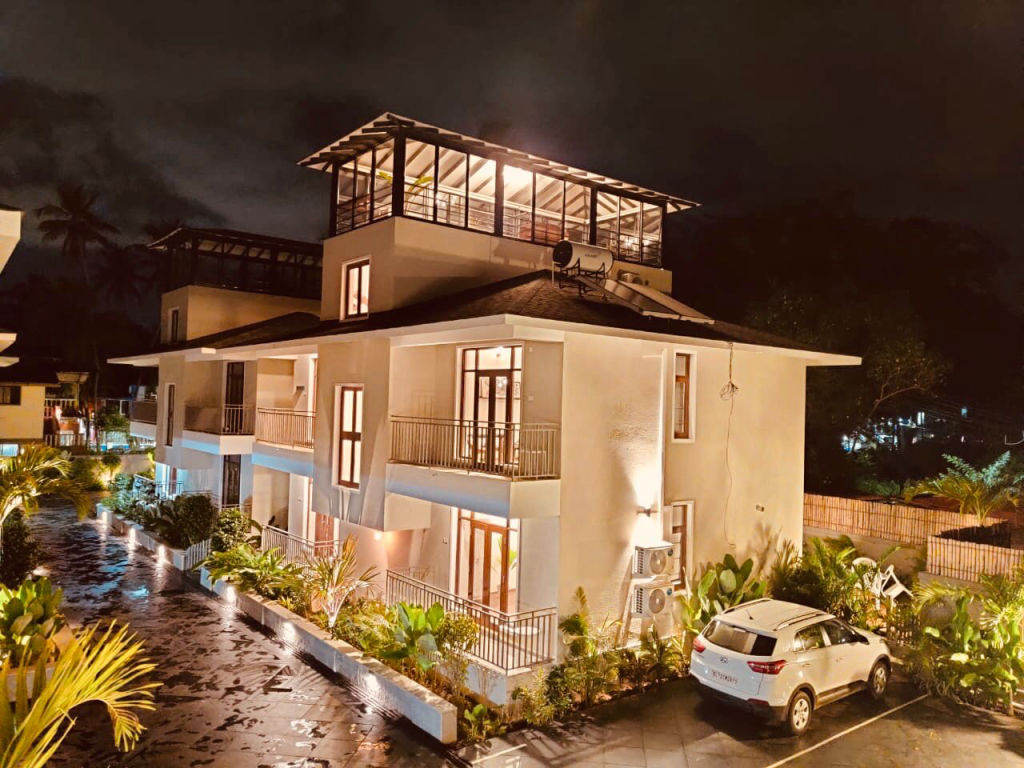
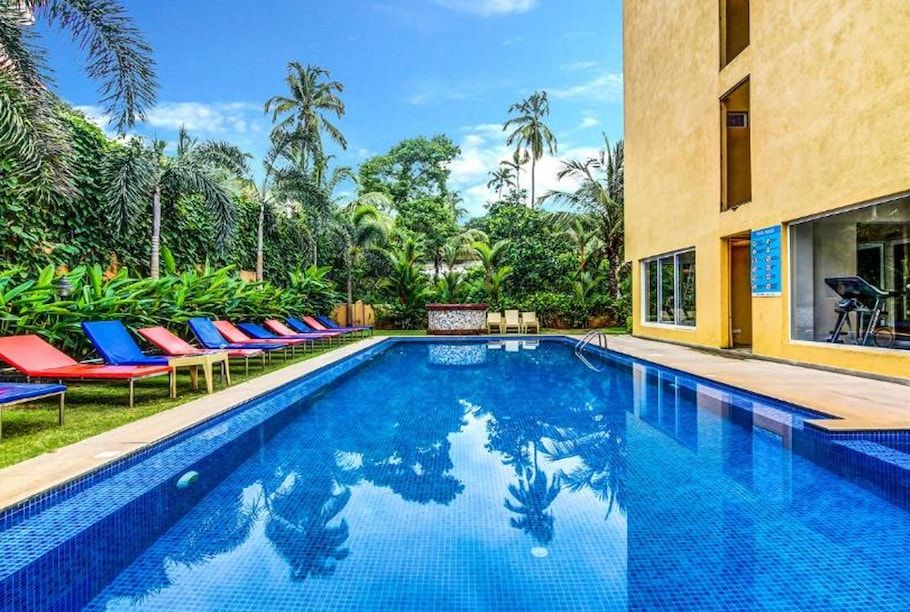
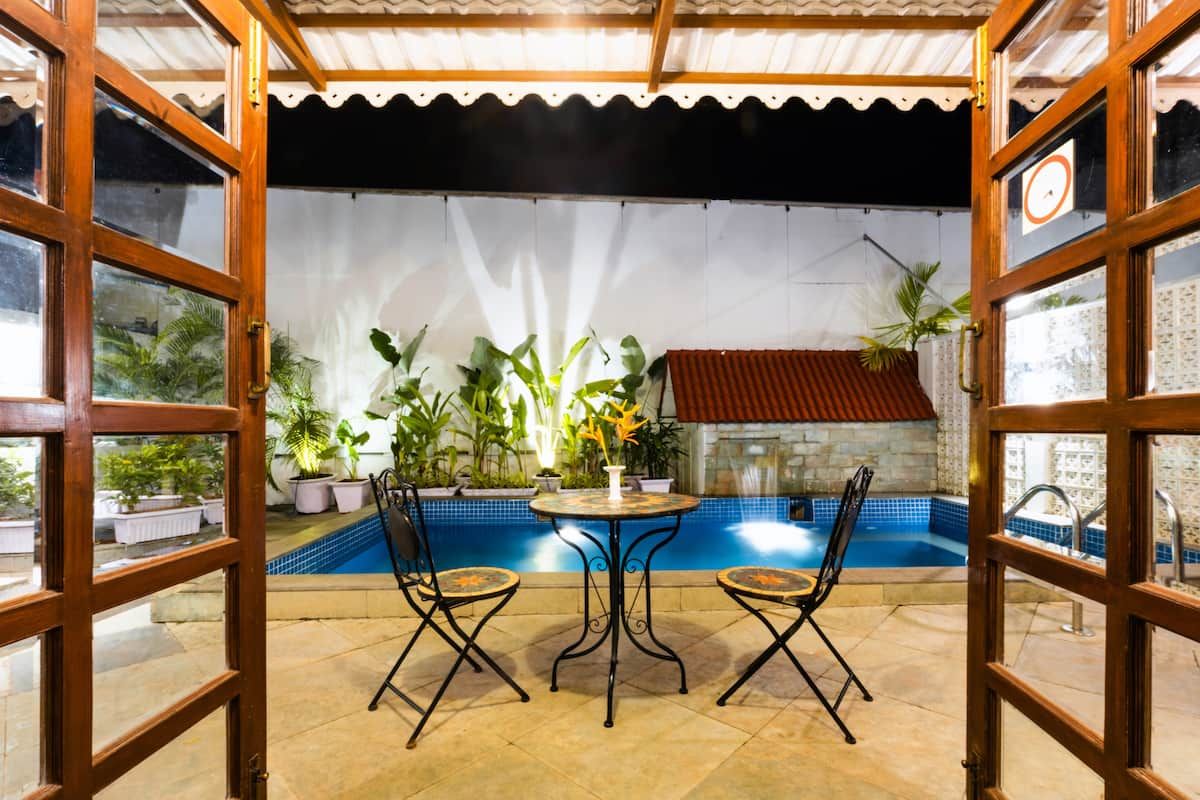
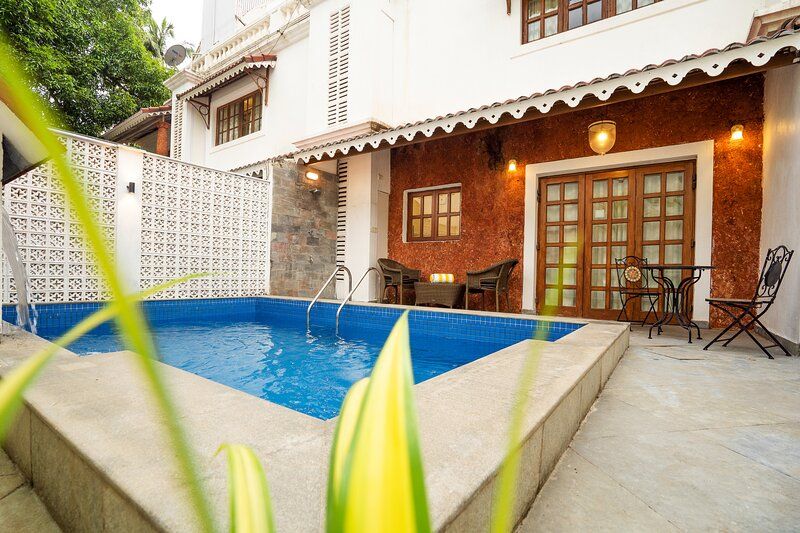
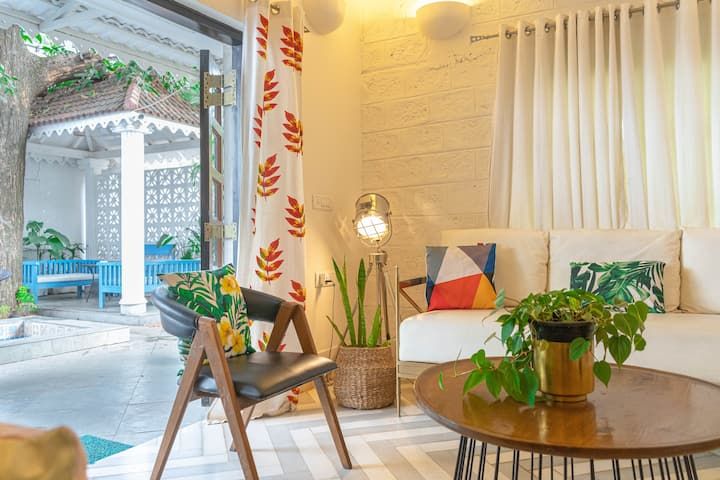
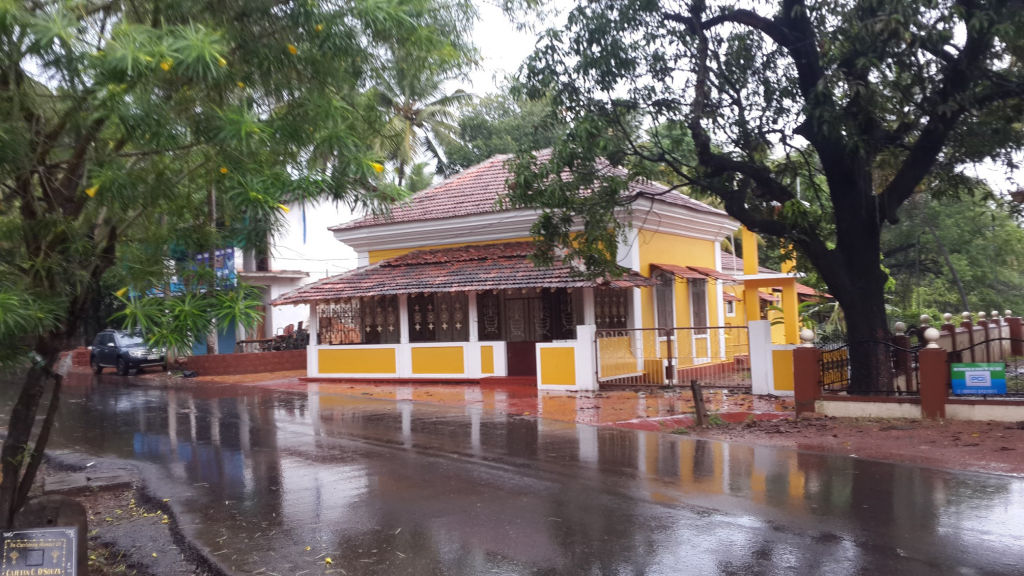
The areas bordering the Mapusa River feature a quieter residential atmosphere compared to the coastal resorts. Travellers looking to immerse themselves in nature and village life can find a selection of homestays, nature retreats, and riverside campsites listed on HireACamp. Staying near the river allows easy access to tranquil water vistas, verdant cycling routes, and authentic regional hospitality away from tourist congestion.
Frequently asked questions
Where does the Mapusa River flow?
The Mapusa River flows through the Bardez taluka of North Goa, passing settlements like Aldona, Moira, and Britona before joining the Mandovi River near Panaji.
What wildlife can be seen along the Mapusa River?
The river and its bordering mangroves are home to various birds including kingfishers, herons, egrets, and cormorants, along with mudskippers, crabs, and diverse estuarine fish.
Is the Mapusa River suitable for birdwatching?
Yes, especially during low tides between October and March when exposed mudflats and mangrove branches attract both resident and migratory wetland birds.
How do you get to the Mapusa River from Panaji?
The lower stretches and viewpoints along the Mapusa River, such as Britona, are situated just across the Mandovi River bridge from Panaji and can be reached in a short drive by car, scooter, or local bus.
Where you'll be
Bardez · 12 stays nearby shown with prices
Stays near Mapusa River
Book a place to stay close by
More places near Mapusa River
Within 20 km
Built from 0 Instagram posts by 0 creators. Every tip links back to the post it came from, and where creators disagree we show both sides.






