
Indrahar Pass
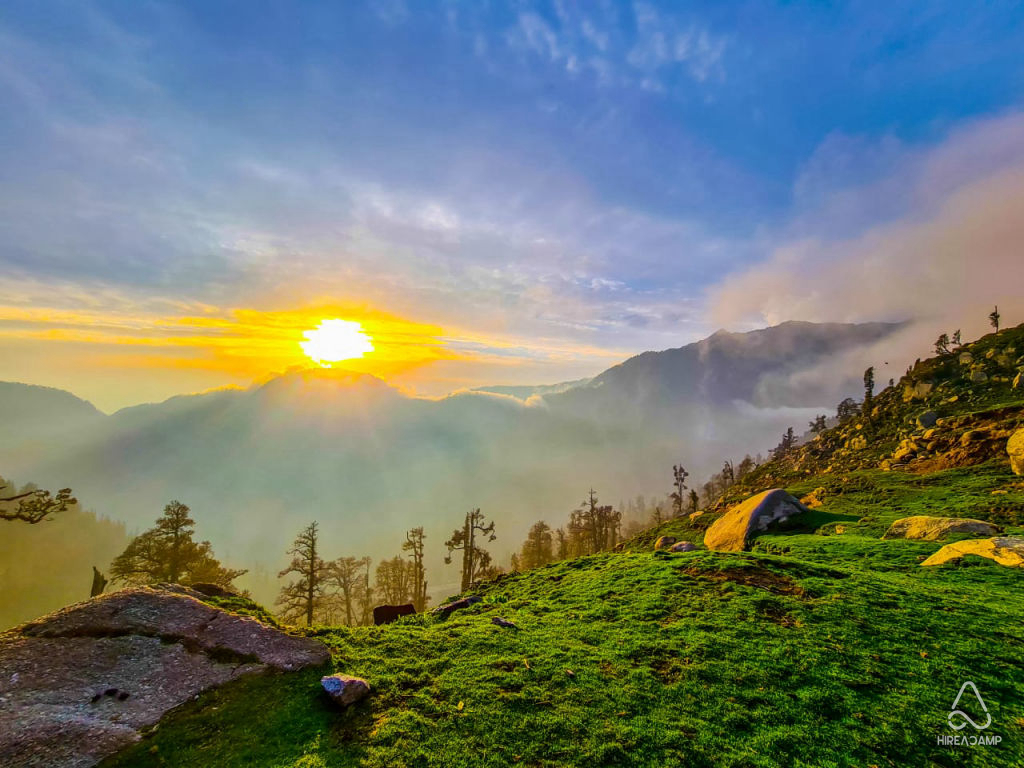
Nature near Triund, Himachal Pradesh
4.7 km from Triund
The nearest town, for stays, food and fuel.
Indrahar Pass is a prominent mountain pass in the Dhauladhar range of Himachal Pradesh, connecting the Kangra Valley to the Ravi River basin in Chamba. Standing at over 4,300 metres above sea level, it attracts trekkers from across the country for its dramatic ridgelines, alpine landscapes, and panoramic views of the Pir Panjal range. Starting from the forested trails near McLeod Ganj, the trek takes you through rhododendron groves, open meadows, and rugged boulder fields.
Getting there
By road
- From TriundNearest town19 min · 5 km
- From Amritsar4 hr 35 min · 208 km
- From Ludhiana4 hr 55 min · 218 km
- From Chandigarh5 hr 30 min · 250 km
Typical drive times without traffic. Stations and airports from OLA Maps; distances and typical drive times from OpenStreetMap (© OpenStreetMap contributors); notes from creators' Reels.
About Indrahar Pass
Written with AI from map data and general knowledge. Check prices and timings locally before you go.
About Indrahar Pass and the Dhauladhar Range
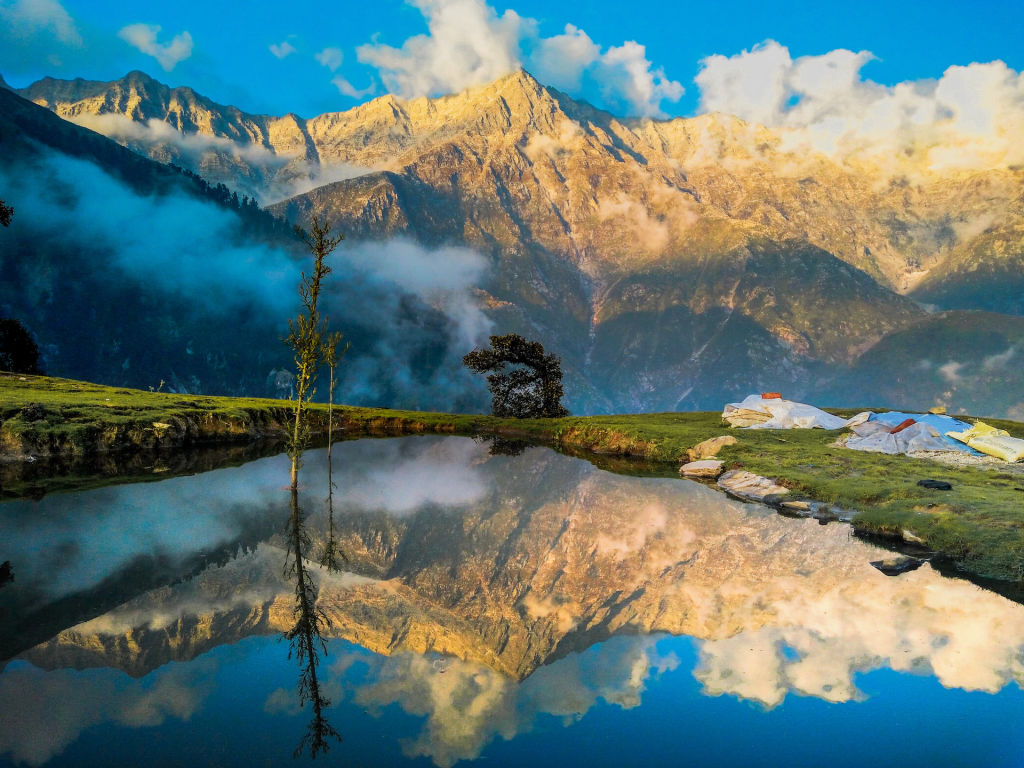
Indrahar Pass sits atop the craggy spine of the Dhauladhar mountain range in Himachal Pradesh. The pass marks a natural geographical boundary between Kangra district to the south and the high valleys of Chamba to the north. Rising sharply from the plains, the Dhauladhar mountains are known for their steep relief, where lush foothill forests quickly give way to towering vertical granite cliffs and persistent snowfields.
From the top of Indrahar Pass, the landscape opens dramatically on both sides. To the south lies the sprawling expanse of the Kangra Valley, often veiled in mist and afternoon clouds. To the north, you look out across the deep gorges of the Ravi basin towards the snow-covered peaks of the Pir Panjal range and the sacred summit of Manimahesh Kailash. It remains a historic shepherd corridor that Gaddi pastoralists have traversed for generations to move their flocks between seasonal pastures.
The Trek Route to Indrahar Pass
The standard route to Indrahar Pass begins in the vicinity of McLeod Ganj and Dharamkot, ascending through dense forests of oak, pine, and rhododendron. The initial stretch brings trekkers to the broad meadow ridge of Triund, celebrated for its clear vantage of the Dhauladhar rock walls on one side and the Kangra plains on the other. Beyond Triund, the forest thins out rapidly as you make your way past Snowline towards Laka Got, a glacial pasture where trekkers often take shelter.
As you advance beyond Laka Got, the terrain shifts into a rugged alpine wilderness. The trail leads to Lahesh Cave, a natural rock overhang that serves as the customary high camp before attempting the pass. The final push to Indrahar Pass is steep and physically demanding, requiring navigation over vast fields of loose scree, giant granite boulders, and steep snow chutes depending on the season. Reaching the narrow ridge at the pass rewards the effort with uninterrupted views across high-altitude Himachal.
Read more
Best Time to Visit Indrahar Pass
The trekking season for Indrahar Pass is divided into two distinct windows: pre-monsoon and post-monsoon. The first window spans from May to late June. During early summer, the lower pastures are blanketed with fresh greenery and wild blooms, though you are likely to encounter significant snowpack on the higher slopes and near the pass itself. Trekkers traveling during this time should be prepared for cold conditions and firm snow crossings on the final ascent.
The second window runs from September through October and into early November. Once the summer monsoon clears, the skies turn remarkably clear, offering exceptional long-distance visibility across the Pir Panjal peaks. By autumn, much of the summer snow has melted from the boulder fields, revealing the rocky route, though temperatures drop sharply after sunset. Winters bring heavy snowfall that locks the pass, making crossings hazardous and strictly unadvisable without specialized mountaineering expeditions.
Fitness and Preparation for the Trek
Reaching an altitude above 4,300 metres requires good physical endurance and mental readiness. The ascent from the base at McLeod Ganj to the summit involves a substantial elevation gain within a relatively short distance, which increases the risk of acute mountain sickness if not approached deliberately. Trekkers should pace their climbs, schedule adequate rest at intermediate camps like Triund and Laka, and maintain steady hydration throughout the journey.
Footwear is paramount on this trail. A sturdy pair of trekking shoes with deep lug patterns and reliable ankle support is essential for balancing across slippery scree and jagged granite slabs. Layered clothing is equally critical, as daytime hiking under direct sun can feel warm, while night-time temperatures near the pass drop close to or below freezing. Carrying a windproof and waterproof outer layer, warm thermal base layers, a headlamp, trekking poles, and a personal first-aid kit is strongly recommended.
Places to Explore Around the Trailhead
Before or after tackling the pass, there is plenty to explore around the lower foothills. The town of McLeod Ganj, situated about eight kilometres from the pass as the crow flies, serves as the vibrant cultural hub of the region. Known for its Tibetan monasteries, bustling craft lanes, and relaxed hillside cafes, it is the natural starting point for provisions, permits, and acclimatisation walks.
Near the edge of the town lies the historic Bhagsu Nag Temple and the scenic Bhagsunag Waterfall, which makes for a gentle warm-up hike. Trekkers can also visit Indru Nag Temple, located on a pine-crested ridge overlooking Dharamshala, or make an excursion to Kangra Fort, located roughly twenty-six kilometres southwest. The ancient fort offers deep historical insights into the Katoch dynasty along with panoramic views of the surrounding valleys.
Where to Stay for Indrahar Pass
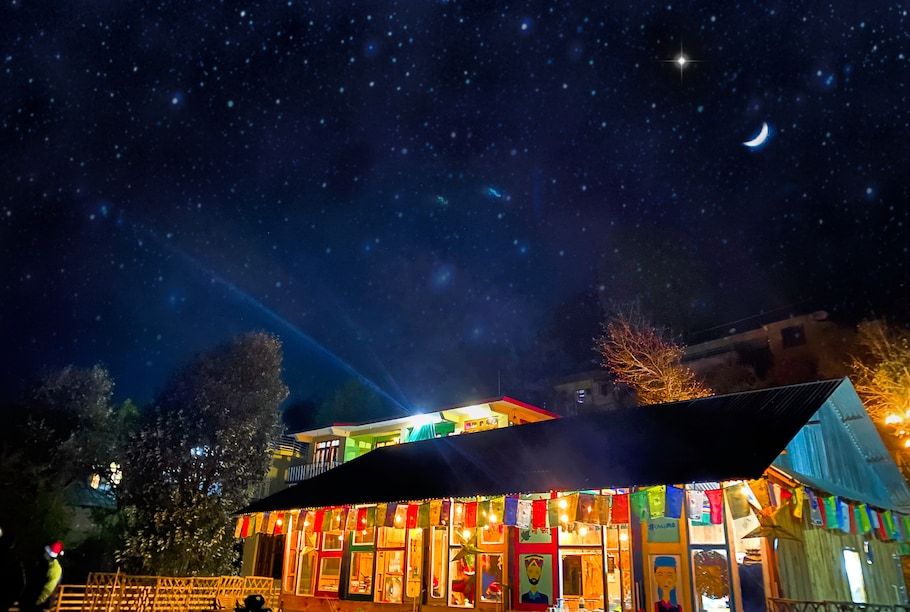
Accommodation choices depend on which stage of the journey you are planning. In and around McLeod Ganj and Dharamkot, travellers will find an array of rustic homestays, guesthouses, and cosy mountain cabins that provide comfortable spaces to rest and prepare before embarking on the trail. These base stays allow you to acclimatise while enjoying local hospitality and authentic regional cuisine.
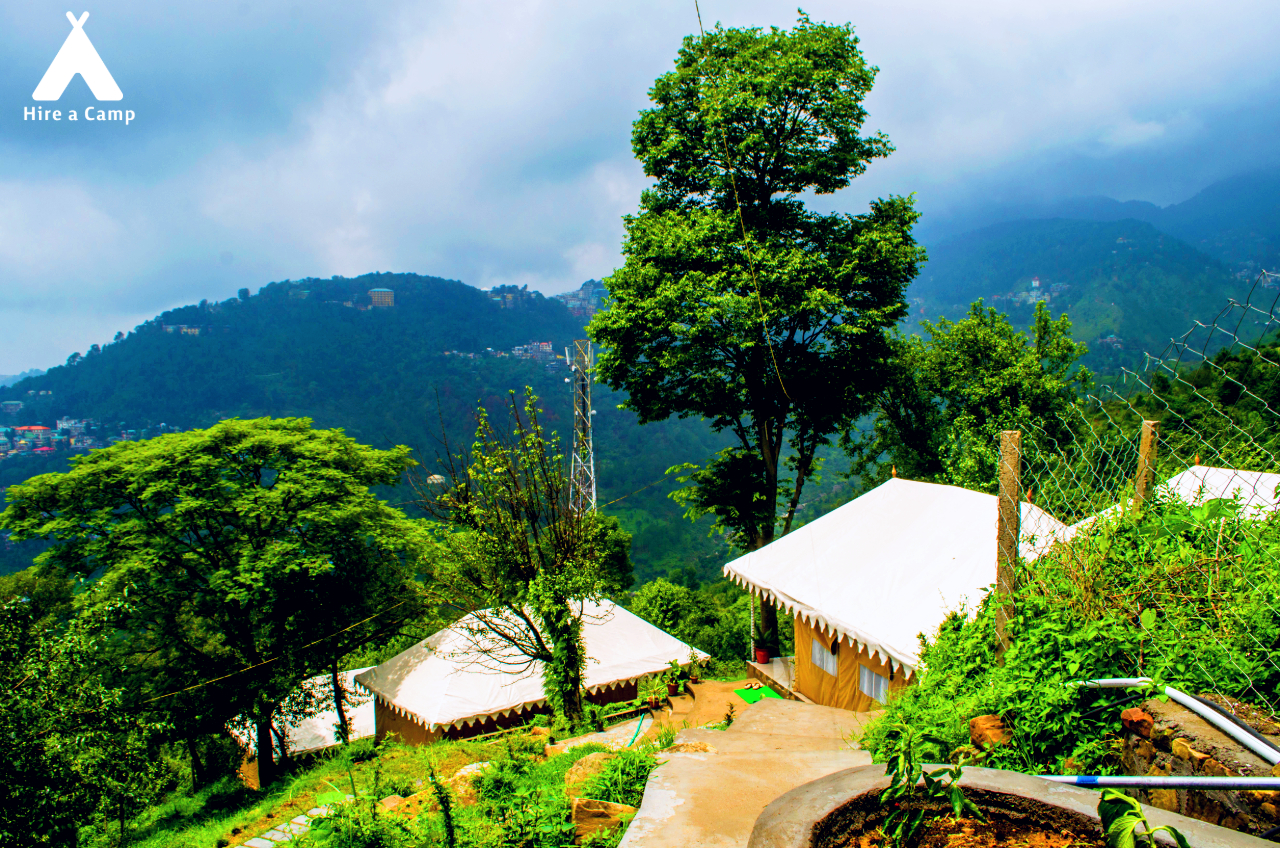
Along the trekking route itself, accommodation transitions to wilderness camping. Pitches are traditionally established at Triund, Laka Got, or underneath the natural shelter of Lahesh Cave. Trekkers carrying their own gear or participating in guided groups sleep in tents pitched on designated clearings. You can discover and book verified homestays, cottages, and curated camping experiences around McLeod Ganj directly on HireACamp.
Frequently asked questions
How difficult is the Indrahar Pass trek?
The trek is rated moderate to difficult due to its steep altitude gain, rugged boulder fields, and challenging high-altitude terrain near the pass. Trekkers need prior hiking experience, good cardiovascular fitness, and proper acclimatisation.
Where does the trek to Indrahar Pass start?
The trek typically starts from McLeod Ganj or Dharamkot in Himachal Pradesh, following the popular trail past Triund and Laka Got toward Lahesh Cave before the final ridge ascent.
Can beginners attempt the Indrahar Pass trek?
While beginners with good fitness can complete the lower sections up to Triund or Laka Got, crossing Indrahar Pass itself involves demanding rock scrambles and snow crossing that are better suited to experienced hikers.
Is it safe to do the Indrahar Pass trek during monsoon season?
Trekking Indrahar Pass during the peak monsoon months of July and August is not recommended. Heavy rains make the steep trails slick, raise the risk of rockfalls in the upper sections, and obscure mountain visibility with dense fog.
Do I need a local guide for Indrahar Pass?
Hiring an experienced local guide is strongly recommended, especially beyond Triund. The trail across the boulder fields and near the snow gullies is faintly marked, and mountain weather in the Dhauladhar range can shift rapidly.
Where you'll be
Himachal Pradesh · 4 stays nearby shown with prices
Stays near Indrahar Pass
Book a place to stay close by
More places near Indrahar Pass
Within 20 km


Built from 0 Instagram posts by 0 creators. Every tip links back to the post it came from, and where creators disagree we show both sides.






