
Nag Dal
Lake near Triund, Himachal Pradesh
9 km from Triund
The nearest town, for stays, food and fuel.
Nag Dal is a high-altitude glacial lake nestled in the rugged Dhauladhar mountain range above McLeod Ganj in Himachal Pradesh. Revered as a sacred body of water dedicated to snake deities and Lord Shiva, it draws alpine trekkers and local pilgrims willing to navigate steep, rocky terrain. Its pristine glacial waters and stark, high-mountain amphitheatre offer an untouched wilderness experience far above the bustling valleys below.
Getting there
By road
- From TriundNearest town1 hr 35 min · 32 km
- From Amritsar5 hr · 206 km
- From Ludhiana5 hr 20 min · 220 km
- From Chandigarh6 hr 15 min · 263 km
Typical drive times without traffic. Stations and airports from OLA Maps; distances and typical drive times from OpenStreetMap (© OpenStreetMap contributors); notes from creators' Reels.
About Nag Dal
Written with AI from map data and general knowledge. Check prices and timings locally before you go.
The Landscape and Legend of Nag Dal
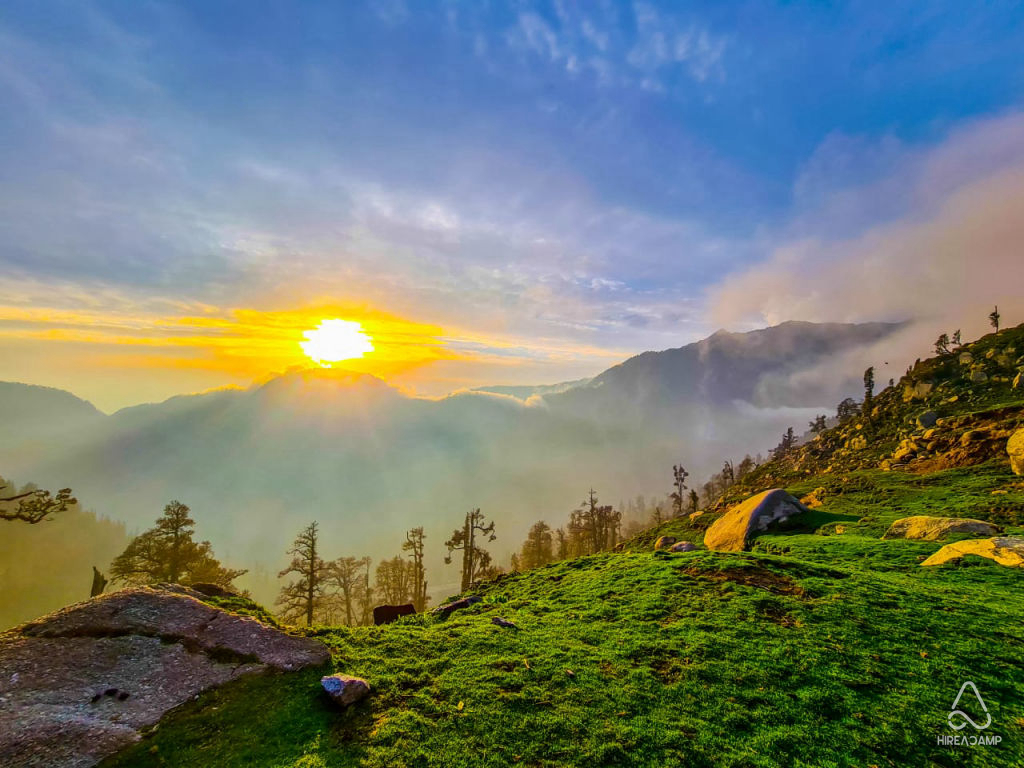
Perched deep within the alpine reaches of the Dhauladhar range, Nag Dal is one of several sacred high-altitude water bodies that grace the Kangra region. The lake is fed by melting snowfields and glaciers that cling to the towering granite crags surrounding it. Unlike the lower, forested trails of the Dharamshala valley, the landscape around Nag Dal is stark and wind-scoured, characterised by expansive boulder fields, moraines, and patchy alpine turf.
To the indigenous Gaddi pastoral community and regional devotees, Nag Dal holds deep spiritual significance. The name Nag refers to the serpent deities of Himalayan lore, intimately connected with Lord Shiva, whose presence is believed to guard these remote heights. During traditional pilgrimage windows in late summer, local devotees make the arduous journey to offer prayers and take ritual dips in its icy waters. For the rest of the year, the lake rests in relative isolation, framed by jagged ridgelines and lingering snowbanks.
The Trekking Route to Nag Dal
Reaching Nag Dal is an adventure strictly reserved for experienced trekkers or those accompanied by knowledgeable mountain guides. The trail typically originates from the hamlets surrounding McLeod Ganj and Dharamkot, ascending steeply through thick forests of oak and rhododendron before bursting onto the open alpine ridges.
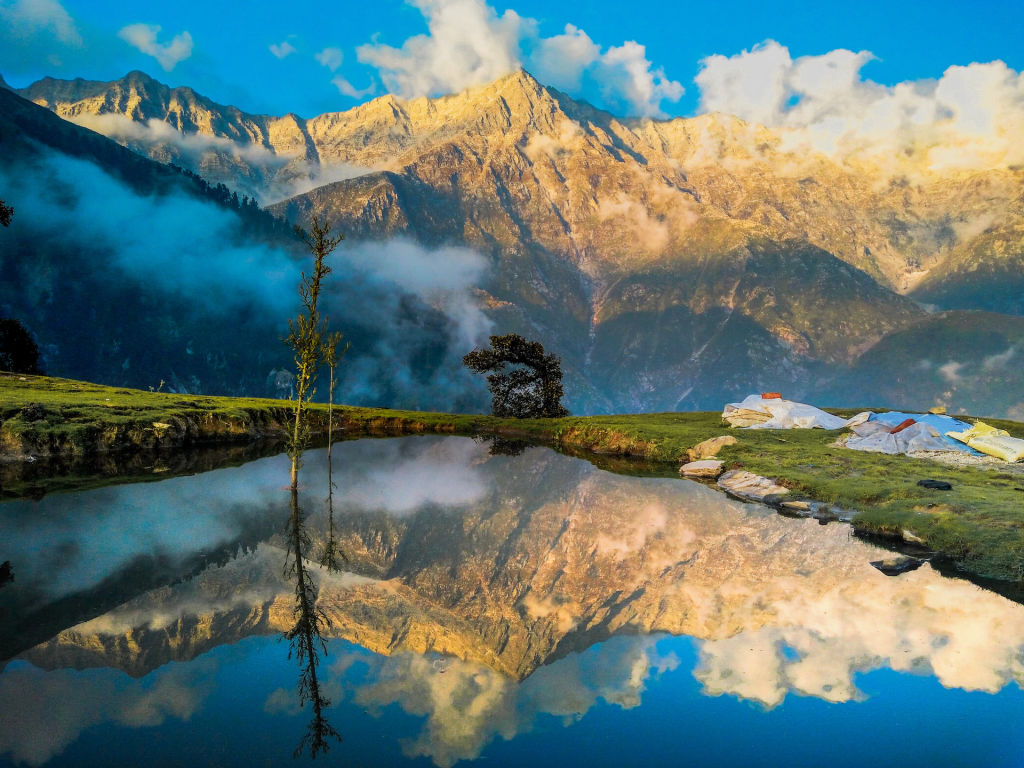
As the trail climbs higher past familiar stopping points, the manicured pathways give way to rugged mountain tracks. Trekkers must traverse steep scree slopes, cross boulder-strewn moraines, and potentially negotiate icy patches or high passes depending on the exact approach route taken. The air thins noticeably on the final ascent to the lake basin, demanding a steady pace and good cardiovascular fitness. The reward upon cresting the final ridge is the sudden appearance of the lake, still and reflective, resting in a massive bowl of stone.
Read more
Best Time to Visit Nag Dal
The window for visiting Nag Dal is dictated by snow and seasonal weather patterns. The lake remains frozen or completely snowbound through the long winter and well into late spring. The primary trekking seasons occur during the early summer months of June and the post-monsoon window extending from September through October.
June brings warmer daytime temperatures and melting snow, revealing the lake's open waters, though high-altitude snow bridges may still require care. The monsoon months of July and August bring heavy rains to the Kangra Valley, making steep trails slippery, causing landslides, and clouding visibility with dense fog. Once the monsoon recedes in September, the skies clear to an intense blue, offering sharp views of the high peaks, stable weather, and crisp autumn temperatures before winter freezes the basin once more in November.
Trek Preparation and Safety
Due to its elevation and wilderness setting, a trek to Nag Dal requires thorough planning and self-sufficiency. High-altitude sickness is a genuine consideration, so ascending gradually and allowing time to acclimatise in McLeod Ganj or intermediate mountain camps is strongly recommended.
Weather conditions in the Dhauladhar range can shift rapidly, with sunny mornings often giving way to cold winds, sudden mist, or localized rain and snow showers. Pack reliable windproof and waterproof outer layers, thermal innerwear, and a sturdy pair of broken-in trekking boots with good ankle support. Because the route traverses remote, unmarked terrain without established facilities, carry adequate water filtration gear, a detailed topographic map or offline navigation tools, a comprehensive first-aid kit, and sufficient high-energy food.
Places to Visit Nearby
A journey to Nag Dal naturally begins or concludes in the Kangra Valley, which is packed with historical and cultural interest. McLeod Ganj, situated approximately 11 kilometres away in straight-line distance, serves as the primary base. Known for its Tibetan culture, vibrant market lanes, and monasteries, it offers a distinct contrast to the quiet wilderness of the upper mountains.
Lower in the valley lies the imposing Kangra Fort, located roughly 30 kilometres from the high ridgelines. Dating back millennia, the fort sits atop a rocky promontory overlooking the Banganga and Majhi rivers, offering rich insight into the history of the Katoch dynasty. Exploring the nearby settlements and pastoral hamlets across the Kangra foothills allows travellers to appreciate the broad spectrum of natural and cultural heritage in this corner of Himachal Pradesh.
Where to Stay near Nag Dal
There are no permanent hotels, guesthouses, or built accommodations at Nag Dal itself. Trekkers planning an overnight excursion near the lake must carry their own alpine tents, sleeping bags rated for freezing temperatures, and backcountry cooking equipment. Practicing strict leave-no-trace principles is essential around the lake to preserve its delicate alpine ecology and religious purity.
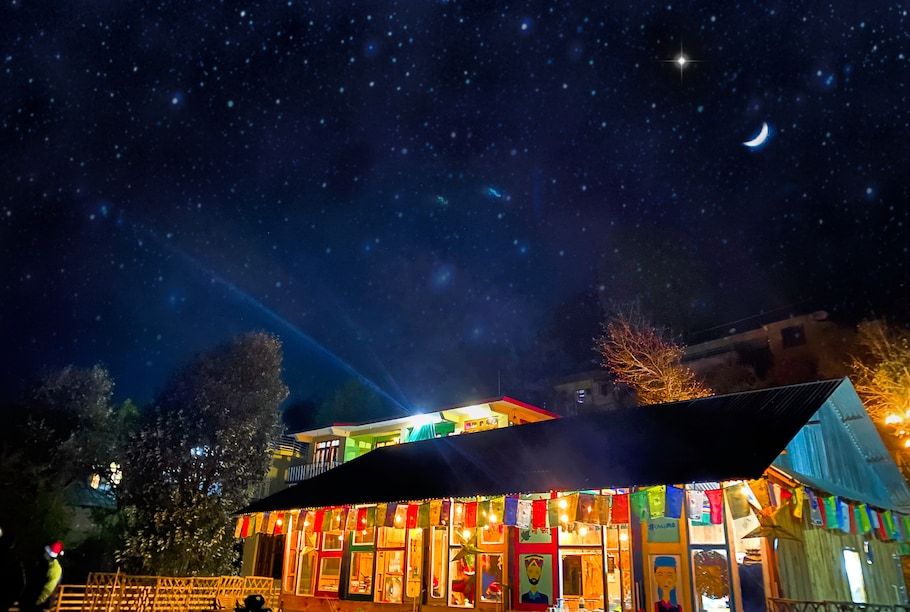
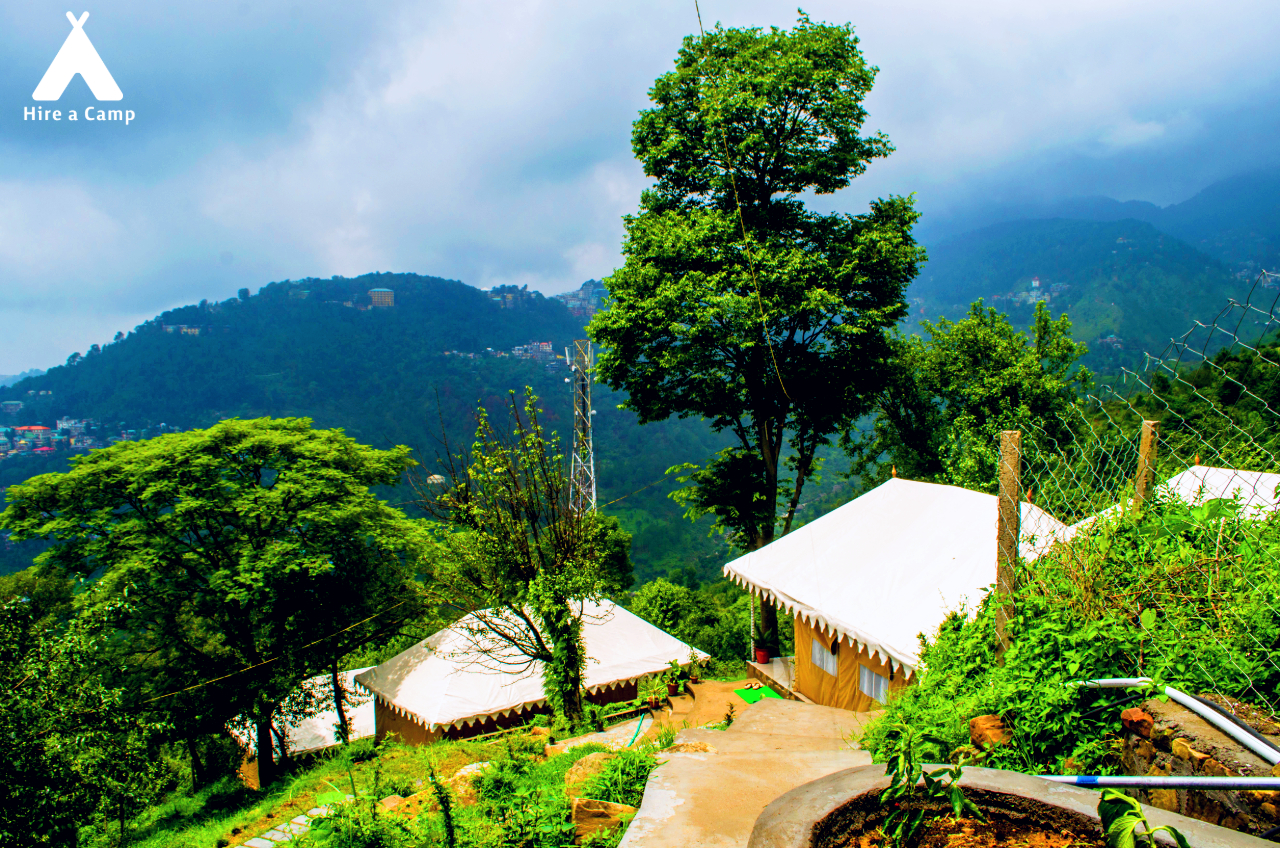
For standard accommodation before and after the trek, the surrounding towns and foothills offer a wide variety of choices. You can explore HireACamp to discover homestays, rustic cottages, and serviced mountain camps around McLeod Ganj and Dharamkot, giving you a comfortable base to rest and prepare before heading up into the high peaks.
Frequently asked questions
Where is Nag Dal located?
Nag Dal is a high-altitude glacial lake situated in the upper Dhauladhar mountain range in Himachal Pradesh, located roughly 11 kilometres straight-line distance from McLeod Ganj.
Can beginners trek to Nag Dal?
The trek to Nag Dal involves steep ascents, rough boulder fields, and high elevations, making it best suited for experienced hikers or trekkers accompanied by a local mountain guide.
What is the best season to trek to Nag Dal?
The most favourable months are June, before the peak monsoon rains, and September to October, when the skies are clear and the snow has melted from the approach passes.
Are there stay facilities at the lake?
There are no built accommodations, lodges, or shops at Nag Dal; visitors staying overnight must carry their own alpine camping gear and food.
Why is Nag Dal considered sacred?
Nag Dal is traditionally revered by local communities and Gaddi shepherds as an abode of snake deities associated with Lord Shiva, serving as a site for periodic high-altitude pilgrimages.
Where you'll be
Himachal Pradesh · 4 stays nearby shown with prices
Stays near Nag Dal
Book a place to stay close by
More places near Nag Dal
Within 20 km

Built from 0 Instagram posts by 0 creators. Every tip links back to the post it came from, and where creators disagree we show both sides.






