
Nag Chhatri Dal
Lake near Triund, Himachal Pradesh
7.8 km from Triund
The nearest town, for stays, food and fuel.
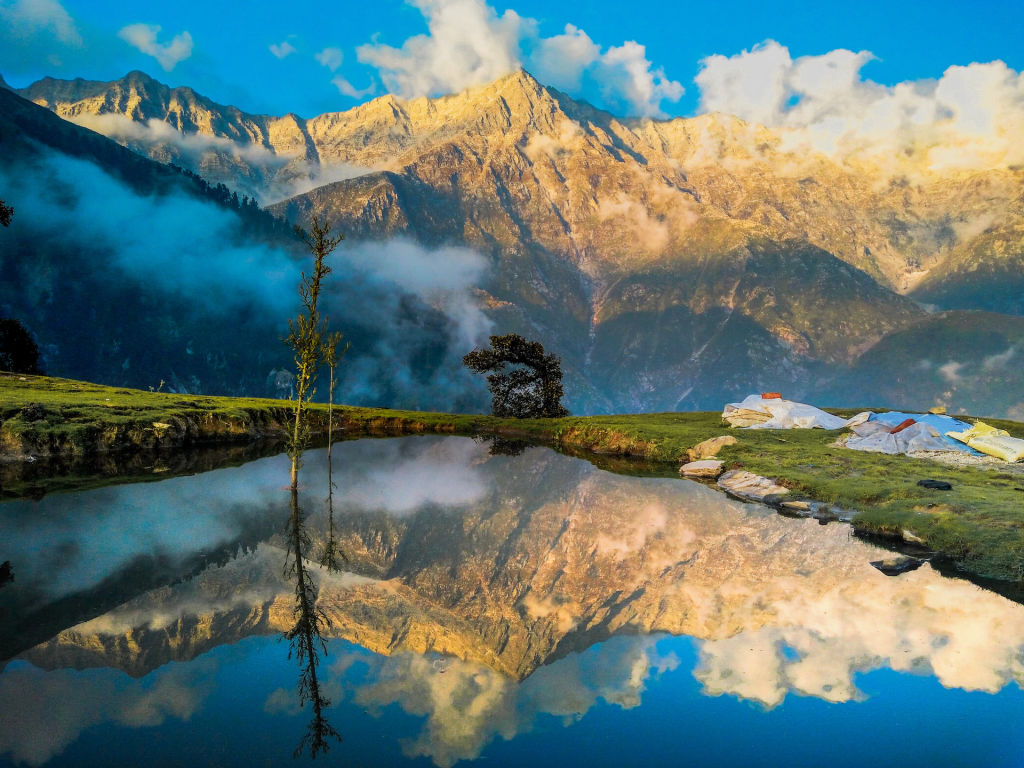
Nag Chhatri Dal is a secluded high-altitude glacial lake situated deep within the rugged Dhauladhar mountain range in Himachal Pradesh, rising high above McLeod Ganj. Venerated by local Gaddi shepherds and sought after by avid alpine trekkers, the lake is flanked by sheer granite crests and boulder-strewn slopes. Adventurers make the challenging journey here to witness untouched Himalayan wilderness and soak in the raw solitude of the upper mountains.
Getting there
By road
- From TriundNearest town1 hr 35 min · 32 km
- From Amritsar5 hr · 206 km
- From Ludhiana5 hr 20 min · 220 km
- From Chandigarh6 hr 15 min · 263 km
Typical drive times without traffic. Stations and airports from OLA Maps; distances and typical drive times from OpenStreetMap (© OpenStreetMap contributors); notes from creators' Reels.
About Nag Chhatri Dal
Written with AI from map data and general knowledge. Check prices and timings locally before you go.
About Nag Chhatri Dal and its landscape
Perched amidst the high crags of the Dhauladhar range in the Kangra district, Nag Chhatri Dal is a remote mountain lake fed by seasonal snowmelt and glacial runoff. In the regional Pahari dialect, the word 'Dal' translates to a lake or waterbody, and this natural tarn forms an integral part of the network of sacred alpine waters that dot the ridgelines separating Kangra from the Chamba valley.
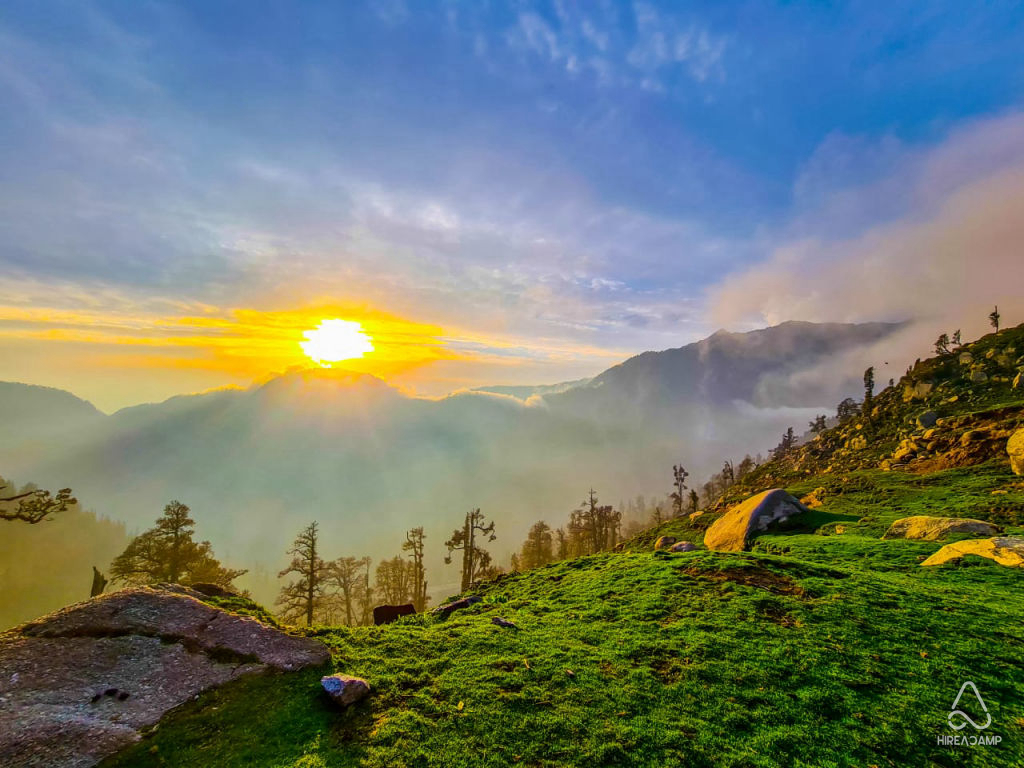
The surroundings around Nag Chhatri Dal present a dramatic contrast to the lush oak, deodar, and rhododendron woodlands found near the foothills. At this elevation, the vegetation thins out into fragile alpine grasses before giving way entirely to loose scree fields, giant moraine boulders, and steep rock gullies. The lake sits under sweeping ridges where morning clouds often surge up from the plains below, enveloping the water in a quiet, mystic stillness.
Cultural and spiritual significance
Like many high tarns in the Dhauladhar range, Nag Chhatri Dal holds strong religious and cultural meaning for the native Gaddi community. For generations, these semi-nomadic pastoralists have guided their flocks of sheep and goats over high Himalayan passes, navigating treacherous routes while seeking divine protection from the guardian deities of the mountains.
The lake is dedicated to the Nag, the serpent deity widely worshipped across Himachal Pradesh for prosperity, pure water sources, and safety during mountain crossings. Local devotees and shepherds occasionally make pilgrimages to its cold waters during holy periods in late summer to perform rituals and leave offerings. Because the lake is considered sacred, visitors are expected to maintain utmost decorum, treat the surrounding land with deep care, and refrain from polluting the water.
Read more
Trekking to Nag Chhatri Dal
Visiting Nag Chhatri Dal is an arduous alpine undertaking best suited for fit and prepared hikers. Most journeys toward the lake initiate from base points near Dharamkot or McLeod Ganj, following the popular trail toward Triund and continuing past the rocky outcrops of Laka Glacier. Beyond the established trails, the route transforms into an unpaved, unmarked backcountry ascent that demands steady navigation and confidence on steep, uneven terrain.
Hikers must negotiate challenging sections comprising boulder hopping, loose gravel, and sometimes lingering snow bridges that bridge mountain gullies well into early summer. The gradient is consistently steep, requiring sound cardiovascular stamina and strong joints. Because formal signage is absent and trails can easily become obscured by low-hanging cloud cover, engaging a knowledgeable local mountain guide is strongly recommended for anyone making the ascent.
Best time to visit Nag Chhatri Dal
The window for visiting Nag Chhatri Dal is dictated by high-altitude mountain seasons and seasonal weather hazards. For much of the winter and early spring, heavy snow blankets the Dhauladhar summits, burying the approaches and locking the lake beneath deep sheets of ice.
The primary trekking season opens in late spring and runs through early summer, typically during May and June. During this time, lower snow banks melt away, mountain days are comfortably warm, and streams are replenished by fresh runoff. Another pristine window occurs in the autumn, spanning September and October. After the monsoon rains subside, the autumn air turns exceptionally crisp and clear, providing expansive views across the Himalayan horizons, although overnight temperatures regularly dip near freezing. The core monsoon months of July and August should be avoided, as the Kangra region receives heavy rainfall that triggers landslides, cloudbursts, and slick, dangerous trail conditions.
Tips for high-altitude trekking
Because of the demanding nature of the route and its high elevation, safety and self-sufficiency must take precedence on any trip to Nag Chhatri Dal. Acute mountain sickness can affect even seasoned trekkers; it is essential to spend a couple of days acclimatising at intermediate altitudes such as McLeod Ganj or Triund before continuing upward. Maintain a steady, unhurried pace on the climb and drink plenty of water.
Mountain weather in the Dhauladhars is notoriously unpredictable, frequently shifting from sunny skies to dense mist or squalls within an hour. Trekkers should pack a three-layer clothing system featuring moisture-wicking thermals, insulating fleece, and a sturdy wind-and-waterproof shell jacket. High-ankle trekking boots with dependable traction, trekking poles, a comprehensive first-aid kit, and high-energy rations are necessary. Trekkers must strictly abide by Leave No Trace ethics by carrying back every item of non-biodegradable waste to safeguard this fragile mountain ecosystem.
Places to explore nearby
Trekking routes toward Nag Chhatri Dal stem from McLeod Ganj, a vibrant hill town celebrated as the residence of His Holiness the Dalai Lama and the headquarters of the Tibetan community in exile. Visitors can spend days before or after their trek exploring peaceful monasteries, colourful handicraft bazaars, and hillside cafes nestled among the pines.
Further down the slopes in the broader Kangra valley, cultural and historic monuments offer enriching day excursions. The historic Kangra Fort, located approximately twenty-nine kilometres away, stands as an ancient architectural wonder guarding the river valleys below. Down in Dharamshala, travellers can discover tea gardens, local art galleries, and scenic pine-fringed roads that make the entire valley a rewarding outdoor destination.
Where to stay
At the base of the mountain trails around McLeod Ganj and Dharamkot, visitors will find a wide variety of welcoming accommodations, ranging from serene village homestays and backpacker hostels to tranquil guesthouses tucked away in cedar groves. Staying at one of these settlements provides a comfortable environment to organise gear, arrange guides, and acclimatise before hitting the high trails.
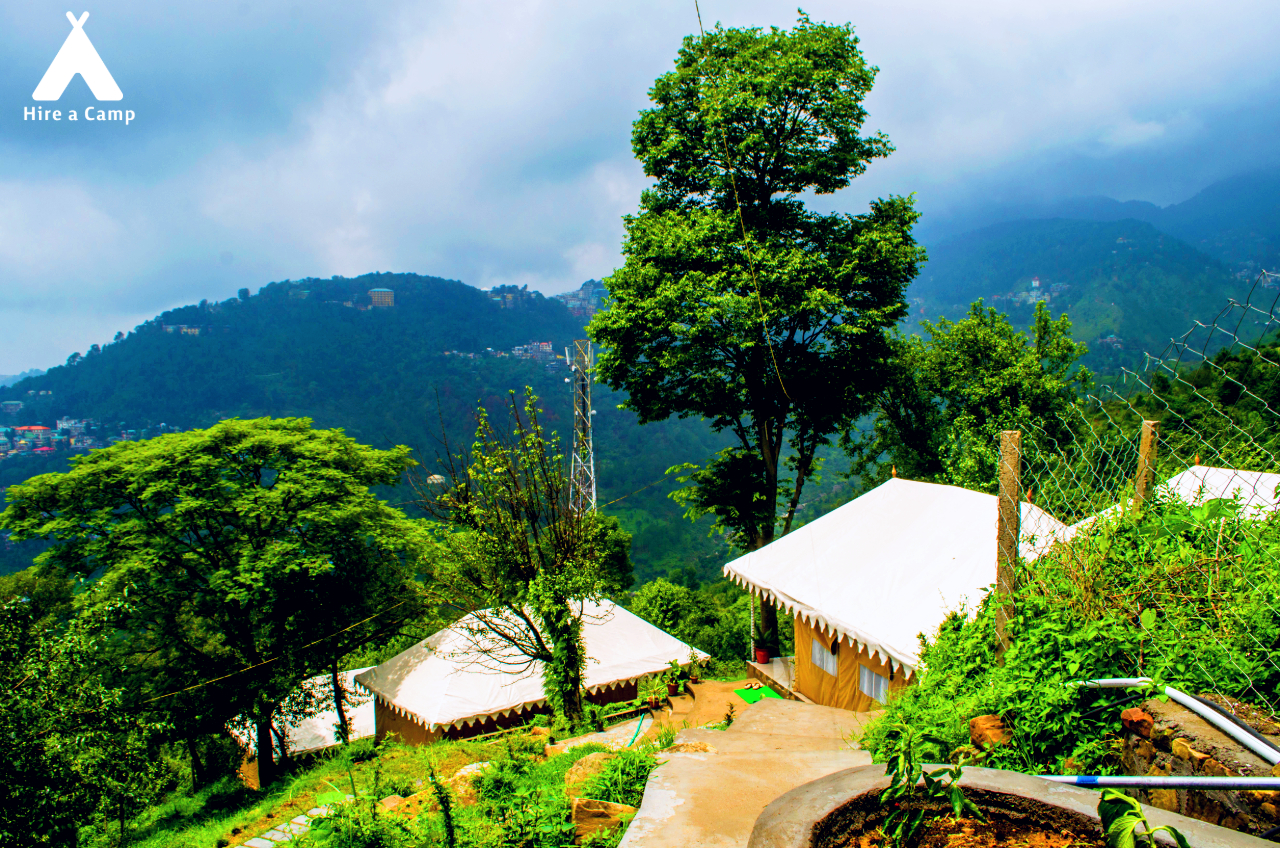
Up on the mountain approach toward Nag Chhatri Dal, there are no built lodges, permanent shelters, or commercial facilities. Travellers undertaking multi-day journeys must carry their own alpine tents and camp in designated flat areas. To discover curated camping sites, cosy homestays, and rustic mountain retreats across the Kangra region, explore the options available on HireACamp.
Frequently asked questions
Where is Nag Chhatri Dal located?
Nag Chhatri Dal is an alpine lake located in the high reaches of the Dhauladhar mountain range in the Kangra district of Himachal Pradesh, accessible via trekking routes starting above McLeod Ganj.
How challenging is the trek to Nag Chhatri Dal?
The trek is strenuous and demanding, involving steep vertical climbs over rocky moraines, loose scree, and occasional snowfields, making it best suited for physically fit trekkers.
When is the ideal time to visit Nag Chhatri Dal?
The best periods to visit are from May to June before the monsoon, and from September to October after the rains, when the weather is clearer and the routes are mostly snow-free.
Are there food stalls or lodges at Nag Chhatri Dal?
No, there are no commercial stalls, permanent lodges, or food facilities near the lake. Trekkers must be entirely self-sufficient, carrying their own tents, food, and cooking equipment.
Do I need a guide to trek to Nag Chhatri Dal?
Hiring an experienced local mountain guide is strongly recommended, as the trail above the tree line is unmarked, rocky, and prone to rapid changes in weather and visibility.
Where you'll be
Himachal Pradesh · 4 stays nearby shown with prices
Stays near Nag Chhatri Dal
Book a place to stay close by
More places near Nag Chhatri Dal
Within 20 km


Built from 0 Instagram posts by 0 creators. Every tip links back to the post it came from, and where creators disagree we show both sides.






