
Jagatpita Shri Brahma Mandir
Temple near Ganahera, Rajasthan
1.3 km from Ganahera
The nearest town, for stays, food and fuel.
Jagatpita Shri Brahma Mandir in Pushkar is one of the very few surviving temples in the world dedicated to Lord Brahma, the creator god in Hinduism. Situated close to the sacred Pushkar Lake in Rajasthan, the temple dates back centuries and draws pilgrims and travellers from across the globe. Visitors come to pay homage, witness traditional rituals, and experience the distinct spiritual rhythm of this ancient desert town.
Getting there
By road
- From GanaheraNearest town6 min · 1.8 km
- From Pushkar9 min · 6.8 km
- From Jaipur2 hr 45 min · 144 km
- From Jodhpur3 hr 10 min · 213 km
By train, bus or air
- Ajmer JunctionNearest railway station28 min · 15 km
- Kishangarh AirportNearest airport1 hr 10 min · 44 km
Typical drive times without traffic. Stations and airports from OLA Maps; distances and typical drive times from OLA Maps and OpenStreetMap (© OpenStreetMap contributors); notes from creators' Reels.
About Jagatpita Shri Brahma Mandir
Written with AI from map data and general knowledge. Check prices and timings locally before you go.
Significance of Jagatpita Shri Brahma Mandir
The Jagatpita Shri Brahma Mandir holds a rare and revered position in Hindu worship. While temples dedicated to Shiva, Vishnu, and various forms of Devi number in the millions across India, shrines dedicated exclusively to Lord Brahma are extraordinarily uncommon. According to local lore and Hindu scriptures, Pushkar was sanctified when Brahma dropped a lotus petal on the earth to defeat a demon, creating the sacred Pushkar Lake. The temple stands as a testament to that primordial act of creation.
Pilgrims believe that a journey to the major Hindu pilgrimage circuits remains incomplete without a visit to Pushkar and a dip in its holy waters followed by darshan at the Brahma Temple. The sanctuary houses a four-faced idol of Lord Brahma, alongside imagery representing his divine mount, the swan or hamsa. Entering the inner sanctum offers devotees a direct encounter with an aspect of divinity rarely worshipped in structured temple spaces elsewhere in the country.
Architecture and Layout of the Temple
The temple structure displays distinctive Rajasthani temple architecture, characterised by stone slabs joined with molten lead and marble finishes. A flight of stone steps leads up to an entry archway, which opens into an open pillared hall known as the mandapa before leading deeper into the sanctum sanctorum or garbha griha. The soaring red spire or shikhar stands out conspicuously against the bright desert sky, capped by the motif of a golden swan.
Inside the courtyard, the floor and pillared walkways are paved with marble slabs, many of which are engraved with the names of devotees who contributed to the upkeep of the shrine over generations. A silver turtle lies embedded in the marble floor directly facing the sanctum, symbolising patience and focus. Silver coins and decorative motifs adorn the doorways, reflecting the centuries-old tradition of personal offerings made by royal patrons and humble pilgrims alike.
Read more
Best Time to Visit Pushkar
Pushkar experiences the arid, extreme weather typical of Rajasthan, meaning winter is widely regarded as the most comfortable time to visit. From October through March, daytime temperatures remain pleasant and mild, making it convenient to walk through the crowded lanes and spend time in the temple courtyards. Evenings during these months can become quite chilly, requiring warm layers.
The holy month of Kartika, usually falling in October or November, is the spiritual peak of the year. During this period, coinciding with the famed Pushkar Camel Fair, thousands of sadhus, villagers, and international travellers converge on the town. While this period is visually magnificent and spiritually vibrant, visitors should expect significant crowds. The summer months from April to June bring blistering daytime heat, often exceeding forty degrees Celsius, which can make exploring on foot difficult.
How to Reach Jagatpita Shri Brahma Mandir
Jagatpita Shri Brahma Mandir is centrally located in Pushkar, along Brahma Temple Road, just a short walk from the main ghats of Pushkar Lake. The town of Pushkar is well connected by road to the neighbouring city of Ajmer, which serves as the primary transit hub. Ajmer is linked to major Indian cities including Jaipur, Delhi, Ahmedabad, and Mumbai through frequent rail services and express highway networks.
From Ajmer, which is roughly fifteen kilometres away, travellers can hire local taxis, auto-rickshaws, or board regular state transport buses that wind through the scenic Nag Pahar hills connecting the two towns. The nearest commercial airport is located in Jaipur, from where one can hire a cab or take a train to Ajmer. Once inside Pushkar town, most destinations, including the Brahma Temple, are easily reached on foot or by local e-rickshaws, as the narrow bazaars restrict larger four-wheeled vehicles.
Tips for Visiting the Brahma Temple
When planning your visit to Jagatpita Shri Brahma Mandir, keep in mind that strict security protocols and traditional rules apply. Footwear, leather items such as belts and wallets, and electronic devices including mobile phones and cameras are generally not permitted inside the inner courtyard. Cloakrooms and locker stalls operated by local vendors are available near the temple entrance where you can leave your belongings for a modest fee.
Dress conservatively out of respect for the holy nature of the site, ensuring shoulders and knees are covered. The temple can become extremely busy during morning and evening aarti sessions, as well as on full moon nights and festival periods. If you prefer a quieter experience, try to arrive in the mid-afternoon on a weekday, though be prepared for warm marble tiles underfoot if visiting during sunny weather. Keep an eye on your belongings in the surrounding lanes, and politely decline persistent offers from touts or self-proclaimed priests claiming to perform special rituals at exorbitant rates.
Places to Visit Nearby
Pushkar is packed with sacred spots and atmospheric corners. Just steps away from the Brahma Temple lies Pushkar Lake, surrounded by fifty-two bathing ghats where evening prayer ceremonies and ritual bathing occur throughout the year. Perched high on the Ratnagiri hill overlooking the lake is the Savitri Devi Temple, which offers panoramic views across the town, the surrounding desert sands, and the Aravali range, especially at sunrise and sunset.
Outside Pushkar, about thirty-five kilometres to the northeast, travellers often visit the Dumping Yard in Kishangarh. This striking expanse of processed white marble slurry resembles an arctic snowfield or salt flat, creating a surreal backdrop that has become a popular photo spot. Further away, the historic Dargah Sharif of Khwaja Moinuddin Chishti and the majestic Taragarh Fort in Ajmer make for enriching cultural day excursions.
Where to Stay in Pushkar
Pushkar offers a diverse range of accommodations suitable for every type of traveller, from backpackers and spiritual seekers to families looking for calm desert retreats. The inner town features charming heritage guesthouses, traditional havelis, and quiet homestays tucked deep inside the labyrinthine alleys near the lake.
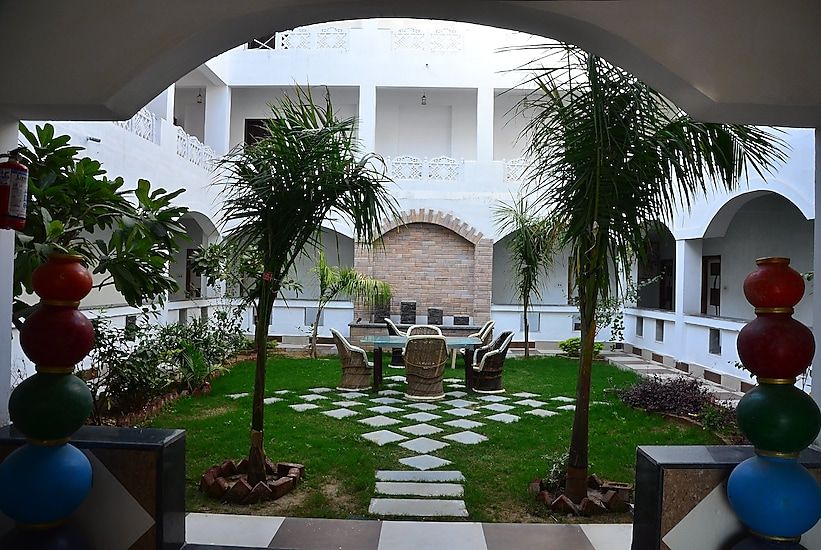
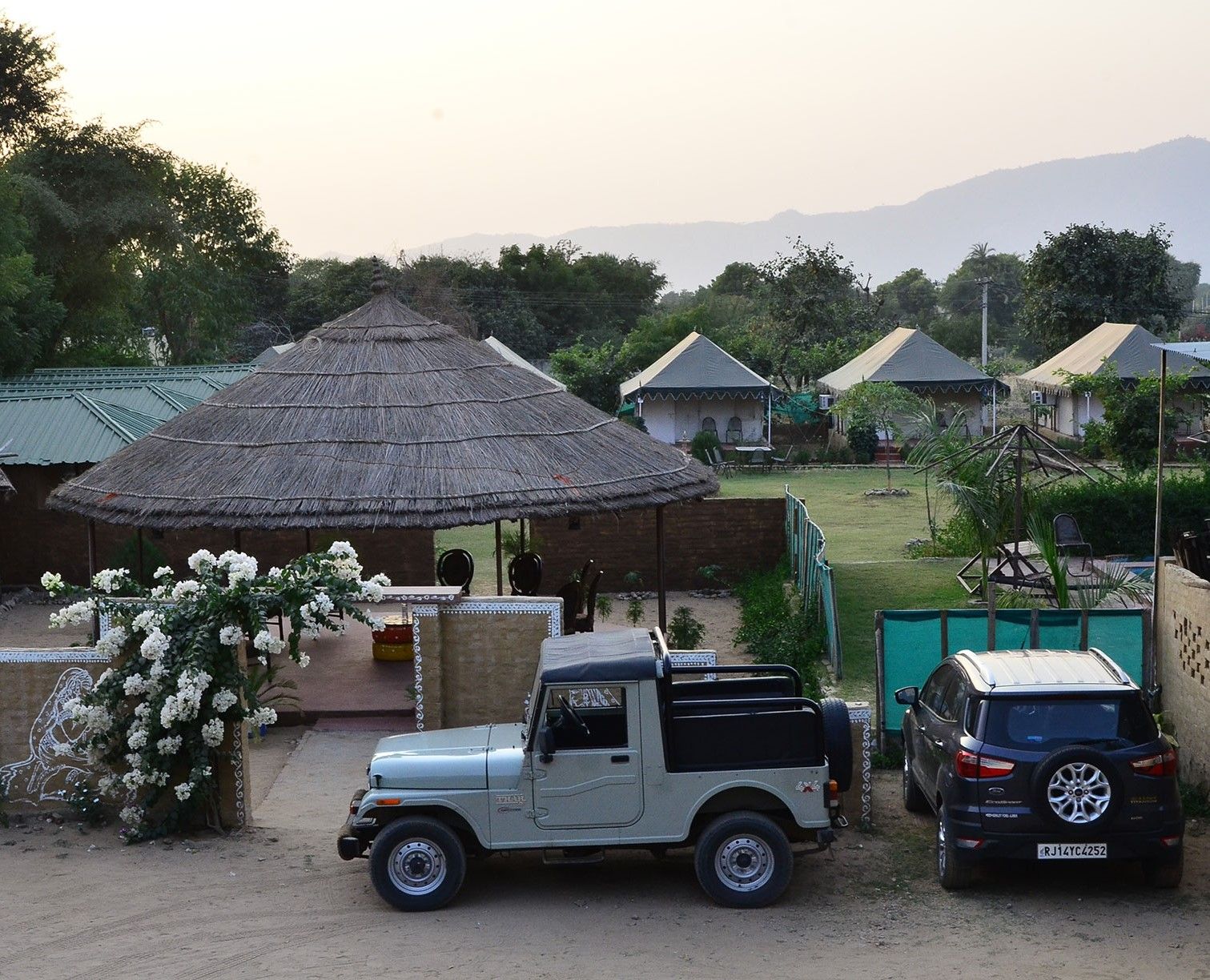
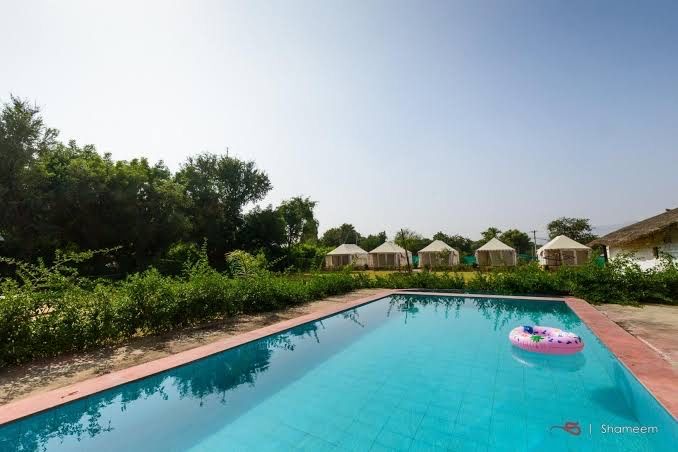
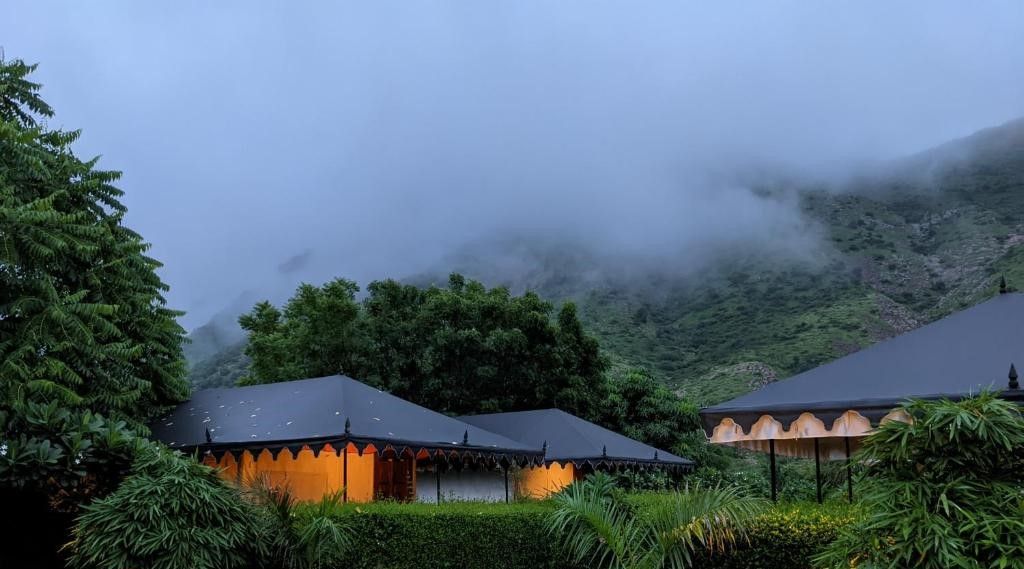
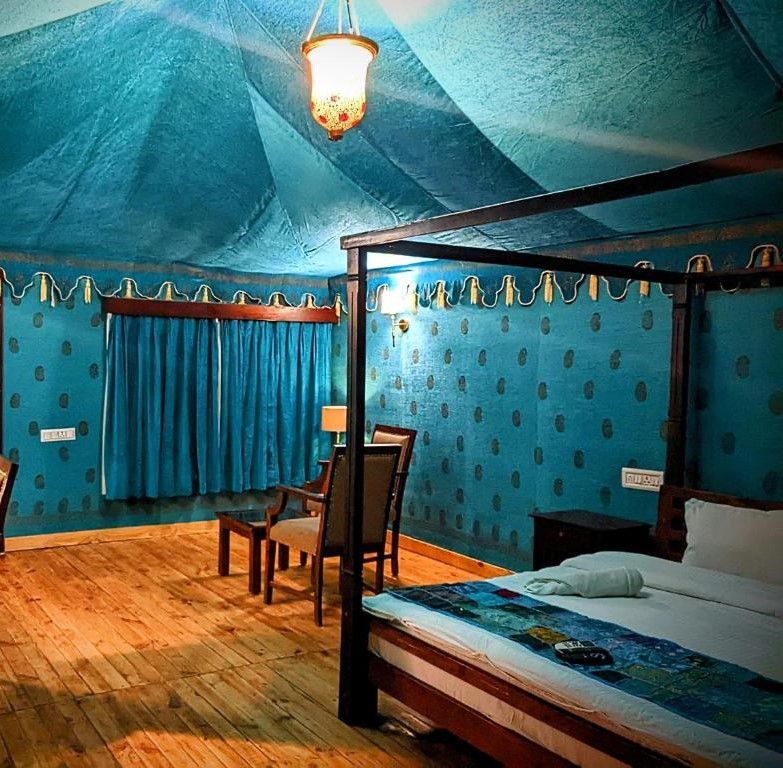
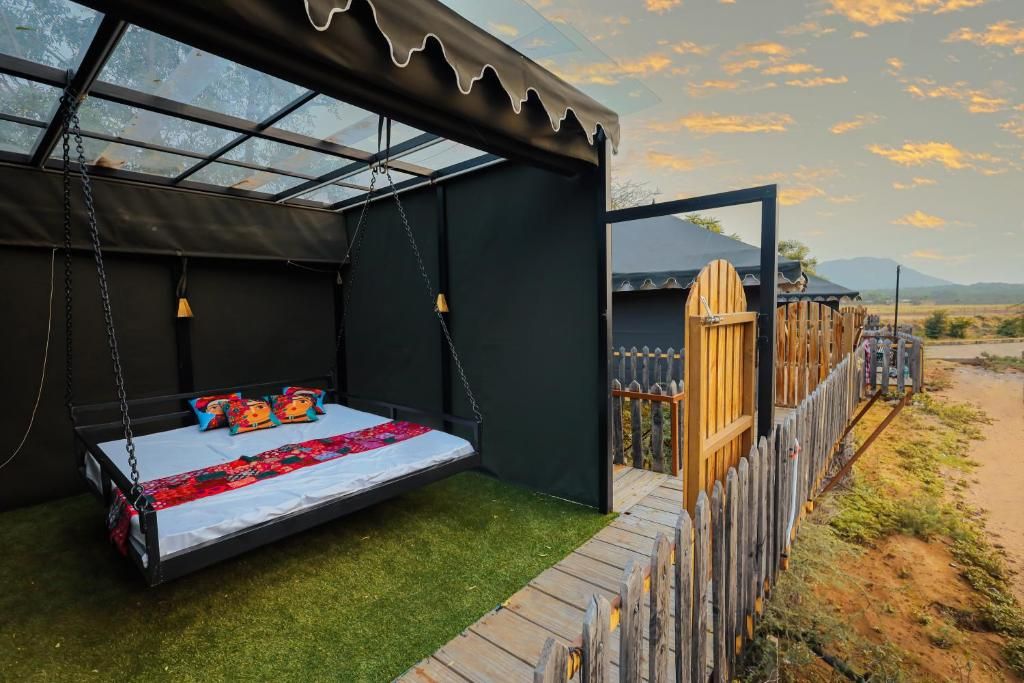
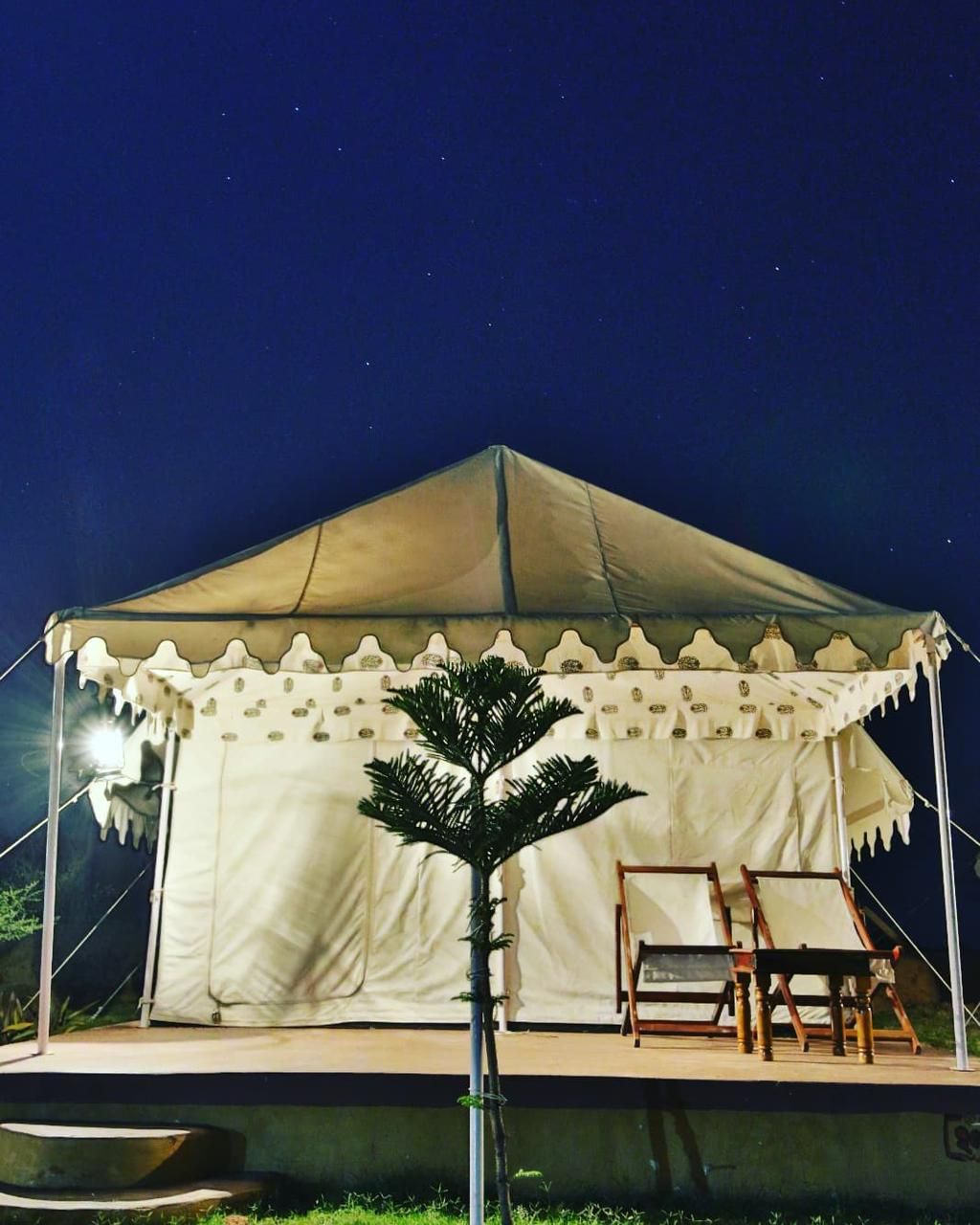
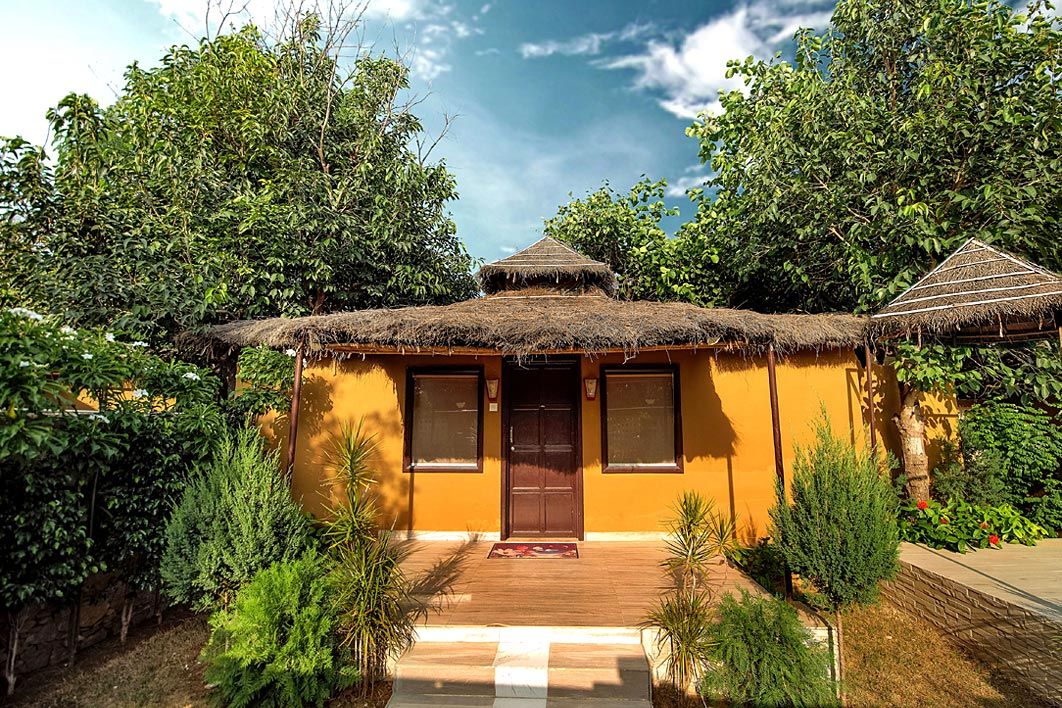
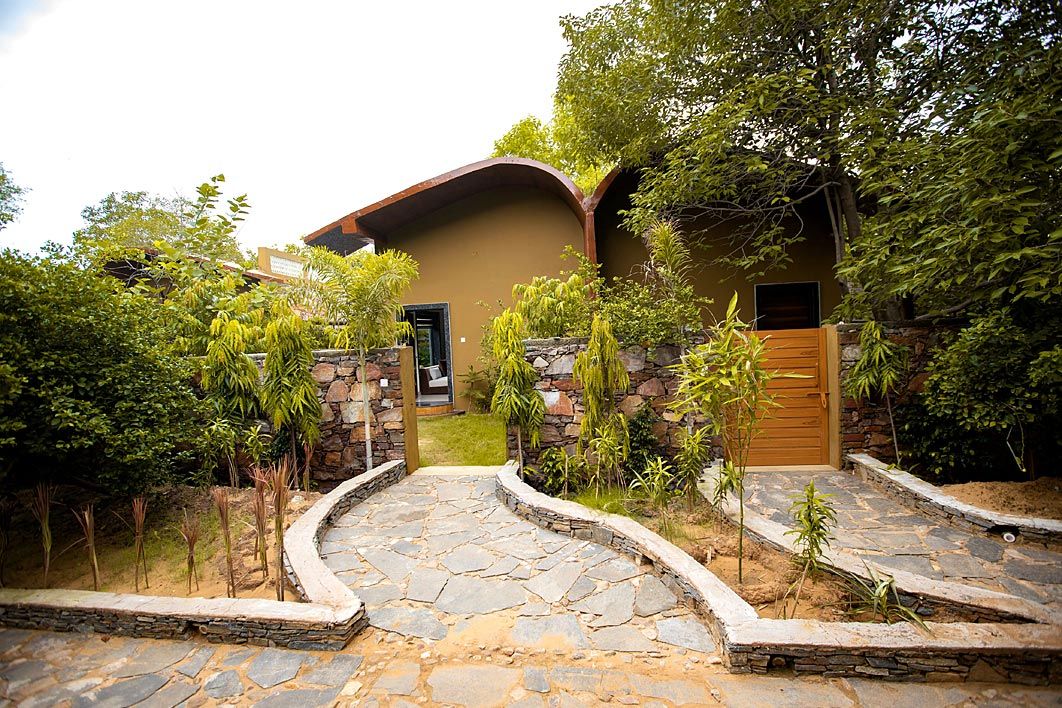
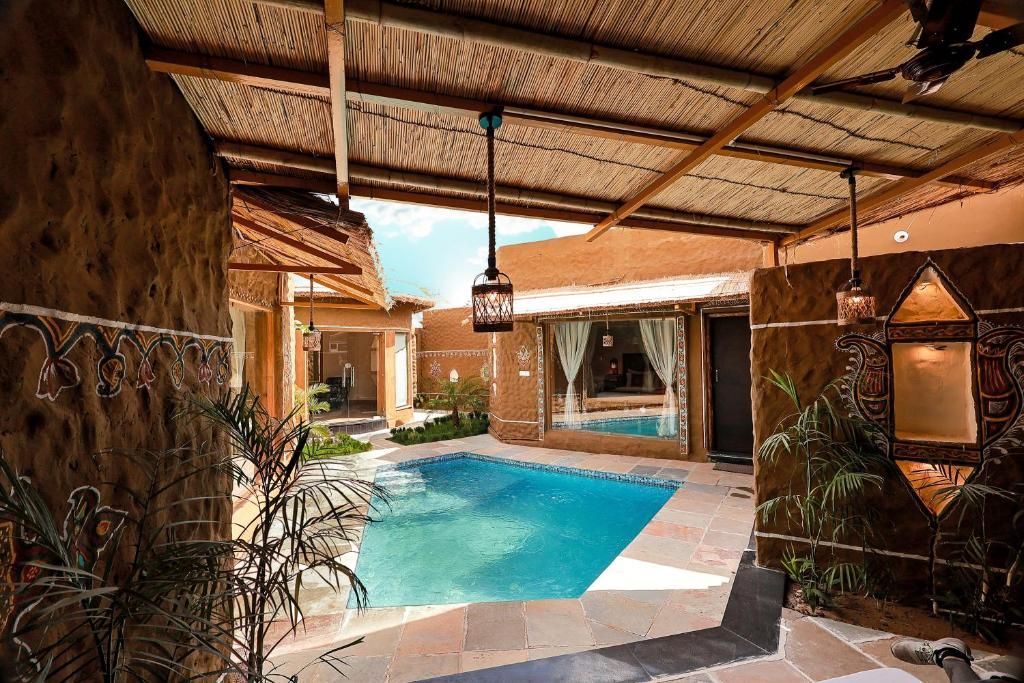
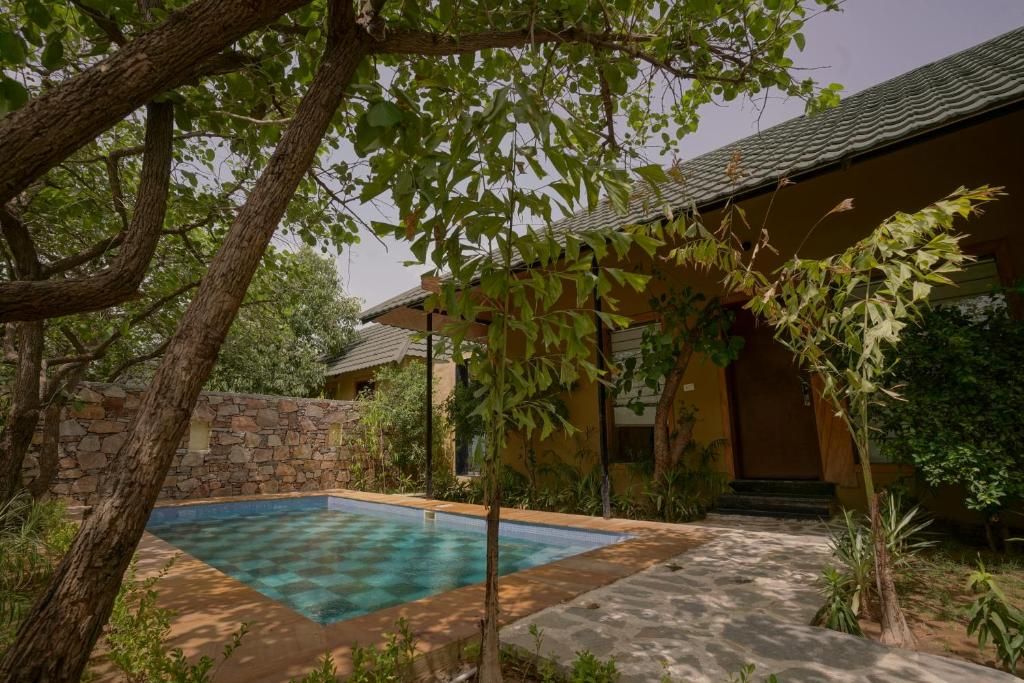
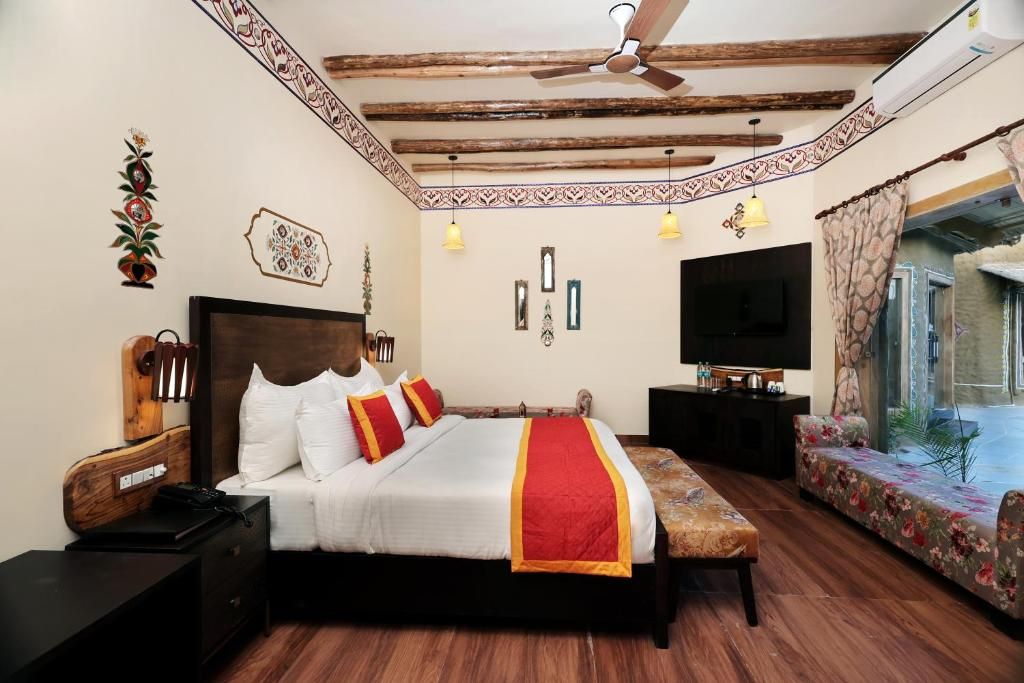
For those who prefer a more tranquil setting closer to the surrounding hills and desert scrub, rural farm stays, boutique desert properties, and scenic campsites are located along the outskirts of the town. You can find and book an array of curated campsites, nature retreats, and welcoming homestays in and around Pushkar through HireACamp.
Frequently asked questions
Why are there so few temples dedicated to Lord Brahma?
According to Hindu mythology, a curse uttered by Brahma's consort Saraswati, along with the theological role of Brahma as a creator whose work was finished rather than an active preserver or destroyer, resulted in very few dedicated places of worship for him.
Are cameras and mobile phones allowed inside Jagatpita Shri Brahma Mandir?
No, photography and electronic items including smartphones are prohibited inside the temple premises. You can leave your devices in the designated locker facilities available outside the main gate.
What should I wear when visiting the temple?
Modest and respectful clothing is recommended for all visitors. It is best to wear clothes that cover your shoulders and legs, and you must remove your shoes before stepping onto the temple grounds.
How far is Jagatpita Shri Brahma Mandir from Ajmer?
The temple is located in Pushkar, which is approximately fifteen kilometres from the neighbouring city of Ajmer, typically taking around thirty to forty-five minutes to reach by road depending on traffic.
Is there an entry fee to enter the Brahma Temple?
There is no general admission charge to enter the temple for darshan, though nominal charges may apply locally for shoe-keeping and locker services outside the complex.
Where you'll be
Jagatpita Shri Brahma Mandir, Brahma Temple Rd, Pushkar, Rajasthan, 305022, India · 12 stays nearby shown with prices
Stays near Jagatpita Shri Brahma Mandir
Book a place to stay close by
More places near Jagatpita Shri Brahma Mandir
Within 20 km
Built from 0 Instagram posts by 0 creators. Every tip links back to the post it came from, and where creators disagree we show both sides.






