
Jalori pass , Anni
Destination in Himachal Pradesh
Jalori Pass, situated in the outer Seraj region above Anni in Himachal Pradesh, connects the inner valleys of Kullu with the southern foothills towards Shimla. Known for its high-altitude vantage points, dense deodar woodlands, and rugged mountain roads, it serves as a base for hikers and travellers journeying between Tirthan Valley and the Sutlej basin. Visitors travel here to experience dramatic ridge-top trails, quiet Himalayan villages, and sweeping views of the surrounding ranges.
Getting there
By road
- From Chandigarh6 hr 15 min · 236 km
- From Ludhiana6 hr 50 min · 266 km
- From Amritsar8 hr 25 min · 378 km
- From Dehradun9 hr 50 min · 408 km
By train, bus or air
- Bus Stand (ISBT), MandiNearest bus stand1 hr 25 min · 79 km
- Bhuntar AirportNearest airport1 hr · 65 km
Typical drive times without traffic. Places, distances and typical drive times from OLA Maps; notes from creators' Reels.
Jalori Pass and Nearby Valleys Itinerary
A mountain route spanning Jalori Pass, the scenic route of Tirthan Valley, and the quiet meadows of Shangarh Valley.
One Day: High Pass to Shangarh Valley
Best for travellers exploring the high-altitude pass and neighboring valleys in a single travel day
Day 1
Pass Views and Valley Exploration
morning
Jalori PassAbout 2 hr
Jalori Pass is located roughly 295 km from Chandigarh, taking approximately 7 to 8 hours by road.
midday
Tirthan Valley RoadAbout 1 hr 30 min · 12 km from the last stop
Tirthan Valley is situated approximately 280 km from Chandigarh, with road travel taking 6 to 7 hours.
afternoon
Shangarh valleyAbout 2 hr · 14 km from the last stop
Shangarh is an offbeat destination that receives comparatively few visitors.
- Shangarh is an offbeat spot with fewer crowds compared to more commercial mountain destinations.
- Plan your road transit factoring in long drive times from major hubs like Chandigarh, which take between 6 to 8 hours to reach Tirthan Valley and Jalori Pass.
Visit lengths are suggestions; distances are straight-line between stops.
About Jalori pass , Anni
Written with AI from map data and general knowledge. Check prices and timings locally before you go.
About Jalori Pass and the Anni region
Jalori Pass sits at a high mountain col in Himachal Pradesh, serving as the dramatic crossing between the Sutlej River basin around Anni and the serene Tirthan Valley in Kullu. The terrain around the pass is characterized by dense temperate woodlands, sheer mountain ridges, and rolling highland pastures. As one approaches from the south through Anni, the road climbs out of agricultural river valleys filled with apple orchards and terrace fields into thick forests of blue pine, deodar cedar, and western Himalayan fir.
The pass itself is a windswept ridge offering unhindered vistas of the snow-clad peaks of the Pir Panjal and Great Himalayan ranges. Historically, this pass formed a crucial pedestrian and trade corridor linking the remote valleys of Seraj with the lower hills of Shimla. Today, the area around Jalori Pass and Anni retains a peaceful, semi-remote atmosphere where traditional wooden Himachali architecture prevails in nearby settlements and daily life moves at an unhurried, mountain pace.
Things to do around Jalori Pass
Trekking is the primary pursuit for travellers arriving at Jalori Pass. One of the most frequented footpaths leads to Serolsar Lake, a tranquil body of water tucked inside a dense forest of ancient kharsu oak and rhododendron trees. The trail begins directly near the pass and spans a gentle distance through shady woodlands, opening up occasionally to reveal deep valleys below. Beside the lake stands a modest, revered temple dedicated to Budhi Nagin, the protector deity of the waters in local folklore, making the walk both a nature trail and a cultural experience.
Another prominent hike from the pass summit leads upward to the ruins of Raghupur Fort. This uphill trek traverses open alpine meadows, known locally as thachs, where shepherds graze their flocks during the warmer months. While little remains of the ancient defensive walls, the high knoll offers complete panoramic views across the surrounding mountain chains. The vantage point provides exceptional birdwatching opportunities, with Himalayan griffons, monals, and various woodland warblers frequently sighted along the forest margins.
Read more
Exploring nearby valleys and settlements
The geographical position of Jalori Pass makes it an ideal launchpad for exploring several distinctive valleys. Just seven kilometres away lies the quiet village of Gadagushaini, surrounded by clear mountain streams, terraced farmland, and traditional wooden homes. The settlement offers an authentic glimpse into rural mountain life away from busy tourist routes, with quiet trails winding alongside the gushing waters.
Further down the northern slopes, approximately twelve kilometres from the pass, travellers reach the road leading through Tirthan Valley. Renowned for its riverside hamlets and clear angling streams, Tirthan is a haven for those who enjoy slower journeys beside pristine waterways. Continuing northwest, around twenty-five kilometres away, lies the valley of Shangarh, celebrated for its expansive green clearing and the ancient multi-tiered Shangchul Mahadev Temple. For dedicated wilderness enthusiasts, the boundary of the Great Himalayan National Park is located about thirty-two kilometres away, offering access to strictly protected alpine habitats and diverse endemic wildlife.
Best time to visit Jalori Pass
The climate around Jalori Pass and the upper Anni belt varies substantially across the seasons, dictating access and outdoor activities. The summer window from April to June is generally considered the most comfortable time to visit. During these months, the snow along the ridge melts away, opening the trailheads and filling the forest undergrowth with fresh foliage and wild blooms. Daytime temperatures remain pleasant, making it ideal for walking, camping, and touring the nearby hamlets.
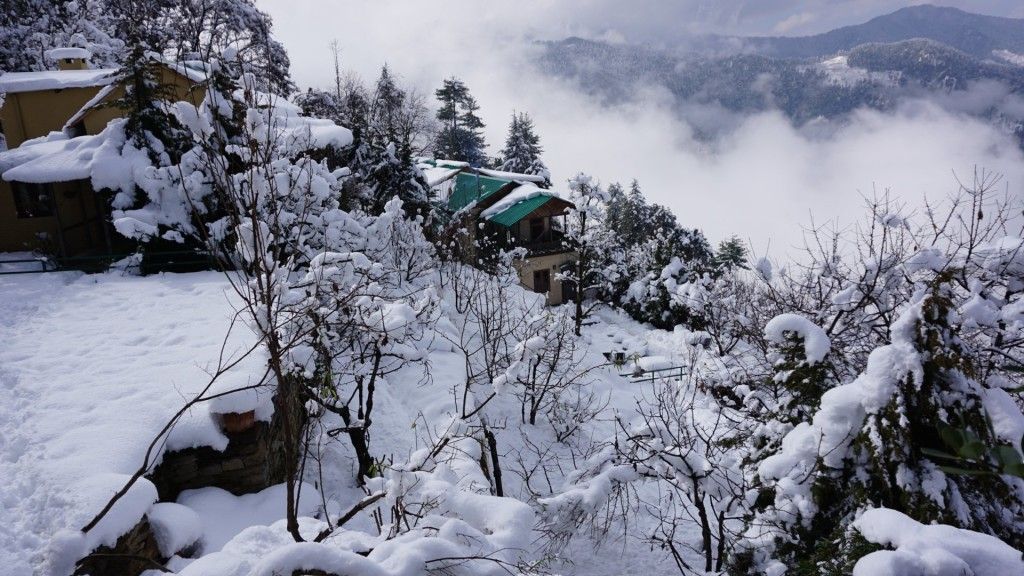
The post-monsoon period, spanning September to November, is another excellent season to plan a journey. Once the seasonal rains subside, the atmosphere clears to reveal sharp, crystalline views of the distant high peaks. Autumn brings crisp mountain air and golden hues to the deciduous trees before winter sets in. From December through March, Jalori Pass experiences heavy snowfall, which routinely closes the high road to vehicular traffic. While lower settlements near Anni remain accessible, travellers wishing to cross the pass in winter must monitor regional weather advisories and local road updates closely.
How to reach Jalori Pass and Anni
Reaching Jalori Pass involves navigating high-altitude mountain highways that wind through the interior valleys of Himachal Pradesh. From Chandigarh, the road distance is approximately 236 kilometres, requiring about 6 hours and 20 minutes of driving under typical conditions. Travellers setting out from Ludhiana face a drive of about 266 kilometres, which generally takes around 6 hours and 50 minutes. If starting from Amritsar, the journey covers roughly 378 kilometres and takes about 8 hours and 20 minutes.
For visitors coming from further afield, the road from Dehradun measures around 407 kilometres, translating to an approximate driving time of 9 hours and 50 minutes. The capital city of New Delhi lies about 494 kilometres away, representing a drive of approximately 10 hours and 30 minutes. Depending on your route, you can approach either via Shimla, Narkanda, and Luhri to ascend through Anni, or travel through Mandi, Aut, and Banjar to ascend from the Tirthan side. Because mountain driving conditions can change quickly due to weather or road maintenance, these travel times should always be treated as general estimates.
Practical tips for your visit
Driving through the Jalori Pass corridor demands patience and a well-maintained vehicle. The road features steep gradients, narrow single-lane stretches, and unpaved patches, particularly as you approach the highest ridge. Drivers should make deliberate use of lower gears and engine braking when descending, rather than riding the brakes. It is advisable to check local conditions before departing, especially during transition seasons when early snowfall or late winter melts can create slick, icy surfaces.
Weather on the pass can shift rapidly, with sudden cold winds and mountain mist descending even on sunny afternoons. Visitors should dress in warm, versatile layers and pack sturdy, water-resistant footwear for hiking trails like Serolsar Lake. Banking facilities and fuel stations are scarce at the pass summit, so ensure your fuel tank is filled in larger staging towns like Banjar, Luhri, or Anni, and carry adequate cash for food and incidental local purchases.
Where to stay near Jalori Pass and Anni
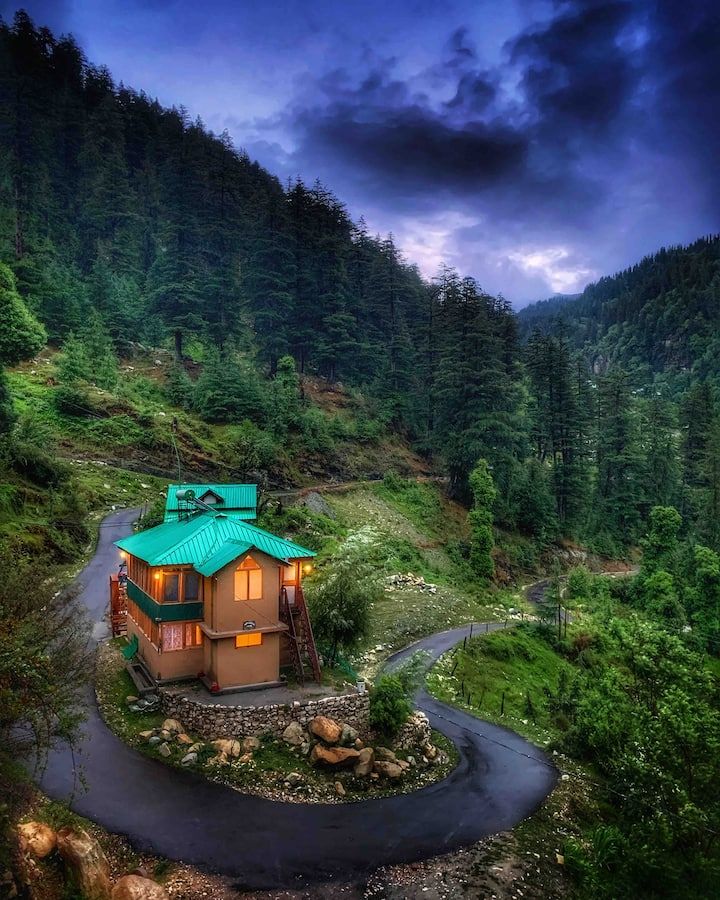
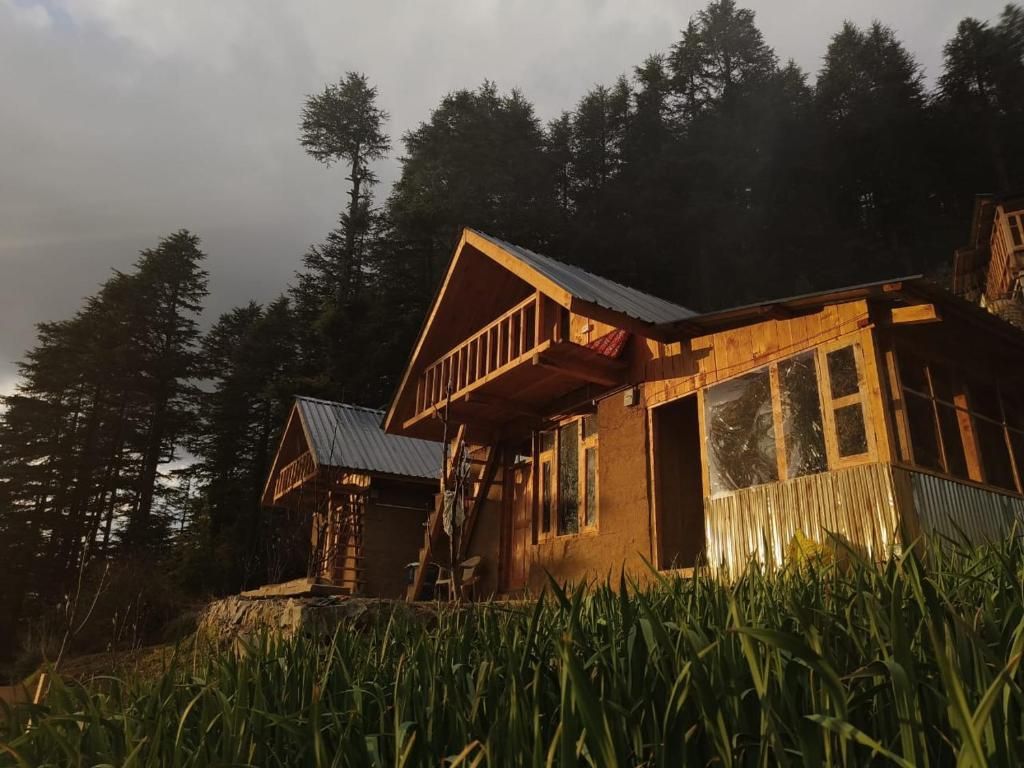
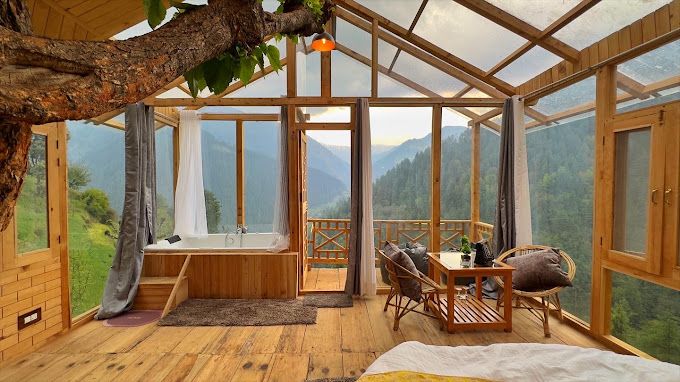
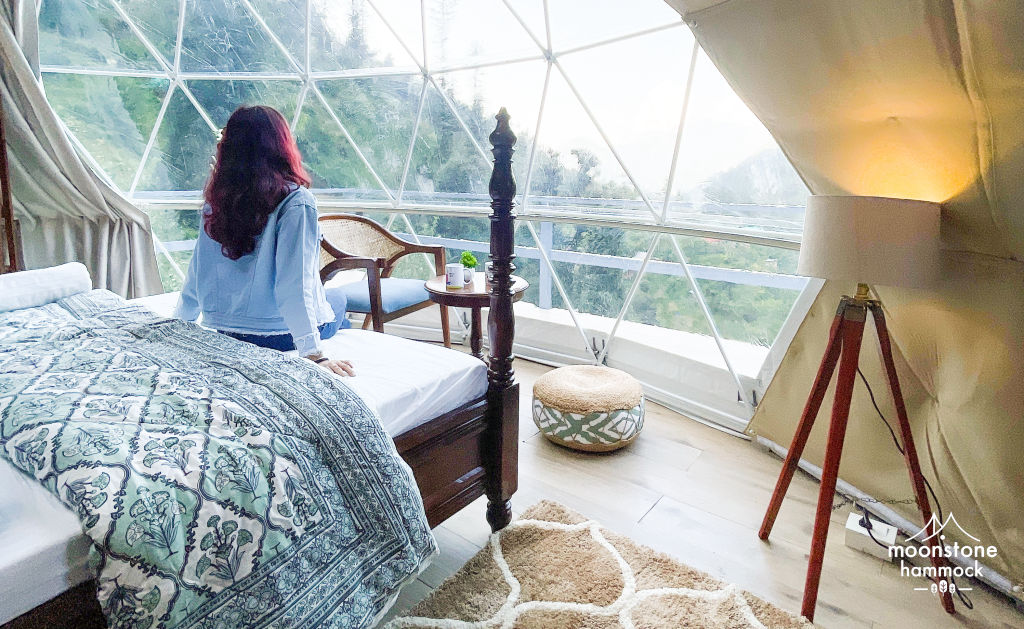
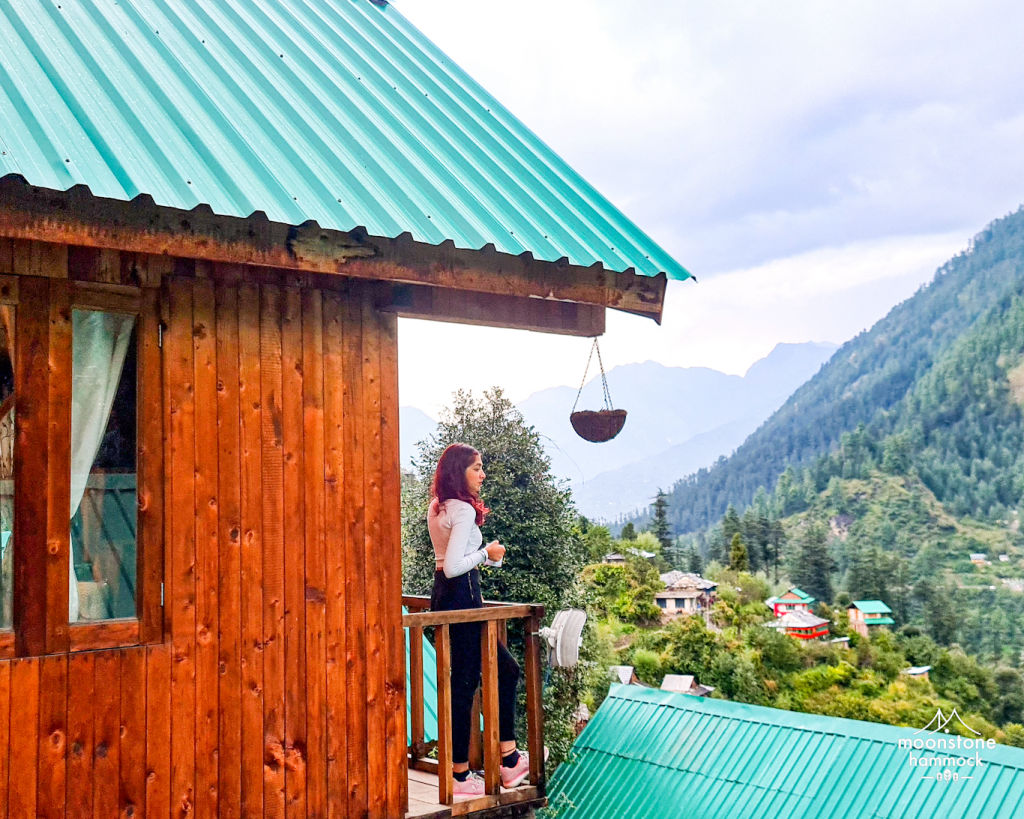
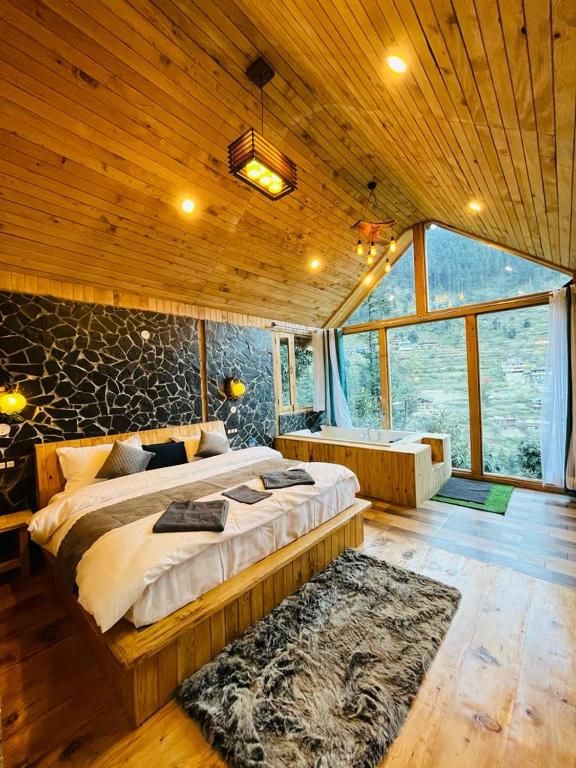
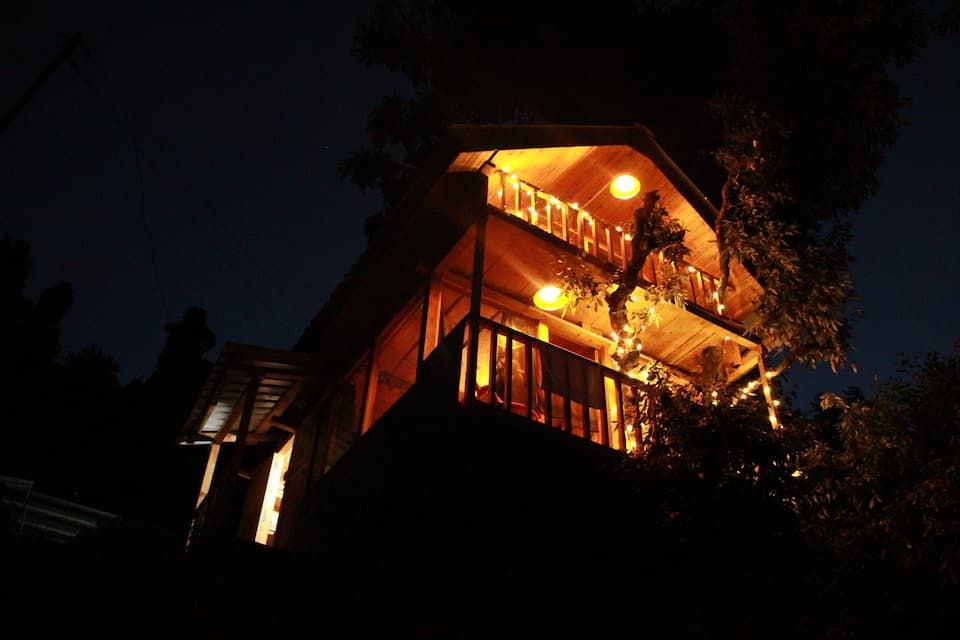
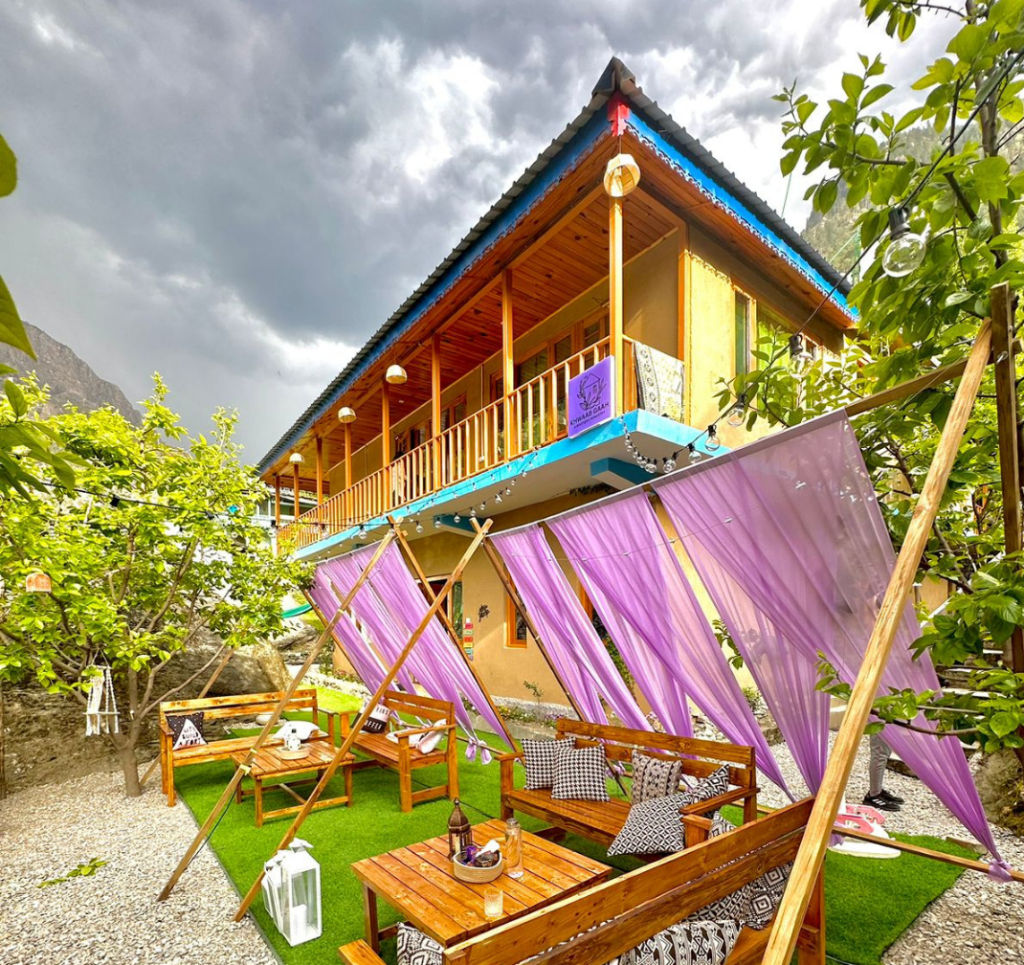
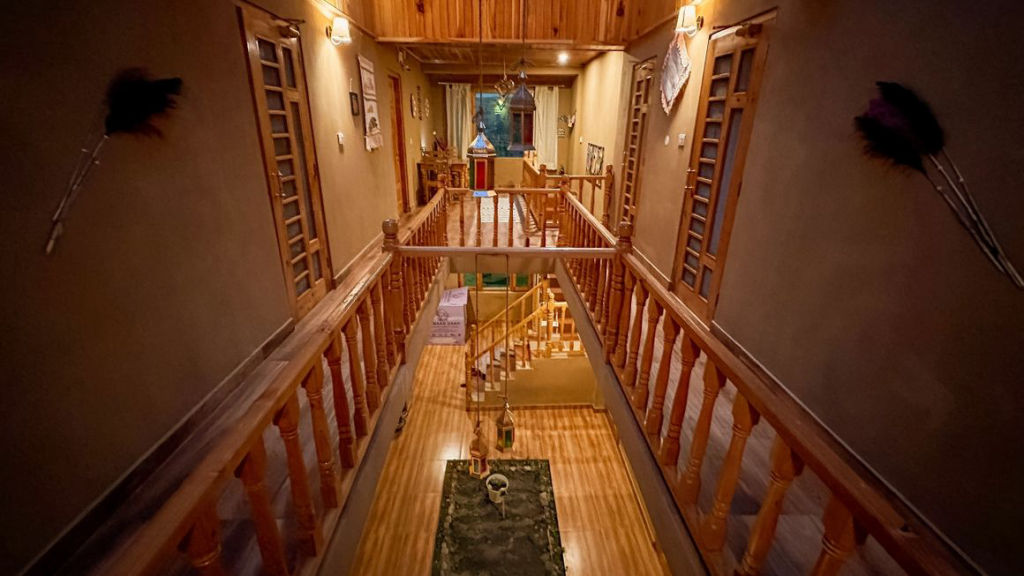
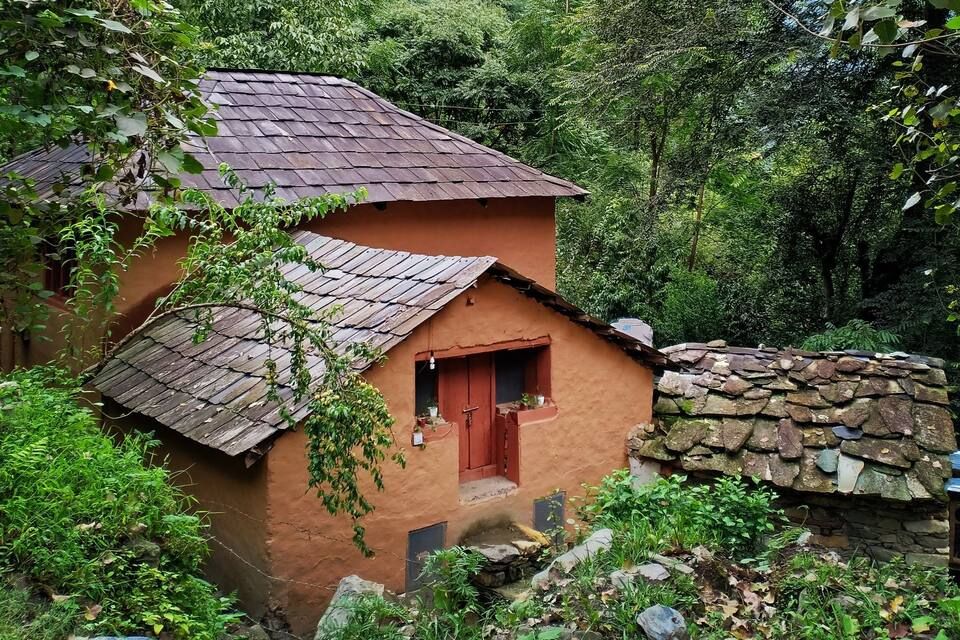
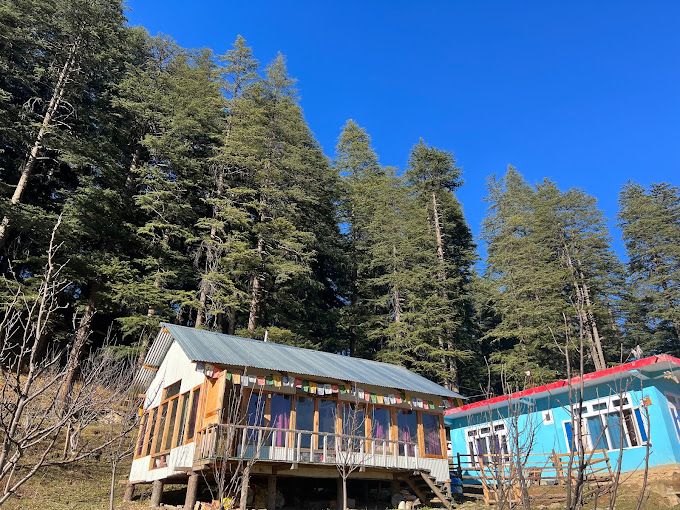
Accommodation in the vicinity of Jalori Pass and Anni focuses largely on nature immersion and community-based hospitality. Travellers can find peaceful riverside homestays, village guest houses, and seasonal alpine campsites spread throughout the lower valleys and high meadow fringes. Staying in these rural lodgings allows visitors to experience traditional Himachali food and authentic wooden architecture while enjoying quiet mountain nights.
Whether you prefer an eco-friendly campsite under pine canopies or a comfortable family-run homestay close to the ridge trails, verified stays across the Seraj and Tirthan regions can be explored and booked on HireACamp. Booking your stay in advance is recommended during the peak spring and autumn trekking seasons.
Frequently asked questions
Where is Jalori Pass located?
Jalori Pass is located in the outer Seraj region of Himachal Pradesh, connecting the Kullu Valley with the Anni and Shimla districts.
How long is the trek to Serolsar Lake from Jalori Pass?
The trek to Serolsar Lake starts directly near the pass and covers an easy to moderate trail through oak forests, typically taking a few hours to complete both ways.
Is the road through Jalori Pass open throughout the year?
The pass is open from spring through late autumn, but heavy snowfall often closes the highest section of the road during the peak winter months from December to March.
What should I keep in mind while driving over Jalori Pass?
The pass road has narrow bends, steep gradients, and unpaved sections, requiring careful driving in lower gears and checking current road conditions locally before attempting the climb.
What valleys can I explore near Jalori Pass?
Visitors can easily explore the peaceful village of Gadagushaini, the riverbanks of Tirthan Valley, and the open meadow village of Shangarh, which are all situated within driving distance.
Where you'll be
12 stays nearby shown with prices
Stays near Jalori pass , Anni
Book a place to stay close by
Things to do in Jalori pass , Anni
48 places creators recommend within 30 km


Built from 0 Instagram posts by 0 creators. Every tip links back to the post it came from, and where creators disagree we show both sides.






