
Serolsar Lake
Lake near Sajwar, Himachal Pradesh
2.1 km from Sajwar
The nearest town, for stays, food and fuel.
Serolsar Lake is a high-altitude freshwater lake situated in the outer Seraj belt of Himachal Pradesh, accessible by a forest trail from Jalori Pass. Set among dense stands of oak and rhododendron, the lake is deeply revered by local communities who associate it with the deity Budhi Nagin. Travellers visit the lake for its gentle wilderness trek, tranquil natural surroundings, and panoramic mountain landscapes along the ridgelines.
Getting there
By road
- From SajwarNearest town38 min · 22 km
- From Chandigarh5 hr 10 min · 244 km
- From Ludhiana5 hr 35 min · 274 km
- From Dehradun7 hr 25 min · 373 km
Typical drive times without traffic. Stations and airports from OLA Maps; distances and typical drive times from OpenStreetMap (© OpenStreetMap contributors); notes from creators' Reels.
About Serolsar Lake
Written with AI from map data and general knowledge. Check prices and timings locally before you go.
About Serolsar Lake and Its Folklore
Serolsar Lake sits at an altitude of over 3,100 metres in the mountains between Kullu and Mandi districts, near the sub-divisional town of Ani. Unlike high-elevation glacial lakes surrounded by barren scree, Serolsar is enveloped by lush forest cover that keeps the surroundings cool and shaded. The water remains remarkably clear throughout the active season, mirroring the surrounding canopy.
The lake holds immense spiritual value across the Seraj region. On its northern bank stands a modest stone and wood shrine dedicated to Mata Budhi Nagin, the mother serpent deity in local Pahari folklore. Villagers from nearby settlements travel here to perform rituals, pray for prosperity, and offer clarified butter to the lake waters. An enduring regional legend claims that small birds promptly remove any stray leaves or debris that land on the water, keeping its surface pristine. Out of respect for sacred tradition and fragile alpine ecology, walking on the frozen surface in winter or dipping feet into the water is strictly discouraged by the local community.
The Trek from Jalori Pass to Serolsar Lake
The journey to Serolsar Lake begins at Jalori Pass, a high mountain pass that connects the inner and outer Seraj regions. The trail covers roughly five kilometres each way and is widely regarded as one of the gentlest high-altitude walks in Himachal Pradesh. The path begins behind the temple ridge at Jalori Pass and weaves along the contours of the mountain with mild ascents and descents rather than abrupt climbs.
For the first couple of kilometres, the route winds through ancient Himalayan oak, cedar, and fir trees. Sunlight filters through the canopy, creating comfortable conditions even during bright midday hours. In late spring, rhododendrons bloom in shades of scarlet and pink across the slopes. The trail passes a few open meadows where local shepherds graze their flocks during the warmer months, offering wide views of the Pir Panjal and Great Himalayan ranges in the distance.
The final section of the trail descends slightly into a quiet depression where the lake rests in a natural hollow. Completing the walk typically takes between two and three hours at an unhurried pace, making it well-suited for families, beginners, and seasoned hikers looking for a relaxed day hike.
Read more
Best Time to Visit Serolsar Lake
The trek to Serolsar Lake is accessible for most of the year, though each season brings a distinct climate and visual setting. The most popular window runs from April through June when the snow around Jalori Pass melts and trails clear up. Daytime temperatures during these spring and early summer months are pleasantly mild, making hiking enjoyable, though evenings on the ridgeline stay cool.
The monsoon months of July and August bring lush greenery and misty atmospheric conditions to the oak forests. However, this period demands extra caution because heavy rainfall can cause loose soil, slippery mud, and localized rockfall along the road to Jalori Pass. Leeches may also be encountered in the undergrowth during damp weather.
Autumn, covering September through November, offers some of the clearest skies and crispest views of distant Himalayan summits. Forest foliage begins shifting toward golden hues, and rainfall is minimal. By mid-to-late December, heavy snowfall typically shuts Jalori Pass to regular vehicular traffic. Experienced winter hikers still approach the trail when conditions permit, but navigating the route in deep snow requires sturdy waterproof boots, thermal clothing, and local guidance.
How to Reach Serolsar Lake
Reaching Serolsar Lake requires traveling by road to Jalori Pass, from where the hike must be completed on foot. Jalori Pass sits on the highway connecting Ani with the Banjar and Tirthan valleys. The nearest airport with scheduled commercial flights is Bhuntar Airport near Kullu, while the broad-gauge railway hub at Chandigarh serves as the major transit gateway for long-distance trains.
From Chandigarh or Shimla, travelers can drive northward toward Ani and proceed up toward the pass. Alternatively, travelers coming from the Mandi or Manali side branch off from Aut through the tunnel, driving along the Tirthan Valley road past Banjar and Jibhi before climbing the steep switchbacks to Jalori Pass. The road leading to the pass is narrow and steep in several stretches, requiring careful driving and vehicles with dependable ground clearance and brakes.
Once at Jalori Pass, private cars and taxis are parked near the pass roadhead. The trail to Serolsar Lake is marked and easily followed on foot from there. Hikers should aim to begin their walk early in the day to allow plenty of time to explore the lake and return before sunset.
Tips for Your Visit to Serolsar Lake
Preparation is key to a smooth trek, even on a straightforward trail. Wearing sturdy shoes with reliable grip is essential, as the forest floor can have slick moss, loose stones, and exposed roots. Because mountain weather changes rapidly, carrying a lightweight waterproof jacket and a warm fleece layer is advisable regardless of how sunny the morning appears.
Carry sufficient drinking water and light trail snacks for the hike. While small seasonal tea stalls operate along parts of the trail in peak summer, they often pack up during leaner months or periods of bad weather. Always pack out any trash you generate, including food wrappers and plastic bottles, to ensure this sensitive mountain habitat remains clean.
Cellular reception along the path and around the lake is weak and intermittent. Inform someone of your planned return time before leaving the main roadhead at Jalori Pass. Lastly, treat the shrine of Budhi Nagin and the lake waters with quiet respect, keeping noise levels low so that native wildlife and fellow hikers can enjoy the forest peace.
Places to Visit Near Serolsar Lake
The area surrounding Serolsar Lake offers several cultural and outdoor destinations within the broader Mandi, Ani, and Kullu belts. Directly at the start of the hike is Jalori Pass itself, famous for panoramic views of surrounding valleys and windswept ridgelines. Another short hike from the pass leads up to the historic Raghupur Fort ruins, which feature remnant stone walls and open alpine meadows.
Further down into the valley lies the tranquil hamlet of Gadagushaini, alongside the traditional pastoral landscape of Shangarh in Sainj Valley, home to sprawling meadows and the distinct tiered architecture of the Shangchul Mahadev Temple. The expansive forests of the Great Himalayan National Park sit further north, offering opportunities for multiday wilderness trekking. In the direction of Ani and Mandi, travelers interested in historic temple architecture can visit ancient shrines such as Shamshar Mahadev Temple, Magru Mahadev Temple, and Kamru Naag.
Where to Stay Around Serolsar Lake
Direct accommodation at Serolsar Lake is minimal, as overnight camping on the lake banks is restricted by local authorities and village councils to safeguard water purity and sacred grounds. Most travelers choose to base themselves in the surrounding valleys and visit the lake as a day trip.
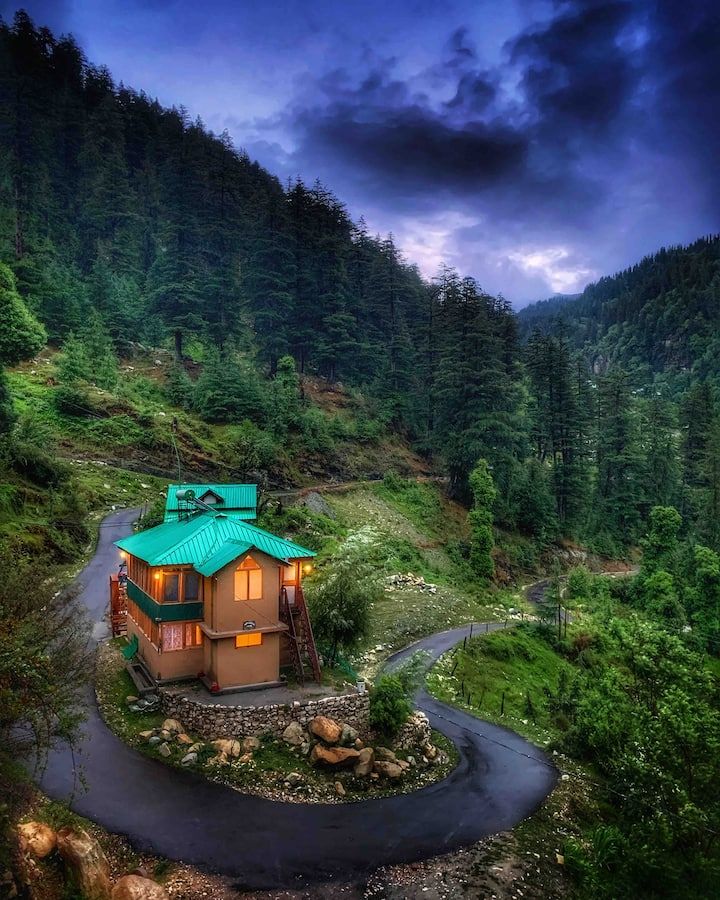
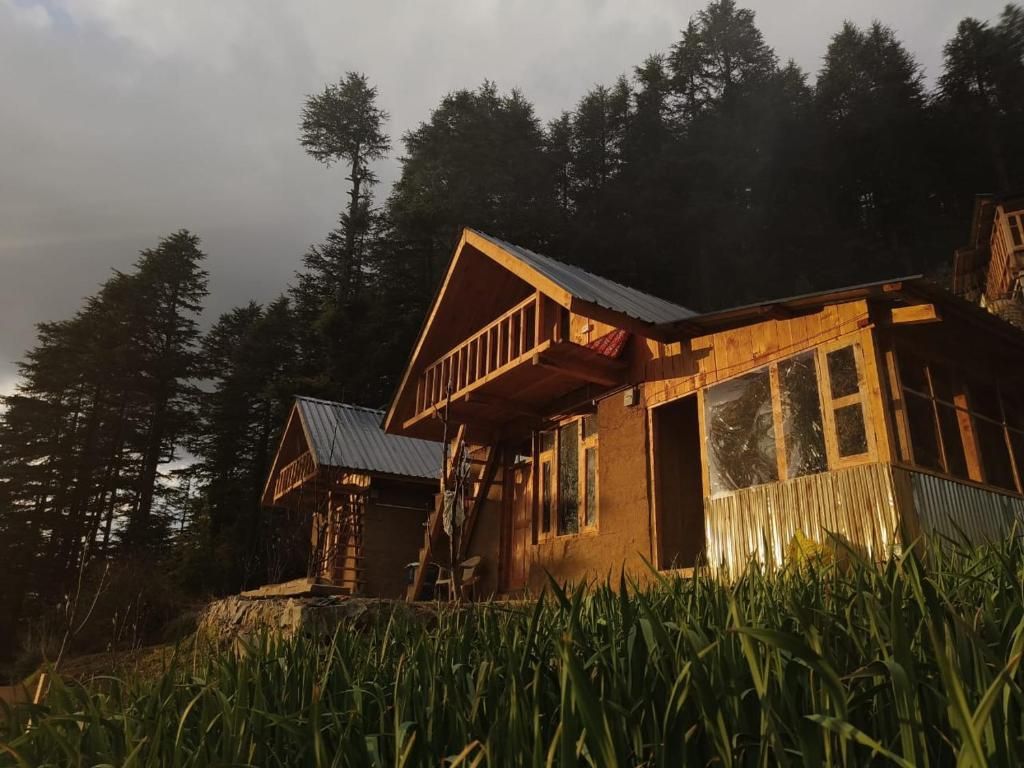
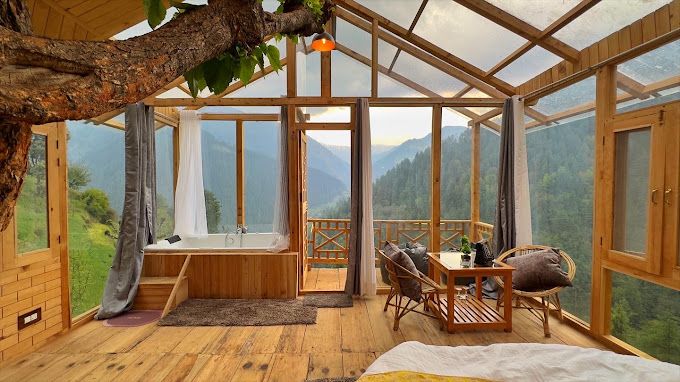
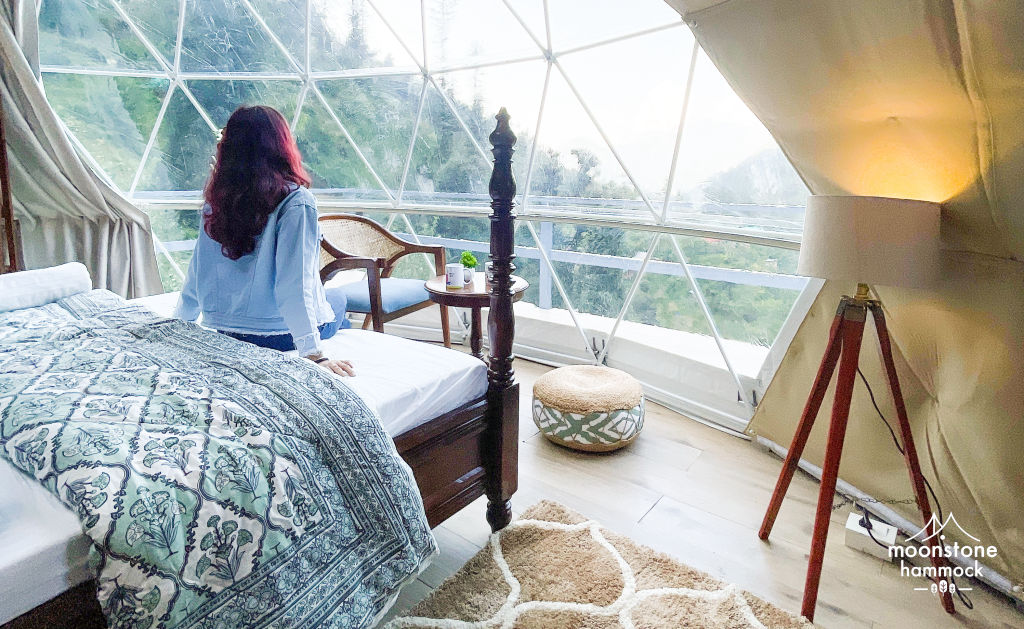
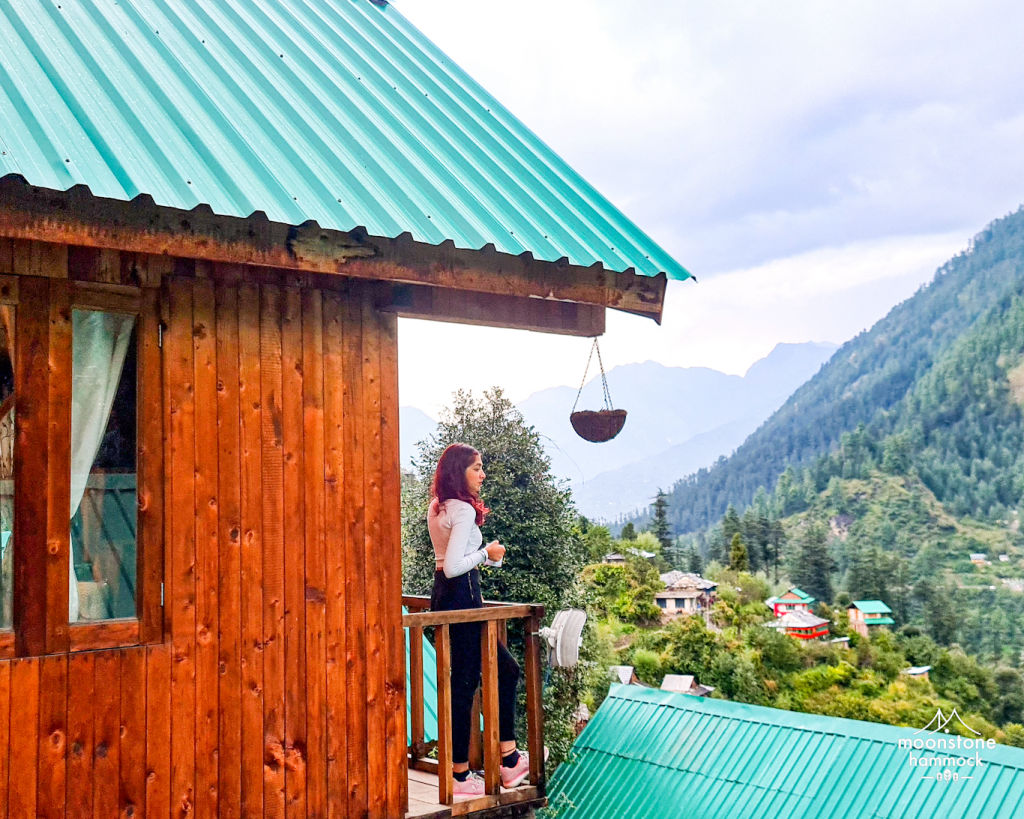
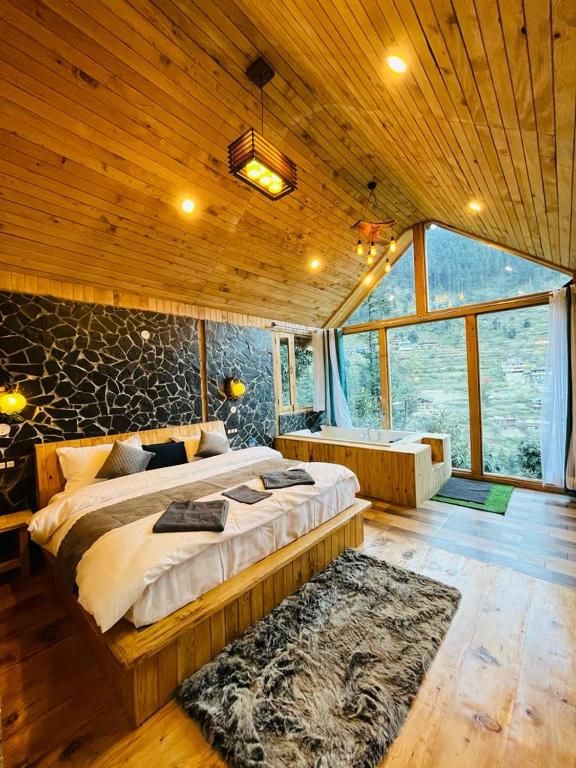
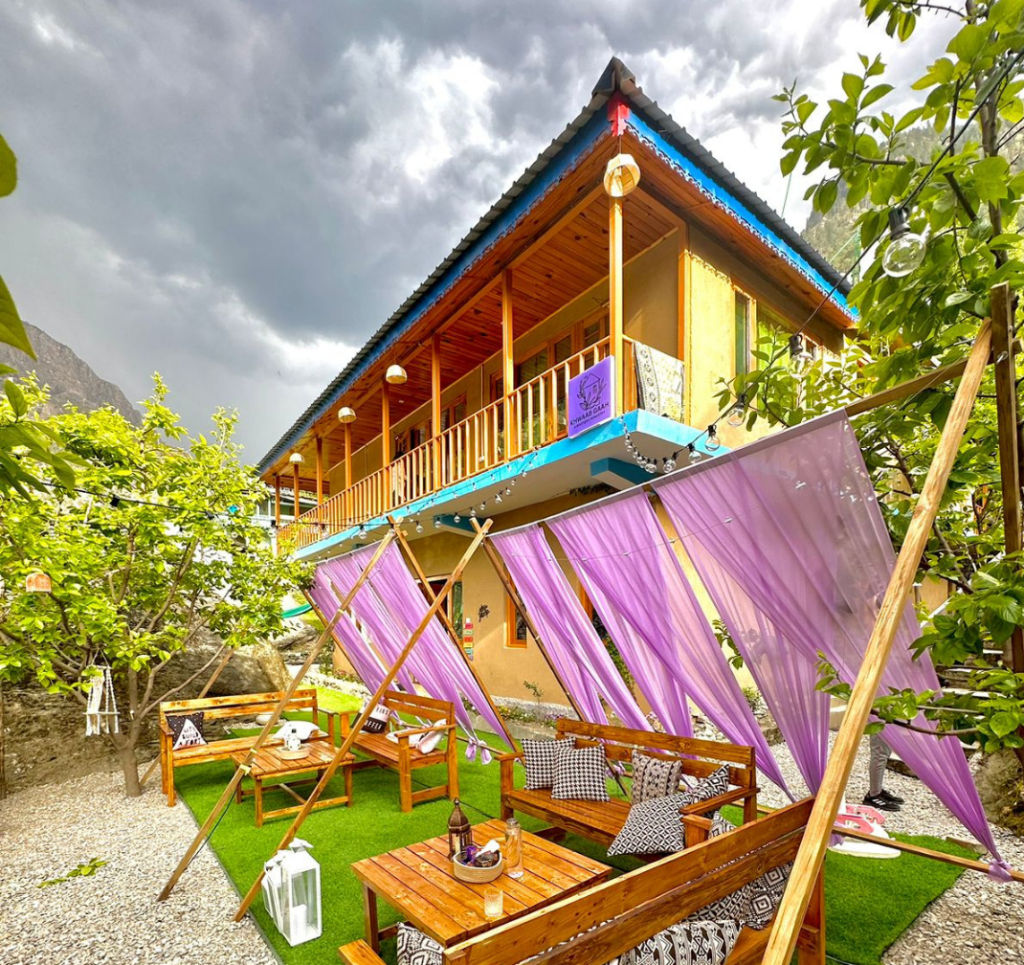
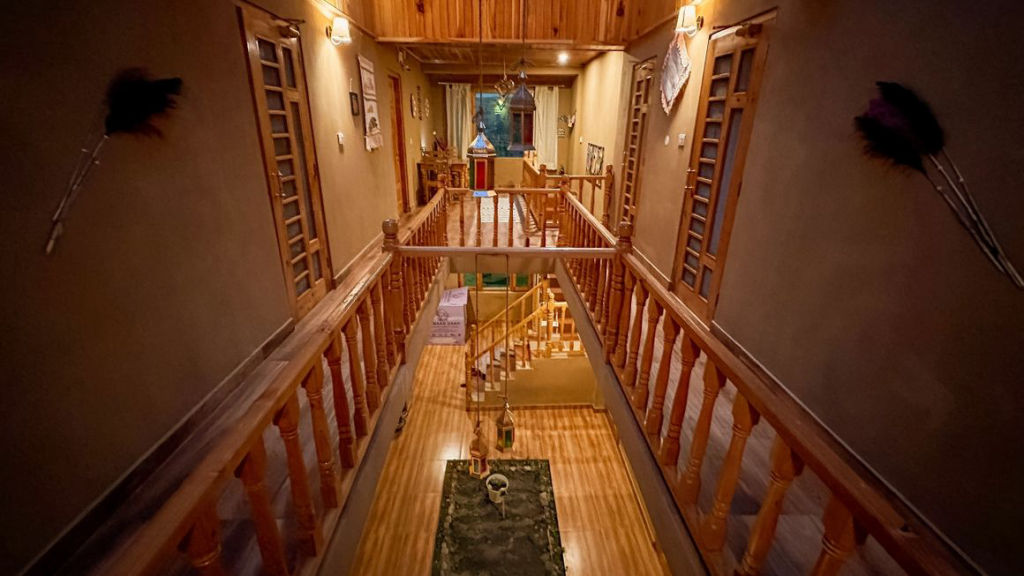
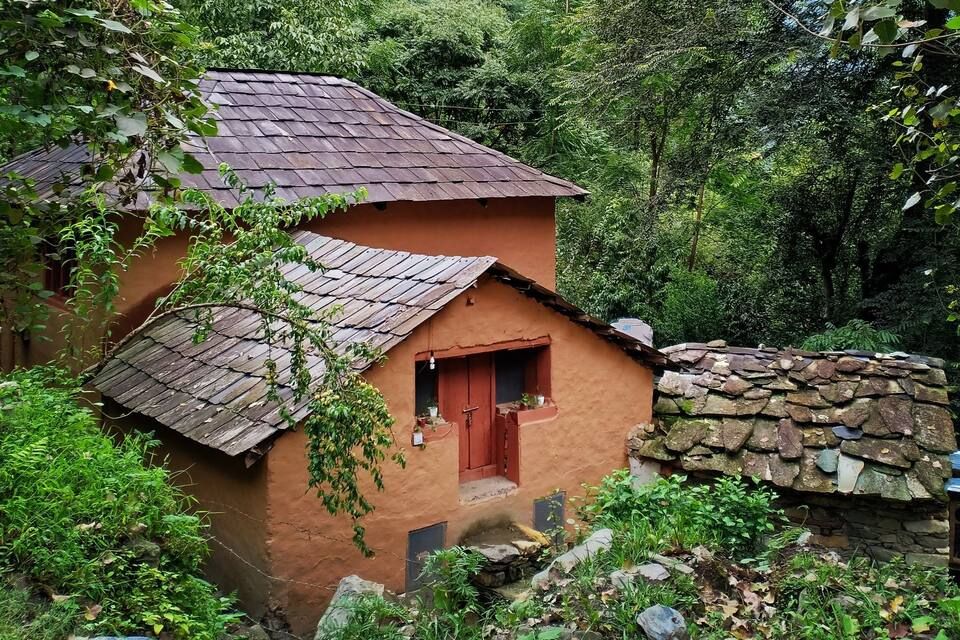
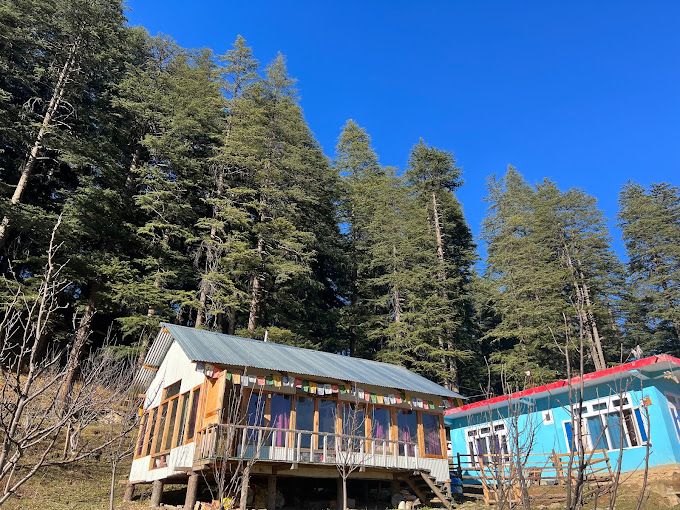
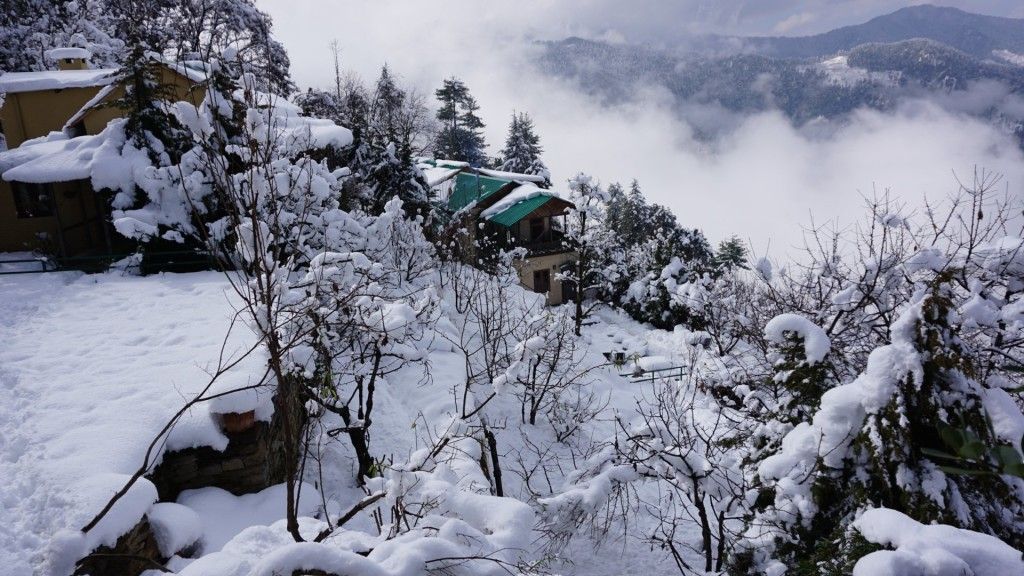
A wide selection of stays can be found along the approach routes on HireACamp. Travelers exploring from the northern flank often choose rustic homestays, wooden cottages, or riverside campsites in nearby mountain hamlets and along the Tirthan Valley corridor. Those arriving through Ani can find traditional guesthouses and nature lodges in quieter rural hamlets nearby. Staying in these surrounding communities provides comfortable amenities while keeping you within a scenic morning drive of the Jalori Pass trailhead.
Frequently asked questions
How long is the trek to Serolsar Lake?
The trek is approximately five kilometres each way starting from Jalori Pass. Most hikers complete the one-way walk in two to three hours at a comfortable, steady pace.
Can you camp directly beside Serolsar Lake?
Pitching tents right by the edge of the lake is generally discouraged or prohibited to protect the local environment and honor the resident deity, Budhi Nagin. Hikers typically stay at established campsites or homestays in nearby villages and visit the lake on a day hike.
Is the trail to Serolsar Lake difficult for beginners?
No, the path is considered easy to moderate with mostly gentle gradients through shaded forest trails. It is well suited for beginners, children, and casual walkers with basic fitness.
What is the spiritual significance of Serolsar Lake?
The lake is sacred to Mata Budhi Nagin, regarded in regional Pahari tradition as the mother of serpent deities. Local residents hold annual pilgrimages and rituals here, and visitors are expected to maintain reverence around the shrine and water.
Is Serolsar Lake open during the winter?
While the lake remains accessible on foot for experienced hikers, Jalori Pass frequently receives heavy snow from late December through March, often blocking road access. Anyone attempting the hike in winter should check local road conditions and carry suitable cold-weather gear.
Where you'll be
Jalori Pass, Jalori, Sajwar, Ani, HP · 12 stays nearby shown with prices
Stays near Serolsar Lake
Book a place to stay close by
More places near Serolsar Lake
Within 20 km


Built from 0 Instagram posts by 0 creators. Every tip links back to the post it came from, and where creators disagree we show both sides.






