
Jim Corbett National Park
Park near Ramnagar, Uttarakhand
600 m from Ramnagar
The nearest town, for stays, food and fuel.
Jim Corbett National Park is India's oldest national park, nestled in the sub-Himalayan foothills of Nainital and Pauri Garhwal districts near Ramnagar in Uttarakhand. Renowned for its rich population of Bengal tigers, Asian elephants, and diverse birdlife, it attracts wildlife enthusiasts and nature lovers from across the globe. Visitors come to explore its expansive sal forests, rolling grasslands, and the meandering Ramganga River.
Getting there
By road
- From RamnagarNearest town1 min · 600 m
- From Dehradun4 hr 50 min · 232 km
- From New Delhi5 hr 30 min · 261 km
- From Chandigarh9 hr · 421 km
Typical drive times without traffic. Stations and airports from OLA Maps; distances and typical drive times from OpenStreetMap (© OpenStreetMap contributors); notes from creators' Reels.
About Jim Corbett National Park
Written with AI from map data and general knowledge. Check prices and timings locally before you go.
The Landscape and Legacy of Jim Corbett National Park
Established in 1936 as Hailey National Park, Jim Corbett National Park holds the distinction of being the first national park created in mainland Asia. It was later renamed in honour of the renowned hunter, tracker, and naturalist Jim Corbett, whose writings immortalised the wildlife and geography of the Kumaon region. The park also marked the inception of Project Tiger in 1973, cementing its place at the forefront of wildlife conservation in India.
Geographically, the reserve spans a vast expanse of hills, riverine belts, marshy depressions, and extensive grasslands known locally as chaurs. Altitudes vary from rolling river valleys to rugged ridges of the Shivalik foothills. The Ramganga River cuts across the landscape, serving as a primary lifeline for the park's inhabitants and creating scenic riverbanks flanked by dense sal, sheesham, and khair trees. This dramatic interplay of dense canopy, open riverbeds, and expansive meadows provides habitats that support exceptional biodiversity.
Wildlife and Flora in the Corbett Belt
The park is celebrated primarily as a stronghold of the endangered Royal Bengal tiger, supported by a healthy prey base of spotted deer, sambar, barking deer, and wild boar. Herds of wild Asian elephants frequently roam the broad chaurs and water corridors, particularly in and around Dhikala. Other notable mammals include the leopard, sloth bear, yellow-throated marten, Himalayan black bear, and various smaller carnivores.
Corbett is also an extraordinary destination for birdwatchers. Over six hundred species of resident and migratory birds have been recorded across the reserve and surrounding wetlands. Anglers and wildlife watchers along the Ramganga River may also spot gharials, mugger crocodiles, and the golden mahseer swimming in the clear currents. The forest flora is equally rich, dominated by mature sal trees, flowering semal, and bamboo thickets that paint the terrain in varying shades through the changing seasons.
Read more
Things to Do at Jim Corbett National Park
Wildlife safaris are the primary activity inside the park. Organised vehicle safaris allow travellers to enter designated ecotourism zones such as Dhikala, Bijrani, Jhirna, and Dhela, each offering distinct topographies and wildlife sighting opportunities. Canter safaris cater to larger groups in open grasslands, while open-top jeeps offer intimate journeys along forested tracks where guides and naturalists help decipher animal calls and tracks.
Beyond vehicle safaris, birdwatching walks along forest fringes, village walks around the foothills, and nature photography are highly rewarding. Travellers can also explore the local heritage by stopping at the Dhangarhi Museum, which showcases historical exhibits, antique wildlife photographs, and educational displays about the park's natural history and founding.
Best Time to Visit Jim Corbett National Park
The park experiences three distinct seasons, each offering a unique perspective on the landscape. Winter, lasting from November to February, brings crisp morning air, clear skies, and daytime temperatures well-suited for wildlife tracking. This is generally considered the peak travel window, as most tourist zones are accessible and bird activity is high with the arrival of winter migrants. Travellers should pack warm layers, as open safari vehicles can feel biting cold in the early dawn.
Summer spans from March to June. As temperatures rise and water sources dry up, animals congregate around the Ramganga River and remaining watering holes, making this season popular for dedicated wildlife photographers. The monsoon sets in between July and September, bringing heavy rainfall to the Shivaliks. While core zones such as Dhikala are typically closed to visitors during the rainy months due to track washouts, certain buffer zones like Dhela and Jhirna remain open subject to weather conditions. Always verify current park schedules locally before planning a monsoon visit.
How to Reach Jim Corbett National Park
The bustling gateway town for Jim Corbett National Park is Ramnagar, located at the edge of the Kumaon Terai. Ramnagar is directly connected to Delhi and other North Indian cities by road and regular train services. The overnight and daytime trains connecting Old Delhi railway station with Ramnagar make it one of the most accessible wilderness reserves in India.
Travellers driving from Delhi usually cover the route through Hapur, Moradabad, and Kashipur, arriving at Ramnagar in approximately five to six hours depending on highway traffic. Dehradun and Nainital also offer convenient road access through state highways. The closest domestic airport is Pantnagar, situated roughly eighty kilometres to the south, while the nearest major international airport is in New Delhi.
Places to Visit Nearby
The area surrounding Ramnagar offers several pleasant detours for visitors spending multiple days in the valley. Tumaria Dam, located a short drive to the southwest, serves as an expansive water reservoir that attracts numerous waterfowl and provides quiet vantage points for sunset views. Along the Kosi and Ramganga rivers, natural gravel banks invite gentle afternoon strolls away from the busier transit roads.
Cultural and religious landmarks are also scattered throughout the foothills. Shri Hanuman Dham, situated near Ramnagar, is an expansive temple complex known for its peaceful riverside setting and detailed stone architecture. Further up toward the hills, the Corbett Falls and the heritage home of Jim Corbett at Choti Haldwani offer glimpses into the colonial past and natural cascades set amid thick teak and sal woods.
Where to Stay and Travel Tips
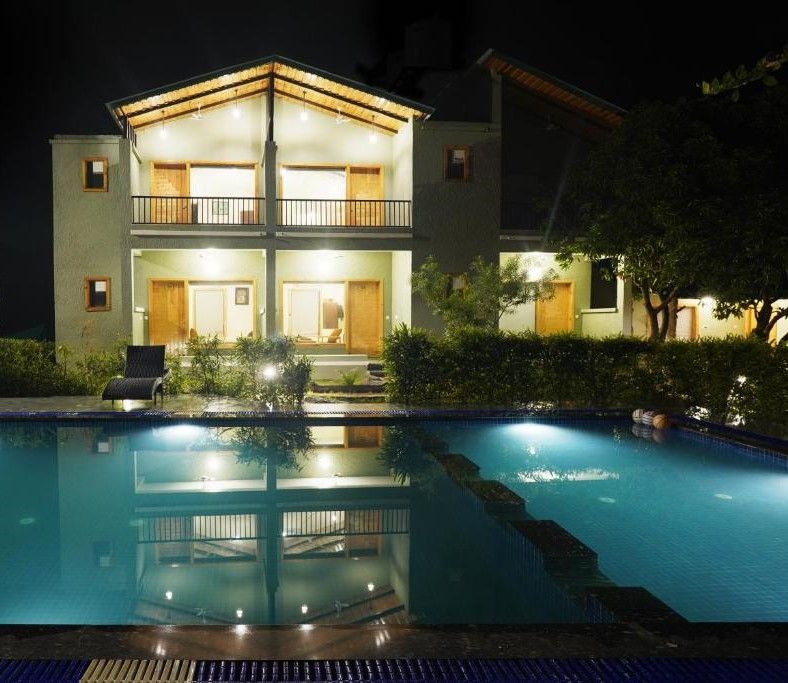
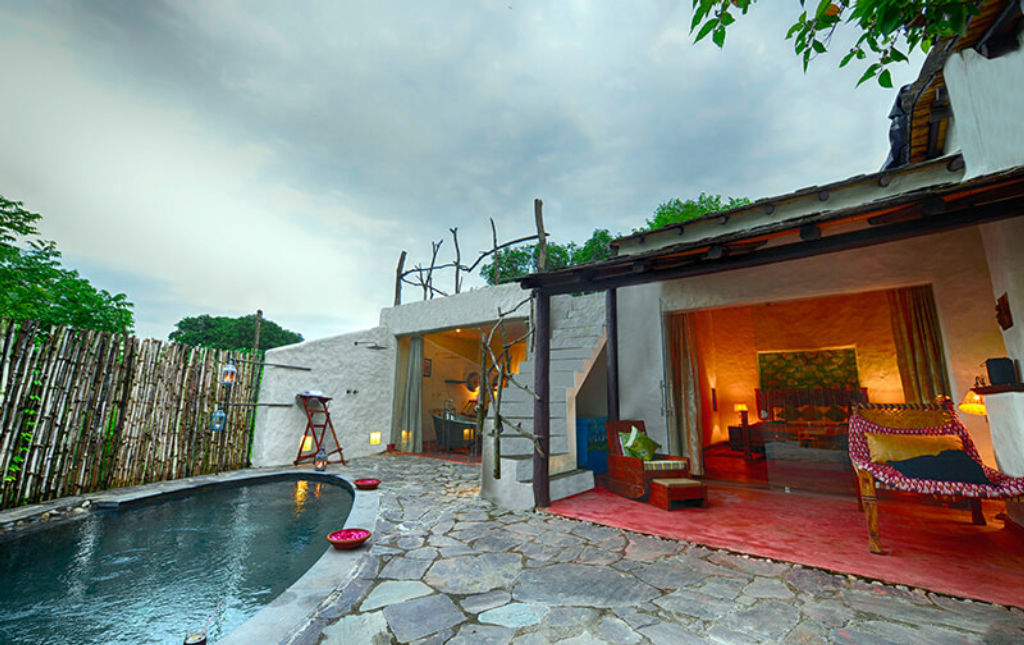
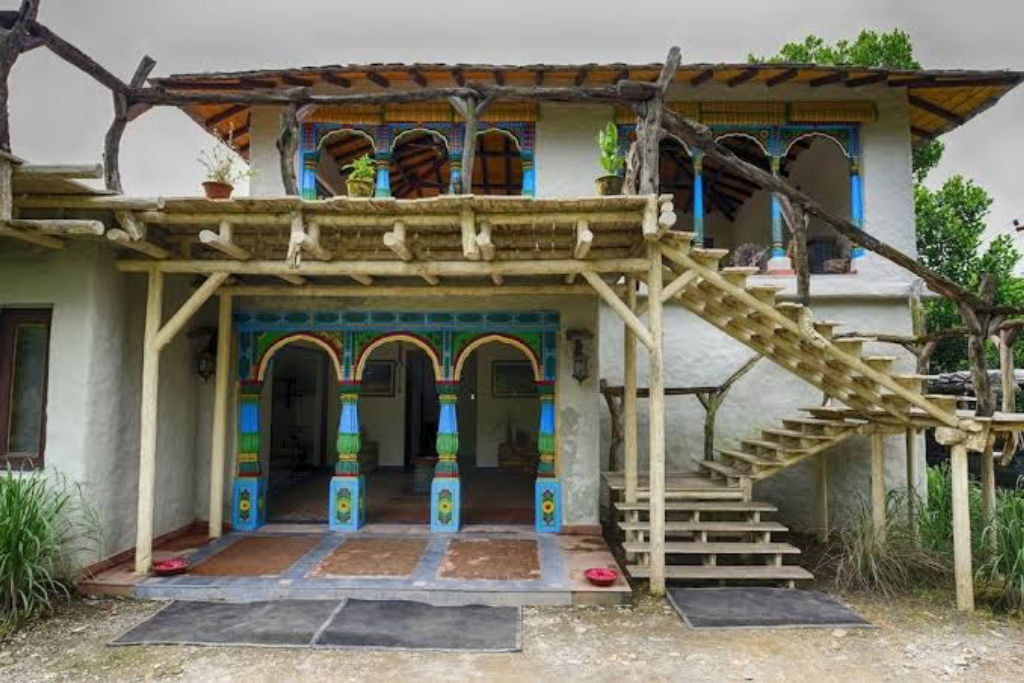
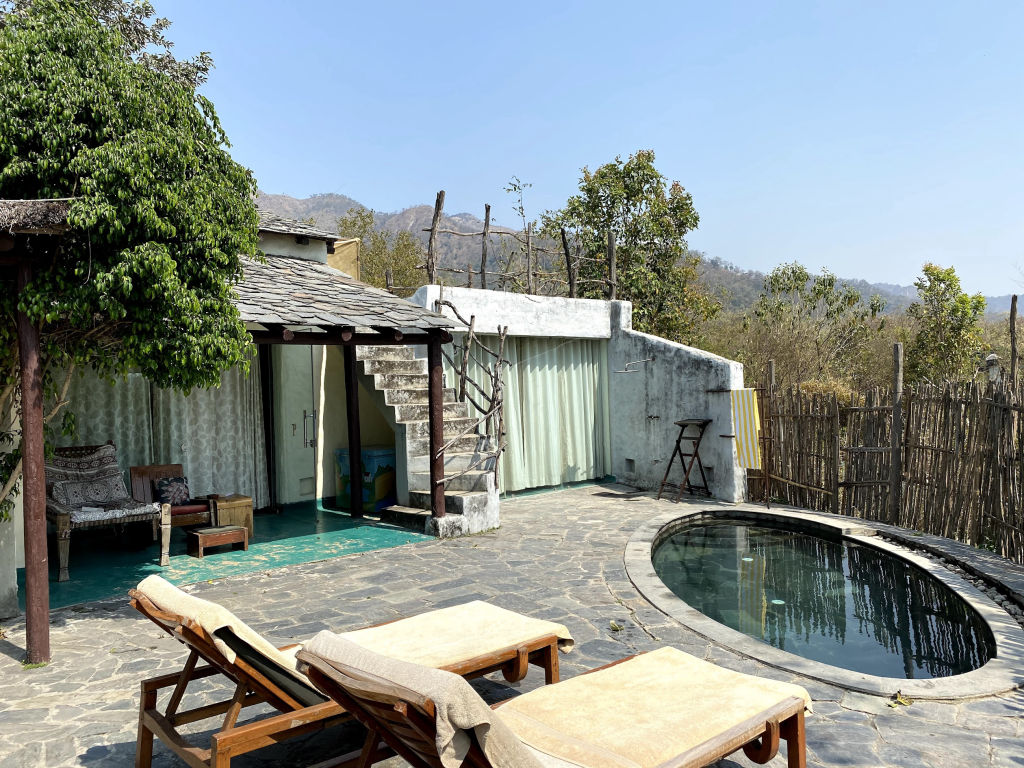
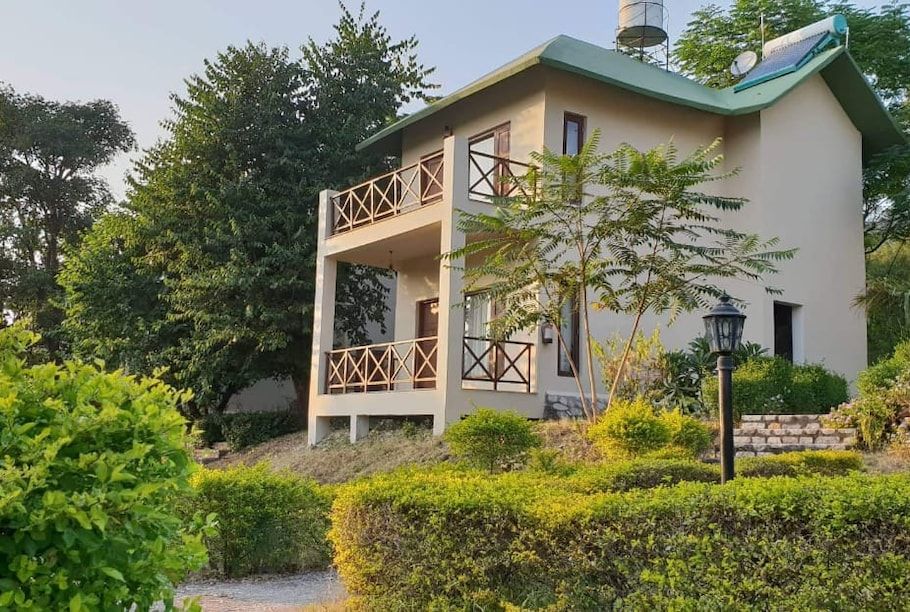
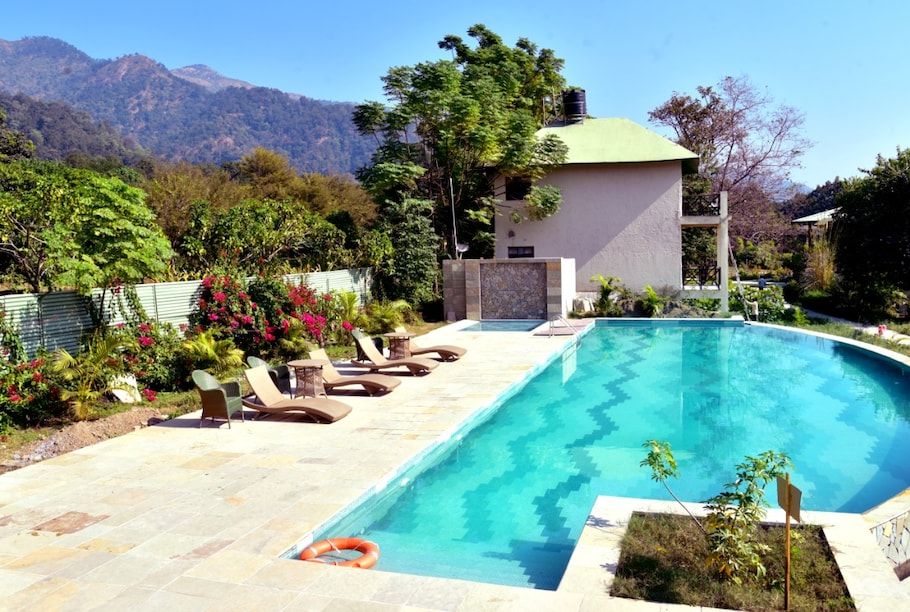
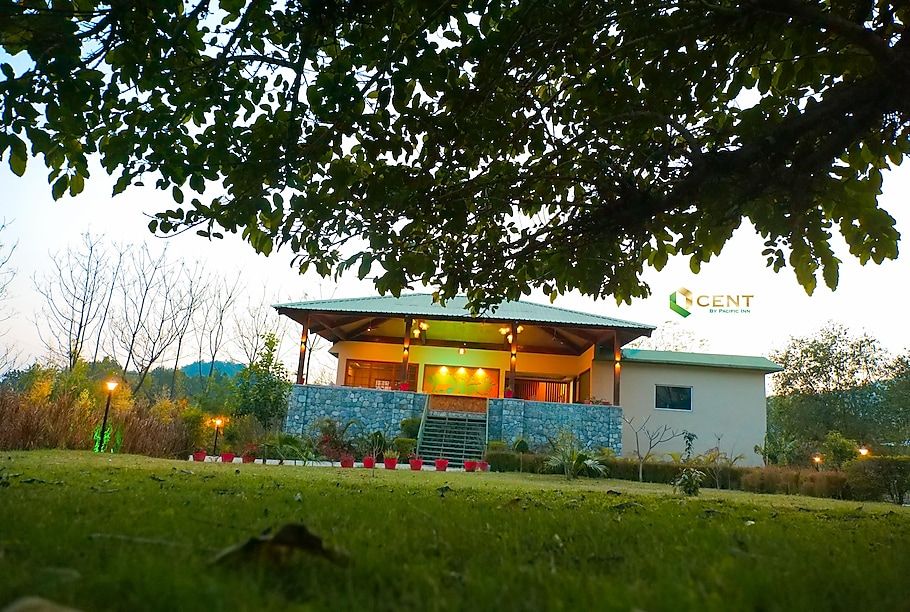
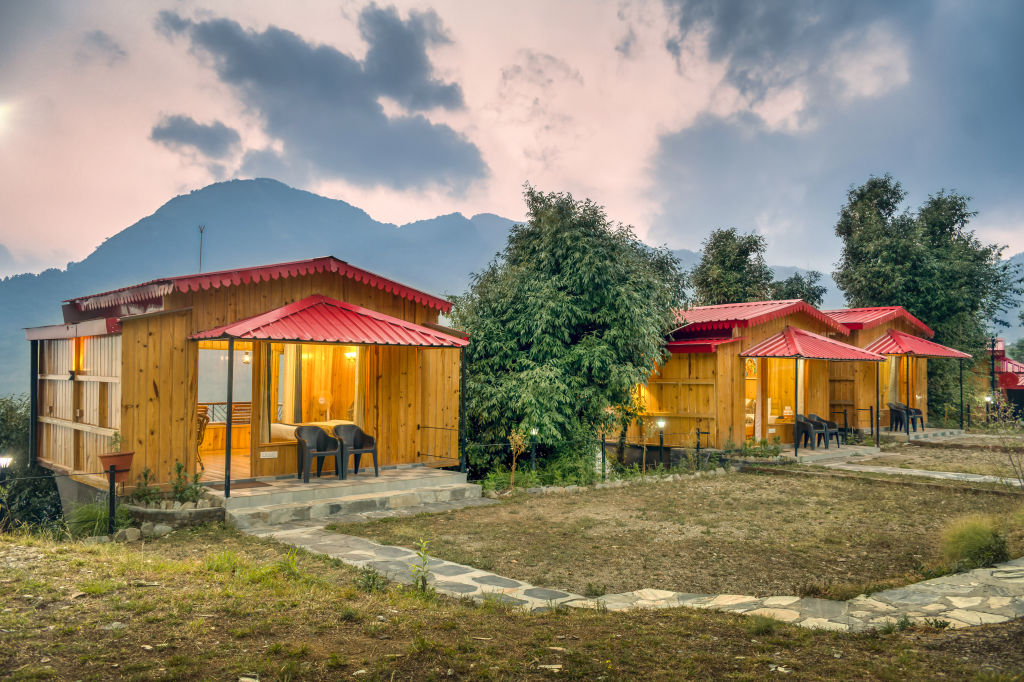
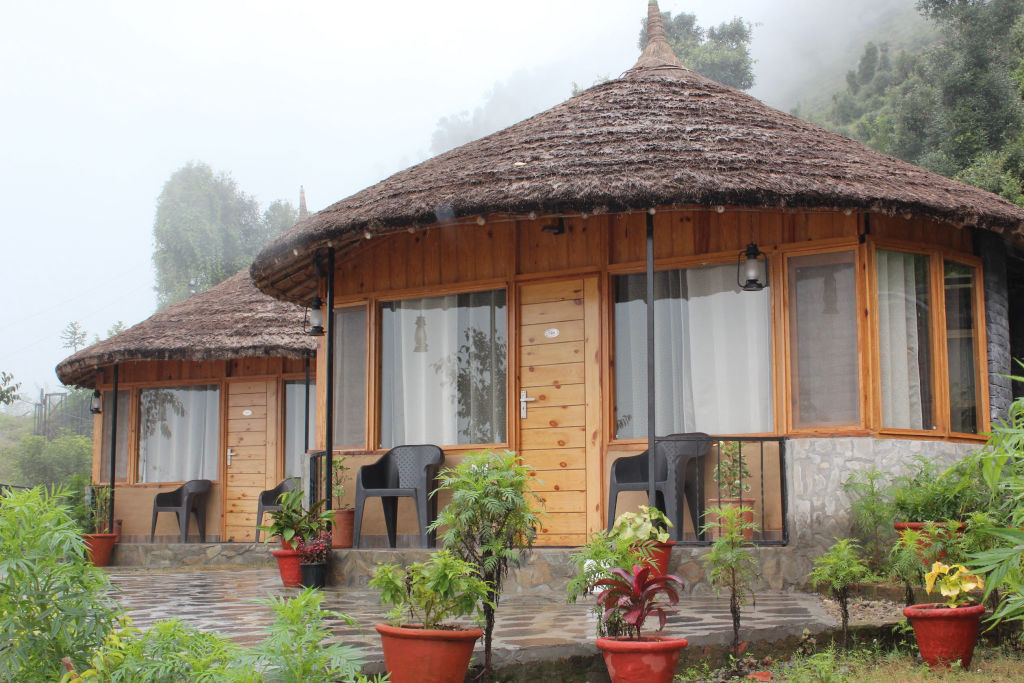
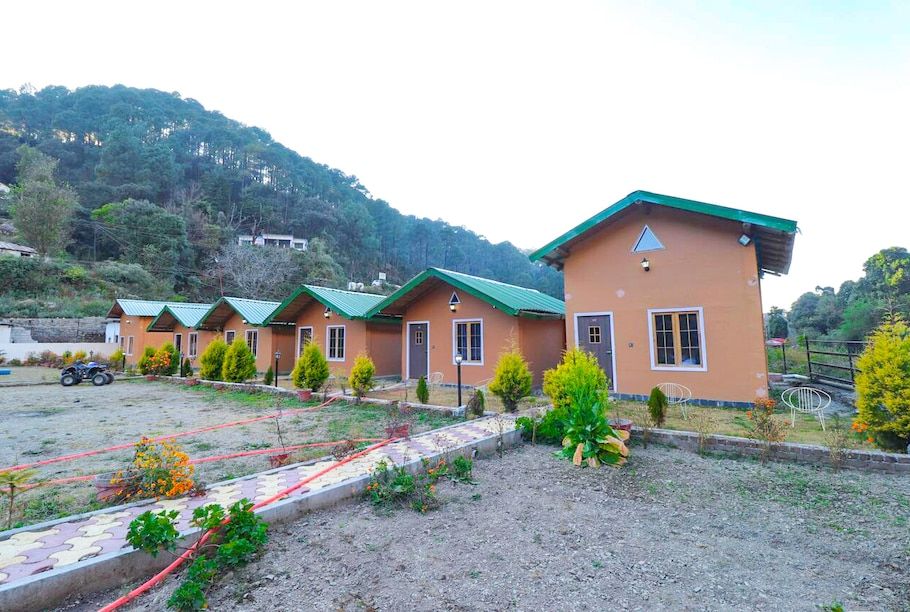
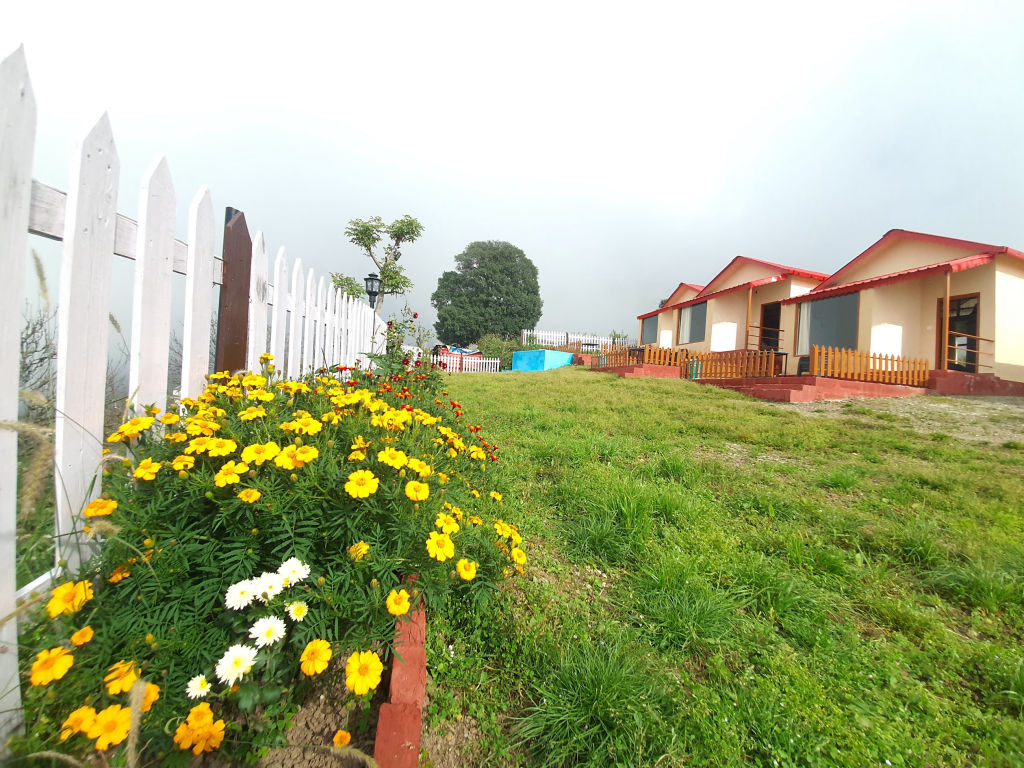
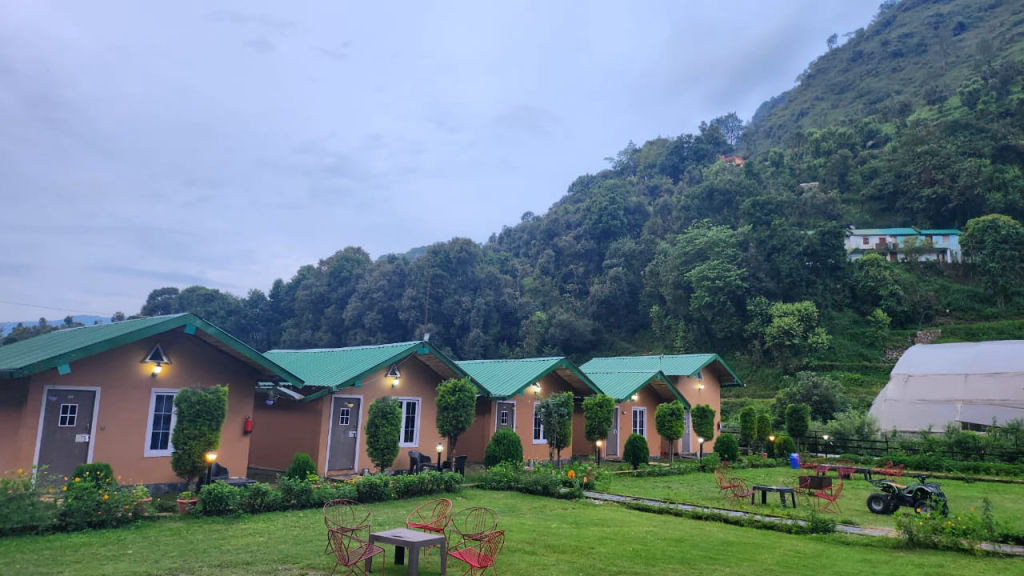
A diverse array of accommodations surrounds the boundary of the reserve, particularly along the banks of the Kosi River and near the entry gates of Ramnagar. Travellers can find rustic riverside camps, peaceful homestays, and village cottages listed on HireACamp. Staying near the designated safari gate of your chosen zone minimises travel time during early morning entries.
When packing for your trip, bring muted clothing in greens, browns, and khakis to avoid disturbing wildlife. Avoid bright colours and loud noises during safaris, and keep all plastics inside your vehicle. Safaris must be arranged in advance through authorised forest department portals, as daily vehicle quotas per zone are strictly regulated. Always carry valid photo identification matching your permit details.
Frequently asked questions
Which town is the main entry point for Jim Corbett National Park?
Ramnagar is the primary gateway town and railhead for Jim Corbett National Park, providing direct access to the park's main safari booking offices and entry gates.
Is Jim Corbett National Park open all year round?
Certain ecotourism zones such as Dhela and Jhirna typically remain open year-round, while key areas like Dhikala close during the monsoon season between July and October. It is advisable to verify exact opening schedules locally before booking.
What is the best way to book a safari in the park?
Safaris must be booked through the official Uttarakhand Forest Department booking channels well in advance, as the number of entry vehicles allowed per zone each day is strictly limited.
What kind of clothing should I pack for a safari in Corbett?
Wear earth-toned clothing such as olive, beige, or brown that blends into the forest. Heavy woollens and windproof jackets are essential for winter morning safaris, while light cottons and sun protection are best in the summer.
Are private vehicles allowed inside the core safari zones?
No, visitors cannot take private cars into the reserve zones. Safaris must be conducted in registered gypsy vehicles or forest department canters accompanied by a certified nature guide.
Where you'll be
Corbett City, Ramnagar · 12 stays nearby shown with prices
Stays near Jim Corbett National Park
Book a place to stay close by
More places near Jim Corbett National Park
Within 20 km
Built from 0 Instagram posts by 0 creators. Every tip links back to the post it came from, and where creators disagree we show both sides.






