
River Rafting in Ramnagar
Rafting near Ramnagar, Uttarakhand
700 m from Ramnagar
The nearest town, for stays, food and fuel.
River rafting in Ramnagar takes adventure enthusiasts along the swift, boulder-strewn waters of the Kosi River, set against the forested foothills of the lower Himalayas. Situated on the fringes of Jim Corbett National Park in Uttarakhand, the activity combines thrilling white-water rapids with expansive views of lush sal forests and rocky riverbanks. Travellers flock here to enjoy an accessible river expedition that complements wildlife safaris and outdoor exploration in the Corbett landscape.
Getting there
By road
- From RamnagarNearest town3 min · 1.3 km
- From Dehradun4 hr 50 min · 231 km
- From New Delhi5 hr 30 min · 260 km
- From Chandigarh9 hr · 420 km
Typical drive times without traffic. Stations and airports from OLA Maps; distances and typical drive times from OpenStreetMap (© OpenStreetMap contributors); notes from creators' Reels.
About River Rafting in Ramnagar
Written with AI from map data and general knowledge. Check prices and timings locally before you go.
The River Rafting Experience in Ramnagar
The town of Ramnagar serves as the primary gateway to the renowned Corbett landscape, where the Kosi River cascades down from the higher Kumaon hills before entering the northern plains. Along Dhukli Road and nearby stretches of the river, local riverbeds transform into lively outdoor adventure courses. Floating down the Kosi gives paddlers a distinct perspective of the region, carrying rafts beneath towering cliff walls, pebble beaches, and dense forest foliage that blankets the river valley.
The run along the river blends active paddling with calmer drifting sections. When the water rushes through narrow stone gaps, the raft rises and drops across foaming crests, testing team coordination and balance. Between these energetic stretches, the river widens and smooths out, allowing paddlers to pause, take in the cool Himalayan breeze, and watch for riverine birds and forest wildlife along the riverbanks.
Rapids and River Dynamics on the Kosi
The white-water run in Ramnagar generally features Grade II and Grade III rapids, making it exciting for both first-time rafters and experienced paddlers. Grade II rapids provide gentle waves and clear passages that introduce beginners to basic rowing commands, balance, and wave navigation. As the river gathers momentum, Grade III rapids introduce larger irregular waves, boiling counter-currents, and narrow chutes that demand alert steering and energetic synchronized paddling.
Because the Kosi is a rain-fed and runoff-dependent river rather than a massive glacial torrent, its personality changes dramatically across the year. The riverbed is strewn with smooth granite boulders and shingle bars, which create natural drops, whirlpools, and sudden drops in water level. Certified river guides steer the rafts through these natural channels, setting a course that maximizes excitement while maintaining watercraft stability.
Read more
Best Time for River Rafting in Ramnagar
Unlike many Himalayan rivers that shut down during the rainy season, the Kosi River in Ramnagar depends heavily on monsoon rains to generate enough depth and current for rafting. The primary rafting window runs between July and September, extending into early October depending on the strength and duration of the monsoon. During these months, seasonal downpours fill the river basin, converting otherwise shallow rock shelves into buoyant rapids.
By late autumn and winter, the river's volume recedes significantly, revealing broad pebbled flats and gentle shallow pools. While winter brings pleasant, sunny days perfect for birdwatching, safaris, and quiet riverside walks along the water, active rafting trips are generally paused during the dry low-water months. Travelers specifically seeking white-water rafting should time their visit during the wet season, keeping an eye on local rainfall forecasts and river flow conditions before setting out.
What to Expect and Safety Essentials
Before launching into the river, all participants undergo a mandatory safety briefing conducted by river instructors on the riverbank. This briefing covers the fundamental paddle strokes, how to lean into approaching waves, how to grip the perimeter safety lines, and the standard procedures to follow in the event that someone slips into the water. Every participant is fitted with an approved personal flotation device and a sturdy white-water helmet before boarding.
Preparing your gear appropriately ensures a comfortable run down the Kosi. Wear quick-drying synthetic clothing such as nylon shorts and breathable t-shirts, as cotton absorbs water and stays cold against the skin. Sturdy water shoes, river sandals with secure heel straps, or old trainers with good tread are essential to protect your feet on wet, mossy river rocks. Leave valuables, keys, and non-waterproof electronics behind on dry land, or keep them securely sealed inside dry bags provided by the raft crew.
How to Reach Ramnagar
Ramnagar is well connected by rail, road, and air, making it an easy outdoor destination from major cities across northern India. The town has its own railway station, Ramnagar Railway Station, which receives direct trains from Delhi, Moradabad, and other regional hubs. For road travellers, Ramnagar is approximately a six-hour drive from New Delhi, following national highways through Hapur, Moradabad, and Kashipur before entering the foothills.
The nearest domestic air terminal is Pantnagar Airport, situated approximately eighty kilometres away. Taxis and public buses connect Pantnagar to Ramnagar via Kashipur and Bazpur. Once in Ramnagar town, local taxis, auto-rickshaws, and private vehicles navigate Dhukli Road and the adjoining riverbanks where rafting launches and equipment staging areas are based.
Places to Visit Near Ramnagar
A rafting excursion in Ramnagar naturally pairs with exploring the surrounding nature reserves and regional landmarks. Jim Corbett National Park borders the town directly, with prominent safari gates such as Dhela, Jhirna, and the famous Dhikala zone offering opportunities to witness wild Asian elephants, deer species, and diverse birdlife. Exploring the Dhangarhi Museum, located on the northern boundary of the park, provides visitors with fascinating historical exhibits on the forest's preservation and its native fauna.
For those interested in scenic open waters and bird habitats, Tumaria Dam lies a short drive southwest of town and serves as a quiet refuge for resident and migratory waterfowl. Travelers can also visit Shri Hanuman Dham, an impressive riverside temple complex known for its peaceful courtyards and intricate architecture. These destinations make it simple to combine thrilling water sports with quiet cultural and wildlife tours during your itinerary.
Where to Stay Around Ramnagar
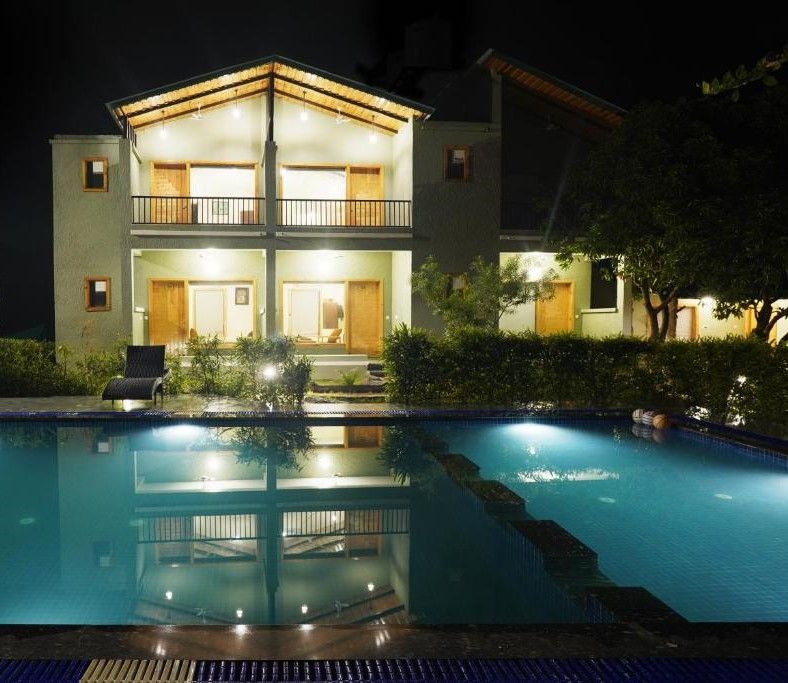
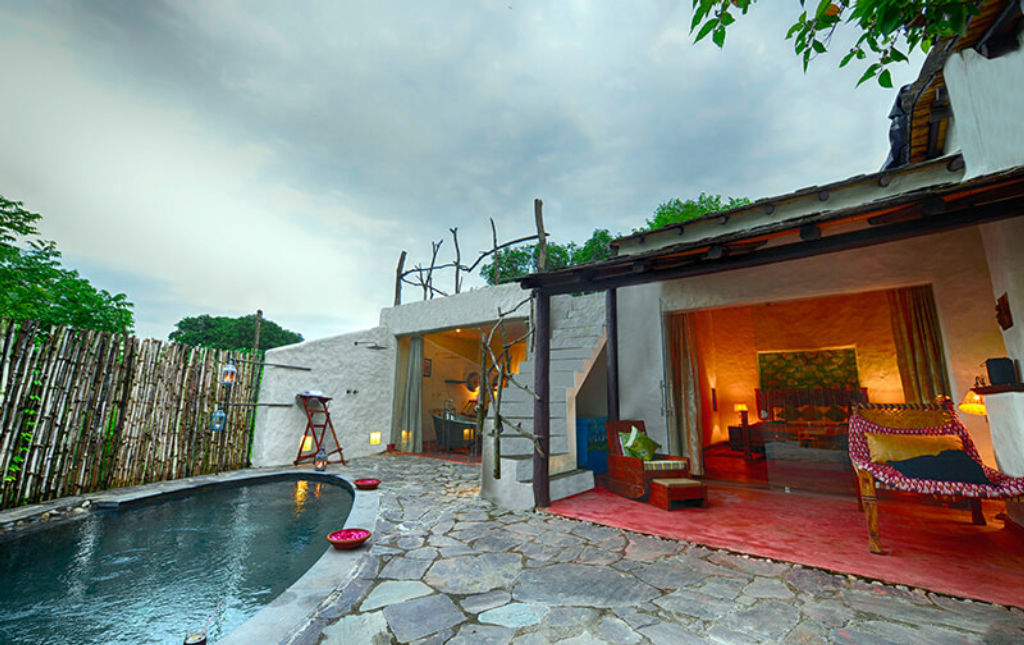
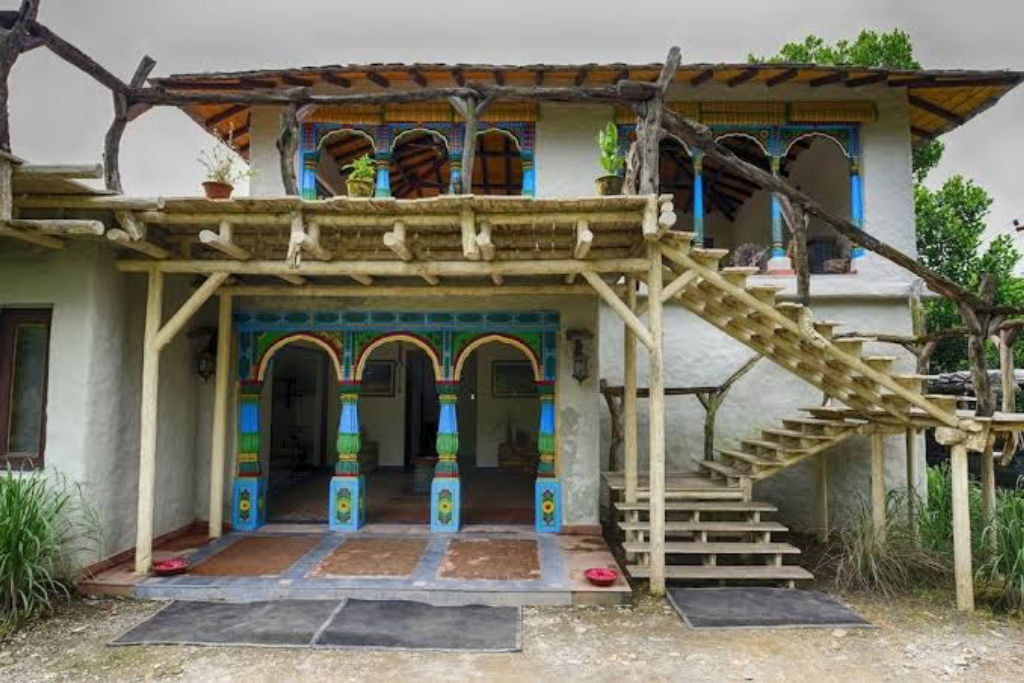
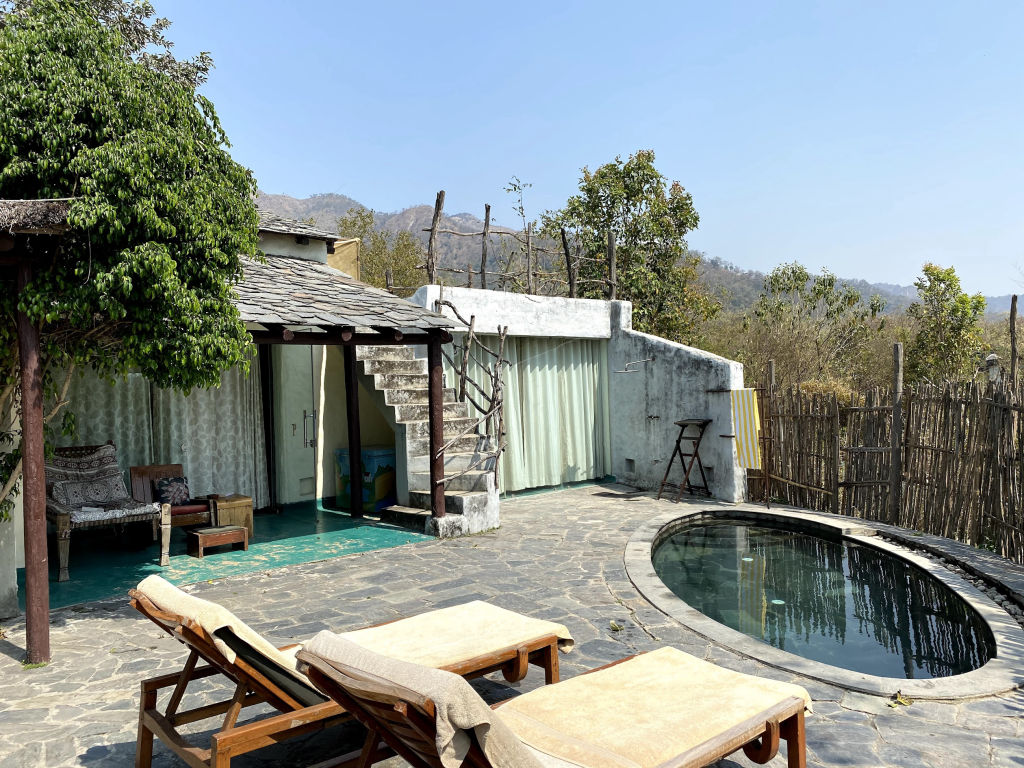
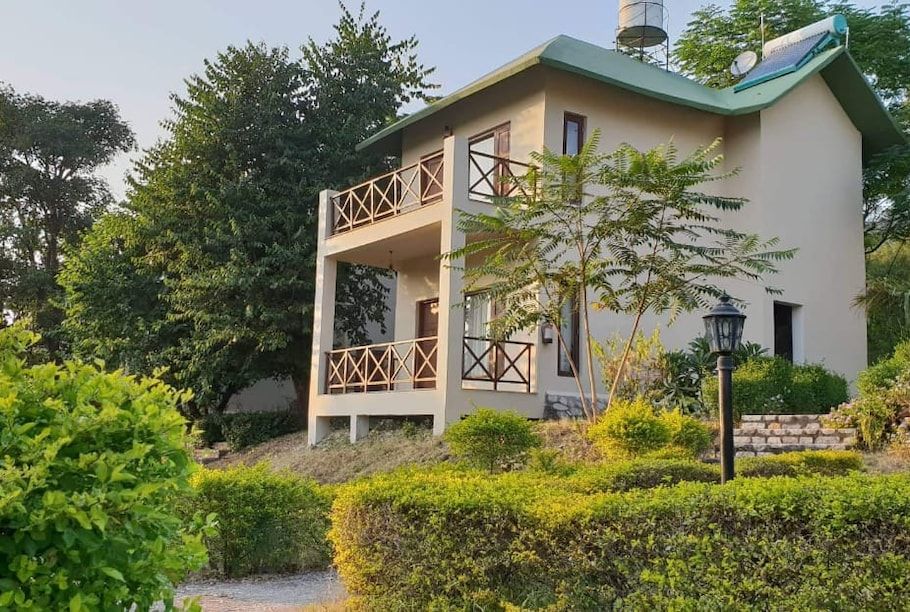
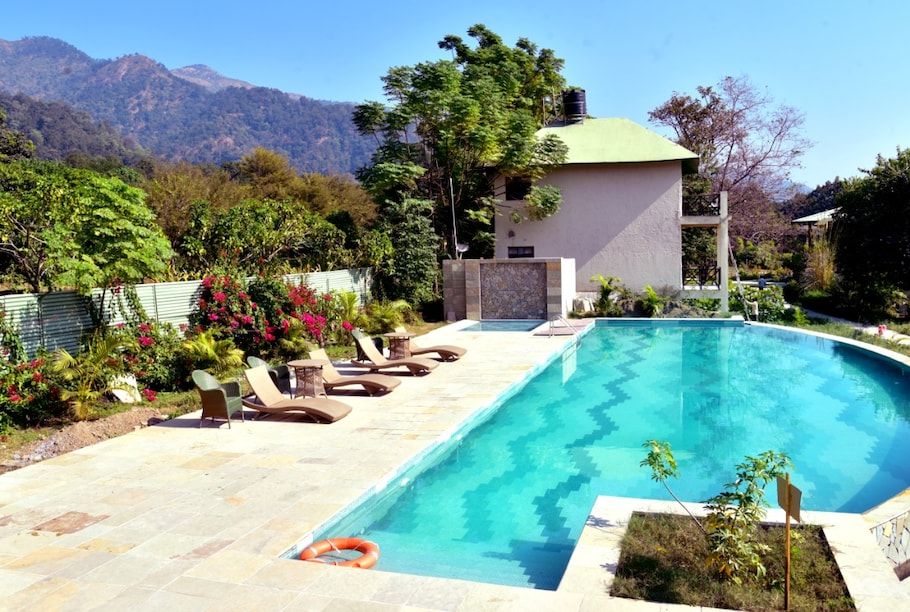
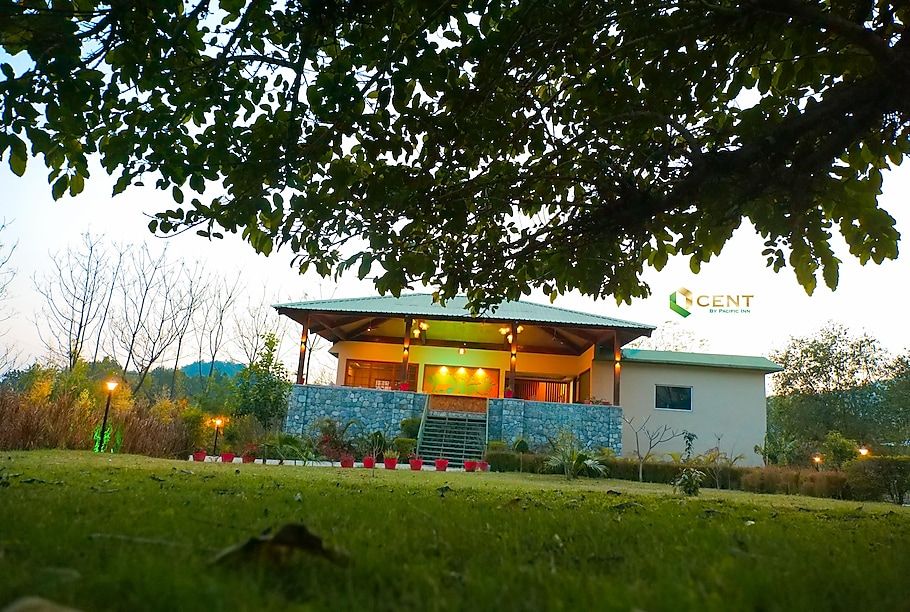
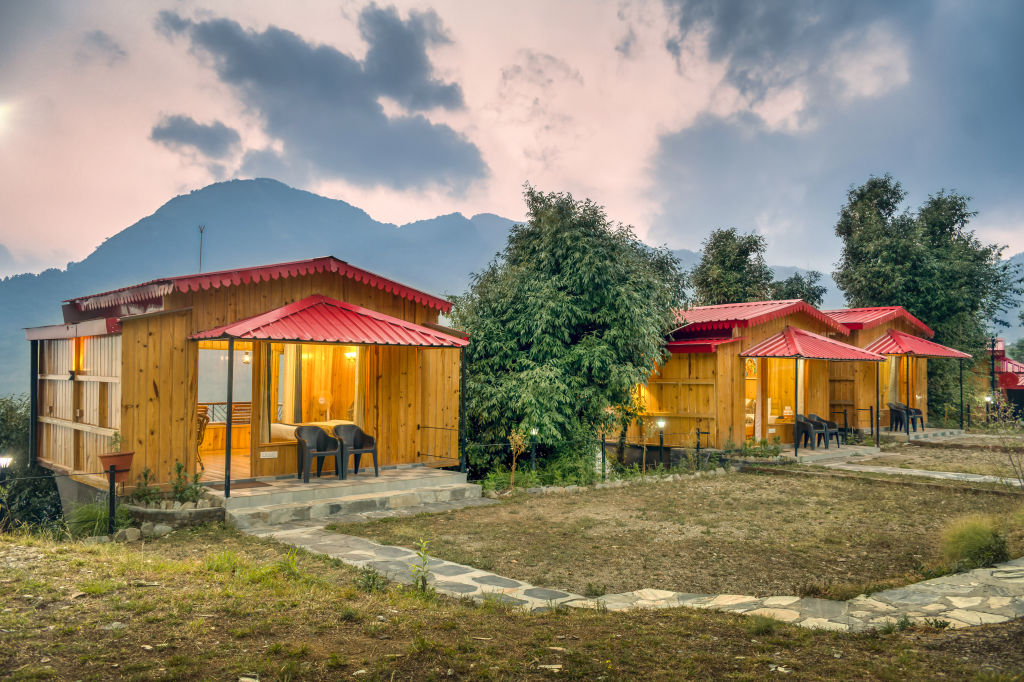
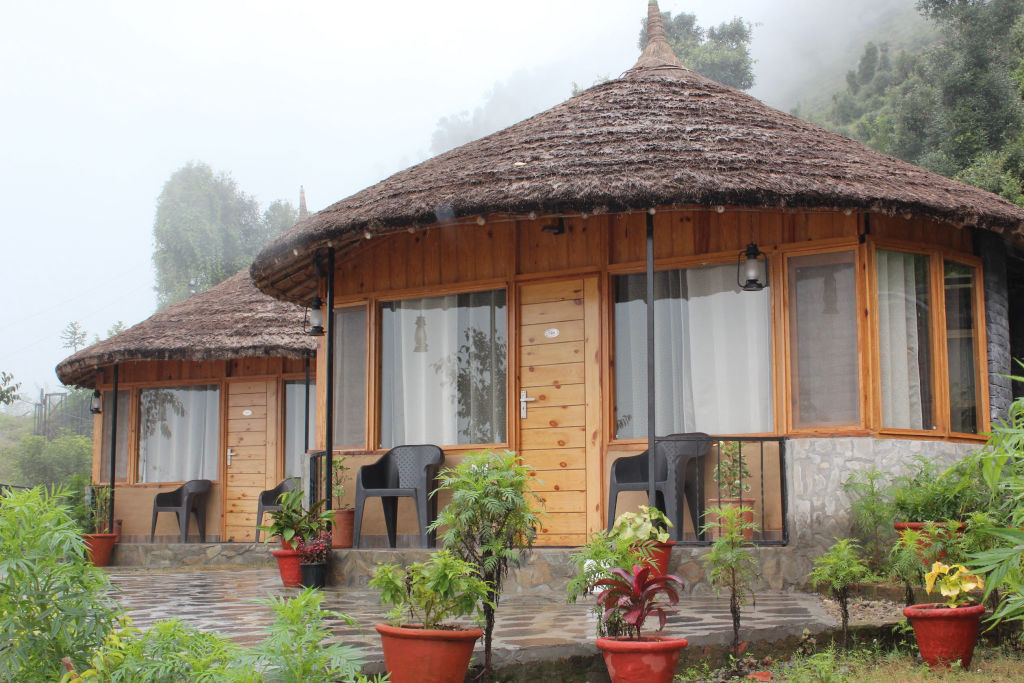
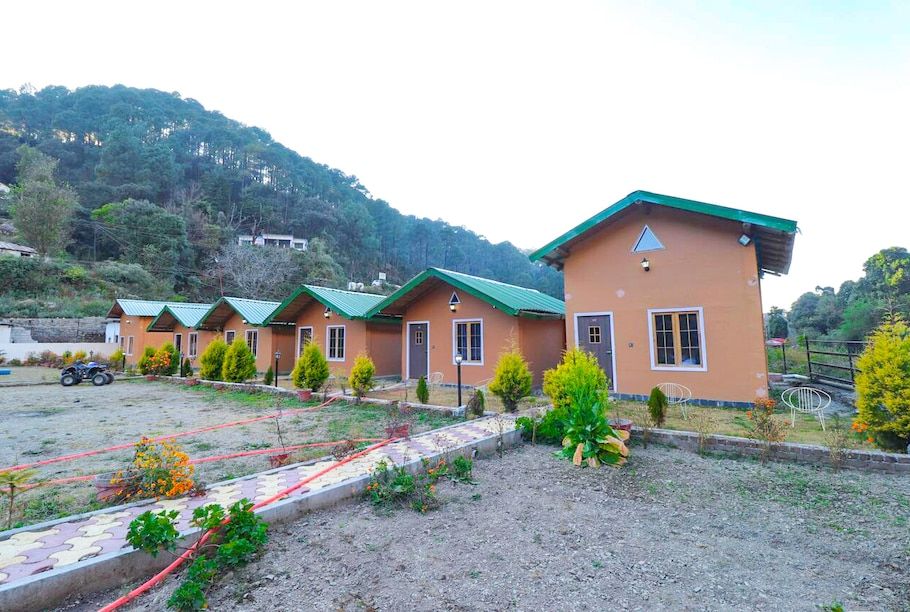
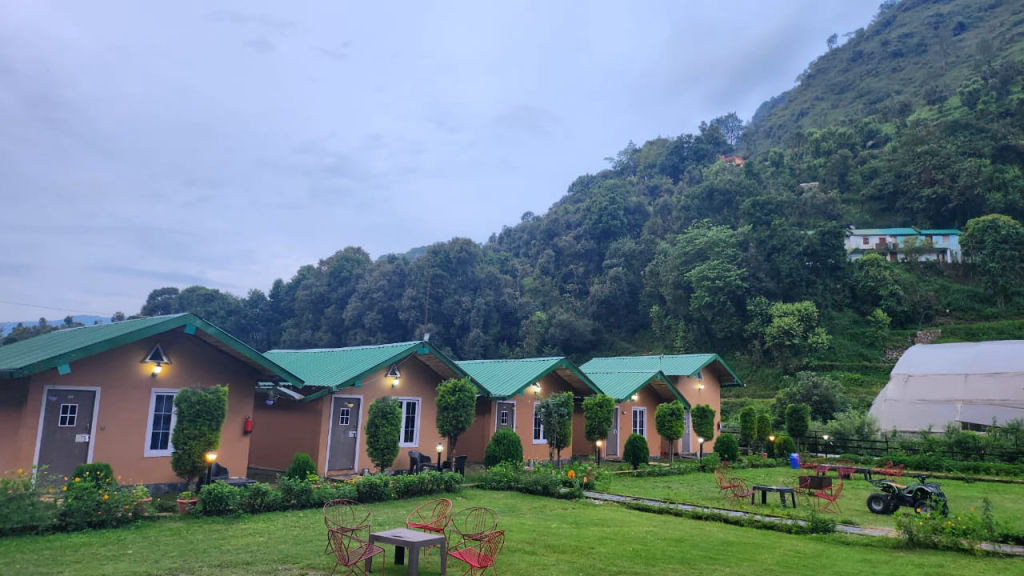
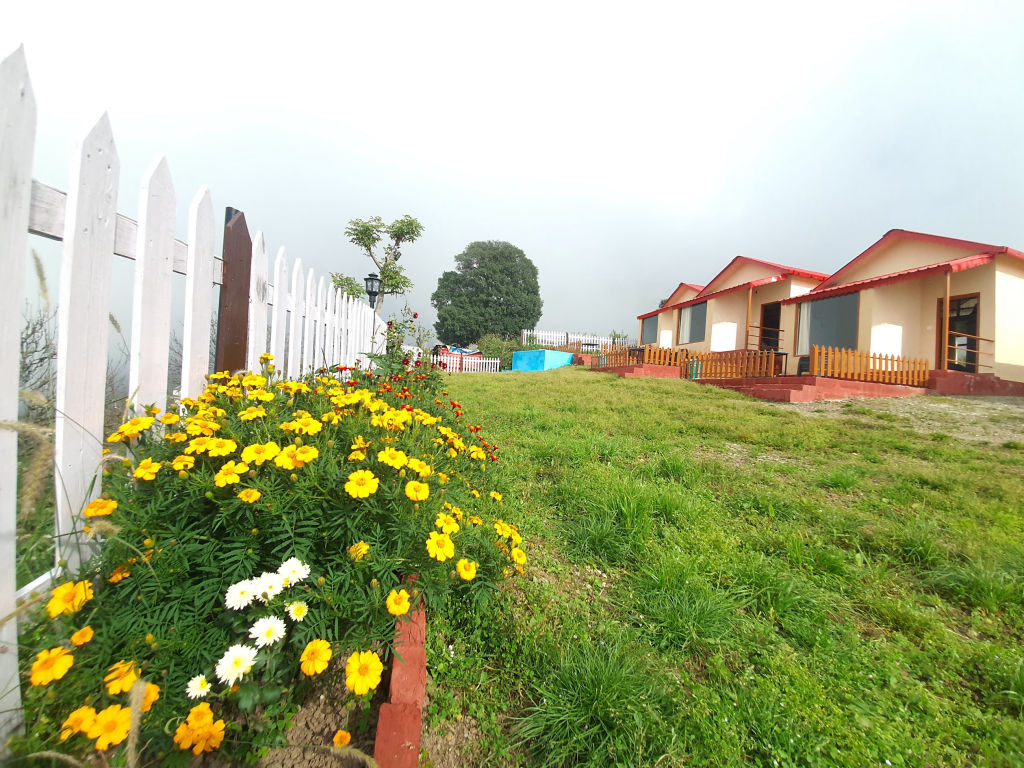
The landscape surrounding Ramnagar provides an extensive range of accommodations tailored to outdoor lovers. You can find riverside wilderness camps, eco-friendly jungle lodges, private cottages, and rural homestays tucked into the orchards and sal forests along the valley. Staying close to the river allows you to fall asleep to the sound of moving water and wake up directly beside misty mountain horizons.
Whether you prefer a rustic tented camp with easy access to river entry points or a comfortable family homestay nestled within a nearby Kumaoni village, you can discover and reserve your ideal outdoor stay in and around Ramnagar on HireACamp.
Frequently asked questions
Is river rafting in Ramnagar suitable for beginners and non-swimmers?
Yes, the Kosi River typically features Grade II and III rapids, which are accessible to first-timers. Wearing a certified personal flotation device is mandatory for everyone, allowing non-swimmers to participate safely under the guidance of trained river instructors.
Which river is used for rafting in Ramnagar?
River rafting in Ramnagar takes place on the Kosi River, a scenic watercourse that originates in the Kumaon Himalayas and flows past the periphery of Jim Corbett National Park.
When is the best season for river rafting in Ramnagar?
The primary rafting season occurs during the monsoon and early post-monsoon months, from July through September and into early October, when rain-fed currents provide sufficient water volume for rafts to navigate.
What should I wear for river rafting in Ramnagar?
Wear lightweight, quick-drying synthetic clothes like nylon shorts and technical shirts, along with secure footwear such as strap-on water sandals or running shoes. Avoid loose cotton clothing and heavy footwear that absorbs water.
Are cameras and mobile phones allowed on the raft?
Standard electronics are prone to water damage or being dropped into the river. You should leave valuable devices on shore or carry waterproof action cameras securely mounted to your body or inside dedicated waterproof cases.
Where you'll be
Dhukli Road Ramnagar, Ramnagar, Uttarakhand 244715, Ramnagar · 12 stays nearby shown with prices
Stays near River Rafting in Ramnagar
Book a place to stay close by
More places near River Rafting in Ramnagar
Within 20 km
Built from 0 Instagram posts by 0 creators. Every tip links back to the post it came from, and where creators disagree we show both sides.






