
Kosi River
Riverside spot near Ramnagar, Uttarakhand
200 m from Ramnagar
The nearest town, for stays, food and fuel.
The Kosi River flows along the eastern boundary of Jim Corbett National Park near the town of Ramnagar in Uttarakhand. Known for its clear waters, wide boulder-strewn bed, and scenic forest backdrop, it is one of the most accessible natural attractions in the region. Visitors head to its banks to unwind, watch wildlife and birds, and enjoy quiet time by the mountain stream.
Getting there
By road
- From Dehradun4 hr 50 min · 231 km
- From New Delhi5 hr 30 min · 260 km
- From Chandigarh8 hr 55 min · 420 km
Typical drive times without traffic. Stations and airports from OLA Maps; distances and typical drive times from OpenStreetMap (© OpenStreetMap contributors); notes from creators' Reels.
About Kosi River
Written with AI from map data and general knowledge. Check prices and timings locally before you go.
About the Kosi River near Ramnagar
The Kosi River originates in the upper reaches of the Kumaon Himalayas near Kausani and winds its way south through Almora and Nainital districts before emerging onto the plains near Ramnagar. As it passes along the eastern boundary of Jim Corbett National Park, the river forms a natural buffer between the deep reserve forest and human settlements.
Unlike the Ramganga River, which flows through the core zone of the national park, the Kosi remains accessible to travellers without requiring formal safari bookings or deep forest permits at most vantage points. Its wide bed is flanked by dense sal, shisham, and teak forests on one side and terraced orchards and villages on the other, creating a classic Himalayan foothill landscape.
Landscape and wildlife along the Kosi River
The riverbed of the Kosi is characterized by smooth river boulders, gravel banks, and calm pools interspersed with gentle rapids. During the dry season, the water runs remarkably clear, revealing schools of native fish swimming over submerged stones. The golden mahseer, an iconic game fish of the sub-Himalayan rivers, inhabits sections of the Kosi, making the river an important aquatic habitat.
The riparian corridor serves as a lifeline for diverse birdlife. Travellers with binoculars can routinely spot kingfishers, plumbeous water redstarts, white-capped redstarts, crested serpent eagles, and river lapwings along the water edge. Because the dense jungles of Corbett lie just across the river, it is not uncommon for wild animals such as spotted deer, sambar, wild boars, and occasionally wild elephants to approach the riverbanks in the quiet hours of early morning and late evening.
Read more
Things to do at the Kosi River
Spending time along the riverbank is primarily an unhurried, restorative outdoor experience. Finding a quiet spot on a flat river boulder to read, sketch, or listen to the flowing water is among the most popular ways to pass an afternoon. Dipping your feet into the cool, mountain-fed stream offers welcome relief after dusty morning forest drives.
Birdwatching and nature photography are particularly rewarding along the banks. Early mornings provide soft light filtering through the tree canopy and active feeding sessions for resident birds. Walking along the gravel beds allows visitors to observe animal tracks left overnight in the wet sand, offering an engaging introduction to the ecology of the Shivalik foothills.
Best time to visit the Kosi River
The winter months from November to February offer the most pleasant weather for visiting the river. Days are bright and sunny with crisp air, while temperatures drop significantly at night. This period also coincides with the arrival of migratory birds, making it the premier season for birdwatchers and nature enthusiasts.
Spring and early summer, spanning March through June, bring warmer daytime conditions, yet the river breeze keeps the immediate banks relatively comfortable. The water remains shallow and clear during this time, ideal for sitting close to the flow. The monsoon season from July to September transforms the river into a roaring, silt-laden torrent. Flash floods can occur unexpectedly due to heavy rains upstream in the Kumaon hills, so venturing close to the water during the monsoon is generally unsafe and best avoided.
Places to visit near the Kosi River
The area surrounding the Kosi River offers a variety of nature and heritage stops. Jim Corbett National Park is the central attraction, with safari zones such as Dhikala, Dhela, and Jhirna reachable from nearby entry gates. These zones allow visitors to explore dense sal forests and open grasslands in search of tigers, leopards, and herds of Asian elephants.
History and wildlife enthusiasts can stop at the Dhangarhi Museum, which showcases exhibits on the park's founding, natural history, and historic wildlife encounters. To the southwest lies Tumaria Dam, an expansive water reservoir that attracts vast flocks of wetland birds during winter. For cultural exploration, Shri Hanuman Dham offers a peaceful temple complex set against the scenic backdrop of the river valley.
How to reach the Kosi River
The Kosi River is accessed primarily through the gateway town of Ramnagar. Ramnagar railway station connects directly to Delhi and other major northern Indian transit hubs through regular overnight and day trains. The nearest commercial airport is Pantnagar, while the international airport in New Delhi serves as the main entry point for long-distance travellers.
From Ramnagar, the main road heading north toward Mohan and Marchula runs parallel to the Kosi River for several kilometres. Visitors can reach various access points along the river by local taxis, auto-rickshaws, or personal vehicles. Driving from Delhi to Ramnagar takes approximately five to six hours depending on traffic conditions along the Moradabad and Kashipur highway stretch.
Where to stay near the Kosi River
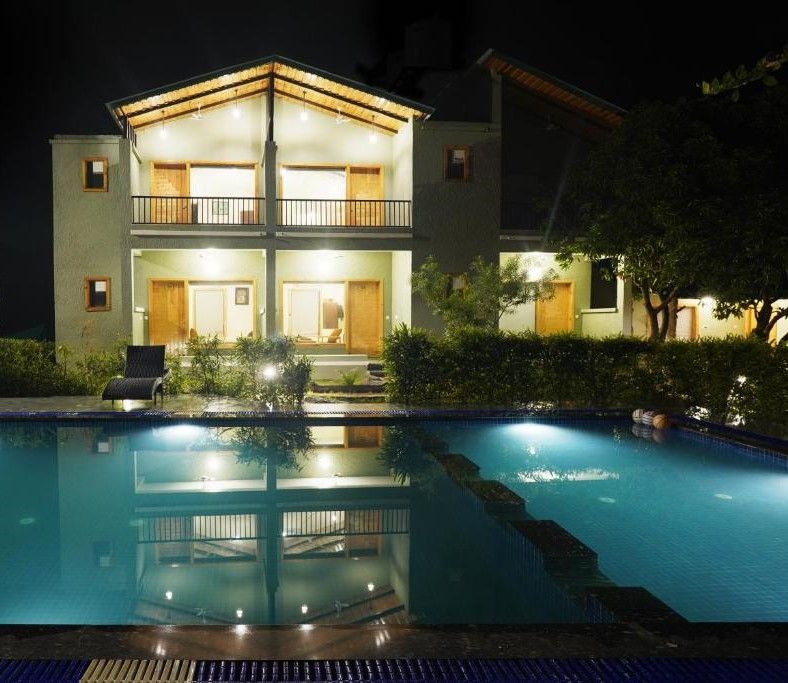
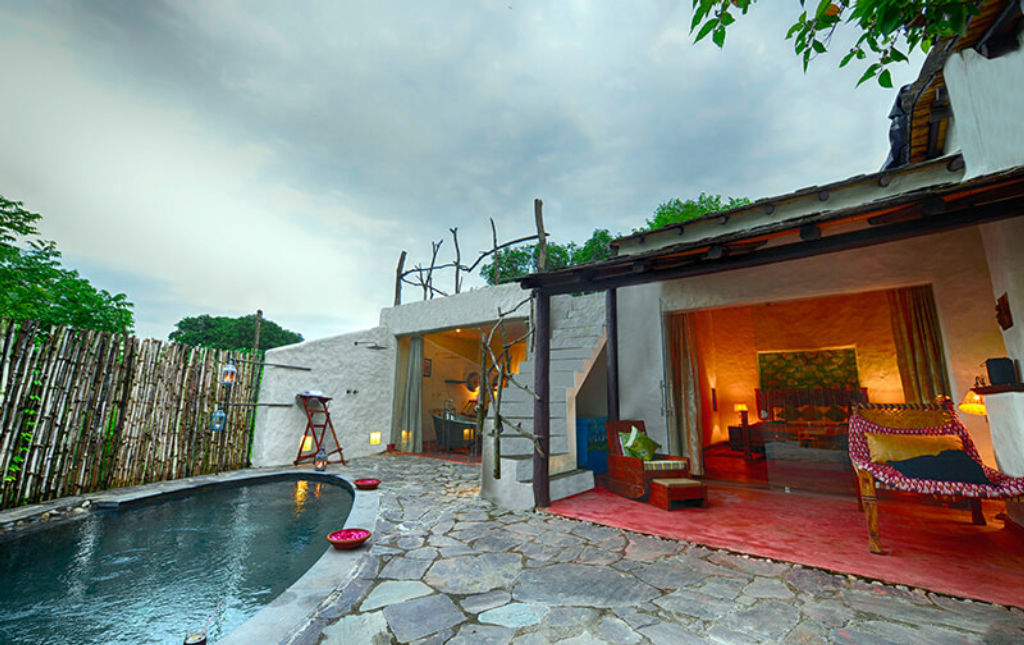
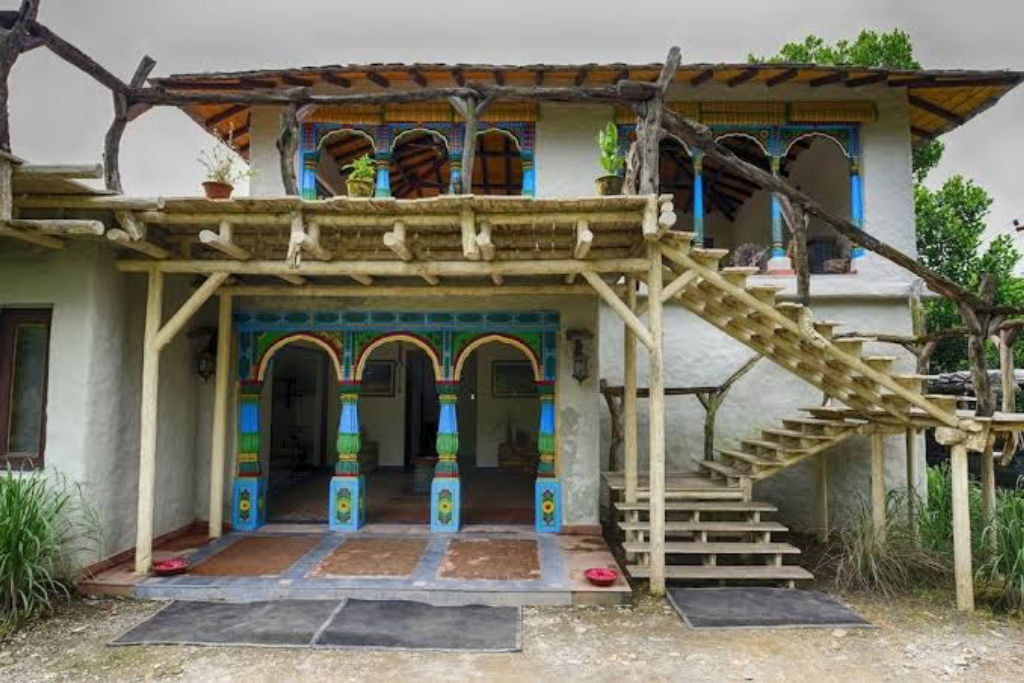
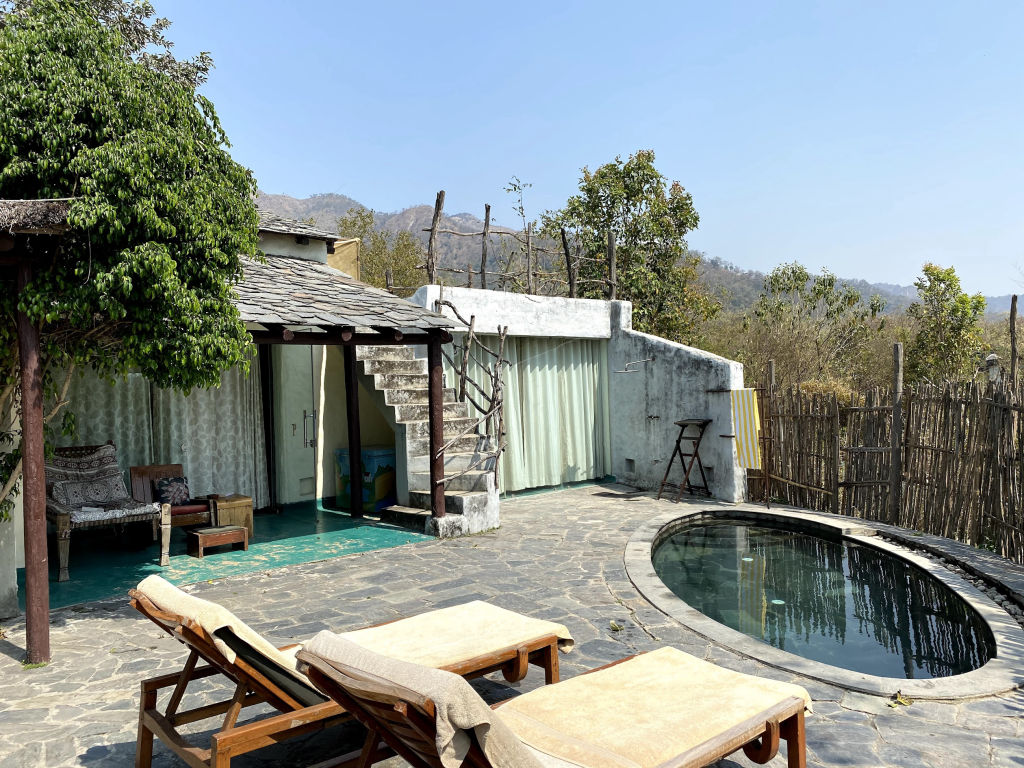
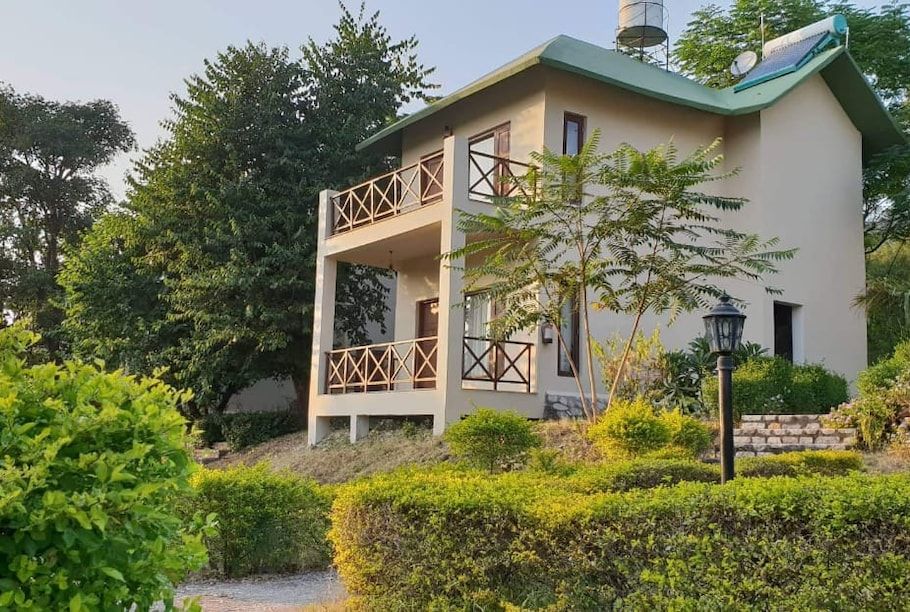
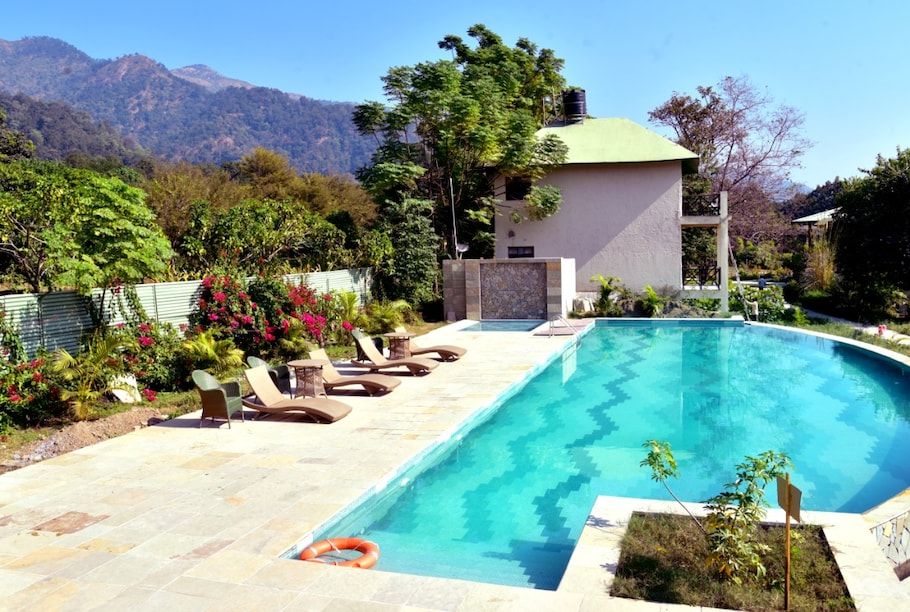
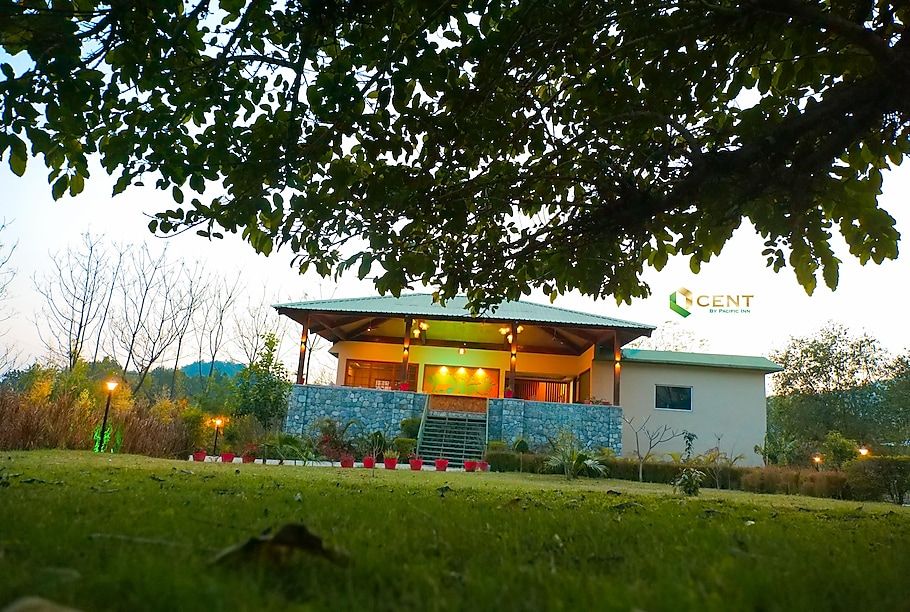
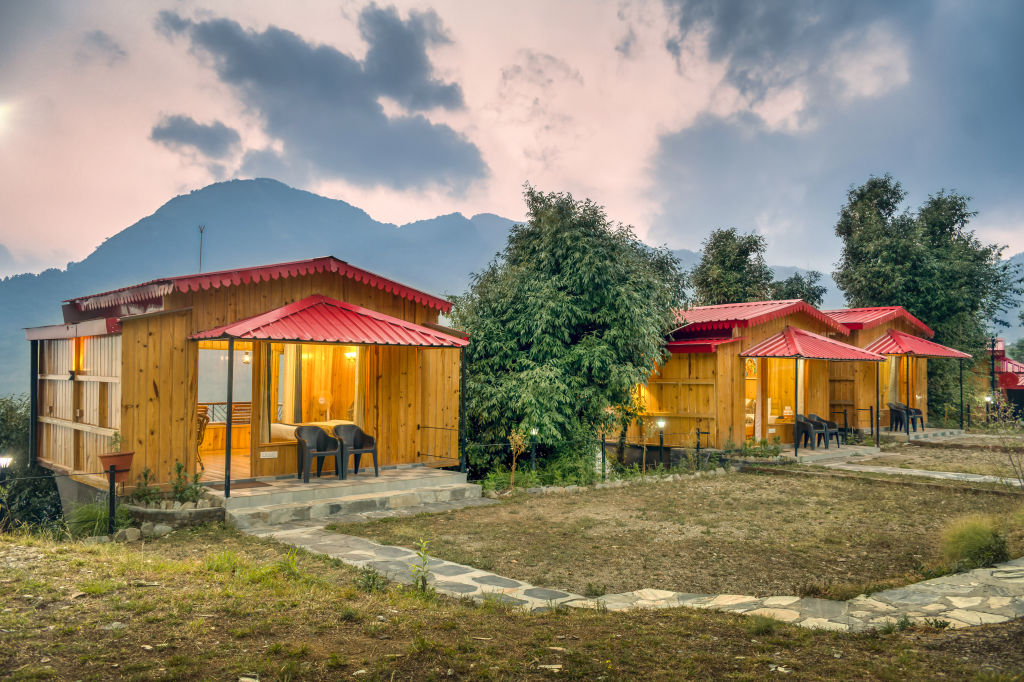
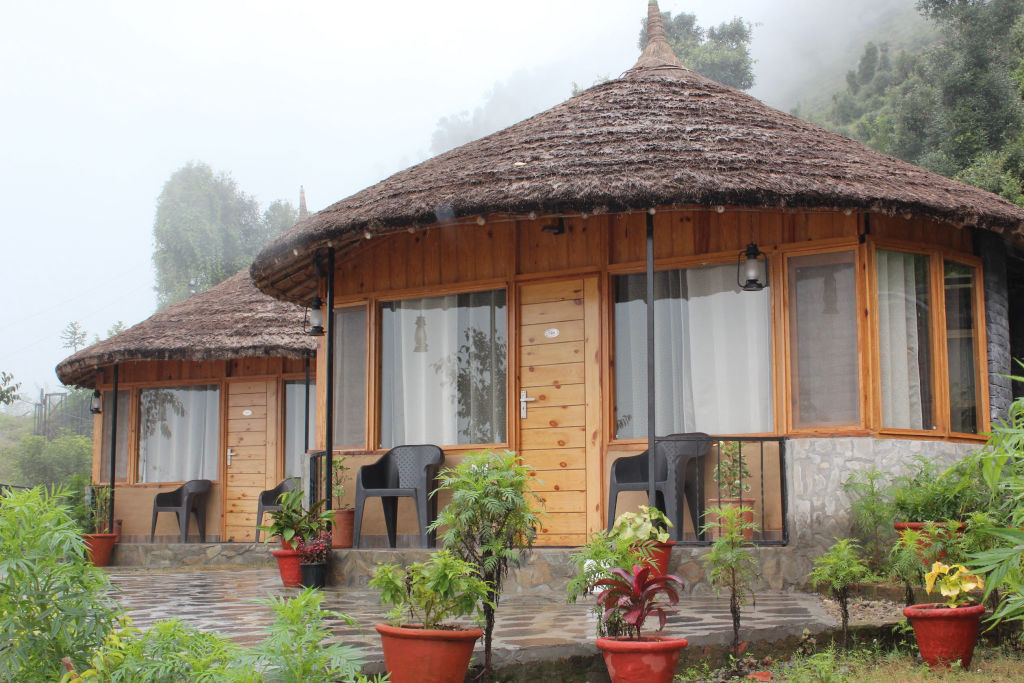
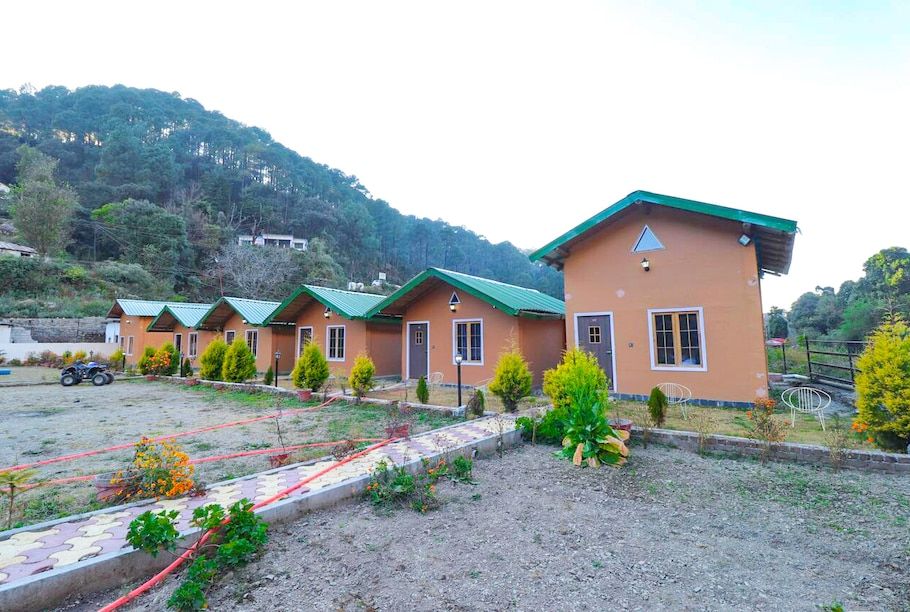
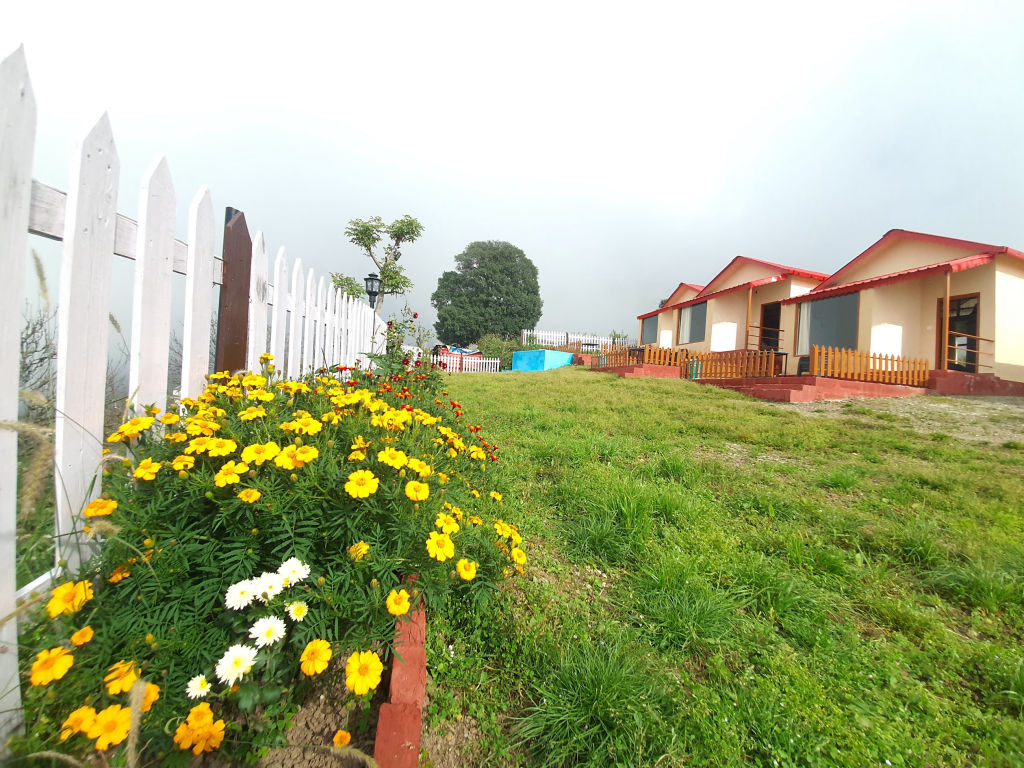
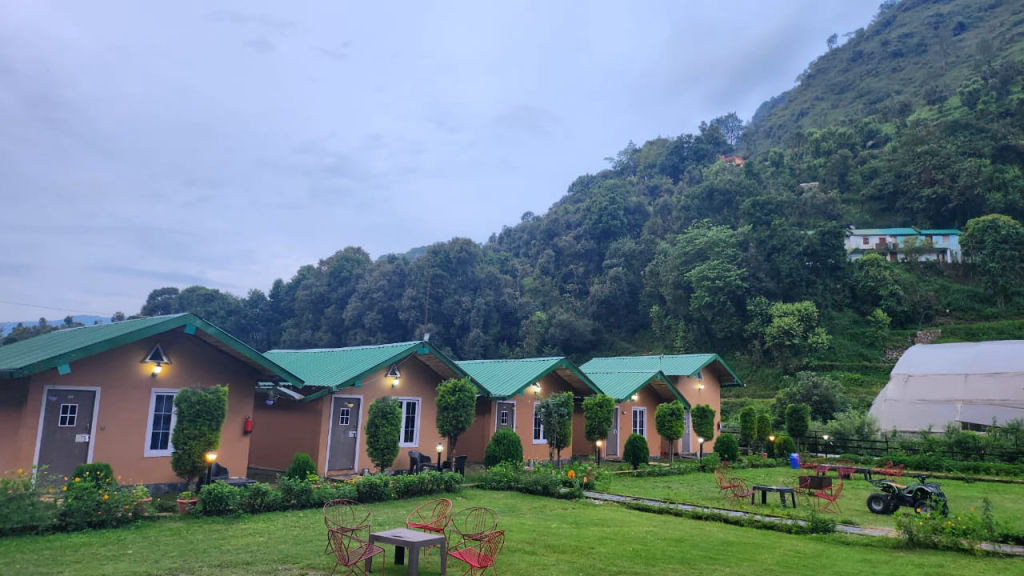
Travellers visiting the Kosi River valley can choose from a range of outdoor stays that reflect the natural setting. Riverside camps, traditional homestays in adjoining villages, and eco-friendly cottages are available throughout the Ramnagar corridor.
You can explore and book verified camps, cottages, and homestays along the Kosi River and surrounding areas on HireACamp to suit your travel style and budget.
Frequently asked questions
Can you swim in the Kosi River near Ramnagar?
Wading and dipping your feet in shallow, calm sections is generally enjoyable during winter and summer. Swimming in deep pools or during the monsoon is not recommended due to sudden drop-offs and strong hidden undercurrents.
Do you need a permit to visit the Kosi River?
No formal forest permit is required to visit public access points along the riverbank outside the core national park boundaries. However, certain stretches managed by local authorities or forest checkpoints may have specific local guidelines.
Is the Kosi River inside Jim Corbett National Park?
The Kosi River runs along the eastern border of the national park rather than through its central core. It forms a natural boundary for the park and is easily accessible from the main roads outside the restricted reserve.
What wildlife can you spot near the river?
Visitors frequently see various water birds, kingfishers, and raptors, alongside mahseer fish in the clear pools. Herbivores like deer and wild boar, and occasionally elephants, visit the riverbanks from the adjoining reserve forests.
Is the Kosi River safe to visit during the monsoon?
No, visiting the riverbed during the monsoon season between July and September is risky. Heavy rains in the upper Himalayan catchment can trigger rapid rises in water levels and unpredictable flash floods.
Where you'll be
Jim Corbett National Park, Ramnagar · 12 stays nearby shown with prices
Stays near Kosi River
Book a place to stay close by
More places near Kosi River
Within 20 km
Built from 0 Instagram posts by 0 creators. Every tip links back to the post it came from, and where creators disagree we show both sides.






