
Kanawar Wildlife Sanctuary
Wildlife sanctuary
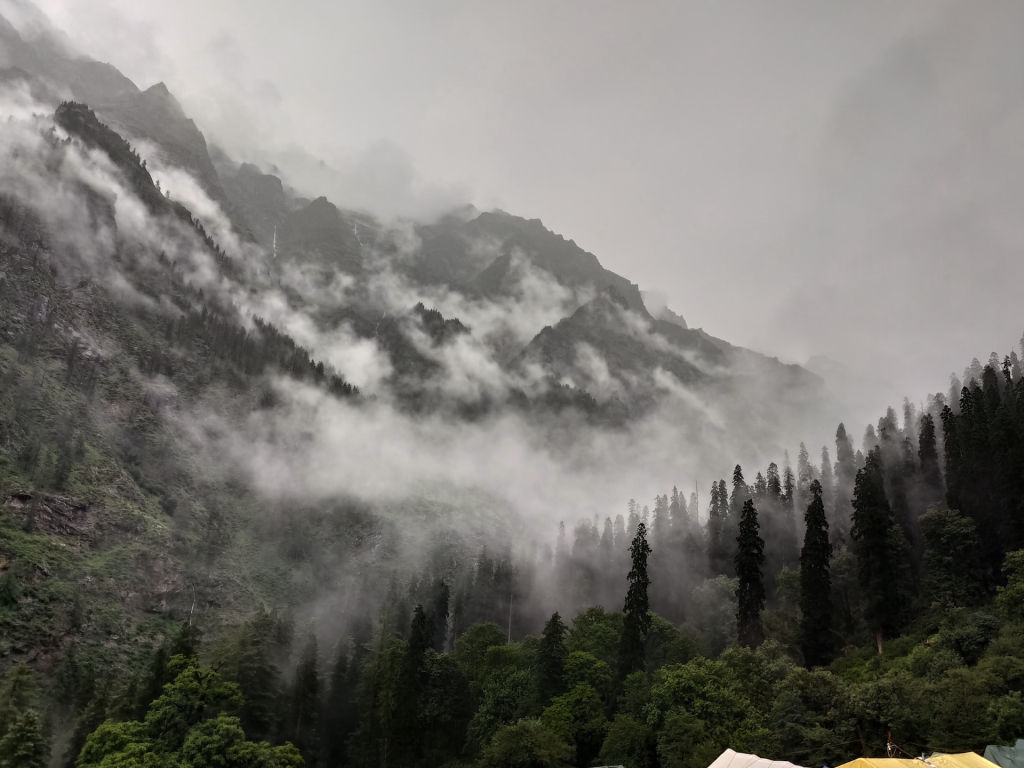
Kanawar Wildlife Sanctuary is a protected high-altitude reserve nestled in the rugged mountain folds of Himachal Pradesh. Known for its dramatic geography of dense coniferous forests, sheer rock faces, and alpine meadows, it serves as a critical refuge for rare Himalayan fauna such as the Himalayan tahr and Western tragopan. Travellers and trekkers journey here to experience raw wilderness, undisturbed high-country trails, and stunning vistas of the surrounding Himalayan peaks.
Getting there
By road
- From Chandigarh7 hr 10 min · 345 km
- From Ludhiana7 hr 45 min · 385 km
- From Dehradun10 hr 40 min · 537 km
- From New Delhi11 hr 45 min · 666 km
Typical drive times without traffic. Stations and airports from OLA Maps; distances and typical drive times from OpenStreetMap (© OpenStreetMap contributors); notes from creators' Reels.
About Kanawar Wildlife Sanctuary
Written with AI from map data and general knowledge. Check prices and timings locally before you go.
About Kanawar Wildlife Sanctuary
Kanawar Wildlife Sanctuary occupies a spectacular, rugged corner of Himachal Pradesh. Spread over mountainous terrain featuring deep gorges, steep gradients, and high alpine ridges, the sanctuary protects a vital section of the upper catchment forests in the region. The landscape rises sharply from riverine forest belts to high-altitude pastures that touch the snowline, creating a diverse series of microclimates within a relatively compact boundary.
Unlike conventional wildlife reserves where visitors tour in safari jeeps, Kanawar is defined by its sheer topography and quiet isolation. The sanctuary remains largely wild and roadless, making foot travel the only way to traverse its interior. This seclusion has allowed delicate ecosystems to thrive undisturbed, offering serious nature enthusiasts a genuine taste of the western Himalayan wild.
Wildlife and flora in the sanctuary
The vegetation inside Kanawar Wildlife Sanctuary reflects a classic Himalayan elevation gradient. The lower elevations are thick with mixed coniferous and broadleaved species, including deodar, blue pine, fir, and spruce, intermingled with dense thickets of rhododendron and horse chestnut. As the trails climb beyond the treeline, the landscape gives way to open subalpine grasslands, junipers, and seasonal wildflowers that carpet the slopes during the warmer months.
This rich habitat supports an impressive variety of montane fauna. The sanctuary is especially renowned as one of the prime habitats for the Himalayan tahr, a sure-footed wild goat that navigates the reserve's steepest crags. Visitors who walk the ridges quietly may also spot musk deer, serow, barking deer, and the Himalayan black bear. The birdlife is equally captivating, highlighted by the presence of the Western tragopan—the state bird of Himachal Pradesh—alongside monal pheasants, koklass, and soaring raptors like the golden eagle.
Read more
Trekking and outdoor trails at Kanawar
Trekking is the primary way to explore Kanawar Wildlife Sanctuary. The trails inside the sanctuary follow ancient shepherd routes and forest paths that weave through towering canopies before opening out onto high ridges. These walks can range from moderate day hikes along the fringes of the reserve to demanding multi-day expeditions that push toward higher ridgelines and remote passes.
Walking through the sanctuary requires self-reliance and careful pacing, as the inclines can be steep and the terrain rocky. Trekkers are rewarded with uninterrupted vistas across deep glacial valleys and snow-crowned summits. The absence of commercial development means that hikers must carry their own provisions and rely on local navigational knowledge, ensuring that every venture into the sanctuary feels like a genuine mountain expedition.
Best time to visit Kanawar Wildlife Sanctuary
The sanctuary experiences distinct seasons, each radically transforming the terrain. The ideal time to explore Kanawar Wildlife Sanctuary falls between April and June, and again between September and November. In the spring and early summer, the winter snows melt away, streams rush with fresh water, and the alpine meadows begin to burst into green, making it a comfortable time for walking and birdwatching.
Autumn, from September through November, offers crisp mountain air, brilliant clear skies, and stable weather conditions. This window is particularly favored by photographers and trekkers for the wide visibility and the golden hues of turning foliage. During the monsoon months of July and August, heavy downpours can make mountain slopes prone to landslides and footpaths slick, requiring caution. In the winter, heavy snowfall blankets the sanctuary, shutting down high trails and confining movement to the lowest entry points.
How to reach Kanawar Wildlife Sanctuary
Kanawar Wildlife Sanctuary is situated in the high mountains of Himachal Pradesh. The region is typically accessed through the transit hubs of Kullu and Bhuntar, which serve as the primary gateways for road travellers heading into the surrounding valleys. From these points, local roads and mountain highways wind upward toward the peripheral villages and trailheads that lead into the sanctuary.
Public buses and private taxis operate regularly between the major transit towns and the outer villages near the sanctuary boundary. From the nearest motorable roadheads, visitors must continue on foot along established forest paths to enter the core protected areas. Travellers are advised to consult local transport providers regarding current road conditions before departing, especially following heavy rainfall or during the change of seasons.
Places to visit around Kanawar
The geography surrounding Kanawar Wildlife Sanctuary is filled with iconic Himalayan valleys and outdoor destinations. Directly across the mountain divides lie the expansive valleys of Parvati and Spiti, as well as the borders of Pin Valley National Park, famous for its cold-desert landscapes and high-altitude wildlife. These neighboring regions allow travellers to string together a broader itinerary spanning distinct ecological zones.
Several traditional mountain settlements and hiking hubs sit within reach of the sanctuary's periphery. Quaint hamlets like Pulga and Tosh offer travellers a glimpse into traditional wooden architecture, terraced apple orchards, and slow village life. For those drawn to walking routes, well-known trails such as the hike to Kheerganga provide warm sulphur springs and expansive river valley scenery just beyond the sanctuary's immediate bounds.
Tips for your visit
Visiting Kanawar Wildlife Sanctuary requires sensible preparation because of its remote character and rugged terrain. Wear sturdy, broken-in trekking boots with excellent ankle support and grip, as the sanctuary trails can be uneven and rocky. Dressing in breathable layers is essential, as temperatures can drop quickly on exposed high ridges even on sunny afternoons.
Because the sanctuary does not feature developed tourist amenities or food stalls, you must carry adequate drinking water, trail rations, a reliable daypack, and a basic first-aid kit. Trekking with an experienced local guide is strongly recommended to navigate unmarked forest trails and identify animal activity safely. Always check locally with forest authorities regarding permits, weather advisories, and route accessibility before setting out, and practice strict leave-no-trace ethics to protect the fragile environment.
Where to stay near Kanawar Wildlife Sanctuary
To preserve its delicate ecosystem, permanent commercial accommodations are not located within the sanctuary interior. Instead, visitors base themselves in the welcoming villages, hamlets, and river valleys bordering the protected area.
A selection of scenic riverside campsites, rustic mountain cottages, and authentic village homestays can be found on HireACamp. Staying in these nearby communities gives you easy access to the trailheads while supporting local hosts and experiencing genuine Himachali hospitality.
Frequently asked questions
Where is Kanawar Wildlife Sanctuary located?
Kanawar Wildlife Sanctuary is situated in the high-altitude forested mountains of Himachal Pradesh, India, in the rugged country bordering the Parvati and Spiti regions.
Which wildlife species can be seen in Kanawar Wildlife Sanctuary?
The sanctuary is home to iconic Himalayan fauna including the Himalayan tahr, musk deer, serow, barking deer, and black bear. It is also an important habitat for the endangered Western tragopan and the Himalayan monal.
Do I need a guide to explore Kanawar Wildlife Sanctuary?
Hiring a knowledgeable local guide is highly recommended, as the sanctuary is largely undeveloped with steep, unmarked trails and demanding terrain.
What is the best time of year to visit Kanawar Wildlife Sanctuary?
The best months to visit are from April to June for pleasant weather and blooming meadows, and from September to November for clear skies and optimal trail conditions.
Are there places to stay inside the sanctuary?
There are no commercial hotels or lodges inside the sanctuary core. Visitors typically stay in camps, homestays, or guesthouses in the neighboring villages, which can be booked on HireACamp.
Where you'll be
1 stay nearby shown with prices
Stays near Kanawar Wildlife Sanctuary
Book a place to stay close by
More places near Kanawar Wildlife Sanctuary
Within 20 km
Built from 0 Instagram posts by 0 creators. Every tip links back to the post it came from, and where creators disagree we show both sides.






