
Kulu Pumori
Peak near Khir Ganga
24 km from Khir Ganga
The nearest town, for stays, food and fuel.
Kulu Pumori is a formidable Himalayan peak rising along the dramatic watershed dividing the lush Parvati Valley and the arid heights of Spiti in Himachal Pradesh. Renowned among experienced mountaineers and alpine trekkers, this glaciated summit attracts adventurers seeking demanding high-altitude climbs and remote glacial terrain. Its striking relief forms a dramatic backdrop for the classic trans-Himalayan trails that cross from Kullu into the high desert.
Getting there
By road
- From Khir GangaNearest town4 hr 15 min · 182 km
- From Chandigarh7 hr 10 min · 345 km
- From Ludhiana7 hr 45 min · 385 km
- From Dehradun10 hr 40 min · 537 km
Typical drive times without traffic. Stations and airports from OLA Maps; distances and typical drive times from OpenStreetMap (© OpenStreetMap contributors); notes from creators' Reels.
About Kulu Pumori
Written with AI from map data and general knowledge. Check prices and timings locally before you go.
About Kulu Pumori
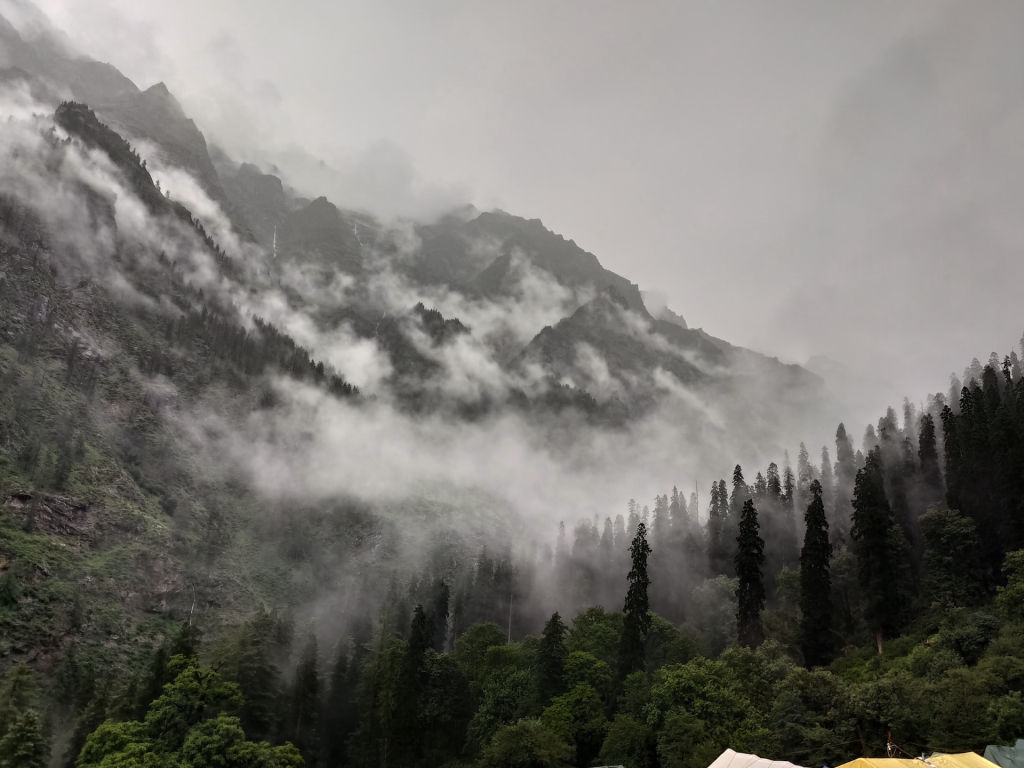
Rising high above the glaciated ridges of the Western Himalayas, Kulu Pumori occupies a prominent position on the boundary between Kullu district and the cold desert plateau of Lahaul and Spiti. The peak stands amid a dramatic theatre of icefields, hanging glaciers, and jagged granite ridges. Because of its location on the Himalayan crest, Kulu Pumori marks the transition zone where the monsoon-swept, pine-clad valleys of Kullu abruptly give way to the rugged, barren expanse of Pin Valley.
Historically, the peak has challenged serious mountaineering expeditions due to its sheer faces, crevassed approaches, and unpredictable alpine conditions. The name evokes the pyramidal profile typical of Himalayan giants, drawing comparisons to the famous Pumori on the Nepal-Tibet border. For high-altitude trekkers traversing the watershed passes such as the Pin Parvati Pass, Kulu Pumori is a constant, dramatic landmark dominating the eastern skyline.
The Mountaineering and Trekking Landscape
Reaching Kulu Pumori requires a full-fledged mountaineering expedition involving technical ice craft, glacial route-finding, and established high camps. The lower valleys approaching the mountain offer spectacular wilderness trekking, tracing glacial rivers fed by melting snowfields and passing through raw alpine meadows where wild ibex and Himalayan marmots dwell.
Trekkers on the surrounding trans-Himalayan routes encounter massive boulder fields, moraines, and expansive snow covers. The journey reveals contrasting natural biomes: the trail climbs from thick cedar and birch forests near Pulga and Barshaini up through sprawling meadows carpeted in alpine blossoms, before finally entering a pristine world of moraine, slate, and glacial blue ice. Even for those not attempting the summit itself, camping beneath the gaze of peaks like Kulu Pumori offers an unmatched Himalayan wilderness experience.
Read more
Best Time to Visit
Due to high elevations and heavy winter snowpacks, travel around Kulu Pumori is restricted to a brief summer and early autumn window. The prime climbing and trekking season generally runs from late June through late September. In late June and July, the routes open up as snowfields melt, though lingering snow on the passes can require specialized traction equipment.
During August, the southern slopes on the Kullu side receive significant monsoon precipitation, while the northern slopes falling towards the Pin Valley and Spiti benefit from the rain-shadow effect. Late August to late September brings clearer skies, crisper air, and stabilized weather conditions across the higher elevations, making early autumn the favored window for technical climbing attempts and long-distance valley traverses. By October, freezing temperatures return, snowstorms become frequent, and the mountain enters winter lockdown.
How to Reach Kulu Pumori
Approaches to Kulu Pumori generally begin from either the Parvati Valley on the Kullu side or the Pin Valley on the Spiti side. Most expeditions stage from the Parvati Valley, starting with road travel from Delhi or Chandigarh to Bhuntar, which hosts the nearest domestic airport. From Bhuntar, the road winds along the Parvati River past Kasol and Manikaran to the roadhead at Barshaini or nearby mountain hamlets.
From the roadhead, all travel proceeds strictly on foot. The multi-day approach leads through villages like Pulga and wilderness camping grounds such as Kheerganga and Tunda Bhuj, gradually climbing alongside the roaring Parvati River towards the high glacial meadows. Alternatively, an approach from the Spiti side begins by road from Manali or Shimla to Kaza, followed by travel into the Pin Valley via Mudh village, followed by a demanding ascent through the barren river gorges.
Trekking Safety and Preparation
Venturing near Kulu Pumori demands meticulous physical preparation, high-altitude gear, and previous mountaineering or rigorous trekking experience. Because altitudes along the surrounding trails exceed 4,000 meters and climb beyond 5,000 meters at the passes, acute mountain sickness is a serious hazard. Spending several days acclimatizing at intermediate valley stages is vital before heading onto the glaciers.
There are no permanent human settlements, roads, or rescue facilities in the upper alpine zones surrounding Kulu Pumori. Travellers must carry complete expedition-grade gear, including four-season tents, sub-zero sleeping systems, technical equipment, water purification methods, and adequate food supplies. Weather can deteriorate rapidly, producing zero-visibility whiteouts and sudden temperature plunges. Navigating these remote valleys requires knowledgeable local mountain guides, porters, and updated local route information.
Places to Explore Nearby
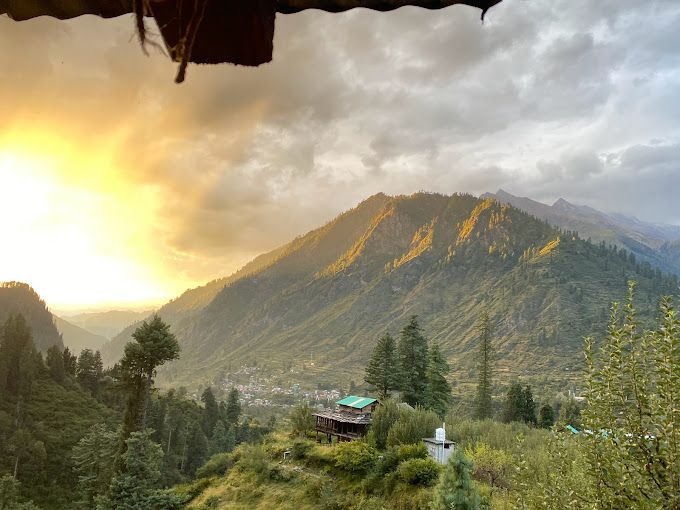
The landscapes surrounding Kulu Pumori are rich in iconic Himalayan destinations. Just over the mountain crest lies Pin Valley National Park, famous for its austere beauty, stark cliffs, and rare wildlife including the elusive snow leopard and Tibetan wolf. Down in the verdant Parvati basin, traditional wooden villages like Tosh and Pulga provide a glimpse into Himachali mountain culture, set against steep apple orchards and thick coniferous woodlands.
Further down the valley, trails lead to Kheerganga, known for its panoramic meadow views and warm thermal springs that serve as a refreshing stop for tired trekkers. To the east and northeast, the vast, sun-drenched plateau of the Spiti Valley unfolds with ancient whitewashed monasteries, fossil beds, and windswept lunar landscapes that offer a total contrast to the green hills of Kullu.
Where to Stay around Kulu Pumori
In the immediate vicinity of Kulu Pumori and its surrounding glacial approaches, accommodation is strictly wilderness camping. Expeditions and long-distance trekking groups must bring self-sufficient camping equipment and leave no trace behind in the fragile alpine environment.
In the lower staging valleys, traditional homestays, rustic guesthouses, and established riverside campsites are readily available in settlements like Tosh, Pulga, Manikaran, and Mudh. Travellers looking to book verified campsites, rustic eco-stays, or local homestays across Himachal Pradesh before and after their mountain journey can find suitable options on HireACamp.
Frequently asked questions
Where is Kulu Pumori located?
Kulu Pumori is situated in Himachal Pradesh, standing on the high-altitude divide between the upper Parvati Valley in Kullu district and the Pin Valley in Spiti.
Can beginners climb or trek near Kulu Pumori?
No, reaching the peak or traversing its immediate glacial routes requires technical mountaineering experience, advanced wilderness survival skills, and proper acclimatization.
What is the best season to explore the region around Kulu Pumori?
The most favorable months are from late June to late September, with September offering the most stable weather and clearest mountain views.
Are there hotels or guesthouses at Kulu Pumori?
There are no built accommodations on the mountain itself, and staying there requires expedition camping. Homestays, guesthouses, and commercial campsites are available down in base villages like Pulga, Tosh, or Mudh.
How do you reach the base of Kulu Pumori?
Travelers typically drive to roadheads such as Barshaini in the Parvati Valley or Mudh in the Pin Valley, followed by several days of demanding foot trekking across alpine trails.
Where you'll be
Himachal Pradesh, HP · 2 stays nearby shown with prices
Stays near Kulu Pumori
Book a place to stay close by
More places near Kulu Pumori
Within 20 km
Built from 0 Instagram posts by 0 creators. Every tip links back to the post it came from, and where creators disagree we show both sides.






