
Dharamsura
Peak near Tosh, Himachal Pradesh
23 km from Tosh
The nearest town, for stays, food and fuel.
Dharamsura, widely known in mountaineering circles as White Sail, is an imposing alpine peak rising in the Kullu district of Himachal Pradesh. Standing flanked by rugged ridges and expansive glaciers, it marks the dramatic frontier between the Parvati Valley and the Trans-Himalayan wilderness. Adventurers and seasoned mountaineers venture into this demanding terrain for technical climbing expeditions and high-altitude backcountry treks that reveal pristine Himalayan landscapes.
Getting there
By road
- From ToshNearest town4 hr 10 min · 177 km
- From Chandigarh7 hr · 337 km
- From Ludhiana7 hr 35 min · 378 km
- From Amritsar9 hr 35 min · 489 km
Typical drive times without traffic. Stations and airports from OLA Maps; distances and typical drive times from OpenStreetMap (© OpenStreetMap contributors); notes from creators' Reels.
About Dharamsura
Written with AI from map data and general knowledge. Check prices and timings locally before you go.
About Dharamsura and the Surrounding Landscape
Dharamsura stands deep within the Pir Panjal and Great Himalayan transition zone in Himachal Pradesh. The peak is renowned for its sheer snow faces and knife-edge summit ridges, which give it a distinct profile visible from multiple high-altitude vantage points across the region. Flanked by sprawling glaciers, the mountain helps define the watershed between the lush valleys of Kullu and the arid mountainscapes of Lahaul and Spiti.
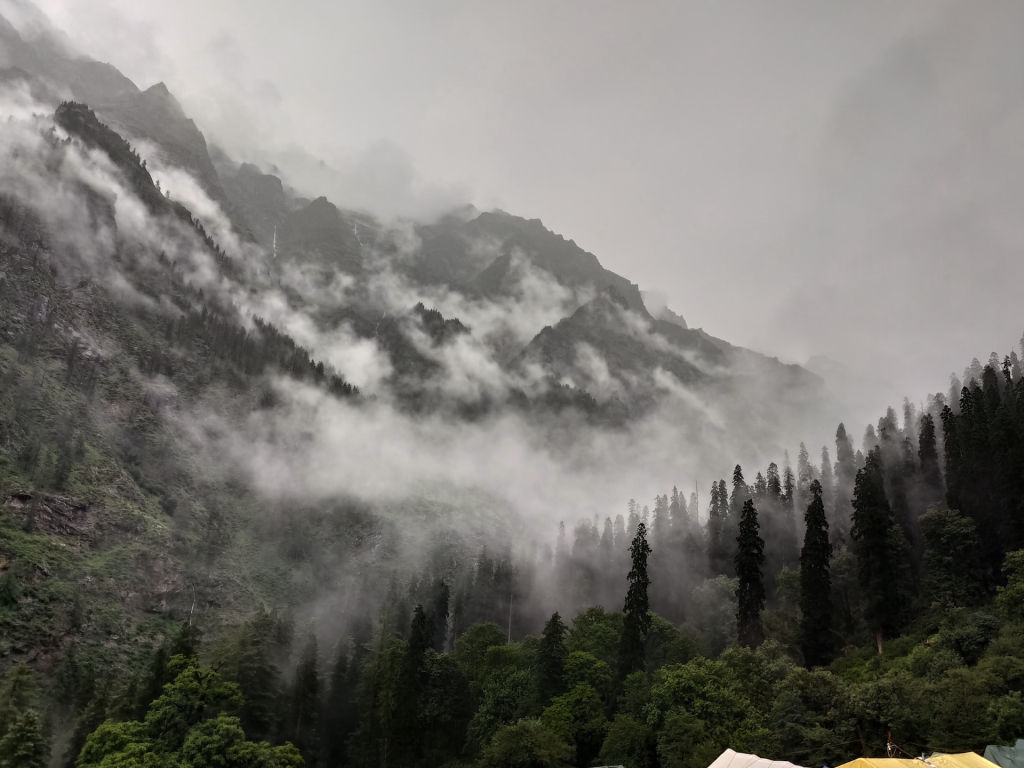
The environment around Dharamsura is characterized by raw, untamed alpine topography. Low-elevation approaches feature dense forests of deodar, pine, and birch interspersed with cascading glacial streams. As one ascends through the river valleys toward the mountain's base, tree lines give way to alpine meadows strewn with wildflowers in summer, which quickly yield to endless moraines, crevasses, and permanent snowfields. The terrain is inherently fragile and offers an authentic taste of high-altitude wilderness.
Mountaineering and Trekking Routes to Dharamsura
Reaching the slopes of Dharamsura is a serious undertaking that requires meticulous planning and solid physical conditioning. Approached traditionally through the Tosh Valley or from the Bara Shigri glacier basin, the route to the peak takes trekkers and climbers through remote boulder fields, glacial crossings, and sustained high-elevation terrain. Most groups establish multiple intermediate camps to allow for gradual acclimatization and reconnaissance before staging an ascent.
While climbing to the summit requires advanced technical mountaineering skills, ropes, and specialized snow-and-ice gear, the trails leading up to its base camps are popular with experienced high-altitude backpackers. These approach routes offer striking views of nearby giants such as Indrasan and Deo Tibba. Crossing the dynamic glacial systems requires vigilance, as route conditions can alter dramatically from season to season.
Read more
Best Time to Visit Dharamsura
The optimal window for trekking and climbing expeditions around Dharamsura spans the summer and early autumn months. June and July bring warm, clear days at lower elevations, though meltwater streams can run high and snow bridges may weaken. This is an ideal period for approaching base camps while the lower valleys are lush and green.
September to early October is widely regarded as the most stable period for alpine objectives in this part of Kullu. With the monsoon departing, skies remain remarkably crisp and mountain visibility peaks. Temperatures drop sharply during this time, particularly at night, and climbers should anticipate sub-zero conditions above the snowline. Winters bring colossal snowfall and extreme avalanche hazards, leaving the peak accessible only to specialized winter expeditions.
How to Reach the Dharamsura Region
Dharamsura is accessible from the district hub of Kullu. Travellers typically arrive in Himachal Pradesh by flying into Bhuntar Airport, which sits just south of Kullu town, or by taking overnight buses and private taxis from major transit hubs such as Chandigarh or New Delhi. Road conditions through the mountain corridors can fluctuate, especially after heavy rains, so leaving buffer days in your travel schedule is sensible.
From Kullu, the journey proceeds by road into the Parvati Valley towards trailheads such as Tosh, Barshaini, or Manikaran. These mountain hamlets serve as the final road-connected outposts where trekkers can hire local guides and porters. Beyond these villages, travel is exclusively on foot, following glacier-fed rivers deep into the uninhabited wilderness that cradles Dharamsura.
Notable Places and Trails Nearby
The broader region surrounding Dharamsura is packed with iconic Himalayan landmarks and picturesque mountain settlements. Directly to the west and northwest rise Indrasan and Deo Tibba, two legendary peaks that share this dramatic sub-range and attract global mountaineering attention. The glaciers connecting these peaks create an interconnected landscape of rugged ridges and ice cols that fascinate explorers.
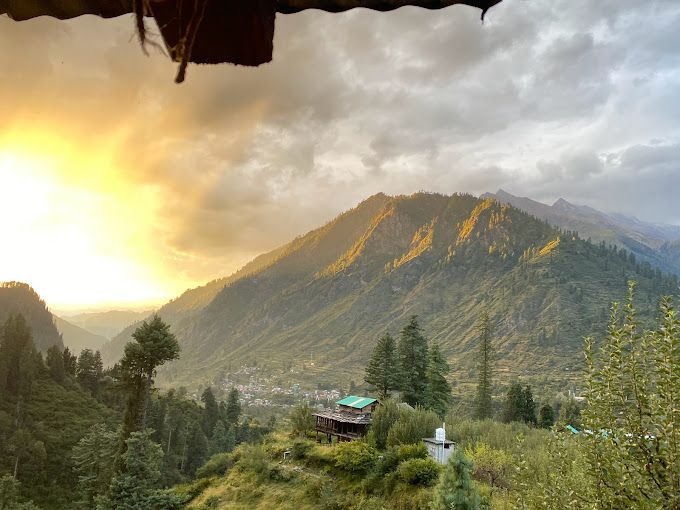
Lower down in the valley system, the vibrant trails of the Parvati Valley offer accessible detours for trekkers recuperating after an expedition. The trek to Kheerganga, known for its natural thermal springs and panoramic meadows, is one of the most frequented walks in the region. Traditional villages like Tosh and Pulga provide a window into indigenous wooden architecture, terraced apple orchards, and rural mountain culture, offering a stark contrast to the stark glacial wilderness higher up.
Essential Tips and Gear for the Expedition
Venturing near Dharamsura demands complete self-reliance and deliberate preparation. High altitude introduces severe physical stresses, making acclimatization schedules non-negotiable. Trekkers and climbers must stay well-hydrated, monitor themselves for symptoms of altitude sickness, and ensure that their itinerary allows for rest days before tackling high-elevation passes or summit ridges.
Packing for this terrain requires multi-layered technical apparel, including thermal underlayers, windproof outer shells, insulated down parkas, and sturdy mountaineering boots. Expedition-grade tents, four-season sleeping bags, and reliable cooking stoves are essential, as there are no permanent shelters in the upper reaches. It is equally important to practice leave-no-trace ethics by packing out all non-biodegradable waste to safeguard this fragile alpine sanctuary.
Where to Stay near Dharamsura
Higher on the slopes and approaches of Dharamsura, all accommodation is strictly self-supported wilderness camping. Climbers and expedition teams carry their own high-altitude tents and establish camps on stable moraines or snow shelves.
For travellers seeking base accommodation before or after venturing into the backcountry, the surrounding villages and towns provide welcoming options. Riverside camps, rustic mountain homestays, and village guesthouses can be found in places like Pulga, Tosh, Manikaran, and the wider Kullu Valley. You can discover and reserve well-located camps and homestays throughout the region on HireACamp.
Frequently asked questions
What is Dharamsura also known as?
Dharamsura is widely known among climbers and explorers as White Sail due to its striking snow-clad profile and sweeping alpine ridges.
Do I need technical mountaineering skills to visit Dharamsura?
Ascending the summit of Dharamsura requires technical mountaineering skills, specialized rope work, and glacier travel experience. However, experienced trekkers can hike along approach routes to base camp locations without technical climbing gear.
What is the best season to trek near Dharamsura?
The ideal trekking and climbing window is from June to early October. September and early October typically provide the clearest skies and most stable weather conditions in this part of Himachal Pradesh.
Where is the closest road access to Dharamsura?
The closest trailheads accessible by road lie in the upper Parvati Valley, near settlements such as Tosh and Barshaini, which connect by road to the town of Kullu.
Are there stay facilities on the Dharamsura trail?
There are no built accommodation facilities on the upper trail; all stays past the valley villages require self-sufficient expedition camping. Homestays and camps can be booked in lower villages and throughout Kullu on HireACamp.
Where you'll be
Kullu, HP · 2 stays nearby shown with prices
Stays near Dharamsura
Book a place to stay close by
More places near Dharamsura
Within 20 km
Built from 0 Instagram posts by 0 creators. Every tip links back to the post it came from, and where creators disagree we show both sides.






